
The Role of Historical Narratives in Shaping Mauryan Governance

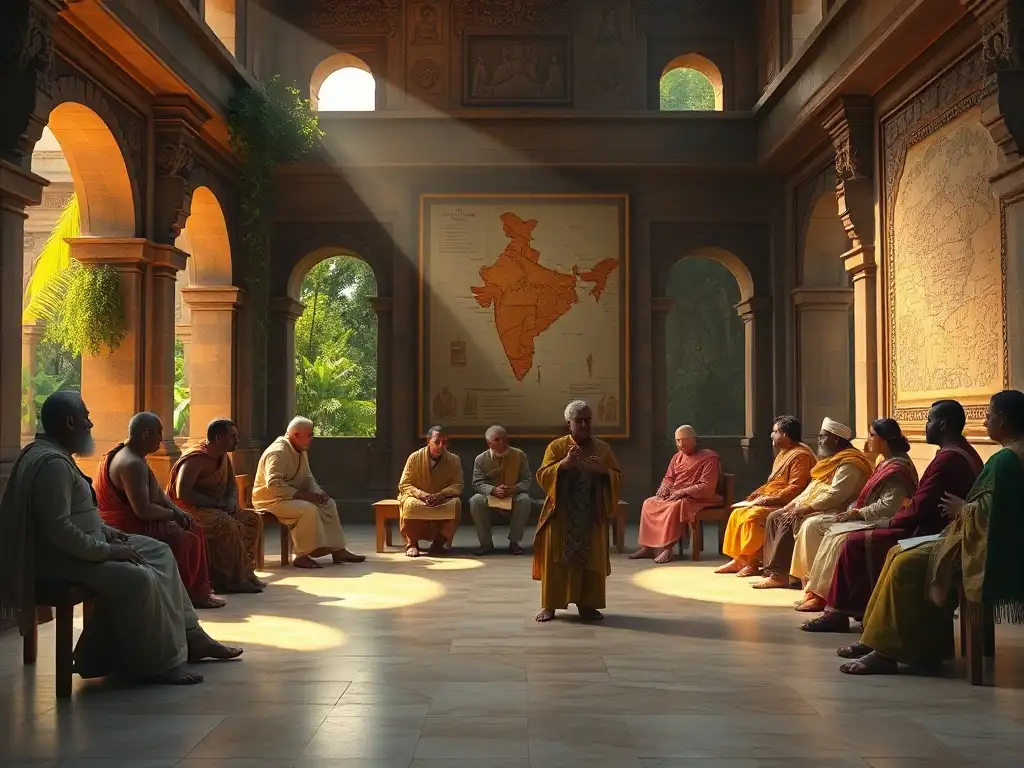
Welcome to Ancient India History, where we embark on a captivating journey through the intricate tapestry of ancient Indian civilizations. Here, you’ll discover how the impact of Mauryan governance history shaped the foundations of political thought and administrative practices that resonate even today. Delve into our featured article, The Role of Historical Narratives in Shaping Mauryan Governance, and unlock the secrets of one of the most influential empires in history. Join us as we explore the rich culture and remarkable contributions that define this vibrant era—your adventure through time begins now!
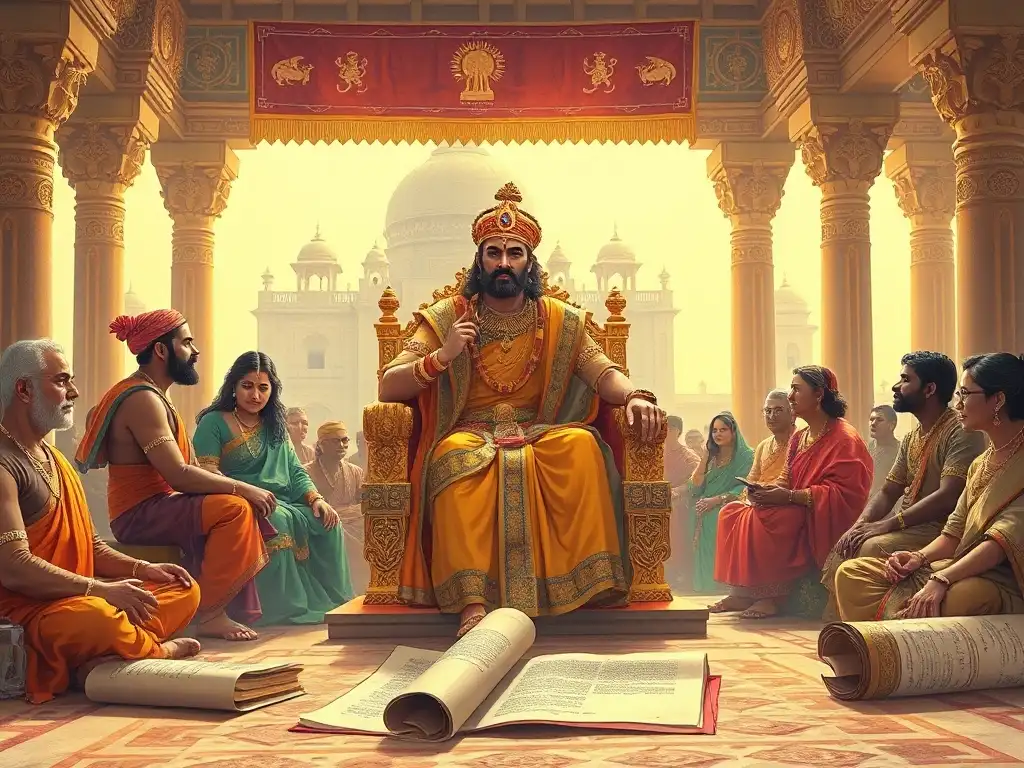
Introduction to Mauryan Governance History
The Mauryan Empire, which flourished from 322 to 185 BCE, stands as one of the most significant empires in ancient Indian history. Its governance structure, marked by a well-organized administration, innovative policies, and influential leaders, has been a focal point for historians and scholars alike. The impact of Mauryan governance history is not only pivotal for understanding the political landscape of ancient India but also for assessing its contributions to subsequent Indian civilizations. This article explores how historical narratives have shaped perceptions of Mauryan governance, revealing the complexities and nuances behind its administration and policies.
Overview of the Maurya Empire and Its Significance
The Maurya Empire was founded by Chandragupta Maurya, who, with the guidance of his mentor Chanakya, overthrew the Nanda Dynasty. Spanning large parts of the Indian subcontinent, the empire is renowned for its expansive territorial reach and cultural achievements. Key aspects of its significance include:
- Political Centralization: The Mauryan Empire introduced a centralized form of governance that influenced future Indian states.
- Economic Prosperity: Under the Mauryas, trade flourished, and the economy saw significant advancements, contributing to the overall wealth of the empire.
- Cultural Advancements: The Mauryan period was marked by artistic and cultural achievements, including the famous Ashoka Pillars and the spread of Buddhism.
Importance of Historical Narratives in Understanding Governance
Historical narratives play a crucial role in shaping our understanding of governance during the Maurya Empire. These narratives serve as both reflections of contemporary values and as tools for interpreting past events. They help us to:
- Contextualize Policies: Understanding the motivations behind the Mauryan governance policies requires examining the historical context in which they were implemented.
- Preserve Cultural Identity: Narratives about the Maurya Empire contribute to a collective cultural identity, offering insights into the values and principles that underpinned governance.
- Influence Modern Perspectives: The way historical narratives are framed can impact modern interpretations of governance, leadership, and statecraft within the Indian context.
Historical Narratives: Definition and Importance
Historical narratives are structured accounts of past events that provide context, meaning, and interpretation. They are not merely records of facts but are shaped by the perspectives and biases of their narrators.
What Are Historical Narratives?
Historical narratives encompass a wide range of storytelling forms, including:
- Chronicles and Annals: Detailed accounts of events, often focusing on specific time periods or rulers.
- Mythologies and Legends: Stories that convey cultural values and societal norms, often intertwining history with folklore.
- Biographies: Accounts of notable figures that illustrate their roles in shaping governance and policy.
These narratives can be derived from various sources, including ancient texts, inscriptions, and oral traditions, each contributing to our understanding of governance in the Maurya Empire.
How Historical Narratives Influence Perceptions of Governance
The influence of historical narratives on perceptions of governance is profound. They shape public understanding by:
- Framing Historical Events: The way events are described can highlight certain aspects while downplaying others, ultimately guiding public perception.
- Creating Ideological Constructs: Narratives can promote specific ideologies or values, impacting how governance is viewed and understood in both historical and contemporary contexts.
- Fostering Legacy: The portrayal of rulers and their policies can contribute to their legacy, affecting how future generations interpret their contributions to governance.
In exploring the historical narratives surrounding the Mauryan Empire, we gain valuable insights into the complexities of its governance and the lasting impact it has had on Indian history.
The Impact of Mauryan Governance History on Administration
The history of Mauryan governance plays a pivotal role in understanding the administrative strategies and political frameworks that defined one of ancient India's most significant empires. The Mauryan Empire, which thrived from approximately 322 to 185 BCE, is renowned for its sophisticated statecraft and governance mechanisms. The impact of Mauryan governance history can be observed in several key aspects:
- Centralized Authority: The Mauryan Empire established a strong centralized government that allowed for efficient control over vast territories. This centralization facilitated uniformity in law and order, taxation, and resource management. Historical narratives highlight how Emperor Ashoka, in particular, emphasized a bureaucratic structure that supported effective governance.
- Integration of Local Governance: The Mauryan administration effectively integrated local governance systems, allowing for the inclusion of regional practices within the overarching imperial framework. This approach not only enhanced loyalty among local rulers but also ensured that policies were culturally sensitive and aligned with local customs.
- Legal Framework: The historical accounts of the Mauryan period reveal the implementation of a comprehensive legal code, which was crucial for maintaining order and justice. The principles enshrined in these laws, many of which were influenced by the teachings of Buddhism under Ashoka, have had lasting implications for subsequent Indian governance.
- Taxation and Economic Policies: The Mauryan governance model established an intricate taxation system that balanced state revenue needs with the welfare of the populace. Historical texts describe how a fair taxation policy promoted economic growth and stability, which was vital for sustaining the empire's vast infrastructure and military.
Key Features of Mauryan Governance
Mauryan governance was characterized by several distinctive features that contributed to its effectiveness and longevity. These include:
- Bureaucratic Structure: The Mauryan Empire had a well-defined bureaucratic hierarchy, with officials appointed to oversee various aspects of administration, from revenue collection to law enforcement. This structure ensured accountability and facilitated efficient management of state affairs.
- Provincial Administration: The empire was divided into provinces, each governed by a viceroy or a governor who reported directly to the emperor. This provincial system allowed for localized governance while maintaining imperial oversight, making it easier to manage diverse populations.
- Use of Spies and Informants: Historical narratives indicate that the Mauryan rulers employed spies to gather intelligence about their subjects and officials. This practice enabled the rulers to monitor dissent and corruption, ensuring that governance remained effective.
- Promotion of Dhamma: Emperor Ashoka’s emphasis on Dhamma (moral law) marked a unique feature of Mauryan governance. His edicts promoted ethical behavior, social welfare, and the importance of non-violence, which influenced the governance philosophy for future Indian rulers.
Historical Accounts of Mauryan Rulers and Their Policies
The historical accounts of the Mauryan rulers provide critical insights into the policies that shaped governance during this era. Notable rulers like Chandragupta Maurya and Ashoka are frequently highlighted for their unique governance styles:
- Chandragupta Maurya: As the founder of the Mauryan Empire, Chandragupta established a strong military and administrative foundation. His use of a council of ministers and strategic alliances laid the groundwork for a stable governance model.
- Ashoka the Great: Ashoka’s reign marked a transformative period in Mauryan governance. His policies, driven by Buddhist principles, emphasized social justice, religious tolerance, and public welfare. The edicts inscribed on rocks and pillars throughout his empire serve as primary historical sources that document his governance philosophy and reforms.
Major Historical Narratives Influencing Mauryan Governance
The narratives surrounding the Mauryan Empire have significantly influenced modern interpretations of its governance system. These narratives encapsulate the philosophical and practical aspects of governance during this period.
Ancient Texts and Inscriptions
Ancient texts and inscriptions are crucial historical sources that provide a detailed understanding of Mauryan governance. Key artifacts include:
- Edicts of Ashoka: These inscriptions, found across the Indian subcontinent, articulate Ashoka’s policies, particularly his commitment to Dhamma and ethical governance. They serve as a testament to his efforts to promote harmony and welfare among his subjects.
- Kautilya’s Arthashastra: Often regarded as a seminal text on statecraft and economics, the Arthashastra authored by Kautilya (Chanakya) outlines various administrative strategies, including espionage, diplomacy, and military tactics. This text has influenced political thought in India and beyond.
Oral Traditions and Folklore
Oral traditions and folklore also play a significant role in shaping the historical narratives of Mauryan governance. These narratives often highlight:
- Cultural Practices: Folklore surrounding the Mauryan Empire reflects the integration of diverse cultural practices within the governance system. Stories of Ashoka’s compassion and his efforts to promote the welfare of his subjects are prevalent in various regional narratives.
- Moral Lessons: Many oral traditions emphasize moral lessons derived from the actions of Mauryan rulers, particularly Ashoka. These stories often serve as educational tales that reinforce the values of justice, integrity, and ethical leadership.
The historical narratives surrounding Mauryan governance are integral to understanding its impact on administration. They reflect the complexities and advancements of governance that have influenced not only India but also the broader historical narrative of governance in ancient civilizations.
Case Studies: Historical Narratives Shaping Governance
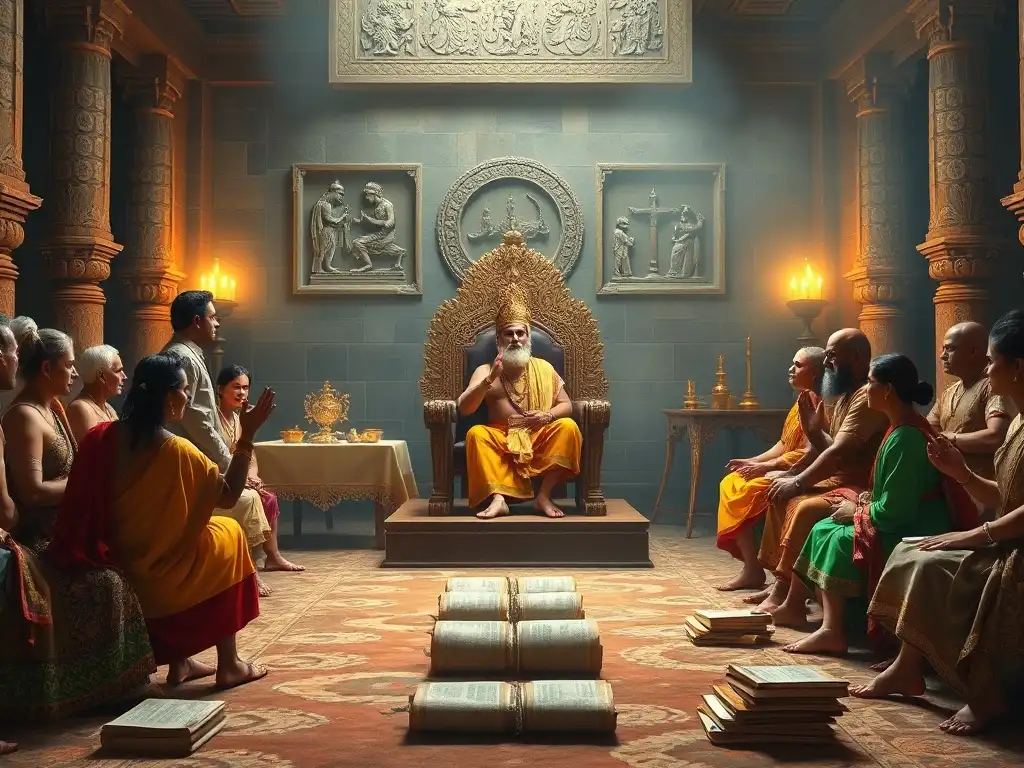
Historical narratives play a crucial role in shaping governance, particularly in the context of the Mauryan Empire. As one of the most prominent ancient Indian empires, the Mauryan dynasty utilized narratives to solidify its authority, communicate values, and justify its policies. These narratives not only reflected the political ambitions of its rulers but also served as tools for societal cohesion. Through various case studies, we can explore how these historical narratives were intricately woven into the fabric of Mauryan governance, influencing both contemporary and future perceptions of leadership and administration.
Ashoka the Great: From Conqueror to Benevolent Ruler
Ashoka the Great stands out as a pivotal figure in the Mauryan Empire, exemplifying the transformation of a conqueror into a ruler defined by his commitment to benevolence and dharma. After his initial military campaigns, which culminated in the bloody Kalinga War, Ashoka experienced a profound change of heart. This internal shift is documented in the Edicts of Ashoka, inscriptions that articulate his philosophical beliefs and governance principles.
These edicts serve as historical narratives that highlight Ashoka's commitment to non-violence, social welfare, and moral governance. By promoting Buddhism and ethical conduct, Ashoka positioned himself as a compassionate leader, contrasting sharply with the violent conquests of his earlier reign. This narrative not only legitimized his rule but also established a model of governance that prioritized the well-being of citizens. Ashoka's legacy as a benevolent ruler continues to resonate today, shaping how modern audiences perceive effective leadership.
The Role of Historical Narratives in Justifying Governance Decisions
Historical narratives often served as a means to justify governance decisions within the Mauryan Empire. Rulers would craft stories that depicted their actions as necessary for the greater good, aligning their policies with the ideals of dharma and justice. For instance, during Ashoka's reign, the rationale behind military campaigns and subsequent peace initiatives were framed within narratives that stressed the need for moral authority and social order.
These narratives were essential in garnering public support and maintaining legitimacy. By articulating governance decisions through the lens of historical precedent or moral obligation, Mauryan leaders could reinforce their authority and frame their actions as aligned with the collective welfare of their subjects. This interplay between narrative and governance highlights the significance of storytelling in shaping policy and public perception during the Mauryan period.
The Legacy of Mauryan Governance in Historical Narratives
The Mauryan Empire's governance model has left an indelible mark on the historical narratives that followed. The principles established during this period have influenced how subsequent generations understood governance, authority, and ethical leadership. The legacy of Mauryan governance is often invoked in discussions of political theory and practice in India, illustrating the enduring impact of historical narratives.
How Historical Narratives Shape Modern Perceptions of Mauryan Governance
Modern perceptions of Mauryan governance are significantly shaped by historical narratives that emphasize its achievements and philosophical underpinnings. The portrayal of rulers like Ashoka as exemplary leaders committed to justice and social welfare has fostered a romanticized view of the Mauryan Empire in contemporary discourse. These narratives often highlight the empire's administrative efficiency, cultural advancements, and promotion of religious tolerance.
However, it is essential to recognize that these narratives can also obscure the complexities and challenges faced by the empire. By selectively emphasizing certain aspects of Mauryan governance, modern interpretations may inadvertently simplify a rich and multifaceted history. Nonetheless, these narratives remain influential, as they provide a framework for understanding governance models in contemporary India and beyond.
The Influence of Mauryan Governance on Subsequent Indian Empires
The governance strategies employed by the Mauryan Empire established a foundation that influenced subsequent Indian empires, including the Gupta Empire. Key features of Mauryan governance, such as centralized administration, integration of diverse cultures, and the promotion of ethical leadership, were adopted and adapted by later rulers.
Historical narratives from the Mauryan period served as benchmarks for evaluating political legitimacy and governance practices in later empires. The emphasis on moral authority and social responsibility in Mauryan governance resonated in the narratives of subsequent rulers, who sought to emulate the perceived success of Ashoka and his administration. This influence underscores the profound and lasting impact of Mauryan governance on the evolution of political thought in India, shaping the trajectory of Indian history for centuries to come.
Conclusion: The Enduring Impact of Historical Narratives on Mauryan Governance
The historical narratives surrounding the Mauryan Empire play a crucial role in understanding the governance practices that shaped one of ancient India's most significant civilizations. These narratives not only provide insights into the political strategies and administrative mechanisms employed during the reign of notable rulers like Chandragupta Maurya and Ashoka but also highlight how these practices influenced subsequent governance models in India and beyond.
By examining the historical context, policies, and philosophical underpinnings of Mauryan governance, we can appreciate the intricate interplay between history and administration. The legacy of the Mauryan Empire continues to resonate in contemporary discussions about governance, ethics, and civic responsibility.
Summary of Key Insights
- Historical Sources: Important texts like the Arthashastra, attributed to Kautilya, illustrate sophisticated governance methods, including economic management, espionage, and diplomacy, foundational to the Mauryan administration.
- Ashoka's Edicts: The edicts of Ashoka provide a unique perspective on the moral and ethical dimensions of governance, emphasizing non-violence, social welfare, and the importance of public service, which have influenced modern governance philosophies.
- Cultural Integration: The Mauryan Empire’s governance was marked by efforts to integrate diverse cultures and religions, showcasing an early example of pluralism in administration that shaped societal cohesion.
- Institutional Framework: The establishment of an extensive bureaucratic system under the Mauryan rule laid the groundwork for administrative practices that would endure in Indian governance through subsequent empires.
- Historical Reflection: The narratives of the Mauryan period not only serve as historical accounts but also as reflections of the values and aspirations of the society, influencing how governance is perceived and practiced in later periods.
Final Thoughts on the Role of History in Governance Understanding
The exploration of historical narratives reveals that governance is deeply rooted in the cultural and ethical fabric of society. The Mauryan Empire exemplifies how historical perspectives can shape governance structures and inform the principles of leadership. The impact of Mauryan governance history is not limited to administrative practices; it extends into the realm of ethics and societal values that continue to influence modern governance.
As we look to the past, it becomes evident that understanding the historical context of governance is vital for contemporary leaders and policymakers. The lessons learned from the Mauryan experience can guide current governance approaches, fostering a deeper appreciation for the blend of history, culture, and administration in shaping effective governance systems. Through such reflections, we can honor the enduring legacy of the Mauryan Empire and its significant contributions to the evolution of governance in the Indian subcontinent and beyond.
- Introduction to Mauryan Governance History
- Historical Narratives: Definition and Importance
- The Impact of Mauryan Governance History on Administration
- Major Historical Narratives Influencing Mauryan Governance
- Case Studies: Historical Narratives Shaping Governance
- The Legacy of Mauryan Governance in Historical Narratives
- Conclusion: The Enduring Impact of Historical Narratives on Mauryan Governance
- What is the significance of Mauryan governance in ancient Indian history?
- How did the Mauryan Empire contribute to cultural development?
- What were the key features of Mauryan governance?
- How did historical narratives shape our understanding of Mauryan governance?
- What role did Ashoka play in the impact of Mauryan governance?
Frequently Asked Questions
What is the significance of Mauryan governance in ancient Indian history?
The Mauryan governance marked a turning point in administrative systems, establishing a centralized authority that influenced future Indian states.
How did the Mauryan Empire contribute to cultural development?
The Mauryan Empire fostered a rich cultural exchange through trade and patronage of arts, promoting literature, sculpture, and architecture during its reign.
What were the key features of Mauryan governance?
Key features included a well-defined administrative structure, efficient taxation, and a focus on law and order, which helped maintain stability across the vast empire.
How did historical narratives shape our understanding of Mauryan governance?
Historical narratives highlight the achievements and challenges of Mauryan rulers, providing insights into their policies and the impact of their governance on society.
What role did Ashoka play in the impact of Mauryan governance?
Ashoka, the most renowned Mauryan emperor, promoted Buddhism and ethical governance, which left a lasting legacy on Indian culture and administration.
Final Reflection: The Enduring Impact of Mauryan Governance History
The exploration of historical narratives in shaping Mauryan governance reveals their profound relevance in today's context. As we navigate the complexities of modern governance, understanding how the Mauryan Empire utilized narratives to consolidate power and influence societal norms becomes increasingly significant. The lessons drawn from this ancient civilization remind us that the stories we tell can shape our political landscapes and societal values.
Cultural and social landscapes are continuously influenced by the narratives we choose to embrace. The Mauryan Empire exemplifies how historical narratives can serve as tools for governance, fostering unity and a shared identity among diverse populations. As we reflect on this, it is essential to remember the words of historian Eric Hobsbawm: History is not a simple record of the past; it is a powerful tool for shaping the present.
This insight underscores the importance of understanding our historical narratives as we strive to create inclusive and effective governance today.
As you contemplate the role of historical narratives in your own life, consider how the stories you engage with shape your understanding of governance and community. Reflect on the narratives that resonate with you and think about how you can contribute to a more informed and inclusive dialogue in your own circles. By recognizing the impact of historical narratives, we can actively participate in shaping a future that honors our past while striving for a more equitable society.
Unveil the Power of Historical Narratives in Governance!
Thank you for diving into the fascinating intersections of historical narratives and Mauryan governance! Your interest in this profound topic equips you with insights that can enrich your understanding of how stories shape societies.
Now, it’s your turn to take action and further explore this topic:
- Embrace History: Read a historical text from the Mauryan period and reflect on the narratives it presents. Consider how these stories inform modern governance.
- Join the Conversation: Share your thoughts on social media using the hashtag #MauryanGovernance. Let’s spark a dialogue and learn from one another!
- Explore Further: Visit our website for more articles that uncover the rich details of Ancient India, which continue to resonate today.
Which historical narrative do you believe had the most significant impact on governance during the Mauryan era, and why? We’d love to hear your insights!