
The Historical Journey of the Madurai Meenakshi Temple: From Past to Present

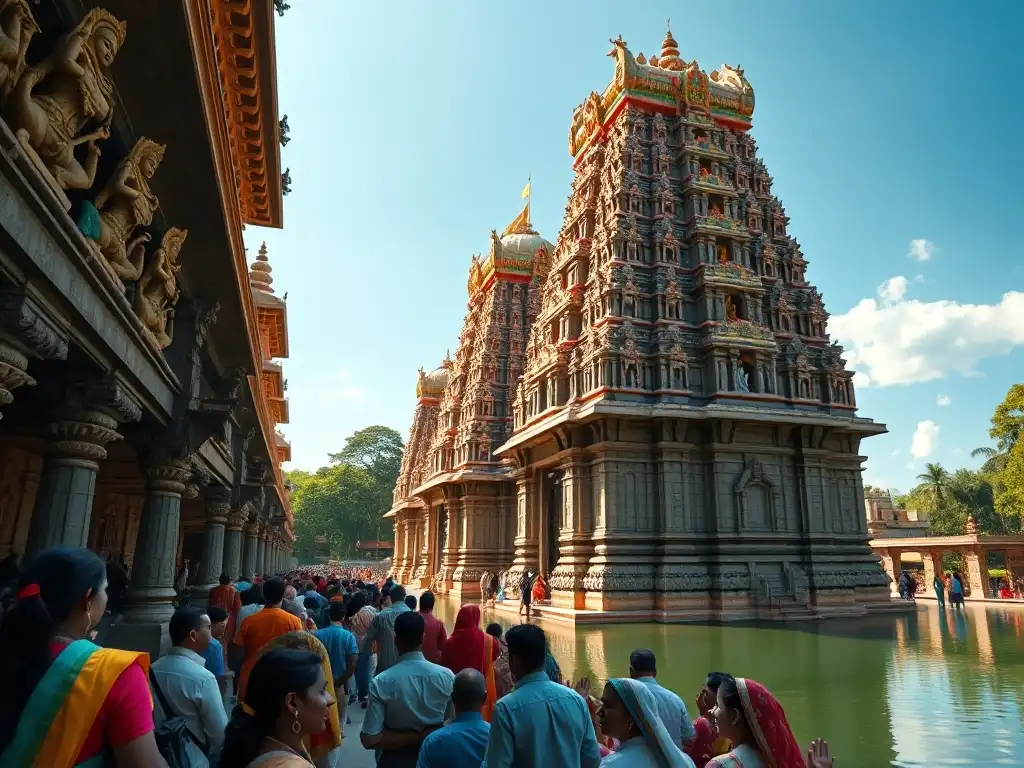
Welcome to Ancient India History, where we embark on a fascinating journey through the rich tapestry of India's past. Here, we delve into the Madurai Meenakshi Temple history, a magnificent monument that stands as a testament to the artistry, devotion, and cultural heritage of ancient Indian civilizations. As you explore the intricacies of this iconic temple—from its origins in the Indus Valley to its significance during the Gupta Empire—you'll uncover stories that not only shape our understanding of Madurai but also illuminate the vibrant history of the region.
Prepare to be captivated as we unveil the layers of history that make this temple a cornerstone of spiritual and architectural excellence. Keep reading to discover the remarkable narrative that has shaped the heart of Madurai!
Introduction to Madurai Meenakshi Temple History
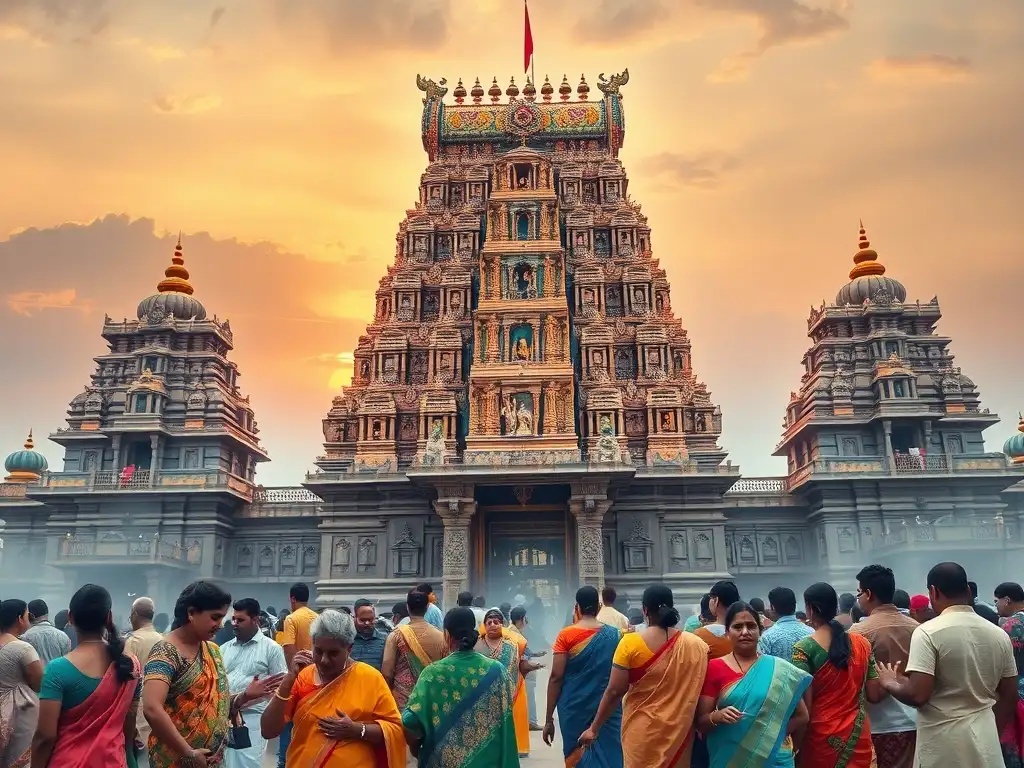
The Madurai Meenakshi Temple, an architectural marvel and spiritual epicenter located in the heart of Tamil Nadu, embodies the rich tapestry of ancient Indian history and culture. This temple, dedicated to the goddess Meenakshi and her consort Sundareswarar, not only serves as a place of worship but also stands as a testament to the artistic and spiritual advancements of ancient Indian civilizations.
The history of the Madurai Meenakshi Temple is a fascinating journey that reflects the socio-political dynamics, artistic innovations, and religious fervor of its time, making it a significant subject of study within the broader context of Southern Indian history.
This article will delve deep into the historical journey of the Madurai Meenakshi Temple, tracing its origins, architectural evolution, and cultural significance. By exploring the layers of history encapsulated in this magnificent structure, we aim to shed light on how the temple has shaped and been shaped by the civilizations that flourished around it.
Overview of the Temple's Significance in Southern India
The Madurai Meenakshi Temple is not just a religious shrine; it is a vibrant symbol of the cultural heritage of Southern India. It serves as a focal point for the local community and pilgrims from across the country, facilitating a confluence of traditions, languages, and artistic expressions. The temple's intricate sculptures, towering gopurams (gateway towers), and bustling festivals attract millions of visitors, making it one of the most important pilgrimage sites in India.
- Cultural Hub: The temple has long been a center for Tamil literature, music, and dance, contributing to the flourishing of classical arts in the region.
- Political Significance: Throughout history, various dynasties, including the Pandavas and the Nayaks, have used the temple as a symbol of their power, often investing in its expansion and embellishment, thereby intertwining its history with that of the region.
Importance in Ancient Indian Civilization
The significance of the Madurai Meenakshi Temple extends beyond its physical presence. It played a crucial role in shaping the religious landscape of ancient India. The temple's history is interwoven with the spiritual narratives and rituals that have been practiced for centuries, reflecting the deep-rooted devotion of the people.
- Religious Practices: The temple has been a site for various rituals and festivals, such as the Meenakshi Tirukalyanam, which celebrates the divine marriage of Meenakshi and Sundareswarar, thereby reinforcing community bonds and cultural identity.
- Historical Narratives: The legends surrounding the temple, including its mythological origins, have been integral to the religious beliefs of the region, highlighting the temple's role in preserving ancient wisdom and traditions.
Origins of the Madurai Meenakshi Temple
The origins of the Madurai Meenakshi Temple are steeped in mythology and historical significance. It is believed that the temple was originally constructed in the ancient city of Madurai, which was founded by the legendary King Kulasekara Pandya. This section will explore the earliest references to the temple and the historical context that shaped its development.
Early References and Historical Context
The earliest references to the Meenakshi Temple can be traced back to ancient Tamil literature, where it is mentioned in texts like the Silappatikaram and Tiruvilaiyadal Puranam. These texts not only celebrate the temple's divine essence but also provide insights into the socio-political landscape of the time.
- Settlements and Kingdoms: Historical records indicate that the temple was a focal point during the reign of various dynasties, including the Pandya dynasty, who are credited with its initial construction and subsequent renovations.
- Cultural Exchanges: The temple also served as a hub for traders and pilgrims, facilitating cultural exchanges and influencing the development of art and architecture in the region.
Architectural Influences in the Temple's Construction
The construction of the Madurai Meenakshi Temple showcases a blend of architectural styles that reflect the influences of various dynasties over the centuries. Its design is characterized by intricate carvings, towering gopurams, and sprawling courtyards, making it a hallmark of Dravidian architecture.
- Dravidian Architecture: The temple exhibits typical features of Dravidian architecture, such as elaborate sculptures and towering structures, which evolved over time, influenced by the artistic trends of successive rulers.
- Innovations and Additions: Over the centuries, various rulers, particularly the Nayaks, contributed to the temple's construction and expansion, integrating their architectural styles and embellishments, thereby enriching its historical narrative.
Through this exploration of the Madurai Meenakshi Temple's history, we can appreciate not only its architectural grandeur but also its profound cultural and spiritual significance in the context of ancient Indian civilization.
Evolution Through the Ages
The Madurai Meenakshi Temple has a remarkable history that reflects the cultural, religious, and architectural transformations of the region over centuries. Its evolution can be traced back to its origins, with significant developments during various dynasties. The temple's architectural style has evolved, incorporating elements from different periods that showcase the craftsmanship and artistic sensibilities of each era. As a result, the temple stands today not only as a place of worship but also as a monument to the rich tapestry of Southern India's history.
The Temple During the Pandyan Dynasty
The origins of the Madurai Meenakshi Temple can be traced back to the ancient Pandyan Dynasty, which flourished between the 6th century BCE and the 12th century CE. According to historical texts, the temple was initially built to honor Goddess Meenakshi, a form of Parvati, and her consort Lord Shiva, known as Sundareshwarar. The Pandyan rulers, known for their patronage of arts and culture, played a crucial role in expanding the temple's significance. They initiated the construction of the temple's foundational structures, establishing it as a prominent pilgrimage site.
During this period, the temple also became a focal point for the local community, reflecting the intertwining of religious and political life. The Pandyan Dynasty's influence is evident in the early architectural styles, which combined simplicity with intricate carvings depicting mythological narratives and deities, setting the stage for future developments.
Contributions of the Nayak Rulers
The Nayak rulers, who succeeded the Pandyas in the 16th century, significantly transformed the Madurai Meenakshi Temple. Their reign marked a period of extensive renovation and expansion, reflecting their devotion to the goddess and the temple's significance as a cultural epicenter. Under the Nayaks, the temple complex saw the addition of several towering gopurams (gateway towers), which are now iconic features of the temple.
The Nayak rulers commissioned various sculptures and murals that adorned the temple's walls, showcasing the vibrancy of Tamil art and culture. They also enhanced the temple's infrastructure, including the construction of the hall of a thousand pillars (Aayiram Kaal Mandapam), which served as a gathering place for devotees and a venue for cultural performances. This period solidified the temple's status as not only a religious site but also as a hub for artistic expression.
Key Renovations and Expansions
Throughout its history, the Madurai Meenakshi Temple has undergone numerous renovations and expansions, particularly in the 19th and 20th centuries. These efforts have focused on preserving the temple's grandeur while accommodating the growing number of pilgrims and tourists. Notable renovations include the restoration of the intricate sculptures and frescoes, which were meticulously conserved to retain their original artistry.
The temple's complex has also seen the addition of new shrines and facilities to enhance the visitor experience. In recent years, the temple management has implemented modern amenities while ensuring that the sacred atmosphere remains intact. These renovations have not only revitalized the temple's physical structure but have also reinforced its cultural significance in contemporary society.
Cultural Significance of the Madurai Meenakshi Temple
The Madurai Meenakshi Temple is more than just a religious site; it is a cultural landmark that plays a vital role in the daily lives of the people in Madurai and beyond. The temple's significance is deeply rooted in the local traditions, festivals, and artistic expressions that have emerged over centuries.
Role in Local Festivals and Traditions
The temple is the heart of several vibrant festivals and traditions that reflect the rich cultural heritage of the region. One of the most notable celebrations is the Meenakshi Thirukalyanam, which commemorates the divine marriage of Goddess Meenakshi and Lord Sundareshwarar. This festival attracts thousands of devotees and features elaborate processions, music, dance, and rituals that showcase the community's devotion and cultural pride.
Additionally, the temple serves as a venue for various local festivities, such as the Chithirai Festival, which celebrates the arrival of the Chithirai month in the Tamil calendar. These events not only strengthen the spiritual connection among devotees but also promote a sense of identity and continuity within the community.
The Temple as a Center for Art and Literature
The Madurai Meenakshi Temple has long been recognized as a hub for artistic and literary expression. The intricate carvings, sculptures, and murals within the temple complex are prime examples of the region's artistic heritage. Many artists and craftsmen have drawn inspiration from the temple's divine narratives, resulting in a rich tapestry of artistic creations.
In addition to visual arts, the temple has also been a center for literature, particularly Tamil poetry and classical music. The compositions of revered poets, such as the Tiruvilaiyadal Puranam, have been integral to the temple’s cultural milieu. Special events and performances are regularly held, promoting the continued appreciation of Tamil literature and music, thus ensuring that the cultural legacy of the Madurai Meenakshi Temple endures for future generations.
Architectural Marvels of the Madurai Meenakshi Temple
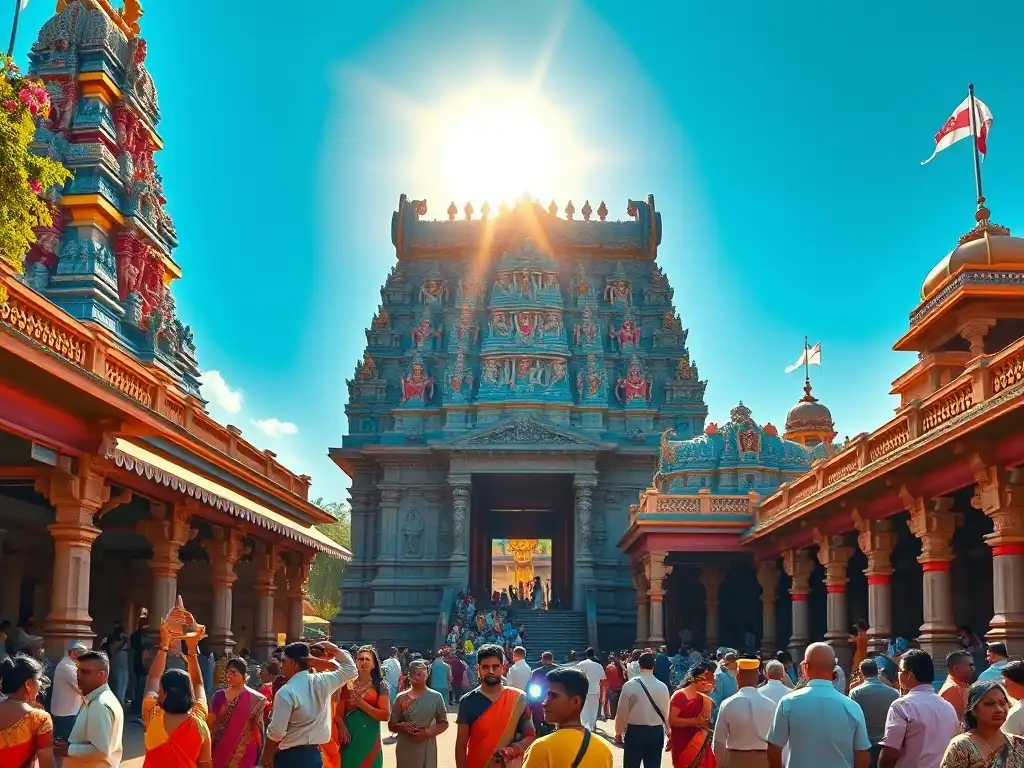
The Madurai Meenakshi Temple stands as a testimony to the architectural brilliance of ancient Indian civilization. Constructed over several centuries, the temple showcases a unique blend of Dravidian architecture that is characterized by towering gopurams (gateway towers), intricate carvings, and expansive courtyards.
The temple complex spans about 14 acres and is surrounded by a high wall, featuring a total of 12 gopurams, the tallest reaching a height of 51.9 meters (170 feet). Each gopuram is adorned with thousands of colorful sculptures depicting various deities, mythological figures, and intricate floral patterns, creating a visual feast that attracts both devotees and tourists alike.
The temple is not only an architectural wonder but also a remarkable feat of engineering. The layout follows a geometric pattern that emphasizes symmetry and harmony, reflecting the ancient Indian understanding of aesthetics and spirituality. The main sanctum, housing the deities Meenakshi and Sundareswarar, is the focal point of the temple and is surrounded by several mandapas (halls) that serve different purposes, from rituals to ceremonies. This complex design highlights the temple's multifaceted role as a religious, cultural, and social hub.
Distinctive Features of the Temple Architecture
The Madurai Meenakshi Temple is distinguished by several architectural features that set it apart from other temples in Southern India. One of the most notable aspects is the vibrant color of the sculptures adorning the gopurams. These sculptures are painted in bright hues, making the temple visible from a distance and adding to its majestic appearance. Furthermore, the intricate carvings on the pillars of the temple are a showcase of craftsmanship, depicting various forms of dance, music, and everyday life during ancient times.
Another distinctive feature is the two main deities, Meenakshi and Sundareswarar, each having their own sanctum within the temple complex. Meenakshi, depicted with fish-shaped eyes, symbolizes strength and beauty, while Sundareswarar represents the divine masculine. The dual sanctum system reflects the temple's importance as both a pilgrimage site and a center of worship for both male and female deities, a rarity in Hindu temple architecture.
Iconography and Symbolism in Design
Iconography plays a crucial role in the design of the Madurai Meenakshi Temple, with every sculpture and relief carrying deep symbolic meanings. The temple's numerous deities are depicted in various postures and mudras (hand gestures) that signify the divine attributes and qualities they embody. For instance, Meenakshi is often portrayed holding a parrot, symbolizing love and communication, while Sundareswarar holds a trident, representing strength and protection.
The temple's design also incorporates several sacred symbols, such as the lotus, which signifies purity and spiritual awakening, and the conch shell, representing the sound of the divine. Additionally, the layout of the temple is aligned with cardinal directions, which is significant in Hindu cosmology, reinforcing the temple's role as a microcosm of the universe, where devotees can connect with the divine through spatial orientation and sacred geometry.
The Madurai Meenakshi Temple in Contemporary Times
The Madurai Meenakshi Temple continues to thrive as a significant religious and cultural landmark in modern India. It attracts millions of pilgrims and tourists each year, and its vibrant festivals showcase the rich traditions and customs associated with the temple. Recent efforts have focused on preserving the temple’s architectural integrity while accommodating the growing number of visitors.
Current Status and Preservation Efforts
In contemporary times, the Madurai Meenakshi Temple is recognized as a UNESCO World Heritage Site candidate, highlighting its global significance. Various preservation efforts are underway to maintain the temple's structural integrity and artistic elements. The Tamil Nadu government, along with cultural organizations, has initiated restoration projects that focus on cleaning, repairing, and preserving the intricate sculptures and murals that adorn the temple.
Furthermore, modern technology is being employed to document the temple's architecture and artifacts, ensuring that future generations can appreciate its historical and cultural significance. These efforts include the use of 3D modeling and digital archiving, which help in creating a detailed record of the temple's features and conditions.
The Temple's Role in Modern Hindu Worship
The Madurai Meenakshi Temple remains a vital center for Hindu worship in modern India. It hosts numerous daily rituals, festivals, and cultural events that foster community engagement and spiritual growth. The annual Meenakshi Tirukalyanam festival, which celebrates the divine marriage of Meenakshi and Sundareswarar, attracts thousands of devotees and features elaborate processions, music, and dance performances, reflecting the temple's living tradition.
Moreover, the temple serves as a catalyst for cultural education, offering classes and workshops in traditional arts, music, and dance. Through these initiatives, the Madurai Meenakshi Temple not only preserves ancient rituals but also adapts to contemporary practices, ensuring that the rich heritage of Southern India continues to flourish in the modern era.
Conclusion: The Legacy of the Madurai Meenakshi Temple
The Madurai Meenakshi Temple stands as a monumental testament to the artistic, architectural, and spiritual heritage of ancient India. Its intricate carvings and towering gopurams (gateway towers) not only signify the skill of the artisans of their time but also tell stories of devotion that have transcended generations. This temple, dedicated to Goddess Meenakshi and her consort Sundareshwarar, symbolizes the cultural confluence of tradition, faith, and history. As a living monument, it continues to attract millions of pilgrims and tourists each year, serving as a focal point for the rich tapestry of Tamil culture and spirituality.
The temple's influence extends beyond its physical presence. It has inspired countless works of literature, music, and art, embedding itself deeply in the cultural consciousness of the region. The annual festivals celebrated here, such as the Meenakshi Thirukalyanam, highlight the temple's role as a hub of community engagement and religious fervor, reflecting the enduring legacy of the Madurai Meenakshi Temple in the hearts of its devotees.
Reflections on the Temple's Historical Journey
Reflecting on the historical journey of the Madurai Meenakshi Temple reveals a narrative marked by resilience and transformation. From its origins in ancient times, believed to date back to the 6th century BCE, to its expansion during the Nayak dynasty in the 16th century, the temple has witnessed the ebb and flow of political and cultural changes. Each era contributed layers to its structure and significance, with various rulers enhancing its grandeur and promoting its worship.
The temple's resilience in the face of invasions, natural disasters, and socio-political changes underscores the tenacity of faith and community. The restoration efforts and continued reverence for the site demonstrate how the historical journey of the temple is not merely a reflection of architectural evolution but also a testament to the enduring nature of religious devotion and cultural identity in South India.
Future Prospects for Preservation and Study
Looking ahead, the future of the Madurai Meenakshi Temple hinges on effective preservation and ongoing scholarly study. The temple, as a UNESCO World Heritage Site candidate, necessitates a balanced approach to conservation that safeguards its architectural integrity while accommodating the needs of modern-day worshippers and tourists. Initiatives aimed at restoring and maintaining the intricate sculptures, frescoes, and structural elements will be crucial in ensuring that future generations can appreciate this historical marvel.
Additionally, the temple presents an invaluable opportunity for further academic exploration. Researchers can delve into its historical records, architectural styles, and cultural practices, contributing to a more comprehensive understanding of Southern India's socio-religious landscape. Collaborative efforts between historians, archaeologists, and local communities can foster a deeper appreciation for the temple's significance, encouraging a shared responsibility for its preservation.
References and Further Reading
Recommended Books on Madurai Meenakshi Temple History
-
"Meenakshi: Goddess of Madurai" by V. R. Ramachandra Iyer
This book provides an in-depth exploration of the legends and rituals associated with the goddess Meenakshi, along with insights into the temple's architecture.
-
"The Madurai Meenakshi Temple: A Cultural History" by N. S. Sriram
A comprehensive account of the temple's historical significance and its role in shaping the cultural identity of Madurai.
-
"Temples of Tamil Nadu: A Historical Perspective" by R. S. Siva Kumar
This work places the Madurai Meenakshi Temple within the broader context of Tamil Nadu's temple architecture and religious practices.
Academic Articles and Journals for In-Depth Exploration
-
"The Architectural Evolution of the Meenakshi Temple" - Journal of South Asian Studies
This article examines the architectural changes of the temple through different historical periods and their implications for Tamil culture.
-
"Rituals and Festivals at the Madurai Meenakshi Temple" - Indian Journal of Cultural Studies
A scholarly analysis of the various rituals and festivals celebrated at the temple, highlighting their cultural significance and community involvement.
-
"Divinity in Stone: The Iconography of the Meenakshi Temple" - Art History Review
This publication focuses on the intricate iconography of the temple, providing insights into the symbolism and artistic techniques employed in its construction.
- Introduction to Madurai Meenakshi Temple History
- Origins of the Madurai Meenakshi Temple
- Evolution Through the Ages
- Cultural Significance of the Madurai Meenakshi Temple
- Architectural Marvels of the Madurai Meenakshi Temple
- The Madurai Meenakshi Temple in Contemporary Times
- Conclusion: The Legacy of the Madurai Meenakshi Temple
- References and Further Reading
- What is the significance of the Madurai Meenakshi Temple in ancient Indian history?
- When was the Madurai Meenakshi Temple originally built?
- What architectural styles are featured in the Madurai Meenakshi Temple?
- How has the Madurai Meenakshi Temple influenced culture in India?
- What are some notable festivals celebrated at the Madurai Meenakshi Temple?
Frequently Asked Questions
What is the significance of the Madurai Meenakshi Temple in ancient Indian history?
The Madurai Meenakshi Temple is a vital symbol of Tamil culture and religious devotion, representing the architectural brilliance and spiritual heritage of ancient Indian civilizations.
When was the Madurai Meenakshi Temple originally built?
The temple's origins date back to over 2,500 years ago, although it has undergone numerous renovations and expansions throughout its history.
What architectural styles are featured in the Madurai Meenakshi Temple?
The temple showcases Dravidian architectural styles, characterized by intricate carvings, towering gopurams (gateway towers), and vibrant sculptures that depict various deities and mythological scenes.
How has the Madurai Meenakshi Temple influenced culture in India?
The temple has been a cultural hub, inspiring art, literature, and music, and has played a crucial role in promoting Hindu traditions and rituals throughout the centuries.
What are some notable festivals celebrated at the Madurai Meenakshi Temple?
The temple hosts several grand festivals, with the Meenakshi Thirukalyanam (divine marriage) being the most famous, attracting thousands of devotees who celebrate its spiritual significance and rich cultural traditions.
Final Reflection: The Enduring Legacy of the Madurai Meenakshi Temple
The historical journey of the Madurai Meenakshi Temple is not just a tale of architecture and devotion; it is a profound narrative that resonates with the cultural identity of Tamil Nadu today. As we explore its rich history, we uncover layers of significance that extend beyond its walls, reminding us of the temple's role as a beacon of spirituality and community. The temple stands as a testament to resilience, having weathered the storms of time while continuing to inspire countless devotees and visitors alike.
Cultural heritage is a living entity, and the Madurai Meenakshi Temple exemplifies this truth. Its influence permeates the social fabric of the region, shaping traditions, festivals, and artistic expressions that thrive to this day. The temple is not merely a historical site; it is a vibrant hub of life where stories are shared, and faith is renewed. As the renowned poet Subramania Bharati once said, The temple is the heart of the city, beating with the pulse of its people.
This sentiment captures the essence of how the temple continues to be a source of pride and unity for the community.
As we reflect on the lessons embedded in the history of the Madurai Meenakshi Temple, let us invite ourselves to appreciate the beauty of our own cultural narratives. Take a moment to consider how the stories of our past shape our present and future. Engage with your heritage, celebrate your traditions, and contribute to the ongoing journey of cultural preservation. The legacy of the Madurai Meenakshi Temple encourages us all to honor our roots while embracing the future with open hearts and minds.
Unveil the Wonders of Madurai Meenakshi Temple!
Thank you for joining us on this insightful journey through the rich history of the Madurai Meenakshi Temple! We hope you’ve gained a deeper appreciation for its architectural brilliance and cultural significance. Now it’s time to take the next step and explore this magnificent site, whether in person or from the comfort of your home!
Here are some actions you can take to further connect with this incredible history:
- Plan a visit: Book your trip to Madurai and immerse yourself in the stunning beauty of the temple.
- Share the knowledge: Discuss the temple's captivating history with friends and family, or share this article on your social media platforms!
- Get involved: Participate in local history or cultural forums where you can discuss and celebrate ancient temples with fellow enthusiasts.
What aspect of the Madurai Meenakshi Temple are you most excited to explore further?