
Analyzing the Social Hierarchy of the Indus Valley Civilization

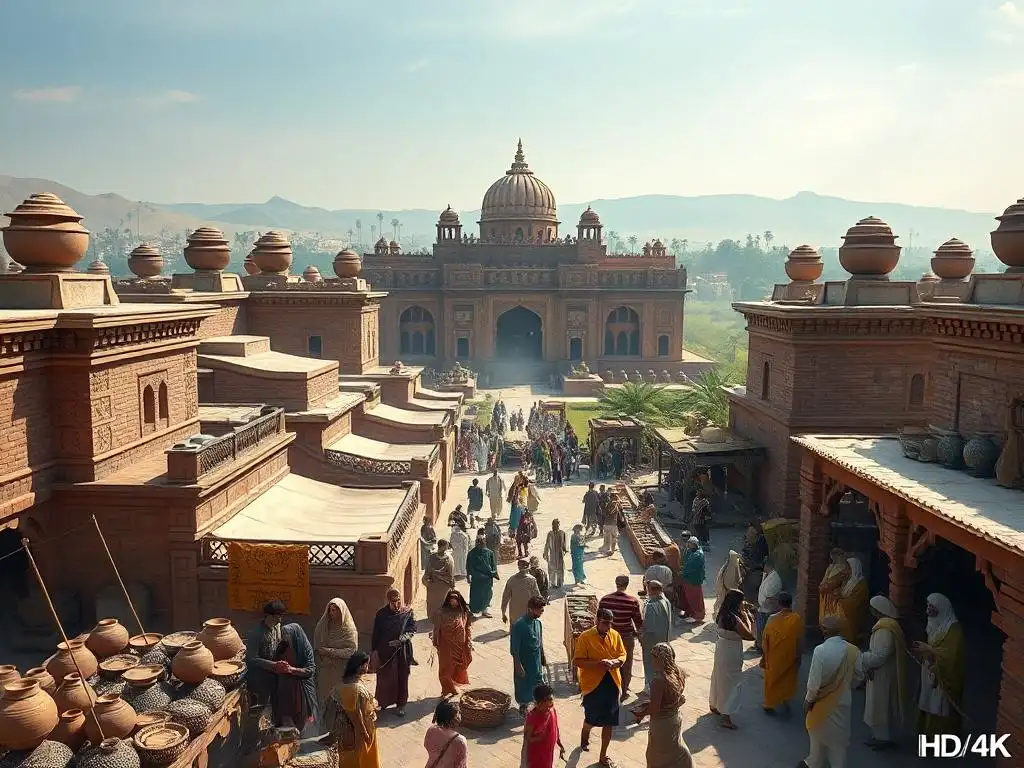
Welcome to Ancient India History, where we invite you to embark on a fascinating journey through the rich tapestry of ancient Indian civilizations. In our latest article, “Analyzing the Social Hierarchy of the Indus Valley Civilization,” we delve into the intricate social structure that defined one of the world’s earliest urban cultures. What roles did trade, religion, and governance play in shaping this remarkable society?
As you explore the complexities of the Indus Valley, you'll uncover insights that not only highlight the ingenuity of these ancient people but also connect to the broader narrative of India’s historical legacy. Prepare to be captivated!
Introduction to the Indus Valley Civilization
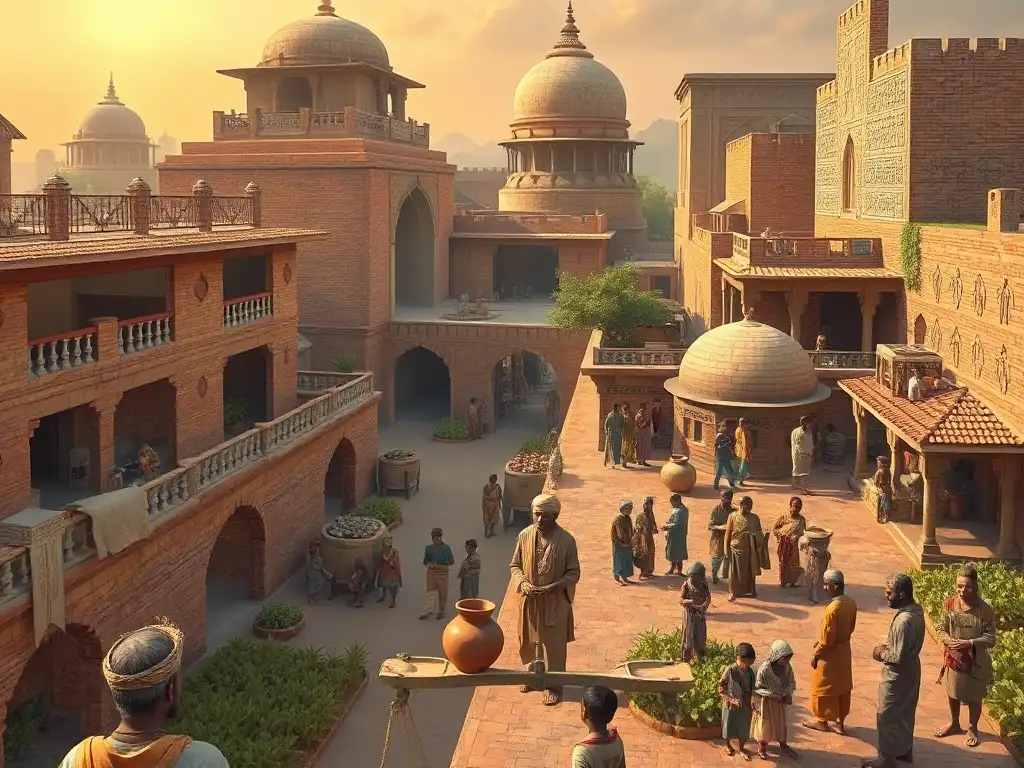
The Indus Valley Civilization (IVC), one of the earliest urban societies, flourished in the northwestern regions of South Asia around 2500 BCE. Spanning across present-day Pakistan and northwest India, this civilization is celebrated for its advanced city planning, impressive architecture, and sophisticated drainage systems. However, to fully appreciate its achievements, it is essential to delve into its social structure, which played a pivotal role in shaping daily life, governance, and cultural practices.
Understanding the social hierarchy of the Indus Valley Civilization provides insight into how this complex society organized itself, interacted, and thrived over millennia. The intricacies of social roles and relationships reveal not only the distribution of power and resources but also the cultural values that defined the IVC. By exploring the various strata of society, we can better comprehend the dynamics that led to its remarkable advancements.
Overview of the Indus Valley Civilization
The Indus Valley Civilization emerged around 3300 BCE and is known for its urban centers such as Harappa and Mohenjo-Daro. This civilization showcased remarkable achievements in various fields, including:
- Urban Planning: Grid-patterned cities with well-constructed homes.
- Trade and Economy: Extensive trade networks with neighboring regions, utilizing a sophisticated system of weights and measures.
- Art and Craftsmanship: Advanced pottery, jewelry, and seals that indicated a rich artistic culture.
The IVC's decline around 1900 BCE remains a subject of scholarly debate, with factors such as climate change, resource depletion, and possible invasions being considered.
Importance of Social Structure in Ancient Civilizations
Social structure is a critical component of any civilization, as it delineates the organization of society, including roles, duties, and hierarchies. In ancient civilizations, the understanding of social structures helped to maintain order, facilitate governance, and support cultural norms. Key reasons for its importance include:
- Resource Allocation: Social hierarchies often determined access to resources, influencing economic stability.
- Cultural Identity: Social roles helped to shape the cultural and religious practices of a civilization.
- Political Authority: A clear social structure allowed for effective governance and the establishment of laws.
Purpose of Analyzing Social Hierarchy
Analyzing the social hierarchy of the Indus Valley Civilization serves several purposes:
- Understanding Governance: It sheds light on how power was distributed and exercised within the society.
- Cultural Insights: It provides insights into the cultural values and practices that defined the IVC.
- Comparative Analysis: By understanding the IVC’s social structure, we can draw comparisons with other ancient civilizations, enriching our understanding of human history.
Definition of Social Structure in Historical Context
In historical contexts, social structure refers to the organized patterns of relationships and social arrangements that shape a society. It encompasses various elements, including:
- Classes or Strata: Distinct social tiers, often based on wealth, occupation, or lineage.
- Roles and Responsibilities: Specific duties assigned to individuals based on their social standing.
- Norms and Values: Shared beliefs that govern the behavior of individuals within the society.
Understanding these components allows historians to reconstruct the social dynamics of ancient civilizations, including the Indus Valley.
Characteristics of the Indus Valley Civilization Social Hierarchy
The social hierarchy of the Indus Valley Civilization exhibited several notable characteristics:
- Class Distinction: Evidence suggests a stratified society with elites, craftsmen, laborers, and possibly traders occupying different social positions.
- Role of Women: The status of women in the IVC appears to be relatively higher compared to other ancient civilizations, with depictions of female figures in art and potential involvement in trade.
- Religious Influence: The social structure may have been influenced by religious beliefs, as indicated by the presence of ritualistic objects and symbols.
These characteristics not only define the social fabric of the IVC but also provide a framework for understanding its complexities and nuances.
The social structure of the Indus Valley Civilization is marked by a distinct hierarchy that can be broadly categorized into three main classes: the elite, the merchants, and the working class. Each class played a vital role in the functioning and sustainability of the civilization, contributing to its economic prosperity and cultural development. Understanding these classes helps to shed light on the complexities of social interactions and governance in one of the world's earliest urban societies.
The Elite Class: Rulers and Priests
The elite class of the Indus Valley Civilization primarily consisted of rulers, priests, and possibly wealthy landowners. This class held significant power and influence, governing the urban centers and overseeing religious practices. Evidence suggests that they resided in large, well-constructed houses equipped with amenities that reflected their status, such as drainage systems and spacious courtyards.
Rulers were likely involved in decision-making processes related to trade, resource management, and defense, while priests played a critical role in maintaining the spiritual life of the community. They conducted rituals and ceremonies, reinforcing the social order and the civilization's connection to the divine. The close relationship between governance and religion in this class highlights the intertwining of political and spiritual authority.
The Merchant Class: Traders and Artisans
The merchant class in the Indus Valley Civilization was essential for economic development and trade. This class included traders, who facilitated the exchange of goods both locally and with distant regions, and artisans, who specialized in creating crafts and goods such as pottery, textiles, and jewelry.
Archaeological findings reveal sophisticated marketplaces and evidence of trade routes extending to Mesopotamia, indicating that merchants played a crucial role in cultural exchanges and the introduction of new ideas and technologies. Artisans contributed significantly to the economy through their skills, creating high-quality products that were not only used locally but also traded extensively.
The Working Class: Laborers and Farmers
The working class comprised the largest segment of the population and included laborers and farmers who were vital for the sustenance of the civilization. Farmers cultivated crops such as wheat, barley, and cotton, while laborers engaged in construction, maintenance, and various manual tasks necessary for urban life.
Life for the working class was marked by hard labor and a more modest lifestyle compared to the elite. Despite their lower social status, their contributions were indispensable, as they provided the food and labor needed to support the urban centers. The organization of labor, particularly in agricultural practices, reflects the complex social and economic dynamics of the Indus Valley Civilization.
The social hierarchy of the Indus Valley Civilization was characterized by specific roles and responsibilities assigned to each class, which contributed to the overall functioning and stability of the society.
Duties of the Elite in Governance and Religion
Members of the elite class were responsible for governance, making key decisions that influenced the polity and welfare of the citizens. They managed resources, established laws, and maintained order within the cities. The elite also held religious responsibilities, overseeing ceremonies to appease the deities and ensure societal harmony. This dual role of governance and spirituality reinforced their authority and helped maintain the social fabric of the civilization.
Economic Contributions of Merchants and Artisans
Merchants and artisans were the driving force behind the economy of the Indus Valley Civilization. Merchants engaged in trade not only within the civilization but also with neighboring regions, facilitating the flow of goods and wealth. Artisans, on the other hand, produced a variety of goods that enhanced both local consumption and trade. Their economic activities were crucial for the prosperity of urban centers, enabling the civilization to thrive through commerce and craftsmanship.
Daily Life and Work of the Working Class
The daily life of the working class revolved around agricultural and manual labor. Farmers dedicated their time to planting and harvesting crops, while laborers performed various tasks essential for urban infrastructure, such as construction and maintenance of buildings and roads. Their work was often physically demanding and required a strong sense of community and cooperation. Despite their lower status, the working class played a vital role in the civilization's success, as their efforts ensured food security and supported the overall economy.
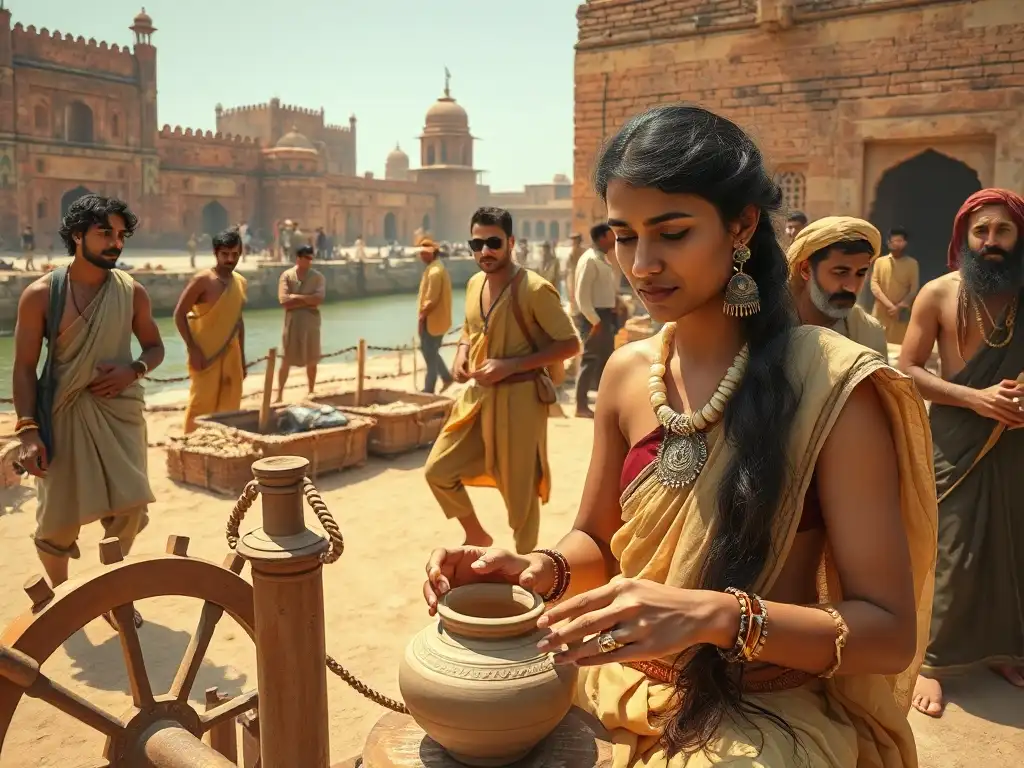
The social structure of the Indus Valley Civilization (IVC) was distinctively complex, with gender roles playing a critical part in its organization. While archaeological evidence is limited, various findings suggest that gender roles were relatively balanced compared to other ancient civilizations. Men and women likely had specific societal functions that contributed to the overall economy and culture of the civilization.
In the Indus Valley, gender roles may have encompassed various aspects of daily life, including labor, household duties, and religious practices. Artifacts such as pottery, seals, and figurines provide insight into the roles that individuals played within their communities. The presence of female figurines in particular suggests that women may have held significant cultural or religious status.
Status of Women in Ancient Indus Society
Women in the Indus Valley Civilization appeared to have a more elevated status compared to their counterparts in many other ancient societies. Evidence suggests that women participated actively in economic activities, such as textile production and pottery making.
Moreover, grave goods found in burial sites indicate that women may have been afforded the same burial rights as men, receiving similar items in their graves, which implies a degree of equality in status. However, the extent of this equality remains a topic of debate among historians, as much of the evidence is circumstantial.
The existence of mother goddess figurines and symbols of fertility points towards a societal reverence for femininity and motherhood, which may have contributed to women's status within the civilization.
Gender-Specific Roles and Responsibilities
While the exact nature of gender-specific roles in the Indus Valley Civilization is not definitively known, it is reasonable to infer that men and women had distinct responsibilities that complemented each other. Men likely engaged in labor-intensive activities such as farming, trade, and construction.
In contrast, women may have been primarily responsible for domestic tasks, including cooking, weaving, and child-rearing. However, given the evidence of women’s involvement in economic activities, it is likely that they also participated in trade and craft production, indicating a more dynamic role in society.
Additionally, religious practices may have involved both genders, although the specific roles within religious rituals remain unclear. The balance of responsibilities suggests a partnership model in family and community life, which was progressive for the time.
Comparison with Other Ancient Civilizations
Understanding the social structure of the Indus Valley Civilization requires a comparative analysis with other ancient civilizations, particularly in terms of gender roles and social hierarchy.
Contrasting the Indus Valley Civilization Social Structure with Mesopotamia
The social structure of the Indus Valley Civilization contrasts markedly with that of Mesopotamia. In Mesopotamia, women generally had fewer rights and were often relegated to household roles, with limited participation in economic activities. In contrast, evidence from the IVC suggests a more equitable distribution of responsibilities between genders.
In Mesopotamian society, the legal status of women was often subordinate to men, whereas the IVC appears to have allowed women a degree of autonomy and participation in various aspects of life. This difference may be attributed to varying cultural values and economic systems, with the IVC's urban planning and craft specialization facilitating a more inclusive social structure.
Similarities and Differences with Ancient Egyptian Society
When comparing the Indus Valley Civilization to Ancient Egyptian society, both civilizations exhibited some similarities in gender roles, such as the presence of women in various economic sectors and religious practices. However, the status of women in Ancient Egypt was often more pronounced, with several women achieving considerable power, such as the Pharaoh Hatshepsut.
In the IVC, while women likely held significant roles, the extent of their power and influence remains less documented. The archaeological record from the Indus Valley does not provide as much evidence of female rulers or priestesses as seen in Egypt, suggesting a different dynamic at play.
Both civilizations valued agricultural production, but the roles women played within these systems varied, highlighting the unique aspects of the Indus Valley social structure. Despite these differences, the overall theme of women's participation in society stands as a noteworthy characteristic shared between the IVC and Ancient Egypt.
The Indus Valley Civilization (IVC), one of the earliest urban cultures, presents intriguing archaeological evidence suggesting a complex social hierarchy. Excavations across sites such as Harappa and Mohenjo-Daro have revealed organizational structures indicative of social stratification. These findings include urban planning, specialized craftsmanship, and varying sizes of residential areas, all hinting at a society with distinct social classes.
The evidence of large public buildings, such as the Great Bath in Mohenjo-Daro, suggests that certain members of the society may have held significant religious or political power. Additionally, the presence of granaries implies control over food resources, signaling a division between those who managed agricultural production and those who relied on it.
Excavations and Findings Supporting Social Stratification
Excavation sites have uncovered various structures that imply a hierarchical society. For instance, the layout of cities demonstrates a planned urban environment with areas designated for different functions, including residential, administrative, and industrial zones.
- Public Buildings: The existence of large, public structures suggests centralized authority and communal activities, which are often associated with higher social classes.
- Residential Variability: The size and quality of houses vary significantly. Larger, more elaborate houses likely belonged to wealthier individuals, while smaller, simpler homes were inhabited by lower class members.
Such findings reinforce the idea that the Indus Valley Civilization had an organized social hierarchy, with a division of labor and responsibilities that hints at complex social dynamics.
Insights from Artifacts and Material Culture
Artifacts unearthed from archaeological sites provide critical insights into the social structure of the Indus Valley Civilization. Items such as pottery, tools, and seals reflect varying levels of craftsmanship that likely correlate with social status.
- Seals: The presence of detailed seals, often made from steatite, indicates a level of specialization and suggests the existence of merchants or traders who played a significant role in the economy.
- Jewelry and Ornaments: The discovery of intricate jewelry and personal adornments suggests that certain members of society had access to luxury goods, pointing to wealth accumulation among elites.
Moreover, the material culture indicates that those in higher social standings may have had greater access to trade networks and resources, further entrenching social divisions within the civilization.
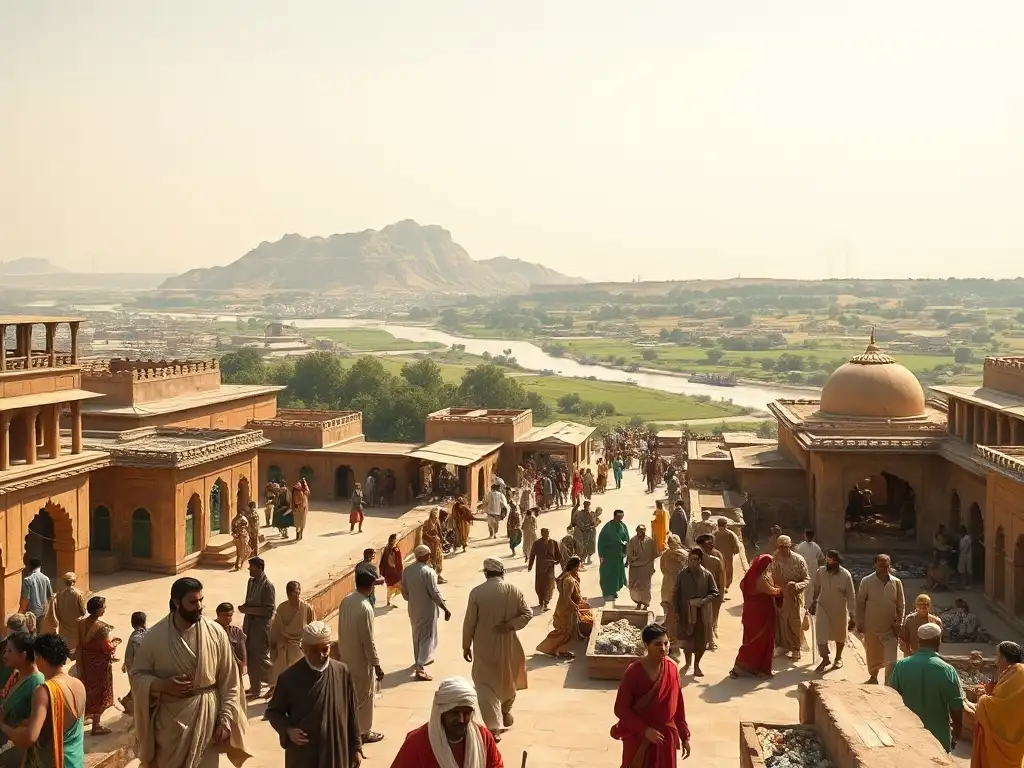
Geography played a pivotal role in shaping the social structure of the Indus Valley Civilization. The fertile plains of the Indus River facilitated agriculture, while the surrounding mountains and deserts influenced trade and interactions with neighboring regions. This geographical context not only affected economic activities but also dictated the distribution of social classes.
How Geography Influenced Social Classes
The strategic location of the Indus Valley provided access to arable land, which was essential for sustaining large populations. The natural resources available in different regions led to a division of labor, with some communities specializing in agriculture while others focused on trade or craft production.
- Agricultural Success: Communities situated in fertile areas were able to produce surplus crops, which likely supported a higher population density and contributed to a wealthier class.
- Resource Distribution: The availability of resources such as metals and stones in certain areas led to the emergence of craftsmen and artisans, creating a distinct working class within the societal framework.
This geographic influence facilitated the establishment of social hierarchies based on occupation, wealth, and access to resources.
Trade Routes and their Role in Social Dynamics
Trade routes were crucial in the context of the Indus Valley Civilization, not only for economic prosperity but also for social interaction and cultural exchange. The civilization's position along important trade networks, including those leading to Mesopotamia and the Arabian Sea, enabled the flow of goods, ideas, and people.
- Economic Interdependence: Trade fostered relationships between different social classes, as merchants and traders often emerged as influential figures within their communities.
- Cultural Exchange: The interaction with other civilizations through trade likely contributed to the social stratification, as those involved in trade often gained wealth and status, further complicating the existing hierarchy.
The geography of the Indus Valley Civilization significantly influenced its social structure, with trade routes serving as vital arteries for economic and social dynamics. These elements collectively illustrate a sophisticated societal organization characterized by complexity and diversity.
Conclusion
The exploration of the social hierarchy of the Indus Valley Civilization (IVC) reveals a complex and sophisticated societal structure. Unlike many contemporary civilizations, evidence suggests that the IVC exhibited a level of egalitarianism, particularly in urban planning and public amenities. The lack of ostentatious displays of power by a ruling elite implies a society that may have prioritized communal well-being over individual wealth. Understanding this unique social structure not only enriches our knowledge of the IVC but also provides insights into the broader context of ancient societal formations.
Summary of Key Points on the Indus Valley Civilization Social Structure
- Urban Planning and Architecture: The cities were meticulously planned, indicating a high degree of social organization. Streets, drainage systems, and public baths point to a collective effort that transcended individual households.
- Economic Roles: Evidence suggests a diverse economy with prominent roles played by artisans, traders, and farmers. This economic stratification indicates a level of specialization that contributed to the civilization's prosperity.
- Absence of Monumental Rulers: Unlike other ancient civilizations, the IVC lacked grand palaces or temples that indicated a centralized authority, suggesting a more decentralized form of governance.
- Trade Networks: The IVC engaged in extensive trade, reaching as far as Mesopotamia. This interaction likely fostered social exchanges and may have contributed to the development of their social hierarchy.
- Religious Practices: While much remains unknown, the presence of seals with religious symbols implies that spirituality played a role in societal cohesion, possibly influencing social roles and structure.
The Legacy of the Indus Valley Civilization in Understanding Ancient Social Hierarchies
The Indus Valley Civilization serves as a crucial case study in the evolution of social hierarchies. Its legacy lies in the way it challenges traditional perceptions of power dynamics in ancient societies. The apparent absence of a rigid class structure invites scholars to reconsider the factors that define social stratification. By examining the IVC, researchers gain insights into alternative societal models that prioritize community and cooperation over conflict and dominance. This understanding is essential in forming a comprehensive picture of ancient Indian civilizations and their contributions to social organization.
Future Research Directions
As our understanding of the Indus Valley Civilization continues to evolve, several areas remain ripe for further exploration.
Areas for Further Study on Indus Valley Civilization Social Structure
- Archaeological Discoveries: Ongoing excavations may reveal new insights into the daily lives of IVC inhabitants, including economic interactions and social practices.
- Comparative Analyses: Studying the IVC alongside contemporary civilizations can illuminate the unique aspects of its social hierarchy and its influence on neighboring cultures.
- Interdisciplinary Research: Collaborating with specialists in anthropology, sociology, and economics can provide a multifaceted understanding of the IVC's social dynamics.
- Technological Advances: Utilizing modern technology such as GIS (Geographic Information Systems) can offer new perspectives on urban planning and social organization in the IVC.
Importance of Ongoing Research in Ancient Indian Civilizations
Continued research into the social structure of the Indus Valley Civilization is vital for several reasons. Firstly, it enriches our understanding of ancient Indian history, contributing to a more nuanced view of social dynamics in early civilizations. Secondly, the findings can reflect broader themes in human society, such as cooperation, trade, and cultural exchange. Finally, as new methodologies and technologies emerge, they hold the potential to uncover aspects of the IVC that have remained obscured, further refining our understanding of its place in the annals of ancient Indian civilizations.
- Introduction to the Indus Valley Civilization
- Understanding the Indus Valley Civilization Social Structure
- Main Classes in the Indus Valley Civilization Social Structure
- Roles and Responsibilities within the Social Hierarchy
- Gender Roles in the Indus Valley Civilization Social Structure
- Comparison with Other Ancient Civilizations
- Archaeological Evidence of Social Hierarchy
- The Impact of Geography on Social Structure
- Conclusion
- Future Research Directions
- What was the social structure of the Indus Valley Civilization?
- How did the economic activities influence the social hierarchy?
- Were there any evidences of social stratification in the Indus Valley?
- Did the Indus Valley Civilization have a political structure?
- How does the social hierarchy of the Indus Valley compare to other ancient civilizations?
Frequently Asked Questions
The social structure of the Indus Valley Civilization was likely hierarchical, with distinct classes such as artisans, merchants, and possibly rulers, although exact details remain unclear due to limited archaeological evidence.
Economic activities such as trade, agriculture, and craftsmanship were crucial in defining the social hierarchy, as they determined wealth and status among different groups within the civilization.
Yes, archaeological findings, including housing sizes and grave goods, suggest a form of social stratification, indicating disparities in wealth and possibly social roles among the inhabitants.
Did the Indus Valley Civilization have a political structure?
While specific details are scarce, it is believed that the Indus Valley Civilization had a political structure that may have involved coordinated governance, likely represented by city planning and public works.
The social hierarchy of the Indus Valley Civilization appears to be more egalitarian compared to other ancient civilizations, with fewer evident signs of extreme wealth disparity, as seen in cultures like ancient Egypt or Mesopotamia.
The exploration of the Indus Valley Civilization's social structure reveals profound insights into the complexities of ancient societies and their relevance in today's world. As we delve into the intricacies of this civilization, we uncover not just a historical framework but a mirror reflecting our contemporary social dynamics. The stratification observed in the Indus Valley prompts us to consider how social hierarchies continue to shape our interactions and institutions in the modern era.
Culture and social organization are inextricably linked, and the legacy of the Indus Valley Civilization serves as a testament to this relationship. The hierarchical structures that defined this ancient society resonate with ongoing discussions about class, power, and community in our current landscape. As we navigate through the complexities of modern social hierarchies, we can draw parallels to the past that remind us of our shared human experience. History is not a burden on the memory but an illumination of the soul.
– Lord Acton. This quote encapsulates the essence of learning from our predecessors, urging us to reflect on how their social structures inform our own.
As we conclude this exploration, I invite you to reflect on the lessons embedded within the social fabric of the Indus Valley Civilization. Consider how the dynamics of power and community influence your own life and the society around you. Let this understanding inspire you to engage with your community, challenge existing hierarchies, and contribute to a more equitable future. The past is not merely a collection of facts; it is a source of wisdom that can guide us toward a more inclusive and understanding world.
Unveil the Mysteries of the Indus Valley Civilization!
Thank you for diving deep into the fascinating world of the Indus Valley Civilization! Your exploration of its social hierarchy has opened the door to a myriad of insights about ancient societies. Now, it's time to take the next steps toward enriching your understanding and sharing this knowledge!
- Engage with the community: Join forums or social media groups focused on ancient civilizations to connect with like-minded enthusiasts and historians.
- Dive deeper: Read books or articles to uncover more about the daily lives of the people in the Indus Valley.
- Share your insights: Write a blog post or create a video discussing your thoughts on the social structures of the Indus Valley and their relevance in today's world.
Which aspect of the Indus Valley Civilization intrigues you the most? How do you think their social dynamics compare to modern societies?