
The Role of Music and Dance in Mauryan Culture: Celebrated Artists

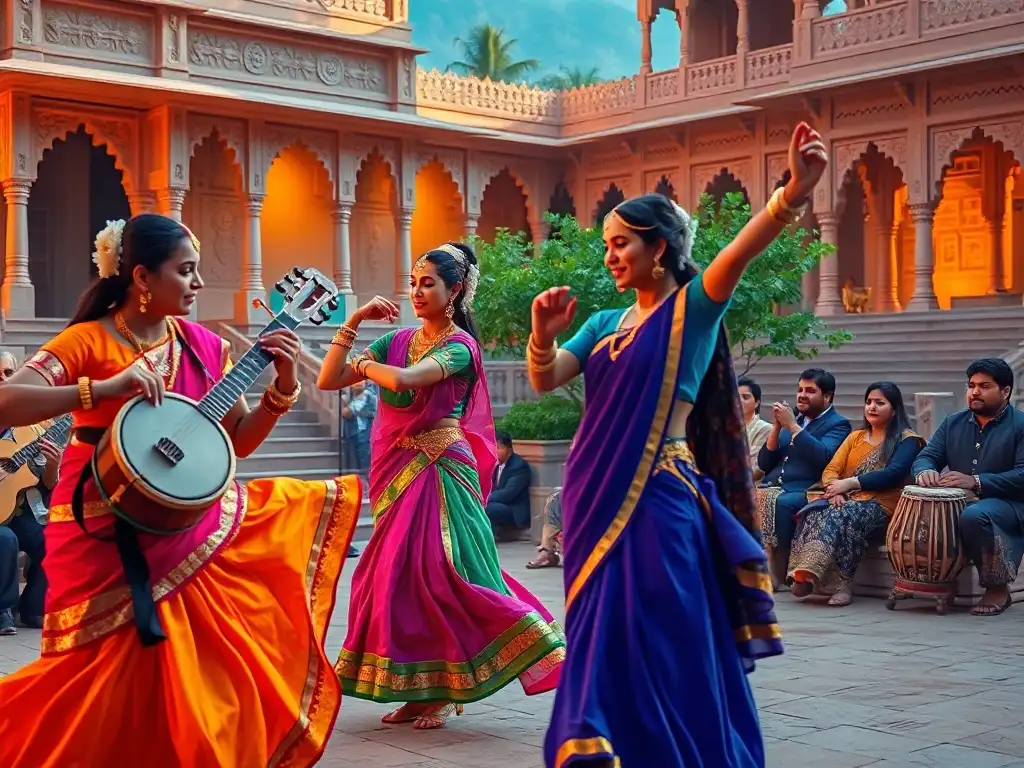
Welcome to Ancient India History, where we embark on a captivating journey through the vibrant tapestry of ancient Indian civilizations. Today, we delve into the enchanting world of Mauryan music and dance history, exploring the profound role these art forms played in shaping cultural identity and expression.
Prepare to be intrigued as we unveil the celebrated artists who brought rhythm and movement to life in the Mauryan Empire, and discover how their legacies continue to resonate through the ages. Join us as we unlock the secrets of this fascinating era and invite you to explore the rich contributions of ancient India further!
Introduction to Mauryan Music and Dance History
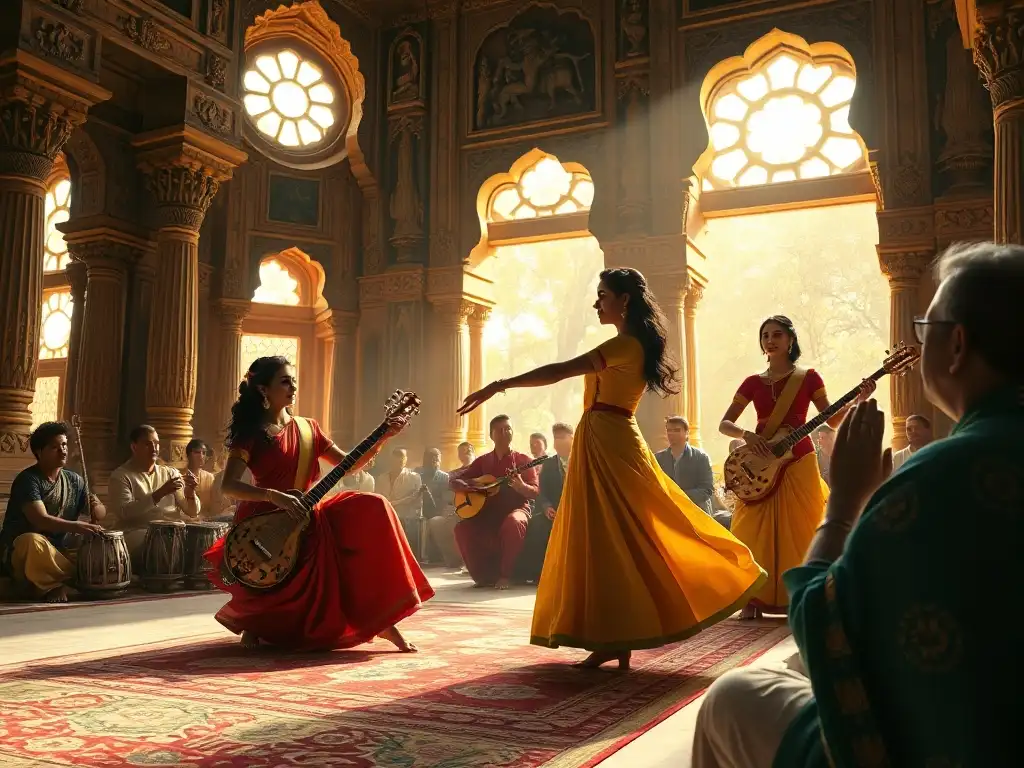
The Mauryan Empire, which flourished from 322 to 185 BCE, stands as a monumental chapter in ancient Indian history, renowned not only for its political and economic achievements but also for its vibrant cultural expressions. Among these, music and dance played a pivotal role, serving as vital forms of artistic expression that reflected the ethos and values of Mauryan society. This article delves into the Mauryan music and dance history, exploring the celebrated artists of the time and their contributions to the rich tapestry of India's cultural heritage.
Overview of the Mauryan Empire's Cultural Landscape
The Mauryan Empire, under the leadership of notable emperors like Chandragupta Maurya and his grandson Ashoka, witnessed a remarkable flourishing of arts and culture. The empire's vast expanse, which included diverse regions and ethnicities, fostered a unique blend of artistic traditions. Key elements of this cultural landscape included:
- Patronage of the Arts: The Mauryan rulers were significant patrons of music, dance, and drama, supporting artists and scholars.
- Religious Influences: With the rise of Buddhism, as exemplified by Ashoka's promotion of the faith, music and dance became integral to religious ceremonies and rituals.
- Integration of Local Traditions: The Mauryan Empire incorporated various regional styles and practices, resulting in a rich mosaic of cultural expressions.
Significance of Music and Dance in Ancient Indian Civilizations
In ancient Indian civilizations, music and dance were not merely forms of entertainment; they were deeply intertwined with social, religious, and philosophical dimensions. The significance of these art forms can be summarized as follows:
- Cultural Identity: Music and dance served as expressions of cultural identity, reflecting the values, beliefs, and traditions of the community.
- Spiritual Connection: Many performances aimed to connect the performer with the divine, often seen in temple dances and devotional music.
- Social Cohesion: These art forms played a crucial role in community bonding, often featured in festivals, ceremonies, and communal celebrations.
The Evolution of Music and Dance during the Mauryan Empire
Historical Context of Music and Dance in Ancient India
The roots of music and dance in ancient India can be traced back to the Vedic period, where hymns and rituals laid the groundwork for future artistic expressions. By the time of the Mauryan Empire, these traditions had evolved significantly, influenced by various factors:
- Religious Texts: The Vedas and Upanishads contained references to musical instruments and performance styles, shaping the early practices of music and dance.
- Royal Courts: The patronage of kings and affluent merchants elevated the status of artists, leading to the emergence of professional musicians and dancers.
- Cultural Exchanges: Trade routes facilitated interactions with other cultures, introducing new styles and instruments into Indian music and dance.
Influences on Mauryan Music and Dance Traditions
The Mauryan period was crucial for the development of music and dance, influenced by several key factors:
- Buddhism and Jainism: These religions emphasized non-violence and spirituality, which permeated artistic expressions, resulting in performances that conveyed moral and ethical messages.
- Regional Variations: The vast empire incorporated diverse regional traditions, leading to a fusion of styles that enriched Mauryan music and dance.
- Instruments and Techniques: The introduction of new instruments, such as the veena and various percussion instruments, enhanced the complexity and variety of musical compositions.
Through this exploration, we gain a deeper understanding of how music and dance were not just forms of art during the Mauryan Empire but essential elements of a thriving cultural milieu that shaped Indian civilization as we know it today.
Prominent Music and Dance Forms in Mauryan Culture
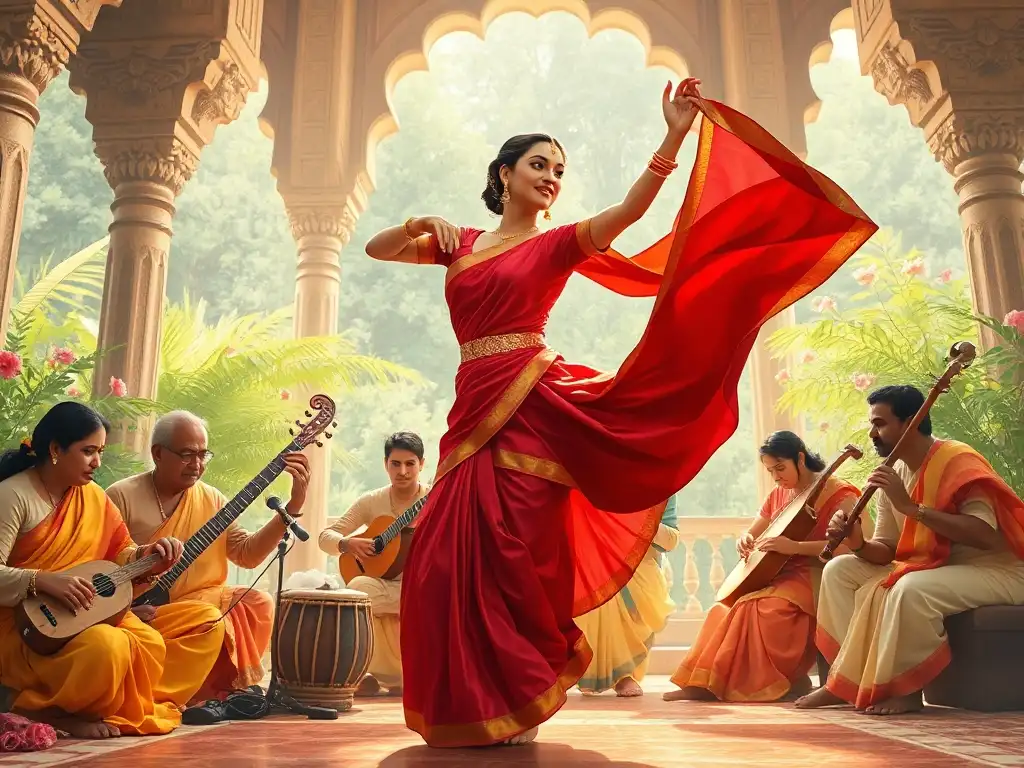
The Mauryan Empire, which flourished from 322 to 185 BCE, is known for its rich cultural heritage, where music and dance played a central role in both religious practices and social gatherings. The musical traditions during this period were characterized by their complexity and diversity, reflecting the various influences from regional folk traditions and the more formalized classical styles that would emerge later.
Classical Music Traditions of the Mauryan Era
Classical music in the Mauryan era was deeply intertwined with religious rituals and royal patronage. It is believed that the foundations for many classical forms seen in later Indian music were laid during this time. Instruments such as the veena, flute, and drums were prevalent, with musicians often performing in temples and royal courts. The influence of the Vedic chants is evident, as they shaped the musical scales and improvisational styles.
The presence of music in royal ceremonies and religious festivals indicates that it was not only an art form but also a medium for spiritual expression and social cohesion. The Mauryan texts, including the Arthashastra, hint at the importance of music in governance and diplomacy, suggesting that music may have been used to foster goodwill and unity among diverse populations within the empire.
Dance Styles Celebrated in Mauryan Society
Dance in Mauryan culture was equally significant, serving as a form of storytelling and expression. It was often performed during religious ceremonies, festivals, and courtly events. The dances were characterized by intricate movements and expressive gestures, which conveyed emotions and narratives, reflecting the socio-political landscape of the time.
Dance forms were likely influenced by both local traditions and the broader cultural exchanges facilitated by trade and conquests. While specific styles from the Mauryan period are not extensively documented, it is believed that early forms of classical dance, which would later evolve into styles such as Bharatanatyam and Kathak, began to take shape during this era. The aesthetic principles of grace and rhythm established during the Mauryan period laid the groundwork for the dance traditions that followed.
Celebrated Artists of the Mauryan Empire
The Mauryan Empire was home to several celebrated artists who contributed significantly to the music and dance landscape. Their talents were often recognized and patronized by royalty, leading to a flourishing of artistic expression.
Notable Musicians and Their Contributions
Among the notable musicians of the Mauryan era was a figure named Bhadra, who is believed to have composed numerous pieces that highlighted the beauty of nature and spirituality. His works often featured themes from the Vedas and were performed during significant religious ceremonies, thus enhancing their cultural significance.
Additionally, Kakshasena, a renowned musician, was celebrated for his skill in playing the veena. He is credited with developing new techniques that enhanced the instrument's sound quality, paving the way for future musicians. These artists contributed not only to the musical repertoire of the time but also influenced the cultural identity of the Mauryan society through their art.
Renowned Dancers and Their Impact on Culture
In the realm of dance, Vishakha was a prominent dancer known for her captivating performances that combined storytelling with elaborate choreography. Her dances often depicted tales from mythology and the epics, serving as a medium for cultural transmission and moral education among the audience.
Another influential figure was Anushka, whose graceful movements and innovative styles impacted the evolution of dance forms in the region. She played a crucial role in popularizing dance as a respected art form, bridging the gap between performance and spirituality. The legacy of these dancers is reflected in later classical styles, which continue to celebrate the rich artistic traditions of ancient India.
Through their contributions, musicians and dancers in the Mauryan Empire not only entertained but also enriched the cultural landscape, ensuring that music and dance remained integral parts of Indian heritage for centuries to come.
Music and dance played an integral role in the cultural fabric of the Mauryan Empire, deeply intertwined with both religious practices and social celebrations. These art forms not only served as a medium of expression but also acted as a conduit for community bonding and spiritual connection. The significance of music and dance can be observed in various facets of life, reflecting the values, beliefs, and traditions of the Mauryan society.
Music and Dance in Mauryan Religious Practices
In the Mauryan Empire, music and dance were essential components of religious ceremonies and rituals. These performances were often dedicated to various deities, serving as acts of devotion and reverence. The Mauryan kings, particularly Ashoka, promoted Buddhism, which embraced the use of music and dance in monastic life and public celebrations.
Sacred hymns, chants, and instrumental music accompanied rituals, enhancing the spiritual atmosphere. Dance was performed as an offering to the gods, with movements symbolizing devotion and surrender. For instance, classical dance forms that originated during this period were closely aligned with the narratives of religious texts, embodying the stories and teachings of the Buddha and other deities.
In addition to Buddhism, Hindu practices also integrated music and dance, often seen during festivals and temple rituals. The rich tapestry of sounds and movements created an immersive experience that allowed practitioners to connect with the divine, making these art forms a vital aspect of religious life in the Mauryan Empire.
Social Events and Celebrations Featuring Music and Dance
Music and dance transcended religious boundaries and became a vibrant part of social life in the Mauryan Empire. Numerous festivals and community gatherings showcased these art forms, fostering a sense of unity and cultural identity among the people. Events such as weddings, harvest celebrations, and royal festivities featured elaborate performances that captivated audiences and strengthened social bonds.
The grandeur of royal courts also provided a platform for musicians and dancers to exhibit their talents. Notable artists were often patronized by the emperors, which not only elevated their status but also enriched the cultural landscape of the empire. These performances included a mix of storytelling, drama, and intricate choreography, highlighting the skills of both musicians and dancers.
The presence of music and dance in everyday life further demonstrated its importance. Street performances, local gatherings, and informal celebrations allowed common people to engage with these art forms, making them accessible and integral to the Mauryan social experience.
Instruments Used in Mauryan Music
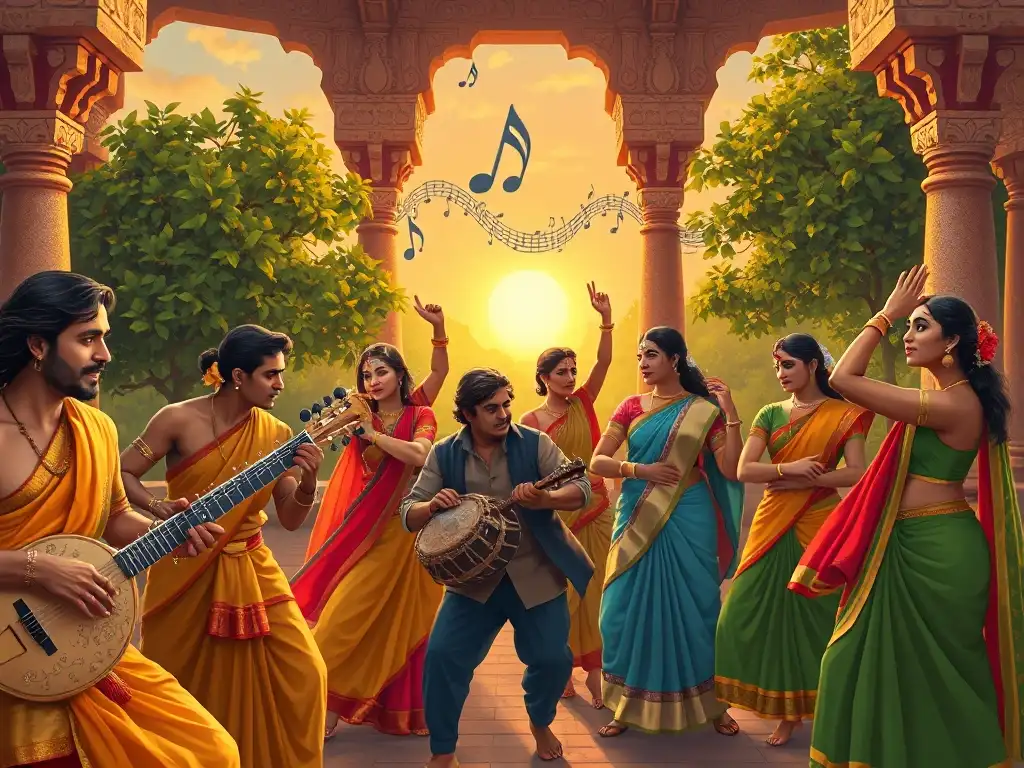
The Mauryan era witnessed a diverse range of musical instruments that contributed to the rich soundscape of the time. The use of various instruments not only enhanced musical performances but also reflected the technological advancements and cultural exchanges during the period.
These instruments played a crucial role in both religious and social contexts, adding depth and resonance to music and dance performances. The Mauryan musicians were skilled in playing various instruments, which were often crafted with precision and care, ensuring high-quality sound production.
Traditional Instruments of the Mauryan Period
The Mauryan Empire featured a variety of traditional musical instruments that became synonymous with its cultural identity. Some of the notable instruments included:
- Veena: A stringed instrument that was widely appreciated for its melodic capabilities, often used in both vocal and instrumental music.
- Mridangam: A percussion instrument that provided rhythm and was integral to dance performances and religious ceremonies.
- Flutes: Various types of flutes, including bamboo flutes, were commonly played, adding a light and airy quality to the music.
- Dhol: A two-sided drum used in festive and communal settings, its powerful beats resonated through celebrations.
- Ghungroo: Ankle bells worn by dancers that produced rhythmic sounds, enhancing the auditory experience of dance performances.
These instruments not only facilitated various musical styles but also served as cultural symbols, representing the artistic achievements of the Mauryan society.
Evolution of Musical Instruments During the Empire
As the Mauryan Empire progressed, so did the evolution of its musical instruments. Influences from neighboring cultures and advancements in craftsmanship led to the refinement and diversification of existing instruments.
New materials, such as metal and fine woods, allowed for the creation of more sophisticated and resonant instruments. The integration of foreign musical styles also contributed to the development of hybrid instruments, enriching the musical landscape of the empire.
This evolution is reflected in archaeological findings, where various instruments have been discovered, showcasing the ingenuity and creativity of Mauryan artisans. The changes in instrument design and construction techniques during the Mauryan period laid the groundwork for future developments in Indian classical music, influencing generations of musicians and dancers long after the fall of the empire.
The Legacy of Mauryan Music and Dance in Indian Culture
The Mauryan Empire, which thrived from approximately 322 to 185 BCE, is often remembered for its political and military achievements. However, the cultural contributions, particularly in music and dance, have left an indelible mark on Indian civilization. The Mauryan period saw the flourishing of various art forms that were intricately tied to societal rituals, religious practices, and royal patronage. Music and dance were not merely entertainment; they were vital in both spiritual and social contexts, symbolizing the cultural richness of the era.
The legacy of Mauryan music and dance can be observed in the themes, techniques, and instruments that were popularized during this time. The use of traditional instruments such as the veena, flute, and drums set the foundation for Indian classical music. Dance forms, characterized by their expressive movements and storytelling, were often performed during religious ceremonies and royal courts, establishing a cultural tradition that has persisted through the centuries.
Influence on Subsequent Indian Music and Dance Traditions
The influence of Mauryan music and dance on subsequent Indian traditions is profound. Elements from Mauryan performances can be traced in classical dance forms like Bharatanatyam, Kathak, and Odissi. These dance styles incorporate the intricate footwork, hand gestures (mudras), and facial expressions that were refined during the Mauryan era. Furthermore, the themes of devotion and mythology prevalent in Mauryan performances have been carried forward into later artistic expressions.
Musically, the Mauryan Empire contributed significantly to the development of ragas and talas—two foundational concepts in Indian classical music. The rhythmic patterns and melodic structures established during this period laid the groundwork for future compositions and innovations. This continuity of musical heritage reflects the deep-rooted tradition of celebrating life events through art, shaping the cultural landscape of India for generations.
Preservation of Mauryan Artistic Practices in Modern India
Modern India continues to honor and preserve the artistic practices of the Mauryan Empire through various cultural initiatives. Dance troupes and music ensembles often draw inspiration from ancient texts and sculptures depicting Mauryan art. Festivals and performances showcasing traditional music and dance serve to educate new generations about this rich heritage.
Academically, scholars and artists engage in research and practice that seeks to revive and reinterpret Mauryan artistic forms. Workshops and cultural programs aim to reconstruct the lost techniques of ancient dance and music, ensuring that the essence of Mauryan artistry remains alive. Additionally, museums and art exhibitions featuring Mauryan artifacts play a crucial role in keeping this legacy accessible to the public.
Conclusion: Celebrating the Cultural Heritage of the Mauryan Empire
The cultural heritage of the Mauryan Empire, particularly in music and dance, is a testament to the artistic excellence that flourished during this period. Celebrating this legacy is essential not only for appreciating the past but also for fostering a sense of identity and continuity in Indian culture.
Reflection on the Importance of Music and Dance in Historical Context
Music and dance in the Mauryan era were integral components of social and religious life. They served as mediums for storytelling and cultural expression, reflecting the values and beliefs of society. The historical context in which these art forms developed highlights their importance in unifying communities and preserving traditions. By understanding this context, we can better appreciate the role of music and dance in shaping the cultural narrative of ancient India.
The Lasting Impact of Mauryan Artists on Indian Culture
The impact of Mauryan artists extends far beyond their time, influencing countless generations. Their innovations in music and dance have become foundational to Indian classical arts, enriching the cultural tapestry of the nation. The techniques and themes established during the Mauryan Empire continue to inspire contemporary artists, ensuring that the spirit of Mauryan creativity lives on. By celebrating and engaging with this legacy, we honor the contributions of those ancient artists and their enduring influence on Indian culture.
- Introduction to Mauryan Music and Dance History
- Overview of the Mauryan Empire's Cultural Landscape
- Significance of Music and Dance in Ancient Indian Civilizations
- The Evolution of Music and Dance during the Mauryan Empire
- Prominent Music and Dance Forms in Mauryan Culture
- Celebrated Artists of the Mauryan Empire
- The Role of Music and Dance in Religious and Social Contexts
- Instruments Used in Mauryan Music
- The Legacy of Mauryan Music and Dance in Indian Culture
- Conclusion: Celebrating the Cultural Heritage of the Mauryan Empire
Frequently Asked Questions
What was the significance of music and dance in Mauryan culture?
Music and dance played a vital role in Mauryan culture, serving as a means of expression and entertainment during religious ceremonies and royal events.
Who were some of the celebrated artists of Mauryan music and dance?
Notable artists included court musicians and dancers who performed for the Mauryan royalty, showcasing their talents in elaborate court productions and festivals.
How did Mauryan music influence later Indian traditions?
Mauryan music laid the groundwork for various Indian classical music forms, contributing to the development of instruments and styles that are still prevalent today.
What instruments were commonly used in Mauryan music?
Instruments such as the veena, flute, and drums were prominent in Mauryan music, facilitating a rich auditory experience during dance performances and gatherings.
How was dance perceived in Mauryan society?
Dance was not only seen as a form of artistic expression but also as a way to convey spiritual messages, often linked to religious beliefs and rituals within the Mauryan Empire.
Final Reflection: The Enduring Legacy of Mauryan Music and Dance
The exploration of Mauryan music and dance history reveals a vibrant cultural tapestry that resonates with contemporary society. Today, as we navigate a world increasingly driven by technology and globalization, the artistic expressions of the Mauryan era remind us of the profound power of creativity and community. The rhythms and melodies that once echoed through ancient palaces continue to inspire modern artists, emphasizing that the essence of human expression is timeless and universal.
Cultural heritage is not merely a relic of the past; it shapes our identity and influences our social fabric. The legacy of Mauryan artists serves as a testament to the importance of music and dance in fostering connection and understanding among diverse communities. As we reflect on this rich history, we are reminded of the words of the great philosopher Friedrich Nietzsche: Without music, life would be a mistake.
This sentiment underscores the vital role that artistic expression plays in enriching our lives and preserving our shared humanity.
As you contemplate the themes presented in this article, I invite you to embrace the lessons of Mauryan music and dance in your own life. Consider how you can incorporate creativity into your daily routine, whether through movement, sound, or artistic expression. Let the legacy of these celebrated artists inspire you to explore your own creative potential and to appreciate the beauty of cultural diversity. In doing so, you contribute to a world where art continues to thrive, connecting us across time and space.
Embrace the Rhythm of History: Engage with Mauryan Culture!
Thank you for diving into the fascinating world of Mauryan culture through the lens of music and dance! We hope you’ve gained a deeper appreciation for the celebrated artists who shaped this vibrant era. Ready to take your journey further? Here are some steps to engage with the rich traditions of the Mauryan period:
- Explore local events or workshops that celebrate traditional Indian dance and music. Immerse yourself in the art forms that have thrived since ancient times!
- Share your thoughts or favorite artists on social media to inspire your friends and family to appreciate and learn about Mauryan culture.
- Read more about the advancements in performing arts during the Mauryan empire by visiting our collection of articles.
What aspect of Mauryan arts resonates with you the most, and how can you incorporate that passion into your life today?