
Artistic Innovations of the Gupta Era: Pioneering Techniques and Styles

Welcome to Ancient India History, where we embark on a captivating journey through the vibrant tapestry of India’s past. Dive deep into the Gupta Empire artistic techniques that revolutionized the art world and laid the foundation for future innovations. Discover how creativity flourished during this golden age, influencing not just art but the very essence of Indian culture. Prepare to be amazed as we unveil the pioneering techniques and styles that emerged from this remarkable era. Your exploration begins here—let's uncover the artistic treasures of the Gupta period together!
- Introduction to the Gupta Empire Artistic Techniques
- Key Characteristics of Gupta Empire Artistic Techniques
- Pioneering Techniques of Gupta Era Art
- Notable Artistic Styles of the Gupta Empire
- Regional Variations in Gupta Artistic Techniques
- The Legacy of Gupta Empire Artistic Techniques
- Conclusion: The Impact of Gupta Empire Artistic Techniques on Indian Civilization
-
Frequently Asked Questions
- What are the prominent artistic techniques developed during the Gupta Empire?
- How did Gupta artists contribute to sculptural techniques?
- What role did religion play in Gupta artistic innovations?
- Can you name some famous artworks from the Gupta period?
- How did the Gupta Empire influence later Indian art styles?
- Final Reflection: Embracing the Legacy of Gupta Empire Artistic Techniques
- Unveil Your Creative Potential Today!
Introduction to the Gupta Empire Artistic Techniques
The Gupta Empire, often referred to as the "Golden Age" of ancient India, was a period marked by remarkable advancements in various fields, particularly in art and culture. Spanning approximately from the 4th to the 6th century CE, this era witnessed a flourish of creativity and innovation that profoundly influenced the subcontinent's aesthetic and cultural landscape.
The artistic techniques developed during the Gupta period not only showcased the skill and vision of Indian artisans but also laid the groundwork for future artistic expressions across Asia. In this article, we will delve into the pioneering techniques and styles that emerged during the Gupta Empire, exploring their significance and enduring impact on the world of art.
Overview of the Gupta Era
The Gupta Era is characterized by a resurgence of Hindu culture and the patronage of the arts by the Gupta rulers, who encouraged the creation of sculptures, paintings, and architecture that reflected both religious themes and everyday life. Key features of this period include:
- Sculpture and Carving: Gupta artisans excelled in stone sculpture, creating intricate carvings that depicted deities, mythological narratives, and figures from daily life. The use of soft sandstone and the introduction of new chiseling techniques enabled artists to achieve remarkable detail and expressiveness in their work.
- Painting: The frescoes found in sites like Ajanta and Bagh reveal the Gupta artists' mastery over color and form. These paintings often illustrated religious themes, showcasing the divine in vibrant hues and dynamic compositions.
- Architecture: The construction of temples during this period reflected a blend of practicality and artistry, with ornate carvings and detailed iconography that served both aesthetic and devotional purposes.
The Gupta Empire's artistic legacy is a testament to the skill and innovation of its artisans, who not only advanced existing techniques but also pioneered new styles that would resonate through the ages.
Importance of Art and Culture in the Gupta Empire
Art and culture during the Gupta Empire played a crucial role in shaping the social and religious fabric of ancient Indian society. The significance of these artistic innovations can be understood through several key aspects:
- Cultural Identity: The art of the Gupta period helped to foster a sense of identity among the people. By depicting Hindu deities and mythological stories, artists reinforced cultural narratives that were central to the society's spiritual and social structure.
- Religious Expression: Temples and sculptures served as vital spaces for worship and devotion, allowing individuals to connect with their spirituality through visual means. The intricate carvings on temple walls are not merely decorative; they convey deep religious significance and invite contemplation.
- Influence on Future Generations: The techniques and styles developed during the Gupta period set the stage for subsequent artistic movements in India and beyond. The legacy of Gupta art can be seen in later periods, including the Chola and Mughal empires, where similar themes and techniques were adapted and evolved.
- Economic Impact: The flourishing of the arts also had economic implications, as it promoted trade and commerce within and beyond the empire. Artisans and craftsmen contributed to the economy by producing goods that were highly sought after, both locally and internationally.
The Gupta Empire's artistic innovations not only reflect the cultural richness of the time but also underscore the profound impact of art on society, religion, and future generations. As we explore the specific artistic techniques that emerged during this pivotal era, we gain insight into the remarkable creativity and craftsmanship that defined ancient Indian civilization.
Key Characteristics of Gupta Empire Artistic Techniques
The Gupta Empire, often heralded as a golden age in Indian history, showcased remarkable advancements in artistic techniques that set the foundation for future Indian art. The artistic innovations during this period are characterized by a unique blend of spirituality, naturalism, and creativity. Below are the key characteristics that define the Gupta Empire artistic techniques.
Integration of Religious Themes in Art
One of the most prominent features of Gupta art is the profound integration of religious themes, particularly those associated with Hinduism and Buddhism. This period saw a surge in the production of sculptures, murals, and temple architecture, all infused with spiritual significance.
- Sculptural Representations: Many sculptures from the Gupta period depict deities in highly stylized forms. Notable examples include the graceful representations of Buddha and Bodhisattvas in various poses, often characterized by elongated earlobes, serene expressions, and intricate details in drapery.
- Iconography: The iconography used during this era is rich and varied, often symbolizing deeper philosophical concepts. For instance, artworks frequently illustrate scenes from Hindu epics like the Ramayana and Mahabharata, reinforcing moral values and cultural narratives.
- Temple Architecture: Gupta temples, such as those at Deogarh, exemplify the architectural innovation of the time. The temples were adorned with intricate carvings depicting mythological stories, emphasizing the religious fervor of the society.
Use of Natural Materials and Innovative Techniques
The Gupta artisans demonstrated exceptional skill in utilizing natural materials and developing innovative techniques that enhanced the quality and aesthetics of their artworks.
- Stone Carving: The use of sandstone and limestone became prevalent, allowing for fine detailing in sculptures. The Sarnath Lion Capital, a hallmark of Gupta artistry, showcases the intricate carving abilities through its lifelike representation of lions.
- Terracotta and Metalwork: Gupta artists also excelled in terracotta figurines and metalwork. The use of bronze for casting statues, particularly of deities, allowed for both durability and intricate detailing. The famous Vishnu statue from the Gupta period is a testament to the mastery in metal casting techniques.
- Mural Painting: Mural paintings in caves like those at Ajanta highlight the use of natural pigments derived from minerals and plants, showcasing vibrant colors that have stood the test of time. The layering techniques used to create depth and texture in these paintings were innovative for the era.
Influence of Earlier Indian Artistic Traditions
The artistic techniques of the Gupta Empire did not emerge in isolation; they were influenced significantly by earlier Indian artistic traditions, which helped shape and refine the Gupta style.
- Indus Valley Art: The Gupta period artists drew inspiration from the art of the Indus Valley Civilization, particularly in the stylization of figures and motifs. This influence is evident in the geometric patterns and the naturalistic portrayal of human figures.
- Mauryan Influence: The artistic conventions established during the Mauryan Empire, particularly in sculpture and stone carvings, provided a foundation for Gupta artistry. The Ashoka Pillars, with their intricate carvings and inscriptions, served as a model for later sculptures.
- Regional Styles: Local artistic traditions also played a crucial role in shaping Gupta art. The blending of regional styles, particularly from areas like Mathura and Kannauj, contributed to a rich tapestry of artistic expression, leading to the distinctive Gupta aesthetic that is recognized today.
The Gupta Empire's artistic techniques were marked by a harmonious blend of religious themes, innovative use of materials, and the influence of earlier artistic traditions, culminating in a rich cultural heritage that continues to influence Indian art to this day.
Pioneering Techniques of Gupta Era Art
The Gupta Era, often referred to as the Golden Age of India, is marked by remarkable advancements in various fields, including art. The artistic innovations during this period not only reflected the cultural richness of the Gupta Empire but also set the stage for future artistic endeavors in India. This section delves into the pioneering techniques that characterized Gupta-era art, particularly focusing on sculpture and painting.
Sculpture Techniques in Gupta Art
Sculpture during the Gupta period is renowned for its intricate details and expressive forms. The artisans of this era employed a variety of techniques that contributed to the high quality and aesthetic appeal of their works.
Chisel and Polishing Methods
The chisel was a fundamental tool in Gupta sculpture. Artisans used chisels made from iron and later bronze to carve detailed figures from stone.
- Tools Used:
- Iron chisels for rough shaping.
- Bronze chisels for fine detailing.
- Polishing Techniques:
- After the initial carving, sculptures were polished using sand and finer abrasives like emery.
- This process enhanced the smoothness and shine of the stone, creating visually striking surfaces that caught the light beautifully.
The combination of careful chisel work and meticulous polishing resulted in sculptures that displayed a remarkable level of detail, particularly in the depiction of facial expressions and bodily forms.
Techniques in Stone Carving
The Gupta sculptors excelled in various stone-carving techniques that allowed them to create intricate and large-scale sculptures.
- Relief Carving:
- This technique involved sculpting figures that protrude from a flat background, creating a sense of depth. Relief carvings were often used in temple architecture and were integral to the storytelling aspect of sculptures.
- Free-standing Figures:
- Gupta artists mastered the art of creating free-standing sculptures, which were often large and highly detailed, depicting deities and mythical beings. These sculptures were characterized by:
- Graceful poses.
- Fine drapery in clothing.
- Realistic anatomical proportions.
- Gupta artists mastered the art of creating free-standing sculptures, which were often large and highly detailed, depicting deities and mythical beings. These sculptures were characterized by:
The combination of these techniques enabled Gupta artisans to produce works that were not only artistically impressive but also conveyed religious and cultural narratives.
Painting Techniques in Gupta Art
In addition to sculpture, painting flourished during the Gupta Empire, showcasing a range of techniques that highlighted the vibrant cultural life of the time.
Fresco Styles and Techniques
Fresco painting, a technique of mural painting on freshly laid wet plaster, was prominent during the Gupta period.
- Methodology:
- Artists applied water-based pigments directly onto wet plaster, allowing the colors to bond with the wall as the plaster dried.
- This technique required skill and precision, as artists had to work quickly to complete their designs before the plaster set.
- Themes:
- Frescoes often depicted religious themes, including scenes from Hindu epics like the Ramayana and Mahabharata, as well as daily life and nature.
- The use of vibrant colors and dynamic compositions made these murals visually captivating.
The resulting frescoes not only adorned temples and palaces but also served as windows into the life and beliefs of the Gupta people.
Use of Natural Pigments
The Gupta artists were adept at sourcing and utilizing natural pigments, contributing to the richness and variety of colors in their artwork.
- Sources of Pigments:
- Mineral-based pigments: Such as ochre for yellows and reds, and lapis lazuli for blues.
- Plant-based dyes: Derived from flowers and leaves, which provided a range of greens and browns.
- Techniques in Application:
- Artists often layered pigments to achieve depth and luminosity, using techniques like glazing to enhance the vibrancy of colors.
The innovative use of natural pigments not only enhanced the aesthetic quality of Gupta paintings but also reflected a deep connection to the natural world, a hallmark of Gupta artistry.
Through these pioneering techniques in sculpture and painting, the Gupta Empire made significant contributions to the artistic heritage of India, establishing standards and styles that would influence generations to come.
Notable Artistic Styles of the Gupta Empire
The Gupta Empire, often referred to as the Golden Age of India, is recognized for its remarkable artistic innovations that significantly influenced the cultural landscape of ancient India. During this period, artists and craftsmen explored various techniques, styles, and themes, leading to a flourishing of creativity that left an indelible mark on Indian art.
Iconography and Symbolism in Gupta Art
One of the defining features of Gupta artistic techniques is the strong emphasis on iconography and symbolism. Gupta artists meticulously crafted images that conveyed profound spiritual and philosophical ideas.
- Divine Representation: Deities such as Vishnu, Shiva, and Durga were depicted with intricate symbolism. For example, Vishnu is often shown with four arms, each carrying a different object that represents his divine qualities: a conch shell (Shankha), a discus (Sudarshana Chakra), a mace (Gada), and a lotus (Padma).
- Buddhist Influence: The era also saw the proliferation of Buddhist art, with stupas and reliefs illustrating scenes from the life of Buddha. The use of mudras (hand gestures) in these representations conveyed specific meanings, such as the "Bhumisparsha" mudra symbolizing enlightenment.
- Naturalism: Gupta art is characterized by its naturalistic approach, where figures are portrayed with realistic proportions, delicate facial expressions, and intricate clothing, reflecting the cultural ethos of the time.
Architectural Innovations: Temples and Structures
The architectural landscape during the Gupta Empire witnessed significant advancements, particularly in temple construction and urban planning. Temples from this era exemplify the integration of artistic techniques and spirituality.
- Temple Architecture: The introduction of the shikhara (spire) and mandapa (pillared hall) became prominent features of Gupta temples. Notable examples include the Dashavatara Temple in Deogarh, which showcases intricate carvings and a towering shikhara that reaches toward the heavens.
- Carvings and Reliefs: The walls of Gupta temples are adorned with elaborate carvings that depict various mythological scenes, floral motifs, and geometric patterns. The craftsmanship involved in these reliefs reflects the high level of skill and the use of techniques like chisel work and polychrome painting.
- Urban Planning: Cities such as Ujjain and Pataliputra were meticulously planned, with temples, public spaces, and residential areas designed to enhance communal and spiritual life. This holistic approach to architecture underscored the Gupta philosophy of integrating art with daily existence.
The Evolution of Gupta Sculpture Styles
The Gupta era marked a significant evolution in the styles of sculpture, transitioning from the more rigid forms of earlier periods to a greater emphasis on expression and dynamism.
- Buddhist Sculpture: The Gupta period is notable for its exquisite Buddhist sculptures, particularly the large seated Buddhas and Bodhisattvas. These sculptures exemplify the Gupta mastery of proportion and grace, with flowing robes and serene expressions that convey a sense of tranquility.
- Hindu Deities: The representation of Hindu deities became more sophisticated, reflecting the philosophical ideas of the time. Sculptures began to incorporate elements of movement and emotion, allowing viewers to connect with the divine on a deeper level.
- Material and Technique: Gupta sculptors primarily used stone, bronze, and terracotta, employing techniques such as lost-wax casting for bronze figures. The attention to detail and the use of polished surfaces became hallmarks of Gupta sculpture, enhancing the visual appeal of the works.
The artistic techniques of the Gupta Empire not only showcase the rich cultural tapestry of the period but also set a foundation for future artistic expressions in India. The interplay of iconography, architectural innovation, and evolving sculpture styles illustrate the sophisticated artistry that continues to resonate in the historical narrative of ancient India.
Regional Variations in Gupta Artistic Techniques
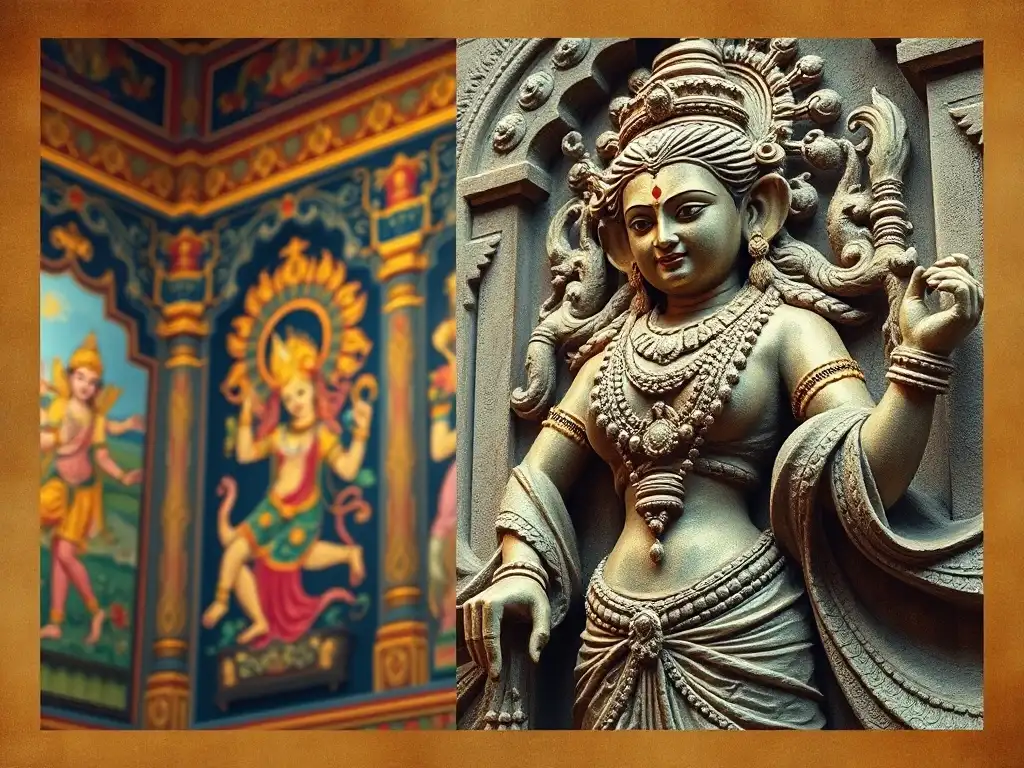
The Gupta Empire, often hailed as the Golden Age of India, witnessed an extraordinary flourishing of the arts. This period, which spanned from approximately 320 to 550 CE, was characterized by regional variations in artistic techniques that both reflected and influenced the diverse cultures within the empire. Each region contributed unique styles and innovations, resulting in a rich tapestry of artistic expression that defined Gupta art.
North Indian Artistic Innovations
Artistic innovations in North India during the Gupta era were marked by a distinct style that emphasized naturalism and intricate detailing. Sculptures from this region often showcased a blend of religious themes and secular motifs, with an emphasis on human figures depicted in graceful postures.
- Sculptural Techniques: The use of high relief and low relief techniques allowed artists to create depth and dimension. Notable examples include the iconic sculptures from the Ajanta Caves, where intricate carvings depict Buddhist narratives with a focus on emotional expression and movement.
- Iconography: North Indian artists developed a specific iconographic vocabulary, particularly in Buddhist and Hindu art. Deities were often portrayed with multiple arms and other symbolic attributes, conveying their supernatural power.
- Use of Materials: The Gupta artisans utilized local stone, such as sandstone and granite, which allowed for fine detailing. The craftsmanship in stone carving during this era is exemplified in the famous Sarnath Lion Capital, which exhibits remarkable precision and artistry.
South Indian Influences on Gupta Art
While the Gupta Empire is often associated with North Indian styles, South Indian artistic influences also played a crucial role during this period. The interaction between these regions led to a synthesis of techniques that enriched the overall artistic landscape.
- Temple Architecture: South Indian traditions introduced innovative architectural styles, particularly in temple design. The construction of the Brahmanical temples featured towering shikharas (spires) and intricate carvings, which influenced the design of temples in North India.
- Painting Techniques: The vibrant frescoes found in South Indian temples showcased a unique color palette and stylization that began to permeate Gupta art. These paintings often depicted mythological narratives and were characterized by bold colors and dynamic compositions.
- Material Usage: The introduction of terracotta and metalwork from South India added new dimensions to Gupta artistic expressions. Artisans began experimenting with these materials to create sculptures and decorative items that were both functional and aesthetic.
Cross-Cultural Exchanges and Their Impact
The Gupta Empire was a melting pot of cultural exchanges, facilitated by trade and pilgrimage routes connecting various parts of Asia. These interactions significantly shaped Gupta artistic techniques, leading to the incorporation of foreign elements into local art forms.
- Influence of Hellenistic Art: The remnants of Hellenistic art, particularly from the territories that were once part of the Greco-Bactrian Empire, influenced the Gupta sculptural style. Artists adopted techniques such as realistic proportions and drapery, enhancing the naturalism in their works.
- Buddhism and Global Connections: As Buddhism spread across Asia, the Gupta period saw the establishment of monastic centers that attracted artists from various regions. This exchange of ideas led to the diffusion of artistic techniques, resulting in a more cosmopolitan approach to art.
- Trade Relations: The flourishing trade routes during the Gupta era allowed for the exchange of not just goods, but also artistic ideas. The import of exotic materials and motifs from regions such as Southeast Asia enriched Gupta art, leading to a diversification of styles and themes.
The artistic innovations of the Gupta Empire were not confined to a single region or style; instead, they emerged from a complex interplay of local traditions and external influences. This era laid the groundwork for future artistic developments in India, shaping the cultural landscape for centuries to come.
The Legacy of Gupta Empire Artistic Techniques
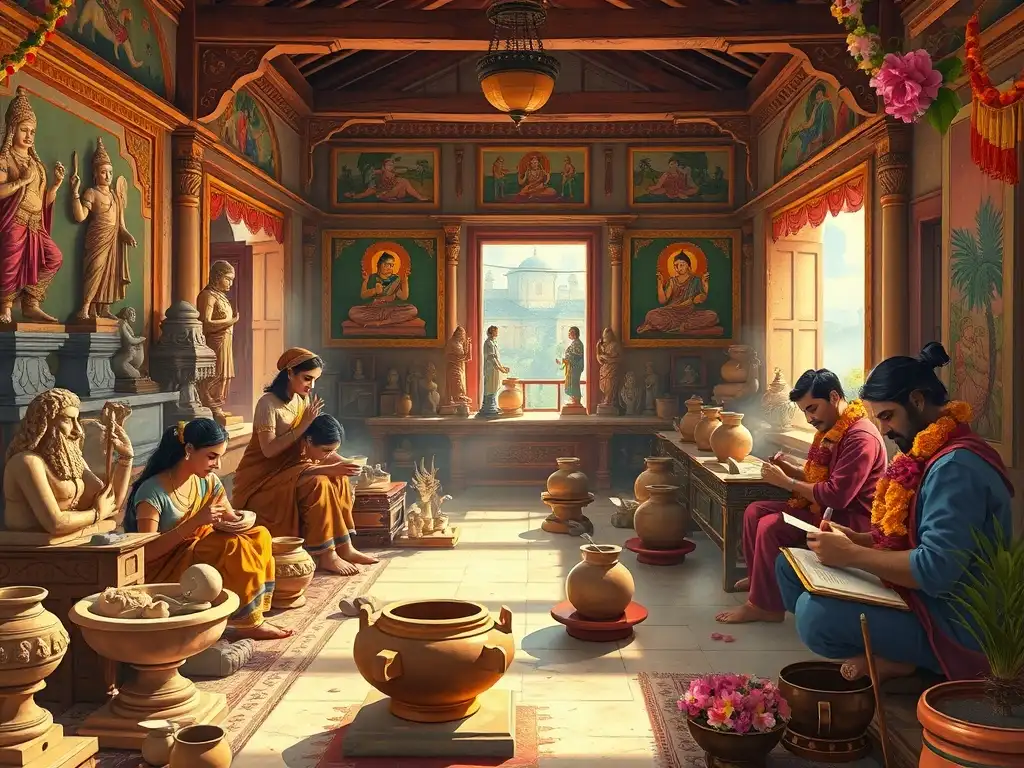
The Gupta Empire, often considered a golden age in Indian history, has left an indelible mark on the artistic landscape of the subcontinent. The artistic techniques developed during this period not only showcased the creativity and skill of Gupta artisans but also established a foundational legacy that influenced subsequent generations of artists. The advancements in sculpture, painting, and architecture reflect a blend of local traditions and broader cultural influences, leading to a distinctive style that emphasized realism, proportion, and intricate detailing.
The legacy of Gupta Empire artistic techniques can be seen in various forms of art that emerged in India after the Gupta period. The intricacies of stone sculptures, often depicting divine figures and mythological themes, set a standard for craftsmanship that would be aspired to by later artists. The use of naturalistic forms, along with the innovative portrayal of human emotions and expressions, exemplified a level of sophistication that resonated throughout the centuries.
Influence on Later Indian Art Movements
The artistic techniques of the Gupta Empire served as a critical reference point for later Indian art movements, particularly during the Medieval and Renaissance periods. The emphasis on clarity, symmetry, and the use of vibrant colors in Gupta paintings paved the way for subsequent styles in Indian art.
- Sculpture:
- The Gupta period's focus on depicting deities and divine narratives laid the groundwork for the evolution of temple art in later dynasties such as the Cholas and the Vijayanagara Empire.
- Sculptors adopted Gupta techniques of carving, creating intricate reliefs that adorned temples, demonstrating a continuity of style.
- Painting:
- The frescoes found in the Ajanta Caves, which are a testament to Gupta-era artistry, influenced later painting styles, particularly the Mughal miniatures that emerged in the 16th century.
- Themes of mythology and religious narratives continued to be explored through the same techniques of depth and perspective that Gupta artists employed.
- Architecture:
- The architectural innovations of the Gupta period, including the use of domes and arches, can be traced in the construction of later temples and structures, notably in the Dravidian style of architecture.
The Gupta Empire's artistic techniques not only inspired local artists but also facilitated cultural exchanges through trade and conquest, enabling the incorporation of diverse influences that enriched Indian art.
Preservation of Gupta Art Techniques in Modern India
The preservation of Gupta Empire artistic techniques continues to resonate in modern India, where craftsmanship and traditional art forms are cherished and celebrated. Various initiatives and movements aim to revive and sustain these ancient techniques, ensuring they remain integral to India's cultural identity.
- Craftsmanship Schools:
- Institutions dedicated to teaching ancient art forms often incorporate Gupta techniques in their curriculum, focusing on stone carving, metalwork, and painting.
- Workshops and seminars are held to educate new generations of artists about the historical significance and techniques of Gupta art.
- Cultural Festivals:
- Events such as art fairs and cultural festivals showcase traditional art forms that draw inspiration from Gupta techniques. These platforms provide artists with opportunities to display their work and connect with audiences.
- Restoration Projects:
- Efforts to restore ancient temples and art pieces often utilize Gupta techniques, ensuring that the skills and knowledge from that era are not lost. These projects highlight the importance of these techniques in maintaining the integrity of India's historical sites.
The ongoing appreciation and integration of Gupta Empire artistic techniques into contemporary Indian art not only reflect a commitment to cultural heritage but also encourage innovation, as artists build upon ancient foundations to create new expressions of identity and creativity.
The legacy of Gupta Empire artistic techniques has profoundly influenced the trajectory of Indian art and culture, shaping the creative landscape for centuries to come. As modern artists continue to embrace and adapt these techniques, the spirit of Gupta artistry remains alive and relevant in today’s artistic expressions.
Conclusion: The Impact of Gupta Empire Artistic Techniques on Indian Civilization
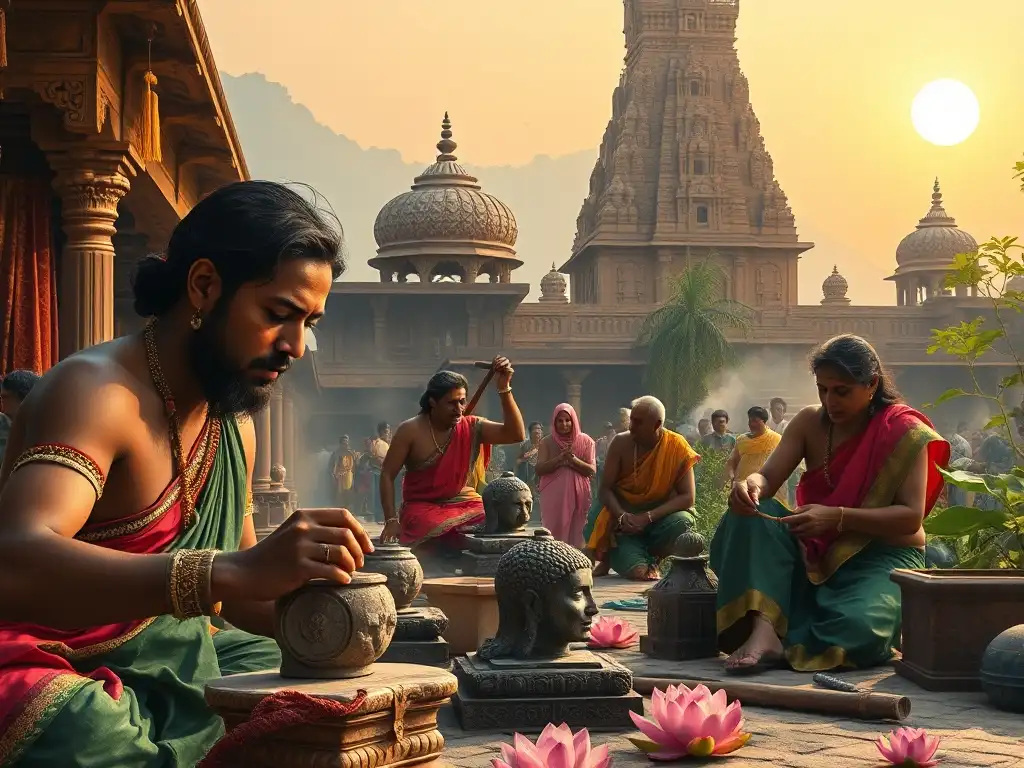
The Gupta Empire, often referred to as the Golden Age of India, is renowned for its remarkable contributions to art and culture. The artistic techniques developed during this era not only reflected the sophisticated aesthetics of the time but also laid the foundation for subsequent artistic traditions in India.
Summary of Gupta Contributions to Art and Culture
The Gupta period saw a flourishing of various artistic forms, including sculpture, painting, and architecture. Notable innovations included:
- Sculpture: The Gupta sculptors perfected the technique of creating intricate statues that conveyed deep spiritual meaning. They introduced a more naturalistic style, emphasizing human emotions and expressions. For example, the famous Buddha statues from Sarnath exhibit serene expressions and graceful proportions, showcasing the mastery of proportion and detail.
- Mural Paintings: The cave paintings of Ajanta and Ellora illustrate the use of vibrant colors and complex compositions. These murals often depicted scenes from Buddhist and Hindu mythology, demonstrating the skillful blending of narrative and decorative elements. The technique of using mineral-based pigments allowed for vibrant and durable art that has survived for centuries.
- Architecture: The Gupta period is characterized by the development of brick and stone temples. The use of intricate carvings and elaborate motifs in structures, such as the Dashavatara Temple in Deogarh, reflects a sophisticated understanding of architectural design and aesthetics.
The Gupta Empire artistic techniques also integrated influences from earlier Indian traditions while innovating new forms that resonated across different regions. This adaptability played a critical role in the cultural amalgamation that defined subsequent Indian art.
Final Thoughts on the Importance of Gupta Artistic Heritage
The artistic innovations of the Gupta Empire continue to influence contemporary Indian art and culture. By establishing new techniques and styles, the Gupta artists not only enriched their own civilization but also provided a legacy that would inspire generations to come. The emphasis on naturalism, emotional expression, and spiritual depth in their works has become a hallmark of Indian artistic identity.
The lasting impact of Gupta artistic techniques can be seen in various forms of modern Indian art, from classical dance to contemporary sculpture. The deep-rooted traditions rooted in the Gupta period remind us of the importance of cultural heritage and its role in shaping national identity.
As we explore the rich tapestry of ancient Indian history, it is essential to recognize the Gupta Empire's contributions as a cornerstone of artistic and cultural development, paving the way for future generations to appreciate and build upon this extraordinary legacy.
Frequently Asked Questions
What are the prominent artistic techniques developed during the Gupta Empire?
The Gupta Empire is known for its intricate sculptures, detailed frescoes, and innovative architectural styles that greatly influenced later Indian art.
How did Gupta artists contribute to sculptural techniques?
Gupta artists excelled in stone carving, showcasing realistic human forms and expressive features that highlighted their mastery in three-dimensional representation.
What role did religion play in Gupta artistic innovations?
Religious themes, particularly Hinduism and Buddhism, significantly influenced Gupta art, resulting in the creation of iconic deities and elaborate temple designs that reflected spiritual beliefs.
Can you name some famous artworks from the Gupta period?
Notable artworks include the Ajanta Caves frescoes, Sarnath Lion Capital, and various Buddhist sculptures that demonstrate the era's artistic excellence and diversity.
How did the Gupta Empire influence later Indian art styles?
The artistic techniques of the Gupta period laid the groundwork for future Indian art movements, particularly in temple architecture and miniature painting, ensuring the legacy of their creativity.
Final Reflection: Embracing the Legacy of Gupta Empire Artistic Techniques
The artistic innovations of the Gupta Empire represent a remarkable fusion of creativity and technical mastery that continues to resonate in today's world. As we explore the intricate sculptures, vibrant paintings, and pioneering techniques that emerged during this golden age, we uncover not only the beauty of the art itself but also its enduring influence on contemporary artistic practices. The Gupta Empire's legacy serves as a powerful reminder that art is not merely a reflection of its time but a catalyst for cultural evolution and expression.
The impact of Gupta artistic techniques extends far beyond their historical context, shaping the cultural and social landscape of subsequent generations. These innovations have inspired countless artists, scholars, and enthusiasts, fostering a deep appreciation for the craftsmanship and storytelling inherent in each piece. As we reflect on this rich heritage, we are reminded of the words of the renowned art historian, John Onians: Art is a bridge between the past and the future, allowing us to understand our roots while envisioning new possibilities.
This sentiment encapsulates the essence of the Gupta Empire's contributions, encouraging us to honor their legacy while continuing to innovate in our own artistic endeavors.
As we conclude our exploration of the Gupta Empire's artistic techniques, I invite you to reflect on how these historical innovations can inspire your own creative journey. Whether you are an artist, a student, or simply an admirer of art, consider how the principles of craftsmanship, storytelling, and cultural expression can be woven into your life. Let the spirit of the Gupta era ignite your passion for creativity, urging you to explore new techniques and styles that honor the past while paving the way for the future.
Unveil Your Creative Potential Today!
Thank you for exploring the artistic innovations of the Gupta Era with us! We hope this journey into the rich tapestry of history has sparked your imagination and inspired a deeper appreciation for the beauty of ancient art. Now, it’s your turn to carry this inspiration forward.
Here are a few action steps you can take to connect with this incredible legacy:
- Explore further: Visit a local museum or an online gallery that features ancient Indian art. Observe the techniques and styles that captivated artists centuries ago.
- Create your own masterpiece: Gather your materials and try your hand at crafting a piece inspired by Gupta art. Share your work on social media to inspire others!
- Join the conversation: Engage with fellow enthusiasts by commenting on our blog or becoming a part of our community forum. Share your thoughts on how the Gupta Era influences modern art today.
How do you envision incorporating the timeless techniques of the Gupta Era into your own creative pursuits?