
The Connection Between Buddhism and Ayurveda: Healing Mind and Body

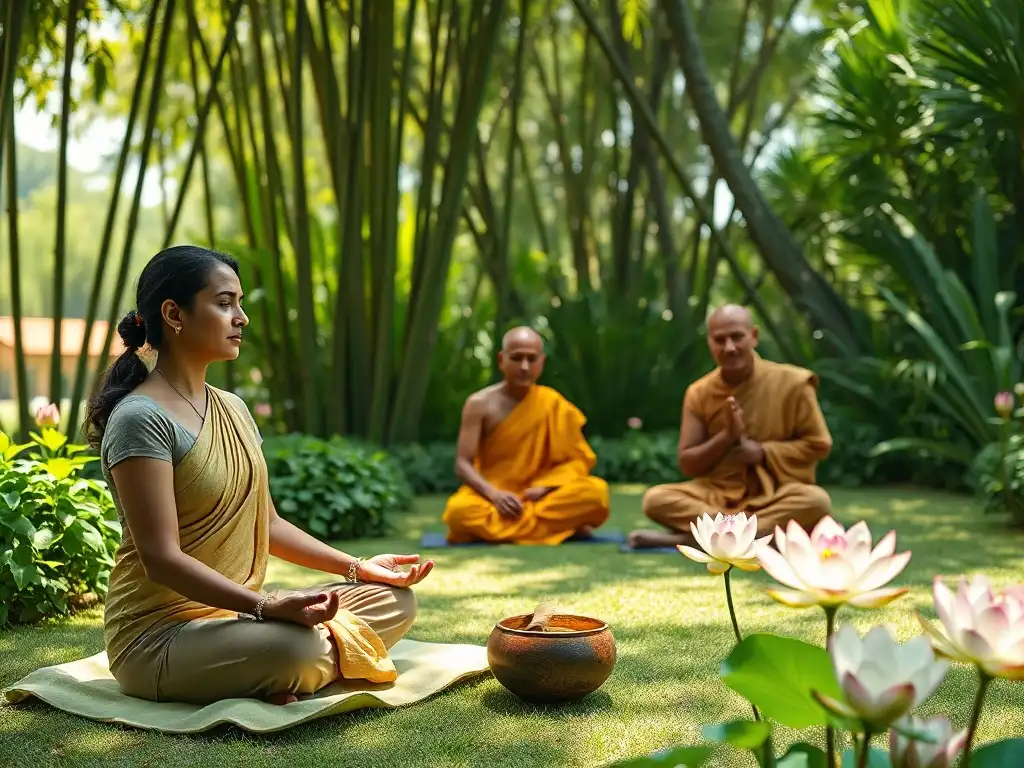
Welcome to Ancient India History, where we embark on a captivating journey through the rich tapestry of ancient Indian civilizations. Here, we delve into the profound connections that shaped our world, such as the intriguing relationship between Buddhism and Ayurveda—two remarkable pillars of ancient Indian thought that harmoniously intertwine the healing of both mind and body. As you explore this fascinating article, prepare to uncover how these two traditions not only complement each other but also offer timeless wisdom that resonates even today. Join us in unraveling the secrets of the past and their impact on our present!
- Introduction to Buddhism and Ayurveda Connection
- Historical Context of Buddhism and Ayurveda
- The Philosophical Foundations of Buddhism and Ayurveda
- Healing Practices in Buddhism and Ayurveda
- The Role of Mind-Body Connection
- Modern Relevance of Buddhism and Ayurveda Connection
- Conclusion
-
Frequently Asked Questions
- What is the historical connection between Buddhism and Ayurveda?
- How does Ayurveda influence Buddhist practices?
- Are there specific Ayurvedic practices associated with Buddhism?
- Can Buddhism and Ayurveda be practiced together?
- What role does meditation play in the connection between Buddhism and Ayurveda?
- Final Reflection: Embracing the Harmony of Mind and Body
- Embrace Holistic Healing Today!
Introduction to Buddhism and Ayurveda Connection
The connection between Buddhism and Ayurveda represents a profound interplay of spirituality and health that has shaped the cultural and philosophical landscape of ancient India. Both systems emerged from the same historical and cultural milieu, sharing common roots in the Vedic traditions and a deep understanding of the human experience. Buddhism, with its emphasis on the mind and the path to enlightenment, intertwines seamlessly with Ayurveda, the ancient science of life that focuses on physical well-being and holistic healing.
This article delves into the intricate relationship between Buddhism and Ayurveda, exploring how these two disciplines complement each other in promoting a balanced approach to health and spirituality. Understanding this connection not only enriches our appreciation of ancient Indian wisdom but also provides modern practitioners with insights into holistic living.
Overview of Buddhism
Buddhism, founded in the 5th to 4th century BCE by Siddhartha Gautama, known as the Buddha, is a spiritual tradition that emphasizes the path to enlightenment through practices such as meditation, ethical living, and wisdom. Central to Buddhist philosophy are the Four Noble Truths and the Eightfold Path, which guide followers toward understanding the nature of suffering and the means to overcome it.
Some key aspects of Buddhism include:
- The Four Noble Truths:
- The truth of suffering (Dukkha).
- The cause of suffering (Samudaya).
- The cessation of suffering (Nirodha).
- The path leading to the cessation of suffering (Magga).
- The Eightfold Path:
- Right Understanding
- Right Intent
- Right Speech
- Right Action
- Right Livelihood
- Right Effort
- Right Mindfulness
- Right Concentration
Through these teachings, Buddhism advocates for mental clarity, mindfulness, and compassion, which are vital for achieving inner peace and harmony—elements that resonate deeply with the principles of Ayurveda.
Overview of Ayurveda
Ayurveda, often referred to as the "science of life," is an ancient Indian system of medicine that dates back over 3,000 years. It is rooted in the belief that health is a balance of the body, mind, and spirit, and it offers a holistic approach to wellness.
Key components of Ayurveda include:
- Three Doshas: Vata, Pitta, and Kapha, which represent different combinations of the five elements (earth, water, fire, air, and space) and determine an individual's constitution.
- Balance of Mind and Body: Ayurveda emphasizes the importance of mental health in physical well-being, advocating practices like yoga and meditation.
- Natural Remedies: Use of herbs, dietary practices, and lifestyle changes to promote health and prevent disease.
Ayurveda’s holistic perspective aligns closely with Buddhist practices, as both traditions recognize the interdependence of physical and mental health in achieving overall well-being.
Importance of the Connection Between Buddhism and Ayurveda
The connection between Buddhism and Ayurveda is significant for several reasons:
- Holistic Healing: Both traditions promote a comprehensive approach to health that encompasses body, mind, and spirit, emphasizing the importance of mental health in physical healing.
- Mindfulness Practices: Buddhist meditation techniques enhance Ayurvedic practices, fostering greater awareness of the body’s needs and promoting emotional well-being.
- Ethical Living: The ethical principles espoused in Buddhism, such as compassion and non-violence, resonate with Ayurvedic practices that advocate for a lifestyle conducive to health and harmony.
The relationship between Buddhism and Ayurveda is a testament to the rich tapestry of ancient Indian wisdom, offering valuable insights for contemporary seekers of health and spirituality. Understanding this connection allows individuals to draw upon both traditions, fostering a balanced approach to well-being that honors the interconnectedness of all aspects of life.
Historical Context of Buddhism and Ayurveda

Origins of Buddhism in Ancient India
Buddhism originated in the 5th century BCE with the teachings of Siddhartha Gautama, known as the Buddha. His philosophy emerged in the context of the socio-religious landscape of ancient India, which was characterized by a myriad of beliefs, rituals, and practices. This period saw the rise of heterodox movements that challenged the rigid caste system and the authority of the Vedic texts.
The core tenets of Buddhism revolve around the Four Noble Truths and the Eightfold Path, which emphasize the cessation of suffering through ethical conduct, mental discipline, and wisdom. The Buddha's teachings advocated for a middle path that avoided extremes of self-indulgence and self-mortification, aligning with the holistic view of health prevalent in ancient Indian society.
Buddhism’s emphasis on mindfulness and meditation laid the groundwork for a profound understanding of the relationship between the mind and body, establishing a framework that would later resonate with Ayurvedic practices aimed at maintaining balance and harmony within individuals.
Development of Ayurveda in Ancient Indian Civilization
Ayurveda, which translates to "the science of life," is believed to have originated around the same time as Buddhism, around the 5th century BCE. Its foundational texts, such as the Charaka Samhita and the Sushruta Samhita, encapsulate a comprehensive system of medicine rooted in the principles of balance and natural harmony.
Ayurveda operates on the premise that health is achieved through a balance of the three doshas: Vata, Pitta, and Kapha. Each dosha corresponds to various physical and psychological characteristics and governs bodily functions.
The holistic nature of Ayurveda emphasizes not only physical health but also mental and spiritual well-being. This integrative approach aligns closely with Buddhist practices, which advocate for mental clarity and emotional stability as essential components of a healthy life. Ayurvedic treatments often include herbal remedies, dietary guidelines, and lifestyle modifications, reflecting a deep understanding of the human body and its connection to the environment.
Interactions Between Buddhist Practices and Ayurvedic Principles
The connection between Buddhism and Ayurveda is multifaceted, with both systems sharing a common goal: the alleviation of suffering and the promotion of well-being. As Buddhism spread across India and beyond, its teachings began to influence Ayurvedic practices, particularly in the areas of mental health and meditation.
- Mindfulness and Healing:
- The Buddhist practice of mindfulness has been integrated into Ayurvedic therapies, encouraging patients to cultivate awareness of their thoughts and emotions, which is crucial for holistic healing.
- Meditative Practices:
- Ayurveda incorporates meditation as a therapeutic tool, recognizing its benefits for mental health, which resonates with Buddhist teachings on the importance of mental discipline and focus.
- Ethical Living:
- The Buddhist principles of right action and right livelihood align with Ayurvedic recommendations for ethical living and lifestyle choices, which promote overall well-being.
The Buddhism and Ayurveda connection is characterized by shared philosophies that prioritize the union of mind, body, and spirit. Their interactions have led to a rich tradition of healing practices that continue to influence modern wellness systems, emphasizing the importance of a balanced and harmonious life.
The Philosophical Foundations of Buddhism and Ayurveda

The connection between Buddhism and Ayurveda is deeply rooted in the philosophical frameworks that underpin both systems. This relationship is characterized by their shared emphasis on holistic well-being, the interdependence of mind and body, and the pursuit of enlightenment. Both traditions originated in ancient India, drawing from the same cultural and spiritual milieu, which has allowed them to develop complementary practices and teachings.
Core Teachings of Buddhism
Buddhism, founded by Siddhartha Gautama (the Buddha) in the 5th century BCE, revolves around the Four Noble Truths and the Eightfold Path. These core teachings emphasize the nature of suffering and the path to liberation, which can be summarized as follows:
- The Truth of Suffering (Dukkha): Life is characterized by suffering in various forms, including physical pain, emotional distress, and existential dissatisfaction.
- The Cause of Suffering (Samudaya): Suffering is primarily caused by desire, attachment, and ignorance, leading to a cycle of rebirth and suffering known as samsara.
- The Cessation of Suffering (Nirodha): It is possible to end suffering by overcoming desire and attachment, ultimately achieving Nirvana, a state of liberation and peace.
- The Path to the Cessation of Suffering (Magga): The Eightfold Path provides practical guidelines for ethical conduct, mental discipline, and wisdom, which include:
- Right Understanding
- Right Intent
- Right Speech
- Right Action
- Right Livelihood
- Right Effort
- Right Mindfulness
- Right Concentration
These teachings encourage mindfulness and a deep connection to the present moment, which is integral to both spiritual growth and physical health.
Key Concepts in Ayurveda
Ayurveda, often referred to as the "Science of Life," is an ancient Indian system of medicine that dates back over 3,000 years. Its principles focus on achieving balance and harmony within the body, mind, and spirit. Some of the key concepts in Ayurveda include:
- Doshas: The three fundamental energies—Vata, Pitta, and Kapha—that govern physiological and psychological processes in the body. Each individual has a unique constitution (Prakriti) that determines their physical and mental characteristics.
- Dhatus: The seven bodily tissues that are essential for maintaining health. These include plasma (Rasa), blood (Raktha), muscle (Mamsa), fat (Meda), bone (Asthi), nerve (Majja), and reproductive tissue (Shukra).
- Srotas: The channels through which bodily substances flow, including the circulatory, respiratory, and digestive systems. Blockages in these channels can lead to disease.
- Agni: The concept of digestive fire, which is crucial for the proper functioning of the body and mind. A balanced Agni is essential for health and well-being.
By addressing both physical and mental aspects of health, Ayurveda provides a comprehensive approach to healing that aligns with Buddhist principles.
Synergy Between Buddhist Philosophy and Ayurvedic Healing
The synergy between Buddhism and Ayurveda is evident in their shared focus on the interconnectedness of the mind and body. Both traditions advocate for a balanced lifestyle that encompasses:
- Mindfulness and Meditation: Practices that cultivate awareness and promote mental clarity, essential for both spiritual and physical health. Mindfulness in Ayurveda can enhance the effectiveness of treatments by fostering a deeper connection to bodily sensations and needs.
- Holistic Healing: Both systems emphasize treating the whole person rather than just symptoms. This holistic approach fosters a deeper understanding of health and well-being as a dynamic interplay between mental, emotional, and physical states.
- Compassion and Ethics: Buddhism's emphasis on compassion (Karuna) resonates with Ayurveda's focus on promoting health for oneself and others. The ethical principles of non-harming (Ahimsa) in Buddhism also play a crucial role in Ayurvedic practices, guiding dietary choices and lifestyle habits.
The Buddhism and Ayurveda connection is profound, as both traditions offer valuable insights and practices that contribute to a holistic understanding of health. By integrating the mindfulness and ethical teachings of Buddhism with the healing practices of Ayurveda, individuals can achieve a harmonious balance of mind, body, and spirit, leading to a more enriching life experience.
Healing Practices in Buddhism and Ayurveda

The connection between Buddhism and Ayurveda is profound, intertwining spiritual and physical well-being. Both systems emphasize the importance of a healthy mind and body, advocating for practices that promote holistic healing. In this section, we will explore key aspects of healing practices within Buddhism and Ayurveda, focusing on their shared philosophies and methodologies.
Meditation and Mindfulness in Buddhism
Meditation is a cornerstone of Buddhist practice, serving as a means to cultivate mindfulness and inner peace. The following points highlight the significance of meditation in Buddhism:
- Mental Clarity: Through regular meditation, practitioners achieve a state of mental clarity, reducing stress and anxiety, which can also bolster physical health.
- Mindfulness: This practice encourages living in the present moment, enhancing awareness of thoughts, emotions, and bodily sensations. Mindfulness can help in recognizing the body’s needs, aligning with Ayurvedic principles of self-awareness.
- Compassion and Healing: Buddhist meditation often includes the practice of loving-kindness (Metta), fostering compassion towards oneself and others, which is essential for emotional healing.
Buddhist meditation techniques, such as Vipassana and Zazen, are instrumental in promoting mental health, paving the way for a balanced life that complements Ayurvedic healing practices.
Ayurvedic Treatments and Their Benefits
Ayurveda, the ancient Indian system of medicine, focuses on the balance of the body's energies (doshas) to maintain health. Its treatments are diverse and can be categorized as follows:
- Herbal Remedies: Utilization of a wide variety of herbs, such as Ashwagandha and Turmeric, helps in detoxification and rejuvenation.
- Panchakarma: This detoxification process involves five therapeutic actions to cleanse the body of toxins, promoting overall wellness.
- Diet and Nutrition: Ayurveda emphasizes the importance of diet tailored to individual constitutions (Prakriti) to maintain harmony within the body.
The benefits of Ayurvedic treatments include improved digestion, enhanced immunity, and increased vitality. The focus on natural remedies and holistic healing aligns with Buddhist principles, reinforcing the connection between the two systems.
How Buddhist Practices Enhance Ayurvedic Healing
Buddhism and Ayurveda, despite being distinct systems, offer complementary approaches to healing. Here’s how Buddhist practices enhance Ayurvedic healing:
- Stress Reduction: Buddhist meditation techniques reduce stress, which is a significant contributor to various ailments. Lower stress levels can enhance the effectiveness of Ayurvedic treatments.
- Emotional Balance: The teachings of Buddhism encourage emotional resilience, which is crucial for healing. A balanced mind can better respond to Ayurvedic therapies, improving overall outcomes.
- Holistic Approach: Both traditions emphasize the interconnection between mind and body. By incorporating mindfulness into Ayurvedic practices, practitioners can foster a deeper understanding of their health, leading to more effective healing.
The synergy between Buddhism and Ayurveda creates a powerful framework for holistic healing. By integrating meditative practices with Ayurvedic treatments, individuals can achieve a harmonious balance that nurtures both the mind and body, exemplifying the profound connection between these ancient traditions.
The Role of Mind-Body Connection

Understanding the Mind-Body Connection in Buddhism
In Buddhism, the mind-body connection is central to the understanding of human experience and suffering. Buddhism teaches that the mind and body are intricately linked, and this relationship is pivotal in the journey toward enlightenment. The Four Noble Truths, a foundational teaching in Buddhism, emphasize the nature of suffering and the path to liberation, which involves both mental and physical practices.
The concept of "Dukkha," or suffering, addresses the mental anguish and physical pain experienced in life. It is through the practice of mindfulness and meditation that individuals can cultivate a deeper awareness of this connection. Techniques such as Vipassana meditation encourage practitioners to observe their thoughts and bodily sensations without attachment, leading to a profound understanding of how mental states influence physical health.
Moreover, the Eightfold Path, which includes right mindfulness and right meditation, serves as a guide for maintaining a balanced connection between mind and body. By developing mental clarity and emotional stability through these practices, individuals can alleviate physical ailments and enhance overall well-being. This holistic approach is fundamental in Buddhism, where the mind is seen as a powerful tool that can either contribute to or mitigate suffering.
The Ayurvedic Perspective on Mind-Body Harmony
Ayurveda, the ancient Indian system of medicine, offers a complementary perspective on the mind-body connection, emphasizing balance and harmony. According to Ayurveda, the human being is a microcosm of the universe, and health is achieved when there is a balance between the three doshas: Vata, Pitta, and Kapha. Each dosha represents different physical and mental qualities, and understanding their interplay is crucial for overall well-being.
In Ayurveda, the mind is considered a vital component of health, often referred to as "Manas." The mental state influences physical health, and vice versa. Practices such as Yoga, meditation, and dietary regulations are employed to achieve this balance. For instance, Sattva, a quality associated with purity and harmony, is cultivated through mindful living, resulting in both mental clarity and physical vitality.
The Ayurvedic approach also incorporates the concept of "Ojas," which refers to the vital energy that sustains life. High levels of Ojas are associated with good health, while low levels can lead to physical and mental ailments. Thus, Ayurveda promotes lifestyle choices that enhance Ojas, reinforcing the connection between a healthy mind and body.
Integrative Approaches to Healing: Buddhism and Ayurveda
The integration of Buddhism and Ayurveda presents a holistic approach to healing that addresses both mental and physical aspects of health. Both systems emphasize the importance of self-awareness, mindfulness, and ethical living as pathways to wellness.
Practices such as mindful eating draw from both traditions, encouraging individuals to cultivate awareness during meals, which can lead to better digestion and improved mental clarity. Additionally, Ayurvedic therapies, such as Panchakarma, align with Buddhist principles of detoxification and mental purification, creating a comprehensive healing regimen.
Furthermore, the use of meditative practices in conjunction with Ayurvedic treatments enhances the healing process. For instance, incorporating meditation before or during Ayurvedic therapies can deepen the relaxation response, leading to improved outcomes.
Overall, the connection between Buddhism and Ayurveda illustrates the intricate web of mind-body healing. By understanding and applying the teachings from both traditions, individuals can achieve a more profound sense of balance, health, and well-being. This integrative approach not only fosters physical health but also nurtures emotional and spiritual growth, reflecting the profound interdependence of mind and body.
Modern Relevance of Buddhism and Ayurveda Connection

Contemporary Applications of Buddhist and Ayurvedic Practices
In today's fast-paced world, the connection between Buddhism and Ayurveda is increasingly recognized for its potential in promoting holistic well-being. Both traditions emphasize the importance of balance—whether it's the harmony of mind and body or the equilibrium of bodily systems.
- Mindfulness and Meditation:
- Buddhism teaches various forms of meditation that focus on mindfulness, which can significantly reduce stress and anxiety.
- Ayurveda, on the other hand, prescribes meditation as a means to enhance mental clarity and emotional stability.
- Combining these practices, individuals can cultivate a deeper awareness of their physical and mental states, leading to improved health outcomes.
- Dietary Recommendations:
- Ayurveda offers dietary guidelines based on the individual's dosha (body constitution), promoting foods that nourish both the body and mind.
- Integrating Buddhist principles of moderation and compassion into dietary practices can further enhance these recommendations, emphasizing mindful eating and ethical food choices.
- Therapeutic Practices:
- Techniques such as yoga, which has roots in both traditions, play a pivotal role in physical and mental health.
- The therapeutic aspects of Ayurveda, such as herbal medicine and panchakarma (detoxification), are often paired with mindfulness practices from Buddhism to create comprehensive treatment plans.
The Rise of Holistic Healing: Buddhism and Ayurveda in Today's World
The contemporary wellness movement has seen a significant rise in holistic healing approaches, where the connection between Buddhism and Ayurveda is being increasingly explored.
- Global Interest in Alternative Medicine:
- As more people seek alternatives to conventional medicine, the ancient wisdom of Ayurveda combined with Buddhist mindfulness practices is gaining traction.
- Retreats and wellness centers are now integrating these practices, offering programs that include meditation, yoga, and Ayurvedic treatments.
- Psychological Benefits:
- Research has shown that mindfulness meditation, a core practice in Buddhism, can alleviate symptoms of depression and anxiety.
- When paired with Ayurvedic lifestyle recommendations—such as herbal supplements and dietary changes—the psychological benefits can be significantly enhanced.
- Community and Support:
- The community-oriented practices in Buddhism complement the individualized approach of Ayurveda.
- Group meditation sessions and community-based wellness programs foster a sense of belonging and support, which are crucial for holistic healing.
Case Studies of Successful Integrations of Buddhism and Ayurveda
Several case studies illustrate the successful integration of Buddhism and Ayurveda, showcasing their combined potential for enhancing health and well-being.
- Mind-Body Healing Centers:
- Institutions like the Sivananda Yoga Vedanta Center have successfully combined Ayurvedic principles with Buddhist mindfulness practices. Through programs that include yoga, meditation, and Ayurvedic consultations, participants report improved mental clarity and physical health.
- Research Initiatives:
- A recent study conducted at the University of California explored the effects of a combined approach of mindfulness meditation and Ayurvedic dietary practices on chronic pain patients. The findings indicated a significant reduction in pain levels and an improvement in quality of life.
- Corporate Wellness Programs:
- Companies like Headspace have begun to incorporate Ayurvedic concepts into their mindfulness training programs, promoting a holistic approach to employee wellness. This integration has shown promising results in reducing stress and increasing productivity.
The modern relevance of the connection between Buddhism and Ayurveda is evident in various contemporary applications, the rise of holistic healing practices, and successful case studies that highlight their synergistic benefits. By embracing this connection, individuals can achieve a more balanced and harmonious state of being.
Conclusion

Summary of the Buddhism and Ayurveda Connection
The connection between Buddhism and Ayurveda is deeply rooted in the philosophical and practical frameworks that both systems offer. Buddhism, as a spiritual practice, emphasizes the importance of achieving mental clarity, emotional balance, and a profound understanding of the self. This is mirrored in Ayurveda, which focuses on the holistic balance of the body, mind, and spirit to maintain health and promote well-being.
Both traditions emerged around the same time in ancient India, sharing a common cultural and spiritual milieu. Buddhism's teachings on mindfulness and meditation align seamlessly with Ayurvedic practices that advocate for a balanced lifestyle, diet, and herbal remedies. For instance, Ayurvedic principles often encourage mindfulness in eating and living, which complements Buddhist practices aimed at cultivating awareness and presence.
Moreover, the concept of 'Dukkha' (suffering) in Buddhism finds its counterpart in Ayurvedic understanding, which identifies imbalances in the body as primary contributors to suffering. The Ayurvedic approach to healing involves diagnosing these imbalances through the three doshas—Vata, Pitta, and Kapha—and addressing them through dietary adjustments, herbal treatments, and lifestyle changes. This synergy underscores the Buddhism and Ayurveda connection as not merely philosophical but also practical, offering a comprehensive approach to healing that encompasses both mental and physical well-being.
Final Thoughts on the Importance of Integrating Mind and Body Healing
Integrating the teachings of Buddhism with the practices of Ayurveda creates a powerful framework for holistic healing. This integration is particularly significant in the context of modern health challenges, where stress and lifestyle diseases are prevalent. The mindfulness techniques derived from Buddhism can enhance Ayurvedic treatments, fostering greater self-awareness and emotional resilience in individuals seeking health and healing.
Incorporating meditation and mindfulness into daily routines can significantly enhance the effectiveness of Ayurvedic therapies. For example, patients who engage in regular meditation may experience reduced anxiety and improved overall health, thus enhancing the benefits of their Ayurvedic regimen.
Furthermore, as the world increasingly recognizes the importance of holistic healthcare, the Buddhism and Ayurveda connection presents a model for integrating ancient wisdom with contemporary health practices. This not only honors the rich traditions of ancient Indian civilizations but also provides practical solutions for achieving optimal health in today's fast-paced world. By embracing both mind and body healing, individuals can cultivate a more balanced and fulfilling life, reflecting the profound insights of both Buddhism and Ayurveda.
Frequently Asked Questions
What is the historical connection between Buddhism and Ayurveda?
The connection between Buddhism and Ayurveda dates back to ancient times, where both systems emphasized holistic health and the balance of mind, body, and spirit.
How does Ayurveda influence Buddhist practices?
Ayurveda's principles of natural healing and lifestyle have influenced Buddhist practices, promoting a balanced approach to physical and mental well-being in Buddhist teachings.
Are there specific Ayurvedic practices associated with Buddhism?
Yes, certain Ayurvedic practices, such as meditation and dietary guidelines, are integrated into Buddhist rituals to enhance spiritual growth and overall health.
Can Buddhism and Ayurveda be practiced together?
Absolutely! Many individuals find that combining Buddhism and Ayurveda enriches their spiritual journey and promotes a more comprehensive approach to wellness.
What role does meditation play in the connection between Buddhism and Ayurveda?
Meditation is crucial in both traditions, serving as a tool for mental clarity and stress relief, essential for achieving the balance advocated by Ayurveda.
Final Reflection: Embracing the Harmony of Mind and Body
The connection between Buddhism and Ayurveda is more relevant today than ever, as we navigate a world filled with stress and disconnection. In a society that often prioritizes fast-paced living and superficial remedies, the teachings of Buddhism and the holistic practices of Ayurveda remind us of the profound importance of nurturing both our mental and physical well-being. This synergy offers a pathway to healing that resonates deeply in our contemporary lives, urging us to seek balance and harmony in an increasingly chaotic environment.
The influence of Buddhism and Ayurveda extends beyond individual practices; it shapes our cultural and social landscapes in significant ways. As more people turn to these ancient traditions for guidance, we witness a growing appreciation for mindfulness, self-care, and holistic health. This shift encourages us to cultivate a deeper understanding of ourselves and our interconnectedness with the world around us. The mind is everything. What you think you become.
– Buddha. This quote encapsulates the essence of how our thoughts and health are intertwined, reinforcing the importance of this connection in our daily lives.
As you reflect on the teachings of Buddhism and the principles of Ayurveda, consider how you can integrate these practices into your own life. Take a moment to pause, breathe, and connect with your inner self. Embrace the wisdom of these traditions to foster a sense of peace and well-being.
By doing so, you not only honor your own journey but also contribute to a collective shift towards a more mindful and harmonious existence. Let this be an invitation to explore the profound connection between mind and body, and to embark on a path of healing that resonates with your spirit.
Embrace Holistic Healing Today!
Thank you for taking the time to explore the deep connections between **Buddhism** and **Ayurveda**. By uncovering these ancient practices, you've opened the door to a more balanced and harmonious life. Now, it's time to take action and integrate these principles into your daily routine.
- Start your journey by practicing mindfulness meditation for just 10 minutes each day. This simple habit can significantly enhance your mental clarity and emotional well-being.
- Delve deeper into Ayurveda by identifying your unique dosha type. This knowledge can help you discover personalized ways to improve your diet and lifestyle, ensuring they align with your individual health needs.
- Engage with your friends and family by sharing your insights and experiences. Consider starting a discussion group where you can explore the profound impacts of these practices together!
How will you incorporate the wisdom of Buddhism and Ayurveda into your life this week? Your reflections could inspire others on their healing journeys!