
Exploring the Goods That Shaped Ancient Indian External Trade

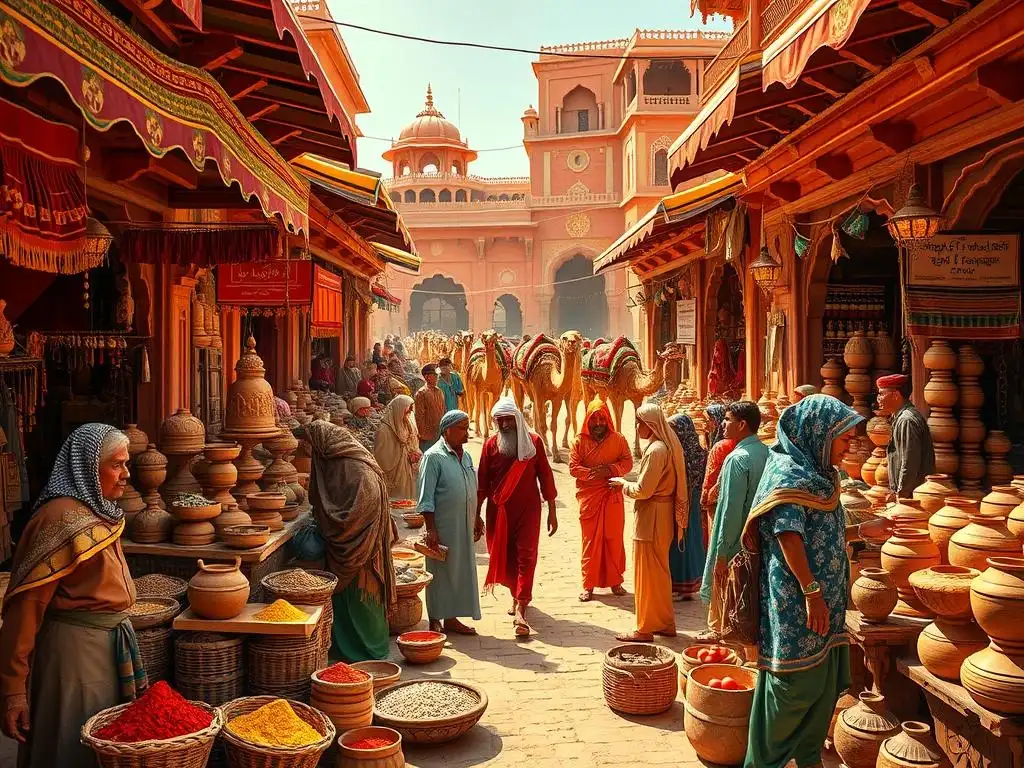
Welcome to Ancient India History, where we embark on a fascinating journey through the rich tapestry of India's past. In this exploration, we delve into the Ancient Indian trade goods history, uncovering the remarkable products that not only shaped the economy of ancient India but also influenced trade routes across continents. From the exquisite craftsmanship of textiles to the allure of spices, each item tells a story of cultural exchange and economic prowess.
Prepare to be captivated as we unravel how these trade goods contributed to the rise of ancient civilizations and their enduring legacy. Dive deeper with us to discover the secrets of a vibrant trade network that connected India to the world!
Introduction to Ancient Indian Trade Goods History
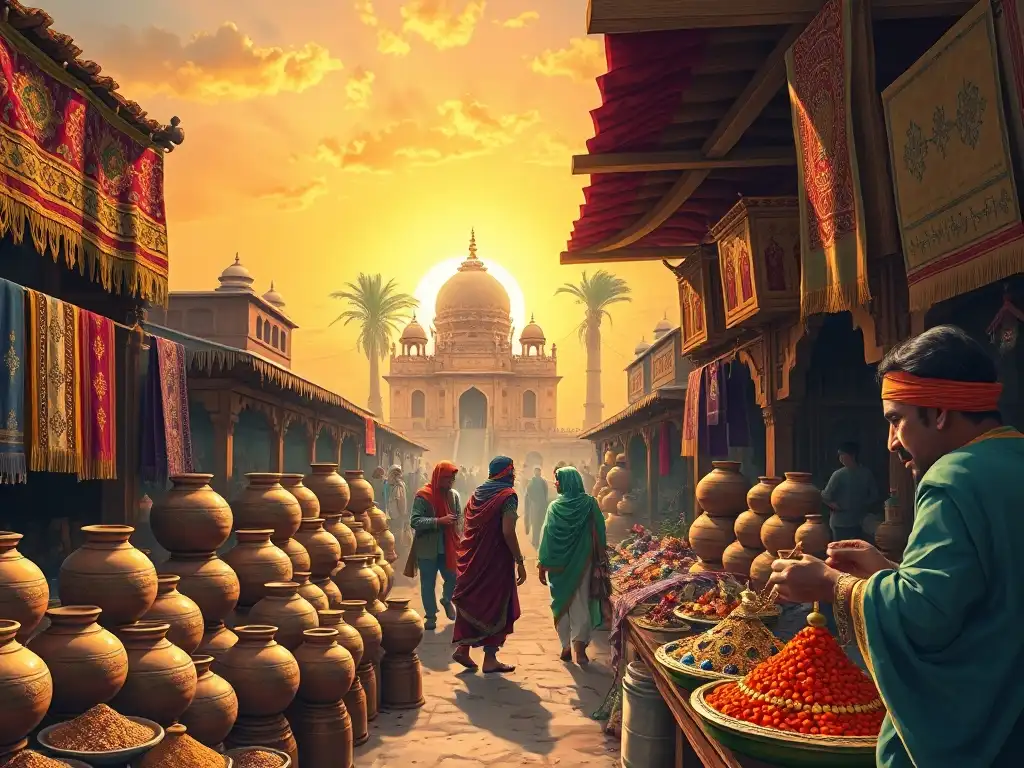
The history of Ancient Indian trade goods is a fascinating narrative that highlights the intricate web of commerce and cultural exchange that characterized the subcontinent. From the bustling markets of the Indus Valley Civilization to the flourishing trade routes of the Gupta Empire, ancient India was a hub of economic activity that not only enriched its own society but also significantly influenced distant lands. The goods traded during these eras provide valuable insights into the agricultural, industrial, and artisan prowess of ancient Indian civilizations.
The range of commodities traded included textiles, spices, precious stones, and metalwork, each reflecting the unique resources and skills of the regions they originated from. The diverse nature of these goods attracted traders from far-off lands, fostering relationships and enriching cultural exchanges that laid the groundwork for future interactions. Understanding the trade goods of ancient India is essential for comprehending how they shaped the socio-economic landscape and contributed to the development of external trade networks that spanned across continents.
Importance of External Trade in Ancient Indian Civilization
External trade played a pivotal role in the growth and prosperity of ancient Indian civilization. It facilitated not only the exchange of goods but also the transmission of ideas, technologies, and cultural practices. Here are some key aspects of its importance:
- Economic Prosperity:
- Ancient Indian trade was a significant contributor to the economy, generating wealth and fostering urbanization.
- Major trade centers like Taxila and Ujjain became bustling hubs where merchants and artisans thrived.
- Cultural Exchange:
- Trade routes allowed for the movement of not just goods but also philosophies, religions, and artistic styles, enriching the cultural tapestry of the region.
- The spread of Buddhism and Hinduism to Southeast Asia can be traced back to these trade interactions.
- Innovation and Technology Transfer:
- Exposure to foreign goods and techniques led to advancements in local craftsmanship and industries.
- Techniques in metallurgy, agriculture, and textiles evolved as a result of these exchanges.
- Strategic Alliances:
- Trade fostered diplomatic relationships between ancient Indian kingdoms and neighboring regions, which were crucial for political stability and security.
- Alliances formed through trade agreements often led to military cooperation and protection.
The external trade of ancient India was not merely a means of economic exchange; it was a complex interplay of commerce, culture, and diplomacy that laid the foundation for the rich heritage of the Indian subcontinent. Understanding this history sheds light on how ancient civilizations navigated their world and interacted with others, leaving a lasting legacy that continues to be relevant today.
- Introduction to Ancient Indian Trade Goods History
- Importance of External Trade in Ancient Indian Civilization
Key Goods in Ancient Indian Trade
Spices: The Flavor of India
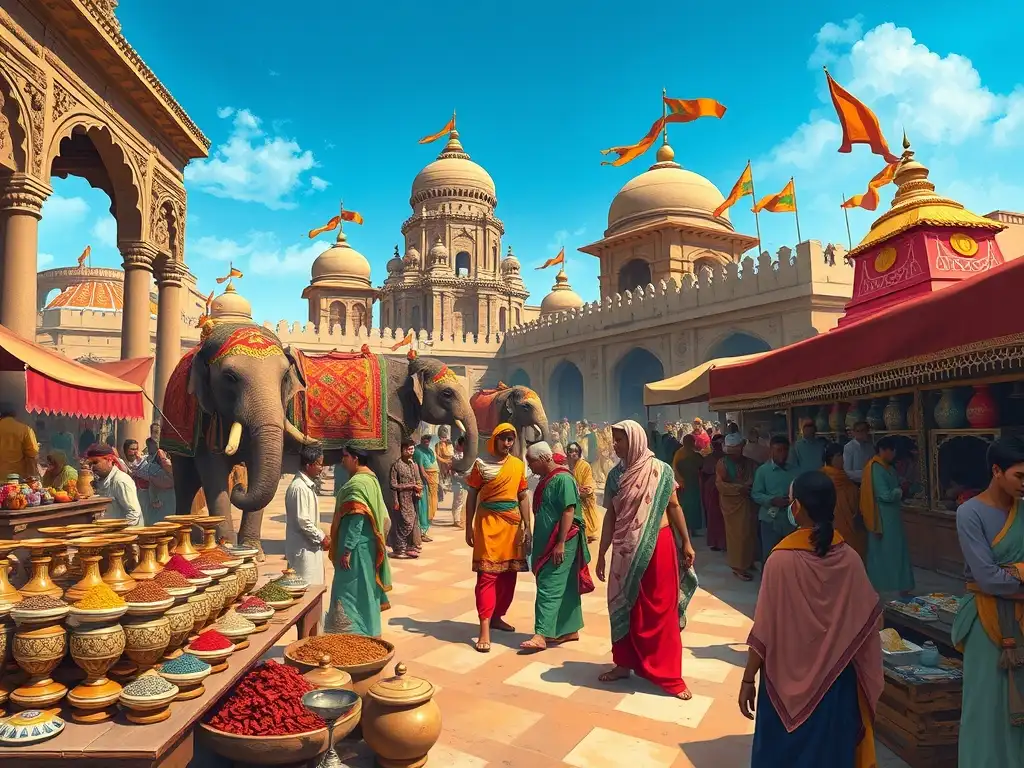
Spices played a pivotal role in ancient Indian trade, making the region a vital hub in the global spice network. Renowned for their unique flavors and medicinal properties, spices such as black pepper, cardamom, cinnamon, and turmeric attracted traders from distant lands. The export of these spices not only enhanced India's economy but also significantly influenced global cuisines and culinary traditions.
- Black Pepper: Often referred to as "black gold," black pepper was one of the most sought-after spices. Historical records indicate that it was traded extensively with the Romans, Greeks, and later the Arabs. The high demand for black pepper led to the establishment of trade routes across the Arabian Sea and the Indian Ocean.
- Cardamom and Cloves: Cardamom and cloves were also in high demand. Cardamom was prized for its aromatic properties, while cloves were valued for their flavor and preservative qualities. These spices were often used in religious rituals and traditional medicine, further enhancing their value in trade.
The spice trade significantly contributed to the wealth of ancient Indian kingdoms, particularly during the Mauryan and Gupta periods. The lucrative spice routes established during this time laid the groundwork for future trade dynamics, linking India with Southeast Asia, the Middle East, and even Europe.
Textiles: Weaving Culture and Economy
Textiles were another cornerstone of ancient Indian trade, showcasing the country’s rich cultural heritage and craftsmanship. The Indian subcontinent was famous for its intricate weaving techniques, resulting in a wide variety of fabrics that were highly valued both domestically and internationally.
- Cotton and Silk: India was one of the first regions to cultivate cotton and produce cotton textiles. The Indus Valley Civilization was known for its advanced cotton processing techniques. Additionally, silk production, particularly in regions like Bengal and Kashmir, led to the creation of exquisite silk sarees and shawls, attracting traders from China and Persia.
- Dyes and Patterns: The use of natural dyes and distinctive patterns, such as ikat and block printing, set Indian textiles apart from those of other regions. These unique qualities made Indian textiles highly sought after in markets across Asia and Europe.
The textile trade not only facilitated economic growth but also fostered cultural exchanges. Trade routes like the Silk Road were instrumental in spreading Indian textile innovations, contributing to the cultural tapestry of regions far beyond the subcontinent.
Precious Stones and Metals: The Glittering Trade
Ancient India was renowned for its wealth in precious stones and metals, which played a crucial role in its external trade. The region's rich deposits of gemstones, including diamonds, rubies, emeralds, and sapphires, made it a focal point in the global jewelry market.
- Diamonds: India was the primary source of diamonds from ancient times until the discovery of diamond mines in Brazil in the 18th century. The Golconda mines, in particular, produced some of the most famous diamonds in history, such as the Koh-i-Noor and the Hope Diamond.
- Gold and Silver: The trade in gold and silver was equally significant. Indian artisans were skilled in creating intricate jewelry, which was highly valued in both local and international markets. Gold coins, known as dinars, facilitated trade and commerce, further enhancing the economic landscape of ancient India.
The trade of precious stones and metals not only enriched the Indian economy but also established India as a beacon of luxury and craftsmanship. This glittering trade network linked India to various civilizations, including the Persians, Greeks, and later the Mughals, influencing global art and trade practices for centuries to come.
Agricultural Products: Grains and Beyond
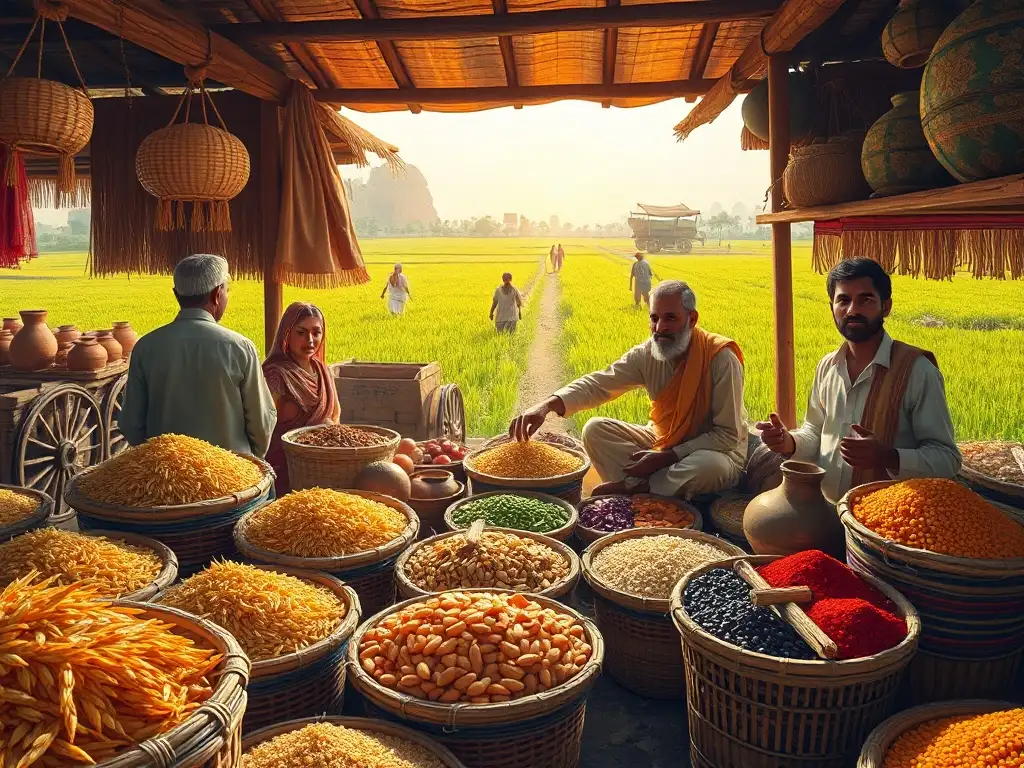
Agricultural products formed the backbone of ancient Indian trade, significantly influencing both domestic and international markets. The fertile plains of the Indus Valley and the Ganges River basin were ideal for cultivating a variety of crops, which were then traded across regions.
- Key Grains:
- Wheat: Primarily grown in the northwestern regions, wheat was a staple food and a valuable trade item.
- Barley: Another essential grain, barley was used for both food and brewing, enhancing its trade appeal.
- Rice: Cultivated mainly in the eastern parts of India, rice became a vital commodity that was exported to neighboring regions.
- Other Agricultural Products:
- Spices: India was renowned for its exotic spices, including black pepper, cardamom, and turmeric. These spices not only enhanced culinary practices but also served as valuable trade goods sought after by traders from distant lands.
- Cotton: The cultivation of cotton led to the production of fine textiles, which became a significant export item. Ancient Indians developed advanced techniques in spinning and weaving, creating fabrics that were highly prized in international markets.
- Sugarcane: The production of sugar from sugarcane also emerged as an important trade item, with ancient texts indicating its widespread use and export.
As these agricultural products made their way to foreign markets, they played a crucial role in shaping the economy and trade networks of ancient India. The export of grains and other agricultural goods not only provided sustenance to distant lands but also facilitated cultural exchanges and the spread of agricultural techniques.
Crafts and Artifacts: Cultural Exports
Artisanal crafts and unique artifacts were central to ancient Indian trade, reflecting the rich cultural heritage and skilled craftsmanship of the civilization. These goods were not only functional but also carried significant aesthetic and symbolic value.
- Textiles:
- The textile industry was one of the most important sectors in ancient India. Cotton and silk fabrics were intricately woven and dyed, often featuring elaborate patterns. Indian textiles were highly sought after in markets across Asia, the Middle East, and beyond, establishing a reputation that has endured throughout history.
- Metallurgy:
- Ancient Indian metallurgists were known for their advancements in metalworking. The production of high-quality tools, weapons, and decorative items made from iron, bronze, and gold contributed to both local economies and international trade. The famous Iron Pillar of Delhi exemplifies the advanced metallurgical skills of the time.
- Pottery and Terracotta:
- Pottery, especially glazed and painted ceramics, became significant trade items. Ancient Indian potters created exquisite terracotta figurines, utensils, and decorative pieces that were not only functional but also showcased artistic ingenuity.
- Jewelry:
- The crafting of jewelry from precious stones, metals, and beads was another flourishing industry. Indian artisans produced intricate designs that attracted traders from various regions. This jewelry often held cultural significance, symbolizing status and wealth, making it a coveted item across ancient trade routes.
These crafts and artifacts not only served practical purposes but also facilitated cultural exchanges and interactions with different civilizations. The trade of these goods contributed to the economic prosperity of ancient India and shaped its identity on the global stage.
Trade Routes of Ancient India
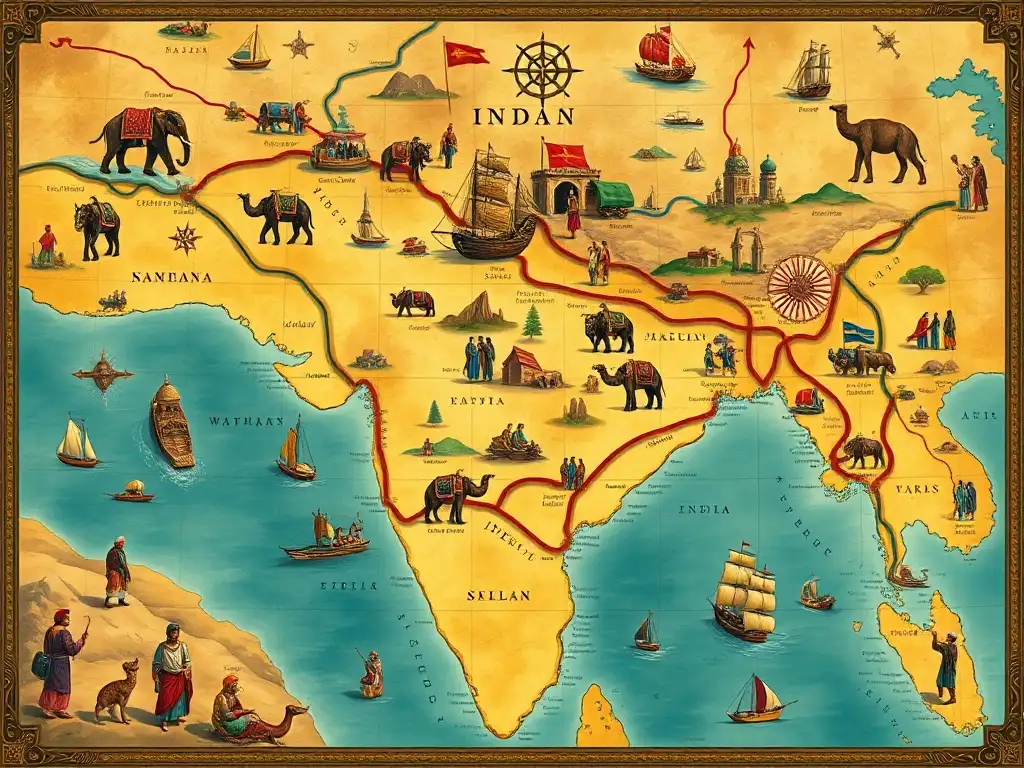
Major Land Routes for Trade
The land trade routes of ancient India were vital arteries facilitating commerce, culture, and communication across vast distances. The most significant of these routes included the Silk Road and the Grand Trunk Road, which connected India to Central Asia, Persia, and beyond.
- Silk Road: This network of trade routes connected China with the Mediterranean, passing through northern India. Goods such as silk, spices, and precious stones were exchanged, making it a hub of economic activity.
- Grand Trunk Road: One of Asia's oldest and longest major roads, the Grand Trunk Road connected the eastern and western parts of India. It played a key role in the movement of goods, including textiles, grains, and metalwork, between major cities like Pataliputra, Taxila, and Kanyakumari.
These routes were not merely highways for goods; they were pathways for ideas and cultures, significantly influencing the regions they traversed. Merchants, traders, and travelers often formed networks that contributed to the prosperity of the cities along these routes.
Maritime Trade Routes: Connecting Oceans
Maritime trade routes in ancient India were crucial for connecting the Indian subcontinent with several key trading partners across the Indian Ocean. The primary seas that facilitated this trade included the Arabian Sea and the Bay of Bengal.
- Arabian Sea Routes: Ports like Lothal and Sopara emerged as major trading centers, linking India with the Arabian Peninsula, East Africa, and the Mediterranean. The trade of spices, textiles, and gems flourished here.
- Bay of Bengal Routes: The eastern coast of India, particularly around Chennai and Kolkata, enabled trade with Southeast Asia, including regions that are now part of Indonesia and Malaysia. Goods such as rice, fish, and aromatic spices were exchanged.
The maritime routes allowed for the transport of bulkier goods that were not feasible to carry overland, such as metal ores and agricultural products. The monsoon winds were utilized for navigation, making it possible to conduct trade year-round.
The Role of Port Cities in Trade
Port cities were instrumental in the development of ancient Indian trade, serving as bustling hubs where goods from various regions converged. These cities not only facilitated trade but also contributed to the cultural exchange that characterized ancient India.
- Lothal: Known for its advanced dockyard, Lothal was a crucial port city of the Indus Valley Civilization. It played a significant role in maritime trade, connecting India with Mesopotamia.
- Kalinjar: This city was a vital trade center during the Gupta Empire, where merchants traded textiles, spices, and precious metals. Its strategic location enabled easy access to both land and sea trade routes.
The thriving marketplaces in these port cities were often adorned with rich cultural influences, reflected in architecture, cuisine, and customs. The integration of various cultures due to trade led to a unique melting pot of ideas, which enriched the overall tapestry of ancient Indian civilization.
The combination of land and maritime trade routes, along with the pivotal role of port cities, shaped the ancient Indian trade goods history, fostering economic prosperity and cultural exchange that resonated through the ages.
Influences of Ancient Indian Trade Goods
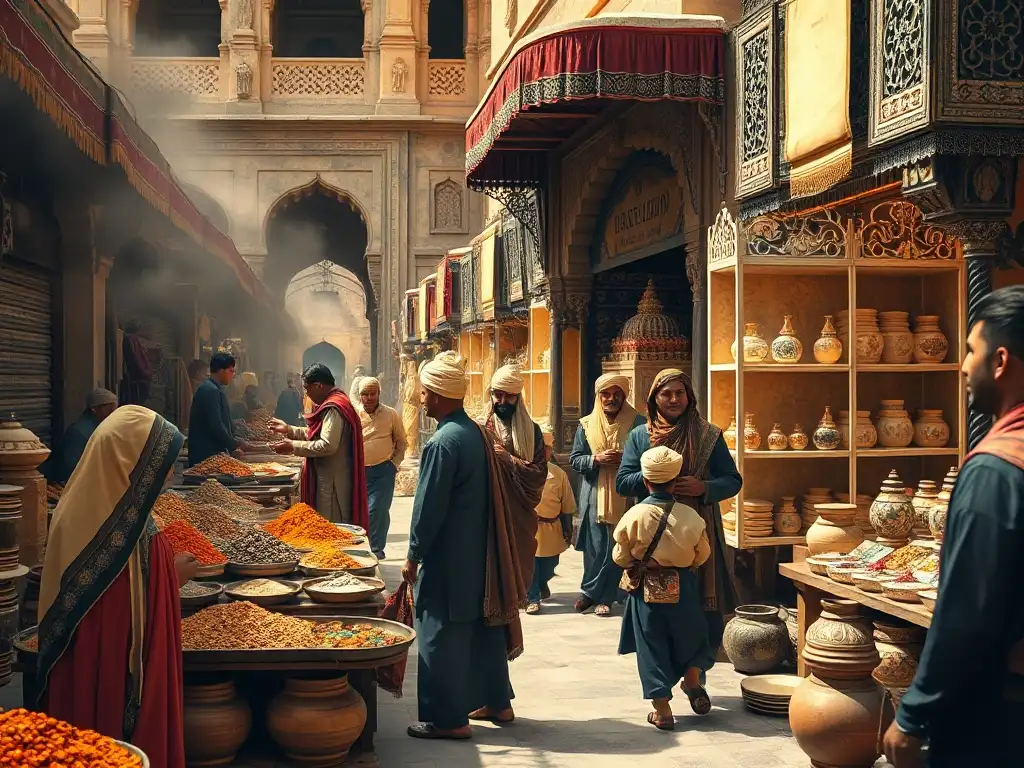
Cultural Exchange Through Trade
Ancient Indian trade was not merely an economic endeavor; it was a vibrant conduit for cultural exchange that profoundly influenced both Indian society and its trading partners. The Silk Road and maritime routes facilitated the movement of not just goods, but ideas, religions, and technologies.
- Art and Architecture: Indian artisans were renowned for their craftsmanship, particularly in textiles, pottery, and metalwork. As these goods made their way to far-off lands, they inspired local artisans, leading to a blend of styles and techniques. For instance, the exquisite designs of Indian textiles influenced the patterns seen in Middle Eastern fabrics.
- Religious Exchange: Trade routes also served as pathways for religious dissemination. Buddhism, which emerged in India, traveled to Central Asia and beyond through these networks. The presence of Buddhist stupas and monasteries along trade routes attests to this cultural fusion, as merchants often played the role of cultural ambassadors.
- Language and Literature: The interactions between traders fostered linguistic exchanges, leading to the incorporation of Sanskrit and Prakrit words in various regional languages. Additionally, Indian literary works, especially those like the Mahabharata and Ramayana, were translated and adapted in other cultures, expanding their reach and impact.
Economic Impact on Ancient Indian Societies
The economy of ancient India was significantly shaped by its trade goods, which not only enriched the society but also transformed its social fabric.
- Wealth Accumulation: By exporting luxury goods such as spices, silk, and precious stones, Indian traders amassed considerable wealth. This wealth was often reinvested into local economies, enhancing agricultural productivity and funding urban development.
- Urbanization: Trade hubs, such as Taxila and Pataliputra, emerged as vibrant centers of commerce. These cities attracted diverse populations, leading to urban growth and the establishment of complex social hierarchies. The flourishing trade networks necessitated the development of infrastructure, including roads and ports, which further stimulated economic activities.
- Impact on Agriculture: The demand for trade goods also influenced agricultural practices. For instance, the cultivation of spices like black pepper and cardamom became integral to Indian agriculture, driven by their high value in international markets. This shift not only diversified the agricultural landscape but also improved food security within the region.
Trade Goods and Their Influence on Neighboring Civilizations
The trade goods of ancient India had a profound impact on neighboring civilizations, shaping their economies, cultures, and social structures.
- Spices: Indian spices were highly sought after in markets across Africa, the Middle East, and Europe. The demand for these flavorful commodities significantly influenced culinary practices in these regions, leading to the integration of Indian spices into local cuisines. This exchange not only enriched flavors but also played a role in preserving food.
- Textiles: Indian textiles, particularly cotton and silk, gained immense popularity throughout the ancient world. The Chola and Maurya dynasties were instrumental in exporting these textiles, which were often woven with intricate patterns and vibrant colors. Neighboring civilizations adopted these styles, leading to a shift in their own textile production methods.
- Metals and Gems: The export of precious metals and gemstones, such as diamonds and rubies, established India as a crucial player in the global trade network. The influence of Indian craftsmanship can be seen in the jewelry of various cultures, where Indian techniques and designs were incorporated into local styles, thus enhancing their aesthetic appeal.
The influence of ancient Indian trade goods extended far beyond economic transactions, impacting cultural dynamics, social structures, and even the very identity of neighboring civilizations. The legacy of this rich tapestry of exchanges continues to resonate in the histories of many regions today.
Conclusion: Legacy of Ancient Indian Trade Goods History
Reflection on the Importance of Ancient Trade Goods in Shaping Modern India
Ancient Indian trade goods have left an indelible mark on the subcontinent's cultural and economic landscape. The exchange of commodities such as spices, textiles, and precious stones not only facilitated economic prosperity but also contributed to cultural exchanges that enriched Indian society.
- Spices: The demand for Indian spices like black pepper and cardamom played a crucial role in establishing trade routes. These commodities became synonymous with India's identity, influencing culinary practices globally.
- Textiles: Indian textiles, especially cotton and silk, were highly sought after in international markets. The intricate craftsmanship and vibrant colors of Indian fabrics set a benchmark for quality and creativity that continues to influence fashion today.
- Precious Stones: The trade of gems such as diamonds and rubies positioned India as a pivotal player in global luxury markets. This legacy persists in how India is viewed as a center for jewelry craftsmanship.
These goods not only contributed to wealth accumulation but also fostered a sense of identity and pride among Indians, laying the groundwork for modern trade practices in India.
The Lasting Impact of Ancient Indian Trade on Global Commerce
The legacy of ancient Indian trade extends beyond the borders of the subcontinent, influencing global commerce in profound ways. The trade networks established during ancient times set the stage for cultural and economic exchanges that shaped civilizations worldwide.
- Maritime Trade Routes: The development of maritime trade routes, particularly through the Indian Ocean, facilitated the exchange of goods between India, Southeast Asia, the Middle East, and beyond. This connectivity allowed for the flow of ideas, religions, and technologies, significantly impacting global trade dynamics.
- Silk Road: India's position along the Silk Road allowed it to become a melting pot of cultures. The exchange of not only goods but also philosophies, such as Buddhism, marked a significant period of cultural diffusion that resonated throughout Asia and influenced trade practices.
- Influence on European Exploration: The allure of Indian goods spurred European exploration and colonization efforts. The search for direct trade routes to India was a catalyst for the Age of Discovery, fundamentally altering global trade patterns.
The impact of ancient Indian trade on global commerce is evident in the interconnectedness of economies, the transfer of technologies, and the sharing of cultural practices that continue to thrive today.
References and Further Reading on Ancient Indian Trade Goods History
For those interested in exploring the fascinating history of ancient Indian trade goods, the following resources provide valuable insights:
- Books:
- "Ancient Indian Trade and Commerce" by R. C. Majumdar
- "The Indian Ocean: A History of People and the Sea" by K.N. Chaudhuri
- Articles:
- "The Spice Trade: A History" published in the Journal of Economic History
- "Trade, Commerce and the Indian Economy: The Global Context" in the Indian Journal of Historical Studies
- Online Resources:
- The Archaeological Survey of India (ASI) for archaeological findings related to ancient trade
- Digital repositories such as JSTOR for access to academic papers on ancient Indian trade practices
These resources will provide a deeper understanding of the intricate tapestry of ancient Indian trade goods history and their significance in shaping both regional and global economies.
Frequently Asked Questions
What were some of the key trade goods in ancient India?
Ancient India was known for its spices, silks, cotton textiles, and precious stones, which were highly sought after in international markets.
How did geography influence ancient Indian trade?
The location of ancient India, with access to land and sea routes, facilitated extensive trade with regions like the Middle East and Southeast Asia, enhancing cultural exchange.
What role did the Silk Road play in ancient Indian trade?
The Silk Road was a crucial trade network that connected India with China and the Mediterranean, allowing the exchange of goods, culture, and ideas.
How did ancient Indian trade impact its economy?
Trade significantly boosted the economy of ancient India by increasing wealth, encouraging urbanization, and fostering the growth of various crafts and industries.
What were the contributions of the Gupta Empire to trade?
The Gupta Empire improved trade through stable governance, enhanced infrastructure, and the promotion of commercial relations with foreign nations, leading to a vibrant trade environment.
Final Reflection: The Enduring Legacy of Ancient Indian Trade Goods
The exploration of ancient Indian trade goods reveals not only the economic prowess of a civilization but also its cultural and social interconnectedness with the world. Today, as we navigate a global economy that is more interconnected than ever, the historical significance of these trade goods serves as a reminder of the rich tapestry of exchanges that have shaped societies across time and space. The intricate web of trade routes and the diverse goods traded underscore the importance of collaboration and understanding in our modern world.
The impact of ancient Indian trade goods continues to resonate in our cultural landscape, influencing everything from culinary practices to artistic expressions. The spices, textiles, and precious stones that once traveled along the Silk Road are not merely relics of the past; they are the foundation of a shared heritage that connects us all. As Mahatma Gandhi wisely stated, “A nation's greatness is measured by how it treats its weakest members.” This sentiment echoes the idea that trade is not just about goods but about the relationships and respect fostered through exchange.
As we reflect on the lessons from ancient Indian trade, let us embrace the spirit of curiosity and openness that characterized these exchanges. I invite you to explore the ways in which trade—both ancient and modern—can enrich your life and community. Consider how the goods we consume today carry stories and histories that connect us to distant lands and cultures. By honoring this legacy, we can foster a greater appreciation for diversity and collaboration, paving the way for a more harmonious future.
Uncover the Treasures of Ancient Trade!
Thank you for diving into the fascinating world of Ancient Indian external trade! You’ve journeyed through the goods, routes, and cultures that shaped a pivotal era. Now, it’s time to take your exploration to the next level!
Here are some actionable steps you can take to deepen your understanding and share what you’ve learned:
- Explore local museums or online exhibitions that feature artifacts from ancient trade—immerse yourself in history firsthand!
- Join discussion forums or social media groups dedicated to ancient trade—connect with fellow history enthusiasts and share your insights!
- Conduct your own mini-research project or write a blog post about a specific trade good that captured your interest—who knows where your curiosity might lead!
What aspect of ancient trade intrigues you the most, and how will you share your newly gained knowledge with others?