
Indus Valley Inventions That Shaped Future Civilizations: A Historical Perspective

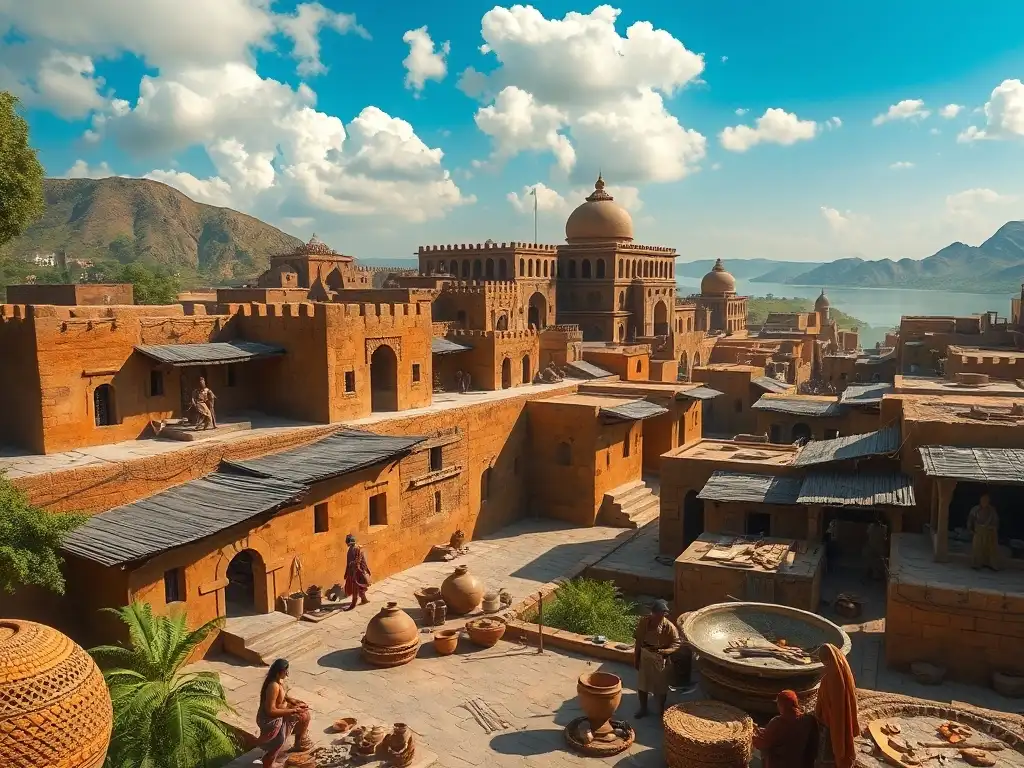
Welcome to Ancient India History, where we embark on a fascinating journey through time to uncover the rich tapestry of ancient Indian civilizations. Prepare to delve into the Indus Valley inventions that not only transformed their society but also left an indelible mark on the course of history. From groundbreaking urban planning to revolutionary agricultural practices, the innovations of the Indus Valley continue to influence modern civilization in profound ways.
Join us as we explore the intricate connections between these ancient achievements and their lasting impact on future generations. Are you ready to unlock the secrets of the past? Let’s dive in!
-
Indus Valley Inventions Impact History: A Historical Perspective
- Introduction to the Indus Valley Civilization
- Key Indus Valley Inventions and Their Impact
- Influence of Indus Valley Inventions on Future Civilizations
- Comparing Indus Valley Inventions with Other Ancient Civilizations
- Legacy of the Indus Valley Civilization
- Conclusion: The Lasting Impact of Indus Valley Inventions
-
Frequently Asked Questions
- What were some key Indus Valley inventions?
- How did Indus Valley inventions influence later civilizations?
- What role did the Indus Valley play in ancient trade?
- Why is the Indus Valley civilization considered advanced for its time?
- How do modern scholars view the impact of the Indus Valley on history?
- Final Reflection: The Enduring Legacy of Indus Valley Inventions
- Unleash Your Curiosity and Explore the Indus Valley Legacy!
Indus Valley Inventions Impact History: A Historical Perspective
Introduction to the Indus Valley Civilization
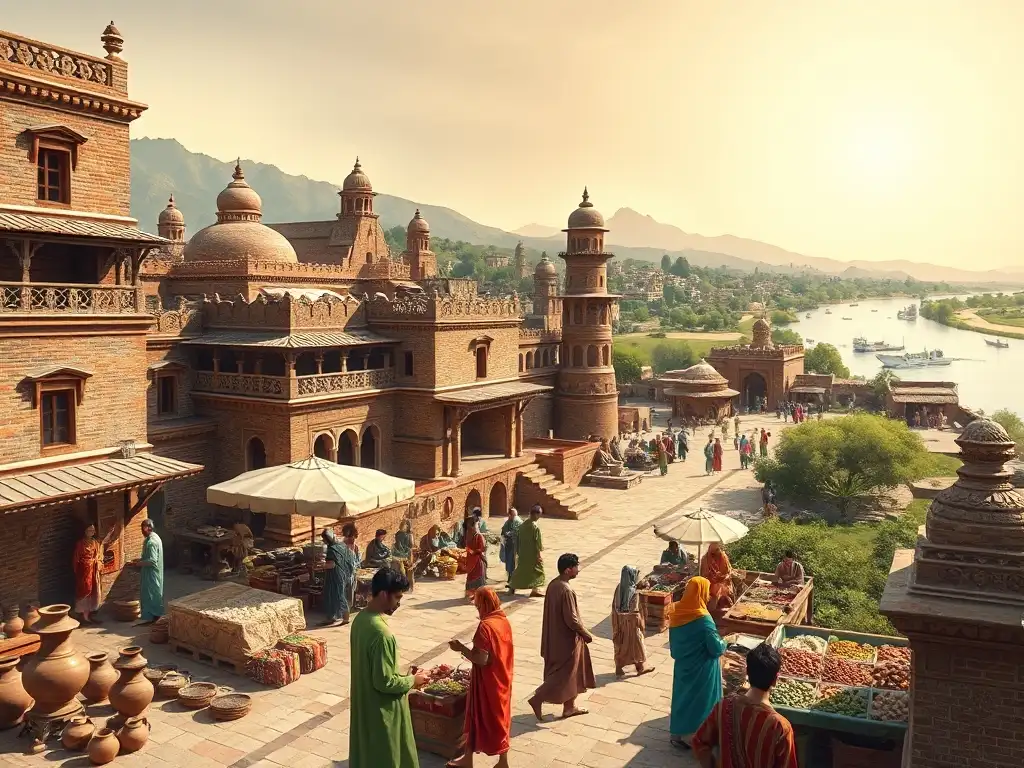
The Indus Valley Civilization (IVC), flourishing from approximately 3300 BCE to 1300 BCE, is one of the world's earliest urban cultures, renowned for its advanced societal structures, impressive architecture, and remarkable technological innovations. Spanning modern-day Pakistan and northwest India, this civilization is often overshadowed by its contemporaries in Mesopotamia and Egypt.
However, the inventions and advancements of the Indus Valley people have had a profound impact on future civilizations, influencing various aspects of life, including urban planning, agriculture, metallurgy, and trade practices. This article explores the key inventions of the Indus Valley Civilization and their lasting legacy on human history.
Overview of the Indus Valley Civilization
The Indus Valley Civilization is characterized by its well-planned cities, sophisticated drainage systems, and standardized weights and measures. Notable cities such as Harappa and Mohenjo-Daro featured advanced urban layouts, with grid patterns and public baths that hint at a highly organized society. The civilization's achievements in engineering, arts, and governance laid foundational elements that would shape the development of future cultures in South Asia and beyond.
Significance of the Indus Valley in Ancient History
Recognized as one of the cradles of civilization, the Indus Valley Civilization has contributed significantly to the tapestry of ancient history. Its innovations not only facilitated daily life but also set benchmarks for urban development and trade, which influenced neighboring regions. The civilization's decline around 1300 BCE remains a topic of scholarly debate, but its legacy continues to be felt in various domains, including agriculture, architecture, and economic systems. Understanding the IVC's contributions is crucial for appreciating the evolution of human civilization in the Indian subcontinent.
Key Indus Valley Inventions and Their Impact
The inventions of the Indus Valley Civilization are varied and impactful, showcasing the ingenuity of its people. Below, we delve into some of the most significant advancements that have shaped future civilizations.
Urban Planning and Architecture
The Indus Valley Civilization was remarkable for its urban planning and architectural innovations. Cities like Mohenjo-Daro featured:
- Grid Layouts: Cities were meticulously planned in a grid pattern, ensuring organized living spaces.
- Drainage Systems: Advanced drainage systems and public sanitation facilities were in place, contributing to public health.
- Brick Construction: The use of standardized burnt bricks allowed for durable and uniform building practices.
These architectural feats not only improved the quality of life for inhabitants but also influenced urban design in subsequent civilizations across Asia.
Agricultural Innovations
Agriculture played a vital role in the sustenance of the Indus Valley Civilization. Key innovations included:
- Irrigation Techniques: The development of irrigation systems helped in the cultivation of crops, leading to surplus production.
- Crop Rotation: Early practices of crop rotation enhanced soil fertility and agricultural yield.
- Domestication of Animals: The breeding of livestock contributed to food security and agricultural efficiency.
These agricultural advancements laid the groundwork for future agrarian societies, enhancing food production and stability.
Metallurgy and Craftsmanship
The Indus Valley Civilization exhibited exceptional skills in metallurgy and craftsmanship. Notable contributions include:
- Copper and Bronze Tools: The production of tools and weapons from copper and bronze signified advancements in technology.
- Bead Making and Jewelry: Intricate bead-making techniques demonstrated artistic finesse and trade capabilities.
- Standardized Weights: The introduction of standardized weights facilitated trade and commerce, establishing economic systems.
These metallurgical innovations not only served practical purposes but also influenced trade practices in the region.
Trade and Economy
Trade was a cornerstone of the Indus Valley Civilization's economy, characterized by:
- Extensive Trade Networks: The IVC engaged in trade with distant regions, including Mesopotamia, showcasing their economic prowess.
- Exchange of Goods: Items such as textiles, pottery, and metalwork were significant trade goods, stimulating economic growth.
- Marketplaces: The establishment of marketplaces within cities facilitated commerce and cultural exchange.
The trade practices and economic structures of the Indus Valley laid the foundation for future economic systems, influencing trade routes and commercial practices for centuries to come.
Influence of Indus Valley Inventions on Future Civilizations
The Indus Valley Civilization (IVC), flourishing around 2500 BCE, made profound contributions that have significantly influenced subsequent cultures and civilizations. From urban planning to agricultural methods, the innovations developed during this era laid foundational principles that would echo through history. The sophistication of IVC inventions transcended its geographical boundaries, impacting neighboring regions and future societies. The emphasis on sustainable practices, advanced urban infrastructure, and technical innovations not only provided a model for future civilizations but also showcased the ingenuity of early human societies.
The Spread of Urban Planning Concepts
The urban planning concepts of the Indus Valley Civilization were remarkably advanced for their time, characterized by grid layouts, drainage systems, and standardized brick sizes. Cities like Mohenjo-Daro and Harappa were designed with foresight, featuring organized streets and residential areas that promoted efficient living. This meticulous planning established a blueprint for urban development in subsequent civilizations.
As these ideas spread through trade and cultural exchanges, they influenced urban designs in regions such as Mesopotamia and later Greek and Roman cities. The concept of planned cities, with designated spaces for public buildings, markets, and residential housing, became a hallmark of urban development, emphasizing functionality and aesthetics. The legacy of the IVC’s urban planning continues to resonate in modern city designs, showcasing its lasting impact on human settlements.
Agricultural Practices Adopted by Successive Cultures
Agriculture was a cornerstone of the Indus Valley economy, with innovations in irrigation, crop rotation, and the domestication of plants and animals. The IVC farmers cultivated a variety of crops, including wheat, barley, and cotton, utilizing advanced techniques that enhanced productivity. These agricultural practices allowed for surplus production, which supported urbanization and trade.
Successive cultures in the Indian subcontinent and beyond adopted these agricultural practices, refining them based on regional climates and available resources. The emphasis on sustainable farming methods established by the IVC influenced agricultural systems in neighboring regions, fostering the growth of civilizations that relied heavily on agriculture. The methods introduced by the IVC laid the groundwork for agrarian societies, shaping food production and consumption patterns for generations.
Technological Innovations in Metallurgy
The Indus Valley Civilization is noted for its remarkable advancements in metallurgy, particularly in the production of high-quality bronze and copper tools. The techniques developed for metalworking not only improved efficiency in agricultural practices but also facilitated advancements in craftsmanship, trade, and warfare.
These metallurgical innovations spread to other ancient civilizations, influencing their technological development. The IVC’s ability to create durable and effective tools revolutionized various industries, including agriculture and construction, laying the groundwork for future metallurgical practices. The impact of these innovations is evident in the technological advancements seen in neighboring cultures, which adopted and adapted these techniques for their needs.
Comparing Indus Valley Inventions with Other Ancient Civilizations
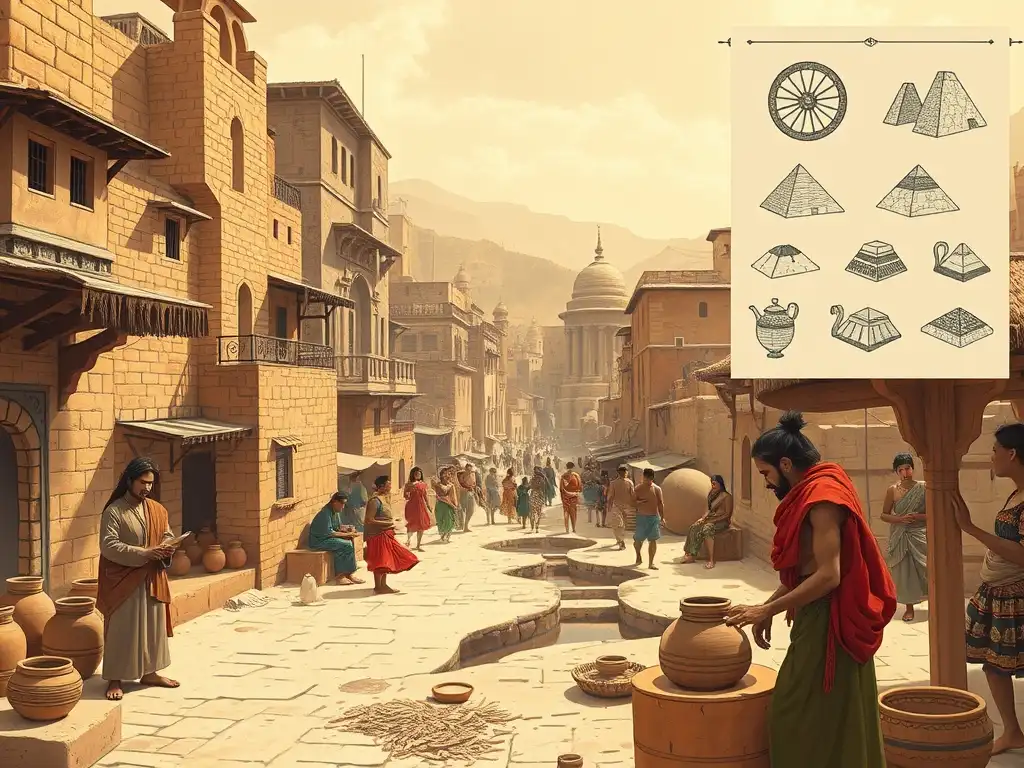
The inventions of the Indus Valley Civilization share both similarities and distinct differences with those of other ancient civilizations, such as Mesopotamia, Egypt, and China. Understanding these comparisons can shed light on the unique contributions of the IVC while highlighting the interconnectedness of ancient societies.
Similarities with Mesopotamian Innovations
Both the Indus Valley and Mesopotamian civilizations demonstrated remarkable ingenuity in urban planning, agriculture, and trade. For instance, both cultures engaged in extensive irrigation systems to support agriculture, showcasing an understanding of water management crucial for sustaining their populations. Additionally, the use of standardized weights and measures in trade can be seen in both civilizations, facilitating commerce and economic growth.
However, while there are similarities in technological approaches and societal organization, the Indus Valley’s unique emphasis on urban sanitation and public health through advanced drainage systems sets it apart. This focus on hygiene and urban living reflects a distinctive cultural value that may not have been as pronounced in Mesopotamian cities.
Unique Features Distinguishing Indus Valley Contributions
The Indus Valley Civilization is distinguished by several unique features that highlight its contributions to human history. One of the most notable is the sophisticated drainage system found in cities like Mohenjo-Daro, which was unprecedented in its complexity for the time. The use of baked bricks and standardized construction techniques reflects an advanced understanding of materials and engineering.
Furthermore, the IVC's writing system, although still undeciphered, suggests a level of literacy and administrative organization that was advanced for its era. This contrasts with other civilizations where writing was primarily used for record-keeping and monumental inscriptions.
While the Indus Valley shares commonalities with other ancient civilizations, its unique technological innovations, urban planning, and agricultural practices mark it as a pivotal civilization that significantly impacted the course of history. The legacy of the Indus Valley continues to influence contemporary society, reminding us of the enduring power of innovation and cultural exchange.
Legacy of the Indus Valley Civilization
The Indus Valley Civilization (IVC), flourishing around 2500 BCE, is recognized as one of the most advanced urban cultures of the ancient world. Its legacy is profound, manifesting in various aspects of societal development that have shaped future civilizations. The IVC is noted for its sophisticated city planning, remarkable architectural achievements, and innovative technologies. Key features such as drainage systems, standardized weights and measures, and metallurgy not only served the IVC but also laid foundational principles for subsequent cultures in South Asia and beyond.
The civilization's ability to engage in extensive trade, both locally and with distant regions, indicates a complex economic structure that influenced trade practices in later Indian societies. Additionally, the agricultural techniques developed during this time, particularly the cultivation of cotton and the domestication of animals, played a crucial role in the agrarian societies that followed. The legacy of the Indus Valley is thus not merely historical; it continues to resonate in modern urban planning, agricultural practices, and trade methodologies.
Long-term Effects on South Asian History
The innovations of the Indus Valley Civilization had lasting effects that rippled through South Asian history. The advanced urban planning demonstrated in cities like Harappa and Mohenjo-Daro established a precedent for city layouts that prioritized sanitation and public health. These principles were echoed in later urban centers, influencing the design of Indian cities throughout history.
Moreover, the IVC's contributions to trade, particularly in cotton textiles, laid the groundwork for the flourishing textile industry that became a hallmark of Indian economy and culture in subsequent eras. The use of seals bearing inscriptions in the Indus script suggests a form of written communication that hints at the evolution of language and record-keeping in the region, paving the way for the complex administrative systems of later kingdoms.
The IVC's agricultural advancements also had profound implications. The techniques developed for irrigation and crop production allowed for sustained agricultural output, supporting larger populations and contributing to the rise of subsequent empires in South Asia. Thus, the long-term effects of Indus Valley inventions are evident in the continuous evolution of South Asian civilization.
Recognition in Modern Historical Studies
In modern historical studies, the Indus Valley Civilization is increasingly recognized for its contributions to ancient innovations. Archaeologists and historians have dedicated significant research to uncovering the complexities of the IVC, leading to a greater appreciation of its role in shaping early human societies. The civilization's advancements in urban planning, trade, and technology are frequently highlighted in scholarly discussions, emphasizing the need to understand its impact as foundational rather than peripheral in the narrative of human progress.
Recent interdisciplinary studies incorporating archaeology, anthropology, and environmental science have further illuminated the significance of the IVC. The use of advanced techniques, such as satellite imagery and geospatial analysis, has allowed researchers to uncover previously unknown sites and understand the extensive reach of the IVC's influence. This recognition reinforces the importance of the Indus Valley as a key player in the story of human civilization, challenging earlier perceptions that marginalized its achievements.
Conclusion: The Lasting Impact of Indus Valley Inventions
The inventions and innovations of the Indus Valley Civilization have left an indelible mark on history, influencing myriad aspects of life in South Asia and beyond. From urban planning and engineering to trade and agriculture, the IVC's contributions continue to shape contemporary practices and understanding of civilization.
Summary of Key Contributions
To summarize, the key contributions of the Indus Valley Civilization include:
- Urban Planning: Advanced city layouts emphasizing public health and sanitation.
- Trade Practices: Development of extensive trade networks that influenced economic systems.
- Agricultural Techniques: Innovations in irrigation and crop cultivation that sustained future populations.
- Writing Systems: Early forms of written communication that laid foundations for administrative practices.
These contributions have not only shaped the trajectory of South Asian history but also provided a template for urban and agricultural societies worldwide.
Reflection on the Importance of Understanding Ancient Innovations
Understanding the innovations of the Indus Valley Civilization is crucial for several reasons. First, it fosters a deeper appreciation of the ingenuity and capabilities of ancient societies, challenging modern perceptions of technological and cultural superiority. Second, it highlights the interconnectedness of human history, as the advancements made by the IVC influenced later civilizations and their developments.
Moreover, studying these ancient innovations can inform contemporary challenges, such as urban planning and sustainable agriculture. By reflecting on the successes and failures of past societies, modern civilizations can draw valuable lessons to address current issues. The legacy of the Indus Valley Civilization serves as a reminder of the enduring nature of human creativity and adaptation, inspiring future generations to innovate and improve.
Frequently Asked Questions
What were some key Indus Valley inventions?
The Indus Valley civilization is known for various inventions, including advanced drainage systems, urban planning, and standardized weights and measures, which significantly impacted future societies.
How did Indus Valley inventions influence later civilizations?
The innovations from the Indus Valley laid the groundwork for urban development and trade practices, influencing the architectural and economic frameworks of subsequent civilizations throughout South Asia.
What role did the Indus Valley play in ancient trade?
The Indus Valley was a crucial hub for trade, connecting with other ancient civilizations such as Mesopotamia, which facilitated the exchange of goods and ideas, enhancing cultural connections.
Why is the Indus Valley civilization considered advanced for its time?
The Indus Valley civilization showcased remarkable achievements in urban planning, including grid layouts and sophisticated drainage systems, highlighting their understanding of engineering and architecture.
How do modern scholars view the impact of the Indus Valley on history?
Modern scholars recognize the Indus Valley's contributions as foundational, noting their influence on later civilization developments in areas such as agriculture, trade, and urban infrastructure.
Final Reflection: The Enduring Legacy of Indus Valley Inventions
The innovations of the Indus Valley civilization are not merely relics of the past; they are foundational elements that have shaped the trajectory of human history. From advanced urban planning to groundbreaking agricultural techniques, the contributions of this ancient society continue to resonate in our modern world. The impact of these inventions is a testament to the ingenuity of early civilizations and their ability to influence future generations.
Cultural and social landscapes have been profoundly influenced by the inventions of the Indus Valley. Their sophisticated drainage systems and standardized weights and measures laid the groundwork for urban development and trade practices that we still rely on today. As we reflect on this, we are reminded of the words of historian Will Durant: Civilization exists by geological consent, subject to change without notice.
This highlights the fragility and interconnectedness of civilizations, urging us to appreciate the innovations that have allowed societies to thrive and evolve.
As we conclude our exploration of the Indus Valley's remarkable contributions, I invite you to reflect on how these ancient inventions can inspire our actions today. Consider how you can apply the principles of innovation and sustainability in your own life, fostering a mindset that values progress while honoring the lessons of history. Let the legacy of the Indus Valley civilization remind us that our actions today can shape the future, just as theirs did for us.
Unleash Your Curiosity and Explore the Indus Valley Legacy!
Thank you for diving into the fascinating world of Indus Valley inventions! Your interest not only enriches your knowledge but also honors the incredible contributions of this ancient civilization. Now, it’s time to take the next step in your journey of discovery.
Here are some exciting ways you can deepen your understanding and appreciation of the Indus Valley era:
- Delve deeper: Explore literature that elaborates on the inventions that shaped modern society. Discover how the sophisticated urban planning of the Indus Valley continues to inspire contemporary architecture.
- Share your thoughts: Engage your friends or fellow history enthusiasts by sharing this article and discussing the enduring impact of these inventions on our lives today.
- Join the conversation: Connect with a community passionate about ancient civilizations. Participate in discussions or forums that focus on the legacies of the Indus Valley.
What aspect of the Indus Valley’s inventions intrigued you the most, and how do you think they continue to shape our lives today?