
The Role of Cultural Exchange in the Mauryan Political Landscape

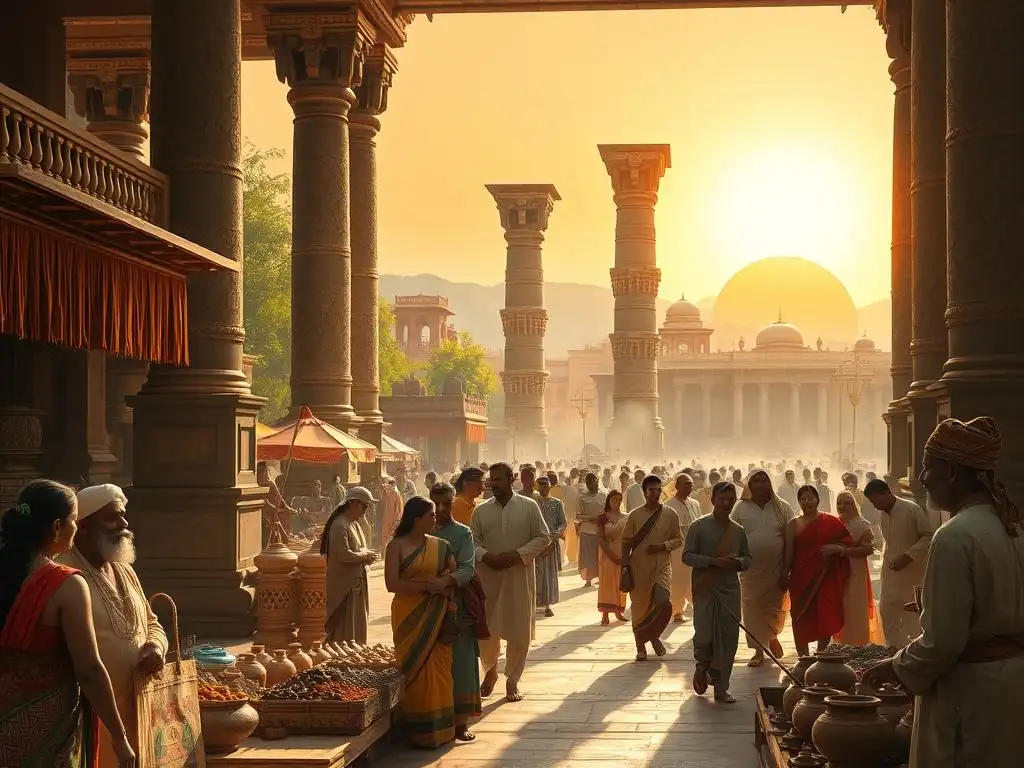
Welcome to Ancient India History, where we invite you to embark on a fascinating journey through the vibrant tapestry of ancient Indian civilizations. In this exploration, we shine a light on the intricate web of cultural exchange that shaped the Mauryan Empire, revealing how these interactions influenced its political landscape and legacy.
As you delve deeper into our featured article, "The Role of Cultural Exchange in the Mauryan Political Landscape," prepare to uncover the profound connections that not only enriched the empire but also set the stage for future generations. Stay curious, and let the stories of the past inspire your understanding of the present!
Introduction to Cultural Exchange in the Mauryan Empire
The Mauryan Empire, which flourished from 322 to 185 BCE, stands as one of the most significant ancient Indian empires, renowned not only for its vast territorial expanse but also for its intricate political structure. At the heart of this empire's success was the dynamic process of cultural exchange, which played a pivotal role in shaping its political landscape. This exchange occurred not only within the diverse regions of the empire but also across its borders, connecting the Mauryans to various cultures and civilizations, such as the Greeks, Persians, and Central Asians.
Cultural exchange during the Mauryan period was multifaceted, encompassing the sharing of ideas, art, technology, and religious beliefs. The Mauryan rulers, particularly Emperor Ashoka, recognized the importance of fostering these exchanges to enhance governance, promote stability, and integrate different ethnic and cultural groups. This article delves into the various dimensions of cultural exchange in the Mauryan Empire, exploring how it influenced political strategies and contributed to the empire's administrative efficiency and social cohesion.
Importance of Cultural Exchange in Ancient Political Systems
Cultural exchange has historically been a cornerstone of political evolution, serving as a catalyst for innovation and adaptation within ancient societies. In the context of the Mauryan Empire, it facilitated the amalgamation of diverse practices and ideologies, which ultimately strengthened its political framework. The significance of cultural exchange in the Mauryan political system can be understood through several key aspects:
- Administrative Efficiency: The integration of administrative practices from neighboring regions allowed the Mauryan Empire to develop a more sophisticated governance structure. For instance, the implementation of Persian bureaucratic techniques contributed to effective tax collection and resource management.
- Diplomatic Relations: Cultural exchange fostered diplomatic ties with other civilizations, enabling the Mauryans to engage in trade and alliances. The exchange of gifts, ideas, and envoys not only enhanced political relationships but also facilitated the spread of Mauryan influence beyond its borders.
- Religious Syncretism: The Mauryan Empire was marked by religious diversity, and cultural interactions encouraged the blending of different faiths. Emperor Ashoka's promotion of Buddhism, alongside respect for other religions, exemplified how cultural exchange could be harnessed to unify the populace under a shared ethical framework, promoting peace and stability.
- Art and Architecture: The sharing of artistic techniques and architectural styles led to the creation of iconic structures, such as the Ashoka Pillars and stupas, which not only served as symbols of Mauryan power but also as centers for cultural and religious activities.
The role of cultural exchange in the Mauryan Empire was instrumental in shaping its political landscape. By embracing diverse influences and fostering intercultural dialogue, the Mauryan rulers were able to create a more resilient and cohesive state, setting a precedent for future civilizations in the Indian subcontinent.
- Introduction to Cultural Exchange in the Mauryan Empire
- Importance of Cultural Exchange in Ancient Political Systems
- What was the significance of cultural exchange in the Mauryan Empire?
- How did the Mauryan Empire promote cultural exchange?
- What impact did cultural exchange have on art and architecture during the Mauryan period?
- How did the Mauryan Empire's policies facilitate cultural exchange?
- What were some examples of cultural exchange during the Mauryan Empire?
Historical Context of the Mauryan Empire
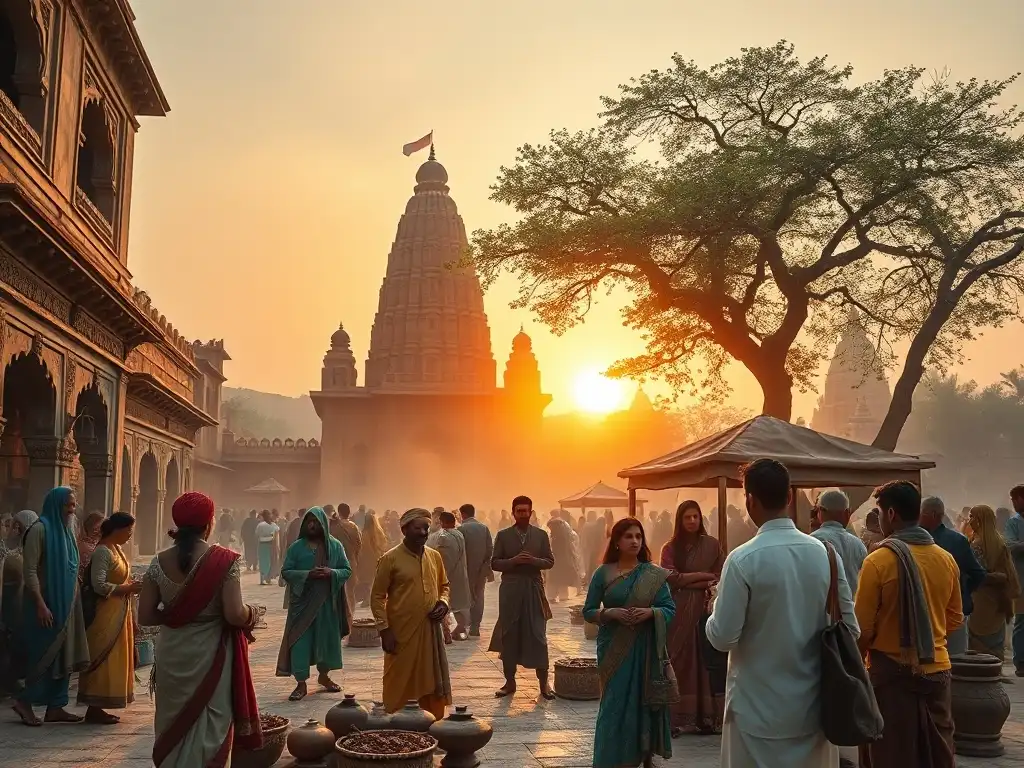
The Mauryan Empire, established in 322 BCE, marked a significant turning point in ancient Indian history. Spanning a vast geographical area that included most of the Indian subcontinent, the empire was characterized by its political sophistication, economic prosperity, and rich cultural tapestry. The rise of the Mauryan Empire can be attributed to various factors, including the decline of the Nanda Dynasty and the strategic leadership of Chandragupta Maurya.
Overview of the Mauryan Empire (322-185 BCE)
The Mauryan Empire was the first empire to unify most of the Indian subcontinent under a centralized government. Its capital was Pataliputra (modern Patna), which became a hub of administrative and cultural activities. The empire's political structure was notable for its use of a bureaucratic system that helped maintain control over its vast territories.
Economically, the Mauryan Empire thrived due to its strategic trade routes, fertile lands, and a well-established taxation system. The empire's economy facilitated cultural exchange, allowing for the transfer of ideas, art, and technologies between different regions and cultures.
The Mauryan period also witnessed the spread of Buddhism, particularly under Ashoka the Great, who played a pivotal role in promoting the religion and its teachings beyond India's borders. The cultural exchanges during this time significantly influenced the political landscape, shaping governance, society, and even international relations.
Key Figures Influencing Cultural Exchange
Cultural exchange during the Mauryan Empire was profoundly influenced by key figures whose actions and policies fostered inter-regional connections and the spread of ideas.
Chandragupta Maurya
Chandragupta Maurya, the founder of the Mauryan Empire, was instrumental in establishing a strong political framework that encouraged cultural exchanges. His unification of the Indian territories not only brought stability but also facilitated trade and interaction with neighboring regions, including the Persian Empire and regions in the Mediterranean.
Chandragupta's embrace of diverse cultures and practices laid the groundwork for a more inclusive society. His administration implemented policies that promoted interactions among various ethnic groups, enabling a flow of ideas and cultural practices. This openness played a crucial role in the development of a rich cultural milieu that characterized the Mauryan Empire.
Ashoka the Great
Ashoka the Great, Chandragupta's grandson, is perhaps the most renowned figure in Mauryan history, particularly for his commitment to cultural exchange and diplomacy. After the bloody Kalinga War, Ashoka underwent a transformation that led him to adopt Buddhism and promote its principles of peace and coexistence.
Under Ashoka's reign, the Mauryan Empire saw an unprecedented level of cultural exchange. He sent emissaries to various countries, including Sri Lanka and regions in Central Asia, to spread Buddhism and its teachings. This outreach not only solidified diplomatic ties but also facilitated the exchange of ideas, art, and cultural practices between India and other cultures.
Ashoka's edicts, inscribed on pillars and rocks throughout the empire, serve as historical records of his efforts to promote moral governance and cultural unity. His policies encouraged tolerance and understanding among different religious and ethnic groups, thus fostering a rich environment for cultural exchange that had lasting impacts on the subcontinent and beyond.
The Mauryan Empire stands as a testament to the importance of cultural exchange in shaping political structures and societal norms, driven by the vision and actions of its key leaders, particularly Chandragupta Maurya and Ashoka the Great.
Mechanisms of Cultural Exchange in the Mauryan Empire
Trade Routes and Their Impact on Cultural Exchange
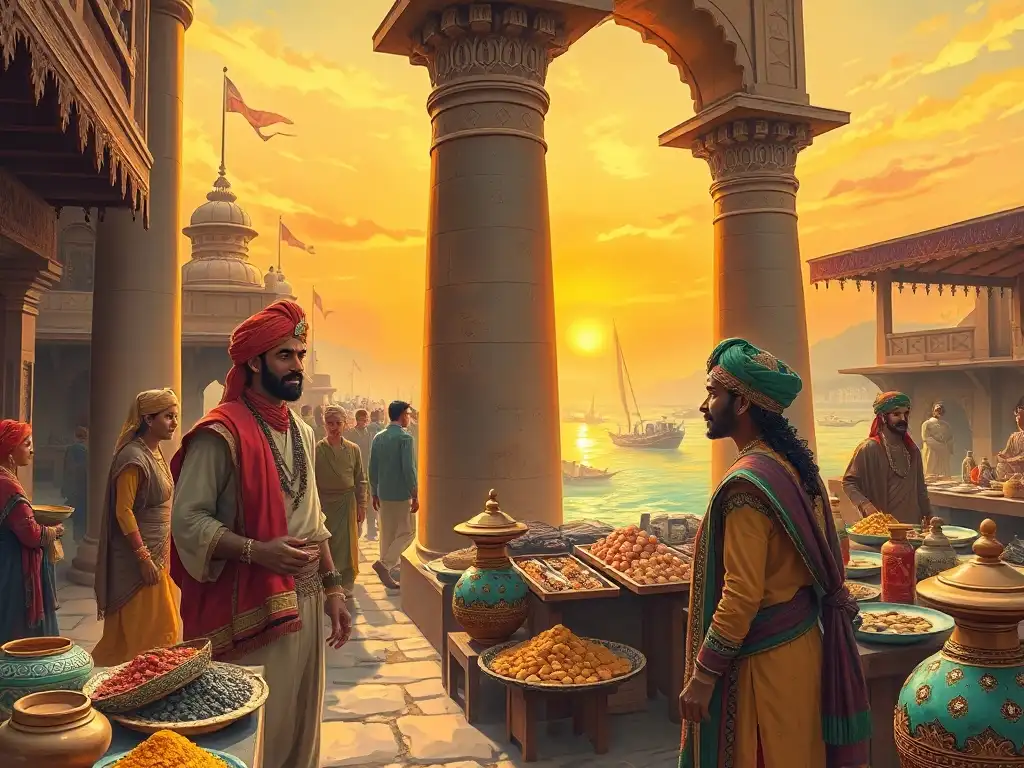
The Mauryan Empire, extending from approximately 322 to 185 BCE, witnessed extensive trade networks that significantly facilitated cultural exchange. The empire's strategic location at the crossroads of major trade routes, such as the Grand Trunk Road and maritime paths connecting India with regions like the Mediterranean, Central Asia, and Southeast Asia, enabled the flow of goods, ideas, and cultural practices.
- Key Trade Routes:
- Overland Routes: These routes connected the Mauryan Empire with key regions like Persia, Bactria, and beyond. Goods such as silk, spices, and precious stones were exchanged, and along with these commodities, cultural practices and philosophies traveled.
- Maritime Trade: The Mauryan Empire's access to the Indian Ocean allowed for trade with ports in Arabia, Africa, and Southeast Asia. This maritime exchange was crucial in disseminating cultural influences, particularly in religious and artistic fields.
The impact of these trade routes can be illustrated through the following points:
- Cultural Diffusion: Merchants and travelers brought not only goods but also stories, art forms, and religious beliefs, contributing to a melting pot of cultures within the empire.
- Urban Development: Cities like Pataliputra became cosmopolitan centers where diverse cultures mingled, leading to a rich tapestry of artistic expression and philosophical thought.
- Economic Prosperity: The flourishing trade bolstered the Mauryan economy, which in turn funded public works and cultural patronage, enhancing the empire's cultural landscape.
Diplomatic Relations and Cultural Interaction
Diplomatic relations during the Mauryan Empire were marked by strategic alliances and interactions with neighboring kingdoms and regions. These diplomatic endeavors played a vital role in shaping the cultural landscape of the empire.
- Envoys and Cultural Diplomacy: The Mauryan rulers, notably Emperor Ashoka, sent envoys to foreign courts. These diplomats not only discussed political matters but also introduced elements of Mauryan culture, including art, philosophy, and religious practices.
- Marriage Alliances: Marriages between Mauryan royalty and the daughters of foreign kings were common. Such alliances facilitated the exchange of cultural practices and helped in the establishment of political stability.
The cultural interactions fostered by diplomatic relations can be summarized as follows:
- Exchange of Ideas: Diplomatic missions often resulted in the sharing of ideas about governance, military strategies, and cultural practices, enriching both the Mauryan Empire and its allies.
- Artistic Influence: The influence of Greek and Persian art forms is evident in Mauryan sculptures and architecture, showcasing a blend of styles that emerged from these interactions.
- Religious Syncretism: The diplomatic ties also led to the blending of religious practices, particularly with the spread of Buddhism beyond the Indian subcontinent into regions like Central Asia and the Hellenistic world.
Religious Exchanges: Buddhism, Hinduism, and Jainism
Religious exchange during the Mauryan Empire was a crucial mechanism through which cultural interactions flourished. The coexistence and mutual influence of Buddhism, Hinduism, and Jainism are prime examples of this dynamic.
- Buddhism's Expansion: Under Ashoka, Buddhism became a state-sponsored religion, leading to its spread across Asia. Ashoka's edicts, inscribed on pillars and rocks, promoted Buddhist values and encouraged the establishment of monasteries, which became centers of learning and cultural exchange.
- Hinduism's Adaptability: Hinduism thrived alongside Buddhism, adapting and integrating various local beliefs and practices. This adaptability facilitated the exchange of cultural ideas, rituals, and festivals.
- Jainism's Influence: Jainism, with its emphasis on non-violence and asceticism, influenced both Buddhist and Hindu practices. The Mauryan period saw an increased respect for Jain monks, whose teachings contributed to the moral and ethical fabric of the society.
The religious exchanges can be observed in the following aspects:
- Shared Philosophical Concepts: The Mauryan period was marked by the exchange of philosophical ideas between these religions, influencing ethics, governance, and social norms.
- Art and Iconography: The artistic representations of religious figures from Buddhism and Jainism often borrowed from each other, leading to a rich diversity of iconography that reflects the cultural synthesis of the time.
- Pilgrimage and Cultural Exchange: The establishment of pilgrimage sites attracted followers from different regions, promoting cultural interactions and the exchange of religious practices.
Overall, the role of cultural exchange in the Mauryan Empire was pivotal in shaping its political landscape, fostering a rich and diverse cultural heritage that resonates through history.
Effects of Cultural Exchange on Mauryan Politics
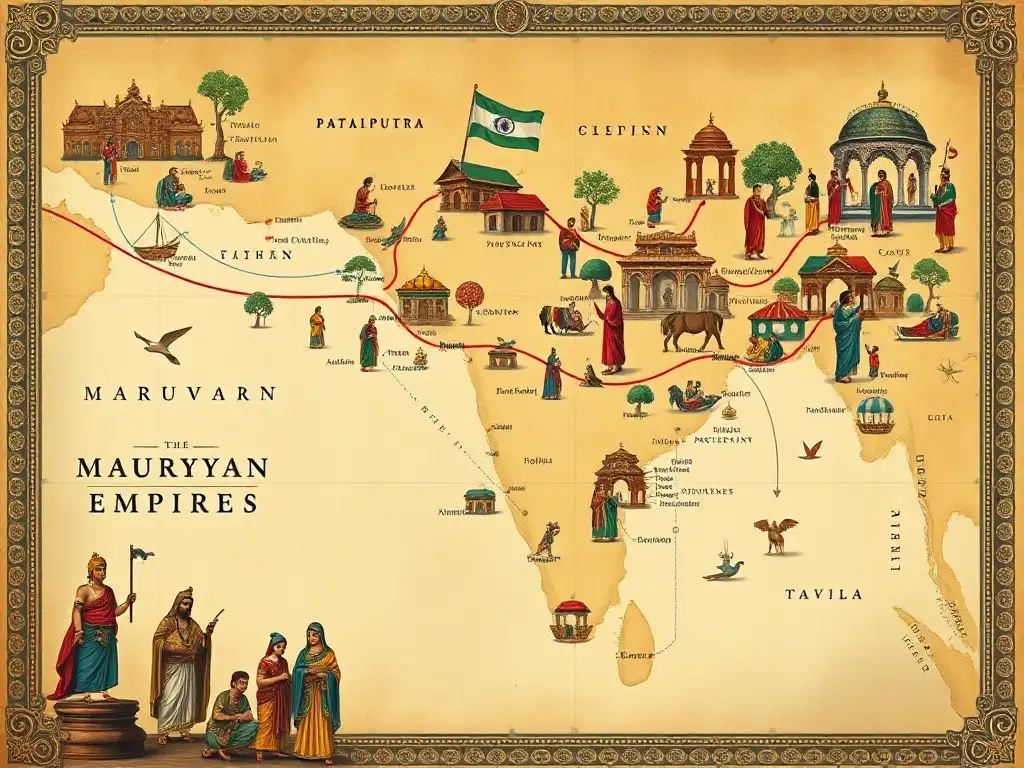
Cultural exchange during the Mauryan Empire significantly impacted its political landscape. This was primarily facilitated through trade, diplomacy, and the movement of people across vast territories. The interaction with diverse cultures not only enriched the Mauryan civilization but also influenced its governance structures, diplomatic strategies, and political identity.
Influence of Diverse Cultures on Mauryan Governance
The Mauryan Empire, which thrived from approximately 322 to 185 BCE, was geographically vast, encompassing present-day India, Pakistan, and parts of Afghanistan and Bangladesh. This expanse facilitated interaction with various cultures, including Persian, Hellenistic, and local Indian traditions.
- Persian Influence: The administrative practices of the Mauryas were heavily influenced by the Persian model. For instance, the use of satraps (provincial governors) in the Mauryan system mirrors the Persian approach, which allowed for effective regional governance and local autonomy.
- Hellenistic Elements: Diplomatic missions to the Hellenistic kingdoms, particularly under Emperor Ashoka, introduced new political philosophies and administrative techniques. The integration of Hellenistic art and cultural norms into the Mauryan court exemplified this exchange.
- Indigenous Traditions: Traditional Indian customs and practices were also significant in shaping Mauryan governance. The incorporation of local governance structures, such as village councils (grama sabhas), ensured that the administration resonated with local populations.
This blend of influences fostered a governance style that was both adaptable and resilient, allowing the Mauryan Empire to maintain control over its diverse subjects.
Cultural Exchange and Political Alliances
Cultural exchange played a crucial role in forging political alliances during the Mauryan Empire. By engaging with various cultures, the Mauryans were able to establish and strengthen diplomatic ties, which were essential for maintaining peace and stability.
- Marriage Alliances: Marriages between Mauryan royalty and local rulers or foreign dignitaries served as strategic tools for solidifying alliances. These unions often facilitated cultural exchange, leading to the integration of different customs and practices within the Mauryan court.
- Trade Relationships: The Mauryan Empire was a hub for trade routes connecting the East and West. Engaging in trade with regions such as the Mediterranean and Central Asia not only enriched the economy but also allowed for the exchange of ideas, technologies, and cultural practices. This economic interdependence often translated into political alliances.
- Missionary Activities: Emperor Ashoka’s promotion of Buddhism, including the sending of missionaries to other regions, exemplified how cultural exchange could create political goodwill. The adoption of Buddhism by various regional powers helped solidify the Mauryan influence beyond its borders.
These strategies illustrate how cultural exchange was not merely a passive process but an active component of Mauryan political strategy, enabling the empire to navigate complex regional dynamics effectively.
The Role of Art and Architecture in Political Identity
Art and architecture emerged as vital expressions of Mauryan political identity, heavily influenced by cultural exchange. This is particularly evident in the monumental structures, sculptures, and artistic styles that characterized the empire.
- Ashokan Pillars: The edicts of Ashoka, inscribed on magnificent pillars, symbolize the fusion of various artistic traditions. These pillars, with their intricate carvings and inscriptions, not only conveyed political messages but also reflected a blend of Indian and Hellenistic artistic elements, showcasing the empire's diverse cultural influences.
- Stupas and Monuments: The construction of stupas, such as the Sanchi Stupa, served as important religious and political symbols. These structures often incorporated motifs from various cultures, signifying the Mauryan commitment to cultural inclusivity and religious tolerance.
- Symbolism in Art: The use of symbols, such as the lion capital of Ashoka, exemplifies how art was employed to promote political ideologies. This emblem, derived from ancient Indian iconography, became a symbol of sovereignty and moral authority, reinforcing the political identity of the Mauryan Empire.
The cultural exchange in the Mauryan Empire was pivotal in shaping its political landscape. By integrating diverse cultural elements into governance, alliances, and artistic expression, the Mauryans created a unique political identity that facilitated the administration of one of the largest empires of ancient India.
Case Studies of Cultural Exchange in the Mauryan Empire
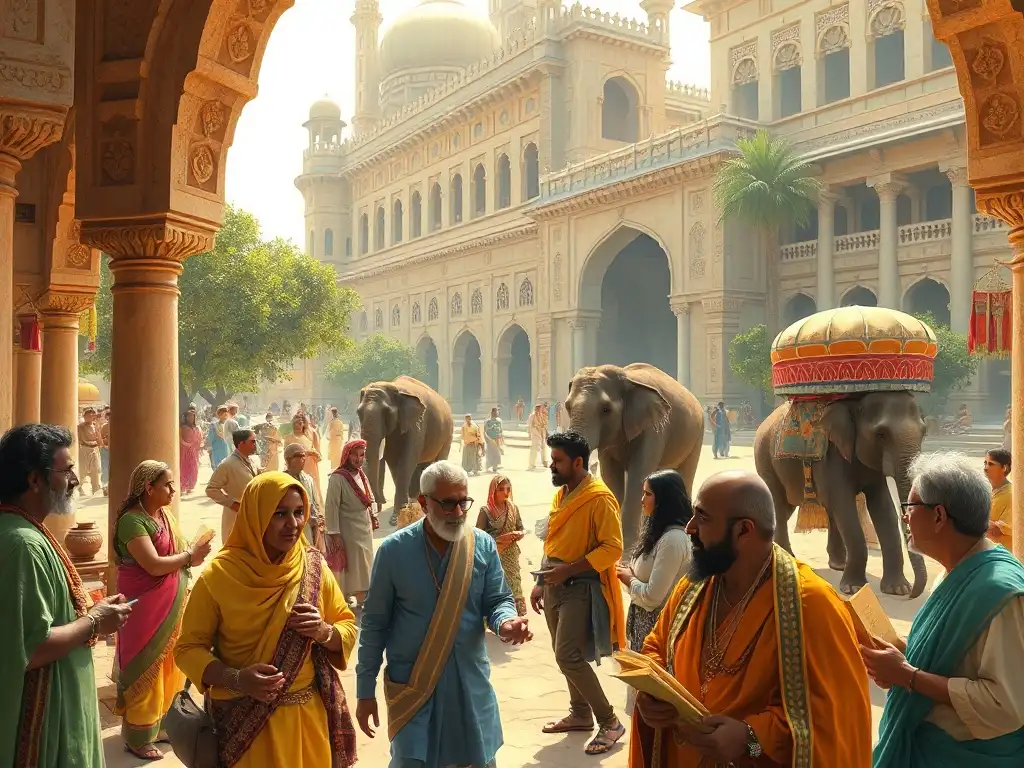
The Spread of Buddhism: Political and Cultural Implications
The Mauryan Empire, particularly under Emperor Ashoka, witnessed a profound cultural exchange through the spread of Buddhism. This exchange not only transformed the spiritual landscape of India but also had significant political implications for the empire.
- State Support for Buddhism: Ashoka's conversion to Buddhism after the Kalinga War in 261 BCE marked a pivotal moment in the empire's history. He actively promoted Buddhist teachings and values, integrating them into the political framework of his reign. This support included the construction of stupas and viharas, which served as centers for both religious and cultural gatherings.
- Diplomatic Missions: Ashoka's commitment to Buddhism extended beyond India's borders. He sent missionaries to various regions, including Sri Lanka, to spread the religion and its principles of non-violence and compassion. This not only facilitated the dissemination of Buddhist culture but also established diplomatic ties that enriched cultural exchange.
- Cultural Synthesis: The adoption of Buddhist principles influenced Mauryan governance, which emphasized ethical conduct and welfare. Ashoka's edicts, inscribed on pillars and rocks throughout the empire, reflect a blend of Buddhist values with traditional Indian governance. This synthesis allowed for a unique political philosophy that prioritized the well-being of the populace, showcasing how cultural exchange can reshape political ideologies.
Influence of Persian Culture on Mauryan Administration
The Mauryan Empire's political structure was also significantly influenced by Persian culture, which had permeated India during the Achaemenid Empire's expansion. This influence can be observed in various aspects of Mauryan administration:
- Bureaucratic Structure: The Mauryan administration adopted a highly organized bureaucratic system reminiscent of the Persian model. The use of satraps (provincial governors) to manage different regions of the empire reflects this influence. This system allowed for efficient governance over vast territories and the integration of diverse cultures within the empire.
- Diplomatic Practices: Persian diplomatic practices, including the use of envoys and the establishment of formal treaties, were incorporated into Mauryan foreign policy. The Mauryans recognized the importance of maintaining good relations with neighboring states, leading to enhanced cultural exchanges and trade connections that benefited the empire economically and politically.
- Art and Architecture: The impact of Persian culture can also be seen in Mauryan art and architecture. The introduction of grand architectural styles and the use of intricate designs in stupas and public buildings showcased a blending of artistic traditions. This cultural fusion enriched the aesthetic landscape of the Mauryan Empire, symbolizing the interconnectedness of diverse cultural influences.
The case studies of cultural exchange during the Mauryan Empire illustrate how interactions with Buddhism and Persian culture shaped the political landscape. These exchanges not only influenced governance and administration but also facilitated the emergence of a rich cultural tapestry that defined the Mauryan era.
Challenges to Cultural Exchange in the Mauryan Empire
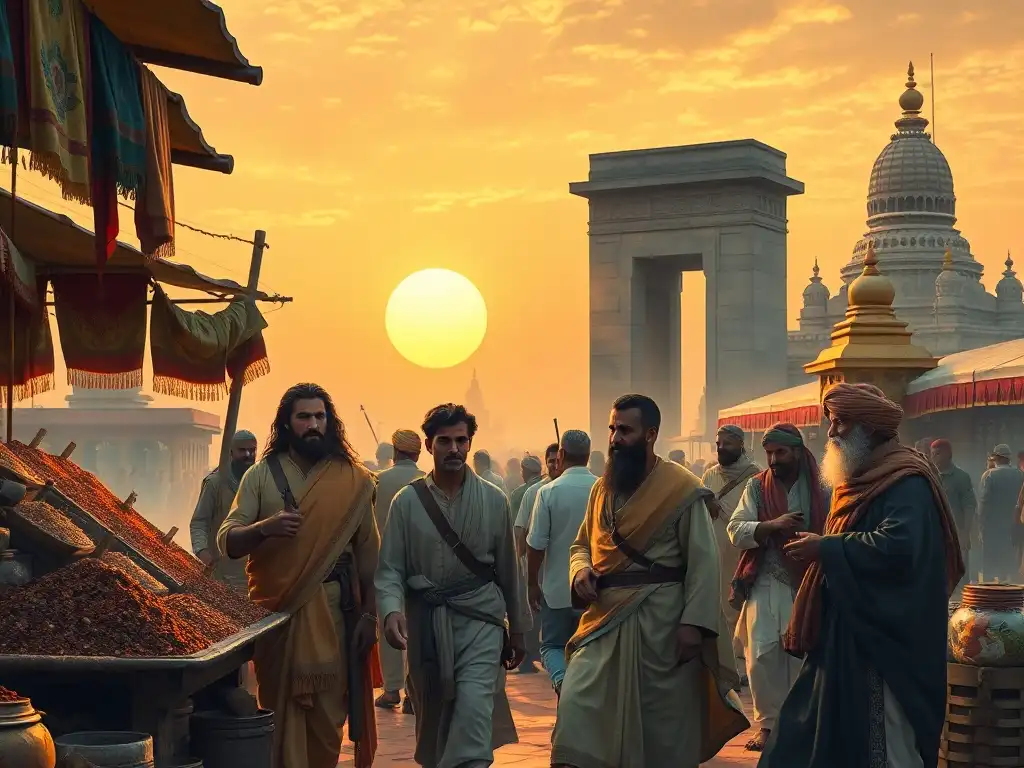
Internal Conflicts and Their Influence on Cultural Dynamics
The Mauryan Empire, despite its vast expanse and rich cultural tapestry, faced significant internal conflicts that impacted its ability to facilitate cultural exchange. These conflicts primarily stemmed from the diverse ethnic groups and regional identities within the empire.
- Ethnic Diversity: The Mauryan Empire encompassed a multitude of ethnic groups, each with distinct traditions, languages, and practices. While this diversity could have enriched cultural interactions, it also led to tensions. For example, the integration of the Indo-Greek communities, who held different religious and cultural beliefs, sometimes resulted in friction with indigenous populations.
- Religious Fragmentation: The rise of various religious sects, such as Buddhism and Jainism, created a complex religious landscape. Although Emperor Ashoka promoted Buddhism and its values of tolerance, the competition among religious groups occasionally sparked conflict. This fragmentation sometimes hindered the fluid exchange of ideas and practices, as communities became insular to preserve their identities.
- Power Struggles: The internal power struggles among the Mauryan elite, particularly following Ashoka's reign, diverted focus from cultural exchange initiatives. Factions within the court often prioritized political agendas over collaborative cultural endeavors, stalling the progress of shared cultural projects.
These internal dynamics illustrate how cultural exchange in the Mauryan Empire was not merely a matter of diplomacy or trade, but was deeply influenced by the empire's internal cohesion and the ability to manage its diverse populace.
External Threats and Cultural Resistance
The Mauryan Empire also faced a range of external threats that significantly impacted its cultural exchange dynamics. These threats came from neighboring regions and emerging powers, leading to resistance and a defensive posture among its populace.
- Military Confrontations: Frequent military confrontations with external adversaries, such as the Seleucid Empire, diverted resources and attention away from cultural pursuits. The need to maintain military superiority often overshadowed cultural initiatives. For instance, the focus on fortifying borders and securing trade routes left little room for promoting cultural interactions with neighboring states.
- Cultural Isolationism: In response to foreign invasions and influences, segments of the Mauryan society developed a sense of cultural isolationism. This was particularly evident in regions that felt threatened by external influences, leading to a resurgence of traditional practices and a rejection of new ideas. For example, areas directly impacted by the incursions of nomadic tribes began to reinforce local customs instead of adopting foreign elements.
- Diplomatic Relations: While the Mauryan Empire engaged in diplomatic relations, the overarching fear of cultural dilution led to a cautious approach in adopting foreign ideas and practices. This hesitancy often resulted in missed opportunities for enriching cultural exchange, as the empire prioritized maintaining its distinct identity over potentially beneficial integrations.
The external threats faced by the Mauryan Empire played a crucial role in shaping its cultural landscape. The combination of military focus and a tendency towards cultural isolationism hindered the rich potential for cultural exchange that could have further elevated the empire's historical significance.
Conclusion: The Lasting Legacy of Cultural Exchange in the Mauryan Political Landscape
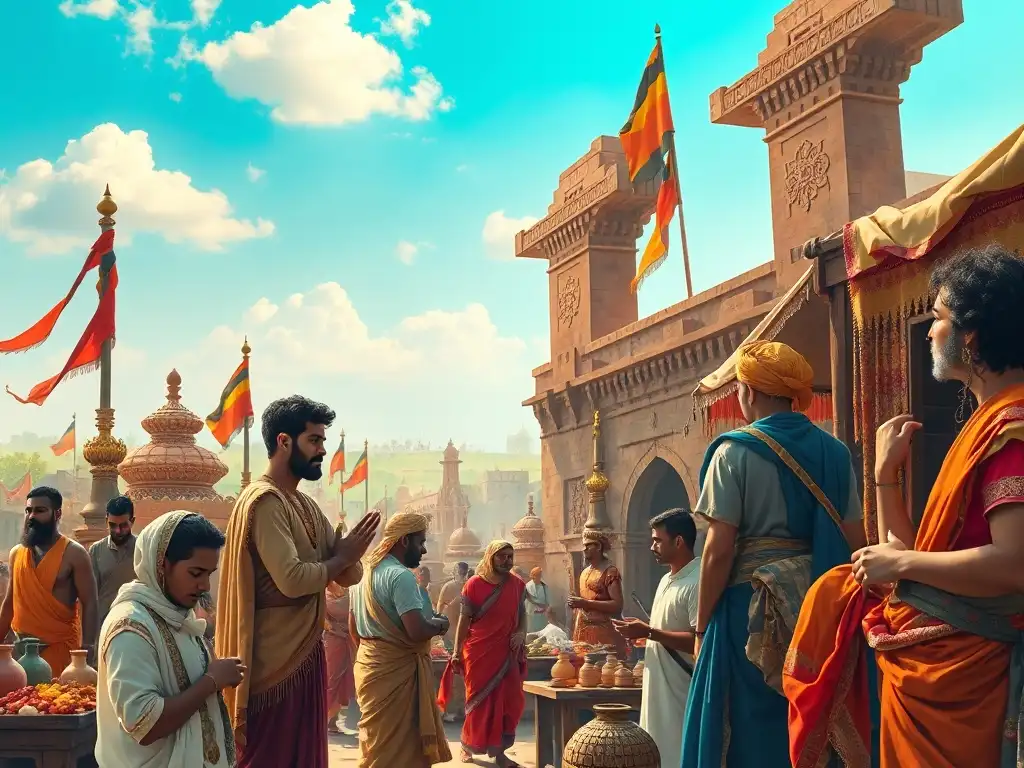
The Mauryan Empire, which flourished from 322 to 185 BCE, stands as a pivotal point in ancient Indian history, particularly regarding the concept of cultural exchange. This exchange significantly influenced not only the political landscape but also the social and economic fabric of the empire. The legacy of cultural interactions during this period can be seen in various facets, including art, philosophy, governance, and trade.
The Mauryan rulers, particularly Ashoka, actively engaged with diverse cultures and communities within and beyond their borders. This engagement facilitated the integration of various cultural elements, leading to a more cohesive society. The propagation of Buddhism under Ashoka is a prime example, as it not only transformed the spiritual landscape of India but also fostered connections with other regions, such as Central Asia and the Mediterranean.
Moreover, the Mauryan political structure was characterized by a remarkable degree of administrative sophistication, which was bolstered by the incorporation of diverse cultural practices. This adaptability allowed the Mauryan Empire to manage a vast and varied populace effectively, ensuring stability and longevity. Thus, the cultural exchange during the Mauryan period laid the groundwork for future generations, influencing subsequent Indian civilizations and their interactions with the wider world.
Reflection on the Role of Cultural Exchange in Shaping Ancient Indian Civilizations
Cultural exchange in the Mauryan Empire served as a catalyst for the evolution of ancient Indian civilizations. It played a crucial role in shaping social norms, artistic expressions, and political ideologies. The influence of neighboring cultures, such as those from Persia and Greece, introduced new administrative practices and artistic techniques that enriched Indian society.
- Art and Architecture:
- The Mauryan period saw the emergence of distinctive art forms, particularly in sculpture and architecture, influenced by interactions with foreign artisans.
- Notable examples include the grandeur of Ashoka's pillars and the intricate carvings found in the Sanchi Stupa, which reflect a synthesis of Indian and Hellenistic styles.
- Political Thought:
- The Mauryan rulers adopted and adapted ideas from other cultures to refine their governance strategies.
- The integration of concepts such as dhamma, derived from Buddhist principles, showcased a unique blend of indigenous and foreign philosophies, promoting a model of governance focused on moral duty and social welfare.
- Trade and Economy:
- The Mauryan Empire's extensive trade networks facilitated the exchange of goods, ideas, and cultural practices across regions.
- This economic interconnectivity not only enriched the Mauryan treasury but also fostered a cosmopolitan culture that embraced diversity.
Overall, the cultural exchanges during the Mauryan Empire were instrumental in fostering a dynamic and adaptable civilization that thrived on interaction and integration.
Future Research Directions on Cultural Exchange in Ancient India
As we continue to explore the intricate tapestry of ancient Indian history, several promising avenues for future research on cultural exchange, particularly during the Mauryan period, emerge:
- Comparative Studies:
- Investigating the parallels between cultural exchanges in the Mauryan Empire and those in contemporary civilizations, such as the Hellenistic world, could yield insights into the dynamics of cultural interactions across different societies.
- Archaeological Investigations:
- Continued archaeological efforts in regions associated with the Mauryan Empire may uncover artifacts that reveal the extent and nature of cultural exchange.
- For instance, examining trade routes and their impact on local cultures can provide a deeper understanding of economic interdependence.
- Interdisciplinary Approaches:
- Combining studies of history, anthropology, and art can enhance our understanding of how cultural exchange influenced various aspects of life in the Mauryan Empire.
- Exploring the narratives of marginalized communities within the empire can shed light on the diverse experiences and contributions that shaped the larger cultural landscape.
By pursuing these research directions, scholars can further illuminate the complex role of cultural exchange in the Mauryan Empire and its enduring influence on the development of ancient Indian civilizations.
Frequently Asked Questions
What was the significance of cultural exchange in the Mauryan Empire?
Cultural exchange in the Mauryan Empire played a crucial role in strengthening political alliances and enhancing the richness of societal practices. It facilitated the integration of diverse cultures, contributing to a more unified empire.
How did the Mauryan Empire promote cultural exchange?
The Mauryan Empire encouraged cultural exchange through trade routes, diplomatic missions, and the spread of Buddhism. These avenues allowed for the sharing of ideas, art, and technology among different regions.
What impact did cultural exchange have on art and architecture during the Mauryan period?
Cultural exchange led to the fusion of artistic styles, resulting in distinctive Mauryan architecture and sculptures. The introduction of Greek and Persian influences enriched the existing art forms, creating a unique aesthetic.
How did the Mauryan Empire's policies facilitate cultural exchange?
The policies of Emperor Ashoka, particularly his emphasis on Buddhism, promoted tolerance and communication among various cultural groups. His edicts encouraged interaction and understanding, which enhanced cultural exchanges.
What were some examples of cultural exchange during the Mauryan Empire?
Notable examples include the introduction of Persian administrative practices and the influence of Hellenistic culture following Alexander the Great's incursions. These interactions led to a diverse cultural landscape within the empire.
Final Reflection: The Enduring Legacy of Cultural Exchange in the Mauryan Empire
Cultural exchange in the Mauryan Empire was not merely a historical phenomenon; it was a catalyst for political innovation and societal transformation that resonates profoundly in our contemporary world. As we navigate an increasingly interconnected globe, the lessons from the Mauryan Empire remind us that the sharing of ideas, traditions, and values can forge stronger communities and foster mutual understanding. The significance of cultural exchange is not just a relic of the past; it is a vital component of our present and future.
Cultural exchange has shaped the social fabric of civilizations throughout history, and its influence continues to be felt today. The Mauryan Empire exemplified how the blending of diverse cultures can lead to enriched governance and societal progress. This historical narrative invites us to reflect on our own cultural interactions and the potential they hold for shaping our societies.
As Mahatma Gandhi once said, "> Our ability to reach unity in diversity will be the beauty and the test of our civilization." This sentiment underscores the importance of embracing cultural exchange as a means to foster unity and resilience in our diverse world.
As we conclude our exploration of the Mauryan Empire's cultural exchange, I invite you to consider how you can actively participate in the exchange of ideas and traditions in your own life. Reflect on the diverse cultures that surround you and seek opportunities to engage with them. Whether through travel, dialogue, or community involvement, each of us has the power to contribute to a richer, more harmonious society. Let us honor the legacy of the Mauryan Empire by embracing cultural exchange as a pathway to understanding, empathy, and collective growth.
Embrace Cultural Exchange: Shape Tomorrow's Leadership!
Thank you for joining us on this enlightening journey through the vibrant tapestry of cultural exchange in the Mauryan political landscape. You've gained valuable insights into how these interactions shaped governance and community during this pivotal era. Now, let’s harness that knowledge to inspire action and foster dialogue!
- Dive deeper into cultural practices: Investigate historical texts and artifacts from the Mauryan Empire. What lessons can we learn from their political strategies that are relevant today?
- Share your thoughts: Discuss the significance of cultural exchange in modern leadership with your friends or community on social media.
- Participate in discussions: Engage in forums or online groups dedicated to ancient history to share your insights, or consider starting a blog on how historical practices can inform current policies.
Which aspect of cultural exchange during the Mauryan era resonates with you the most, and how can we apply those lessons to our contemporary world?