
How Yoga Philosophy Addresses the Challenges of Ancient Indian Existence


Welcome to Ancient India History, where we embark on a journey through the mesmerizing tapestry of ancient Indian civilizations. Here, we delve into the profound yoga philosophy that not only shaped spiritual practices but also offered insights into addressing the myriad challenges of existence in ancient India. Curious about how these age-old teachings can illuminate our understanding of life today? Join us as we explore the transformative power of yoga philosophy and its lasting impact on wellness, inviting you to uncover the wisdom that has transcended centuries. Keep reading to unlock the secrets of this rich heritage!
-
Understanding Yoga Philosophy in Ancient India
- The Origins of Yoga Philosophy
- The Core Principles of Yoga Philosophy
- Yoga Philosophy as a Response to Ancient Indian Challenges
- Practical Applications of Yoga Philosophy in Daily Life
- Influence of Yoga Philosophy on Ancient Indian Civilizations
- Conclusion: The Timeless Relevance of Yoga Philosophy
- Further Reading and Resources
-
Frequently Asked Questions
- What is the significance of yoga philosophy in ancient India?
- How did ancient Indian civilizations contribute to yoga philosophy?
- What are some key texts associated with yoga philosophy in ancient India?
- How does yoga philosophy relate to the cultural practices of ancient India?
- In what ways did yoga philosophy address the challenges of existence in ancient India?
- Final Reflection: Embracing the Wisdom of Yoga Philosophy in Today's World
- Embrace the Wisdom of Yoga: Take Action Today!
Understanding Yoga Philosophy in Ancient India
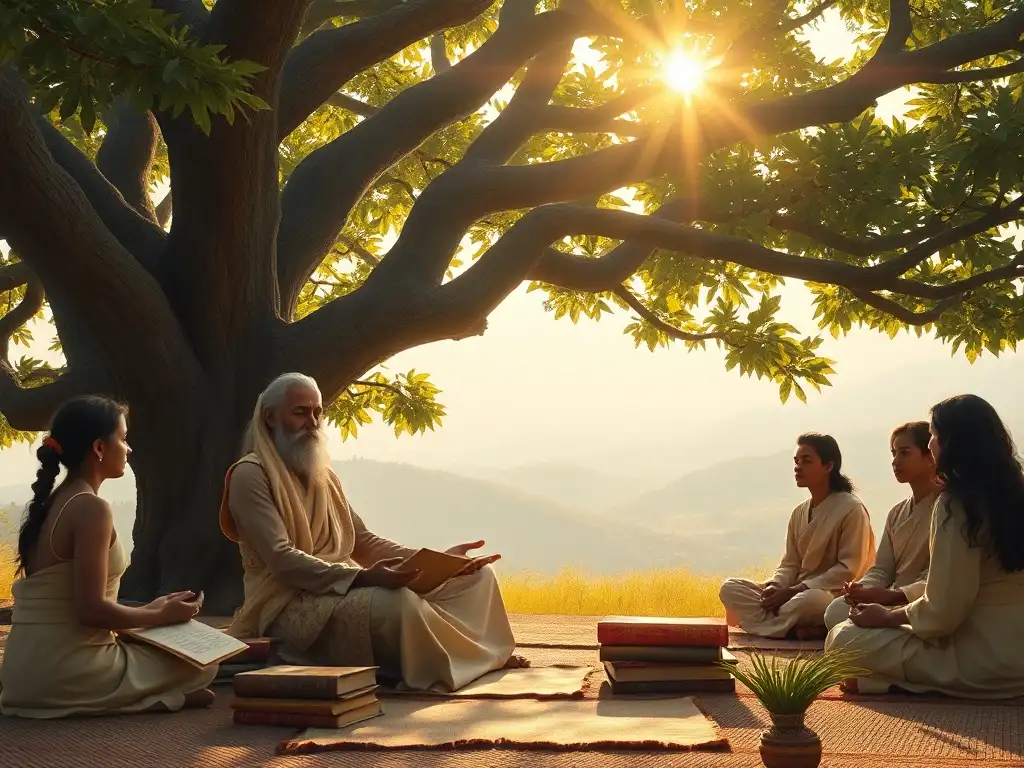
Yoga philosophy in ancient India represents a profound and intricate framework that has evolved over thousands of years, addressing not just physical well-being but also existential dilemmas faced by individuals and society. Rooted in ancient texts and traditions, this philosophy provides a comprehensive approach to understanding the self, the universe, and the interconnectedness of all beings.
By exploring the rich tapestry of yoga philosophy, we can uncover how it offered solutions to the myriad challenges that characterized existence in ancient India, from societal pressures to spiritual quests. The following sections will delve into the origins, core principles, and the role of yoga philosophy as a response to the unique challenges faced by ancient Indian civilizations, highlighting its relevance and significance that continues to resonate today.
The Origins of Yoga Philosophy
The origins of yoga philosophy can be traced back to the Vedic texts around 1500 BCE, where early forms of meditation and ascetic practices were documented. However, it was in the Upanishads (circa 800-400 BCE) that yoga began to take shape as a systematic philosophy.
- Key Texts:
- Yoga Sutras of Patanjali: Compiled in the 2nd century BCE, this seminal text outlines the eight limbs of yoga, providing a structured approach to the practice.
- Bhagavad Gita: This 2,000-year-old scripture discusses the importance of duty (dharma) and the path of devotion (bhakti), integrating yoga philosophy into everyday life.
Through these texts, we see a melding of spiritual, ethical, and practical elements that form the foundation of yoga philosophy. The Aryan influence and subsequent interactions with indigenous traditions contributed to a diverse and multifaceted understanding of yoga, emphasizing self-realization, meditation, and ethical living.
The Core Principles of Yoga Philosophy
At the heart of yoga philosophy are several core principles that guide practitioners toward enlightenment and inner peace. These principles can be grouped into the following categories:
- Meditation and Mindfulness:
- Dhyana (meditation) is central to yoga, fostering a deep connection to the self and the cosmos.
- Practices of mindfulness help cultivate awareness of thoughts, emotions, and actions.
- Ethical Conduct:
- The Yamas (restraints) and Niyamas (observances) provide ethical guidelines for living harmoniously with oneself and others.
- Yamas include: Ahimsa (non-violence), Satya (truthfulness), and Asteya (non-stealing).
- Niyamas encompass: Saucha (purity), Santosha (contentment), and Ishvara Pranidhana (surrender to a higher power).
- The Yamas (restraints) and Niyamas (observances) provide ethical guidelines for living harmoniously with oneself and others.
- Physical Discipline:
- Asanas (postures) promote physical health and prepare the body for meditation, demonstrating the deep connection between physical and spiritual wellness.
- Spiritual Growth:
- The ultimate aim of yoga philosophy is moksha (liberation), emphasizing the transcendence of the self and the realization of oneness with the universe.
These core principles not only provide a roadmap for individual practice but also reflect the collective wisdom of ancient Indian society in navigating the complexities of life.
Yoga Philosophy as a Response to Ancient Indian Challenges
Ancient India faced numerous challenges, including societal inequality, spiritual confusion, and existential anxieties. Yoga philosophy emerged as a response to these issues through various means:
- Social Structure:
- The caste system often dictated one's life path, creating social stratification. Yoga philosophy emphasized the idea that true liberation (moksha) transcends social boundaries, advocating for equality and inclusivity.
- Spiritual Crisis:
- As various philosophical schools emerged, yoga provided a cohesive framework to address spiritual confusion. It offered practical tools for meditation and self-exploration, helping individuals find their own truths amid a multitude of beliefs.
- Existential Questions:
- Yoga philosophy encouraged individuals to confront the nature of suffering and the quest for meaning in life. The teachings of karma and rebirth offered explanations for life's challenges, promoting resilience and a deeper understanding of existence.
Through these avenues, yoga philosophy not only addressed the immediate challenges of ancient Indian life but also laid the groundwork for a transformative approach to personal and collective well-being. Its enduring influence continues to inspire millions, highlighting the timeless relevance of its teachings in the contemporary world.
Practical Applications of Yoga Philosophy in Daily Life
In ancient India, yoga philosophy was not merely a practice of physical postures but a comprehensive approach to living harmoniously. The core tenets of yoga, such as ahimsa (non-violence), satyam (truthfulness), and aparigraha (non-attachment), were integral to daily life. These principles encouraged individuals to cultivate a balanced lifestyle, promoting mental clarity and emotional stability.
For instance, ahimsa guided individuals to practice compassion towards themselves and others. This principle influenced dietary choices, encouraging vegetarianism and mindfulness in consumption. Practicing satyam inspired honesty in communication, fostering trust and integrity within communities. Additionally, aparigraha encouraged letting go of material possessions and desires, leading to a simpler, more fulfilling life.
Moreover, meditation and mindfulness techniques derived from yoga philosophy were employed to manage stress and anxiety. The practice of dhyana (meditation) helped individuals develop concentration and self-awareness, which were essential for personal and social harmony. By reflecting on their thoughts and actions, ancient Indians could align their personal goals with societal values, resulting in a more cohesive community.
Influence of Yoga Philosophy on Ancient Indian Civilizations

The influence of yoga philosophy on ancient Indian civilizations was profound and far-reaching. It permeated various aspects of life, from governance to education, and contributed significantly to the cultural and spiritual landscape of the time.
During the Indus Valley Civilization, artifacts suggest practices that may have included early forms of meditation and yoga. These practices likely contributed to a communal sense of well-being and spiritual connectivity among the people.
As the Vedic period emerged, the philosophical foundations of yoga were further developed in texts such as the Upanishads and Bhagavad Gita. Here, yoga was framed as a means to attain liberation ( moksha) and self-realization. The emphasis on meditation and ethical living became vital in guiding the moral compass of society, influencing everything from personal interactions to broader societal norms.
In the Gupta Empire, yoga philosophy found its footing in the realm of education and governance. The establishment of monasteries and universities like Nalanda became centers for the study of yoga and philosophy. Scholars and practitioners explored the interconnectedness of body, mind, and spirit, laying the groundwork for subsequent spiritual traditions.
Conclusion: The Timeless Relevance of Yoga Philosophy
Yoga philosophy, rooted in ancient Indian culture, remains incredibly relevant today, transcending time and geographical boundaries. Its teachings continue to offer profound insights into the pursuit of well-being, resilience, and balance in modern life.
The principles of yoga philosophy, such as mindfulness and ethical living, resonate deeply in contemporary discussions about mental health and holistic wellness. As individuals face the challenges of a fast-paced, often stressful existence, the ancient wisdom of yoga provides a roadmap for achieving inner peace and harmony.
Furthermore, as globalization brings diverse cultures together, yoga philosophy serves as a bridge, fostering understanding and respect among different traditions. By embracing its teachings, individuals can cultivate a sense of unity and interconnectedness, echoing the values of ancient Indian civilizations that prioritized community and spiritual growth.
In essence, the timeless relevance of yoga philosophy is not just a reflection of its ancient origins but a testimony to its enduring power to guide humanity toward a more harmonious existence.
Further Reading and Resources
To deepen your understanding of yoga philosophy in ancient India, a wealth of resources is available that delve into its historical roots, texts, and interpretations. Here are some recommended readings and resources that can provide valuable insights:
- Primary Texts:
- The Yoga Sutras of Patanjali: This foundational text outlines the principles of yoga philosophy, including the eight limbs of yoga (Ashtanga) and the concept of samadhi (meditative absorption).
- Bhagavad Gita: A critical scripture that discusses the paths of yoga, especially Karma Yoga and Bhakti Yoga, in the context of duty and devotion.
- Historical Context:
- The Upanishads: These ancient texts provide philosophical insights into the nature of reality, self, and the universe, laying the groundwork for many yogic concepts.
- A History of Yoga: From Ancient India to the Modern World by David Gordon White: This book traces the evolution of yoga, exploring its philosophical roots and cultural significance throughout history.
- Philosophical Interpretations:
- Yoga Philosophy in Ancient India: A Historical and Comparative Study by Klaus K. Klostermaier: This work examines the development of yoga philosophy and its various schools of thought in ancient India.
- Light on Yoga by B.K.S. Iyengar: While primarily a practical guide to yoga, Iyengar's work also discusses the philosophical underpinnings of yoga practice.
- Online Resources:
- The Internet Archive: A treasure trove of old texts and manuscripts related to yoga philosophy.
- JSTOR: An excellent repository for academic articles that delve into yoga philosophy and its historical context.
- Documentaries and Lectures:
- YouTube Channels: Channels like Sadhguru and Yoga International often feature lectures and discussions on the philosophy and teachings of yoga in ancient India.
- Documentaries: Look for documentaries on ancient Indian civilization and philosophical traditions that highlight yoga's role in society.
These resources will not only enhance your knowledge of yoga philosophy but also provide a comprehensive view of its impact on ancient Indian culture and its continuing relevance today.
Frequently Asked Questions
What is the significance of yoga philosophy in ancient India?
Yoga philosophy played a crucial role in addressing the spiritual, mental, and physical challenges faced by individuals in ancient Indian society, promoting a holistic approach to life.
How did ancient Indian civilizations contribute to yoga philosophy?
Ancient Indian civilizations, particularly during the Indus Valley and Gupta Empire, laid the foundational texts and practices that shaped yoga philosophy, influencing both spiritual and physical disciplines.
What are some key texts associated with yoga philosophy in ancient India?
The Yoga Sutras of Patanjali and the Bhagavad Gita are significant texts that provide insights into the principles and practices of yoga philosophy, outlining its purpose and methods.
How does yoga philosophy relate to the cultural practices of ancient India?
Yoga philosophy is intertwined with various cultural practices in ancient India, including meditation, rituals, and ethical living, reflecting the society's quest for self-realization and harmony.
In what ways did yoga philosophy address the challenges of existence in ancient India?
Yoga philosophy offered techniques for stress relief, mental clarity, and moral guidance, helping individuals navigate the complexities of life and achieve a balanced existence in ancient Indian society.
Final Reflection: Embracing the Wisdom of Yoga Philosophy in Today's World
Yoga philosophy, rooted in the ancient wisdom of India, continues to resonate profoundly in our modern lives. As we navigate the complexities of contemporary existence, the teachings of yoga offer timeless insights that address our inner struggles and societal challenges. The relevance of these ancient principles is undeniable; they serve as a guiding light, illuminating paths toward balance, mindfulness, and self-awareness in an increasingly chaotic world.
The influence of yoga philosophy extends far beyond physical postures; it shapes our cultural and social landscapes. From fostering community connections to promoting mental well-being, the teachings of ancient India remind us of the interconnectedness of all beings. As we engage with these philosophies, we are encouraged to reflect on our own lives and the impact we have on those around us. Yoga is not about touching your toes; it is what you learn on the way down.
This quote encapsulates the essence of yoga philosophy, emphasizing the journey of self-discovery that transcends mere physical practice.
As you ponder the insights shared in this article, I invite you to explore how the principles of yoga philosophy can be woven into your daily life. Consider how you can cultivate mindfulness, compassion, and balance in your interactions and decisions. By embracing these teachings, you not only enrich your own existence but also contribute to a more harmonious world. Let the wisdom of ancient India inspire you to embark on your own journey of self-discovery and transformation, creating a ripple effect of positive change in your community and beyond.
Embrace the Wisdom of Yoga: Take Action Today!
Thank you for exploring the profound insights of how yoga philosophy addresses the challenges of life. With a deeper understanding of this timeless wisdom, you are now equipped to enhance your own journey towards balance and harmony.
Here’s how you can take the next steps on this incredible path:
- Practice a Daily Yoga Session: Start with just 10 minutes each day to reconnect with your body and mind through simple stretches and breathing exercises.
- Join a Local or Online Yoga Class: Engage with a community where you can share experiences and learn from others who are on a similar journey.
- Explore Ancient Texts: Dive deeper into the philosophy of yoga by reading foundational texts to enrich your understanding further.
How will you weave the timeless teachings of yoga into your daily life? Share your thoughts or experiences below!