
The Significance of Rituals in Ancient Yoga Practices

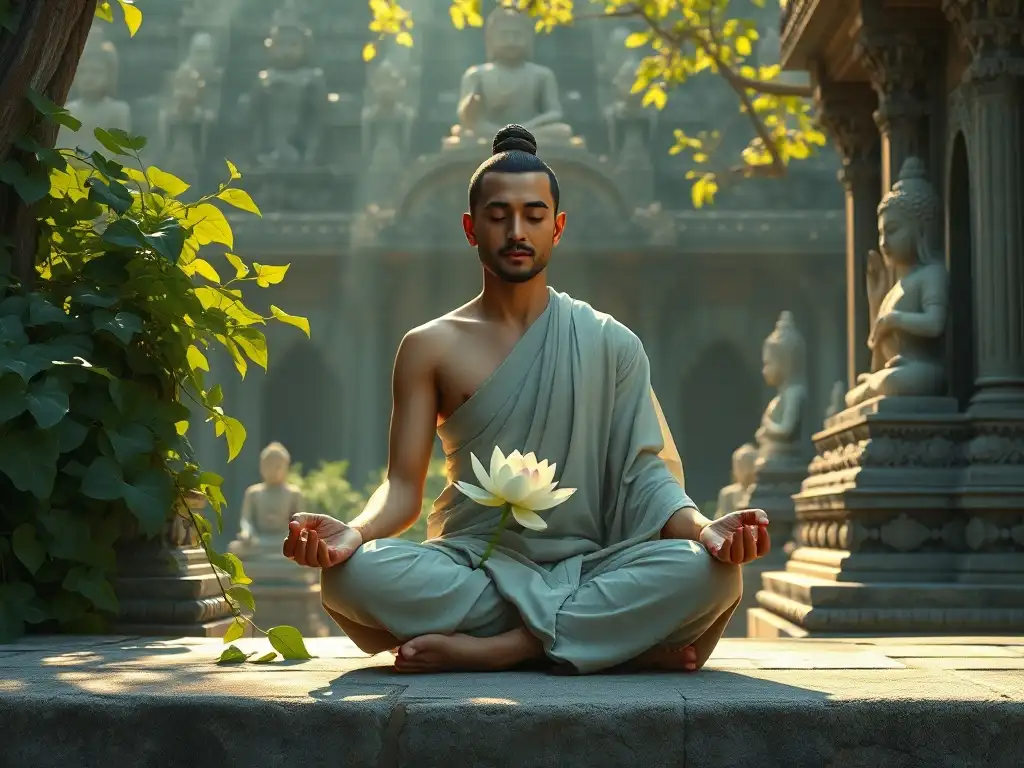
Welcome to Ancient India History, where we embark on a fascinating journey through the rich tapestry of India’s past. Today, we delve into the significance of rituals in ancient yoga practices, uncovering how these time-honored traditions not only shaped the spiritual landscape of ancient civilizations but also continue to influence wellness practices today. Have you ever wondered how the threads of ritual interweave with the art of yoga?
Join us as we explore this captivating topic, revealing insights that will deepen your understanding and appreciation of ancient Indian culture. Your adventure into the profound world of yoga and its rituals begins here!
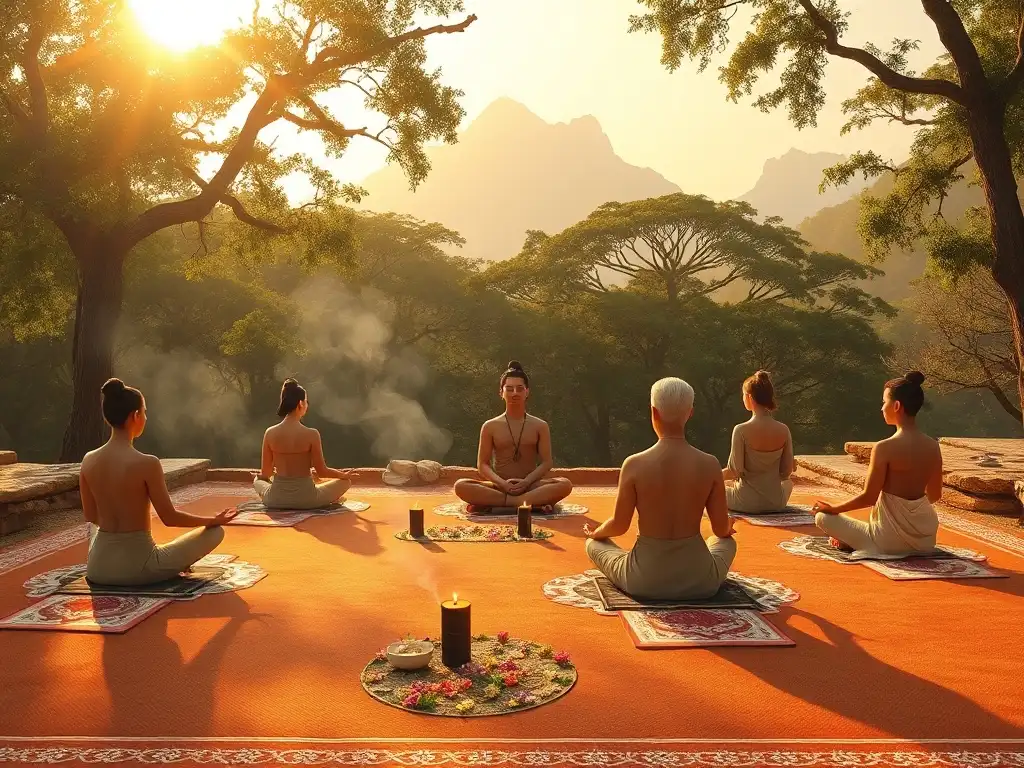
Yoga is not merely a system of physical postures; it is a profound spiritual and philosophical tradition deeply rooted in the cultural heritage of ancient India. Central to the practice of yoga are rituals that have been meticulously crafted over centuries, embodying the beliefs, values, and aspirations of various Indian civilizations. These ancient yoga rituals significance is pivotal, as they serve to connect practitioners with the divine, foster a sense of community, and enhance the transformative power of yoga.
By exploring the intricate relationship between rituals and yoga, we can gain deeper insights into their role in promoting holistic well-being and spiritual growth. This article will delve into the essence of ancient yoga rituals, their importance, and specific practices that highlight their significance in the broader context of yoga philosophy.
Understanding Ancient Yoga Rituals
Ancient yoga rituals encompass a broad spectrum of practices that are integral to the yoga tradition. These rituals often include prayers, chants, meditative practices, and offerings, which aim to create a sacred atmosphere conducive to spiritual awakening. The roots of these rituals can be traced back to ancient texts such as the Vedas and Upanishads, where they are described as essential components in the pursuit of knowledge and self-realization.
- Definition and Purpose:
- Rituals in ancient yoga are designed to:
- Honor the divine: Connecting with higher powers through offerings and prayers.
- Cultivate mindfulness: Fostering a focused and present state of mind.
- Create a communal bond: Bringing together practitioners to share in spiritual experiences.
- Rituals in ancient yoga are designed to:
- Elements of Rituals:
- Common elements found in ancient yoga rituals include:
- Mantras: Sacred sounds or phrases that are chanted to invoke spiritual energy.
- Mudras: Hand gestures that enhance meditation and energy flow.
- Yantras: Geometric diagrams used as a focal point during meditation.
- Common elements found in ancient yoga rituals include:
The Importance of Rituals in Ancient Yoga
Rituals play a crucial role in the practice of yoga, serving multiple functions that enhance both the individual and collective experience. They are not mere formalities; rather, they embody the essence of yoga as a holistic discipline.
- Spiritual Connection:
- Engaging in rituals helps practitioners establish a connection with the divine and the universe, fostering a sense of belonging and purpose.
- Psychological Benefits:
- The repetition of rituals can have calming effects on the mind, reducing anxiety and promoting a sense of inner peace.
- Cultural Heritage:
- Rituals preserve the rich cultural heritage of ancient Indian civilizations, passing down wisdom and practices through generations.
- Enhancement of Practice:
- Rituals often serve to deepen the practitioner’s engagement with yoga, enhancing the efficacy of their physical and meditative practices.
Key Ancient Yoga Rituals and Their Significance
Ancient yoga is characterized by several key rituals, each carrying its unique significance and purpose. Understanding these rituals can provide valuable insights into the broader context of yoga philosophy and its transformative potential.
- Sankalpa:
- A resolve or intention-setting ritual performed at the beginning of practice, encouraging focus and commitment to personal growth.
- Homa (Fire Ritual):
- A sacred fire ceremony that symbolizes purification and the offering of one’s intentions to the universe.
- Chanting of Mantras:
- Recitation of specific mantras, such as “Om,” which is believed to resonate with the cosmic vibration, facilitating spiritual connection.
- Tarpana:
- A ritual of offering water to ancestors, emphasizing the importance of lineage and gratitude within the practice.
- Pranayama and Meditation:
- Breath control and meditation practices that are often accompanied by specific rituals, enhancing their effectiveness and spiritual depth.
By exploring these rituals, we can appreciate their profound significance in ancient yoga practices, recognizing how they contribute to the holistic journey of self-discovery and spiritual enlightenment.
Rituals in Different Schools of Ancient Yoga
Ancient yoga practices are deeply rooted in a variety of schools, each contributing unique rituals that reflect their philosophical doctrines and cultural contexts. The primary schools of ancient yoga include Hatha Yoga, Bhakti Yoga, Karma Yoga, and Jnana Yoga.
- Hatha Yoga emphasizes physical postures (asanas) and breath control (pranayama). Rituals in Hatha Yoga often involve specific sequences of asanas performed in a meditative state, focusing on the alignment of body and mind. Practitioners engage in cleansing rituals (shatkarmas) to purify the body, preparing it for deeper meditative practices.
- Bhakti Yoga, the path of devotion, is characterized by rituals that foster a personal connection with the divine. Chanting (japa), singing hymns (kirtan), and performing puja (worship) are integral. These rituals serve to cultivate love and devotion towards a chosen deity, facilitating an emotional and spiritual bond that enhances the practitioner's yoga experience.
- Karma Yoga focuses on selfless action and the performance of duty without attachment to outcomes. Rituals in this school involve everyday actions imbued with a sense of purpose and devotion. The practice of dedicating one's actions to the divine transforms mundane activities into spiritual rituals, fostering a mindset of service and humility.
- Jnana Yoga is centered on knowledge and wisdom. Here, rituals are often more intellectual and contemplative. Scriptural study (svadhyaya) and the practice of self-inquiry (atma vichara) serve as rituals that guide practitioners toward enlightenment. The emphasis is on understanding the nature of reality and the self, with rituals aimed at deepening one’s insight and awareness.
These diverse rituals not only enhance the spiritual journey of practitioners but also illustrate the rich tapestry of beliefs and practices that define ancient Indian yoga traditions.
The Philosophical Underpinnings of Rituals in Yoga
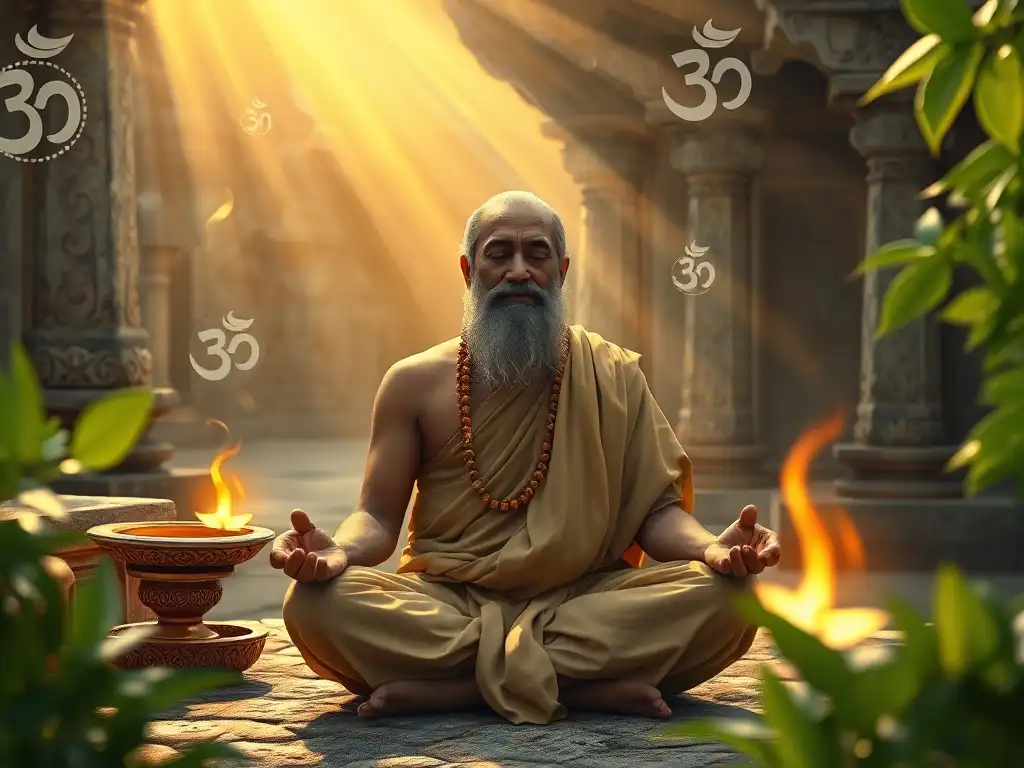
Rituals in ancient yoga practices are deeply intertwined with philosophical concepts that shape the understanding of the self, the universe, and the divine. The significance of these rituals can be explored through several key philosophical frameworks.
- Unity of Body and Mind: Many ancient texts, such as the Yoga Sutras of Patanjali, emphasize the integration of body and mind through disciplined practice. Rituals serve as a means to create this unity, fostering a holistic approach to yoga that acknowledges the interdependence of physical practices and mental states.
- Sacredness of the Practice: The notion of "sacredness" permeates ancient yoga rituals, where each action, from asana to meditation, is viewed as an offering to the divine. This perspective elevates the practice from mere physical exercise to a spiritual discipline, encouraging mindfulness and reverence in every aspect of the ritual.
- Cycle of Creation and Destruction: Many rituals symbolize the cyclical nature of existence, reflecting the philosophies of creation and destruction found in texts like the Upanishads. Through rituals, practitioners acknowledge the impermanence of life, fostering a deeper understanding of the transient nature of the physical world.
- Path to Liberation (Moksha): Rituals are seen as tools that aid in the pursuit of liberation from the cycle of birth and rebirth (samsara). By engaging in these practices, practitioners seek to transcend their limitations, realizing their true nature and achieving spiritual freedom.
These philosophical underpinnings not only provide meaning to the rituals but also enhance the overall experience of yoga, allowing practitioners to connect with a deeper sense of purpose and understanding.
The Evolution of Rituals in Yoga Practices
The evolution of rituals in yoga practices reveals a dynamic interplay between tradition, adaptation, and the socio-cultural context of various eras.
In ancient times, rituals were largely influenced by the Vedic traditions, characterized by elaborate ceremonies and offerings to deities. As yoga philosophy evolved, particularly during the classical period, the focus shifted towards internal practices. This transformation saw the integration of meditation and breath control, which became central to the rituals of yoga.
- Influence of Buddhism: The rise of Buddhism around the 5th century BCE introduced new perspectives on mindfulness and meditation, influencing the development of yoga rituals. The emphasis on personal experience and inner realization shifted the focus from external rituals to internal practices that promote self-awareness and enlightenment.
- Integration of Tantric Practices: By the medieval period, the incorporation of Tantric elements into yoga practices led to a more nuanced understanding of rituals. Tantric rituals, which emphasize energy channels (nadis) and energy centers (chakras), enriched the physical and spiritual dimensions of yoga, introducing practices such as mantra chanting and intricate visualization techniques.
- Modern Adaptations: In the 19th and 20th centuries, yoga underwent significant transformations with the introduction of Western ideas and the popularization of yoga as a holistic wellness practice. While traditional rituals were maintained, many were adapted to fit contemporary lifestyles, leading to simplified versions that retained their core significance while being more accessible to a global audience.
- Globalization of Yoga: Today, yoga rituals continue to evolve, incorporating influences from various cultures and practices. The emphasis on mindfulness and wellness in modern yoga often blends traditional rituals with contemporary practices, creating a rich tapestry that reflects the ongoing journey of yoga as both a spiritual and physical discipline.
The evolution of rituals in yoga practices is a testament to the adaptability and enduring relevance of ancient traditions in a constantly changing world. These rituals remain significant, serving as guides for practitioners on their journeys toward self-discovery and spiritual growth.
Practical Applications: Incorporating Ancient Rituals Today
Incorporating ancient yoga rituals into contemporary practice offers profound benefits, enriching the physical and spiritual dimensions of yoga. Here are some practical applications that individuals and yoga instructors can adopt:
- Daily Rituals: Establishing a daily practice that includes specific rituals such as Pranayama (breath control), Asana (postures), and Meditation can enhance focus and mindfulness. For example, beginning each session with a few minutes of breath awareness can ground practitioners, connecting them to the present moment.
- Sacred Space Creation: Creating a dedicated space for yoga practice that incorporates elements of ritual, such as candles, incense, and symbols (like statues of deities), can evoke a sense of sanctity. This environment helps practitioners to mentally shift into a state of readiness for deeper engagement.
- Chanting and Mantras: Integrating chanting or reciting mantras into yoga sessions can elevate the spiritual experience. The repetition of sounds and phrases, such as the sacred syllable Om, resonates with the vibrational energy of the universe, promoting harmony and connection.
- Seasonal and Lunar Celebrations: Aligning yoga practices with seasonal changes or lunar cycles can deepen the connection to nature and one’s inner self. Celebrating events like the Winter Solstice or the New Moon with specific rituals can foster community and personal reflection.
- Mindful Eating: Incorporating rituals around food, such as offering gratitude before meals or practicing conscious eating, aligns with ancient teachings that regard food as sacred. This approach nurtures both the body and spirit, encouraging respect for nourishment.
By weaving these ancient rituals into modern yoga practices, practitioners can cultivate a richer, more meaningful experience that honors the historical significance of yoga while enhancing personal growth and well-being.
Conclusion: The Enduring Significance of Ancient Yoga Rituals
The significance of ancient yoga rituals extends far beyond mere practice; they embody the essence of mindfulness, spirituality, and connection. These rituals serve as a bridge linking the physical and metaphysical realms, emphasizing the holistic nature of yoga.
Through rituals, practitioners not only honor their lineage but also create a framework for personal introspection and transformation. The repetitive nature of rituals fosters discipline, while their symbolic meanings deepen understanding of the self and the universe. As we delve into the past, it becomes evident that these rituals were designed to cultivate inner peace, harmony, and balance.
In the modern context, reviving and incorporating these ancient practices allows individuals to reconnect with the profound wisdom of ancient Indian civilization. The rituals are reminders of the sacredness of both the practice and the journey of self-exploration.
Ultimately, the enduring significance of ancient yoga rituals lies in their ability to transcend time, offering valuable insights and practices that remain relevant in today's fast-paced world. As we embrace these traditions, we not only honor our ancestors but also pave the way for a future where yoga continues to thrive as a means of holistic wellness and spiritual enlightenment.
- Understanding Ancient Yoga Rituals
- The Importance of Rituals in Ancient Yoga
- Key Ancient Yoga Rituals and Their Significance
- Rituals in Different Schools of Ancient Yoga
- The Philosophical Underpinnings of Rituals in Yoga
- The Evolution of Rituals in Yoga Practices
- Practical Applications: Incorporating Ancient Rituals Today
- Conclusion: The Enduring Significance of Ancient Yoga Rituals
Frequently Asked Questions
What are ancient yoga rituals?
Ancient yoga rituals are spiritual practices that integrate physical postures, breath control, and meditative techniques aimed at enhancing mindfulness and self-awareness.
Why were rituals important in ancient yoga practices?
Rituals played a crucial role in ancient yoga as they helped practitioners establish a connection with the divine, create a sacred atmosphere, and deepen their spiritual journey.
How did ancient yoga rituals evolve over time?
Over time, ancient yoga rituals have evolved by incorporating local traditions, adapting to cultural changes, and integrating modern insights, yet retaining their core significance.
What are some examples of ancient yoga rituals?
Some examples include pranayama (breath control), puja (devotional worship), and meditative chanting, each designed to enhance spiritual growth and mental clarity.
How do ancient yoga rituals influence modern practices?
Modern yoga practices often draw from ancient rituals by emphasizing mindfulness, meditation, and the connection between body and spirit, thus maintaining the essence of ancient wisdom.
Final Reflection: The Enduring Significance of Ancient Yoga Rituals
The exploration of ancient yoga rituals reveals their profound significance in today's world, as they offer a pathway to mindfulness and connection in an increasingly chaotic society. In a time when many seek solace from the noise of modern life, these rituals serve as a reminder of the power of intentionality and presence. They are not merely historical artifacts; they are living practices that resonate deeply with our contemporary quest for balance and well-being.
The influence of ancient yoga rituals extends far beyond the mat, shaping cultural and social landscapes across the globe. These practices encourage a sense of community, mindfulness, and self-awareness that is sorely needed in our fast-paced lives. As we engage with these rituals, we tap into a lineage of wisdom that has endured for centuries, reminding us of our shared humanity. > “Rituals are the way we make sense of the world; they are the threads that weave our lives together.”
As you reflect on the significance of ancient yoga rituals, consider how you can incorporate their essence into your daily routine. Embrace the opportunity to cultivate mindfulness, foster connection, and honor the traditions that have shaped our understanding of well-being. Let these practices inspire you to create your own rituals that resonate with your life, inviting peace and purpose into each moment. The journey of self-discovery and connection awaits—will you take the first step?
Embrace the Power of Ritual: Transform Your Practice Today!
Thank you for diving into the fascinating world of ancient yoga practices with us. We hope you've gained valuable insights into how rituals have shaped these timeless traditions. Now, it's time to take that knowledge and make it a part of your personal journey!
Here are a few actionable steps you can take to deepen your connection with yoga and its rituals:
- Start a Daily Ritual: Commit to a simple daily practice that incorporates a meaningful ritual, such as setting an intention or expressing gratitude before each yoga session.
- Explore the Roots of Your Practice: Research a specific ancient ritual that resonates with you and consider integrating it into your routine.
- Share the Wisdom: Invite friends or family to join your yoga journey and discuss the significance of rituals. You could even host a small gathering to explore these practices together.
What ritual will you incorporate into your life to enhance your yoga journey? **We encourage you to share your thoughts in the comments below! **