
The Role of Ayurveda in Ancient Indian Surgical Practices


Welcome to Ancient India History, where we embark on an enlightening journey through the captivating tapestry of ancient Indian civilizations. Today, we delve into the remarkable role of Ayurveda in ancient Indian surgical practices—a fascinating intersection of science and medicine that showcases the innovative spirit of our ancestors. How did these age-old techniques influence modern practices?
As you explore this article, prepare to uncover the profound wisdom that has shaped not only the medical landscape of India but also the world. Let curiosity guide you as we unravel the secrets of Ayurveda and its impact on surgical advancements in ancient times.

Introduction to Ayurveda and Its Historical Context
Ayurveda, a holistic system of medicine that originated in ancient India, has played a pivotal role in shaping the medical landscape of the region. Rooted in the belief that health is a balance between body, mind, and spirit, Ayurveda encompasses various aspects of health, including diet, lifestyle, and herbal remedies. This ancient practice not only emphasizes preventive care but also offers surgical techniques that were advanced for their time. In this article, we will explore the intricate relationship between Ayurveda and surgery in ancient India, shedding light on its historical significance and contributions to medical practices.
Definition of Ayurveda
Ayurveda, derived from the Sanskrit words "Ayur" (life) and "Veda" (knowledge), translates to "the knowledge of life." It is a comprehensive system that aims to maintain health and well-being through the balance of three doshas: Vata, Pitta, and Kapha. These doshas represent different energies in the body and are believed to govern various physiological and psychological functions. The primary goal of Ayurveda is to promote health and prevent disease by harmonizing these energies.
Origins of Ayurveda in Ancient India
The origins of Ayurveda can be traced back over 5,000 years to the Vedic texts, specifically the Atharva Veda, where early concepts of health and disease were documented. Over time, Ayurveda evolved through the contributions of various scholars and practitioners, leading to the development of foundational texts such as the "Charaka Samhita" and "Sushruta Samhita." These texts not only outline the principles of Ayurveda but also delve into surgical practices, showcasing the system's holistic approach to medicine.
Connection Between Ayurveda and Surgery
The connection between Ayurveda and surgery is evident in the works of Sushruta, often referred to as the "Father of Surgery." His seminal text, the "Sushruta Samhita," provides detailed descriptions of surgical techniques, instruments, and procedures, emphasizing the surgical aspect of Ayurvedic practices. This text highlights the importance of understanding the body's anatomy, physiology, and the principles of healing, demonstrating that surgery was an integral part of Ayurvedic medicine.
Historical Overview of Ancient Indian Surgery
Evolution of Surgical Techniques in Ancient India
Surgical practices in ancient India saw significant evolution, influenced by the principles of Ayurveda. Early techniques included methods for treating wounds, fractures, and abscesses, with practitioners employing a variety of surgical instruments made from metals and natural materials. As knowledge expanded, so did the complexity of procedures, including plastic surgery techniques like rhinoplasty. The meticulous documentation of these practices in texts like the "Sushruta Samhita" reflects a sophisticated understanding of both surgery and patient care.
Prominent Texts on Ayurveda and Surgery
Several ancient texts serve as cornerstones for understanding the synergy between Ayurveda and surgery. The "Charaka Samhita" focuses primarily on internal medicine, while the "Sushruta Samhita" is dedicated to surgical methods. Together, these texts provide a comprehensive view of ancient Indian medical practices, detailing not only surgical techniques but also the philosophical underpinnings of Ayurveda. They serve as vital resources for historians and medical practitioners alike, illustrating the depth and breadth of knowledge possessed by ancient Indian surgeons.
Influence of Ayurveda on Surgical Practices
The influence of Ayurveda on surgical practices in ancient India is profound. The Ayurvedic approach to surgery was not merely about performing procedures but also emphasized the importance of pre-operative and post-operative care, patient diet, and lifestyle modifications. This holistic perspective ensured better recovery outcomes and showcased a deep understanding of the interconnectedness of body systems. The legacy of these practices continues to resonate in contemporary medicine, underlining the enduring impact of Ayurveda in the field of surgery.
Through this exploration of Ayurveda's role in ancient Indian surgical practices, we can appreciate the remarkable advancements made in medical science and the holistic philosophy that underpinned these developments.
Key Principles of Ayurveda in Surgical Applications
Ayurveda, the ancient system of medicine that originated in India, is built upon a holistic understanding of health, emphasizing balance among the mind, body, and spirit. In the context of surgical applications, Ayurveda integrates various principles that guide practitioners in addressing surgical conditions. These principles include the identification of imbalances in the body's energies (doshas), the use of natural remedies, and the implementation of preventive measures to maintain health post-surgery.
One of the core concepts in Ayurvedic surgery is the focus on treating the root cause of ailments rather than merely alleviating symptoms. This approach is crucial as it allows for a comprehensive treatment plan that minimizes the risk of recurrence. Additionally, the emphasis on individualized treatment underscores the importance of considering each patient's unique constitution, or prakriti, when planning surgical interventions.
The Concept of Doshas and Their Importance in Surgery
In Ayurveda, the doshas—Vata, Pitta, and Kapha—represent the three fundamental energies that govern physiological functions. Each dosha has distinct characteristics and influences various bodily processes, including digestion, immune response, and metabolic function. Understanding the dominance and imbalance of these doshas is vital for effective surgical practices.
- Vata is associated with movement and communication, influencing bodily functions such as circulation and nerve impulses. Surgical candidates with a Vata imbalance may experience increased anxiety and susceptibility to pain, necessitating careful preoperative planning.
- Pitta governs transformation and metabolism, playing a critical role in tissue healing and recovery. Excess Pitta can lead to inflammation, which may complicate surgical procedures or recovery.
- Kapha represents structure and stability, contributing to the body's strength and immunity. An imbalance in Kapha may result in sluggishness and excess tissue, impacting surgical considerations.
By evaluating the doshic state of a patient before surgery, Ayurvedic practitioners can tailor their surgical approach, ensuring that interventions are aligned with the patient's unique constitution and healing needs.
Role of Sattva, Rajas, and Tamas in Healing

The three gunas—Sattva, Rajas, and Tamas—are fundamental qualities in Ayurveda that influence mental and physical health. These qualities play a significant role in the healing process, particularly during and after surgical procedures.
- Sattva represents purity, harmony, and clarity. A predominance of Sattva is essential for optimal healing, as it promotes a calm mind and facilitates recovery. Ensuring a Sattvic environment—characterized by cleanliness and positivity—can enhance patient outcomes.
- Rajas, on the other hand, embodies activity and dynamism. While Rajas is necessary for motivation and action, excessive Rajas can lead to anxiety and restlessness, which may hinder the surgical recovery process. Managing Rajas through mindful practices and calming strategies is crucial.
- Tamas signifies darkness and inertia. A predominance of Tamas can lead to lethargy and confusion, hindering both mental clarity and physical recovery. Postoperative care should aim to mitigate Tamas through stimulating yet soothing interventions.
By understanding the interplay of these three gunas, Ayurvedic practitioners can create a supportive healing environment that encourages a balanced state, thus optimizing surgical outcomes.
Ayurvedic Diagnosis Techniques Relevant to Surgery
Ayurvedic diagnosis employs a comprehensive approach that combines observation, questioning, and physical examination to identify imbalances in a patient's health. Several techniques are particularly relevant to surgical practice:
- Nadi Pariksha (Pulse Diagnosis): This method assesses the quality, rhythm, and strength of the pulse to determine dosha imbalances. It provides insights into the patient's overall health and surgical readiness.
- Darshan (Observation): The Ayurvedic practitioner closely observes the patient's physical appearance, including skin color, texture, and posture, to gauge health status and identify potential surgical risks.
- Prashna (Questioning): Detailed inquiries about the patient's medical history, lifestyle, and symptoms help in understanding the underlying causes of their condition, which is vital for effective surgical planning.
- Ashtavidha Pariksha (Eightfold Examination): This comprehensive diagnostic approach assesses various aspects of health, including the pulse, tongue, and urine, providing a holistic view of the patient's condition.
These diagnostic techniques enable Ayurvedic practitioners to develop personalized treatment plans that account for individual health profiles, ensuring that surgical interventions are both safe and effective.
Surgical Techniques Derived from Ayurvedic Practices
Ayurveda's surgical tradition, known as Shalya Tantra, encompasses a variety of techniques that evolved over centuries. Ancient texts, such as the Sushruta Samhita, outline numerous surgical procedures, many of which remain relevant today. Key techniques include:
- Surgical Excision: This involves the removal of diseased tissue or organs, guided by the principles of doshas to ensure minimal disruption to the body's balance.
- Cauterization: Utilized to control bleeding, this technique applies heat to the tissue, promoting coagulation and preventing excessive blood loss during procedures.
- Suturing: Ancient Ayurvedic texts detail various suturing techniques to ensure proper closure of wounds, promoting optimal healing with minimal scarring.
- Drainage Procedures: These are performed to remove accumulated fluids or pus, preventing infection and facilitating recovery.
Through the application of these techniques, Ayurvedic practitioners were able to perform complex surgeries with a focus on holistic healing.
Traditional Surgical Instruments Used in Ayurveda
Ancient Indian surgeons utilized a variety of specialized instruments that were meticulously crafted to aid in surgical procedures. Some notable instruments include:
| Instrument | Purpose |
|---|---|
| Shalaka | A probe for exploring and treating internal structures |
| Ksharasutra | A medicated thread used for draining abscesses |
| Chirurgi | Surgical knives for making incisions |
| Vishal | Forceps used for grasping tissues during surgery |
| Scissors | Designed for cutting tissues and suturing wounds |
These instruments were often made from materials such as metals and wood, showcasing the advanced craftsmanship of ancient Indian artisans. The precision and design of these tools highlight the sophistication of Ayurvedic surgical practices.
Methods of Surgical Procedures in Ancient India
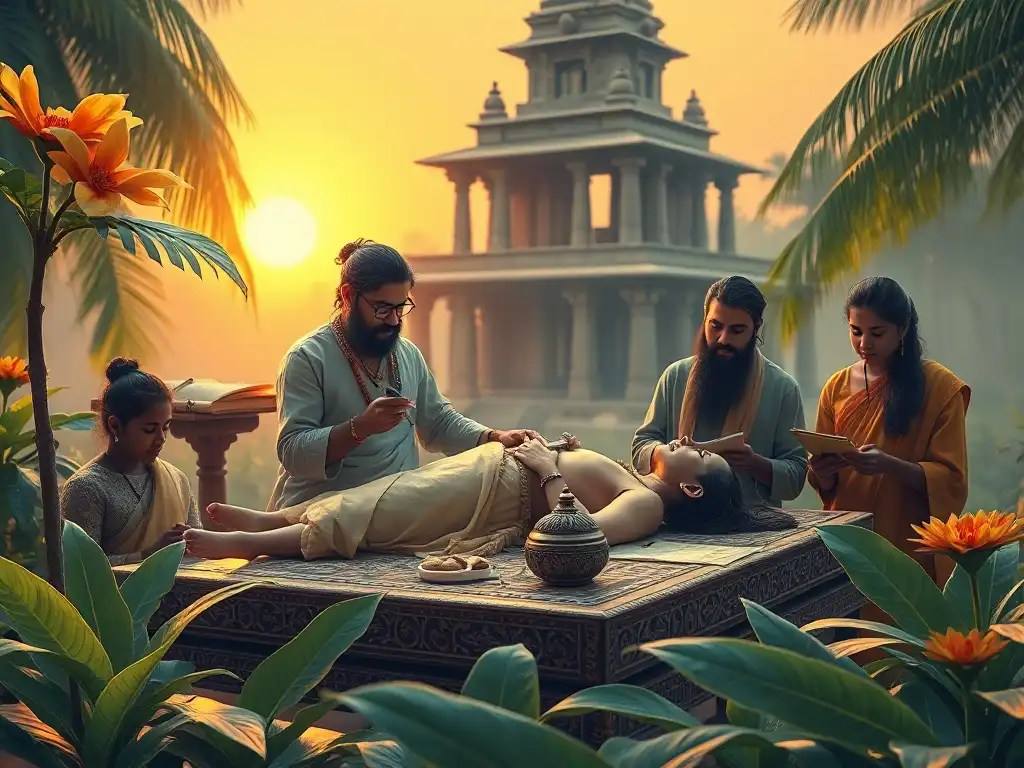
The surgical methods employed in ancient India were characterized by a meticulous approach that emphasized hygiene, preparation, and post-operative care. Key aspects of these methods included:
- Preparation of the Patient: Prior to surgery, patients underwent detoxification processes, including fasting and herbal treatments, to prepare their bodies for the procedure.
- Use of Anesthesia: Ayurvedic texts reference the use of herbal concoctions as anesthetics, which helped alleviate pain and anxiety during surgical interventions.
- Sterilization Techniques: Ancient surgeons recognized the importance of cleanliness and employed various methods to disinfect instruments and ensure a sterile environment.
- Post-operative Care: Emphasis was placed on diet, rest, and herbal remedies to promote healing and restore balance following surgery.
These methods reflect a deep understanding of surgical principles and patient care, showcasing Ayurveda's holistic approach to medicine.
Case Studies of Successful Ayurvedic Surgeries
Numerous historical accounts document the success of Ayurvedic surgeries, highlighting the effectiveness of ancient techniques. One notable case is that of Sushruta, often referred to as the "Father of Surgery." His pioneering work in rhinoplasty (nose reconstruction) is well-documented in the Sushruta Samhita, where he successfully performed intricate surgeries using a variety of techniques and instruments.
Another example is the treatment of abscesses using the Ksharasutra method, which involves the application of a medicated thread to drain pus effectively. This technique demonstrated high success rates and minimal complications, showcasing the efficacy of Ayurvedic surgical practices.
These case studies not only serve as a testament to the advanced surgical knowledge of ancient Indian practitioners but also highlight the importance of Ayurveda in the evolution of surgical techniques throughout history.
The Integration of Ayurveda and Surgery: A Systematic Approach
Ayurveda, the ancient Indian system of medicine, has long been recognized not just for its holistic approach to health but also for its intricate relationship with surgical practices. The integration of Ayurveda and surgery was systematic, with principles from Ayurvedic texts guiding surgical methods and techniques.
This synergy is evident in the Sushruta Samhita, a foundational text attributed to Sushruta, often referred to as the "Father of Surgery." This text not only outlines various surgical procedures but also emphasizes the importance of understanding the patient's constitution (Prakriti) and the balance of bodily doshas (Vata, Pitta, and Kapha) in surgical interventions.
The Ayurvedic approach to surgery was not merely about addressing physical ailments; it encompassed a broader perspective that included emotional and spiritual well-being. Surgeons trained in Ayurveda were expected to be well-versed in anatomy, physiology, and the psychological aspects of healing, as they believed that a harmonious balance between body and mind was crucial for successful surgical outcomes. This comprehensive strategy ensured that patients received care that was tailored to their individual needs, promoting overall health and recovery.
Holistic Treatment Plans Combining Ayurveda and Surgery
In ancient India, treatment plans involving surgery were holistic, integrating Ayurvedic principles with surgical techniques. Practitioners would develop treatment strategies that considered not just the physical ailment but also the patient's emotional state and lifestyle. This approach involved assessing dietary habits, daily routines, and even mental health, ensuring that every aspect of the patient's life was taken into account.
For example, if a patient required surgery for a specific condition, the surgeon would recommend preoperative Ayurvedic therapies such as Panchakarma (detoxification) to prepare the body. Post-surgery, the treatment plan would include specific dietary guidelines and herbal remedies aimed at enhancing recovery and minimizing complications. This comprehensive methodology not only aimed to heal the physical body but also sought to restore the patient’s overall balance and wellness.
Preoperative and Postoperative Ayurvedic Care
Preoperative care in Ayurveda focused on preparing the patient both physically and mentally for surgery. This involved detoxification processes like Panchakarma, which helped to cleanse the body and improve its resilience. Practitioners would often recommend specific dietary changes to strengthen the body, enhance immunity, and reduce any imbalances in the doshas.
Postoperative care was equally significant, as it emphasized a gradual return to health. Ayurvedic practitioners would prescribe herbal formulations and dietary regimens tailored to the individual's constitution and the type of surgery performed. Techniques such as Abhyanga (oil massage) were commonly employed to promote healing and alleviate pain. This dual focus on preoperative preparation and postoperative recovery exemplifies Ayurveda's commitment to ensuring comprehensive care for surgical patients.
The Role of Herbal Remedies in Surgical Recovery
Herbal remedies played a pivotal role in the Ayurvedic approach to surgical recovery. Various herbs were utilized to promote healing, reduce inflammation, and prevent infection. For instance, Turmeric (Curcuma longa) is known for its anti-inflammatory properties and was commonly used in formulations to expedite recovery. Similarly, Ashwagandha (Withania somnifera) was employed to bolster the immune system and reduce stress, supporting overall recovery after surgery.
Additionally, the use of specific herbal pastes and oils for wound care was a common practice. These remedies not only facilitated physical healing but also contributed to the emotional and mental well-being of the patient, reinforcing the holistic nature of Ayurvedic medicine. By addressing both the physical and psychological dimensions of recovery, Ayurveda provided a unique and effective approach to post-surgical care.
Comparing Ayurveda with Other Ancient Surgical Systems

Ayurveda's surgical practices stand out when compared to other ancient systems of medicine, showcasing unique philosophies and methodologies. The comprehensive nature of Ayurvedic surgery, which includes a holistic approach to health, sets it apart from various other medical traditions.
Ayurveda vs. Greek Medicine in Surgical Practices
When comparing Ayurveda to Greek medicine, particularly the practices of Hippocrates and Galen, several distinctions arise. Greek medicine emphasized empirical observation and anatomical knowledge, focusing on the physical body and its ailments. In contrast, Ayurveda integrated a deeper understanding of bodily energies (doshas) and the patient’s constitution, which influenced surgical decisions.
For example, while Greek surgeons relied heavily on anatomical dissection and surgical techniques, Ayurvedic practitioners utilized a combination of surgical skills and holistic assessments. This meant that treatment in Ayurveda was often more personalized, taking into account the individual’s physical, psychological, and spiritual health.
Ayurvedic Surgery vs. Traditional Chinese Medicine
Ayurvedic surgery and Traditional Chinese Medicine (TCM) also exhibit notable differences. While TCM focuses extensively on energy flow (Qi) and the balance of the five elements, Ayurveda emphasizes the balance of the three doshas. Surgical practices in TCM often incorporate acupuncture and herbal remedies as primary methods of treatment rather than invasive procedures.
In Ayurvedic surgery, the emphasis on surgical techniques and interventions is more pronounced. However, both systems share a common goal of achieving balance and harmony within the body. This comparison highlights how different cultures approached similar health challenges through distinct methodologies and philosophies.
Unique Aspects of Ayurveda in Comparison to Western Surgery
Ayurveda's approach to surgery significantly diverges from Western surgical practices. While Western medicine often prioritizes technological advancements and surgical precision, Ayurveda emphasizes a holistic perspective that considers the patient’s overall well-being.
For instance, in Ayurvedic surgery, the preoperative assessment involves a thorough evaluation of the individual’s constitution and lifestyle, which is less common in Western practices. Furthermore, the postoperative focus on holistic recovery through diet, herbal remedies, and lifestyle adjustments showcases Ayurveda's commitment to long-term health rather than just addressing the immediate surgical outcome.
Ayurveda in ancient Indian surgery presents a rich tapestry of practices that reflect a deep understanding of the human body, mind, and spirit. Its integration of holistic care with surgical techniques provides valuable insights into ancient medical practices and emphasizes the importance of treating the whole person rather than just the disease.
Conclusion: The Lasting Impact of Ayurveda on Modern Surgical Practices
The contributions of Ayurveda to ancient Indian surgical practices have left an indelible mark on modern medicine. The principles of balance, holistic treatment, and surgical precision that were emphasized in ancient texts continue to resonate in today's surgical methodologies. Ayurveda's comprehensive approach, which integrates diet, lifestyle, and herbal remedies, provides a framework that modern practitioners can reference for enhancing patient care and recovery processes. As surgical techniques evolve, the integration of Ayurvedic practices can foster a more interdisciplinary approach to healthcare, promoting a blend of traditional wisdom and contemporary science.
Relevance of Ancient Ayurvedic Techniques Today
Ancient Ayurvedic techniques remain relevant in today's medical landscape. Practices such as Sushruta's methods of wound management and anesthesia not only paved the way for modern surgical techniques but also emphasize the importance of understanding the body as a whole. The emphasis on personalized treatment in Ayurveda aligns with the growing trend of individualized medicine, where patient-specific factors are considered in treatment plans. Furthermore, the increased interest in alternative medicine has led to a resurgence in the exploration of Ayurvedic practices, particularly in areas like pain management and post-operative care, where herbal remedies can play a complementary role.
Future Directions for Research on Ayurveda in Surgery
The future of research on Ayurveda in surgery is promising, with several avenues ripe for exploration. Investigating the efficacy of Ayurvedic herbs and formulations in enhancing surgical outcomes could yield valuable insights. Moreover, clinical studies that compare traditional Ayurvedic surgical methods with contemporary practices can help quantify benefits and establish protocols that integrate both approaches. Additionally, interdisciplinary research that combines insights from Ayurveda, modern surgery, and biotechnology can lead to innovative treatment modalities. The need for systematic documentation and validation of ancient techniques in contemporary contexts is crucial for their acceptance and implementation in modern surgical practices.
References for Further Reading on Ayurveda and Surgery
Key Texts on Ayurveda and Ancient Surgery
- Sushruta Samhita - Often regarded as the foundational text of ancient Indian surgery, this text details surgical techniques and instruments used by Sushruta, a pioneer in the field.
- Charaka Samhita - While primarily focused on medicine, this text also discusses surgical principles and the integration of surgery into Ayurvedic practices.
- Ashtanga Hridayam - This classical text provides insights into the eight branches of Ayurveda, including surgery, offering a holistic perspective on treatment.
Notable Researchers and Scholars in the Field
- Dr. Vasant Lad - A prominent figure in Ayurvedic education, Dr. Lad has contributed significantly to the understanding and dissemination of Ayurvedic practices, including surgical techniques.
- Dr. R. K. Sharma - Known for his work in documenting and translating ancient texts, Dr. Sharma's research provides valuable insights into the application of Ayurveda in modern contexts.
- Prof. S. C. Mishra - His extensive studies on the historical significance of Ayurvedic surgery have shed light on its relevance and application in contemporary medicine.
Recommended Resources for Understanding Ayurvedic Surgery
- Books and Journals:
- "Ayurveda: The Science of Self-Healing" by Dr. Vasant Lad
- "Sushruta Samhita: The Ayurvedic Text on Surgery" translated by Dr. R. K. Sharma
- Online Courses and Lectures:
- Many universities and Ayurvedic institutions offer online courses that delve into ancient surgical practices within Ayurveda.
- Documentaries and Research Papers:
- Various documentaries explore the historical context and evolution of Ayurvedic surgery, providing a visual understanding of its techniques and applications.
Incorporating these resources can deepen one's understanding of Ayurveda's intricate role in ancient surgical practices and its enduring influence on modern medicine.
- Introduction to Ayurveda and Its Historical Context
- Historical Overview of Ancient Indian Surgery
- Key Principles of Ayurveda in Surgical Applications
- The Concept of Doshas and Their Importance in Surgery
- Role of Sattva, Rajas, and Tamas in Healing
- Ayurvedic Diagnosis Techniques Relevant to Surgery
- Surgical Techniques Derived from Ayurvedic Practices
- Traditional Surgical Instruments Used in Ayurveda
- Methods of Surgical Procedures in Ancient India
- Case Studies of Successful Ayurvedic Surgeries
- The Integration of Ayurveda and Surgery: A Systematic Approach
- Comparing Ayurveda with Other Ancient Surgical Systems
- Conclusion: The Lasting Impact of Ayurveda on Modern Surgical Practices
- References for Further Reading on Ayurveda and Surgery
Frequently Asked Questions
What is Ayurveda in the context of ancient Indian surgery?
Ayurveda is a traditional system of medicine that originated in India, focusing on holistic health. In surgery, it emphasized the use of natural remedies and surgical techniques documented in ancient texts.
How did ancient Indian surgeons use Ayurveda?
Ancient Indian surgeons integrated Ayurvedic principles with surgical practices, utilizing herbal medicines and surgical tools described in texts like the Sushruta Samhita to treat various ailments and injuries.
What were the contributions of the Sushruta Samhita to surgery?
The Sushruta Samhita, attributed to Sushruta, is a foundational text that outlines surgical techniques, instrumentations, and the importance of Ayurvedic philosophy in ensuring proper healing and patient care.
Were there any specific surgical procedures documented in Ayurveda?
Yes, ancient texts describe a variety of surgical procedures including plastic surgery, cesarean sections, and the removal of tumors, showcasing the advanced medical knowledge of ancient Indian practitioners.
How does Ayurveda influence modern surgical practices?
The principles of Ayurveda continue to inform modern surgical practices by promoting a holistic approach to health, integrating physical, mental, and spiritual well-being, and emphasizing the importance of natural healing alongside surgical interventions.
Final Reflection: The Enduring Legacy of Ayurveda in Ancient Indian Surgery
The exploration of Ayurveda in ancient Indian surgery reveals a profound connection between holistic healing and surgical practices that remains relevant today. As we navigate an era marked by rapid advancements in medical technology, the wisdom embedded in Ayurveda offers a unique perspective on patient care, emphasizing the importance of balance and natural healing methods. The principles of Ayurveda remind us that surgery is not merely a technical procedure but a holistic journey that considers the mind, body, and spirit of the patient.
The influence of Ayurveda in ancient Indian surgical practices has shaped not only the medical landscape of India but also the global understanding of integrative health approaches. This ancient wisdom continues to inspire modern practitioners who seek to blend traditional knowledge with contemporary medical practices. As noted by Dr. Vasant Lad, a renowned Ayurvedic physician, Ayurveda is the science of life, and it teaches us to live in harmony with nature.
This philosophy underscores the importance of viewing health as a holistic state rather than merely the absence of disease, a concept that resonates deeply in today's healthcare discussions.
As we reflect on the lessons from Ayurveda and its role in ancient Indian surgery, I invite you to consider how these timeless principles can inform your own approach to health and wellness. Take a moment to explore the balance in your life—physically, mentally, and spiritually. Embrace the wisdom of Ayurveda by integrating its practices into your daily routine, fostering a deeper connection with your own body, and promoting healing from within. Let us honor the legacy of Ayurveda by applying its teachings to create a healthier, more harmonious future for ourselves and our communities.
Unveil the Wisdom of Ayurveda: Take Action Today!
Thank you for diving into the incredible world of Ayurveda and its influence on ancient Indian surgical practices! We hope you’ve uncovered valuable insights into this rich tradition and its significant role in shaping medical history.
Now, let’s transform that knowledge into action! Here’s how you can further explore and engage with Ayurveda:
- Explore Ayurvedic Practices: Consult local Ayurvedic practitioners or delve into reputable literature to deepen your understanding of holistic health.
- Share Your Insights: Discuss what you've learned with friends and family, and consider initiating a conversation in your community about the importance of integrating ancient wisdom into modern health practices.
- Join an Online Community: Engage with like-minded individuals in online forums or social media groups dedicated to Ayurveda and ancient medicine.
What aspect of Ayurveda inspires you the most to incorporate into your daily life? Share your thoughts in the comments below!