
How Ancient Indian Surgeons Resolved Complications During Surgery

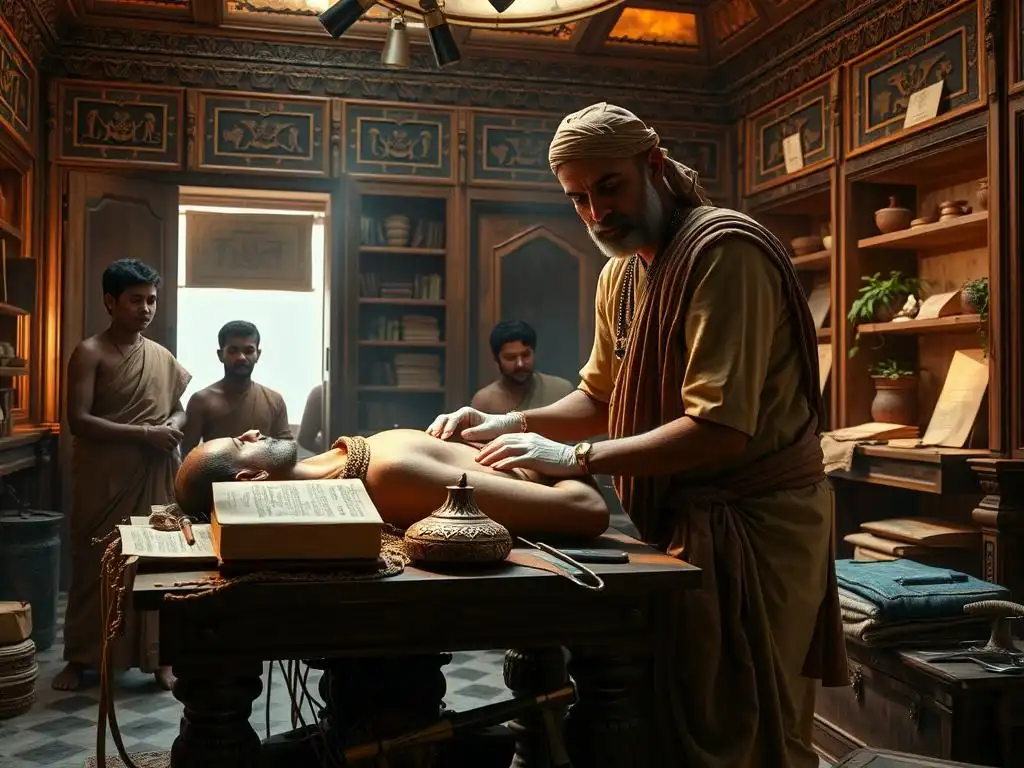
Welcome to Ancient India History, where we embark on a fascinating journey through the rich tapestry of India's past. Here, we unravel the remarkable stories of ancient civilizations, their cultural legacies, and groundbreaking contributions to science and medicine. Dive into our featured article on ancient Indian surgical techniques, where you'll discover how skilled surgeons expertly navigated the complexities of surgery, overcoming challenges with ingenuity and precision. Are you ready to explore the extraordinary innovations that shaped medical practices in ancient India? Let’s delve deeper into this captivating chapter of history!
- Introduction to Ancient Indian Surgical Techniques
- Historical Context of Ancient Indian Surgery
- Common Surgical Procedures in Ancient India
- Complications During Surgery: An Overview
- Techniques for Resolving Surgical Complications
- Cultural and Ethical Considerations in Ancient Surgery
- Legacy of Ancient Indian Surgical Techniques
- Conclusion
-
Frequently Asked Questions
- What were some common ancient Indian surgical techniques?
- How did ancient Indian surgeons handle surgical complications?
- What role did Ayurveda play in ancient Indian surgery?
- What are some notable ancient texts on surgery from India?
- How did the cultural context influence ancient Indian surgical practices?
- Final Reflection: The Enduring Legacy of Ancient Indian Surgical Techniques
- Unveil the Secrets of Ancient Surgical Mastery!
Introduction to Ancient Indian Surgical Techniques
The realm of ancient Indian surgical techniques is a captivating subject that reveals the sophisticated medical practices of early Indian civilizations. With a rich history dating back thousands of years, these techniques not only highlight the advanced understanding of anatomy and surgical procedures but also underscore the cultural and philosophical underpinnings of medicine in ancient India.
From the meticulous methods employed by surgeons in the Indus Valley Civilization to the renowned contributions of the Ayurvedic tradition, the evolution of surgical practices in ancient India is a testament to the ingenuity and resilience of its medical practitioners. This article delves into the remarkable ways in which ancient Indian surgeons resolved complications during surgery, offering insights into their methodologies, tools, and the profound knowledge that guided their hands.
Overview of Surgical Practices in Ancient India
Ancient Indian surgeons were pioneers in the field of medicine, demonstrating a remarkable understanding of surgical techniques long before modern advancements. The famous text, the Sushruta Samhita, attributed to the ancient physician Sushruta, serves as a cornerstone of surgical knowledge. This seminal work outlines various surgical procedures, including:
- Suturing techniques: Methods for closing wounds that minimized scarring and promoted healing.
- Surgical instruments: The development of specialized tools such as scalpels, forceps, and probes, crafted with precision to perform intricate surgeries.
- Anesthesia methods: Use of herbal concoctions and other natural substances to alleviate pain during surgical procedures.
The surgical practices in ancient India were not just limited to external surgeries; they also included complex operations such as cataract surgery and the treatment of fractures. Ancient Indian surgeons employed a holistic approach, combining surgical intervention with herbal medicine and dietary recommendations to ensure overall patient well-being.
Importance of Understanding Ancient Surgical Techniques
Understanding ancient Indian surgical techniques is crucial for several reasons. Firstly, it allows modern practitioners to gain insights into the foundations of surgical practices that have influenced contemporary medicine. Many principles and techniques from ancient India continue to resonate in modern surgical practices, demonstrating the timeless nature of certain medical knowledge.
Additionally, studying these techniques highlights the cultural significance of surgery in ancient Indian society. It reflects the values of innovation, precision, and care that defined the medical profession of the time. By examining historical surgical practices, we can appreciate the evolution of medicine and the cultural contexts that shaped it.
Furthermore, the advancements made by ancient Indian surgeons serve as an inspiration for ongoing research and development in the field of surgery. The integration of knowledge from diverse traditions can lead to innovative approaches and improved surgical outcomes today.
The exploration of ancient Indian surgical techniques not only enriches our understanding of medical history but also underscores the enduring legacy of ancient practitioners whose contributions continue to impact the field of medicine.
Historical Context of Ancient Indian Surgery
The Development of Medical Knowledge in Ancient India
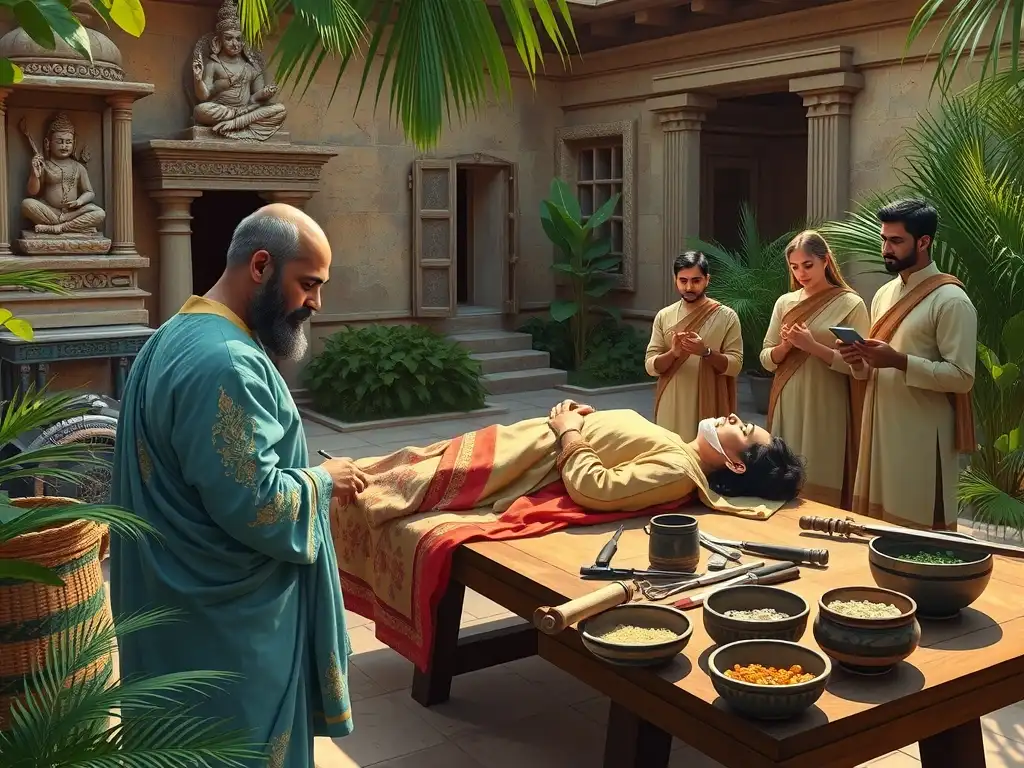
The evolution of medical knowledge in ancient India is a fascinating journey that reflects the meticulous observations and sophisticated understanding of the human body by early Indian scholars. The roots of ancient Indian surgical techniques can be traced back to the Vedic period, around 1500 BCE, where early texts began to document practices related to health and healing.
During this time, the concepts of Ayurveda, the traditional system of medicine, emerged, emphasizing the balance between the body, mind, and spirit. This holistic approach laid the groundwork for surgical practices that would develop over the centuries. By the time of the Maurya Empire (c. 322–185 BCE), medical knowledge had advanced significantly, leading to a greater understanding of anatomy and physiology.
Ancient Indian surgeons, known as shalyakaras, were highly skilled practitioners who performed a variety of surgical procedures. They were not only trained in surgery but also in medicine, making them versatile healers. The integration of surgical techniques with herbal remedies and dietary regulations showcased a comprehensive approach to healthcare that was unique to ancient India.
Key Texts Influencing Ancient Indian Surgery
Several key texts from ancient India played a crucial role in shaping the principles and practices of surgery. Among them, the Sushruta Samhita and the Charaka Samhita stand out as foundational works that laid the groundwork for medical education and surgical techniques.
Sushruta Samhita
The Sushruta Samhita, attributed to the ancient surgeon Sushruta, is one of the earliest and most influential texts on surgery. Composed around the 6th century BCE, this treatise encompasses a wide range of surgical procedures, tools, and ethical considerations in medicine.
- Surgical Techniques: The text details various surgical techniques, such as suturing, cauterization, and even plastic surgery. For instance, Sushruta is renowned for his pioneering work in reconstructive surgery, particularly in repairing nasal injuries, which was a significant concern in ancient society.
- Instruments and Tools: Sushruta meticulously described an array of surgical instruments, including scalpels, forceps, and probes, many of which were crafted from bronze and iron. His emphasis on cleanliness and surgical environment highlighted the importance of preventing infections—a concept that was remarkably advanced for its time.
- Patient Care: The Sushruta Samhita also discusses the importance of patient care, emphasizing pre-operative and post-operative protocols to ensure successful healing. This holistic view of surgery was essential for minimizing complications during and after procedures.
Charaka Samhita
While the Sushruta Samhita focused primarily on surgical practices, the Charaka Samhita, attributed to the physician Charaka, complements it by offering insights into the medical and therapeutic aspects of healthcare. Composed around the same period, this text is essential for understanding the broader context of health that influenced surgical practices.
- Pharmacology and Treatments: The Charaka Samhita extensively discusses herbal medicines and their applications in treating various ailments. It presents valuable knowledge about the pharmacological properties of plants, which surgeons often combined with surgical interventions to enhance recovery and manage complications.
- Diagnosis and Prognosis: This text emphasizes the importance of accurate diagnosis and prognosis, which are critical in determining the appropriate surgical approach. Charaka’s holistic perspective contributed to a greater understanding of how internal conditions affect surgical outcomes.
- Ethical Considerations: Both the Sushruta Samhita and the Charaka Samhita stress the ethical responsibilities of surgeons and physicians, highlighting the significance of consent, patient dignity, and the pursuit of knowledge in the medical field.
The synthesis of knowledge from these texts not only reflects the advanced nature of ancient Indian surgical techniques but also showcases the rich tapestry of medical tradition that has influenced modern practices. The legacy of ancient Indian surgeons continues to resonate in contemporary medicine, underscoring the profound contributions of these early healers to the global medical community.
Common Surgical Procedures in Ancient India
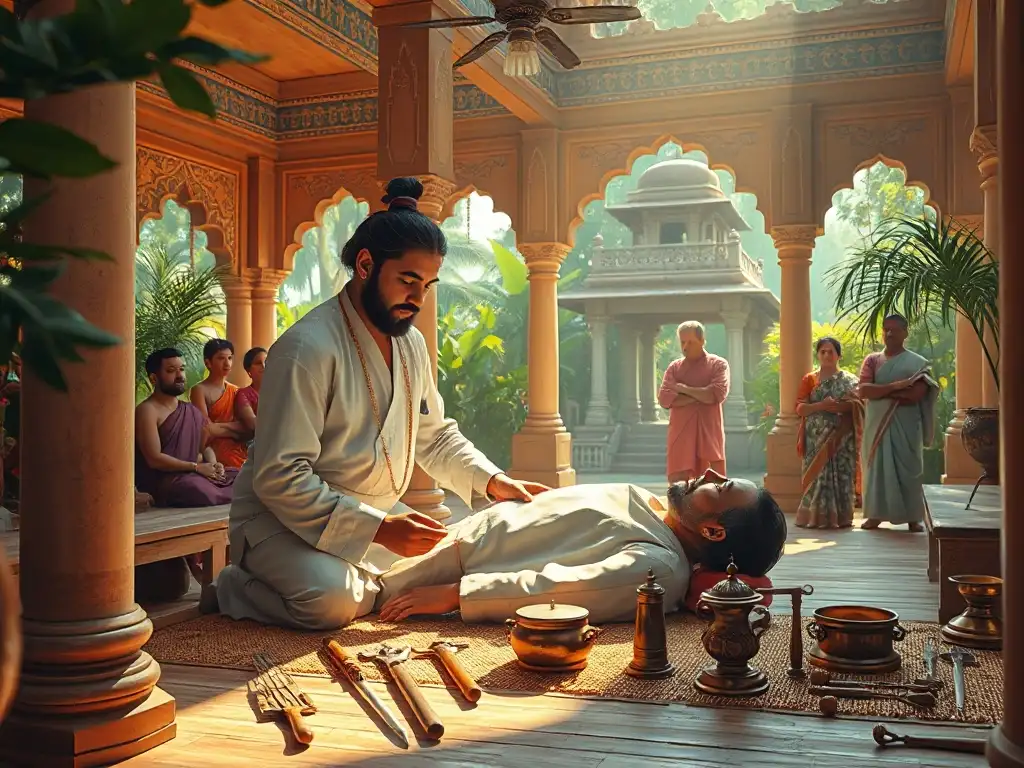
Ancient Indian surgeons exhibited remarkable skills in performing a variety of surgical procedures, reflecting a sophisticated understanding of human anatomy and medical practices. This expertise was documented in ancient texts such as the Sushruta Samhita, attributed to the legendary surgeon Sushruta, which outlines various surgical techniques, tools, and methods employed during that era. The following sections delve into specific types of surgeries performed by ancient Indian surgeons, showcasing their ingenuity and contributions to the field of medicine.
Types of Surgeries Performed by Ancient Indian Surgeons
Ancient Indian surgeons conducted a wide array of surgeries, ranging from minor procedures to complex operations. Their practices were not only advanced for their time but also laid the groundwork for future developments in the field of surgery. Below are some notable types of surgeries:
Plastic Surgery Techniques
One of the most remarkable aspects of ancient Indian surgery was its early practice of plastic surgery, particularly rhinoplasty. The reconstruction of the nose was a common procedure, often performed on patients who had suffered injuries or deformities. The surgical technique, known as “Nasal Reconstruction,” involved the following steps:
- Preparation of the Patient: Ensuring the patient was in optimal health and understanding the procedure.
- Harvesting Skin: Surgeons would carefully excise a flap of skin from the forehead or cheek, which would be used to reconstruct the nose.
- Suturing: The flap was then meticulously sutured into place, with attention to blood supply and aesthetics.
This intricate procedure demonstrated ancient Indian surgeons’ profound knowledge of tissue healing and aesthetics, ensuring that patients could regain their appearance and function.
Eye Surgery (Kshurakarana)
Eye surgery, referred to as Kshurakarana, was another area where ancient Indian surgeons excelled. This procedure primarily focused on cataract removal, which was a common ailment in that period. The process included:
- Diagnosis: Identifying the severity of the cataract and determining the appropriate surgical intervention.
- Surgical Procedure: Using specialized instruments, surgeons would perform a technique known as “couching,” where the cataract was dislodged from the eye, allowing patients to regain their vision.
- Post-Operative Care: Ancient texts emphasize the importance of post-operative care, including the use of herbal remedies to aid healing.
These practices highlight the advanced understanding of optics and human anatomy possessed by ancient Indian surgeons, showcasing their ability to address complex medical conditions effectively.
Orthopedic Surgery
Orthopedic surgery in ancient India encompassed a variety of procedures aimed at treating bone fractures and joint issues. The techniques employed included:
- Reduction of Fractures: Surgeons would manually realign broken bones, followed by immobilization using splints made from bamboo or cloth.
- Joint Surgery: Conditions such as dislocations were treated with careful manipulation to restore joint function.
- Use of Medicinal Pastes: Ancient Indian texts described the application of herbal pastes and poultices to promote healing and reduce inflammation.
The proficiency in orthopedic surgery displayed by ancient Indian practitioners was particularly noteworthy, as they utilized both surgical techniques and herbal knowledge to enhance patient outcomes.
The ancient Indian surgical techniques represent a significant milestone in the history of medicine. Their innovative approaches to various surgical procedures underscore the importance of ancient Indian contributions to the field of surgery, providing a foundation for future medical advancements.
Complications During Surgery: An Overview
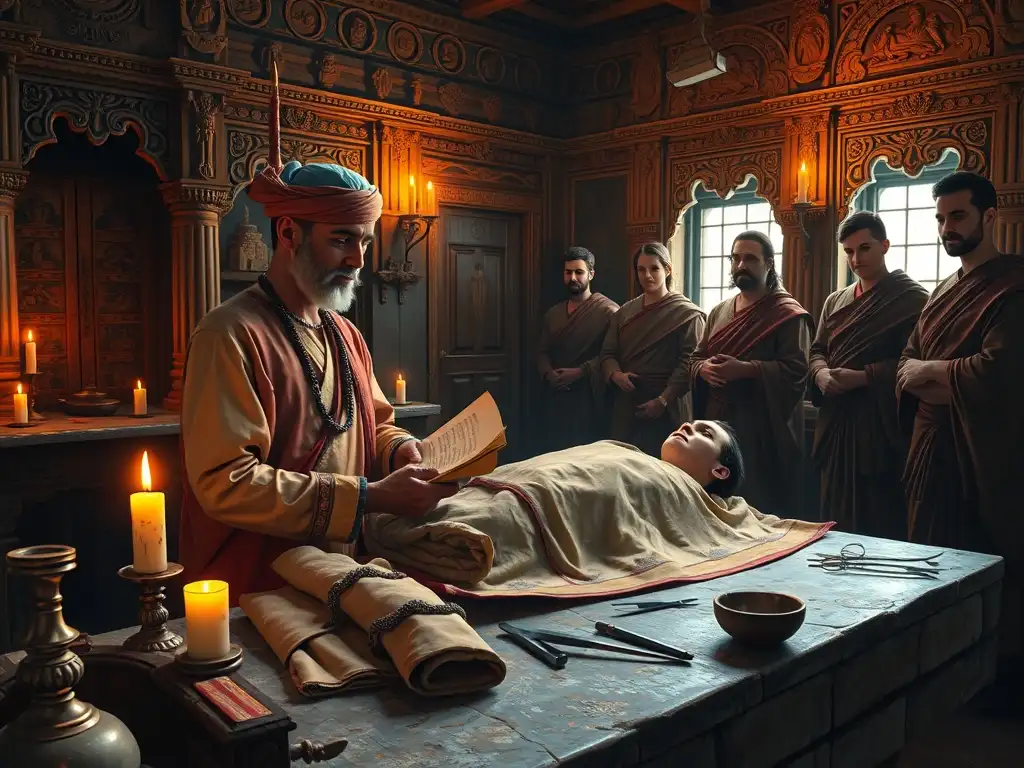
Surgery has long been a critical aspect of medical practice, evolving through centuries of empirical knowledge and cultural insights. In ancient India, surgeons faced various complications during surgical procedures, which could arise from factors such as patient anatomy, the intricacies of surgical techniques, and the tools available at the time. Understanding these complications is essential for appreciating the sophistication of ancient Indian surgical techniques, which were documented extensively in texts like the Sushruta Samhita.
Understanding Surgical Complications in Ancient Times
In ancient India, surgical complications were often viewed through a philosophical lens, intertwining medical practices with spiritual beliefs. Ancient surgeons, known as shalyakara, relied on a deep understanding of human anatomy and physiology, which they gained through rigorous training and practice.
Surgical complications could manifest in several ways, including:
- Infection: Due to the lack of antiseptic techniques, post-operative infections were a significant concern. Ancient Indian surgeons utilized herbal remedies to combat infections, demonstrating their understanding of the importance of cleanliness and wound care.
- Hemorrhage: Uncontrolled bleeding during surgery posed a serious risk. To mitigate this, ancient texts describe methods for cauterization and the application of pressure to control bleeding.
- Anesthesia Challenges: The administration of anesthesia was rudimentary, often relying on natural substances. Complications could arise if patients reacted adversely to these substances or if they were insufficient to manage pain during surgery.
- Wound Healing Issues: Factors like the patient's overall health and the surgical technique used could affect wound healing. Ancient surgeons emphasized the importance of diet and post-operative care in promoting healing.
These complications highlight the necessity for ancient Indian surgeons to be not only skilled practitioners but also adept problem-solvers, often developing innovative approaches to address the challenges they faced.
Common Complications Faced by Ancient Surgeons
Ancient surgeons in India encountered several common complications during their practice. Understanding these issues sheds light on the ingenuity and adaptability of ancient Indian surgical techniques.
- Infection Control:
- Techniques for sterilizing tools and managing wounds were crucial. Ancient texts recommend the use of specific herbs like Turmeric and Neem for their antiseptic properties.
- Surgeons were aware of the importance of operating in clean environments, which mitigated the risk of infection.
- Managing Hemorrhage:
- Cauterization was a widespread technique used to seal wounds and control bleeding. The use of heated metal instruments and herbal pastes played a critical role in this process.
- Compression bandages made from natural materials were utilized to apply pressure to bleeding areas.
- Pain Management:
- Ancient anesthetic techniques often involved the use of opiates and other natural substances. However, reactions varied, and some patients experienced adverse effects.
- Surgeons developed protocols for gauging the effectiveness of anesthetics and making adjustments as necessary.
- Post-operative Care:
- After surgery, patients were advised on specific diets and rest regimens to promote healing. This holistic approach reflected an understanding of the body’s needs post-surgery.
- The importance of follow-up visits was emphasized to monitor recovery and address any complications early.
- Surgical Site Complications:
- Issues such as dehiscence (wound reopening) were recognized, and surgeons implemented specific suturing techniques to minimize this risk.
- The use of medicinal herbs was common to promote healing and prevent complications at the surgical site.
The ancient Indian surgical landscape was complex, marked by a deep understanding of human anatomy, innovative problem-solving, and a blend of empirical knowledge with traditional wisdom. The surgical techniques developed during this period not only addressed the immediate needs of the patients but also laid the groundwork for future advancements in the field of surgery. The legacy of ancient Indian surgical practices continues to inspire modern medicine, illustrating the enduring impact of these pioneering techniques.
Techniques for Resolving Surgical Complications
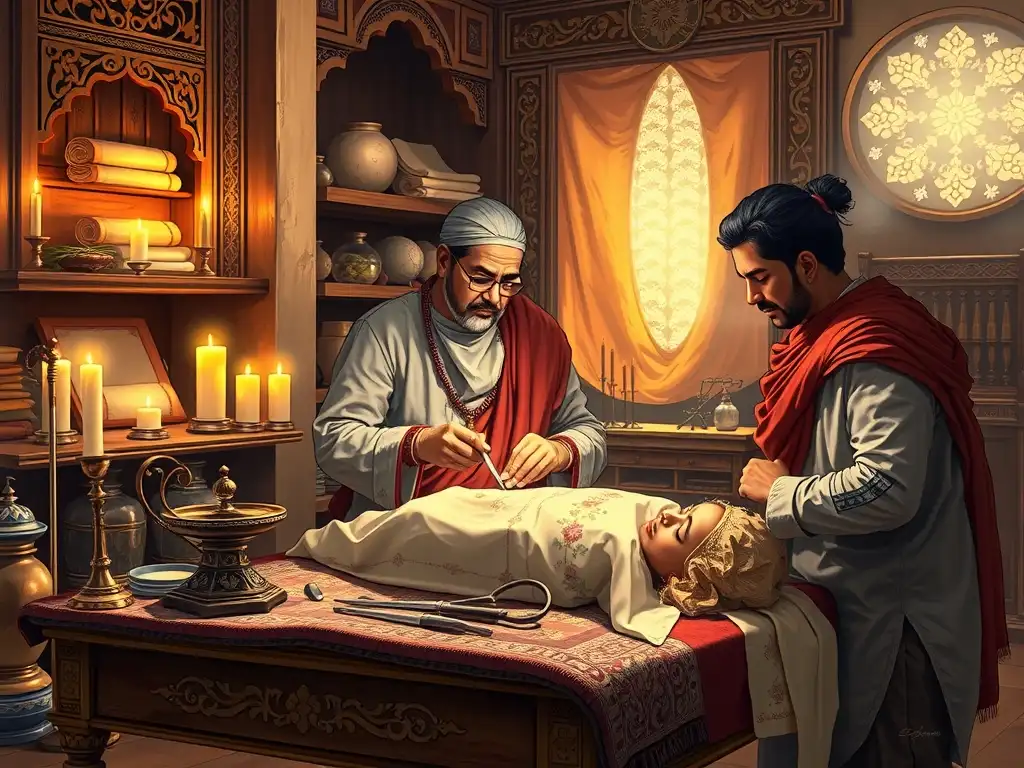
Innovative Methods Used by Ancient Indian Surgeons
Ancient Indian surgeons showcased remarkable ingenuity in their approach to resolving surgical complications. Their methods, underpinned by extensive anatomical knowledge and practical skills, laid the groundwork for many modern surgical practices. The texts attributed to Sushruta, often regarded as the father of surgery, detail various techniques that reflect a profound understanding of surgical anatomy and patient care.
Suture Techniques and Materials
One of the most significant advancements in ancient Indian surgical techniques was the development of sophisticated suture methods. Ancient texts suggest that surgeons used a variety of materials for suturing, including:
- Silk Threads: Known for their strength and flexibility, silk was commonly used for suturing internal organs.
- Animal Tendons: These were employed for their durability and were particularly useful in closing larger incisions or wounds.
- Plant Fibers: Certain fibrous plants were utilized for external suturing, providing a natural alternative that was both accessible and effective.
The choice of suture material was critical for minimizing infection and ensuring optimal healing, demonstrating the ancient surgeons' understanding of wound care. Moreover, the techniques ranged from simple interrupted sutures to more complex continuous sutures, showcasing their skill in managing various types of wounds and complications.
Herbal Remedies for Infection Control
In conjunction with surgical techniques, ancient Indian surgeons employed various herbal remedies to control infections post-surgery. Recognizing the risk of infection, they developed an arsenal of natural treatments, which included:
- Turmeric: Renowned for its antiseptic properties, turmeric was often applied to wounds to prevent infection and promote healing.
- Honey: Used for its antibacterial qualities, honey was applied directly to surgical sites to aid in recovery and reduce inflammation.
- Neem Leaves: Known for their medicinal properties, neem leaves were utilized in poultices to combat infection and encourage tissue regeneration.
These remedies not only complemented surgical practices but also reflected a holistic approach to patient care in ancient Indian medicine.
Case Studies of Successful Complication Management
Ancient Indian surgical practices are not merely theoretical; they are substantiated by numerous case studies that illustrate the effectiveness of their techniques in managing complications. These accounts reveal the expertise of surgeons in navigating challenging surgical circumstances.
Notable Surgeons and Their Contributions
Among the notable figures in ancient Indian surgery, Sushruta stands out for his pioneering work. His seminal text, the Sushruta Samhita, details over 300 surgical procedures and offers insights into various complications and their management.
Another significant figure is Charaka, who contributed to surgical practices through his comprehensive work on internal medicine, emphasizing the importance of pre-operative assessments and post-operative care.
These surgeons not only advanced surgical techniques but also laid the foundation for a medical system that prioritized patient safety and effective complication management. Their contributions illustrate the sophistication of ancient Indian surgical techniques and the enduring legacy of their practices in modern medicine.
Cultural and Ethical Considerations in Ancient Surgery
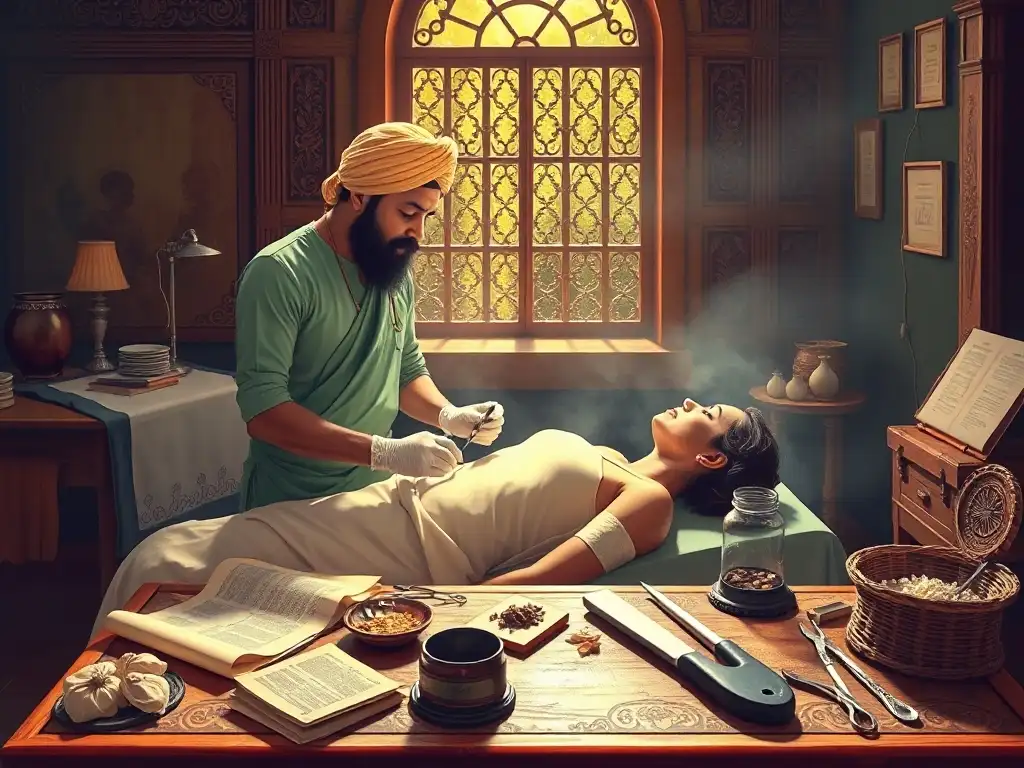
The Role of Religion and Philosophy in Surgical Practices
Ancient Indian surgical techniques were deeply intertwined with the cultural and religious beliefs of the time. The practice of surgery was not merely a clinical endeavor; it was often viewed through the lens of spiritual and philosophical frameworks. The influence of texts such as the Sushruta Samhita, attributed to the ancient surgeon Sushruta, highlights this relationship. This foundational work on surgery combines medical instruction with ethical guidelines, reflecting the broader philosophical context of ancient Indian society.
- Spiritual Beliefs: Surgery was often seen as a sacred art. Surgeons were regarded as practitioners who not only healed physical ailments but also restored the spiritual balance of their patients. This belief system elevated the status of surgeons within society and imbued their work with a sense of purpose.
- Philosophical Underpinnings: The philosophical teachings of Ayurveda, which advocate for a holistic approach to health, influenced surgical practices. Surgeons were expected to consider the overall well-being of the patient, including their mental and spiritual health, rather than focusing solely on physical symptoms.
- Rituals and Ethics: Before performing surgeries, ancient surgeons often conducted rituals to invoke divine protection and blessings. This integration of ritualistic elements into surgical practices underscored the belief that healing was a collaborative effort involving both human skill and divine intervention.
Ethical Considerations in Ancient Surgical Techniques
Ethics played a crucial role in shaping the practice of surgery in ancient India. The moral framework guiding surgeons was multifaceted, encompassing principles of compassion, responsibility, and respect for life.
- Principles of Non-Harm: Central to ancient Indian ethics was the principle of Ahimsa (non-violence). Surgeons were expected to minimize harm during surgical procedures, both in terms of physical injury and psychological distress to the patient. This principle led to the development of sophisticated techniques aimed at reducing pain and accelerating recovery.
- Informed Consent: Although the concept of informed consent as understood today was not formally established, ancient texts suggest that surgeons sought to ensure that patients were aware of the risks and benefits of surgical interventions. This aligns with the ethical imperative to respect patient autonomy, a value that resonates through time.
- Training and Accountability: The rigorous training of surgeons was emphasized in ancient texts. Aspiring surgeons underwent extensive education, which not only included practical skills but also ethical considerations. This comprehensive training ensured that practitioners were held accountable for their actions, fostering a culture of responsibility and professionalism within the field.
- Community Impact: The ethical framework also extended to the community. Surgeons often participated in communal decision-making about surgical practices, ensuring that their work aligned with the values and needs of the society they served. This communal approach fostered trust between practitioners and patients, reinforcing the notion that surgery was a shared responsibility.
The cultural and ethical considerations in ancient Indian surgical techniques reveal a complex interplay between medical practice, spirituality, and ethical responsibility. These factors not only shaped the methods employed by ancient surgeons but also influenced the societal perception of surgery as a vital and respected profession.
Legacy of Ancient Indian Surgical Techniques
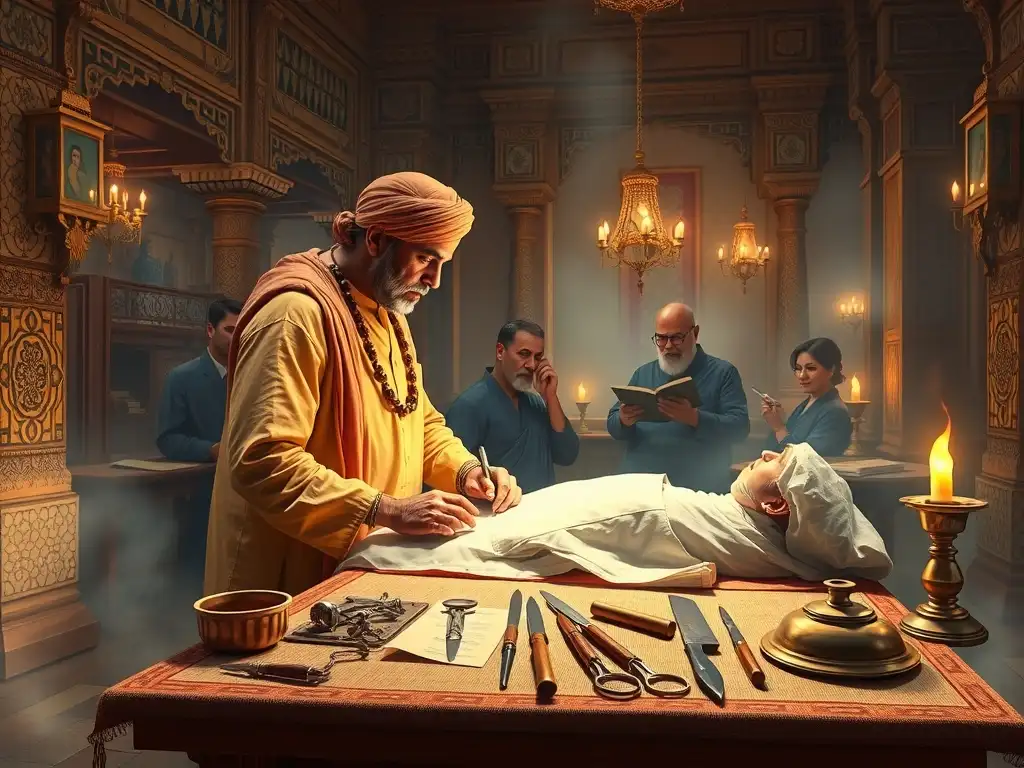
The legacy of ancient Indian surgical techniques is profound and multi-faceted, showcasing a rich tapestry of knowledge that has influenced both Eastern and Western medical practices. The foundational text in this domain is the Sushruta Samhita, attributed to Sushruta, often heralded as the "father of surgery." This ancient treatise, dating back to around 600 BCE, is one of the earliest comprehensive surgical texts in the world. It delineates various surgical procedures, instruments, and techniques that have been remarkably sophisticated for their time.
Influence on Modern Surgical Practices
The principles and techniques outlined in the Sushruta Samhita have had a lasting impact on modern surgical practices. Among the notable contributions are:
- Surgical Procedures: The text details over 120 surgical procedures, including techniques for performing rhinoplasty (reconstruction of the nose), cataract surgery, and various incisions and suturing methods.
- Instruments: Sushruta described an extensive array of surgical instruments, many of which have parallels in today’s surgical tools. For instance, scalpels, forceps, and probes from his era have evolved but still serve similar functions in contemporary surgery.
- Anesthesia and Pain Management: Ancient Indian surgeons utilized herbal medicines for anesthesia, demonstrating an early understanding of pain management that echoes in modern practices where anesthetics are crucial to patient care.
The remarkable accuracy and depth of Sushruta’s observations laid the groundwork for surgical education, emphasizing the importance of anatomy, technique, and patient safety, principles that resonate in today’s surgical training programs.
Relevance of Ancient Techniques in Contemporary Medicine
While modern medicine has made significant advancements, many ancient Indian surgical techniques remain relevant, particularly in the following areas:
- Ayurvedic Practices: Ancient surgical techniques are integrated into Ayurvedic medicine, which emphasizes holistic healing. Surgical interventions in Ayurveda often incorporate natural methods and a deep understanding of the human body, promoting a balanced approach to health.
- Minimally Invasive Techniques: Some ancient methods, particularly those concerning incision and suturing, align closely with today’s minimally invasive surgical practices. Techniques that minimize trauma to surrounding tissues are now prioritized to reduce recovery times and improve patient outcomes.
- Cultural Significance: The revival of interest in traditional medicine has led to a renewed focus on ancient techniques. Many practitioners are exploring these methods as complementary to modern practices, particularly in fields such as reconstructive surgery and wound healing.
- Surgical Training: Modern surgical education increasingly acknowledges the historical context of surgical practices. Integrating ancient techniques into training can provide a broader perspective on the evolution of surgery and highlight the importance of precision and careful technique.
The contributions of ancient Indian surgeons continue to resonate within the realm of modern medicine. Their innovative techniques not only laid the groundwork for various surgical disciplines but also fostered a holistic understanding of health that remains relevant today. As contemporary practitioners explore the intersection of ancient wisdom and modern science, the legacy of ancient Indian surgical techniques endures, inspiring future generations of surgeons.
Conclusion
Summary of Ancient Indian Surgical Techniques and Their Impact
Ancient Indian surgical techniques represent a remarkable blend of empirical knowledge and innovative practices that laid the groundwork for modern surgery. The Sushruta Samhita, attributed to the ancient surgeon Sushruta, is one of the earliest texts documenting surgical procedures and practices, emphasizing the importance of anatomy, surgical tools, and patient care. This foundational work not only outlined hundreds of surgical techniques but also classified surgical procedures into various categories, including:
- External Surgery: Procedures such as excisions, suturing, and treatment of wounds.
- Internal Surgery: Techniques addressing internal complications, including those related to the gastrointestinal and respiratory systems.
- Plastic Surgery: Notably, the reconstruction of noses and ears, which were common surgeries due to injuries or societal practices.
The impact of these techniques was profound, as they advanced the understanding of human anatomy and surgical methods well beyond their time. The meticulous attention to hygiene and pre-operative considerations observed in ancient Indian texts reflects a surprisingly modern comprehension of surgical principles. For instance, Sushruta emphasized the importance of a sterile environment and the proper handling of instruments, which aligns with today’s surgical standards.
Moreover, surgical practitioners in ancient India utilized a variety of specialized instruments, many of which remain relevant today. Tools such as scalpels, forceps, and suction devices were crafted with precision, showcasing the artisanship of Indian metalworkers. The effective use of anesthesia, particularly through herbal concoctions, further highlights the sophistication of ancient Indian surgical practices.
Final Thoughts on the Importance of Historical Medical Practices
Understanding ancient Indian surgical techniques is crucial not only for appreciating the historical context of medicine but also for recognizing the evolution of surgical practices over millennia. These techniques underscore the significance of traditional knowledge systems and their contributions to contemporary medicine.
As we delve into the intricacies of ancient surgical methods, it's essential to acknowledge their holistic approach to health, which encompassed not only physical but also mental and spiritual well-being. The emphasis on patient care and ethical considerations in surgery reflects a deep-seated philosophy that resonates with modern medical ethics.
The study of ancient Indian surgical techniques provides valuable insights into the ingenuity of past civilizations and inspires ongoing research in medical history. By honoring and examining these practices, we foster a greater understanding of the foundations of medicine, reinforcing the idea that modern healthcare is built upon centuries of cumulative knowledge and experience.
Frequently Asked Questions
What were some common ancient Indian surgical techniques?
Ancient Indian surgeons employed a variety of advanced techniques, including surgical tools made from metals and methods for suturing wounds, which highlighted their understanding of human anatomy.
How did ancient Indian surgeons handle surgical complications?
Surgeons used a range of strategies to manage complications, such as draining abscesses, performing revisions of surgical sites, and employing herbal remedies to prevent infections.
What role did Ayurveda play in ancient Indian surgery?
Ayurveda provided a comprehensive framework for health and surgery, guiding ancient Indian surgeons in diagnosis, treatment options, and holistic patient care approaches.
What are some notable ancient texts on surgery from India?
Works like the Sushruta Samhita and Charaka Samhita are key texts that document surgical techniques, medical practices, and the philosophy behind ancient Indian medicine.
How did the cultural context influence ancient Indian surgical practices?
The cultural context, including beliefs in spirituality and natural remedies, significantly influenced surgical practices, where the integration of science and spirituality was common in treatment approaches.
Final Reflection: The Enduring Legacy of Ancient Indian Surgical Techniques
The remarkable ingenuity of ancient Indian surgeons in resolving surgical complications remains profoundly relevant today. As we navigate the complexities of modern medicine, the lessons gleaned from these historical practices remind us of the importance of adaptability and innovation in the face of challenges. The ability to think critically and respond effectively to unforeseen complications is a timeless skill that transcends eras and continues to influence contemporary surgical practices.
Cultural and social landscapes have been significantly shaped by the advancements made in ancient Indian surgical techniques. The meticulous methods and ethical considerations employed by these surgeons not only laid the groundwork for future medical practices but also fostered a deep respect for the human body and the healing process. As noted by the renowned surgeon Sushruta, “Wherever there is a surgeon, there is a way.” This quote encapsulates the spirit of resilience and creativity that has defined surgical practices throughout history, inspiring generations of medical professionals to push the boundaries of what is possible.
As we reflect on the wisdom of our ancestors, let us embrace the call to integrate these ancient teachings into our modern practices. Consider how you can apply the principles of adaptability, compassion, and innovation in your own life or profession. Whether you are a medical practitioner, a student, or simply someone interested in the art of healing, take a moment to ponder how the legacy of ancient Indian surgical techniques can inspire you to approach challenges with a fresh perspective and a commitment to excellence.
Unveil the Secrets of Ancient Surgical Mastery!
Thank you for diving into the fascinating world of ancient Indian surgeons! You've gained insights into their remarkable skills and innovative techniques in managing complications during surgery. Now, it’s time to take that knowledge further and explore the legacy of these incredible healers.
Here's how you can engage with this rich history:
- Dive Deeper: Research the surgical texts of ancient India. Explore the incredible methods and case studies documented in works such as the "Sushruta Samhita."
- Share the Knowledge: Discuss your insights with friends or on social media! Engage others in the conversation about ancient medical practices and their relevance today.
- Join a Community: Connect with history enthusiasts and medical professionals by joining forums or online groups that focus on ancient medicine. You might uncover even more hidden treasures!
Now, let me ask you: What aspects of ancient Indian surgery do you find most intriguing, and how might they influence modern medical practices?