
The Role of Meditation Retreats in Deepening Buddhist Practice

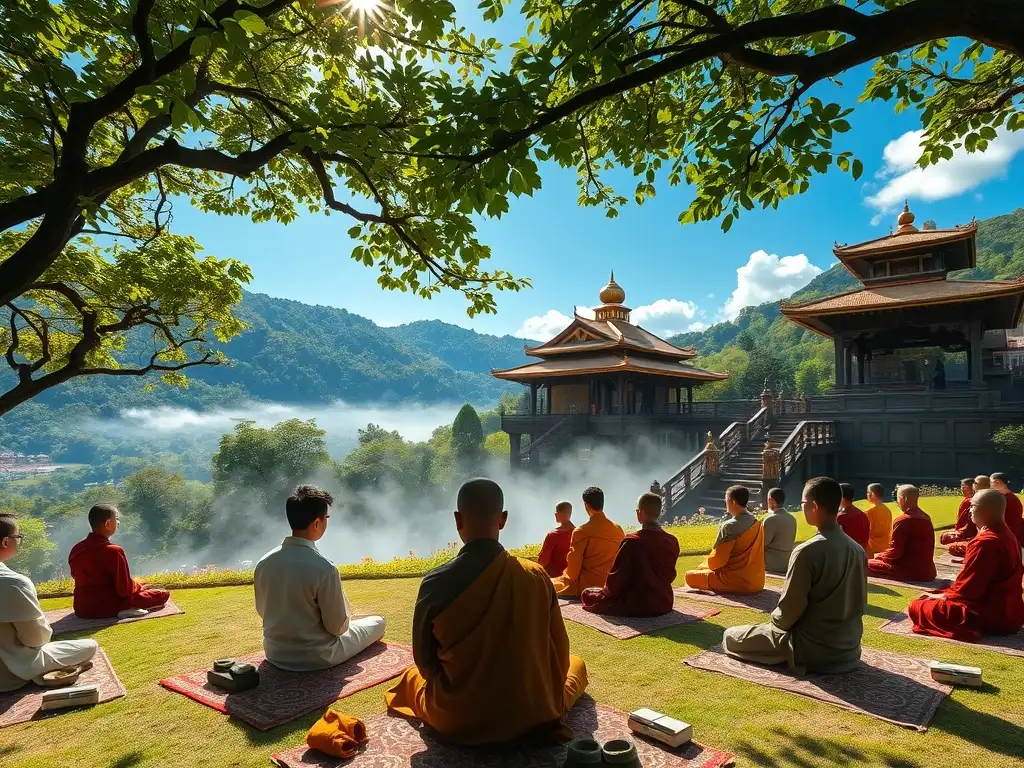
Welcome to Ancient India History, where the echoes of time unveil the intricate tapestry of ancient Indian civilizations. Dive into the rich and diverse history, culture, and contributions that have shaped the subcontinent, from the enigmatic Indus Valley to the illustrious Gupta Empire. In our featured article, we explore the fascinating history of Buddhist meditation retreats and their profound impact on deepening spiritual practices. What secrets lie within these serene sanctuaries? Join us on this journey to uncover the transformative power of meditation that has flourished through centuries. Your exploration begins here!
- Introduction to Buddhist Meditation Retreats
- Historical Background of Buddhist Meditation Retreats
- The Role of Meditation Retreats in Deepening Practice
- Types of Buddhist Meditation Retreats
- Benefits of Attending Meditation Retreats
- Challenges Faced During Meditation Retreats
- Conclusion: The Significance of Meditation Retreats in Modern Buddhism
- Call to Action
-
Frequently Asked Questions
- What is the significance of Buddhist meditation retreats in practice?
- How did meditation retreats evolve in ancient India?
- What are the major benefits of attending a meditation retreat?
- How do Buddhist meditation retreats differ from other types of retreats?
- Can anyone participate in a Buddhist meditation retreat?
- Final Reflection: Embracing the Journey of Buddhist Meditation Retreats
- Embrace Your Journey: Deepen Your Practice Through Meditation!
Introduction to Buddhist Meditation Retreats
Buddhism, one of the most profound and influential religious traditions to emerge from ancient India, has deeply integrated meditation as a core practice. The practice of meditation serves as a pathway to enlightenment, cultivating mindfulness, compassion, and wisdom among practitioners. As Buddhism spread across Asia and the world, the establishment of meditation retreats became crucial for individuals seeking a deeper understanding of Buddhist teachings and a more immersive experience in their meditation practice. This article delves into the history of Buddhist meditation retreats, exploring their significance in enriching spiritual development and enhancing the overall practice of Buddhism.
Definition of Meditation Retreats in Buddhism
Meditation retreats in Buddhism can be defined as dedicated periods where individuals withdraw from their daily lives to engage in intensive meditation practice. These retreats often take place in serene environments that promote tranquility and mindfulness, allowing practitioners to focus solely on their meditation without distractions.
Key characteristics of meditation retreats include:
- Duration: Retreats can span from a few days to several months, depending on the goals and traditions of the participants.
- Guidance: Most retreats are led by experienced meditation teachers who provide instruction and support, helping participants deepen their practice.
- Silence and Reflection: Many retreats emphasize noble silence, where participants refrain from speaking to foster inner reflection and awareness.
- Community (Sangha): Retreats often bring together like-minded individuals, allowing for a sense of community and shared experience in the pursuit of mindfulness and enlightenment.
Importance of Meditation in Buddhist Practice
Meditation is central to Buddhist practice, serving as both a means of cultivating insight and a tool for personal transformation. The importance of meditation can be understood through several key aspects:
- Cultivation of Mindfulness: Regular meditation practice helps practitioners develop mindfulness, the ability to remain present and aware of their thoughts, emotions, and surroundings. This heightened awareness is fundamental in overcoming suffering and achieving clarity of mind.
- Deepening Understanding of Teachings: Meditation allows practitioners to directly experience the principles of Buddhism, such as impermanence, suffering, and non-self. Through meditation, individuals can gain insights that reinforce their understanding of these core teachings.
- Spiritual Development: Meditation retreats provide an opportunity for intensive practice, where participants can cultivate virtues like compassion, loving-kindness, and equanimity. This immersion fosters personal growth and spiritual maturity.
- Connection to Tradition: Engaging in meditation retreats connects practitioners to the rich historical lineage of Buddhist meditation, from the Buddha’s own experiences under the Bodhi tree to the contemporary practices observed in various Buddhist schools today.
Buddhist meditation retreats play a pivotal role in deepening the practice of meditation, enhancing spiritual growth, and connecting practitioners to the historical roots of Buddhism. By exploring the history of these retreats, we can appreciate their significance in the broader context of ancient Indian religions and the continued relevance of Buddhist practices today.
Historical Background of Buddhist Meditation Retreats
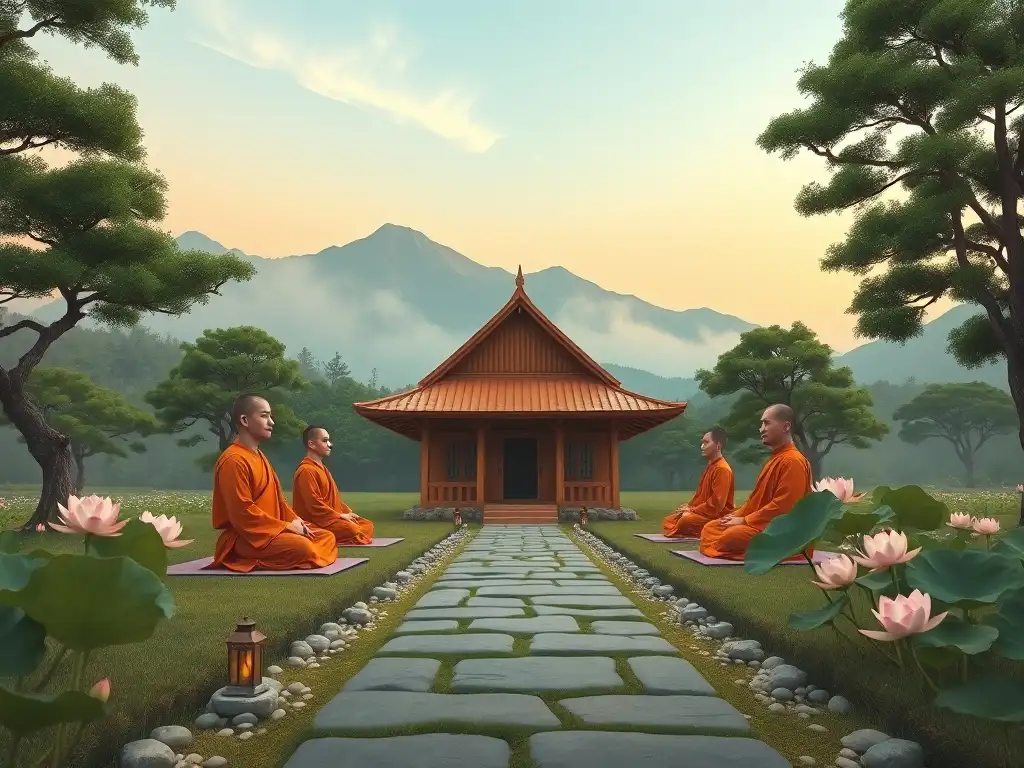
Early Origins of Meditation Practices in Ancient India
The roots of meditation in ancient India can be traced back to the Vedic texts, which date as far back as 1500 BCE. Early forms of meditation, known as "dhyana," were primarily linked to the rituals and spiritual practices of the Vedic tradition. These practices often involved the recitation of mantras, contemplation, and deep concentration, aimed at achieving spiritual enlightenment and union with the divine.
In ancient texts such as the Upanishads, meditation is presented as a path to understanding the self and the universe. The Upanishads emphasize the importance of introspection and the practice of stillness, laying the groundwork for what would later evolve into Buddhist meditation. The philosophy of moksha—liberation from the cycle of birth and death—was a central theme, encouraging practitioners to seek deeper states of consciousness through meditation.
Key Features of Early Meditation Practices:
- Focus on Breath and Pranayama: Early meditation techniques included breath control, which is still a fundamental aspect of meditation today.
- Contemplation of Nature: Practitioners often meditated in natural surroundings, promoting a strong connection to the environment.
- Introspective Practices: The emphasis was on self-examination and understanding one's place in the cosmos.
Development of Meditation Retreats in the Context of Buddhism
With the emergence of Buddhism in the 5th century BCE, meditation took on new dimensions. The historical figure of Siddhartha Gautama, known as the Buddha, introduced a systematized approach to meditation that emphasized mindfulness and awareness as essential components of the spiritual path. The Buddha's teachings highlighted the Four Noble Truths and the Eightfold Path, with meditation playing a crucial role in achieving enlightenment.
Buddhist Meditation Retreats:
- Establishment of Monastic Communities: The Buddha encouraged the formation of monastic communities (sanghas) where individuals could retreat from worldly distractions and focus on meditation. These communities became centers for intensive meditation practice.
- Meditation as a Communal Activity: Unlike earlier solitary practices, Buddhist retreats often involved group meditation, fostering a sense of community and support among practitioners.
- Diverse Techniques: Various meditation techniques emerged, including Samatha (calm abiding) and Vipassana (insight), each with its own objectives and methods.
Over time, the practice of meditation within Buddhism evolved into structured retreats that offered periods of intensive meditation and teachings. Such retreats became crucial for deepening one's practice and understanding of Buddhist principles.
Key Historical Figures Influencing Meditation Retreats
Throughout the history of Buddhism, several key figures have significantly influenced the development of meditation retreats:
- Siddhartha Gautama (Buddha): As the founder of Buddhism, his teachings laid the foundation for meditation practices and the establishment of monastic retreats.
- Bodhidharma: A legendary figure credited with bringing meditation from India to China, Bodhidharma emphasized the importance of meditation in Zen Buddhism, influencing the format of retreats in East Asia.
- Shantideva: An 8th-century Indian monk whose work "Bodhicaryavatara" integrated meditation with the practice of compassion, shaping the philosophical underpinnings of retreat practices.
- Dogen Zenji: A 13th-century Japanese Zen master who emphasized zazen (seated meditation) and the importance of dedicated meditation retreats in achieving enlightenment.
These figures and their teachings have played pivotal roles in shaping the history and practice of Buddhist meditation retreats, making them integral to the spiritual journey of practitioners across different cultures and regions.
The historical evolution of Buddhist meditation retreats reflects a rich tapestry of influences, from ancient Indian practices to the teachings of pivotal Buddhist figures, each contributing to the depth and diversity of meditation within the Buddhist tradition.
The Role of Meditation Retreats in Deepening Practice
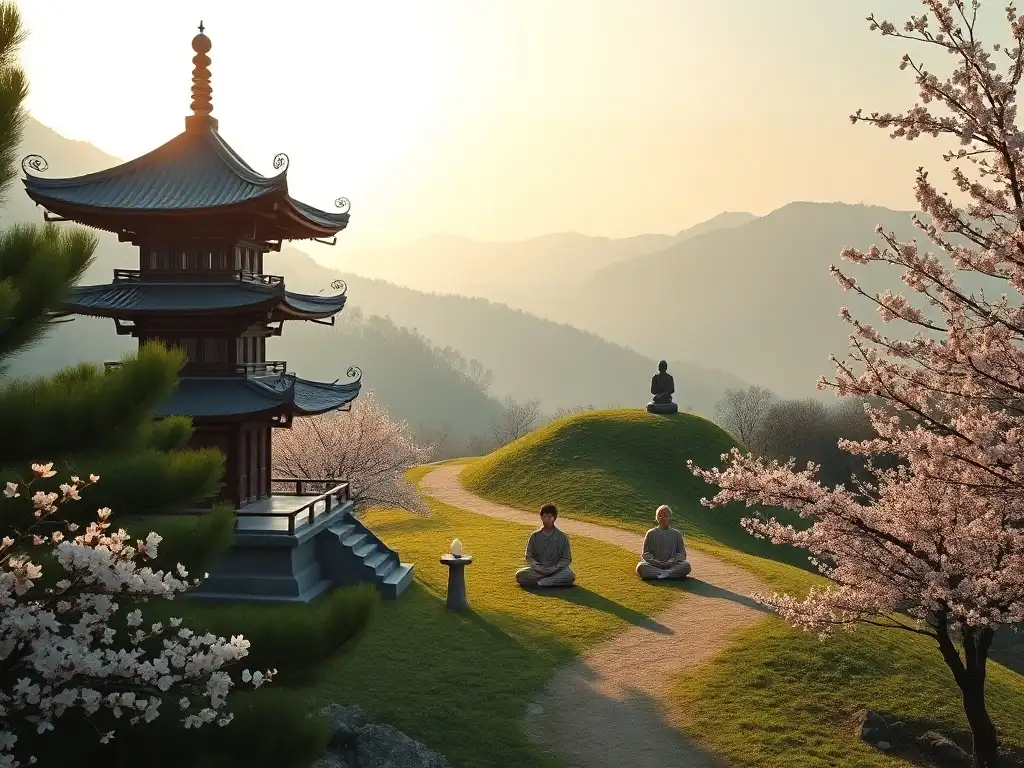
Enhancing Mindfulness Through Retreats
Meditation retreats have played a significant role in the history of Buddhist practice, serving as immersive environments where practitioners can deepen their mindfulness and cultivate a greater understanding of their inner selves. These retreats often span several days to months, allowing participants to engage in intensive meditation practices, study teachings, and participate in rituals, all aimed at fostering mindfulness.
Key Components of Mindfulness in Retreats:
- Structured Environment: Retreats provide a structured schedule that includes periods of meditation, Dharma talks, and mindful eating, which helps participants focus solely on their practice.
- Guidance from Teachers: Experienced teachers guide participants through various meditation techniques, offering personalized feedback and support, which enhances the mindfulness experience.
- Detachment from Daily Life: By removing distractions and daily responsibilities, participants can cultivate a deeper sense of presence and awareness of their thoughts and emotions.
As practitioners engage in sustained meditation, they often report heightened states of awareness and clarity. This deepened mindfulness is crucial, as it allows individuals to observe their thoughts without attachment, leading to insights that are essential for personal growth and understanding the nature of suffering as taught in Buddhism.
The Impact of Silence and Solitude on Spiritual Growth
Silence and solitude are fundamental aspects of meditation retreats that significantly contribute to spiritual growth. The practice of remaining silent—often referred to as "noble silence"—creates a conducive atmosphere for introspection and self-discovery.
Benefits of Silence and Solitude:
- Inner Peace: The absence of external chatter and distractions allows individuals to experience a profound sense of peace, which is essential for spiritual development.
- Self-Reflection: Participants can engage in deep self-reflection, exploring their thoughts and emotions without the interference of daily life. This self-inquiry can lead to transformative insights about one's true nature and the nature of reality.
- Emotional Healing: Solitude can provide a safe space for individuals to confront and process suppressed emotions, facilitating emotional healing and growth.
Research indicates that extended periods of silence can enhance cognitive functions and emotional regulation, making it a powerful tool in deepening one's Buddhist practice. By fully embracing silence, practitioners can cultivate compassion and wisdom, aligning with the core teachings of Buddhism.
Community and Sangha: The Role of Group Retreats
The concept of Sangha, or community, is vital in Buddhism, and group retreats exemplify this principle. Practicing in a group setting fosters a sense of belonging and support, enhancing the overall retreat experience.
Advantages of Group Retreats:
- Shared Intentions: Participants in group retreats often share similar goals, creating a powerful collective intention that can amplify individual practices.
- Mutual Support: The camaraderie built during retreats allows for encouragement and accountability, which can be particularly beneficial during challenging moments in meditation.
- Diverse Perspectives: Engaging with fellow practitioners from various backgrounds enriches the retreat experience. Sharing insights and experiences can lead to deeper understandings of Buddhist teachings and practices.
Group retreats also provide opportunities for participants to engage in discussions, share personal experiences, and build lasting connections with others on similar spiritual paths. This sense of community is crucial in maintaining a sustained practice after the retreat ends, as individuals can continue to support each other's journeys within the framework of the Sangha.
Meditation retreats have a profound impact on the development of Buddhist practice, enhancing mindfulness through structured environments, fostering spiritual growth through silence and solitude, and nurturing community through shared experiences. Each of these elements contributes to the rich tapestry of Buddhist meditation retreats history, highlighting their importance in the journey of self-discovery and enlightenment.
Types of Buddhist Meditation Retreats
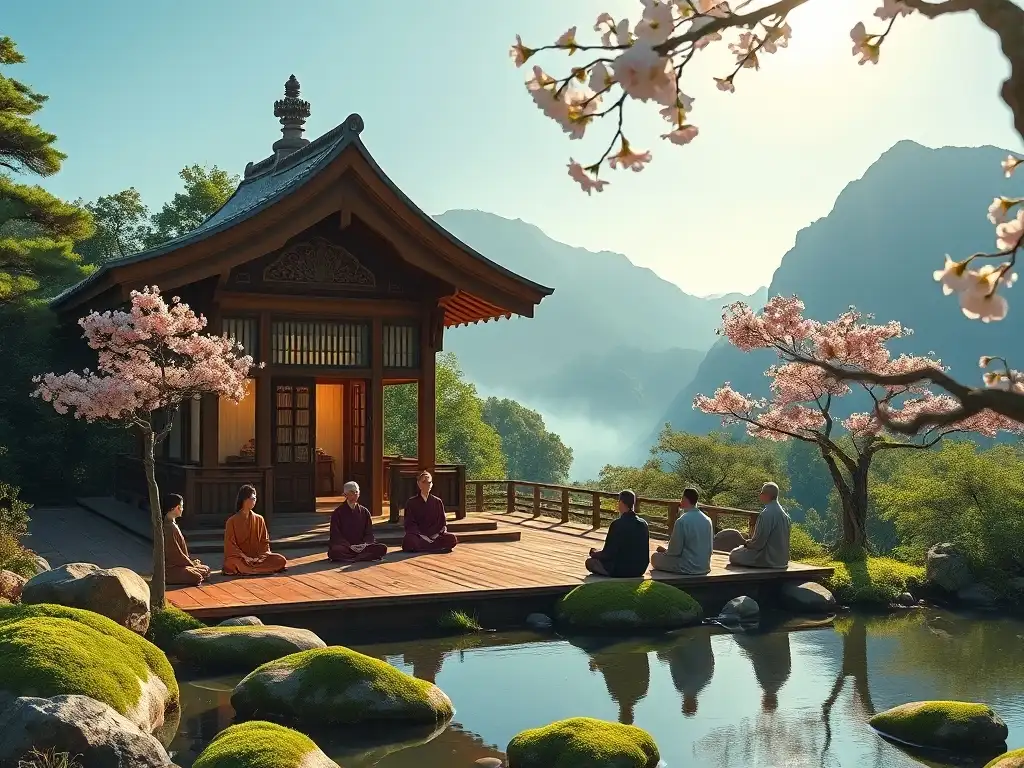
Buddhist meditation retreats serve as vital environments for practitioners to deepen their understanding and experience of meditation, mindfulness, and the teachings of the Buddha. These retreats vary in style, duration, and practice, catering to the diverse needs of individuals seeking spiritual growth. Below, we explore some of the most prominent types of Buddhist meditation retreats.
Vipassana Retreats: An Overview
Vipassana, often translated as "insight" or "clear seeing," is one of the oldest forms of meditation taught by the Buddha. Vipassana retreats typically focus on cultivating mindfulness and understanding the nature of existence through direct observation of thoughts, feelings, and bodily sensations.
- Duration: Vipassana retreats often last from 10 days to several months, where participants engage in intensive meditation practices.
- Schedule: A typical day at a Vipassana retreat might include:
- Early Morning: Meditation from 4:00 AM
- Morning Sessions: Alternate between sitting and walking meditation
- Afternoon: Group discussions and silence periods
- Evening: More meditation followed by teachings from the retreat leader
In Vipassana, the emphasis is on self-observation and cultivating an understanding of impermanence.
Participants maintain noble silence, refraining from communication with others to focus inwardly. The primary aim is to cultivate insight into the Three Marks of Existence: impermanence, suffering, and non-self.
Zen Meditation Retreats: Practices and Principles
Zen meditation, known as Zazen, emphasizes seated meditation as the core practice. Zen retreats are deeply rooted in the principles of simplicity and discipline, allowing practitioners to explore the nature of their thoughts and existence.
- Structure: Zen retreats typically include:
- Zazen Sessions: Extended periods of seated meditation, often interspersed with walking meditation (Kinhin).
- Teisho: Teachings from a Zen master, providing philosophical insights into Zen practice.
- Work Practice: Participants engage in communal tasks (Samu), promoting mindfulness in daily activities.
Key Principles of Zen Retreats:
- Simplicity: Zen encourages minimalism in thoughts and surroundings.
- Mindfulness: Every action, from eating to walking, is performed with awareness.
- Community: Practicing with others fosters a sense of shared experience and support.
Through Zazen, practitioners seek to experience the present moment fully, transcending the dualities of thought.
Zen retreats can range from a weekend to several weeks, focusing on fostering a deep, meditative state that allows for profound insights into one’s own mind.
Tibetan Buddhist Retreats: Unique Traditions and Techniques
Tibetan Buddhist retreats are known for their rich tapestry of rituals, visualization practices, and teachings centered around compassion and wisdom. These retreats often incorporate elements of Tantric Buddhism, emphasizing the transformative potential of meditation.
- Focus Areas: Key practices in Tibetan retreats may include:
- Mahamudra: A profound practice aimed at realizing the nature of the mind.
- Tonglen: A practice of giving and receiving to cultivate compassion.
- Mantra Recitation: Chanting sacred syllables to invoke spiritual energies.
Characteristics of Tibetan Retreats:
- Rituals: Many retreats incorporate rituals that align with the Tibetan Buddhist worldview, including offerings and ceremonies.
- Teachings: Participants often receive teachings from experienced lamas or monks, who provide guidance on both meditation techniques and philosophical concepts.
Tibetan Buddhist retreats emphasize the union of study and practice, helping practitioners integrate teachings into their daily lives.
Retreats can range from short weekend experiences to extensive months-long programs, often held in remote monasteries or centers designed to foster a contemplative atmosphere.
Each type of Buddhist meditation retreat offers unique practices and teachings, allowing practitioners to explore and deepen their meditation journey. From the insight-oriented approach of Vipassana to the simplicity of Zen and the rich traditions of Tibetan Buddhism, these retreats play a crucial role in the history and development of Buddhist meditation practices.
Benefits of Attending Meditation Retreats
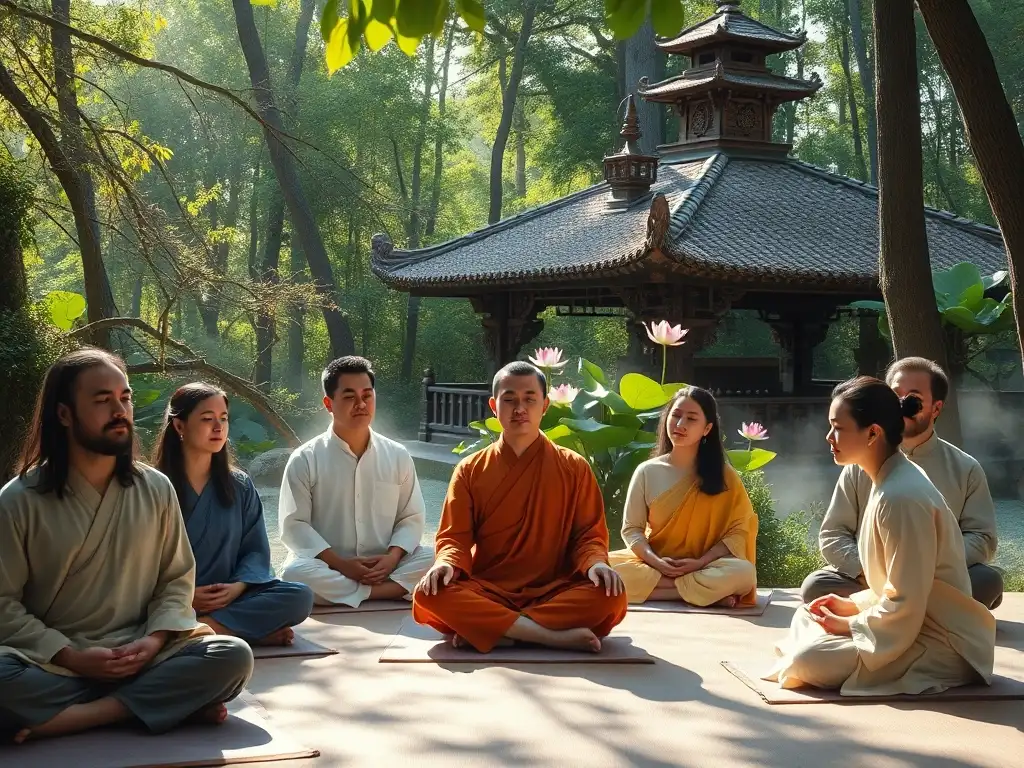
Meditation retreats have become a significant aspect of Buddhist practice, offering practitioners an immersive environment to deepen their meditation experience. These retreats provide a structured setting that encourages individuals to step away from the distractions of daily life, allowing for profound psychological, emotional, spiritual, and physical benefits.
Psychological and Emotional Benefits of Meditation Retreats
Participating in a meditation retreat can lead to transformative psychological and emotional outcomes. Key benefits include:
- Stress Reduction: Immersive meditation practices help reduce cortisol levels, leading to decreased stress and anxiety. Research indicates that participants often report feeling more relaxed and centered after retreats.
- Enhanced Focus and Concentration: Extended periods of meditation enhance one's ability to concentrate. Many practitioners notice improved attention spans and the ability to remain present in their daily activities.
- Emotional Resilience: Regular meditation fosters a greater understanding of one's emotions. This self-awareness equips individuals to handle emotional challenges more effectively, leading to increased resilience and a positive outlook on life.
- Increased Mindfulness: Retreats emphasize mindfulness, teaching participants to live in the moment. This heightened awareness can lead to a deeper appreciation of everyday experiences.
Spiritual Growth Through Intensive Practice
The spiritual benefits of meditation retreats are profound, offering practitioners the opportunity to deepen their connection with Buddhist teachings and their own spiritual journeys:
- Connection with the Community: Retreats foster a sense of community among participants, creating a supportive environment that encourages shared experiences and collective growth.
- Deepening of Insight: Intensive meditation practice allows individuals to explore Buddhist concepts such as impermanence, suffering, and non-attachment. This exploration can lead to significant spiritual insights.
- Clarification of Intentions: Extended periods of reflection help practitioners clarify their spiritual intentions. Many individuals leave retreats with a renewed sense of purpose and direction in their practice.
- Guidance from Experienced Teachers: Most retreats are led by experienced instructors who offer valuable insights and teachings. This direct guidance enhances the understanding of meditation techniques and Buddhist philosophy.
Physical Health Advantages of Meditation
Beyond psychological and spiritual benefits, meditation retreats also offer significant physical health advantages that are often overlooked:
- Improved Sleep Quality: Participants frequently report better sleep patterns post-retreat. The relaxation techniques learned during meditation help to calm the mind, leading to deeper and more restorative sleep.
- Reduced Blood Pressure: Regular meditation has been linked to lower blood pressure levels. Studies show that prolonged meditation practice can have a calming effect on the cardiovascular system.
- Enhanced Immune Function: Engaging in meditation can positively impact the immune system. Research indicates that individuals who meditate regularly may experience fewer illnesses and faster recovery times.
- Promotion of Healthy Habits: Meditation retreats often encourage participants to adopt healthier lifestyles, including better nutrition and physical activity, contributing to overall health improvement.
Attending Buddhist meditation retreats offers a multitude of benefits that extend far beyond the practice of meditation itself. From psychological and emotional healing to spiritual growth and physical health improvements, these retreats serve as a powerful catalyst for personal transformation and deeper engagement with Buddhist teachings.
Challenges Faced During Meditation Retreats
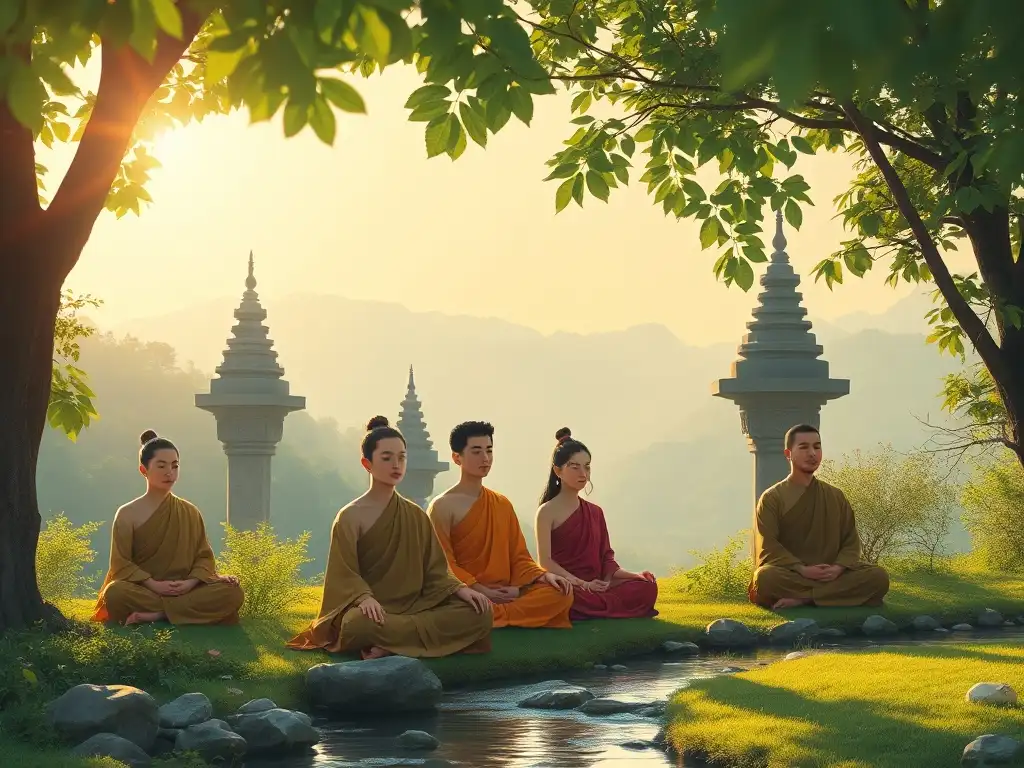
Meditation retreats provide a unique environment conducive to deepening one’s practice and exploring the teachings of Buddhism. However, participants often encounter various challenges that may hinder their experience. Understanding these challenges is essential for both practitioners and facilitators to create a supportive atmosphere.
Common Obstacles in Retreat Settings
- Mental Restlessness
- During meditation, individuals frequently experience a flurry of thoughts and distractions. This can be particularly pronounced in retreat settings where silence is maintained, exacerbating feelings of anxiety or frustration.
- Physical Discomfort
- Long hours of sitting can lead to physical discomfort, including pain in the back, knees, or hips. This discomfort can distract meditators from their practice, making it challenging to maintain focus.
- Emotional Turbulence
- Retreats often bring unresolved emotions to the surface. Participants may face anger, sadness, or fear as they delve deeper into their practice, which can be overwhelming without proper guidance.
- Unrealistic Expectations
- Many individuals enter retreats with high expectations for immediate enlightenment or profound insights. When these expectations are not met, disappointment can set in, leading to disengagement from the practice.
- Social Dynamics
- The group setting of a retreat can lead to interpersonal conflicts or feelings of comparison among participants. This can create tension and detract from the personal journey of meditation.
Strategies for Overcoming Challenges
- Mindfulness of Thoughts
- Practitioners can learn to observe their thoughts without attachment. Techniques such as labeling thoughts as "thinking" or "feeling" can help maintain focus and reduce the impact of mental restlessness.
- Adjusting Posture
- It is vital for participants to find a comfortable meditation posture. Utilizing props like cushions or chairs can alleviate physical discomfort, allowing for longer and more productive meditation sessions.
- Emotional Processing
- Facilitators can provide guidance on how to process emotional experiences during retreats. Techniques such as journaling or sharing in small groups can help participants navigate their feelings in a supportive environment.
- Setting Realistic Goals
- Before the retreat, participants should be encouraged to set realistic intentions rather than rigid expectations. Emphasizing the journey of practice over the destination can foster a more accepting and open mindset.
- Fostering Community
- Building a sense of community among participants is essential. Encouraging open communication and creating opportunities for connection can help alleviate social tensions and enhance the retreat experience.
By understanding and addressing these challenges, meditation retreats can serve as profound experiences for practitioners, deepening their understanding of Buddhist teachings and enhancing their meditation practices.
Conclusion: The Significance of Meditation Retreats in Modern Buddhism
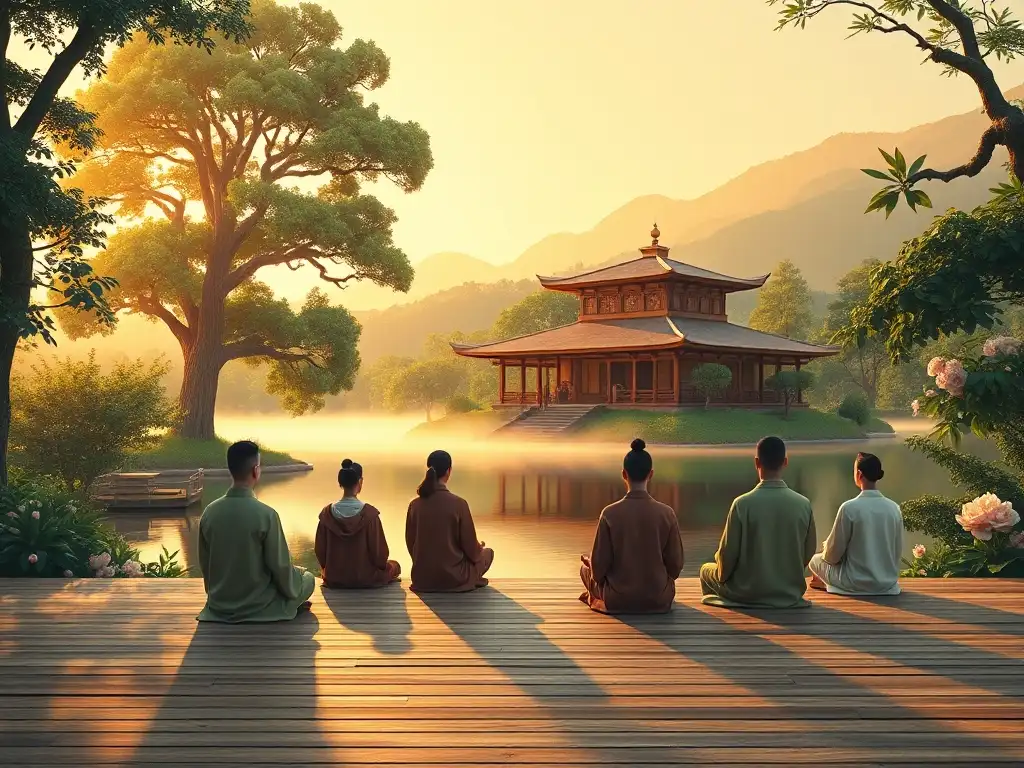
Meditation retreats play a pivotal role in the practice of Buddhism, serving as sanctuaries where practitioners can immerse themselves in meditation, mindfulness, and the teachings of the Buddha. These retreats not only offer a respite from the chaos of daily life but also serve as a means to deepen one's understanding and experience of Buddhist philosophy. The significance of these retreats is rooted in their historical context, which has evolved alongside Buddhist teachings since their inception.
Reflecting on the Historical Context of Buddhist Meditation Retreats
Buddhist meditation retreats have a rich history that dates back to the time of the Buddha himself. The earliest records indicate that the Buddha spent extensive periods meditating in secluded places, teaching his disciples the importance of solitude and focused practice. These foundational practices laid the groundwork for the development of meditation retreats as a structured approach to deepening one's spiritual practice.
- Ancient Practices: The tradition of retreat can be traced back to the Indus Valley Civilization, where early forms of meditation were practiced. As Buddhism spread, these practices evolved, integrating various techniques that emphasized mindfulness, concentration, and insight.
- Formation of Monastic Communities: With the establishment of monastic communities, retreats became more organized. Monasteries served as centers for learning and practice, where monks would engage in intensive meditation periods, often isolating themselves for weeks or even months to deepen their practice.
- Cultural Influences: Over centuries, meditation retreats have been influenced by regional cultures as Buddhism spread across Asia. For instance, in Tibet, the tradition of meditation retreats became intertwined with Tibetan Buddhist practices, while in Japan, Zen meditation retreats (sesshin) emerged, emphasizing zazen (sitting meditation) in a communal setting.
The historical context of these retreats underscores their significance in maintaining the continuity of Buddhist practices and teachings, as well as adapting to the needs of contemporary practitioners.
Future Perspectives on Meditation Retreats in Buddhist Practice
As Buddhism continues to flourish globally, the future of meditation retreats appears promising yet challenging. Several trends and perspectives are shaping how these retreats will evolve:
- Increased Accessibility: With the rise of technology and online platforms, meditation retreats are becoming more accessible. Virtual retreats allow practitioners to engage in guided meditations and teachings from the comfort of their homes, expanding the reach of Buddhist teachings.
- Integration of Modern Psychology: There is a growing interest in integrating insights from modern psychology with traditional Buddhist practices. This fusion can enhance the effectiveness of meditation retreats, particularly in addressing mental health issues such as anxiety and depression.
- Sustainability and Eco-Consciousness: As awareness of environmental issues grows, many meditation retreats are adopting sustainable practices. This includes using eco-friendly facilities, promoting mindfulness in daily living, and encouraging practitioners to connect with nature during their retreats.
- Diversity of Practices: The future may also see a diversification in the types of meditation practices offered during retreats. While traditional forms will continue to be crucial, there is space for innovative approaches that resonate with a broader audience, such as movement-based meditations or creative expressions like art and music therapy.
The role of meditation retreats in deepening Buddhist practice is profound. They are not only a continuation of historical traditions but also a dynamic aspect of modern Buddhism, poised to adapt and grow in response to contemporary needs and challenges. As practitioners engage in these retreats, they contribute to the rich tapestry of Buddhist meditation, ensuring its relevance for future generations.
Call to Action
Engaging in a Buddhist meditation retreat can profoundly enhance your understanding and practice of Buddhism. Such retreats offer a unique opportunity to immerse yourself in the teachings of the Buddha, allowing participants to delve deep into mindfulness, compassion, and the essence of meditation. As you contemplate your spiritual journey, consider the transformative power that these retreats can bring to your life.
Encouragement to Explore Meditation Retreats
Buddhist meditation retreats have a rich and significant history that dates back to the early days of Buddhism itself. These retreats typically provide a structured environment where practitioners can focus on meditation techniques, Buddhist philosophy, and community support.
- Historical Significance: The tradition of retreating for meditation has its roots in the life of the Buddha, who spent time meditating in secluded locations to attain enlightenment. This practice has been carried on through generations and has evolved into various forms across different cultures.
- Benefits: Participating in a retreat can lead to numerous benefits, such as:
- Deepening Understanding: Engaging with teachings in a focused setting helps deepen your grasp of Buddhist principles.
- Personal Growth: The retreat environment fosters introspection, allowing for personal insights and growth.
- Community Connection: Retreats often bring together like-minded individuals, creating a supportive community that enhances the experience.
Consider exploring different types of retreats, from silent meditation retreats to those that incorporate teachings and discussions. Each format offers unique insights and can cater to various aspects of your practice.
Resources for Finding Buddhist Meditation Retreats
Finding the right meditation retreat can be pivotal to your practice. Here are some resources to help you locate the perfect retreat:
- Online Directories: Websites dedicated to Buddhist practices often list various retreats by location and type. Look for reputable directories that focus on Buddhist teachings.
- Local Buddhist Centers: Many cities have Buddhist centers that regularly host retreats. Visiting or contacting these centers can provide information on upcoming events.
- Social Media and Forums: Engaging with online communities can yield recommendations and personal experiences from fellow practitioners. Platforms like Facebook and Reddit have dedicated groups focused on meditation and Buddhism.
- Books and Literature: Numerous publications discuss meditation retreats and provide lists of recommended places to practice. Look for books focused on Buddhist teachings or meditation.
- Word of Mouth: Connecting with fellow practitioners in your local community can lead to valuable insights and personal recommendations for retreats that have positively impacted others.
By utilizing these resources, you can find a retreat that aligns with your needs and enhances your Buddhist meditation practice. Whether you seek silence, guided instruction, or a community experience, there is a retreat tailored for you. Embrace this opportunity to deepen your practice and enrich your understanding of Buddhism through meditation retreats.
Frequently Asked Questions
What is the significance of Buddhist meditation retreats in practice?
Buddhist meditation retreats are essential for practitioners to deepen their spiritual experience and enhance their mindfulness through immersive meditation practices.
How did meditation retreats evolve in ancient India?
In ancient India, meditation retreats were integral to the Buddhist tradition, providing a space for monks and laypeople to withdraw from daily life and focus on meditative practices.
What are the major benefits of attending a meditation retreat?
Attending a meditation retreat offers numerous benefits, including improved mental clarity, reduced stress, and a stronger connection to Buddhist teachings.
How do Buddhist meditation retreats differ from other types of retreats?
Buddhist meditation retreats often emphasize mindfulness, concentration, and insight, following specific teachings of the Buddha, unlike other retreats that may focus on general relaxation or wellness.
Can anyone participate in a Buddhist meditation retreat?
Yes, most Buddhist meditation retreats welcome individuals of all backgrounds and experience levels, aiming to provide a supportive environment for anyone interested in deepening their practice.
Final Reflection: Embracing the Journey of Buddhist Meditation Retreats
The exploration of Buddhist meditation retreats is not just a historical account; it is a vital thread in the fabric of contemporary spiritual practice. As we navigate the complexities of modern life, the significance of these retreats becomes increasingly apparent, offering a sanctuary for individuals seeking clarity, peace, and a deeper connection to their inner selves. The essence of these retreats transcends time, reminding us that the pursuit of mindfulness and enlightenment is as relevant today as it was centuries ago.
Cultural and social landscapes are continually shaped by the practices we embrace, and meditation retreats stand at the forefront of this transformation. These retreats serve as a bridge, connecting ancient wisdom with modern seekers, fostering communities that prioritize mental well-being and spiritual growth. As the Dalai Lama once said, "> The purpose of our lives is to be happy." This profound statement encapsulates the essence of what these retreats offer: a pathway to genuine happiness through self-discovery and inner peace.
As you reflect on the insights shared in this article, I invite you to consider how you can incorporate the principles of meditation into your own life. Whether through attending a retreat, establishing a daily practice, or simply taking moments of stillness amidst the chaos, each step you take can lead to profound transformation. Embrace the journey of mindfulness, and allow the teachings of Buddhist meditation to guide you toward a more centered and fulfilling existence.
Embrace Your Journey: Deepen Your Practice Through Meditation!
Thank you for investing your time in exploring the transformative world of meditation retreats and their vital role in enriching Buddhist practice. We hope you found enlightening insights that inspire you to deepen your own journey. Now, let’s take those insights and turn them into action!
Here are some simple yet powerful steps you can take right now:
- Join a Meditation Retreat: Seek out a nearby retreat that resonates with your spiritual practice or consider participating in an online retreat to embark on your journey toward inner peace and enlightenment.
- Incorporate Daily Meditation: Commit to a daily meditation practice—even if it’s just for 10 minutes—to cultivate mindfulness and strengthen your inner connection.
- Share Your Experience: Invite friends or join a local community group to explore meditation together, fostering a supportive environment where everyone can grow and learn.
How will you integrate meditation into your daily life to enhance your spiritual journey?