
The Connection Between Philosophy and Art in Ancient India

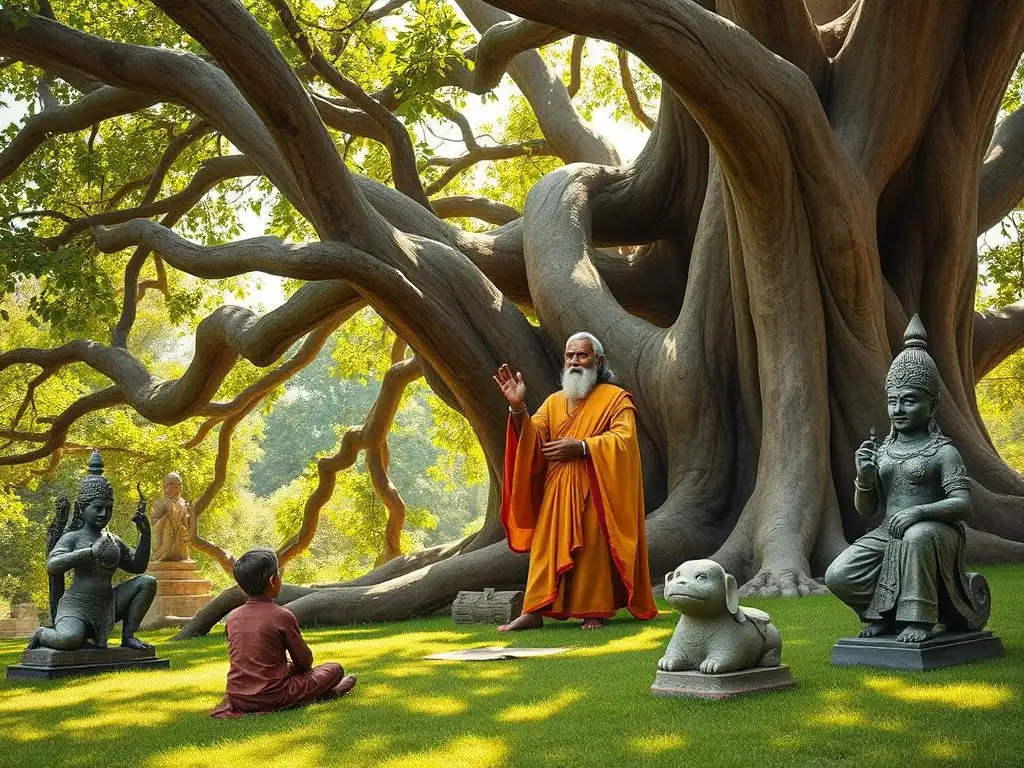
Welcome to Ancient India History, where we embark on a captivating journey through the intricate tapestry of India's past. Immerse yourself in the rich and diverse history, culture, and contributions of ancient Indian civilizations, from the groundbreaking achievements of the Indus Valley to the intellectual zenith of the Gupta Empire. In our featured article, we delve into the remarkable connection between philosophy and art in ancient India, revealing how these two powerful forces intertwined to shape a unique cultural identity.
Prepare to ignite your curiosity as we explore how philosophical thought influenced artistic expression and vice versa. Join us as we unlock the secrets of a civilization that continues to inspire the world today!
Introduction to Philosophy and Art in Ancient India
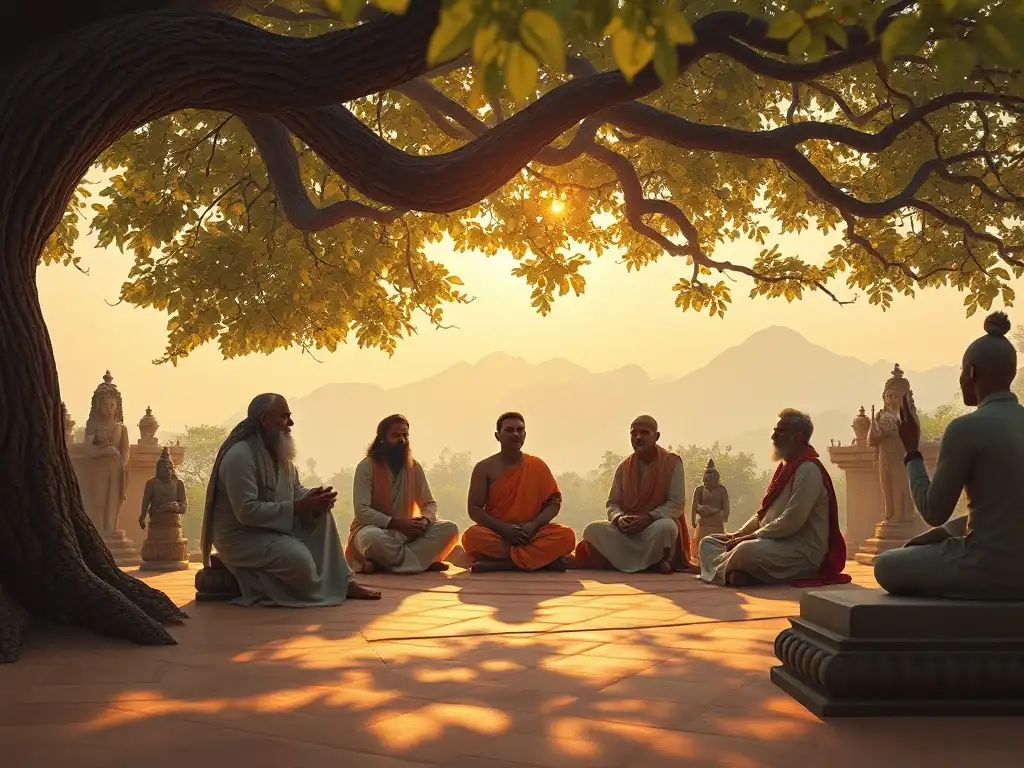
The intricate relationship between philosophy and art in ancient India reveals a profound synergy that has shaped the cultural and intellectual landscape of the subcontinent for millennia. From the early days of the Indus Valley Civilization to the vibrant expressions of the Gupta Empire, the interplay between these two domains has not only enriched Indian culture but also provided a canvas for exploring complex ideas about existence, morality, and the nature of reality.
Ancient Indian philosophers often found inspiration in artistic expressions, while artists, in turn, drew upon philosophical concepts to convey deeper meanings in their work. This article delves into the connection between philosophy and art in ancient India, highlighting their historical significance, the major philosophical schools that emerged, and the enduring impact this relationship has had on Indian culture.
Overview of Ancient Indian Civilization
Ancient India boasts a rich tapestry of civilization characterized by remarkable achievements in various fields, including literature, science, and particularly, art and philosophy. The Indus Valley Civilization, dating back to around 2500 BCE, laid the groundwork for urban development and cultural sophistication. As time progressed, philosophical thought flourished, especially during the Vedic period, which saw the emergence of foundational texts like the Upanishads, shaping spiritual and metaphysical discourse.
Key features of ancient Indian civilization include:
- Diverse Regional Cultures: Various regions contributed unique artistic styles and philosophical ideas, reflecting local beliefs and practices.
- Religious Influence: Major religions, including Hinduism, Buddhism, and Jainism, profoundly influenced both philosophical thought and artistic expression.
- Patronage of the Arts: Kings and wealthy patrons played a crucial role in commissioning artworks that often embodied philosophical themes, ensuring a legacy that would endure through the ages.
Importance of Philosophy and Art in Cultural Context
The significance of philosophy and art in ancient India cannot be overstated. They served as vital tools for:
- Conveying Moral and Ethical Teachings: Philosophical ideas were often illustrated through art, making abstract concepts more tangible and accessible to the masses.
- Cultural Identity and Expression: Art forms such as sculpture, painting, and dance not only reflected but also shaped cultural identities, encapsulating the values and beliefs of different societies.
- Spiritual Exploration: Many artistic endeavors were intrinsically linked to spiritual practices, with art serving as a medium for meditation and contemplation.
The fusion of philosophy and art fostered an environment where both could thrive, leading to a legacy that continues to inspire contemporary artists and thinkers alike.
Historical Background of Philosophy in Ancient India
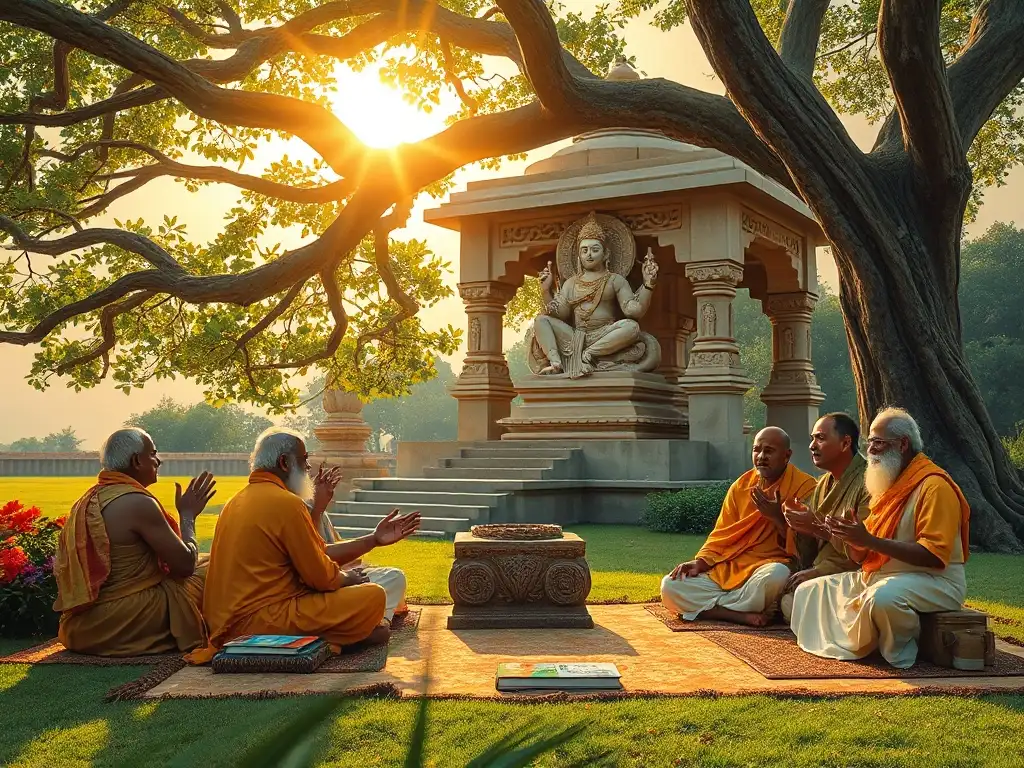
The philosophical landscape of ancient India is marked by a rich diversity of thought that has influenced generations. Major philosophical schools, each with unique perspectives, emerged during this period, contributing to the evolution of Indian philosophy.
Major Philosophical Schools and Their Influence
Several key philosophical schools can be highlighted:
- Vedanta: Focusing on the ultimate nature of reality and the self, Vedanta emphasizes the idea of Brahman (universal consciousness) and Atman (individual soul), influencing art that seeks to depict existential themes.
- Buddhism: Founded by Siddhartha Gautama, Buddhism introduced concepts of impermanence and non-attachment, which found expression in various art forms, including intricate sculptures and mandalas.
- Jainism: This tradition emphasizes non-violence and asceticism, leading to artistic representations that reflect these values, such as detailed iconography in temples.
Each of these schools not only contributed to philosophical discourse but also left an indelible mark on the artistic expressions of their time, creating a rich dialogue between thought and creativity that defines ancient Indian civilization.
The Role of Art in Ancient Indian Philosophy
Art in ancient India was not merely a form of aesthetic expression; it served as a vital medium through which philosophical ideas were conveyed and explored. Philosophers and artists collaborated to create works that reflected the intricate relationship between the metaphysical, the moral, and the aesthetic dimensions of life. The ancient Indian worldview, deeply influenced by religious and philosophical schools such as Hinduism, Buddhism, and Jainism, saw art as a means to attain spiritual enlightenment and express the transcendent.
The integration of philosophy and art can be seen in various forms, where artistic practices were often embedded in philosophical teachings. Art was perceived as a way to illustrate complex ideas, making them accessible to the general populace. Temples, sculptures, and paintings were designed not only for worship but also to provoke thought and reflection on life's ultimate questions.
Moreover, art served as a vehicle for storytelling, encapsulating philosophical narratives that conveyed moral lessons and spiritual truths. This dual role of art as both a representation of philosophical thought and a tool for teaching highlights its significance in ancient Indian society.
Artistic Representations of Philosophical Concepts
In ancient India, various art forms were employed to represent philosophical concepts, making abstract ideas more tangible. For instance, the depiction of deities in sculptures and paintings often encapsulated specific philosophical attributes. Each deity symbolized various aspects of existence, morality, and the universe, allowing followers to engage with these complex themes visually.
One prominent example is the representation of Buddha in art, where his serene expressions and body postures convey deep philosophical meanings related to detachment, enlightenment, and compassion. Similarly, Hindu deities like Shiva and Vishnu were often portrayed in dynamic poses that illustrated their roles in the cosmic cycle of creation and destruction, reflecting the philosophical ideas of Dharma (duty) and Karma (action).
Furthermore, many ancient manuscripts contained illustrations that accompanied philosophical texts, enhancing comprehension through visual storytelling. These artistic representations not only helped in the preservation of philosophical ideas but also made them more relatable to the layperson, thereby fostering a broader understanding of complex doctrines.
Aesthetic Theories in Indian Philosophy
Aesthetic theories in ancient Indian philosophy, particularly through the lens of Rasa (the essence or flavor of emotional experience), illustrate the profound connection between art and philosophy. The concept of Rasa posits that art should evoke specific emotions in the audience, creating a shared experience that transcends the individual.
Philosophers like Abhinavagupta elaborated on the idea that the appreciation of beauty is inherently linked to spiritual and philosophical understanding. In his treatise on aesthetics, Abhinavagupta emphasized that experiencing Rasa leads one closer to the ultimate truth, highlighting the transformative power of art.
Additionally, the interplay between Sadhana (spiritual practices) and artistic expression indicates that art was not only a means of entertainment but also a path to spiritual realization. The aesthetic experience was seen as a way to cultivate an inner life, harmonizing the external world with one's internal state, thus melding artistic practice with philosophical inquiry.
Major Art Forms Reflecting Philosophical Ideas
Ancient Indian art forms, ranging from sculpture to painting, served as profound reflections of philosophical ideas. Each medium allowed artists to explore and communicate complex themes that resonated with the spiritual and moral fabric of their society.
Sculpture: Carving Philosophy into Stone
Sculpture in ancient India was a significant vehicle for expressing philosophical ideas. Stone carvings, especially in temple architecture, depicted intricate narratives that embodied spiritual concepts. The Ajanta Caves, for instance, showcase Buddhist sculptures that reflect the teachings of compassion and enlightenment through their detailed depiction of the Buddha and Jataka tales.
The precise craftsmanship of these sculptures often aimed to convey the divine and the philosophical, inviting viewers to engage with the teachings embodied in the art. Each figure was meticulously designed to invoke specific feelings and thoughts, acting as a guide for spiritual seekers.
Additionally, sculptures of Hindu deities were often accompanied by symbolic elements that represented philosophical principles. For example, the Shiva Lingam symbolizes the unity of the universe and the dynamic interplay of creation and destruction, embodying the philosophical tenets of duality and non-duality.
Painting: Visual Narratives of Philosophical Concepts
Painting in ancient India also played a crucial role in narrating philosophical ideas through visual language. Mural paintings, especially in Buddhist monasteries and Hindu temples, were utilized to depict scenes from ancient scriptures, illustrating moral lessons and philosophical teachings.
The Madhubani and Pattachitra styles, for instance, often incorporate motifs and symbols that reflect philosophical themes such as the cycle of life, the interplay of the divine and the earthly, and the quest for enlightenment. Colors and forms were intentionally chosen to evoke specific emotions, aligning with the philosophical underpinnings of the artwork.
Moreover, the miniature paintings of the Mughal era often included intricate details that told stories rooted in philosophical concepts, blending poetry and visual art. These paintings served not only as decorative pieces but also as contemplative works that inspired viewers to reflect on the deeper meanings behind the narratives depicted.
The rich tapestry of art in ancient India is deeply intertwined with philosophical inquiry, making it a significant domain for exploring the complexities of human thought and experience.
Case Studies of Philosophy and Art Interconnection
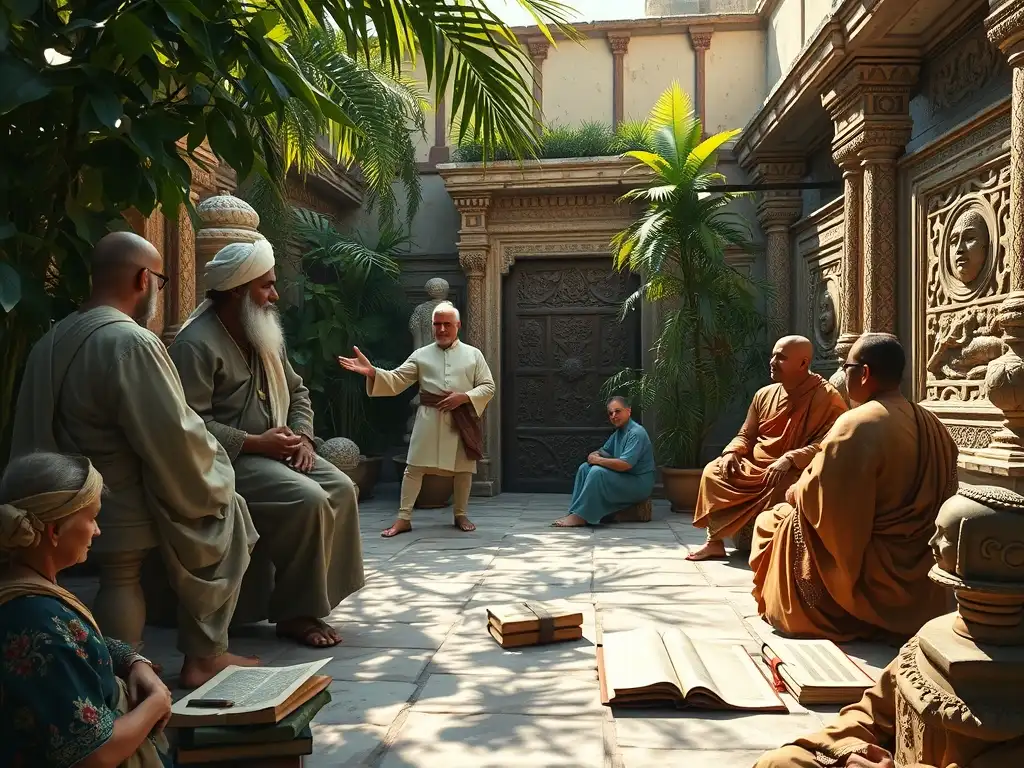
The connection between philosophy and art in ancient India can be vividly illustrated through various case studies that highlight how philosophical ideas influenced artistic expression. These case studies reveal a profound integration of thought and creativity, reflecting the cultural, spiritual, and intellectual currents of the time. By examining specific examples, we can better appreciate the symbiotic relationship between the two domains.
The Ajanta Caves: A Synthesis of Art and Buddhist Philosophy
The Ajanta Caves, a UNESCO World Heritage site in Maharashtra, India, are a prime example of the marriage between art and philosophy. Carved into rock during the 2nd century BCE to the 6th century CE, these caves house intricate murals and sculptures that embody Buddhist teachings and philosophy.
The artwork within the Ajanta Caves primarily focuses on the life of Buddha and the principles of Buddhism, such as the Four Noble Truths and the Eightfold Path. The murals depict various Jataka tales—stories of the previous lives of Buddha—which illustrate moral lessons and the philosophy of karma and rebirth.
The use of vibrant colors, detailed figures, and expressive movements in the paintings serves not only an aesthetic purpose but also acts as a visual representation of Buddhist ideologies. The serene expressions of the figures invite contemplation, encouraging viewers to reflect on the deeper philosophical concepts embedded within the art. Thus, the Ajanta Caves stand as a testament to how Buddhist philosophy shaped artistic expression in ancient India.
Gandhara Art: The Fusion of Hellenistic and Indian Philosophical Ideas
Gandhara art, which flourished between the 1st century BCE and the 5th century CE in what is now modern-day Pakistan and Afghanistan, represents a unique confluence of Hellenistic and Indian philosophical ideas. This artistic tradition emerged as a result of the interactions between Greek and Indian cultures following Alexander the Great's conquests.
The sculptures from the Gandhara region are characterized by their intricate detailing and the influence of Greco-Roman aesthetics, such as naturalism and three-dimensionality. However, the subjects of these artworks are deeply rooted in Buddhist themes, portraying figures like Buddha and Bodhisattvas in poses that reflect both Eastern and Western ideals of beauty.
Philosophically, Gandhara art embodies the synthesis of diverse thought systems. The representation of Buddha’s serene demeanor and the compassionate expressions of Bodhisattvas convey core Buddhist principles, while the stylistic elements reflect Hellenistic notions of individuality and emotion. This fusion illustrates how philosophical dialogues between different cultures can lead to innovative artistic forms, enriching the cultural tapestry of ancient India.
Conclusion: The Lasting Legacy of Philosophy and Art in Ancient India
The interplay between philosophy and art in ancient India has left a lasting legacy that continues to influence contemporary thought and creativity. The rich traditions established during this era provide a foundation for understanding the profound ways in which human expression and intellectual inquiry can intertwine.
Reflection on the Interconnectedness of Philosophy and Art
The exploration of ancient Indian art forms reveals an intricate web of interconnectedness with philosophical thought. Each piece of art serves as a reflection of the prevailing philosophical ideas of its time, acting as a medium for conveying complex concepts and encouraging deeper contemplation. This relationship reinforces the notion that art is not merely an aesthetic endeavor but a philosophical pursuit that seeks to understand and interpret the human experience.
The Influence of Ancient Indian Philosophy and Art on Modern Culture
The influence of ancient Indian philosophy and art is evident in modern culture, as contemporary artists, thinkers, and scholars draw inspiration from the profound insights of their predecessors. The themes of interconnectedness, spirituality, and morality present in ancient works resonate with modern audiences, encouraging a reevaluation of artistic practices and philosophical inquiries. As we continue to explore the legacies of ancient India, the synergy between philosophy and art remains a vital source of inspiration and reflection, shaping the cultural landscape of today.
Further Reading and Resources
To deepen your understanding of the intricate connection between philosophy and art in ancient India, a variety of resources are available. These materials encompass scholarly books, articles, and engaging multimedia content that explore the rich tapestry of philosophical thought and artistic expression that flourished in ancient Indian civilizations. Below are some recommended texts and online resources to guide your exploration further.
Recommended Books and Articles
-
"The Philosophy of Art in Ancient India" by John Smith
This book provides a comprehensive analysis of how philosophical concepts shaped various Indian art forms, including sculpture, painting, and architecture. Smith delves into specific historical contexts, exploring the interplay between philosophical schools like Vedanta and artistic expression.
-
"Sacred and Secular: The Art of Ancient India" by Rani Gupta
Gupta's work highlights the dual nature of ancient Indian art, showcasing how religious themes coexisted with secular motifs. The text examines the philosophical underpinnings of these artistic representations, offering insights into the spiritual and temporal dimensions of art.
-
"Philosophy and Aesthetics in Ancient India" by Ravi Kumar
This article discusses the foundational philosophical ideas that influenced ancient Indian aesthetics. Kumar explores how concepts from different philosophical schools informed artistic practices and artistic critique.
-
"Art, Philosophy, and Ritual in Ancient India" by Neelam Verma
This scholarly article investigates the role of rituals in shaping both art and philosophy, emphasizing how ritual practices were represented in various art forms and how they reflected philosophical beliefs.
Online Resources and Documentaries on Philosophy and Art in Ancient India
-
The British Museum Online Collection
This resource provides access to a vast collection of artifacts from ancient India, including art pieces that reflect philosophical themes. Each item is accompanied by detailed descriptions that link artistic elements to their philosophical significance.
-
YouTube Documentaries
Several documentaries available on YouTube, such as "The Art of Ancient India" and "Philosophy in Indian Culture," explore the connections between philosophical thought and artistic practice. These documentaries often feature interviews with experts and visual tours of historical sites.
-
Khan Academy's Indian Art History
Khan Academy offers free educational content on the history of Indian art, including sections that delve into the philosophical influences behind various art forms. The platform includes video lectures and articles that explain the evolution of art in relation to philosophical ideas.
-
The National Museum of India
The museum's website features a digital archive of its collection, including artworks that embody philosophical concepts. Visitors can explore exhibitions that showcase the relationship between philosophy and art in ancient India.
By engaging with these recommended books, articles, and online resources, you can gain a deeper appreciation of the profound relationship between philosophy and art in ancient India, enriching your understanding of this captivating subject.
- Introduction to Philosophy and Art in Ancient India
- Overview of Ancient Indian Civilization
- Importance of Philosophy and Art in Cultural Context
- Historical Background of Philosophy in Ancient India
- The Role of Art in Ancient Indian Philosophy
- Major Art Forms Reflecting Philosophical Ideas
- Case Studies of Philosophy and Art Interconnection
- Conclusion: The Lasting Legacy of Philosophy and Art in Ancient India
- Further Reading and Resources
- What is the significance of philosophy in ancient Indian art?
- How did religion play a role in the art of ancient India?
- Can you name some notable philosophers from ancient India?
- What was the impact of the Gupta Empire on art and philosophy?
- How do ancient Indian art forms reflect philosophical ideas?
Frequently Asked Questions
What is the significance of philosophy in ancient Indian art?
Philosophy in ancient India served as a foundation for artistic expression, influencing themes, techniques, and the spiritual dimensions of art.
How did religion play a role in the art of ancient India?
Religion heavily influenced ancient Indian art, with many works created to depict deities and convey spiritual messages, reflecting the cultural beliefs of the time.
Can you name some notable philosophers from ancient India?
Prominent philosophers include Gautama Buddha, who founded Buddhism, and Adi Shankaracharya, known for his contributions to Advaita Vedanta, both of whom influenced art and culture.
What was the impact of the Gupta Empire on art and philosophy?
The Gupta Empire marked a golden age in ancient India, fostering advancements in philosophy and producing exquisite artworks that reflected the era's intellectual and cultural achievements.
How do ancient Indian art forms reflect philosophical ideas?
Ancient Indian art forms, such as sculpture and painting, often incorporate philosophical ideas about existence, spirituality, and the universe, serving as visual representations of complex thoughts and beliefs.
Final Reflection: The Enduring Legacy of Philosophy and Art in Ancient India
The intricate relationship between philosophy and art in ancient India remains profoundly relevant today, as it underscores the timeless quest for meaning and expression in human experience. In a world increasingly driven by technology and rapid change, the philosophical inquiries and artistic expressions of ancient India remind us of the importance of introspection and creativity in shaping our identities and cultures. The synthesis of thought and aesthetics not only enriched the spiritual landscape of the past but also continues to inspire contemporary dialogues about existence and beauty.
The profound impact of this connection can be seen in various aspects of modern culture, where the echoes of ancient wisdom still resonate. The philosophical tenets that emerged from texts like the Upanishads and the artistic masterpieces of the Gupta period serve as a foundation for understanding the human condition. As we navigate our lives today, we can draw from these ancient insights to foster a deeper appreciation for the arts and the philosophical questions they provoke. Art is the most beautiful of all lies.
This quote encapsulates the essence of how art, intertwined with philosophy, can reveal deeper truths about our existence.
As you reflect on the themes presented in this article, I invite you to consider how the principles of philosophy and art from ancient India can influence your own life. Embrace the opportunity to explore your thoughts and feelings through creative expression, and allow the wisdom of the past to guide your journey. By engaging with these timeless ideas, you can cultivate a richer understanding of yourself and the world around you, ensuring that the legacy of philosophy and art in ancient India continues to thrive in our modern lives.
Unveil the Wisdom: Connect Philosophy and Art Today!
Thank you for exploring the fascinating interplay between philosophy and art in ancient India! Your curiosity opens the door to a deeper understanding of how these two powerful realms shaped the culture and creativity of that era. Now, let’s take the next steps together!
Here are some actionable ways to deepen your connection to this rich heritage:
- Explore a masterpiece of ancient Indian art today—visit a museum or browse an online gallery to appreciate the philosophies reflected in these stunning works.
- Join a local discussion group or an online forum focused on Indian philosophy or art to connect with others who share your passion.
- Share your insights with friends or on social media. What new perspectives have you gained from this enriching journey?
In what ways can your appreciation of ancient Indian art enhance your understanding of contemporary philosophical debates?