
The Ingenious Engineering of the Indus Valley: A Closer Look at Ancient Technology

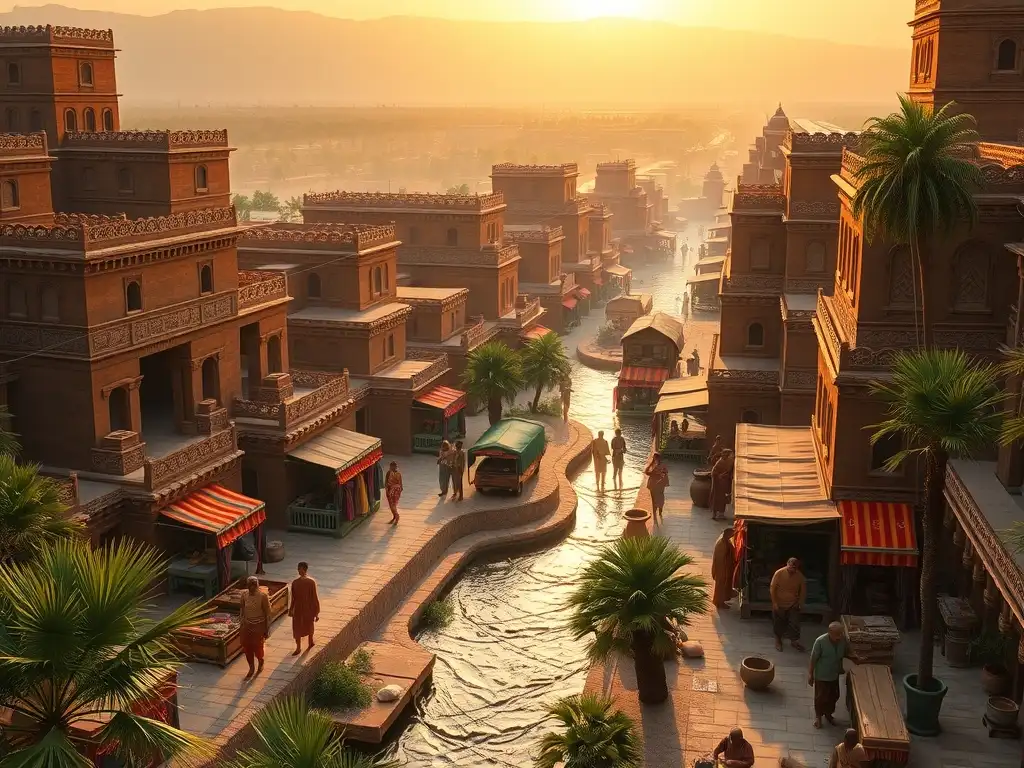
Welcome to Ancient India History, where we embark on a fascinating journey through the rich tapestry of ancient Indian civilizations. Prepare to be captivated as we delve into the Indus Valley ancient engineering techniques, a testament to the ingenuity and innovation of our ancestors. From sophisticated urban planning to advanced water management systems, the marvels of the Indus Valley await your discovery. Join us as we uncover the secrets of these remarkable achievements and explore how they laid the foundations for future advancements. Dive in and let the story of ancient India inspire your curiosity!
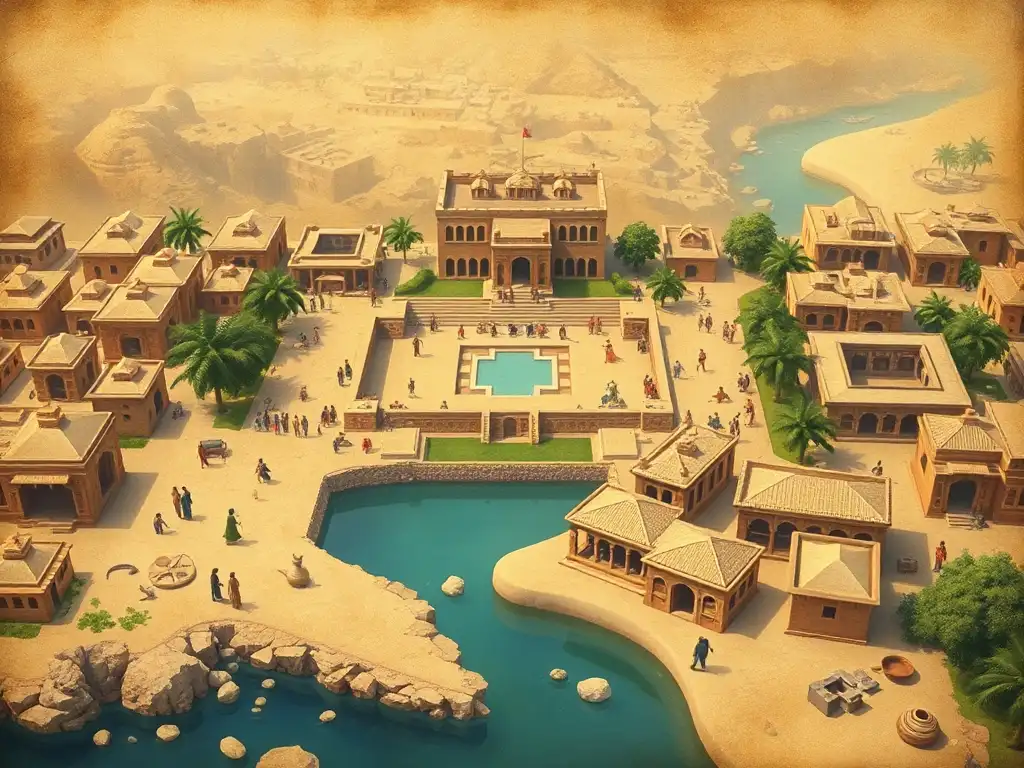
The Indus Valley Civilization, one of the world's earliest urban cultures, flourished between 2500 and 1900 BCE in what is now modern-day Pakistan and northwest India. This ancient civilization is renowned not only for its remarkable urban planning and sophisticated society but also for its pioneering engineering techniques that laid the groundwork for future advancements in technology.
The Indus Valley ancient engineering techniques are a testament to the ingenuity and resourcefulness of its people, showcasing their ability to address complex challenges related to urbanization, sanitation, and resource management. In this article, we will explore the various engineering marvels of the Indus Valley, delving into the specifics of their urban design, drainage systems, water management, and construction methods.
Introduction to Indus Valley Civilization
Overview of the Indus Valley Civilization
The Indus Valley Civilization, also known as the Harappan Civilization, emerged around 3300 BCE and reached its zenith around 2500 BCE. It spanned a vast area, covering approximately 1,250,000 square kilometers, and included major urban centers such as Harappa and Mohenjo-Daro. The civilization is characterized by its well-planned cities, advanced architecture, and a thriving trade network. The inhabitants, who engaged in agriculture, metallurgy, and craftsmanship, left behind a rich archaeological legacy that continues to intrigue historians and archaeologists.
Importance of Ancient Engineering Techniques
Engineering techniques developed by the Indus Valley civilization were crucial for sustaining their urban environments and enhancing the quality of life for their inhabitants. These techniques not only demonstrate a high level of technical skill and creativity but also reflect the civilization's understanding of their environment and the need for sustainable practices. The engineering innovations of the Indus Valley were instrumental in areas such as urban planning, sanitation, and resource management, influencing subsequent generations and civilizations.
Key Indus Valley Ancient Engineering Techniques
Urban Planning and Layout
The urban planning of Indus Valley cities is one of the most notable achievements of this civilization. Cities like Mohenjo-Daro featured a grid-like layout, with streets arranged in right angles and organized into blocks. The meticulous planning ensured efficient movement and access to essential amenities. Key features include:
- Equal Distribution of Space: Residential and public areas were distinctly separated, promoting a sense of organization.
- Standardized Measurements: Evidence suggests that the Indus Valley people used standardized weights and measures, indicative of advanced planning and trade practices.
Advanced Drainage Systems
One of the standout features of Indus Valley engineering is its sophisticated drainage systems. These systems were designed to manage wastewater and prevent flooding, showcasing a remarkable understanding of sanitation. Key aspects include:
- Covered Drains: Streets were lined with covered drains, allowing for efficient waste disposal while keeping the streets clean.
- Sewage Systems: Homes were often connected to a centralized sewage system, highlighting the civilization's commitment to public health and sanitation.
Water Management and Supply
Water management was critical for the survival of the Indus Valley civilization, particularly in arid regions. Their advanced techniques included:
- Well-Constructed Wells: The presence of deep wells throughout cities ensured a reliable water supply for domestic and agricultural needs.
- Reservoirs and Tanks: Large reservoirs were constructed to store rainwater, demonstrating an innovative approach to water conservation.
Construction Materials and Techniques
The Indus Valley people utilized a variety of materials and techniques in their construction practices, which contributed to the durability of their structures. Key elements include:
- Baked Brick Production: The use of standardized baked bricks allowed for uniformity and strength in building structures.
- Advanced Masonry Techniques: Their knowledge of masonry enabled them to create robust buildings and fortifications, some of which have withstood the test of time.
The engineering prowess of the Indus Valley Civilization not only reflects their capacity for innovation but also serves as a foundation for understanding the evolution of technology and urban planning in ancient societies. By exploring these ancient engineering techniques, we gain insight into the remarkable achievements and enduring legacy of one of history's most fascinating civilizations.
Innovations in Indus Valley Technology
The Indus Valley Civilization, which flourished between 3300 and 1300 BCE, is renowned for its remarkable innovations in engineering and technology. This ancient civilization showcased a plethora of advanced techniques that were not only impressive for their time but also laid the groundwork for future developments in various fields. The urban planning of cities such as Harappa and Mohenjo-Daro exemplified sophisticated engineering practices, including the use of grid layouts, drainage systems, and standardized construction methods. These innovations reflect a high degree of organization and an understanding of complex engineering principles.
Among the most notable engineering feats were the advanced water management systems, which included wells, water reservoirs, and intricate drainage systems that ensured the efficient removal of waste and the supply of clean water. The Indus Valley people were also skilled in brick-making, producing uniformly sized bricks that contributed to the durability of their structures. This attention to detail and standardization in construction techniques is a significant hallmark of their engineering prowess.
Standardized Weights and Measures
The Indus Valley Civilization is credited with the development of a sophisticated system of standardized weights and measures, which facilitated trade and commerce across the region. Archaeological findings indicate that the civilization utilized a range of weights made from stone, with specific measurements that reflected a high degree of accuracy.
- Examples of Weights:
- Weights were often cubical and made of materials like chert or limestone.
- The most common unit of measurement was a weight of approximately 28 grams, which is believed to have been used as a base standard.
This system not only enhanced trade efficiency but also promoted economic stability and trust among trading partners. The standardization of weights and measures is a precursor to modern systems of commerce, showcasing the Indus Valley's contributions to economic practices that resonate even today.
The Role of Terracotta and Pottery
Terracotta and pottery played a crucial role in the daily life and technological advancements of the Indus Valley Civilization. The artisans of this civilization were highly skilled in crafting a variety of pottery that served both functional and artistic purposes.
- Key Aspects of Terracotta and Pottery:
- Utility: Pottery was essential for storage, cooking, and transportation of goods, indicating an advanced understanding of materials and their properties.
- Artistic Expression: The intricate designs and motifs on pottery reflect the cultural richness of the civilization. Many pieces featured animal figurines, geometric patterns, and seals that conveyed social and religious significance.
Furthermore, the use of kiln technology for firing pottery demonstrated an advanced understanding of heat treatment, contributing to the durability and aesthetic appeal of their ceramic wares. This mastery of pottery not only fulfilled practical needs but also played a vital role in the cultural identity of the Indus Valley people.
Metallurgy and Tool Making
The Indus Valley Civilization exhibited remarkable advancements in metallurgy and tool-making, significantly influencing their agricultural and domestic practices. This civilization harnessed various metals, including copper, bronze, lead, and tin, to create tools, weapons, and artifacts that were essential for daily life.
- Key Developments in Metallurgy:
- Bronze Tools: The use of bronze for making tools such as axes, knives, and chisels improved agricultural efficiency and craftsmanship.
- Casting Techniques: The Indus Valley people employed sophisticated casting techniques, which included lost-wax casting, to produce intricate metal objects and decorative items.
The expertise in metallurgy not only allowed for improved agricultural practices but also paved the way for advancements in other crafts, including jewelry making and sculpture. The tools and artifacts from this civilization demonstrate a high level of technical skill and innovation that contributed significantly to their societal development.
Significance of Indus Valley Engineering
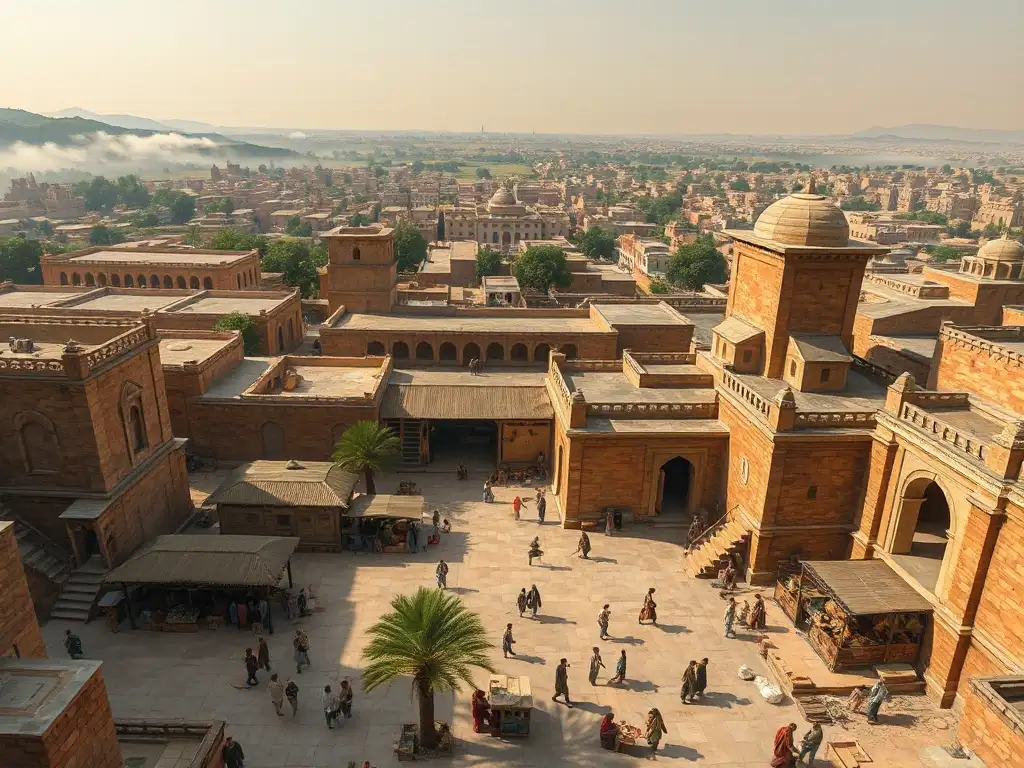
The engineering accomplishments of the Indus Valley Civilization hold profound significance, influencing not only their contemporaries but also future civilizations. The systematic approach to city planning, resource management, and technological innovation set a benchmark for urban development in ancient times.
Impact on Future Civilizations
The engineering techniques and urban planning concepts developed during the Indus Valley period had a lasting impact on subsequent civilizations. The grid layout of cities, the emphasis on sanitation through drainage systems, and the use of standardized weights and measures were concepts that were adopted and adapted by later cultures, such as those in the Persian Empire and the Mauryan Empire.
Moreover, the principles of water management and agricultural practices influenced regions beyond the Indus Valley, contributing to the agricultural revolutions in various parts of the world. The sophistication of Indus Valley engineering serves as a testament to the innovative spirit of ancient societies and their ability to solve complex challenges.
Contributions to Modern Engineering Practices
The legacy of Indus Valley ancient engineering techniques is also evident in modern engineering practices. Concepts such as urban planning, waste management, and standardization in construction have their roots in the methodologies developed by the Indus Valley people.
- Modern Applications:
- Urban planners and engineers often refer to the efficient layouts and drainage systems of the Indus Valley as inspirations for sustainable city designs today.
- The principles of standardized measurements have evolved into the global metric system, showcasing the enduring influence of ancient practices.
The engineering innovations of the Indus Valley Civilization not only represent a remarkable achievement of their time but also continue to inspire and inform modern engineering and urban planning practices, highlighting the timeless nature of their contributions to human civilization.
Case Studies of Ingenious Engineering in the Indus Valley
The Indus Valley Civilization, one of the world's oldest urban cultures, showcases an impressive array of engineering techniques that reflect the ingenuity and adaptability of its people. The two most prominent cities, Mohenjo-Daro and Harappa, serve as prime examples of advanced urban planning and infrastructural innovation. Through careful examination of these case studies, we can appreciate the sophistication of Indus Valley ancient engineering techniques, particularly in urban design, drainage systems, and building materials.
Mohenjo-Daro: An Architectural Marvel
Mohenjo-Daro, often hailed as an architectural marvel, exemplifies the impressive engineering capabilities of the Indus Valley Civilization. The city's layout reflects meticulous planning, featuring a grid pattern with streets aligned along cardinal directions. The use of fired brick for construction ensured durability and uniformity in building practices.
One of the most striking features of Mohenjo-Daro is the Great Bath, a large public water tank that showcases advanced hydraulic engineering. This significant structure, approximately 12 meters long and 7 meters wide, is believed to have been used for ritual purification. The careful construction of the Great Bath includes a waterproof lining made of bitumen, demonstrating the civilization's understanding of water management and sanitation.
Additionally, the drainage system of Mohenjo-Daro was highly sophisticated. Almost every house had access to a private bathroom, with waste water channeled through covered drains that lined the streets. This innovation not only improved public health but also illustrated the community's commitment to sanitation and hygiene, setting a precedent for future urban civilizations.
Harappa: Advances in Urban Infrastructure
Harappa stands as another testament to the advanced engineering techniques of the Indus Valley Civilization. The city's layout is characterized by a fortified citadel, which likely served as a center for administrative and religious activities. The walls of Harappa were constructed using baked bricks, providing substantial protection against invasions and environmental elements.
One of the remarkable features of Harappa is its water supply system. The city boasted a complex network of wells and reservoirs, ensuring a reliable source of fresh water for its inhabitants. The wells were strategically placed to optimize accessibility, and many households had their own water storage facilities, reflecting an organized approach to resource management.
Furthermore, Harappa's streets were well-planned and paved, which facilitated efficient transportation and trade. The presence of standardized weights and measures indicates that the people of Harappa engaged in extensive commerce, utilizing their engineering skills to enhance trade infrastructure.
Challenges and Limitations of Indus Valley Engineering
Despite the impressive engineering feats of the Indus Valley Civilization, several challenges and limitations hindered further advancements. These factors contributed to the eventual decline of this once-thriving civilization, underscoring the complexities of maintaining such an intricate societal structure.
Environmental Factors
Environmental challenges played a crucial role in limiting the engineering capabilities of the Indus Valley. The region experienced significant fluctuations in climate, which affected agricultural productivity and water sources. The reliance on the Indus River for irrigation and sustenance made the civilization vulnerable to droughts and floods, leading to potential food shortages.
Furthermore, the changing course of rivers over time may have impacted settlement patterns and trade routes. As water access became inconsistent, the urban centers faced difficulties in sustaining their populations, which ultimately hampered technological growth.
Decline of Technological Innovations
The decline of technological innovations in the Indus Valley can also be attributed to socio-political factors. As the civilization began to fragment, possibly due to invasions or internal strife, the centralized authority that had facilitated large-scale engineering projects weakened. This disintegration led to a loss of knowledge transmission, as specialized skills and techniques were no longer passed down through generations.
Moreover, the shift in trade dynamics and the emergence of new powers in the region resulted in decreased resources for engineering endeavors. The once-thriving urban centers began to decline, and with them, the advanced architectural and engineering techniques that had defined the Indus Valley Civilization faded into obscurity. The legacy of these innovations, however, continues to influence modern engineering and urban planning, highlighting the importance of the Indus Valley's contributions to ancient technology.
Conclusion: Legacy of Indus Valley Ancient Engineering Techniques
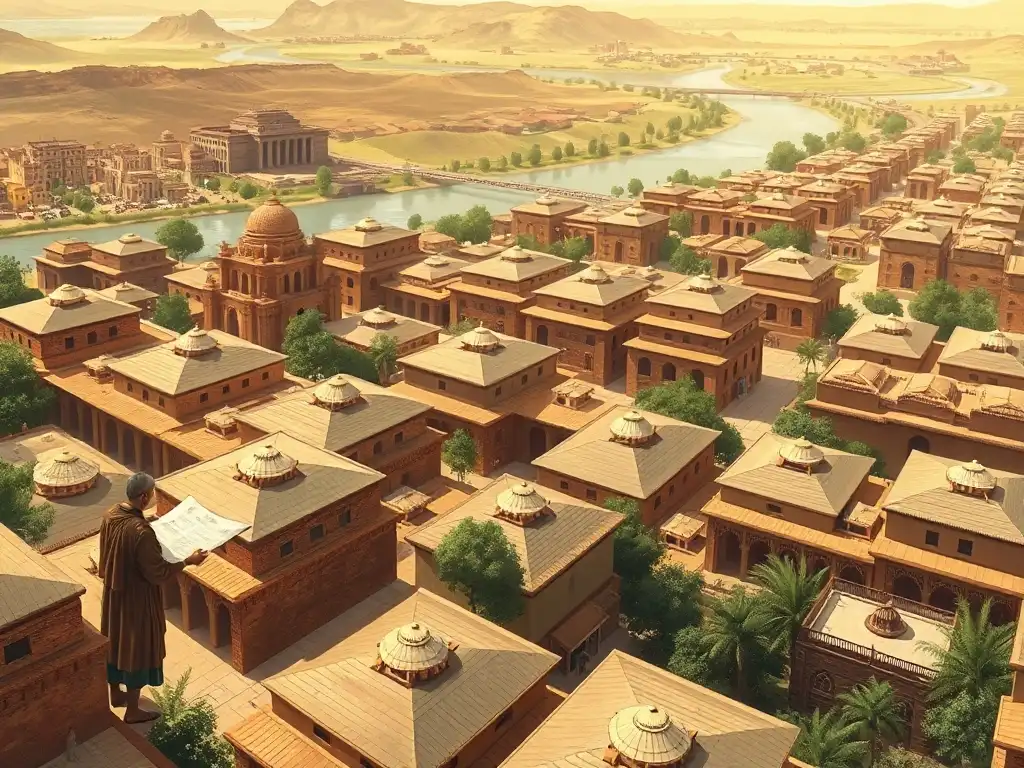
The legacy of the Indus Valley ancient engineering techniques is profound and enduring. This civilization, which flourished around 2500 BCE, demonstrated an exceptional understanding of urban planning, water management, and construction techniques that laid the groundwork for future advancements in engineering and architecture. The meticulous grid layout of cities like Mohenjo-Daro and Harappa, combined with sophisticated drainage systems, highlights not only their practical engineering skills but also their commitment to public health and urban living standards.
Moreover, the use of standardized fired bricks and the construction of multi-storey buildings reveal a level of architectural sophistication that was unprecedented for its time. This attention to detail and commitment to quality in construction has influenced architectural practices in the region for millennia. The Indus Valley's ability to integrate technology with urban life serves as a testament to their innovative spirit, which resonates in modern engineering principles.
Lasting Influence on Modern Technology
The engineering techniques developed by the Indus Valley Civilization can be traced through various aspects of modern technology. For instance, their advanced drainage systems have inspired contemporary urban planning, emphasizing the importance of sanitation and waste management in city design. The concept of planned cities, characterized by organized streets and public amenities, continues to inform urban development strategies worldwide.
In addition, the Indus Valley's use of standardized measurements in construction has paved the way for modern engineering practices, ensuring structural integrity and uniformity. The principles of water conservation and management showcased in their sophisticated reservoirs and wells are now pivotal in modern engineering, especially in areas facing water scarcity.
Interestingly, many of these ancient techniques are being revisited in sustainable engineering practices today. As the world grapples with environmental challenges, the eco-friendly approaches of the Indus Valley, such as rainwater harvesting and efficient resource management, are increasingly relevant.
Continuing Research and Discoveries in Ancient Engineering
The field of Indus Valley ancient engineering techniques is a vibrant area of research, with ongoing archaeological excavations revealing new insights into this remarkable civilization. Discoveries of advanced tools, construction methods, and urban layouts continue to shed light on the ingenuity of the Indus Valley engineers. Recent excavations have uncovered evidence of even more complex drainage systems and water management strategies, indicating a high level of sophistication that challenges previous understandings.
Moreover, interdisciplinary studies combining archaeology, environmental science, and technology are enhancing our comprehension of how these ancient people interacted with their environment. As researchers utilize modern technology, such as ground-penetrating radar and 3D modeling, they are uncovering hidden structures and patterns that were previously undetectable.
The importance of these discoveries extends beyond historical interest; they provide valuable lessons in resilience and sustainability. The ongoing study of Indus Valley engineering techniques offers not only a glimpse into the past but also essential insights for addressing contemporary challenges, reinforcing the idea that ancient wisdom can inform modern solutions. As this research progresses, the legacy of the Indus Valley continues to inspire and influence both scholars and engineers alike.
- Introduction to Indus Valley Civilization
- Key Indus Valley Ancient Engineering Techniques
- Innovations in Indus Valley Technology
- Significance of Indus Valley Engineering
- Case Studies of Ingenious Engineering in the Indus Valley
- Challenges and Limitations of Indus Valley Engineering
- Conclusion: Legacy of Indus Valley Ancient Engineering Techniques
- Lasting Influence on Modern Technology
- Continuing Research and Discoveries in Ancient Engineering
- What are the key characteristics of Indus Valley engineering techniques?
- How did the Indus Valley contribute to ancient technology?
- Were there any unique building materials used in the Indus Valley?
- How did the Indus Valley's engineering influence later civilizations?
- What are some notable archaeological sites in the Indus Valley?
Frequently Asked Questions
What are the key characteristics of Indus Valley engineering techniques?
The Indus Valley civilization is known for its advanced urban planning, including grid layouts, sophisticated drainage systems, and the use of standardized baked bricks for construction.
How did the Indus Valley contribute to ancient technology?
The Indus Valley civilization showcased remarkable engineering skills through innovations like water management systems, which included wells, reservoirs, and irrigation methods, enhancing agricultural productivity.
Were there any unique building materials used in the Indus Valley?
Yes, the Indus Valley people primarily used baked bricks and mud for construction, which were known for their durability and uniformity, allowing for strong and lasting structures.
How did the Indus Valley's engineering influence later civilizations?
The engineering techniques developed in the Indus Valley laid the groundwork for future urban planning and construction practices in the Indian subcontinent and beyond, influencing later cultures and societies.
What are some notable archaeological sites in the Indus Valley?
Key archaeological sites include Mohenjo-Daro and Harappa, where researchers have uncovered extensive evidence of urban planning, advanced drainage systems, and remarkable craftsmanship that reflect the civilization's engineering prowess.
Final Reflection: The Enduring Legacy of Indus Valley Ancient Engineering Techniques
The ingenuity of the Indus Valley civilization continues to resonate in today's world, showcasing how ancient engineering techniques laid the groundwork for modern infrastructure and urban planning. As we navigate the complexities of contemporary society, the remarkable innovations of this ancient culture remind us that sustainable and efficient design is not a new concept; it has been a part of human history for millennia. The lessons learned from their sophisticated water management systems and urban layouts are more relevant than ever as we face challenges related to climate change and urbanization.
The influence of Indus Valley engineering techniques extends beyond historical curiosity; it shapes our understanding of sustainable practices in modern engineering and architecture. The meticulous planning and execution of their cities serve as a blueprint for contemporary urban development, emphasizing the importance of harmony with the environment. As architect and historian David Watkin once said, The past is not a dead thing; it is a living part of our culture.
This sentiment underscores the ongoing relevance of the Indus Valley's contributions to our built environment and the lessons we can draw from their achievements.
As you reflect on the incredible advancements of the Indus Valley civilization, consider how you can incorporate their principles of innovation and sustainability into your own life. Challenge yourself to think creatively about the resources at your disposal and how you can apply these ancient techniques to modern problems. Whether it's in your personal projects or your approach to community issues, let the legacy of the Indus Valley inspire you to engineer solutions that honor both our past and our future.
Unveil the Secrets of Ancient Ingenuity!
Thank you for diving deep into the marvels of the Indus Valley's engineering with us! We hope you’ve discovered the remarkable innovations that shaped one of history’s greatest civilizations. Now, it’s time to take that curiosity further!
Here are some engaging ways you can explore and share the wonders of ancient technology:
- Dive Deeper: Explore additional resources on our website to uncover more about the technological advances of various ancient civilizations.
- Join the Discussion: Share your thoughts, insights, or questions about the engineering feats of the Indus Valley in our community forum. Let’s connect and learn together!
- Spread the Knowledge: Share this article with friends or on social media to inspire others about the incredible achievements of ancient cultures!
What aspect of ancient Indus Valley technology fascinates you the most, and how do you believe it influences modern engineering?