
The Hidden Treasures of Ancient Indian Inscriptions: Discoveries and Insights

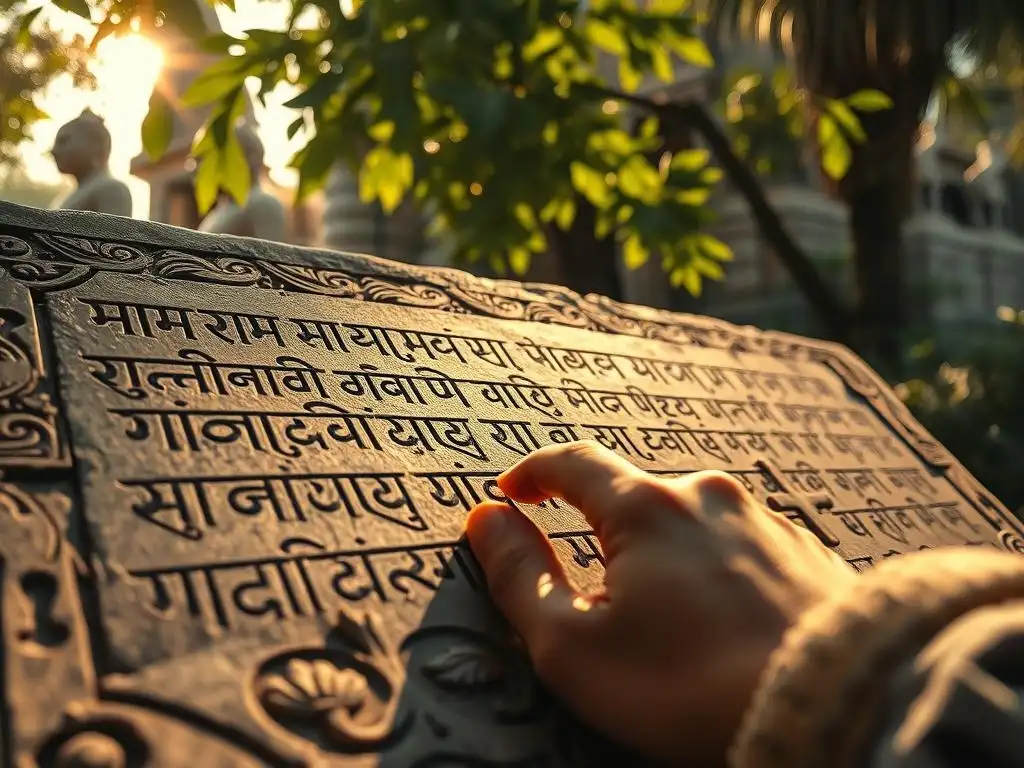
Welcome to Ancient India History! Dive into the captivating world of ancient Indian civilizations, where every inscription tells a story waiting to be uncovered. In our featured article, "The Hidden Treasures of Ancient Indian Inscriptions: Discoveries and Insights," we unravel the mysteries behind remarkable discoveries that have shaped our understanding of language and culture in India. Join us on this enlightening journey as we explore the profound impact of ancient Indian inscriptions and the secrets they reveal about our rich heritage. Are you ready to uncover the hidden treasures of the past?
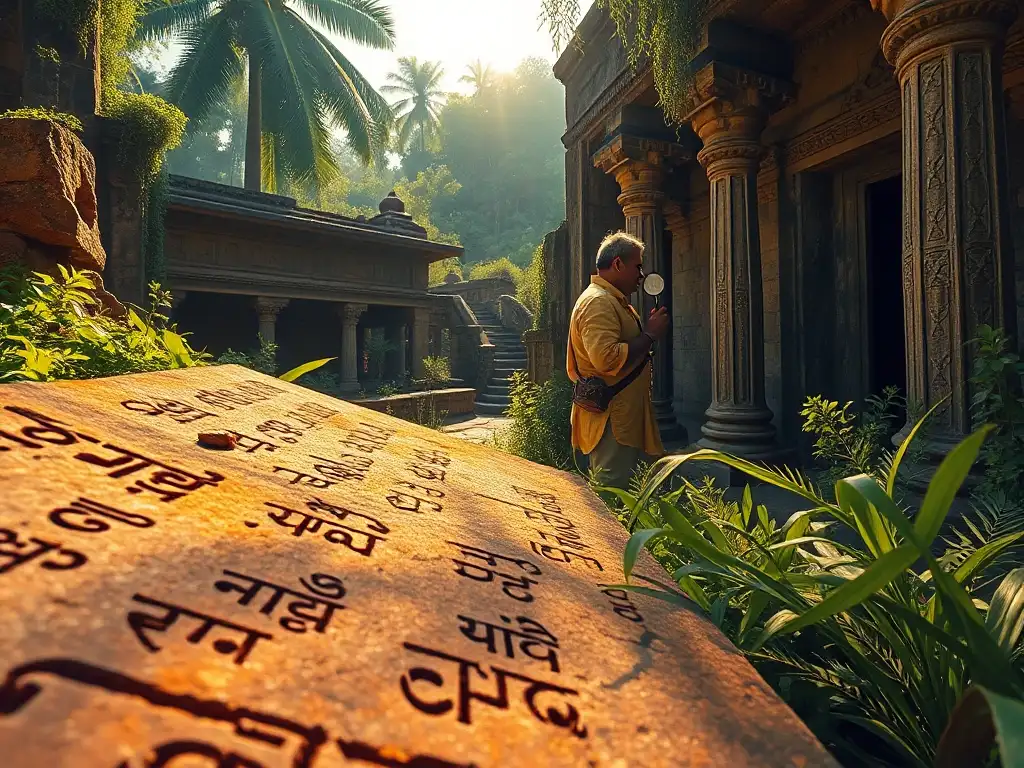
Introduction to Ancient Indian Inscriptions
The study of ancient Indian inscriptions offers a fascinating glimpse into the rich tapestry of India's history, culture, and linguistic evolution. These inscriptions, etched on stone, metal, and various other materials, serve as vital records that illuminate the social, political, and religious life of ancient civilizations.
From the intricate scripts of the Indus Valley Civilization to the eloquent edicts of the Mauryan Empire and the Gupta period, these artifacts are not merely historical remnants; they are treasures that reveal the thoughts, beliefs, and advancements of societies long past. By exploring the discoveries and insights associated with ancient Indian inscriptions, we uncover the narratives that have shaped the subcontinent's identity over millennia.
Understanding the Significance of Inscriptions in Ancient India
Inscriptions are crucial for understanding ancient Indian civilizations. They provide:
- Historical Records: Inscriptions document significant events, reigns of kings, and political changes.
- Cultural Insights: They reveal religious practices, societal norms, and artistic expressions.
- Linguistic Development: Inscriptions illustrate the evolution of languages and scripts over time.
These elements collectively contribute to a deeper understanding of how ancient Indian societies functioned and interacted with their environment.
Overview of Ancient Indian Inscriptions Discoveries
The discoveries of ancient Indian inscriptions have significantly enriched our understanding of the subcontinent's past. Notable finds include:
- The Edicts of Ashoka: These inscriptions, inscribed on rocks and pillars across India, reflect Emperor Ashoka's commitment to moral governance and Buddhist principles.
- Indus Valley Seals: The seals found at Harappa and Mohenjo-Daro provide insights into trade and communication, albeit their scripts remain undeciphered.
- Gupta Inscriptions: These records highlight the advancements in art, literature, and administration during the Gupta Empire.
Each inscription serves as a puzzle piece, contributing to the larger picture of ancient Indian history.
Historical Context of Ancient Indian Inscriptions
To appreciate the depth of ancient Indian inscriptions, it is essential to understand the historical context in which they were created. These inscriptions emerged from various civilizations, each contributing to a rich legacy.
The Role of Inscriptions in Indian Civilization
Inscriptions played a pivotal role in shaping Indian civilization by:
- Preserving Knowledge: They served as records of laws, religious texts, and scientific knowledge.
- Facilitating Communication: Inscriptions enabled communication across regions and among diverse communities.
- Establishing Authority: They were often used by rulers to assert their power and legitimacy.
By serving these functions, inscriptions became integral to the governance and cultural identity of ancient Indian societies.
Major Time Periods: From the Indus Valley to the Gupta Empire
The timeline of ancient Indian inscriptions spans several key periods, each marked by distinctive characteristics:
| Period | Key Features |
|---|---|
| Indus Valley Civilization | Early seals with symbols, undeciphered script |
| Mauryan Empire | Edicts of Ashoka promoting dhamma |
| Post-Mauryan Period | Growth of regional powers and diverse inscriptions |
| Gupta Empire | Flourishing of arts, literature, and administrative records |
Each period reflects the evolution of writing and the complexities of social and political life in ancient India, showcasing a dynamic interplay between language, culture, and governance.
The exploration of ancient Indian inscriptions not only reveals a treasure trove of historical knowledge but also enriches our understanding of the civilizations that laid the foundations of modern India.
Types of Ancient Indian Inscriptions
Ancient Indian inscriptions are invaluable artifacts that provide insights into the language, culture, and history of the subcontinent. They can be categorized into several types based on the materials used and the contexts in which they were created. Understanding these types helps historians and archaeologists decipher the messages and significance behind them.
- Stone Inscriptions: These are the most durable and widespread forms of inscriptions found across India, often carved into stone tablets, pillars, or caves. They were typically used for official decrees, religious texts, or commemorative purposes.
- Copper Plate Inscriptions: Often used for granting land or privileges, these inscriptions were inscribed on thin sheets of copper and sealed for authenticity. They provide details about the socio-economic conditions of the time.
- Pottery Inscriptions: Inscriptions found on pottery often include symbols or scripts and are significant in understanding the daily lives and practices of ancient peoples.
- Seals: Commonly associated with the Indus Valley Civilization, seals were typically made from steatite and featured intricate carvings, often depicting animals or script. They served both ceremonial and administrative purposes.
These diverse forms of inscriptions reflect the rich tapestry of ancient Indian civilization, showcasing its linguistic, artistic, and cultural heritage.
Stone Inscriptions: Materials and Techniques
Stone inscriptions in ancient India were primarily made using durable materials such as granite, basalt, and sandstone. The techniques employed for engraving the inscriptions varied, but they typically involved chiseling and hammering, which required skilled craftsmanship.
Materials:
- Granite: Favored for its durability, granite inscriptions have survived for centuries, providing a wealth of information.
- Sandstone: Easier to carve, sandstone was commonly used for smaller inscriptions and artistic expressions.
- Basalt: Though less common, basalt was also utilized for certain inscriptions due to its hardness and availability.
Techniques:
- Chiseling: This primary method involved using chisels and hammers to carve out letters and symbols into the stone surface.
- Sculpting: Some inscriptions were part of larger sculptures, where the text was integrated into the overall design, showcasing both art and writing.
The meticulousness of these techniques reflects the importance of the inscriptions, often commemorating significant events or conveying royal edicts.
Copper Plate Inscriptions: Purpose and Usage
Copper plate inscriptions were a notable advancement in epigraphy, serving various administrative and ceremonial purposes. These inscriptions were typically crafted on thin sheets of copper, making them portable yet durable.
Purposes:
- Land Grants: Many copper plates detailed the granting of land to individuals or institutions, often accompanied by seals to authenticate the document.
- Religious Donations: Inscriptions frequently recorded donations made to temples or religious institutions, establishing a legal record of the transaction.
- Royal Decrees: They were also used to issue proclamations from rulers, outlining laws or privileges.
Usage:
- Sealing: Inscriptions were often sealed with a stamp or emblem, indicating authority and preventing tampering.
- Public Display: Some copper plates were displayed publicly, enhancing their significance as legal or ceremonial documents.
The prevalence of copper plate inscriptions during the Gupta period highlights their vital role in administration and governance, providing a glimpse into the socio-political landscape of ancient India.
Other Forms of Inscriptions: Pottery, Seals, and More
In addition to stone and copper, ancient Indian inscriptions appeared in various other forms, each contributing unique insights into the historical context of their time.
- Pottery Inscriptions: Inscriptions on pottery often included simple symbols or scripts that hint at trade practices, daily activities, and cultural practices. These artifacts are crucial for understanding the domestic life of ancient civilizations.
- Seals: The seals from the Indus Valley Civilization are among the most famous ancient inscriptions. They typically featured animal motifs and pictographic scripts, used for trade and administrative purposes. The undeciphered nature of these seals adds to their intrigue, as scholars continue to debate their meanings and functions.
- Bronze and Metal Inscriptions: Inscriptions found on bronze objects, including utensils and weapons, often served decorative or commemorative purposes, revealing information about craftsmanship and trade.
These varied forms of inscriptions illustrate the breadth of communication methods utilized by ancient Indian societies, enriching our understanding of their complexities and interactions.
Major Discoveries of Ancient Indian Inscriptions

The discovery of ancient Indian inscriptions has significantly advanced our understanding of historical timelines, cultural practices, and socio-political structures. Key archaeological sites have yielded remarkable findings that continue to inspire research and scholarship.
Landmark Discoveries: Key Sites and Findings
Several archaeological sites across India have revealed important inscriptions that shed light on ancient civilizations. Notable among these include:
- Sarnath: The site of one of Ashoka's most famous edicts, showcasing his commitment to Buddhist principles and governance.
- Brahmagiri: This site contains several inscriptions attributed to Ashoka, providing insights into the spread of Buddhism and his administrative policies.
- Ujjain: Discoveries of inscriptions from the Gupta period have elucidated the cultural and political landscape of ancient Malwa.
- Kalinga: The Kalinga inscriptions, notably those of Ashoka, reveal the impact of the Kalinga War on his transformation towards non-violence and Buddhist teachings.
These sites are crucial for understanding the historical and cultural milieu of ancient India, each contributing unique narratives through their inscriptions.
Case Study: The Edicts of Ashoka
The Edicts of Ashoka are a collection of inscriptions attributed to Emperor Ashoka, one of India's most celebrated rulers. Carved on rocks and pillars across the Indian subcontinent, these edicts illustrate his conversion to Buddhism following the Kalinga War and his efforts to promote dharma (moral law).
Key Features:
- Language: The edicts are written in Brahmi and Kharosthi scripts, making them significant for studies in ancient linguistics.
- Content: They cover various themes, including moral precepts, social welfare, and religious tolerance, reflecting Ashoka's vision for a just society.
- Geographical Spread: The wide distribution of these edicts indicates Ashoka's influence and commitment to spreading Buddhist values across his empire.
The Edicts of Ashoka are not only crucial for understanding his reign but also for appreciating the broader historical context of ancient Indian civilization.
Case Study: The Inscriptions of the Gupta Period
The Gupta period, often referred to as the 'Golden Age' of India, produced numerous inscriptions that highlight the advancements in art, culture, and administration. These inscriptions provide insight into the socio-political conditions of the time.
Key Aspects:
- Literary Contributions: Many inscriptions from this era showcase the flourishing of Sanskrit literature and poetry, reflecting the intellectual climate.
- Land Grants: Inscriptions often denote land grants to scholars and religious institutions, indicating the Gupta rulers' patronage of education and religion.
- Cultural Syncretism: The inscriptions reveal a blend of local and broader cultural influences, illustrating the Gupta Empire's role as a cultural hub.
These inscriptions are critical for understanding the contributions of the Gupta Empire to Indian history, providing a framework for the study of ancient Indian thought and societal organization.
Insights Gained from Ancient Indian Inscriptions
Ancient Indian inscriptions provide a wealth of knowledge that contributes significantly to our understanding of the region's history, culture, and languages. These inscriptions, often etched on stone, metal, or pottery, serve as primary sources that reveal the thoughts, beliefs, and practices of ancient civilizations. Through the study of these inscriptions, scholars have gained insights into linguistic evolution, cultural practices, and historical contexts, all of which are crucial for reconstructing the past.
Linguistic Insights: Language Evolution in Inscriptions
Ancient Indian inscriptions serve as vital evidence in tracing the evolution of languages across various periods. The inscriptions, which include examples from the Indus Valley Civilization to those of the Gupta Empire, illustrate the transition from Brahmi and Kharosthi scripts to later forms of writing.
- Brahmi Script: The earliest known script used in India, which is the basis for many modern Indian scripts, has been found in inscriptions dating back to the 3rd century BCE. The inscriptions indicate a shift in linguistic patterns, showing how languages evolved through influences from neighboring cultures and trade.
- Kharosthi Script: Predominantly used in the northwest region of ancient India, this script offers insights into the spread of Buddhism and trade routes. The inscriptions contain religious texts, royal edicts, and administrative records, highlighting the role of language in governance and spiritual life.
- Language Variations: The inscriptions also reveal the use of different dialects and languages, reflecting the diversity of ancient Indian society. For instance, inscriptions in Prakrit and Sanskrit indicate the social stratification and the influence of local vernaculars on the literary language.
Cultural Insights: Social, Religious, and Economic Contexts
Ancient Indian inscriptions provide a window into the cultural fabric of the time, revealing the social, religious, and economic contexts in which they were created.
- Social Structures: The inscriptions often mention various social classes, including kings, priests, merchants, and common folk. These titles give insights into the hierarchical structure of society and the roles individuals played within it.
- Religious Practices: Many inscriptions are dedicated to deities or commemorate significant religious events, showcasing the importance of religion in daily life. For instance, inscriptions from the Mauryan period often reference Buddhism and Jainism, indicating their widespread influence and the patronage of rulers.
- Economic Activities: Inscriptions also document trade, taxation, and resource management, revealing the economic systems in place. For example, edicts from Emperor Ashoka discuss trade regulations and the welfare of his subjects, indicating a sophisticated understanding of economics and governance.
Historical Insights: Political Dynamics and Governance
The study of ancient inscriptions is crucial for understanding the political landscape of ancient India. These inscriptions often include royal proclamations, treaties, and records of conquests, providing insights into the governance of various kingdoms.
- Royal Edicts: Inscriptions like those of Ashoka the Great serve as significant historical documents, outlining his policies on governance, ethics, and public welfare. They reflect the political ideologies of the time and the ruler's vision for his empire.
- Territorial Expansion: Many inscriptions mark the boundaries of kingdoms and territories, offering insights into the expansionist policies of various dynasties. They also often record military victories, alliances, and conflicts, shedding light on the historical dynamics of power in ancient India.
- Administrative Practices: Inscriptions describing administrative functions, such as taxation and land grants, illustrate the complexity of governance and the importance of record-keeping in maintaining order within the empire.
The Process of Deciphering Ancient Indian Inscriptions
The deciphering of ancient Indian inscriptions is a meticulous process that involves a combination of linguistic analysis, historical context, and archaeological methods. Scholars engage in various techniques to unlock the meanings behind these ancient texts, which can often be challenging.
Challenges Faced in Deciphering Techniques
One of the primary challenges in deciphering ancient inscriptions is the degradation of materials over time. Many inscriptions are worn or damaged, making it difficult to interpret the text accurately.
- Language Variability: The use of different scripts and languages across regions complicates the deciphering process. Scholars must often have expertise in multiple languages, including Sanskrit, Prakrit, and regional dialects.
- Contextual Ambiguity: The historical and cultural context of the inscriptions can also pose a challenge. Without adequate knowledge of the socio-political environment of the time, interpretations can lead to misconceptions about the intended meaning.
- Fragmentary Evidence: Many inscriptions are found in fragments, requiring scholars to piece together meanings based on partial texts. This fragmentation can result in varying interpretations and conclusions.
Key Figures in the Study of Inscriptions
Several key figures have made significant contributions to the study and deciphering of ancient Indian inscriptions. Their pioneering work has laid the foundation for modern archaeological and linguistic studies.
- James Prinsep: A 19th-century British antiquarian, Prinsep was instrumental in deciphering the Brahmi script. His work on inscriptions from the Ashokan period opened new avenues for understanding ancient Indian texts.
- Max Müller: Renowned for his contributions to the study of ancient languages, Müller’s insights into Sanskrit and his analysis of inscriptions helped shape the field of Indology.
- Iravatham Mahadevan: A contemporary scholar, Mahadevan has made significant strides in deciphering inscriptions from the Indus Valley Civilization, contributing to our understanding of one of the earliest urban cultures in India.
Modern Technologies in Archaeology and Inscriptions
Advancements in technology have dramatically improved the methods used in the study of ancient inscriptions. Modern tools and techniques allow for more accurate readings and analyses.
- Digital Imaging: Techniques such as high-resolution imaging and 3D scanning enable scholars to capture details that are not visible to the naked eye. This technology aids in the preservation and analysis of fragile inscriptions.
- Machine Learning: The application of machine learning algorithms is beginning to play a role in deciphering inscriptions by identifying patterns and similarities across various texts, enhancing the speed and accuracy of analyses.
- Forensic Techniques: Methods used in forensic science, such as chemical analysis, can help determine the age of inscriptions and the materials used, adding another layer of understanding to the context in which they were created.
The integration of these modern technologies with traditional archaeological methods promises to unlock even more insights into the hidden treasures of ancient Indian inscriptions, revealing the complexities of ancient Indian civilization in unprecedented detail.
The Impact of Ancient Indian Inscriptions on Modern Scholarship

Ancient Indian inscriptions serve as invaluable resources in understanding the socio-political, cultural, and economic fabric of past civilizations. The meticulous carvings and engravings found on stone, metal, and other materials have significantly influenced modern scholarship. They provide a direct link to the thoughts, beliefs, and practices of ancient societies, offering a narrative that written texts alone may fail to convey.
The study of these inscriptions has fostered a more nuanced understanding of historical timelines and events. Historians and archaeologists have utilized inscriptions to date key events, trace dynastic changes, and understand regional interactions. Furthermore, they have unveiled the linguistic evolution of ancient languages, enriching our comprehension of language development and usage in historical contexts.
Contributions to the Study of Ancient Indian History
The contributions of ancient Indian inscriptions to historical studies are manifold. For instance, inscriptions from the Mauryan period, particularly those of Emperor Ashoka, reveal insights into governance, ethics, and the spread of Buddhism. His edicts, inscribed on pillars and rocks, not only highlight administrative practices but also reflect the socio-religious landscape of the time.
Moreover, inscriptions have played a crucial role in the reconstruction of ancient trade routes and economic systems. The discovery of inscriptions in various regions indicates the flow of goods and cultural exchanges, revealing the interconnectedness of ancient Indian societies with those beyond its borders. Such findings have broadened the scope of historical inquiry, shifting the focus from isolated events to a more integrated understanding of ancient Indian history.
Influence on Contemporary Indian Culture and Identity
The legacy of ancient inscriptions extends beyond historical research; it also influences contemporary Indian culture and identity. Inscriptions are often viewed as symbols of heritage, reflecting the rich tapestry of linguistic and artistic traditions that continue to resonate in modern India. They serve as reminders of the enduring values and philosophies that have shaped Indian civilization over millennia.
Cultural festivals, educational programs, and tourism initiatives frequently draw upon the themes and narratives found in ancient inscriptions, fostering a sense of pride and continuity among communities. By promoting awareness of these inscriptions, contemporary society can maintain a connection to its historical roots, ensuring that the lessons of the past inform present and future identities.
Conclusion: The Importance of Preserving Ancient Indian Inscriptions
The preservation of ancient Indian inscriptions is vital for the ongoing study and appreciation of India’s rich historical legacy. As these inscriptions are often exposed to the elements and human activities, proactive measures must be taken to safeguard them. Conservation efforts not only protect physical artifacts but also ensure that future generations can access and learn from these critical historical documents.
Future Prospects for Research on Inscriptions
Looking ahead, the future of research on ancient Indian inscriptions is promising. Advances in technology, such as digital imaging and 3D scanning, offer innovative methods for documenting and analyzing inscriptions without causing damage. Interdisciplinary approaches that combine archaeology, linguistics, and technology will likely yield new insights and interpretations, further enriching our understanding of ancient Indian civilizations.
Additionally, increased collaboration among scholars, institutions, and the public can facilitate broader engagement with the significance of these inscriptions. By leveraging social media and online platforms, researchers can share findings, engage with wider audiences, and inspire a collective interest in the preservation of cultural heritage.
Call to Action: Encouraging Interest in Ancient Indian History
As we uncover the hidden treasures of ancient Indian inscriptions, it is crucial to encourage interest in this fascinating aspect of history. Educational institutions, museums, and cultural organizations should promote programs that highlight the significance of inscriptions, making them accessible to students and the general public.
By fostering curiosity and appreciation for ancient Indian inscriptions, we can cultivate a deeper understanding of our shared heritage. Encouraging participation in archaeological projects, workshops, and community discussions will not only nurture a love for history but also empower individuals to take an active role in preserving and celebrating the rich cultural tapestry of ancient India.
References and Further Reading
Exploring the hidden treasures of ancient Indian inscriptions requires a deep dive into various scholarly works and resources. These references and further reading materials not only provide insights into specific discoveries but also contextualize the significance of these inscriptions within the broader tapestry of ancient Indian history. Here, we present a curated list of recommended books, articles, and online resources.
Recommended Books and Articles on Ancient Indian Inscriptions
-
"The Inscriptions of Ashoka" by John S. Strong
This book provides a comprehensive overview of the inscriptions left by Emperor Ashoka, offering translations and interpretations that illuminate the values and beliefs of his reign.
-
"Ancient Indian Inscriptions: An Introduction" by B. K. Thapar
Thapar's work is essential for anyone looking to understand the diverse range of inscriptions from ancient India, including their historical context and significance.
-
"The Archaeology of Ancient India" by R. S. Sharma
This text includes a section dedicated to inscriptions, detailing how they contribute to our understanding of ancient Indian society, economy, and politics.
-
Article: "Deciphering Ancient Indian Inscriptions" in the Journal of Indian History
This article discusses the methodologies used in deciphering inscriptions and highlights significant discoveries that have reshaped our understanding of ancient Indian civilizations.
-
"Sanskrit Inscriptions: A Linguistic Perspective" by R. N. Sharma
Focusing on the linguistic aspects, this book analyzes the language used in various inscriptions, providing insights into the evolution of scripts in ancient India.
Online Resources for Further Exploration of Ancient Indian Scripts
-
Digital South Asia Library (DSAL)
A project that provides access to a wealth of resources, including images of inscriptions, maps, and research papers focused on South Asian history.
-
The Indian Archaeological Society
Their website hosts a range of publications and findings related to archaeological discoveries, including an extensive archive of ancient inscriptions.
-
The Archaeological Survey of India (ASI) Website
ASI's official portal offers detailed reports on archaeological excavations, including significant discoveries of inscriptions across India.
-
Ancient Scripts
An online resource that catalogs various ancient scripts and provides details about their origins, evolution, and examples, including those from ancient India.
-
The International Conference on South Asian Archaeology
This platform shares proceedings and papers presented at conferences focused on archaeological research in South Asia, featuring discussions on inscriptions and their implications.
These resources will enhance your understanding and appreciation of the intricate world of ancient Indian inscriptions and their discoveries, allowing for a deeper engagement with the subject.
- Introduction to Ancient Indian Inscriptions
- Historical Context of Ancient Indian Inscriptions
- Types of Ancient Indian Inscriptions
- Major Discoveries of Ancient Indian Inscriptions
- Insights Gained from Ancient Indian Inscriptions
- The Process of Deciphering Ancient Indian Inscriptions
- The Impact of Ancient Indian Inscriptions on Modern Scholarship
- Conclusion: The Importance of Preserving Ancient Indian Inscriptions
- References and Further Reading
Frequently Asked Questions
What are ancient Indian inscriptions?
Ancient Indian inscriptions are texts engraved on various materials like stone, metal, and clay, providing insights into historical events, cultures, and languages of ancient India.
Why are inscriptions important in studying ancient Indian history?
Inscriptions serve as primary sources that help historians understand society, governance, and religious practices in ancient Indian civilizations, offering a tangible link to the past.
What are some notable discoveries of ancient Indian inscriptions?
Significant discoveries include the Ashoka Edicts, which promote Buddhist values, and inscriptions from the Gupta Empire, which highlight advancements in science and literature.
How have ancient Indian inscriptions influenced modern research?
The study of ancient inscriptions has influenced modern research by providing contextual evidence for historical narratives, aiding in the reconstruction of cultural heritage and linguistic evolution.
Where can one find ancient Indian inscriptions today?
Many ancient Indian inscriptions can be found in archaeological sites, museums, and historical monuments across India, with some being preserved in situ or displayed for public viewing.
Final Reflection: Unveiling the Legacy of Ancient Indian Inscriptions
The exploration of ancient Indian inscriptions reveals not only the rich tapestry of our history but also their timeless relevance in understanding cultural identities today. As we uncover these hidden treasures, we are reminded that the past is not merely a collection of artifacts but a living narrative that continues to shape our present and future. The discoveries highlighted in this article serve as a bridge connecting us to our ancestors, inviting us to reflect on the values, beliefs, and stories that have transcended generations.
The impact of ancient Indian inscriptions extends far beyond academia; they resonate deeply within our cultural and social landscapes. These inscriptions are a testament to the ingenuity and creativity of our forebears, influencing contemporary art, literature, and philosophy. As we engage with these historical texts, we are reminded of the words of Mahatma Gandhi: A nation's greatness is measured by how it treats its weakest members.
This sentiment underscores the importance of preserving our heritage, as it informs our understanding of societal values and responsibilities in the modern world.
As we conclude this exploration, I invite you to reflect on the significance of these ancient inscriptions in your own life. Consider how the lessons and insights gleaned from our past can inspire you to contribute positively to your community and uphold the values that define us. Let the discoveries of ancient Indian inscriptions motivate you to seek knowledge, embrace diversity, and foster a deeper connection with your own heritage. Together, we can ensure that these hidden treasures continue to illuminate our path forward.
Unveil the Mysteries of Ancient Indian Inscriptions!
Thank you for diving deep into the fascinating world of ancient Indian inscriptions with us! We hope you found valuable insights that spark your curiosity. Now, it’s time to take action and further explore the treasures of our history.
Here’s how you can continue your journey:
- Delve deeper into your discoveries: Visit our website to access an exclusive collection of articles and resources about ancient civilizations.
- Share your findings with friends and fellow history enthusiasts on social media to encourage them to appreciate our shared heritage.
- Join our community: Engage with us in the comments section below or sign up for our newsletter for updates on the latest research and discussions.
What ancient inscription or discovery excites you the most? Share your thoughts on its significance and how it enhances our understanding of history.