
The Four Purusharthas and Sankhya: Aligning Philosophy with Life Goals


Welcome to Ancient India History, where we embark on a journey through the rich tapestry of civilizations that shaped the Indian subcontinent. Today, we invite you to delve into the profound Four Purusharthas philosophy explained, a cornerstone of ancient Indian thought that aligns life's pursuits with deeper philosophical insights. As you explore this article, you’ll uncover how these guiding principles not only illuminate the paths of the past but also resonate with our modern quests for meaning and fulfillment.
Prepare to unlock the wisdom of the ages and see how the teachings of the Sankhya can transform your understanding of life goals. Are you ready to discover the timeless truths that have shaped countless lives?
The Four Purusharthas Philosophy Explained
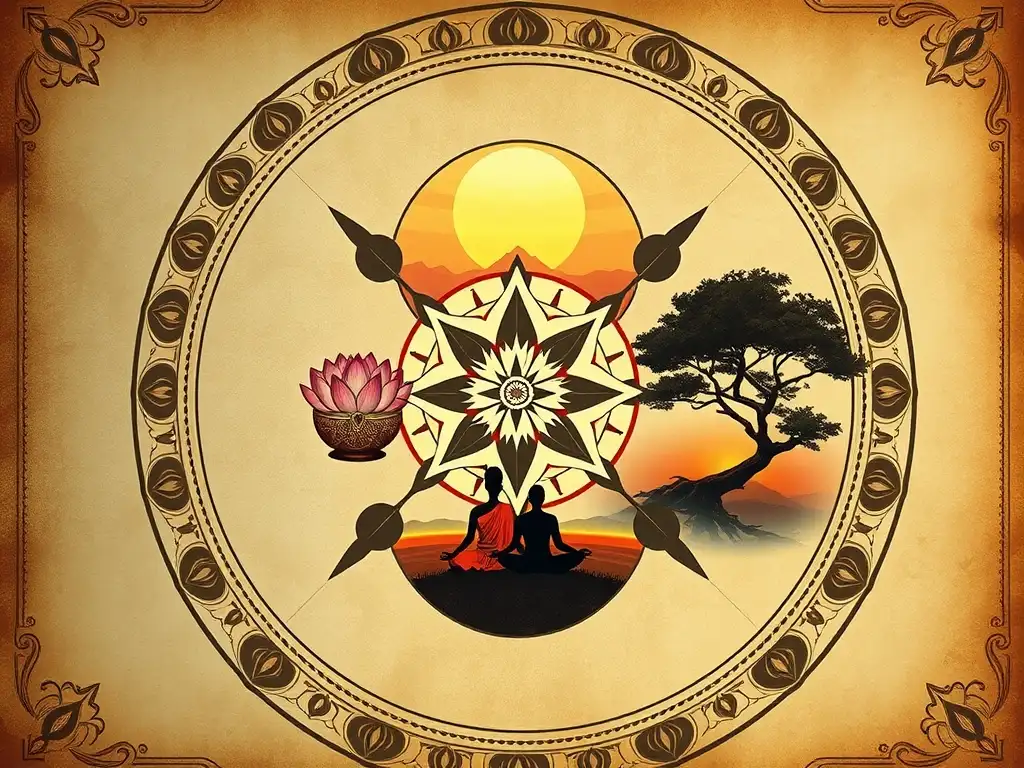
In the vast tapestry of ancient Indian philosophy, the concept of the Four Purusharthas stands as a cornerstone for understanding the goals of human life. The term "Purushartha" translates to "the aims of a person," and it encapsulates a holistic approach to living a meaningful and balanced life.
Rooted in the texts of Hindu philosophy, particularly within the Sankhya School of Thought, these four aims— Dharma, Artha, Kama, and Moksha—are not merely abstract ideals but are practical guiding principles that help individuals align their life goals with their philosophical beliefs. This exploration delves into how each of these components interacts to provide a framework for personal growth, ethical living, and spiritual enlightenment.
Introduction to Purusharthas in Ancient Indian Philosophy
The Four Purusharthas serve as a comprehensive guide for humans to navigate life’s complexities. They encompass ethical, material, emotional, and spiritual dimensions, reflecting the multifaceted nature of existence. Understanding these goals allows individuals to cultivate a balanced lifestyle that promotes not only personal fulfillment but also societal harmony. As we delve deeper into each Purushartha, we will uncover their significance in shaping human experiences and their interconnections with the broader philosophical discourse of the Sankhya School.
Overview of Purusharthas
The Four Purusharthas are:
- Dharma: The principle of righteousness, moral values, and duties.
- Artha: The pursuit of wealth and economic prosperity.
- Kama: The pursuit of desires, love, and aesthetic enjoyment.
- Moksha: The ultimate goal of liberation and spiritual enlightenment.
These principles are not just separate entities; they interact and support one another, creating a cohesive framework for living a fulfilling life. Each Purushartha plays a crucial role in guiding individuals toward a balanced existence, ensuring that one does not neglect any aspect of life while striving for personal and spiritual growth.
Importance of Aligning Goals with Philosophy
Aligning one’s life goals with philosophical principles is vital for several reasons:
- Clarity of Purpose: It provides individuals with a clear direction in life, helping them to prioritize their actions based on their values.
- Holistic Development: It encourages a balanced approach to personal development, addressing physical, emotional, and spiritual needs.
- Ethical Living: By following the principles of Dharma, individuals contribute positively to society, fostering a sense of community and responsibility.
- Inner Peace: Understanding and pursuing Moksha leads to a deeper sense of fulfillment and tranquility.
In essence, aligning goals with the Four Purusharthas philosophy encourages a well-rounded, meaningful existence that honors both individual aspirations and communal responsibilities.
Understanding the Four Purusharthas
A deeper exploration of each of the Four Purusharthas reveals their distinct roles and interrelationships in guiding human life.
1. Dharma: The Principle of Righteousness
Dharma is often considered the foundation of a just society and individual conduct. It encompasses ethical duties, moral values, and righteousness, emphasizing the importance of living in accordance with one’s values and societal norms. This principle encourages individuals to act with integrity, uphold justice, and fulfill their obligations to others. By adhering to Dharma, one cultivates respect and harmony within their community.
2. Artha: The Pursuit of Wealth
Artha refers to the pursuit of material prosperity and economic stability. It recognizes the importance of financial resources in achieving a secure and comfortable life. However, it is essential to pursue Artha ethically and in alignment with Dharma, ensuring that the quest for wealth does not compromise moral principles. This balance fosters not only personal prosperity but also contributes to societal well-being.
3. Kama: The Pursuit of Desire
Kama embodies the pursuit of pleasure, love, and emotional fulfillment. It acknowledges the significance of desires and passions in human life, promoting a healthy appreciation for beauty, relationships, and personal joys. However, like Artha, it must be pursued with mindfulness and respect for Dharma, preventing excess and ensuring that desires do not lead to harm or dissatisfaction.
4. Moksha: The Ultimate Liberation
Moksha represents the ultimate goal of human existence—the liberation from the cycles of birth and death, and the realization of one’s true self. It is the culmination of the other three Purusharthas, as a life lived in accordance with Dharma, Artha, and Kama naturally leads to spiritual growth and enlightenment. Achieving Moksha involves transcending worldly desires and realizing the interconnectedness of all existence.
By understanding the Four Purusharthas, individuals can navigate their lives with intention and purpose, aligning their goals with the profound philosophical insights of ancient Indian thought. This alignment not only enhances personal fulfillment but also fosters a compassionate and harmonious society.
Sankhya Philosophy and Its Relation to Purusharthas
Sankhya philosophy, one of the six orthodox schools of Indian philosophy, provides a foundational framework for understanding the nature of reality and the human experience. It emphasizes a dualistic approach, distinguishing between Purusha (consciousness) and Prakriti (matter). This distinction is crucial for comprehending how individuals can navigate their existence and align their goals with the deeper truths of life. The Four Purusharthas—Dharma, Artha, Kama, and Moksha—serve as guiding principles that help individuals articulate their life objectives in harmony with the principles laid out in Sankhya philosophy.
Overview of Sankhya Philosophy
Sankhya, which translates to "number" or "enumeration," reflects its analytical approach to understanding reality. The philosophy posits that the universe is composed of two fundamental realities:
- Purusha: The eternal, unchanging consciousness that is the true self.
- Prakriti: The dynamic, ever-changing material world that encompasses everything in the universe.
Sankhya philosophy elaborates on the nature of suffering and liberation, explaining that individuals become entangled in the material world through ignorance of their true selves. By understanding and realizing the distinction between Purusha and Prakriti, one can achieve liberation (Moksha).
How Sankhya Interprets the Four Purusharthas
The Four Purusharthas are crucial in understanding how individuals can live a balanced and fulfilling life. Sankhya philosophy interprets these goals through its dualistic lens:
- Dharma: Aligning one's duties and ethical responsibilities with the understanding of cosmic order. In Sankhya, fulfilling Dharma is essential for maintaining harmony in both the material and spiritual realms.
- Artha: The pursuit of wealth and material success is seen as a necessary aspect of life. However, Sankhya emphasizes that this pursuit should not overshadow the spiritual essence of Purusha.
- Kama: The pursuit of pleasure and emotional fulfillment must be balanced with a higher understanding of self. Sankhya encourages individuals to seek enjoyment that enriches both the self and society, rather than merely indulging in transient pleasures.
- Moksha: The ultimate goal of life, Moksha represents liberation from the cycle of birth and death. Sankhya philosophy teaches that true liberation comes from understanding one's true nature as Purusha and transcending attachment to Prakriti.
Aligning the Four Purusharthas with Life Goals

Aligning the Four Purusharthas with life goals involves a holistic approach that incorporates ethical living, personal ambition, and spiritual growth. Each Purushartha contributes to a comprehensive life framework, guiding individuals toward a balanced existence.
Practical Applications of Purusharthas in Modern Life
In today's fast-paced world, the Four Purusharthas can be applied practically to enhance personal fulfillment and social responsibility:
- Dharma: Emphasizing ethical decision-making in professional and personal realms can foster integrity and trust within communities. Individuals can reflect on their responsibilities and make choices that support the greater good.
- Artha: Financial literacy and responsible wealth creation are critical. By pursuing material goals ethically, individuals can ensure they contribute positively to society while achieving personal success.
- Kama: Embracing healthy relationships and pursuing hobbies that bring joy can enhance overall well-being. Recognizing the importance of emotional health can lead to deeper connections and a more satisfying life experience.
- Moksha: Incorporating mindfulness practices, such as meditation and self-reflection, can aid in the pursuit of spiritual understanding. By fostering a connection with one’s inner self, individuals can cultivate a sense of peace and purpose.
By integrating these principles into daily life, individuals can navigate their paths more effectively and achieve a harmonious balance between their material and spiritual aspirations. The Four Purusharthas philosophy provides a timeless framework for living a meaningful life, rooted in the wisdom of ancient Indian thought.
Conclusion
The Four Purusharthas philosophy is a profound framework that offers insights into the holistic approach to living a meaningful life. By emphasizing the balance between Dharma (righteousness), Artha (wealth), Kama (desire), and Moksha (liberation), this philosophy encourages individuals to pursue their goals with a sense of purpose and ethical integrity. It serves as a guiding compass for navigating the complexities of life, addressing not only material aspirations but also spiritual fulfillment.
This ancient philosophy fosters a comprehensive understanding of well-being, suggesting that true happiness arises from the harmonious interplay of these four pursuits. The Four Purusharthas remind us that while material success and personal desires are important, they must be grounded in ethical considerations and spiritual growth. In a world often characterized by rapid changes and distractions, revisiting this philosophy can provide clarity and direction.
The Relevance of Four Purusharthas in Today’s World
In contemporary society, the Four Purusharthas remain remarkably relevant. As individuals grapple with the challenges of modern life—such as career pressures, societal expectations, and personal aspirations—this framework offers a timeless perspective.
- Balancing Material and Spiritual Goals:
- In a consumer-driven world, the pursuit of Artha can sometimes overshadow the importance of Dharma and Moksha. The Four Purusharthas philosophy encourages individuals to reflect on their actions' ethical implications while pursuing wealth and success.
- Holistic Well-being:
- The emphasis on all four aspects promotes a more balanced approach to life. Individuals are encouraged to seek fulfillment not just through material gains, but also through relationships, ethical living, and spiritual growth.
- Guidance in Decision Making:
- The clarity provided by the Four Purusharthas can help individuals make informed choices that align with their values and life goals. This is particularly important in times of uncertainty, as it helps prioritize what truly matters.
- Cultural Relevance:
- The teachings of the Four Purusharthas resonate with various cultural and spiritual traditions across the globe, promoting understanding and synthesis of diverse worldviews.
Encouragement to Explore and Apply the Philosophy
As we reflect on the teachings of the Four Purusharthas, it is essential to encourage exploration and application of this philosophy in everyday life. Individuals are invited to:
- Engage in Self-Reflection: Take time to contemplate personal goals and values. Reflect on how the Four Purusharthas can guide your life decisions and enhance overall well-being.
- Balance Aspirations: Strive to integrate Dharma, Artha, Kama, and Moksha into your life. Recognize the importance of each aspect and work towards achieving a harmonious balance.
- Seek Community and Dialogue: Engage with others who share an interest in this philosophy. Discussing perspectives can lead to deeper insights and a richer understanding of how to apply these principles in various contexts.
- Embrace Continuous Learning: Philosophy is not static; it evolves with our understanding. Explore the historical context and contemporary interpretations of the Four Purusharthas to deepen your appreciation and application of this ancient wisdom.
By actively engaging with the Four Purusharthas philosophy, individuals can enrich their lives, foster a sense of purpose, and contribute positively to their communities.
Frequently Asked Questions
What are the Four Purusharthas?
The Four Purusharthas are the four goals of human life in Hindu philosophy: Dharma (duty), Artha (prosperity), Kama (pleasure), and Moksha (liberation). They provide a framework for living a balanced life.
How do the Four Purusharthas relate to Sankhya philosophy?
The Four Purusharthas align with Sankhya philosophy by offering a practical approach to achieving spiritual and material goals. This philosophy emphasizes understanding the nature of reality and the self.
Why are the Four Purusharthas important in ancient Indian civilization?
They are vital because they encapsulate the values and ethical principles guiding individuals in ancient Indian society, balancing personal desires with social responsibilities.
Can the Four Purusharthas be applied in modern life?
Yes, the Four Purusharthas can guide modern individuals in setting life goals, ensuring a harmonious blend of personal success and ethical living in contemporary society.
How do the Four Purusharthas influence Indian culture today?
The Four Purusharthas continue to influence Indian culture by shaping values, practices, and social norms, encouraging individuals to pursue a well-rounded life that honors both personal fulfillment and communal responsibilities.
Final Reflection: Embracing the Four Purusharthas for a Purposeful Life
In today's fast-paced world, the Four Purusharthas philosophy explained serves as a guiding light, reminding us of the essential pillars that shape our existence: Dharma, Artha, Kama, and Moksha. These ancient concepts are not merely relics of the past; they resonate profoundly with contemporary life, urging us to seek balance and fulfillment in our pursuits. As we navigate the complexities of modern living, the wisdom of the Purusharthas encourages us to align our actions with our deeper values, ultimately leading to a more meaningful and harmonious life.
The influence of the Four Purusharthas extends beyond individual aspirations; it shapes our collective cultural and social landscape. By integrating these principles into our daily lives, we cultivate a society that values purpose alongside prosperity. This philosophy fosters a holistic approach to well-being, where personal and communal growth go hand in hand. As Mahatma Gandhi once said, “The best way to find yourself is to lose yourself in the service of others.” This quote encapsulates the essence of Dharma, reminding us that our highest calling often lies in contributing to the greater good.
As we reflect on the teachings of the Four Purusharthas, I invite you to consider how these timeless principles can enrich your own journey. Take a moment to assess your life goals through the lens of Dharma, Artha, Kama, and Moksha. Are you pursuing a path that honors your values and aspirations?
Embrace this opportunity to realign your intentions and actions, ensuring that each step you take leads you closer to a life of purpose and fulfillment. The journey toward a balanced existence is not just a personal endeavor; it is a shared mission that can inspire others to seek their own paths of meaning.
Align Your Life Goals with Ancient Wisdom!
Thank you for exploring the profound insights of The Four Purusharthas and Sankhya with us! We hope you gained valuable perspectives on how these ancient philosophies can guide your personal aspirations and enrich your life. Now, it’s time to put that knowledge into action!
Here are some concrete steps you can take to align your goals with these timeless teachings:
- Reflect on Your Purpose: Take a moment to identify which of the four Purusharthas resonates with you most. Consider how you can integrate this understanding into your daily life.
- Join a Discussion Group: Connect with individuals who share your interest in ancient philosophies. Share insights and learn from each other’s experiences.
- Create a Vision Board: Visualize your goals inspired by the Purusharthas! Collect images and quotes that embody your aspirations and display them prominently in your space.
What aspect of the Four Purusharthas do you find most challenging to apply in your life, and how can you address it as you move forward?