
The Exploration of Human Emotions in Classical Indian Poetry

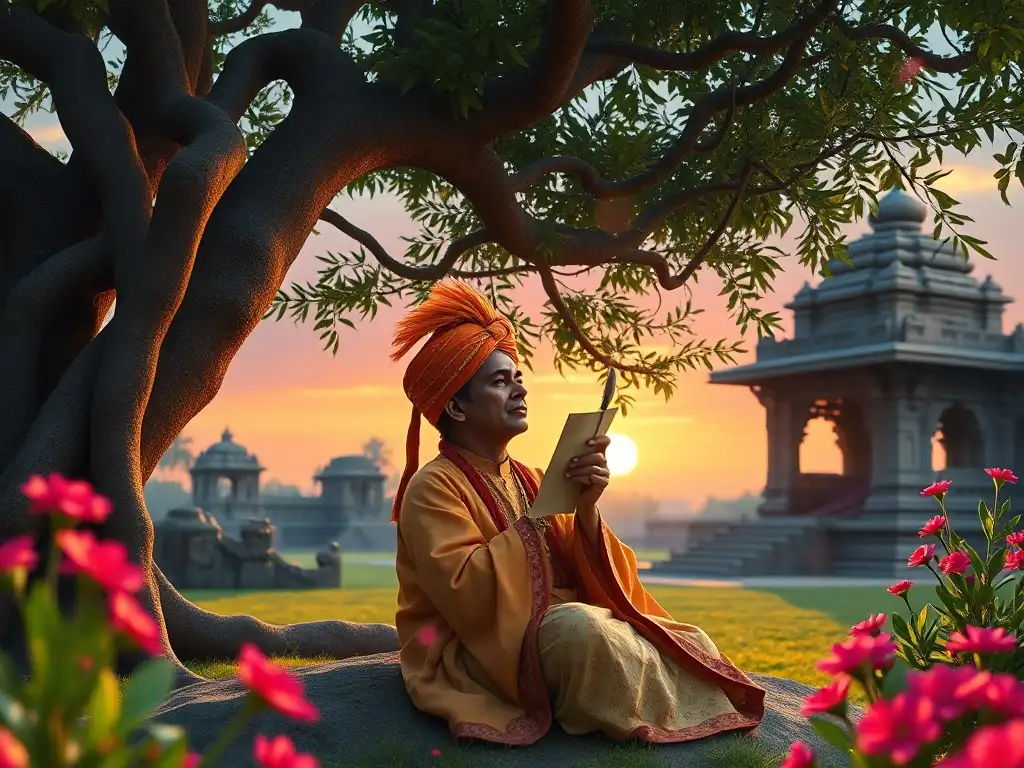
Welcome to Ancient India History, your gateway to the fascinating tapestry of one of the world's oldest civilizations. Here, we delve into the rich and diverse history, culture, and contributions of ancient Indian societies, from the innovative Indus Valley to the illustrious Gupta Empire. In our featured article, "The Exploration of Human Emotions in Classical Indian Poetry," we invite you to uncover the profound sentiments that have shaped literary expressions throughout the ages.
What emotions did poets of yore capture, and how do they resonate with us today? Join us on this enlightening journey and discover the beauty of classical Indian poetry that transcends time and speaks to the heart.
Introduction to Classical Indian Poetry
Classical Indian poetry serves as a profound reflection of the human experience, intricately weaving emotions into the fabric of its verses. This rich literary tradition, spanning centuries, showcases not only the artistry of language but also the depth of sentiment that resonates through the ages. From the earliest compositions in the Vedic period to the lyrical expressions of the Gupta Empire, classical Indian poetry encapsulates a myriad of feelings, ranging from love and longing to despair and joy.
Understanding these emotions provides invaluable insights into the psyche of ancient Indian civilizations, revealing how they perceived and articulated their inner worlds. This exploration not only highlights the aesthetic beauty of the poetry but also underscores its significance as a cultural artifact that connects us to the past.
Overview of Classical Indian Poetry and Its Significance
Classical Indian poetry is characterized by its diverse forms, styles, and themes, reflecting the complexities of life and the human condition. Notable works include the Mahabharata, Ramayana, and numerous Sanskrit dramas, alongside lyrical poetry such as Ghazals and Bhakti hymns. These texts are not mere literary compositions; they are pivotal cultural documents that offer insights into the social, spiritual, and emotional landscapes of the time.
The significance of classical Indian poetry extends beyond its literary merit. It serves as a historical record, illuminating the values, beliefs, and emotional expressions of ancient societies. The interplay of language, rhythm, and imagery creates a unique space where emotions are not just expressed but are also experienced by the reader or listener, fostering a connection that transcends time.
The Role of Emotions in Indian Literature
Emotions play a crucial role in classical Indian literature, acting as the driving force behind narratives and poetic expressions. The ancient Indian aesthetic theory, known as Rasa, categorizes emotions into various types, such as Shanta (peace), Raudra (anger), and Sringara (love). These emotions are not only depicted but are also meant to evoke a corresponding emotional response in the audience, creating a shared experience.
In this context, poetry becomes a medium for exploring the nuances of human emotions, allowing poets to delve into personal and collective experiences. The ability to convey deep emotional truths through metaphor and imagery is what sets classical Indian poetry apart, making it a timeless study of the human condition.
Understanding Emotions in Classical Indian Poetry
Definition of Key Emotions Explored in Poetry
Classical Indian poetry encompasses a wide range of emotions, each defined and expressed in distinctive ways. Some key emotions include:
- Sringara (Love): Often considered the most celebrated emotion, Sringara is depicted in its various forms—from romantic love to divine love—showcasing the beauty and complexity of relationships.
- Veera (Bravery): This emotion highlights courage and heroism, often illustrated through tales of warriors and deities, instilling a sense of pride and valor.
- Shanta (Peace): Representing tranquility and contentment, Shanta is often associated with spiritual themes and the quest for inner harmony.
- Karuna (Compassion): This emotion reflects empathy and sorrow, often found in poetry that addresses suffering and the human condition.
By defining and exploring these emotions, classical Indian poets invite readers to connect with their own feelings and experiences.
The Relationship Between Culture and Emotion in Ancient India
The relationship between culture and emotion in ancient India is deeply intertwined, with poetry serving as a mirror to societal values and beliefs. Emotions expressed in classical poetry often reflect the cultural context in which they were created. For example, the celebration of love in Sringara poetry not only highlights personal experiences but also mirrors the societal norms surrounding love and relationships.
Moreover, the portrayal of emotions in poetry often aligns with philosophical and spiritual teachings prevalent in ancient Indian thought, such as Bhakti (devotion) and Dharma (duty). This cultural backdrop informs the emotional landscape of the poetry, allowing it to resonate with the audience on multiple levels.
Understanding these connections enriches our appreciation of classical Indian poetry, revealing how emotions are not just personal experiences but also cultural expressions that have shaped and been shaped by the society from which they emerge.
Major Poets and Their Emotional Expressions
Classical Indian poetry is a treasure trove of emotional expression, with various poets delving into the complexities of human feelings. From romantic yearnings to profound sorrow, the diversity in emotional exploration is extensive. Each poet brought their unique perspective and style to the forefront, allowing readers to engage with a rich tapestry of sentiments. This section highlights some of the major poets and their distinctive emotional expressions that continue to resonate with audiences today.
Kalidasa: Master of Romantic Emotions
Kalidasa, one of the most celebrated poets of classical Indian literature, is renowned for his remarkable ability to articulate romantic emotions. His works, such as "Shakuntala" and "Meghaduta," showcase an intricate blend of love and nature, illustrating how personal feelings intertwine with the beauty of the natural world.
In "Shakuntala," the emotional depth of love is portrayed through the poignant relationship between Shakuntala and King Dushyanta. Kalidasa’s vivid imagery and lyrical language encapsulate the joys and sorrows of love, evoking feelings of longing and devotion. The use of metaphors drawn from nature, such as blooming flowers and the changing seasons, further enhances the emotional landscape, inviting readers to experience the characters’ feelings intimately.
Kalidasa's mastery in conveying the nuances of romantic emotions has left an indelible mark on the literary world, influencing countless poets and writers who seek to express the complexities of love.
Bhavabhuti: Tragedy and Deep Emotional Resonance
Bhavabhuti, another eminent figure in classical Indian poetry, is known for his dramatic narratives and exploration of intense emotions, particularly tragedy. His works, including "Malati-Madhava" and "Uttararama Charita," delve into the profound depths of human experience, emphasizing the pain and suffering that often accompany love and loss.
In "Malati-Madhava," Bhavabhuti captures the struggle of love against social constraints and personal dilemmas. The emotional resonance in his poetry stems from the characters' inner conflicts and the tragic circumstances that unfold. His poignant dialogues and heart-wrenching scenes emphasize the fragility of human emotions, drawing readers into the characters' turmoil.
Bhavabhuti's ability to evoke empathy and understanding through tragedy marks him as a significant contributor to the exploration of human emotions in classical Indian poetry, inviting readers to reflect on their own experiences of love and loss.
Bhasa: The Interplay of Love and Longing
Bhasa, one of the earliest playwrights in Indian literature, explores the themes of love and longing with remarkable sensitivity. His plays, such as "Pratima" and "Subhadradhananjaya," reveal the multifaceted nature of love, highlighting its various forms, including romantic love, familial affection, and friendship.
In his works, Bhasa often emphasizes the tension between lovers, revealing the bittersweet nature of longing. His characters navigate the complexities of desire and separation, articulating emotions that resonate with anyone who has experienced love. The interplay of dialogue and monologue in his plays allows for an intimate exploration of the characters’ feelings, making the audience acutely aware of their emotional journeys.
Bhasa's contribution to the exploration of love and longing in classical Indian poetry provides a foundational understanding of how these emotions shape human experiences, enriching the literary tradition.
Themes of Emotions in Classical Indian Poetry
Classical Indian poetry is characterized by its profound exploration of various emotional themes, each reflecting different aspects of human experience. The themes of love, sorrow, and joy are particularly prominent, serving as vehicles for poets to articulate their innermost feelings and connect with their audience.
Love (Kama) and Desire in Classical Works
Love, known as Kama in Sanskrit, is one of the most explored emotions in classical Indian poetry. Poets often depict love as a multifaceted experience, encompassing both the blissful highs and the painful lows. The concept of romantic love is intricately linked with desire, which is portrayed as a driving force in relationships.
In works like "Gitagovinda" by Jayadeva, love is celebrated through vivid imagery and sensual language, illustrating the divine and earthly dimensions of desire. The longing for the beloved, as depicted in these texts, often reflects a deeper spiritual quest, highlighting the interplay between physical desire and transcendental love.
The portrayal of love in classical poetry not only captures the essence of romantic relationships but also encompasses themes of devotion and longing, making it a central theme in the exploration of human emotions.
Sorrow (Shoka) and Grief in Indian Poetic Tradition
Sorrow, or Shoka, is another prevalent theme in classical Indian poetry, often intertwined with love and loss. Poets intricately weave narratives of heartbreak and grief, allowing readers to empathize with the characters’ emotional struggles.
In the context of classical literature, sorrow is often depicted through the lens of separation, where the pain of longing for a lost beloved becomes a prominent motif. The tragedy of unfulfilled love and the inevitability of loss are themes that resonate deeply in works by poets like Bhavabhuti and Kalidasa, where the emotional weight of grief is palpable.
The exploration of sorrow in classical Indian poetry serves as a reminder of the transient nature of happiness, prompting readers to reflect on their emotional experiences and the universal aspects of grief.
Joy (Alambana) and Celebration in Poetry
Joy, known as Alambana, holds a vital place in classical Indian poetry, often serving as a counterbalance to themes of sorrow and longing. Poets celebrate moments of happiness, love, and achievement, reflecting the beauty of life’s joyous experiences.
The joyous themes in poetry often manifest through celebrations of nature, festivities, and romantic union. In works like "Raghuvamsa" by Kalidasa, the exuberance of life is depicted through vibrant imagery that captures the essence of happiness and fulfillment. Poets utilize symbolism and vivid descriptions to create an atmosphere of celebration, inviting readers to partake in the joy expressed within their verses.
By exploring joy alongside other emotions, classical Indian poetry presents a holistic view of human experiences, emphasizing the importance of embracing all facets of life, from sorrow to elation. This multifaceted exploration allows for a rich emotional landscape that resonates deeply with readers, making it a significant aspect of classical Indian literature.
Literary Devices Used to Convey Emotions
Classical Indian poetry is rich with literary devices that serve to convey the complex landscape of human emotions. Poets of ancient India utilized a variety of techniques to articulate feelings in a way that resonates deeply with readers. These devices not only enhance the aesthetic appeal of the poetry but also deepen the emotional connection between the poem and its audience. Among the most prominent literary devices are metaphors, similes, symbolism, and imagery. Each of these plays a crucial role in expressing the varied emotions inherent in human experience, from love and longing to sorrow and joy.
Metaphors and Similes in Expressing Feelings
Metaphors and similes are powerful tools in classical Indian poetry that enable poets to draw vivid comparisons, thereby enriching the emotional landscape they depict. A metaphor provides a direct comparison, allowing an emotion to be expressed through the lens of another concept. For instance, in the works of poets like Kalidasa, love is often described as a "flood" that overwhelms the heart, implying both its intensity and its capacity to consume the individual.
Similes, on the other hand, use "like" or "as" to draw comparisons, offering a more explicit connection between two disparate elements. A poet might liken a lover’s eyes to "the moonlight" to evoke feelings of beauty and tranquility. Such comparisons resonate deeply with readers, enabling them to visualize emotions in relatable terms. Together, these devices create a rich tapestry of emotional expression that allows readers to engage with the text on a personal level.
Symbolism and Imagery in Evoking Emotions
Symbolism and imagery are essential components of classical Indian poetry that evoke emotions through visual and conceptual representation. Symbols often carry multiple meanings and can communicate complex feelings succinctly. For example, the lotus flower frequently symbolizes purity and divine beauty, representing the ideal of love that transcends earthly existence.
Imagery, meanwhile, paints vivid pictures in the reader's mind, allowing them to experience emotions as if they were part of the scene. Poets like Bhasa and Mirabai employed imagery to describe landscapes, seasons, and even the changing moods of nature, reflecting the emotional states of the characters within the poetry. The use of nature as a backdrop to human emotions is a hallmark of classical Indian poetry, reinforcing the interconnectedness of the human experience and the world around us.
The Influence of Emotions on Indian Society and Culture
The exploration of human emotions in classical Indian poetry has had a lasting influence on Indian society and culture. Poetry has served not only as a form of artistic expression but also as a reflection of the collective emotional landscape of the time. The themes and emotions captured in these works have shaped societal norms, values, and beliefs, influencing how individuals relate to each other and to the world.
How Emotions in Poetry Reflect Societal Values
Emotions portrayed in classical Indian poetry often mirror the societal values and norms of the time. Themes of love, devotion, and sacrifice are prevalent, showcasing the importance of relationships and social connections in ancient Indian culture. For example, the concept of bhakti (devotion) is central to many poetic works, emphasizing the emotional bond between devotees and deities. This reflects the societal value placed on spirituality and the pursuit of a higher moral order.
Moreover, the emotional narratives woven into poetry often served as moral lessons, reinforcing cultural ideals. The depiction of heroism, valor, and loyalty in poetry not only celebrated these virtues but also encouraged individuals to embody them within their own lives. Consequently, the exploration of emotions in poetry became a vehicle for cultural transmission, shaping the values that defined ancient Indian society.
The Impact of Poetry on Emotional Expression in Ancient India
The impact of poetry on emotional expression in ancient India cannot be overstated. Poetry provided a unique platform for individuals to articulate their feelings, often in a society where direct emotional expression may have been limited. Through poetry, emotions such as love, grief, and longing could be expressed in a manner that resonated deeply with both the poet and the audience.
Additionally, poetry played a vital role in communal gatherings, festivals, and rituals, where recitals of emotional verses fostered a sense of shared experience and connection. This communal aspect of poetry allowed individuals to collectively navigate their emotions, reinforcing social bonds and cultural identity. Thus, the emotional dimension of classical Indian poetry not only enriched the literary landscape but also facilitated a deeper understanding of the human experience within the cultural context of ancient India.
Conclusion: The Lasting Legacy of Emotions in Classical Indian Poetry
Classical Indian poetry serves as a profound reflection of the human experience, encapsulating a wide spectrum of emotions that resonate across time and geography. The poets' ability to articulate feelings such as love, longing, sorrow, and joy showcases the intricacies of human relationships and the struggles of existence. The emotional depth found in works from the Vedic period through to the Gupta Empire not only provides insight into the cultural context of ancient India but also highlights the universal nature of these sentiments.
This legacy persists in contemporary literature and art, where the exploration of human emotions remains a pivotal theme. The poetic forms developed during these ancient times, such as Shlokas, Ghazals, and Dohe, have influenced modern poets and writers, ensuring that the rich emotional tapestry woven by their predecessors continues to inspire and inform artistic expression today.
The Relevance of Classical Indian Poetry Emotions Today
The emotions articulated in classical Indian poetry are remarkably relevant in today's world. In an era where mental health and emotional intelligence are increasingly acknowledged, these ancient texts provide valuable lessons on the human condition. The ability to connect with emotions such as rasa (aesthetic flavor) in poetry offers readers a means to explore their own feelings and experiences, fostering empathy and understanding.
Moreover, classical Indian poetry's emphasis on nature, spirituality, and the human experience allows for a deeper appreciation of life’s complexities. Modern adaptations and translations of these works often highlight their emotional resonance, making them accessible to a broader audience. As a result, classical Indian poetry serves not only as a historical artifact but also as a living, breathing exploration of emotions that can guide contemporary readers in their emotional journeys.
Final Thoughts on the Importance of Emotions in Literature
Emotions are the driving force behind literature, providing depth and meaning to the narrative. In classical Indian poetry, this connection is especially profound, as poets skillfully weave their feelings into their verses, creating a rich emotional landscape. The exploration of emotions not only enhances the aesthetic experience but also invites readers to reflect on their own lives and feelings.
The significance of emotions in literature extends beyond mere expression; it fosters connection, understanding, and healing. As readers engage with the emotions depicted in classical Indian poetry, they embark on a journey that transcends time, discovering the shared human experience that binds us all. This timeless relevance underscores the importance of preserving and studying these literary treasures, as they continue to illuminate the complexities of the human heart.
Further Reading and Resources
For those interested in delving deeper into the exploration of emotions in classical Indian poetry, a wealth of resources is available. These materials can enrich your understanding and appreciation of the emotional depth inherent in this literary tradition.
Recommended Classical Indian Poetry Anthologies
- "The Oxford India Anthology of Classical Tamil Literature" - A comprehensive collection showcasing the emotional range of Tamil poetry.
- "The Sahitya Akademi Anthology of Hindi Poetry" - This anthology covers various eras and themes, emphasizing emotional expression in Hindi literature.
- "The Love Poems of Ancient India" - A selection of verses focused on love, longing, and desire, illustrating the intricate emotions found in classical poetry.
Notable Studies on Emotions in Literature
- "Rasa: The Aesthetic Experience in Indian Literature" by M. A. R. D. Shastri: - This study explores the concept of rasa, delving into how emotions are conveyed in classical Indian poetry.
- "Emotions and Literature: Cross-Cultural Perspectives" by Anjali Desai: - This book examines the broader implications of emotions in literature, with a focus on classical Indian texts.
- "The Poetics of Emotion: Analyzing Classical Indian Poetry" by R. K. Sharma: - A detailed analysis of how emotions are crafted and portrayed in various poetic forms throughout Indian history.
These resources provide a gateway into the rich world of classical Indian poetry and its exploration of human emotions, offering insights for both scholars and enthusiasts alike.
- Introduction to Classical Indian Poetry
- Overview of Classical Indian Poetry and Its Significance
- The Role of Emotions in Indian Literature
- Understanding Emotions in Classical Indian Poetry
- Major Poets and Their Emotional Expressions
- Themes of Emotions in Classical Indian Poetry
- Literary Devices Used to Convey Emotions
- The Influence of Emotions on Indian Society and Culture
- Conclusion: The Lasting Legacy of Emotions in Classical Indian Poetry
- Further Reading and Resources
Frequently Asked Questions
What are the main themes explored in classical Indian poetry?
Classical Indian poetry often delves into human emotions such as love, longing, and devotion, reflecting the complexities of the human experience through rich imagery and metaphor.
How does classical Indian poetry express emotions?
Emotions in classical Indian poetry are expressed through vivid imagery, metaphorical language, and cultural references, allowing readers to connect deeply with the sentiments conveyed by the poets.
Who are some notable poets in classical Indian literature?
Prominent poets include Kalidasa, known for his emotional depth, and Bhartrihari, who explored themes of love and detachment, showcasing the diverse emotional landscape of classical Indian poetry.
What role does nature play in expressing emotions in poetry?
Nature is often used as a symbolic backdrop in classical Indian poetry, reflecting the emotional states of the characters and enhancing the overall aesthetic experience of the verses.
How has classical Indian poetry influenced modern literature?
Classical Indian poetry has significantly influenced modern literature by introducing rich emotional expressions and cultural themes, inspiring contemporary writers to explore similar human experiences in their works.
Final Reflection: The Enduring Power of Emotions in Classical Indian Poetry
The exploration of human emotions in classical Indian poetry remains profoundly relevant today, as it reveals the timeless nature of our feelings and experiences. In a world increasingly dominated by technology and fleeting digital interactions, the depth and richness of emotions captured in these ancient verses remind us of our shared humanity. The ability of poetry to articulate the complexities of love, sorrow, joy, and longing is a testament to the enduring power of art to connect us across generations.
Classical Indian poetry serves as a mirror reflecting our innermost thoughts and feelings, influencing not only literature but also the broader cultural landscape. The emotions expressed in these works resonate with readers, allowing them to find solace and understanding in their own experiences. As Rabindranath Tagore eloquently stated, The highest education is that which does not merely give us information but makes our life in harmony with all existence.
This harmony is precisely what classical Indian poetry offers, bridging the gap between the past and the present through its exploration of emotions.
As you reflect on the themes discussed in this article, I invite you to consider how you can incorporate the wisdom of classical Indian poetry into your own life. Take a moment to explore your emotions through writing, art, or even meditation, allowing the profound insights of these ancient texts to inspire your personal journey. By embracing the emotional depth found in these poetic works, you not only honor their legacy but also enrich your own understanding of what it means to be human in today's world.
Unveil the Depths of Indian Poetry: Take Action!
Thank you for diving into the enriching world of classical Indian poetry with us! You’ve uncovered the beauty of human emotions expressed through timeless verses. Now, let’s transform your understanding into action!
- Deepen your experience: Read a classic poem from renowned Indian poets and reflect on how it resonates with your own feelings.
- Engage with the community: Share your favorite verses on social media using #IndianPoetry, inviting others to join the conversation about the emotions conveyed in poetry.
- Explore further: Consider joining a poetry workshop or a book club that focuses on Indian literature, allowing you to connect with fellow enthusiasts.
What emotion does a particular poem evoke within you, and how can you express that feeling creatively?