
The Maurya Empire’s Communication Networks: A Governance Revolution


Welcome to Ancient India History, your gateway to uncovering the rich tapestry of ancient Indian civilizations! Here, we delve into the remarkable Maurya Empire, where innovative communication systems revolutionized governance and connectivity across vast territories. Ever wondered how these ancient networks facilitated control and integration in one of history's greatest empires? Prepare to be captivated as we explore the intricate web of communication that not only transformed the Maurya Empire but also laid the groundwork for future civilizations. Join us on this enlightening journey and discover the profound impact of these systems on the thriving culture of ancient India!
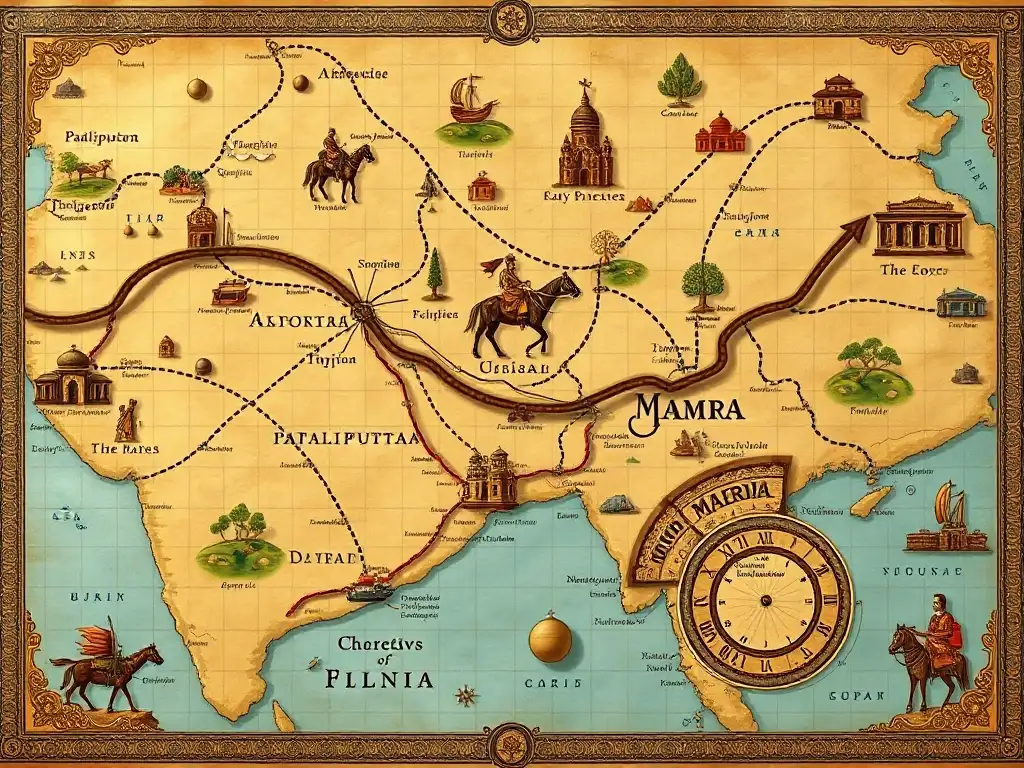
Introduction to the Maurya Empire
The Maurya Empire, which flourished from 322 to 185 BCE, represents a significant chapter in ancient Indian history marked by its remarkable advancements in administration, governance, and communication. Spanning much of the Indian subcontinent, the empire was founded by Chandragupta Maurya and later expanded under the reign of his grandson, Ashoka the Great. One of the empire’s most notable achievements was the establishment of sophisticated communication networks that facilitated governance and administration across vast distances. These communication systems not only enabled effective governance but also played a pivotal role in unifying diverse regions and cultures within the empire.
Overview of the Maurya Empire's History
The Maurya Empire emerged in the wake of the fragmented political landscape that followed the decline of the Nanda Dynasty. Chandragupta Maurya, with the guidance of his mentor Chanakya, strategically overthrew the Nandas and laid the foundation for a centralized governance system. This empire witnessed unprecedented territorial expansion, reaching its zenith under Ashoka, who is renowned for his promotion of Buddhism and ethical governance. The Mauryan period was characterized by innovations in administration, commerce, and culture, establishing a legacy that influenced subsequent Indian civilizations.
Importance of Communication in Governance
Effective communication is the backbone of any successful governance system. In the context of the Maurya Empire, communication networks were crucial for several reasons:
- Coordination of Administrative Activities: Facilitated the smooth functioning of the vast empire by enabling timely decision-making.
- Information Dissemination: Allowed for the effective spread of policies, laws, and directives from the central authority to local administrators.
- Cultural Integration: Helped in the promotion of shared values and practices across diverse regions, fostering a sense of unity.
The Maurya Empire's communication systems exemplified how governance could be revolutionized through the strategic implementation of infrastructure and technology.
The Role of Communication Systems in the Maurya Empire
The communication systems of the Maurya Empire were not merely a means of relaying messages; they were integral to the very fabric of governance and societal cohesion.
Definition of Communication Systems in Ancient India
In ancient India, communication systems encompassed a variety of methods and infrastructure that enabled the transmission of information and messages. This included:
- Road Networks: Well-constructed roads that linked major cities and trade routes.
- Postal Services: An organized system for relaying messages, utilizing messengers and horses.
- Signaling Methods: Use of flags, smoke signals, and drumbeats for quick communication over distances.
These systems were essential for maintaining order and facilitating trade, diplomacy, and military coordination.
Key Features of Maurya Empire Communication Systems
The communication systems of the Maurya Empire had several key features that contributed to their effectiveness:
- Extensive Road Networks: Major roads such as the Grand Trunk Road connected important cities, facilitating trade and movement.
- Royal Messengers: A dedicated corps of messengers ensured that messages reached their destinations swiftly, often traveling on horseback.
- Use of Symbols and Scripts: The adoption of Brahmi script for inscriptions helped standardize communication across the empire, making it easier for officials and citizens to understand directives.
These features not only revolutionized governance during the Maurya period but also set a precedent for future Indian empires, highlighting the critical role of communication in effective administration.
Types of Communication Networks in the Maurya Empire
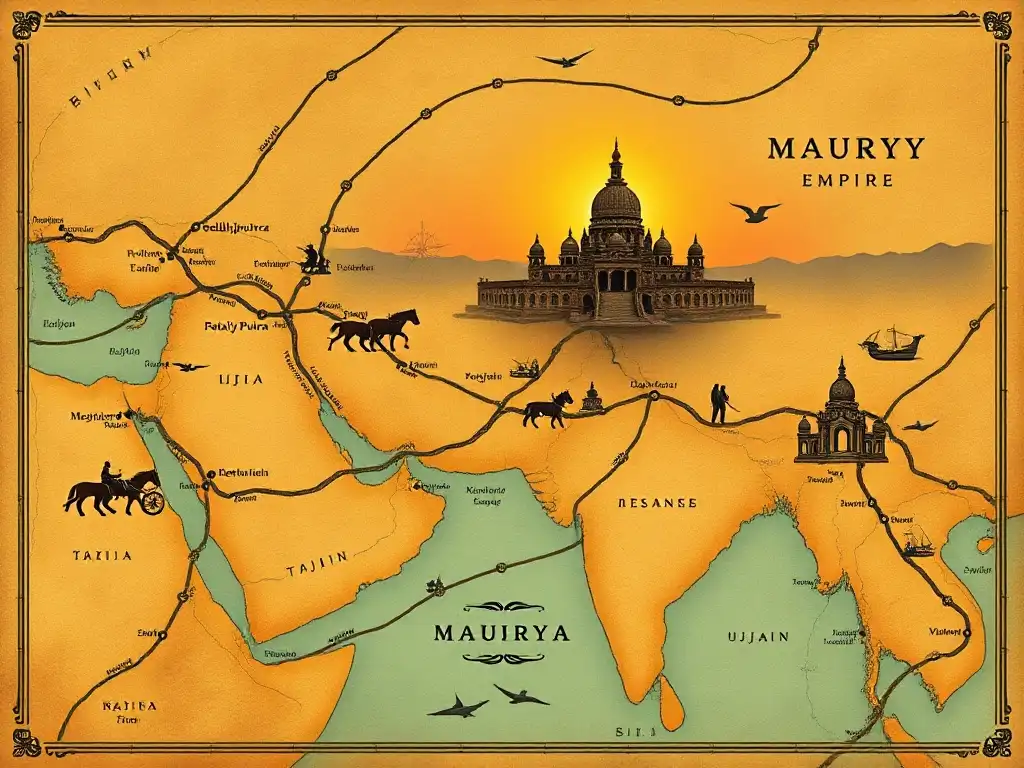
The Maurya Empire, known for its extensive reach and influence, established a variety of communication networks that were crucial for effective governance and administration. These networks facilitated the flow of information across vast distances, linking various regions and enabling the central authority to maintain control over its territories. The communication systems can be categorized into three main types: road networks, riverine communication, and the use of messengers and couriers. Each played a significant role in ensuring the empire's stability and coherence.
Road Networks and Their Significance
The road networks of the Maurya Empire were among the most sophisticated of their time. Major thoroughfares, such as the famous Grand Trunk Road, connected important cities, trade routes, and military outposts. These roads were strategically designed to facilitate trade, military movement, and administrative efficiency.
- Maintenance and Safety: The Mauryan administration took proactive measures to maintain these roads, ensuring they were safe and passable. Way stations, known as "dharmashalas," were established along key routes to provide rest and provisions for travelers.
- Economic Benefits: The effective road system boosted trade, allowing merchants to transport goods more swiftly and securely. This not only enhanced economic growth but also promoted cultural exchanges across different regions of the empire.
Riverine Communication: A Vital Resource
In addition to roads, rivers played a critical role in the Maurya Empire’s communication systems. Navigable rivers such as the Ganges and Indus served as natural highways, facilitating the movement of goods and information.
- Transportation and Trade: Riverine transport was efficient for moving bulky goods that were challenging to carry overland. The rivers also allowed for the quick transportation of troops, which was essential for maintaining control over the empire's vast territories.
- Cultural Exchange: These waterways acted as conduits for cultural interactions and exchanges, connecting diverse communities and enabling the spread of ideas, religions, and practices throughout the empire.
Use of Messengers and Couriers in Administration
The Maurya Empire relied heavily on a network of messengers and couriers for effective communication within its vast territories. These individuals were critical for the transmission of orders, reports, and intelligence.
- Organizational Structure: The administration employed a hierarchical system of couriers, with dedicated routes and protocols for urgent communications. This ensured that messages reached their destinations promptly and securely.
- Role in Governance: Messengers played a vital role in maintaining the emperor's authority, as they were responsible for delivering decrees and collecting intelligence from distant provinces. Their work allowed for responsive governance, addressing issues as they arose.
Innovations in Communication Technology
The Maurya Empire was not only notable for its vast communication networks but also for its innovations in communication technology. These advancements contributed significantly to the efficiency and effectiveness of governance.
Development of Infrastructural Innovations
The Mauryan rulers invested substantially in infrastructure, which included advancements that facilitated communication.
- Infrastructure Projects: The construction of rest houses, wells, and road markers along major routes greatly enhanced the travel experience for messengers and traders alike. These innovations were essential for supporting the expansive communication system.
- Urban Planning: The cities were designed with efficient layouts that allowed for quick access to important administrative centers, further streamlining communication processes.
The Impact of Writing and Record Keeping
The Maurya Empire's use of writing and record keeping marked a pivotal development in its communication systems.
- Administrative Efficiency: The ability to document decisions, laws, and transactions allowed for better governance. Official records ensured that information could be referred to, creating a transparent administration.
- Cultural and Historical Legacy: Writing facilitated the recording of historical events and cultural practices, contributing to a rich literary tradition that has provided insights into the empire's society and governance.
Influence of Linguistic Diversity on Communication
The linguistic diversity of the Maurya Empire posed both challenges and opportunities for communication.
- Multilingual Administration: With numerous languages spoken across various regions, the administration had to navigate this diversity. This often led to the use of a common lingua franca, such as Prakrit, to facilitate effective communication among diverse populations.
- Cultural Integration: The interaction of different languages and cultures fostered a sense of unity within the empire, as people from various backgrounds engaged in dialogue and cooperation, enhancing the overall governance framework.
Governance and Administration Through Communication
The Maurya Empire, which flourished from 321 to 185 BCE, is renowned for its sophisticated governance and administrative systems. A key aspect of this effectiveness was its communication networks, which played a vital role in maintaining centralized authority across vast territories. The empire's ability to relay information swiftly and efficiently contributed to the effective management of resources, enforcement of laws, and overall governance.
Communication systems in the Maurya Empire included messengers, roads, and a variety of written forms. These methods allowed for the dissemination of royal decrees, collection of taxes, and coordination of military efforts. By fostering a robust communication infrastructure, the Maurya Empire not only ensured stability but also facilitated the integration of diverse cultures within its borders, allowing for a unified administration that catered to a variety of local needs.
How Communication Facilitated Centralized Governance
Centralized governance in the Maurya Empire relied heavily on effective communication strategies that enabled the emperor and his officials to maintain control over distant provinces. The establishment of a network of messengers and relay stations throughout the empire ensured that information could travel quickly between the capital, Pataliputra, and other regions. This allowed the central government to issue commands and receive feedback promptly, which was crucial for administrative efficiency.
Written communication, through edicts and inscriptions, also played a significant role. The famous Edicts of Ashoka, for example, were inscribed on pillars and rocks across the empire, conveying messages of governance, ethics, and law to the populace. This not only disseminated information widely but also reinforced the authority of the emperor as a moral leader.
Furthermore, the use of local languages and dialects in communication helped bridge gaps between diverse communities, allowing the central authority to connect with various ethnic groups. This inclusivity fostered loyalty and compliance, which were essential for the stability of the empire.
The Role of Communication in Law Enforcement and Justice
The enforcement of law and order in the Maurya Empire was significantly enhanced through effective communication systems. The empire's administrative structure included a network of officials and local leaders who were responsible for upholding laws and ensuring justice in their respective regions. Regular communication between these officials and the central authority allowed for the swift resolution of disputes and the implementation of legal standards.
The use of proclamations and edicts helped communicate legal codes and regulations to the public. For instance, Ashoka's edicts emphasized moral behavior and community welfare, aiming to instill a sense of justice among the people. This approach not only educated citizens about their rights and responsibilities but also created a common understanding of the law, thereby reducing conflict and fostering a sense of security.
Additionally, the establishment of local courts and the appointment of judges facilitated the administration of justice at the grassroots level. Regular reports from these local bodies to the central government ensured that justice was administered uniformly across the empire, further reinforcing the authority of the state.
Communication's Impact on Taxation and Resource Management
Taxation and resource management in the Maurya Empire were intricately linked to its communication systems. The efficient collection of taxes required timely information about agricultural yields, trade activities, and local economies. Communication networks allowed tax officials to coordinate with local farmers and merchants, ensuring that tax assessments were accurate and reflective of current conditions.
Moreover, the central administration relied on reports from regional governors and local officials to make informed decisions regarding resource allocation. This helped in addressing shortages or surpluses effectively, thereby optimizing the empire's economic stability.
The introduction of standardized weights and measures, along with written records of transactions, facilitated smoother trade and taxation processes. This, in turn, contributed to the empire's prosperity, allowing it to fund military campaigns and public projects, such as roads and irrigation systems, which further enhanced economic productivity.
Challenges to Communication in the Maurya Empire
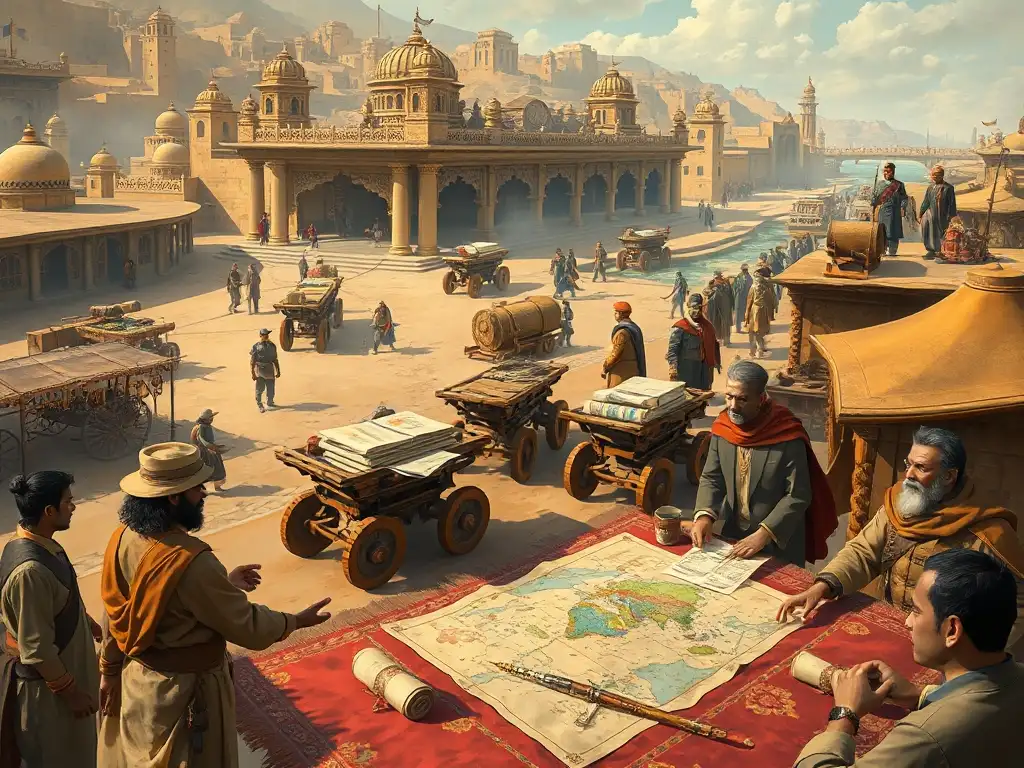
Despite the remarkable communication networks established during the Maurya Empire, several challenges hindered their effectiveness. Geographic obstacles, cultural diversity, and internal strife posed significant barriers to seamless communication and governance.
Geographic and Cultural Barriers
The vast expanse of the Maurya Empire encompassed diverse terrains, from the Himalayan mountains to the fertile plains of the Ganges. This geographical diversity presented challenges for communication, as travel could be hindered by natural obstacles such as rivers and mountains. The establishment of relay stations, while effective, still required considerable resources and time to maintain.
Culturally, the empire was home to a multitude of ethnic groups, each with its own languages and customs. As a result, communication sometimes faced misunderstandings and misinterpretations. The central authorities had to navigate these cultural differences to ensure that their messages were clear and comprehensible to all subjects, which was not always achievable.
Internal and External Threats to Communication Networks
Internal threats, such as rebellion and dissent, posed significant challenges to the continuity of communication within the Maurya Empire. Discontent among local populations could disrupt the flow of information, making it difficult for the central government to maintain control. In times of unrest, messengers and officials faced risks of being intercepted or prevented from carrying out their duties, severely hampering administrative effectiveness.
Externally, threats from neighboring kingdoms and tribes also endangered communication networks. Military conflicts often disrupted the established routes and relay systems, making it harder for the empire to communicate with its frontiers. This vulnerability could lead to delays in military responses or the inability to relay crucial information in times of crisis, ultimately affecting the empire's stability and security.
While the Maurya Empire's communication systems played a pivotal role in its governance and administration, they were not without their challenges. The empire's ability to adapt and overcome these obstacles was critical to its success and longevity.
Legacy of the Maurya Empire’s Communication Systems
The Maurya Empire, which flourished from 322 to 185 BCE, is renowned for its sophisticated communication networks that played a pivotal role in its governance and administration. The establishment of an extensive system of roads, messengers, and communication routes not only facilitated the rapid dissemination of information but also enhanced the efficiency of governance across the vast territory of the empire. This legacy of advanced communication systems had a lasting impact on subsequent Indian empires and remains a significant aspect of ancient Indian history.
The Mauryan roads were meticulously constructed, linking major cities and regions, which allowed for the swift movement of troops and goods. The famous Grand Trunk Road, which has its origins in the Maurya period, exemplifies the engineering skills of the time and continues to be a vital artery for trade and travel in modern India.
Additionally, the use of mounted couriers and foot messengers ensured that news and decrees reached distant corners of the empire efficiently. This organized communication network not only facilitated administrative control but also fostered a sense of unity and shared identity among the diverse populations of the Maurya Empire.
Influence on Subsequent Indian Empires
The communication systems established by the Maurya Empire set a precedent for later Indian empires, including the Gupta Empire. Following the Mauryan model, the Guptas enhanced the road networks, further developing the infrastructure for trade and military logistics. The emphasis on effective communication became central to governance, enabling the Gupta rulers to maintain control over their territories and facilitate cultural and economic exchanges.
Other regional powers in India also adopted the Mauryan communication strategies. For instance, the Chola Dynasty utilized a similar network of roads and maritime routes to enhance trade and political influence. The legacy of the Maurya Empire's communication systems thus influenced governance practices across centuries, shaping the administrative frameworks of subsequent Indian empires.
Comparative Analysis with Other Ancient Civilizations
When comparing the Maurya Empire's communication systems with those of other ancient civilizations, notable similarities and differences emerge. For instance, the Roman Empire also developed an extensive network of roads and postal systems, which facilitated trade and military movements across Europe and North Africa. Both empires understood the significance of communication in governance, yet their approaches varied based on geographic and cultural contexts.
In contrast, ancient Chinese empires, such as the Qin and Han Dynasties, relied heavily on written communication and bureaucratic structures to manage their vast territories. While the Mauryan system emphasized physical infrastructure, the Chinese approach focused on the codification of laws and regulations, reflecting their unique administrative philosophies.
The comparison highlights how different ancient civilizations adapted their communication systems to meet the specific needs of their governance, yet all recognized the critical role of effective communication in maintaining control and fostering unity.
Conclusion: The Governance Revolution Brought by Communication
The Maurya Empire’s communication systems represented a governance revolution that transformed the way empires managed their territories. By establishing efficient networks for the exchange of information, the Mauryan rulers were able to implement policies effectively, maintain law and order, and respond swiftly to the needs of their subjects. This revolution not only enhanced the operational capabilities of the empire but also contributed to the cultural and economic prosperity of the period.
Summarizing the Impact of Maurya Empire Communication Systems
The communication systems of the Maurya Empire laid the groundwork for future governance models across India and beyond. The integration of road networks, messenger services, and administrative practices fostered a cohesive political entity that thrived on efficient communication. This legacy continues to influence modern governance practices, underscoring the enduring significance of the Mauryan innovations in communication.
Future Research Directions in Ancient Communication Networks
Future research into ancient communication networks, particularly those of the Maurya Empire, could delve deeper into various aspects such as the technology employed in road building, the role of communication in cultural exchanges, and the socio-political impacts of these systems on the populace. Moreover, comparative studies with other ancient civilizations can further illuminate the evolution of governance and administration in the ancient world. By exploring these avenues, scholars can gain a richer understanding of how communication shaped the trajectories of ancient empires and contributed to their legacies.
- Introduction to the Maurya Empire
- Overview of the Maurya Empire's History
- Importance of Communication in Governance
- The Role of Communication Systems in the Maurya Empire
- Types of Communication Networks in the Maurya Empire
- Innovations in Communication Technology
- Governance and Administration Through Communication
- Challenges to Communication in the Maurya Empire
- Legacy of the Maurya Empire’s Communication Systems
- Conclusion: The Governance Revolution Brought by Communication
- What were the main features of the Maurya Empire's communication systems?
- How did the communication systems benefit the Maurya Empire's administration?
- What role did messenger services play in the Maurya Empire?
- Were there any technological advancements in the Maurya Empire's communication?
- How did the Maurya Empire influence future communication systems in India?
Frequently Asked Questions
What were the main features of the Maurya Empire's communication systems?
The Maurya Empire established an extensive network of roads and messengers, which facilitated the swift movement of information and goods across vast distances, ensuring effective governance.
How did the communication systems benefit the Maurya Empire's administration?
The communication systems allowed for prompt decision-making and coordination among officials, enhancing the empire's ability to maintain control over its territories and respond to challenges quickly.
What role did messenger services play in the Maurya Empire?
Messengers were crucial for delivering messages and official decrees, enabling rapid communication between the central government and local administrations, which was vital for governance.
Were there any technological advancements in the Maurya Empire's communication?
Yes, the Maurya Empire saw the use of signaling methods like smoke signals and drum beats, which were innovative for their time and improved the speed of communication across regions.
How did the Maurya Empire influence future communication systems in India?
The Maurya Empire's communication innovations laid the foundation for later Indian empires, influencing their administrative practices and enhancing inter-regional connectivity that persisted through history.
Final Reflection: The Enduring Legacy of the Maurya Empire's Communication Systems
The communication systems of the Maurya Empire were not merely tools of governance; they were the very backbone of a revolutionary administration that shaped the course of Indian history. Today, as we navigate an increasingly interconnected world, the lessons from the Maurya Empire's sophisticated networks remind us of the power of effective communication in governance and societal cohesion. The ability to relay information swiftly and accurately remains a cornerstone of successful leadership and community engagement.
The Maurya Empire's innovative communication strategies have left an indelible mark on our cultural and social landscapes. From the establishment of extensive road networks to the use of messengers and written edicts, these systems fostered unity and facilitated the spread of ideas across vast territories. This historical context resonates with our modern challenges, where communication continues to play a pivotal role in bridging divides and fostering understanding. In the age of information, the ability to communicate effectively is not just an advantage; it is a necessity for survival.
As we reflect on the lessons of the Maurya Empire, let us consider how we can apply these insights to our own lives and communities. How can we enhance our communication systems to foster better governance, collaboration, and understanding in our own spheres? I invite you to take a moment to think about the ways you can contribute to a more connected and informed society, drawing inspiration from the remarkable legacy of the Maurya Empire. Together, we can build networks of communication that transcend boundaries and empower us to navigate the complexities of our modern world.
Unleash the Power of Communication in History!
Thank you for diving into the fascinating world of the Maurya Empire's communication networks! You've uncovered the critical role these networks played in transforming governance and connecting an entire civilization. Now, it’s time to take what you've learned and apply it to your own journey of exploration and understanding.
Here are some meaningful actions you can take right now:
- Join a discussion group focused on ancient civilizations to deepen your understanding of historical governance and communication.
- Explore further by reading books or articles about other empires that innovated in communication and governance.
- Share your insights with friends or on social media—initiate a conversation about how ancient systems continue to influence modern governance!
In what unique ways do you believe effective communication can reshape our world today, just as it did for the Maurya Empire?