
The Indus Valley Civilization's Role in the Evolution of Indian Art Forms

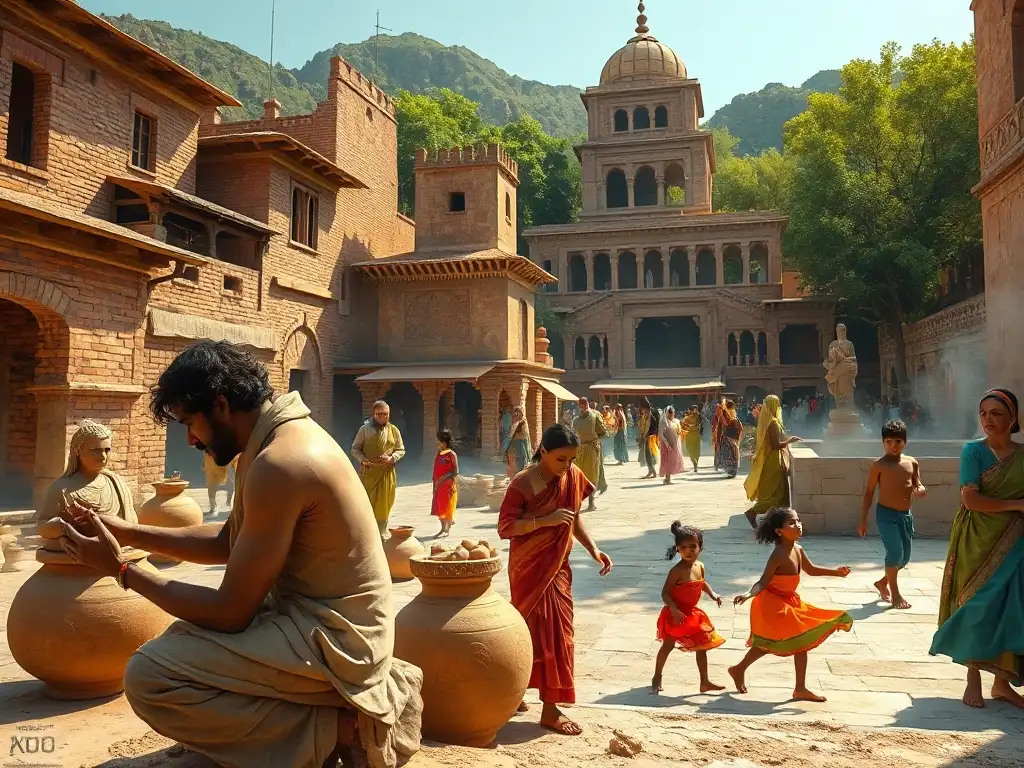
Welcome to Ancient India History, where we embark on an enlightening journey through the tapestry of time that weaves together the rich and diverse history, culture, and contributions of ancient Indian civilizations. In this exploration, we delve into the intriguing realm of the Indus Valley art forms history, uncovering how the artistic expressions of this remarkable civilization laid the foundation for the evolution of Indian art. Are you ready to discover how these ancient masterpieces influenced generations to come? Dive deeper with us and unlock the secrets of a bygone era!
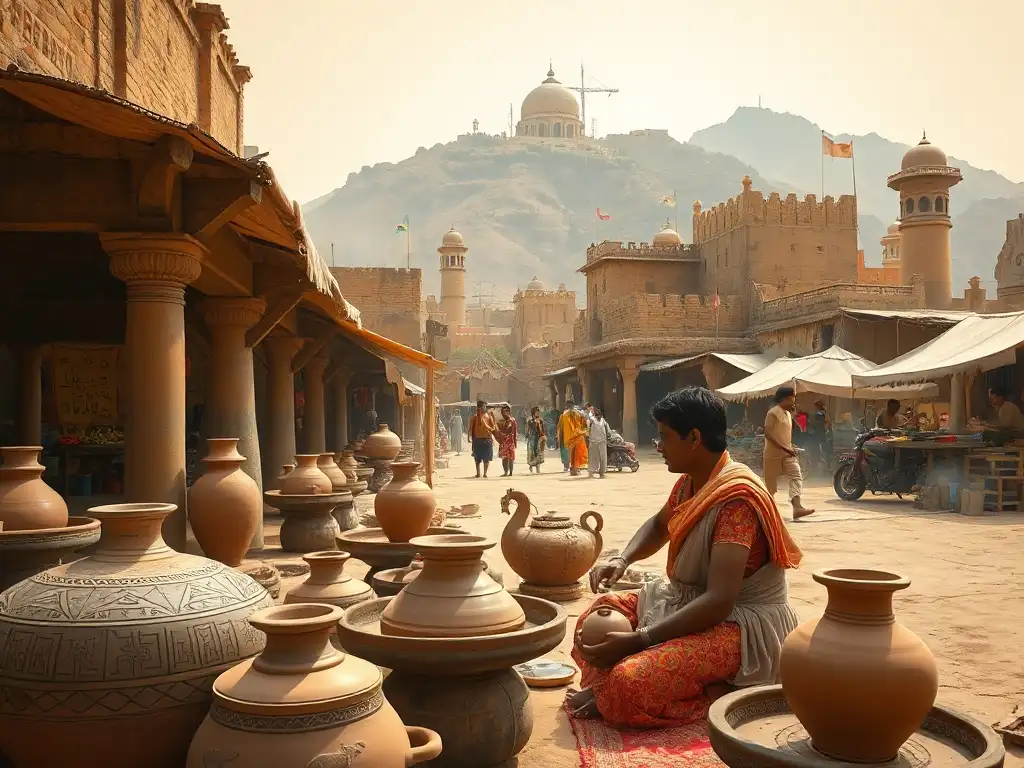
Introduction to Indus Valley Civilization Art Forms
The Indus Valley Civilization (IVC) represents one of the earliest urban societies in the world, flourishing around 3300-1300 BCE in what is now Pakistan and northwest India. Its sophisticated city planning, advanced drainage systems, and economic structures showcase a remarkable level of organization and creativity.
However, perhaps one of the most fascinating aspects of this civilization is its rich array of art forms, which not only reflect the aesthetic sensibilities of the time but also serve as a window into the cultural and spiritual life of its people. Understanding the Indus Valley art forms history enables us to appreciate the foundational influences that shaped subsequent Indian artistic traditions.
Overview of Indus Valley Civilization
The Indus Valley Civilization was characterized by its large cities such as Harappa and Mohenjo-Daro, which exhibited remarkable architectural and urban planning feats. The civilization is noted for its:
- Urban Centers: Well-planned cities with grid patterns.
- Advanced Technology: Innovations in metallurgy, pottery, and textiles.
- Script: Although still undeciphered, the script suggests a developed form of communication.
Art in this civilization is manifested in various forms, including pottery, seals, terracotta figurines, and sculptures, which provide insights into the daily lives, beliefs, and social structures of its people.
Significance of Art in Ancient Cultures
Art serves as a crucial element in understanding ancient cultures; it is not merely a decorative aspect but a reflection of societal values, beliefs, and historical contexts. In the case of the Indus Valley Civilization, art forms were intertwined with:
- Religious Practices: Many artifacts depict motifs associated with deities and rituals.
- Social Identity: Artistic expressions were often markers of social status and community identity.
- Trade and Economy: Artifacts reveal the extensive trade networks and economic conditions of the time.
Thus, analyzing the art forms of the Indus Valley provides a richer understanding of its civilization and its contributions to the broader tapestry of Indian history.
Purpose of the Article: Understanding Indus Valley Art Forms History
This article aims to delve into the art forms of the Indus Valley Civilization, exploring their origins, evolution, and significance within the broader context of ancient Indian history. By examining the various artistic expressions and their implications, we can better understand how these early forms laid the groundwork for later artistic developments in India.
Historical Context of Indus Valley Art Forms
Understanding the historical context of the Indus Valley art forms is vital for appreciating their significance and influence on subsequent Indian civilizations.
The Timeline of the Indus Valley Civilization
The Indus Valley Civilization flourished over several centuries, with its timeline typically divided into three major phases:
| Phase | Time Period | Characteristics |
|---|---|---|
| Early Harappan | c. 3300–2600 BCE | Initial urbanization, pottery styles begin |
| Mature Harappan | c. 2600–1900 BCE | Peak of urban development, diverse art forms |
| Late Harappan | c. 1900–1300 BCE | Decline of urban centers, simpler art styles |
This timeline highlights the evolution of artistic styles and the changing socio-economic conditions within the civilization.
Key Locations of Artistic Developments
Several key locations within the Indus Valley are pivotal to understanding the development of its art forms. Key sites include:
- Harappa: Known for its intricate pottery and seals.
- Mohenjo-Daro: Famous for its terracotta figurines and large public baths.
- Chanhudaro: Notable for its bead-making workshops and craftsmanship.
These sites reveal the diversity and specialization in art forms across the civilization.
Influence of Geography on Art Forms
The geography of the Indus Valley significantly influenced its artistic expressions. The fertile plains along the Indus River provided resources for crafting materials, while the proximity to trade routes facilitated cultural exchanges. Factors such as:
- Natural Resources: Availability of clay, metals, and stones influenced the types of materials used in art.
- Trade Connections: Interaction with neighboring civilizations introduced new artistic ideas and techniques.
Thus, geography played a crucial role in shaping the artistic landscape of the Indus Valley Civilization, contributing to its unique art forms that would later influence Indian art as a whole.
Characteristics of Indus Valley Art Forms
The art forms of the Indus Valley Civilization (IVC), which flourished from approximately 3300 to 1300 BCE, are characterized by their remarkable craftsmanship, sophistication, and functionality. This civilization demonstrated a profound understanding of aesthetics, employing various materials and techniques that reflected their cultural values and social structures.
Indus Valley art is primarily noted for its realism and attention to detail, particularly in sculpture and pottery. The artisans utilized natural resources available in their environment, such as terracotta, stone, and metals, to create objects that were both decorative and utilitarian. The art of this period also exhibits a strong sense of order and symmetry, as seen in the uniformity of their seals and the geometric patterns on pottery.
Additionally, the integration of art in everyday life is evident, with many artifacts serving practical purposes while also showcasing artistic flair. The iconography found across various forms of art indicates a sophisticated belief system and social structures, suggesting that art was not merely for decoration but also played a significant role in religious and cultural expressions.
Sculptural Techniques and Materials Used
The sculptural techniques of the Indus Valley artists reveal a high degree of skill and innovation. They primarily worked with materials such as clay, stone, and bronze, showcasing their versatility in crafting both small and large-scale sculptures.
The most notable sculptures from this civilization include the dancing girl and the priest-king figures, which were meticulously carved from bronze and display intricate details. The artists employed techniques like lost-wax casting, a method that allowed for precision and the production of detailed forms.
Terracotta was another popular material, frequently used for creating figurines, toys, and decorative objects. The use of fired clay not only provided durability but also allowed for a variety of textures and finishes, enhancing the aesthetic appeal of the artworks. Moreover, the stone carvings, often featuring animals and human figures, demonstrate a profound understanding of anatomy and proportion, indicative of the artists' training and expertise.
Pottery Styles and Their Evolution
Indus Valley pottery is distinguished by its high-quality craftsmanship and diversity in styles. The pottery of this civilization evolved over time, reflecting changes in technology, aesthetics, and daily life. Initially, the pottery was simple and utilitarian, but as the civilization progressed, a rich variety of forms emerged, including painted, molded, and incised designs.
The distinctive red and black ware is one of the most recognized styles, characterized by its glossy surface and intricate geometric patterns. These designs often incorporated motifs derived from nature, such as animals and plants, showcasing the artisans’ creativity and relationship with their environment.
Furthermore, the introduction of the potter's wheel around 2500 BCE marked a significant advancement in pottery production, allowing for greater uniformity and refinement in shapes. The evolution of pottery styles not only reflects technological advancements but also indicates the complex social dynamics and trade practices within the Indus Valley and with neighboring cultures.
Textile Art and Weaving Practices
Textile art played an essential role in the daily life and culture of the Indus Valley Civilization. The evidence of weaving practices is found in the remnants of textiles and spindles, which indicate that cotton was one of the primary materials used for fabric production. The IVC is one of the earliest civilizations known to have cultivated cotton, and their textile techniques were advanced for their time.
Indus Valley artisans employed complex weaving techniques, creating fabrics that ranged from simple, functional cloths to ornate textiles adorned with intricate patterns. The use of natural dyes derived from plants and minerals further enhanced the visual appeal of their textiles, making them not only practical but also decorative.
Additionally, textile art was often associated with social status, as the quality and design of clothing could signify wealth and rank within the community. The influence of textile art can be seen throughout Indian history, laying the foundation for future textile traditions in subsequent Indian civilizations.
Iconography in Indus Valley Art
Iconography in Indus Valley art reflects the civilization's complex belief systems, social structures, and cultural practices. The symbols and motifs used in their art provide invaluable insights into the spiritual and everyday lives of the people.
Symbolic Representations in Indus Valley Art
Symbolism played a crucial role in the art of the Indus Valley Civilization. Common symbols include geometric patterns, animals, and human figures, each carrying specific meanings. For example, the swastika, often interpreted as a symbol of well-being and prosperity, appears frequently in pottery and seals.
The use of animals in their art, particularly the unicorn, is notable. This mythical creature is believed to represent fertility and strength, indicating the importance of animals in their cultural and spiritual life. Moreover, the presence of symbols associated with trade, agriculture, and everyday activities suggests that art was a vital medium for communicating societal values and beliefs.
Deities and Religious Influence on Art Forms
Deities and religious motifs significantly influenced the artistic expressions of the Indus Valley Civilization. Although specific deities remain unidentified due to the lack of written records, artifacts such as seals and figurines depict figures in postures and attire suggestive of ritualistic significance.
The presence of female figurines, often interpreted as fertility goddesses, indicates the importance of female deities in their spiritual practices. Additionally, certain seals display intricate representations of what may be considered sacred animals, hinting at a rich mythological tapestry that interwove daily life with spiritual beliefs.
The interplay between art and religious practices in the IVC was profound, as it served not only as an expression of devotion but also as a means to convey societal norms and expectations.
Animals in Indus Valley Art: Significance and Symbolism
Animals held considerable significance in the art of the Indus Valley Civilization, often representing various aspects of life, spirituality, and daily activities. The frequent depiction of animals such as bulls, elephants, and tigers in seals and pottery suggests a deep reverence for the natural world.
The bull, in particular, is a recurring motif, symbolizing strength and fertility. Its presence in seals and figurines indicates its importance in agricultural practices and possibly in religious rituals. Additionally, the depiction of animals in human-like forms or in interaction with humans suggests a complex relationship between people and animals, possibly reflecting their roles in the community.
Overall, the representation of animals in Indus Valley art not only highlights their ecological context but also provides insights into the cultural and spiritual values of the civilization, establishing a connection between human life and the natural world.
Comparison of Indus Valley Art Forms with Other Ancient Civilizations
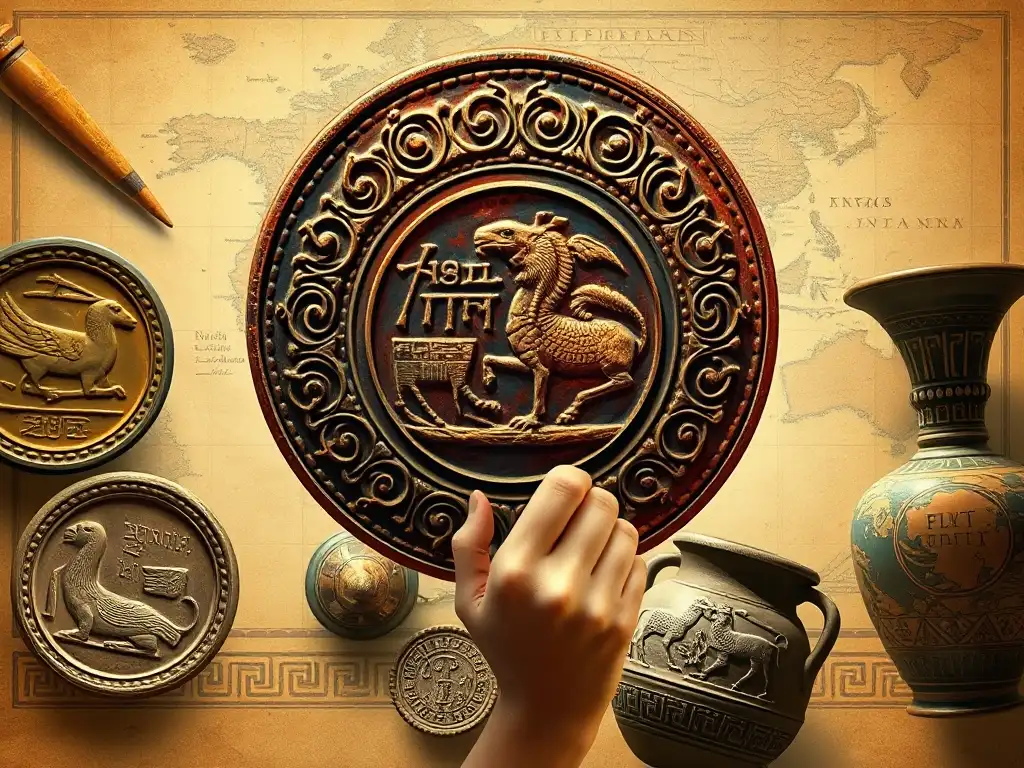
The Indus Valley Civilization (IVC), known for its advanced urban planning and sophisticated culture, also played a pivotal role in the development of various art forms. When comparing the art forms of the IVC with those of other ancient civilizations, it becomes evident that while there were distinct styles and techniques, there were also shared themes and influences that shaped artistic expression across regions.
Indus Valley vs. Mesopotamian Art Forms
The art of the Indus Valley Civilization exhibits both similarities and contrasts with the art forms of Mesopotamia. While Mesopotamian art is characterized by grandiose structures, monumental sculptures, and intricate relief work, the IVC art is more subtle yet deeply symbolic.
- Materials and Techniques: Mesopotamian artists often worked with stone, clay, and metal, showcasing their skills in large-scale sculptures, ziggurats, and decorative reliefs. In contrast, Indus Valley artisans excelled in terracotta, bead-making, and the carving of seals, focusing on intricate details and small-scale works.
- Themes and Subjects: Mesopotamian art frequently depicted gods, kings, and military conquests, reflecting the civilization's hierarchical structure. On the other hand, the IVC art forms commonly portrayed animals, human figures, and motifs indicating a connection with nature and daily life, suggesting a more egalitarian society.
Despite these differences, both civilizations shared a reverence for craftsmanship and storytelling through their art, indicating a broader cultural exchange in the ancient world.
Indus Valley vs. Egyptian Artistic Traditions
When examining the artistic traditions of the Indus Valley Civilization in relation to ancient Egypt, one can identify both unique characteristics and shared influences, particularly in the use of materials and symbolic representation.
- Stylistic Approaches: Egyptian art is known for its rigid and formalized style, with strict adherence to proportions and a focus on the afterlife, as seen in tomb paintings and sculptures. In contrast, Indus Valley art exhibits a more naturalistic approach, with fluid lines and a focus on everyday life, as reflected in their pottery and figurines.
- Symbolism: While Egyptian art is rich in symbols related to their religious beliefs and the afterlife, IVC art often incorporates motifs of fertility, nature, and animals, indicating a possible worship of the natural world. This difference highlights the varying cultural contexts that influenced artistic expression.
Both civilizations utilized art as a means of communication and cultural expression, yet their thematic focuses and stylistic choices reveal their unique societal values.
Unique Features of Indus Valley Art Forms
Indus Valley art forms are distinguished by several unique features that reflect the civilization's cultural identity and aesthetic principles.
- Seals and Inscription: One of the most notable contributions of the IVC is the creation of carved seals, often depicting animals and deities, accompanied by undeciphered scripts. These seals serve as a vital link in understanding trade, social organization, and religious practices within the civilization.
- Terracotta Figurines: The Indus Valley is renowned for its terracotta figurines, which are often intricately designed and varied in form, including animals, dancers, and possibly deities. These figurines provide insights into the daily life, attire, and cultural practices of the people.
- Pottery Styles: The pottery of the IVC is characterized by a range of designs, from simple utilitarian vessels to sophisticated decorative pieces adorned with geometric patterns and animal motifs. This diversity reflects both functional uses and artistic expression.
These unique characteristics highlight the IVC's innovative spirit, setting the foundation for future artistic developments in the Indian subcontinent.
The Legacy of Indus Valley Art Forms in Later Indian Art
The artistic legacy of the Indus Valley Civilization significantly influenced subsequent art forms in India, marking a continuity that resonates through various historical periods.
Continuity of Artistic Traditions in Indian History
The artistic styles and techniques developed during the IVC laid the groundwork for later Indian art forms. Many motifs and themes found in Indus Valley art, such as the representation of animals and nature, continued to be prevalent in later traditions.
- Cultural Transmission: As Indian civilization evolved, the core elements of IVC art were assimilated and adapted into the artistic expressions of subsequent cultures, including the Mauryan and Gupta periods.
- Regional Variations: While the central themes persisted, regional variations in style and material use emerged, reflecting local cultural influences and practices.
This continuity underscores the lasting impact of the IVC on the artistic heritage of India.
Influence on Mauryan and Gupta Art Forms
The artistic achievements of the Indus Valley Civilization provided a foundation upon which the Mauryan and Gupta empires built their own artistic expressions.
- Architectural Elements: Many architectural features seen in Mauryan and Gupta structures, such as stupas and monolithic pillars, can trace their origins back to the urban planning principles and artistic styles of the IVC.
- Sculptural Development: The intricate detailing and stylistic innovations present in IVC art influenced the development of sculpture during the Mauryan and Gupta periods, particularly in the portrayal of human figures and divine representations.
This influence not only reflects a lineage of artistic development but also indicates a shared cultural heritage throughout ancient India.
Modern Interpretations of Indus Valley Artistic Heritage
In contemporary times, the artistic heritage of the Indus Valley Civilization continues to inspire artists, historians, and scholars.
- Revival and Adaptation: Modern artists often draw upon motifs and themes from IVC art, incorporating them into contemporary works that resonate with today's audiences while paying homage to ancient traditions.
- Cultural Significance: The study of Indus Valley art forms has gained renewed interest, with exhibitions and research initiatives highlighting their importance in understanding the evolution of Indian art and culture.
These modern interpretations not only celebrate the rich legacy of the Indus Valley but also ensure that its artistic contributions remain relevant in the ongoing narrative of Indian history.
Conclusion: The Lasting Impact of Indus Valley Art Forms History
The Indus Valley Civilization, one of the world's earliest urban cultures, played a pivotal role in shaping the trajectory of Indian art forms. Its artistic achievements are not merely relics of the past but serve as foundational elements that continue to influence contemporary art in India. The intricate craftsmanship exhibited in pottery, seal carving, sculpture, and architecture reflects a high degree of sophistication and cultural richness. The legacy of Indus Valley art forms history is evident in the way these ancient traditions have been woven into the fabric of Indian aesthetics, inspiring generations of artists and craftsmen.
Summary of Key Contributions to Indian Art
The Indus Valley Civilization contributed significantly to various art forms that laid the groundwork for future artistic endeavors in India. Key contributions include:
- Pottery and Terracotta: The civilization is renowned for its finely painted pottery, showcasing geometric patterns and natural motifs that would influence subsequent pottery styles in India.
- Seals and Figurines: The engraved seals and terracotta figurines, often depicting animals and human figures, reveal sophisticated artistic techniques and iconography that have been referenced in later art forms.
- Sculptural Arts: The intricate sculptures, such as the famous "Dancing Girl" statue, highlight the advanced skills of Indus artisans and set a precedent for later sculptural traditions in Indian art.
- Urban Planning and Architecture: The well-planned cities, with their public baths, granaries, and intricate drainage systems, display an understanding of aesthetics and functionality that influenced architectural practices in subsequent Indian civilizations.
These contributions form a crucial link in the evolution of Indian art, showcasing the interconnectivity of cultural expressions across centuries.
Reflection on the Importance of Preserving Ancient Art Forms
Preserving the art forms from the Indus Valley Civilization is essential for several reasons. Firstly, these artifacts provide invaluable insights into the socio-cultural dynamics of ancient Indian society. They offer a glimpse into the artistic expressions, religious beliefs, and daily lives of the people who inhabited this remarkable civilization. Moreover, as modern society grapples with rapid changes and globalization, maintaining a connection to these ancient art forms serves as a reminder of our cultural heritage and identity.
Additionally, the preservation and study of these art forms can inspire contemporary artists, fostering a rich dialogue between past and present. By understanding the techniques and motifs used by Indus artists, modern creators can experiment with these elements, leading to a revitalization of traditional practices and the emergence of new forms of expression.
Future Research Directions in Indus Valley Art History
The field of Indus Valley art history remains ripe for exploration and discovery. Future research directions could include:
- Interdisciplinary Studies: Collaborating with archaeologists, anthropologists, and historians to create a more comprehensive understanding of the socio-cultural context of Indus art forms.
- Technological Advances: Utilizing modern technologies such as 3D scanning and digital modeling to analyze and reconstruct ancient artifacts, offering new insights into their production and use.
- Comparative Analysis: Investigating the similarities and differences between Indus Valley art and other ancient civilizations, such as Mesopotamia and Egypt, to illuminate cross-cultural influences and exchanges.
- Local Craft Revival: Engaging with contemporary artisans to revive traditional techniques inspired by Indus Valley art, thus fostering a sustainable link between ancient practices and modern craftsmanship.
By pursuing these avenues, scholars can deepen our understanding of Indus Valley art forms history and their enduring legacy in the broader narrative of Indian art and culture.
- Introduction to Indus Valley Civilization Art Forms
- Historical Context of Indus Valley Art Forms
- Characteristics of Indus Valley Art Forms
- Iconography in Indus Valley Art
- Comparison of Indus Valley Art Forms with Other Ancient Civilizations
- The Legacy of Indus Valley Art Forms in Later Indian Art
- Conclusion: The Lasting Impact of Indus Valley Art Forms History
- What is the significance of the Indus Valley Civilization in Indian art forms history?
- What are some notable art forms from the Indus Valley Civilization?
- How did the Indus Valley art forms influence later Indian cultures?
- What materials were commonly used in Indus Valley art?
- Are there any modern interpretations of Indus Valley art forms?
Frequently Asked Questions
What is the significance of the Indus Valley Civilization in Indian art forms history?
The Indus Valley Civilization is crucial as it laid the foundation for various artistic expressions that evolved in later periods, influencing sculpture, pottery, and textiles.
What are some notable art forms from the Indus Valley Civilization?
Key art forms include figurines, seals, and pottery, showcasing advanced craftsmanship and a focus on aesthetic and functional designs.
How did the Indus Valley art forms influence later Indian cultures?
The artistic techniques and motifs developed in the Indus Valley were integrated into subsequent cultures, contributing to the evolution of Buddhist, Hindu, and Jain art.
What materials were commonly used in Indus Valley art?
Artists of the Indus Valley utilized materials such as terracotta, stone, and metal, emphasizing their resourcefulness and ability to create durable art pieces.
Are there any modern interpretations of Indus Valley art forms?
Yes, contemporary artists often draw inspiration from Indus Valley motifs and designs, blending ancient styles with modern techniques to create unique artworks.
Final Reflection: The Enduring Legacy of Indus Valley Art Forms
The exploration of the Indus Valley Civilization's art forms reveals a profound connection between ancient creativity and contemporary cultural identity. Today, as we navigate a world increasingly influenced by globalization, understanding the roots of our artistic heritage becomes essential. The intricate designs, pottery, and sculptures of the Indus Valley not only showcase the ingenuity of our ancestors but also remind us of the timeless nature of human expression. Art is not just a reflection of society; it is a bridge connecting us to our past and shaping our future.
Cultural evolution is a continuous journey, and the art forms from the Indus Valley Civilization have left an indelible mark on the social landscape of India. Their influence can be seen in modern art, architecture, and even in the textiles we wear today. As we appreciate these ancient creations, we recognize that they are not relics of a bygone era but rather living inspirations that resonate with contemporary artists and artisans. Art is the most beautiful of all lies.
This quote encapsulates the idea that while art may evolve, its essence remains rooted in the human experience, transcending time and space.
As we reflect on the significance of Indus Valley art forms, I invite you to consider how these ancient expressions can inspire your own creativity and appreciation for cultural heritage. Take a moment to explore the art around you, whether it be in your surroundings or within your own creative endeavors. Let the legacy of the Indus Valley Civilization encourage you to embrace your artistic voice and contribute to the rich tapestry of human expression. In doing so, we honor the past while forging a path toward a vibrant and inclusive future.
Unveil the Artistic Legacy of the Indus Valley!
Thank you for diving into the fascinating world of the Indus Valley Civilization and its profound influence on Indian art! Your exploration of this rich history is just the beginning. Now, it's time to take action and deepen your engagement with this captivating topic.
Here are a few ways you can immerse yourself further:
- Visit local museums or online galleries showcasing art inspired by the Indus Valley. This experience can stimulate your creativity and deepen your appreciation for this ancient culture.
- Join a discussion group or forum dedicated to ancient art forms. Engaging with fellow enthusiasts allows you to share insights and exchange ideas.
- Create your own art piece inspired by the unique styles of the Indus Valley—whether it’s painting, sculpture, or digital art. This personal connection will enhance your understanding of this legacy.
What aspect of the Indus Valley artistic style inspires you the most, and how do you envision it influencing your own creative expression?