
Craftsmanship in the Indus Valley: The Art of Bead Making and Pottery

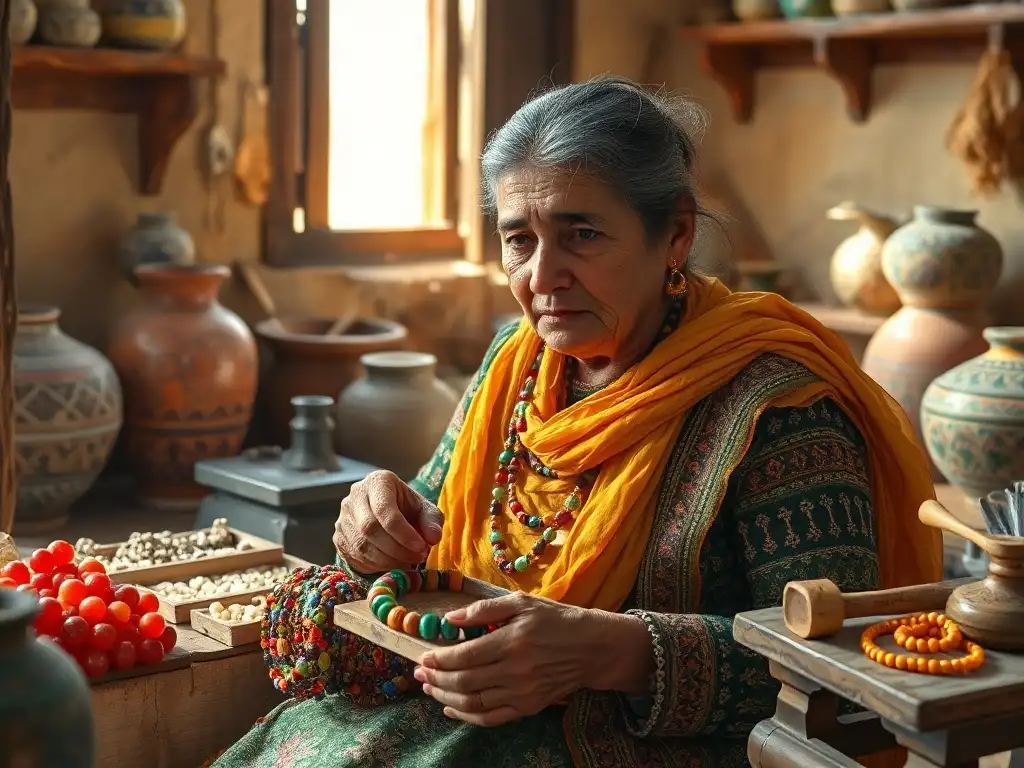
Welcome to Ancient India History, where we embark on a mesmerizing journey through the rich tapestry of ancient Indian civilizations. Today, we invite you to delve into the intricate world of Indus Valley bead making techniques, a testament to the artistic prowess and cultural significance of one of the earliest urban societies. Discover how these ancient artisans transformed simple materials into exquisite works of art, and uncover the secrets behind their craftsmanship.
Prepare to be captivated as you explore the fascinating connections between creativity and culture that shaped the legacy of the Indus Valley and beyond. Join us as we unravel the stories hidden in every bead and pot!
- Introduction to Indus Valley Craftsmanship
- Indus Valley Bead Making Techniques
- Pottery in the Indus Valley Civilization
- Artistic Expression in Indus Valley Bead Making and Pottery
- Legacy of Indus Valley Craftsmanship
- Conclusion: The Enduring Impact of Indus Valley Artisanship
-
Frequently Asked Questions
- What were the primary materials used in Indus Valley bead making techniques?
- How did bead making contribute to the economy of the Indus Valley?
- What distinguishes Indus Valley beads from those of other ancient civilizations?
- Were there specific techniques used in Indus Valley pottery?
- How has the study of Indus Valley craftsmanship influenced modern artisans?
- Final Reflection: The Enduring Legacy of Indus Valley Craftsmanship
- Embrace the Legacy of Indus Valley Craftsmanship!
Introduction to Indus Valley Craftsmanship
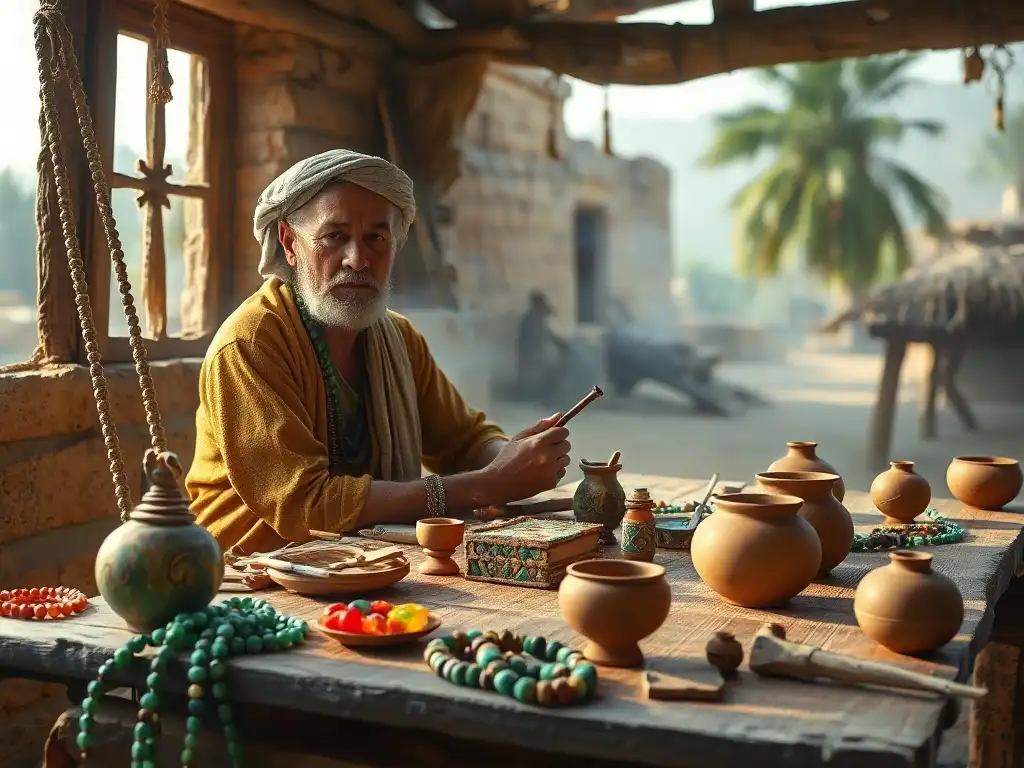
The Indus Valley Civilization, one of the oldest urban cultures in the world, flourished around 2500 BCE in what is now Pakistan and northwest India. Renowned for its advanced city planning, sophisticated drainage systems, and impressive architectural feats, this ancient civilization also boasted remarkable craftsmanship, particularly in bead making and pottery. The Indus Valley bead making techniques not only highlight the artisans' skill and creativity but also reflect the cultural and economic dynamics of the time.
By exploring the intricacies of these arts, we gain valuable insights into the daily lives, trade practices, and social structures of one of history's most enigmatic civilizations. This article delves into the various aspects of craftsmanship within the Indus Valley, focusing specifically on the art of bead making and pottery that defined its legacy.
Overview of the Indus Valley Civilization
The Indus Valley Civilization, often referred to as the Harappan Civilization, emerged around 3300 BCE and reached its zenith between 2600 and 1900 BCE. It was characterized by:
- Urban Centers: Major cities like Harappa and Mohenjo-Daro were meticulously planned with grid layouts, advanced drainage systems, and standardized fired bricks.
- Agriculture: The fertile plains of the Indus River supported agriculture, enabling the growth of crops like wheat and barley, which in turn supported urban populations.
- Trade Networks: The civilization engaged in extensive trade with neighboring regions, including Mesopotamia, evidenced by the discovery of seals and artifacts that indicate a vibrant exchange of goods.
As a hub of innovation, the Indus Valley Civilization laid the foundation for various artistic expressions, particularly through its skilled artisans who specialized in crafts that ranged from bead making to pottery.
Importance of Artisanship in Ancient Societies
Artisanship played a crucial role in ancient societies, serving not only as a means of economic sustenance but also as a reflection of cultural identity. In the context of the Indus Valley, craftsmanship was significant for several reasons:
- Economic Impact: Artisans contributed to local economies by producing goods for trade, which facilitated economic interdependence among communities.
- Cultural Expression: The unique styles and techniques of bead making and pottery reflected the aesthetic values and beliefs of the Indus people. Various motifs and designs often held symbolic meanings, connecting communities through shared heritage.
- Social Structure: The presence of specialized artisans indicates a complex social hierarchy, where skilled craftsmen held esteemed positions within society. This specialization also suggests a well-organized system of production and trade.
In essence, the artistry of the Indus Valley Civilization was not merely functional, but a vital component of its cultural fabric, influencing various aspects of life and leaving a lasting legacy that continues to be studied and admired today.
Indus Valley Bead Making Techniques
Historical Significance of Bead Making
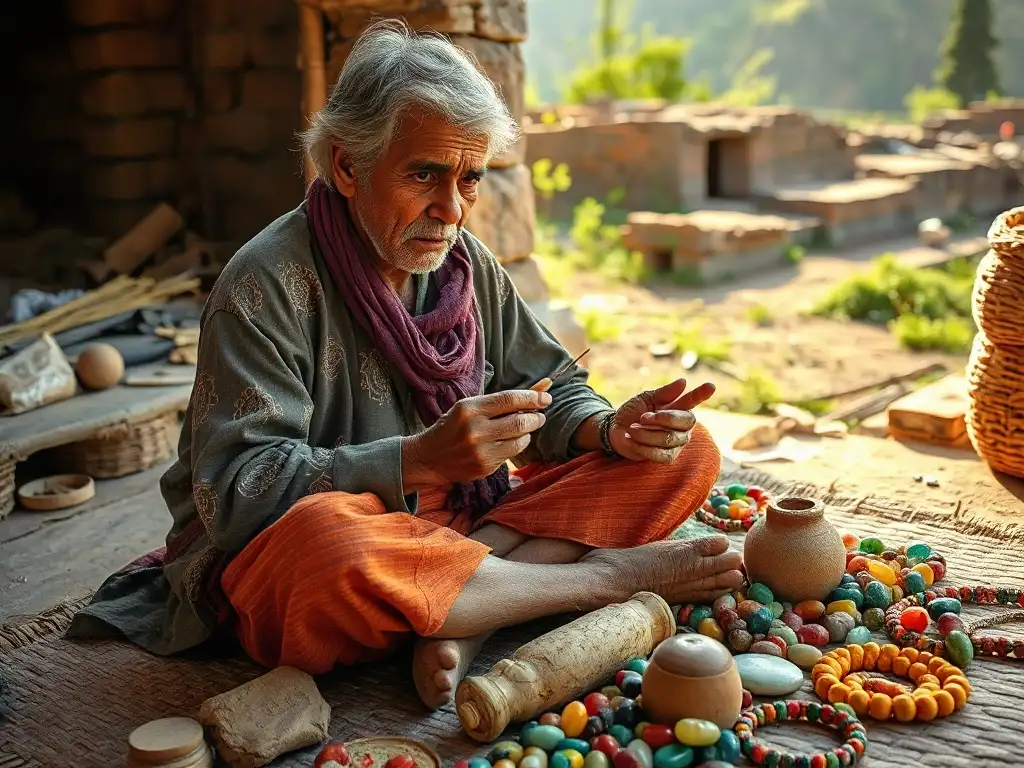
Bead making in the Indus Valley Civilization (IVC) holds profound historical significance, reflecting not only artistic expression but also trade, cultural identity, and social status. The beads, often made from semi-precious stones, shells, and terracotta, were not merely decorative items; they played a crucial role in the daily lives of the people and their economic systems.
The presence of beads in archaeological sites such as Mohenjo-Daro and Harappa indicates that bead making was a well-established industry. These artifacts have been found in various contexts, often associated with burial rituals, suggesting their importance in spiritual practices and social hierarchies. For instance, the discovery of elaborate bead necklaces in graves points towards the belief in an afterlife, where such items were deemed necessary for the deceased.
Furthermore, the intricate bead designs and craftsmanship illustrate the advanced skills of the artisans in the IVC. The variety and complexity of the beads signify not only local craftsmanship but also connections to distant cultures through trade networks. The beads served as a medium of exchange, showcasing the economic interconnectedness of the ancient world.
Materials Used in Bead Production
The production of beads in the Indus Valley involved a diverse range of materials, each contributing to the aesthetic and functional qualities of the final products. The most commonly used materials included:
- Semi-precious stones: Such as carnelian, agate, and lapis lazuli, which were highly valued for their color and durability.
- Shells: Harvested from coastal areas, shells were crafted into beads and were popular for their unique textures and patterns.
- Terracotta: Clay beads were also prevalent, often molded into various shapes and sizes, showcasing the creativity of artisans.
- Bone and ivory: These materials were less common but used to create more intricate and delicate bead forms.
Natural Resources and Raw Materials
The availability of natural resources played a significant role in the bead-making industry of the Indus Valley. The region had access to a variety of raw materials, which facilitated the development of distinct bead-making techniques.
- Carnelian and Agate: These stones were sourced from the nearby regions, such as the Deccan Plateau, and were known for their vibrant colors and hardness. The skillful polishing and carving of these stones resulted in exquisite jewelry pieces.
- Shells: Coastal access provided the IVC with a rich supply of shells, which were crafted into beads by cutting, drilling, and polishing.
- Terracotta: The abundance of clay in the region allowed for the easy production of terracotta beads, which were often painted or glazed for decorative purposes.
The diverse environment of the Indus Valley not only influenced the types of materials used but also the artistic styles that emerged during this period.
Tools and Technologies Employed
The bead-making process in the Indus Valley utilized various tools and technologies that demonstrated the artisans' advanced skills.
- Cutting and Drilling Tools: Artisans employed abrasive materials to cut and shape stones. The use of tubular drills, likely made from harder materials, enabled them to create precise holes in beads.
- Polishing Techniques: The final finishing of beads involved polishing with finer abrasives, such as powdered quartz or emery, to achieve a smooth surface and enhance the bead's luster.
- Molds for Terracotta Beads: For terracotta beads, artisans used molds to create uniform shapes, showcasing their understanding of mass production techniques.
The combination of these tools and techniques not only improved the efficiency of bead production but also allowed for the creation of intricate designs that remain a testament to the craftsmanship of the IVC.
The bead-making techniques of the Indus Valley Civilization exemplify the rich cultural heritage and advanced technological practices of ancient Indian artisans. The historical significance, materials used, and tools employed reflect a society deeply engaged in artistic expression, trade, and social complexity.
Step-by-Step Process of Bead Making
The art of bead making in the Indus Valley Civilization was a meticulous and skilled craft that involved several distinct steps. Each stage required an understanding of materials and techniques, ensuring that the final product was not only aesthetically pleasing but also functional. Below is a detailed breakdown of the step-by-step process of bead making practiced by artisans of this ancient civilization.
Harvesting and Preparing Materials
The initial step in the bead-making process involved sourcing the right materials. The Indus Valley artisans primarily used semi-precious stones, shells, clay, and other natural resources.
- Material Selection:
- Semi-Precious Stones: Lapis lazuli, carnelian, and agate were among the favored stones due to their vibrant colors and durability.
- Shells: Sea shells were collected from coastal areas and used for their unique textures and patterns.
- Clay: Various types of clay were utilized, particularly for creating terracotta beads.
- Material Preparation: Once the materials were harvested, artisans undertook the following steps:
- Cleaning: Removing impurities and dirt from stones and shells to ensure a smooth surface.
- Cutting: For stones, this involved using simple tools to shape the raw material into manageable pieces for further processing.
The success of the bead-making process heavily relied on the careful selection and preparation of these raw materials, as they directly influenced the quality of the finished beads.
Shaping and Drilling Beads
After the materials were prepared, artisans moved on to shaping the beads. This involved both manual dexterity and the use of tools.
- Shaping:
- Hand Shaping: Artisans often shaped beads by hand, carefully carving and molding them into desired forms such as round, oval, or cylindrical shapes.
- Use of Tools: Simple tools made from harder materials were employed to help in shaping, allowing for more intricate designs.
- Drilling:
- Drilling Techniques: For beads that required holes for stringing, artisans used rudimentary drills, typically made from harder stones or metals.
- Precision: The drilling process was delicate, requiring precision to ensure that the holes were correctly aligned and sized for the intended use.
The shaping and drilling processes were vital, as they transformed raw materials into functional and decorative objects, embodying the creativity and skill of Indus Valley craftsmen.
Polishing and Finishing Techniques
The final stage of bead making was focused on enhancing the appearance and quality of the beads through polishing and finishing techniques.
- Polishing:
- Natural Abrasives: Artisans used natural abrasives such as sand or powdered stone to polish the beads, which enhanced their sheen and smoothness.
- Time-Consuming Process: This step required considerable time and effort, as multiple rounds of polishing were often needed to achieve the desired finish.
- Finishing Techniques:
- Surface Treatments: Some beads were treated with oils or waxes to add luster and protect the surface from wear.
- Decorative Elements: Additional decorative techniques, such as engraving or painting, were sometimes employed to add intricate designs or patterns, further elevating the craftsmanship.
Through these polishing and finishing techniques, artisans ensured that the beads were not only functional but also served as beautiful adornments, reflecting the rich cultural heritage of the Indus Valley Civilization.
Pottery in the Indus Valley Civilization
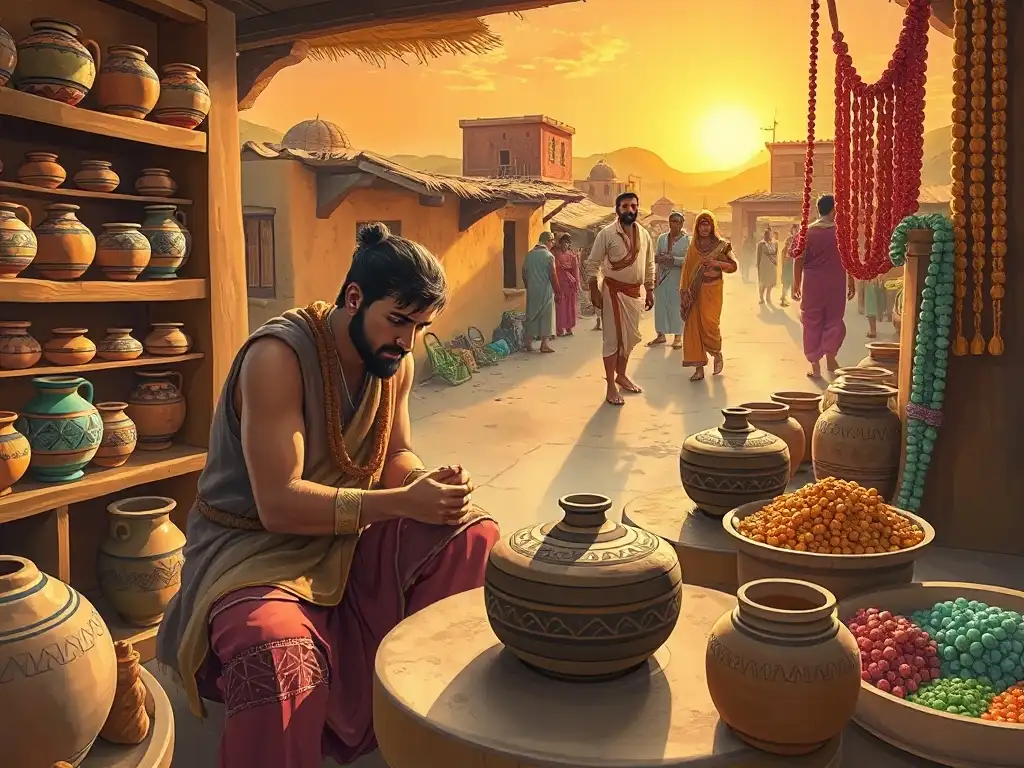
The art of pottery was a significant aspect of daily life in the Indus Valley Civilization (IVC), showcasing the ingenuity and craftsmanship of its people. Pottery in this ancient civilization not only served practical purposes but also reflected the cultural and aesthetic values of the society. The Indus Valley bead making techniques may often capture attention, yet pottery remains an equally fascinating domain that reveals insights into the civilization's technological advancements and social structures.
The Role of Pottery in Daily Life
Pottery played an essential role in the daily lives of the Indus Valley people. It was utilized for various functional purposes, including storage, cooking, and serving food. The availability of pottery allowed for the efficient management of resources, which was crucial for sustaining the urban centers of the IVC, such as Harappa and Mohenjo-Daro.
- Storage: Pottery vessels were commonly used for storing grains, liquids, and other food items. The airtight nature of these containers helped in preserving the contents, making them an essential tool for food security.
- Cooking: Cooking pots were designed to withstand heat, allowing for the preparation of a variety of dishes. The evolution of these cooking vessels indicates a growing culinary sophistication within the society.
- Ceremonial Use: In addition to practical applications, pottery also held a ceremonial significance. Specially crafted vessels were likely used in rituals and community gatherings, emphasizing the social and spiritual dimensions of pottery in the IVC.
Types of Pottery and Their Functions
The pottery of the Indus Valley Civilization can be categorized into various types, each serving distinct functions. The following classifications provide a clearer understanding of how pottery was utilized in this ancient society.
Utility Pottery vs. Decorative Pottery
- Utility Pottery: This type includes functional vessels such as cooking pots, storage jars, and bowls. Utility pottery was primarily made from locally available clay and often featured simple designs. The focus was on durability and practicality, with examples including:
- Cooking pots: Typically round-bottomed for stability over heat sources.
- Storage jars: Large, wide-mouthed vessels ideal for grain storage.
- Decorative Pottery: In contrast, decorative pottery emphasized aesthetics and artistry. These vessels were often adorned with intricate designs, patterns, and motifs. They served both as decorative items and status symbols. Key features include:
- Painted pottery: Many decorative pieces were painted with geometric designs, animal motifs, and natural elements.
- Glazed pottery: Some advanced techniques resulted in glazed pottery, which added both beauty and functionality.
Notable Styles and Patterns
The pottery of the Indus Valley Civilization is characterized by distinct styles and patterns that not only highlight the artistic skills of the potters but also provide insights into the cultural practices of the time.
- Geometric Patterns: Many pottery pieces exhibited intricate geometric designs, which may have held symbolic meanings or reflected the mathematical understanding of the artisans.
- Naturalistic Motifs: Pottery often featured depictions of flora and fauna, suggesting a connection to the natural environment and possibly indicating the spiritual beliefs of the society.
- Regional Variations: Different regions within the IVC developed unique styles, indicating the diverse cultural influences and practices across the civilization. For instance, some areas specialized in red and black pottery, while others produced a distinctive type of painted pottery.
The study of pottery within the Indus Valley Civilization is a gateway to understanding the daily lives, cultural practices, and artistic expressions of its people. The craftsmanship involved in pottery-making, alongside the techniques used for bead making, illustrates the advanced nature of this ancient civilization, making it a crucial aspect of their historical narrative.
Techniques of Pottery Making
The Indus Valley Civilization is renowned for its sophisticated techniques of pottery making, which played a crucial role in their daily life and cultural expression. The artisans of this civilization employed various methods that not only showcased their skills but also their understanding of materials and firing processes. The pottery produced during this period is characterized by its functionality, aesthetic appeal, and intricate designs.
The techniques of pottery making in the Indus Valley can be broadly categorized into three stages: clay preparation, forming methods, and firing techniques. Each stage reflects a deep knowledge of the materials involved and innovative approaches to crafting pottery that would stand the test of time.
Clay Preparation and Forming Methods
The initial step in pottery making involves the careful preparation of clay, which was sourced from riverbanks and alluvial plains. Artisans would select high-quality clay, removing impurities and ensuring a uniform texture. This process often included:
- Soaking and Kneading: The clay was soaked in water and kneaded thoroughly to achieve the desired consistency. This not only removed air bubbles but also enhanced the plasticity of the clay, making it easier to mold.
- Addition of Tempering Agents: To improve the strength and durability of the pottery, tempering agents such as sand, crushed pottery, or organic materials like straw were often mixed into the clay. This practice helped to prevent cracking during the drying and firing processes.
Once the clay was prepared, various forming methods were employed, including:
- Hand-Building Techniques: This traditional method involved shaping the clay by hand, often using techniques such as coiling or pinching. Coiling, in particular, allowed artisans to create larger and more intricate forms by stacking rolled strips of clay.
- Wheel-Throwing: Although less common, some evidence suggests the use of a potter's wheel, which allowed for more uniform and symmetrical shapes. This technique enabled artisans to produce a variety of pottery forms, including bowls, jars, and decorative items.
- Molding: For specific shapes and designs, molds made from stone or clay were utilized. This technique was particularly effective for producing repetitive designs and standardized forms.
Firing Techniques and Kiln Construction
The final stage in pottery making is the firing process, which solidifies the clay and enhances its durability. The Indus Valley potters developed advanced firing techniques and kiln construction methods that greatly influenced the quality of their pottery.
- Types of Kilns: The most common kilns used were updraft kilns, which allowed for better temperature control and airflow. These kilns were typically built into the ground or constructed with brick and clay, featuring a chimney-like structure to facilitate the exit of smoke and gases.
- Firing Methods: The firing process involved two stages: initial drying and high-temperature firing. Initially, the pottery was air-dried to remove moisture, followed by stacking the pieces in the kiln. The kilns were then heated to high temperatures, often exceeding 800°C (1472°F). This high-temperature firing was crucial for achieving vitrification, a process that transformed the clay into a hard, glass-like material.
- Glazing and Decoration: After firing, some pottery was coated with natural mineral glazes to enhance its aesthetic appeal and functionality. The use of slip, a liquid mixture of clay and water, allowed artisans to paint intricate designs onto the pottery before the final firing, resulting in beautifully decorated pieces that reflected the artistic sensibilities of the Indus Valley people.
The techniques of pottery making in the Indus Valley Civilization exemplify the artistry and craftsmanship of its people. The combination of meticulous clay preparation, innovative forming methods, and advanced firing techniques contributed to the creation of pottery that was not only functional but also aesthetically significant, serving as a testament to the rich cultural heritage of ancient India.
Artistic Expression in Indus Valley Bead Making and Pottery
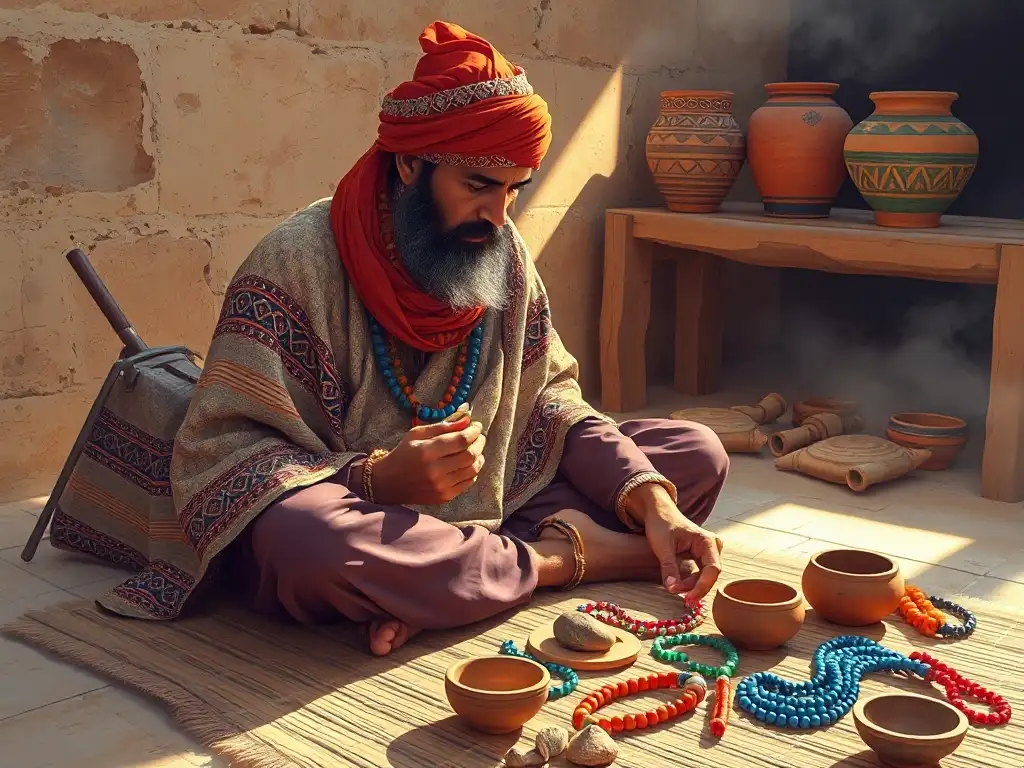
The artistry of bead making and pottery in the Indus Valley Civilization is a testament to the sophisticated craftsmanship and cultural richness of this ancient society. The artisans of the Indus Valley, particularly those in bustling urban centers like Harappa and Mohenjo-Daro, showcased remarkable skills that not only served functional purposes but also embodied deep symbolic meanings. The production of beads and pottery reflects the community's social hierarchy, trade networks, and spiritual beliefs, revealing much about their way of life.
Symbolism and Cultural Significance
The beads created by Indus Valley artisans were more than mere decorative items; they held significant symbolic value. Many of the beads were fashioned from semi-precious stones such as carnelian, agate, and turquoise, which were believed to possess protective and healing properties. The act of wearing these beads was thought to connect individuals with the divine and the supernatural, serving as amulets against evil spirits.
In addition to their spiritual significance, beads were also indicative of social status. The variety in materials, colors, and craftsmanship reflected the wearer’s wealth and position within society. For instance, finely crafted beads made from rare materials would typically be worn by elite members, while simpler designs were more common among the lower classes. This stratification highlights how bead making was intertwined with the social fabric of the Indus Valley.
Pottery, on the other hand, served both functional and aesthetic purposes. The intricately designed pottery pieces often featured geometric patterns and motifs that held cultural meanings. Many of these designs are believed to be inspired by nature, symbolizing fertility, abundance, and the cycles of life. The painted pottery, particularly those with red and black designs, is thought to have been used in religious ceremonies, making them crucial to understanding the spiritual practices of the Indus Valley people.
Comparison of Bead Making and Pottery Techniques
The techniques employed in bead making and pottery production during the Indus Valley era exhibit both remarkable similarities and distinct differences. Understanding these techniques provides insight into the artisans' skills and the cultural context in which they operated.
Similarities in Craftsmanship
Both bead making and pottery production in the Indus Valley demonstrated a high level of craftsmanship that relied on specialized skills and techniques. Artisans utilized similar tools, such as drills and grinding stones, to shape and finish their products.
- Materials: Both crafts often utilized locally sourced materials, with beads made from stones and pottery crafted from clay. The choice of materials was influenced by availability and cultural significance.
- Techniques: The use of techniques like polishing in bead making parallels glazing in pottery, where artisans aimed for a smooth and refined finish.
This shared commitment to quality and aesthetic beauty underscores the artisans' dedication to their craft, revealing a culture that valued artistic expression.
Differences in Purpose and Design
While bead making and pottery shared certain techniques, the primary purpose and design of each craft differed significantly.
- Bead Making: The primary purpose of bead making was adornment and personal expression. Beads were often crafted in various shapes and sizes, catering to individual preferences and spiritual beliefs. The designs were intricate and varied, reflecting personal identity and social status.
- Pottery: In contrast, pottery served more functional roles in daily life, such as storage, cooking, and ceremonial purposes. While pottery could also be decorative, its designs were often utilitarian, focusing on practicality over personal expression. The forms varied from simple cooking pots to elaborate ritual vessels, indicating a broader spectrum of use within society.
The craftsmanship in the Indus Valley, particularly in bead making and pottery, reveals a complex interplay between art, culture, and society. The techniques employed not only highlight the artisans' skills but also demonstrate how these crafts were pivotal in expressing identity and belief systems within the ancient civilization.
Legacy of Indus Valley Craftsmanship
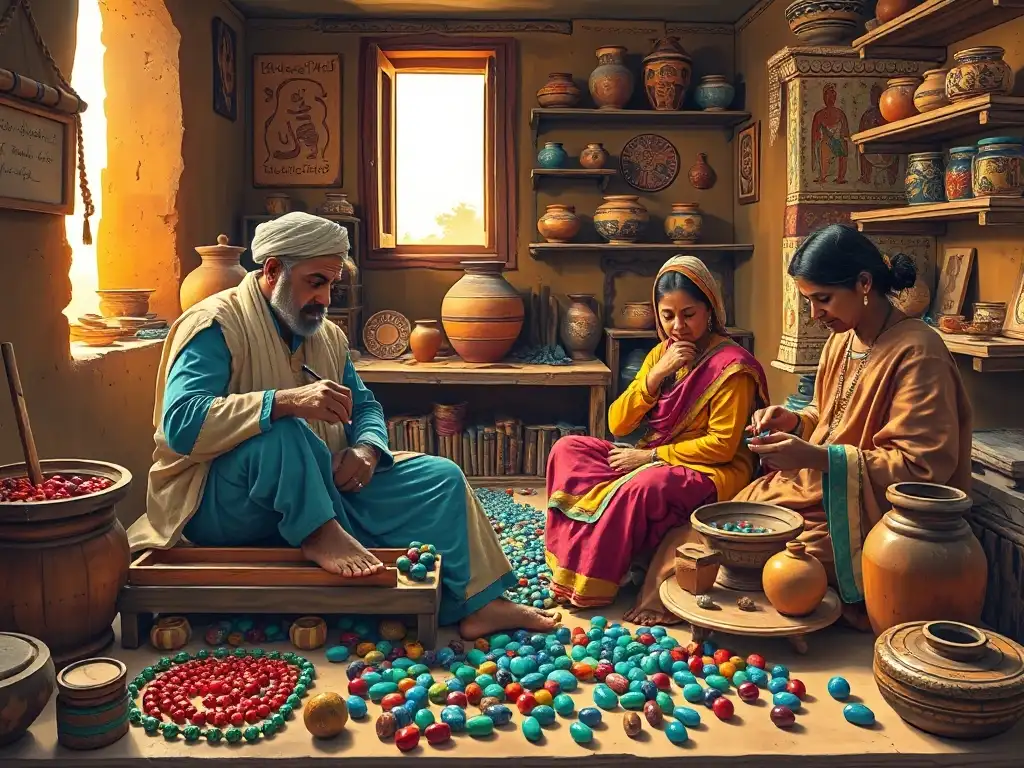
The craftsmanship of the Indus Valley Civilization stands as a testament to the advanced techniques and artistic sensibilities of its people. Renowned for their intricate bead making and pottery, the artisans of this ancient civilization laid the groundwork for subsequent artistic traditions in India. The legacy of their craftsmanship is not just confined to the physical artifacts left behind but extends to the cultural practices and aesthetic values that influenced future generations.
Influence on Subsequent Indian Civilizations
The bead making techniques developed in the Indus Valley had a profound impact on the craftsmanship of later Indian civilizations. Artisans from the Maurya and Gupta Empires, for instance, drew inspiration from the designs and materials used by their Indus Valley predecessors. Here are a few key areas of influence:
- Material Selection:
- The Indus Valley artisans utilized a diverse range of materials such as semi-precious stones, shells, and metals. This practice continued in later periods, where similar materials were used to create ornamental jewelry and decorative items.
- Design Patterns:
- The geometric and floral motifs found in Indus Valley beadwork can be seen mirrored in the designs of later Indian art forms. The skillful integration of these patterns into pottery and textile production showcases a continuity of aesthetic preferences.
- Trade Networks:
- The extensive trade networks established by the Indus Valley civilization facilitated the exchange of crafts and techniques with neighboring regions. This exchange enriched the artistic practices of subsequent civilizations, leading to a fusion of styles and methods.
- Cultural Significance:
- Beads and pottery were not only utilitarian objects but also held symbolic meanings within the Indus Valley society. This significance persisted in later civilizations, where similar items were associated with rituals and social status.
Preservation of Techniques Through Generations
The preservation of Indus Valley bead making techniques is a fascinating study of cultural transmission. Several factors contributed to the continuity of these artistic practices over centuries:
- Oral Traditions:
- The knowledge of bead making techniques was likely passed down through generations via oral traditions. Elders would teach younger artisans the intricacies of their craft, ensuring that the skills were not lost.
- Guild Systems:
- The establishment of craft guilds in later Indian societies played a crucial role in preserving specialized skills. These guilds functioned as centers of learning where artisans could hone their craft and share techniques, including those from the Indus Valley.
- Adaptation and Innovation:
- While the core techniques remained intact, artisans adapted them to suit changing tastes and technologies. This adaptability allowed for the evolution of bead making, ensuring its relevance in various cultural contexts.
- Archaeological Discoveries:
- Recent archaeological findings continue to shed light on the craftsmanship of the Indus Valley. These discoveries not only provide insight into ancient techniques but also inspire modern artisans to revive and innovate upon these age-old practices.
The legacy of Indus Valley craftsmanship is a cornerstone of Indian cultural heritage, reflecting the ingenuity and artistic spirit of its people. Through the preservation of techniques and the influence on subsequent civilizations, the art of bead making and pottery continues to echo throughout India's rich history.
Conclusion: The Enduring Impact of Indus Valley Artisanship
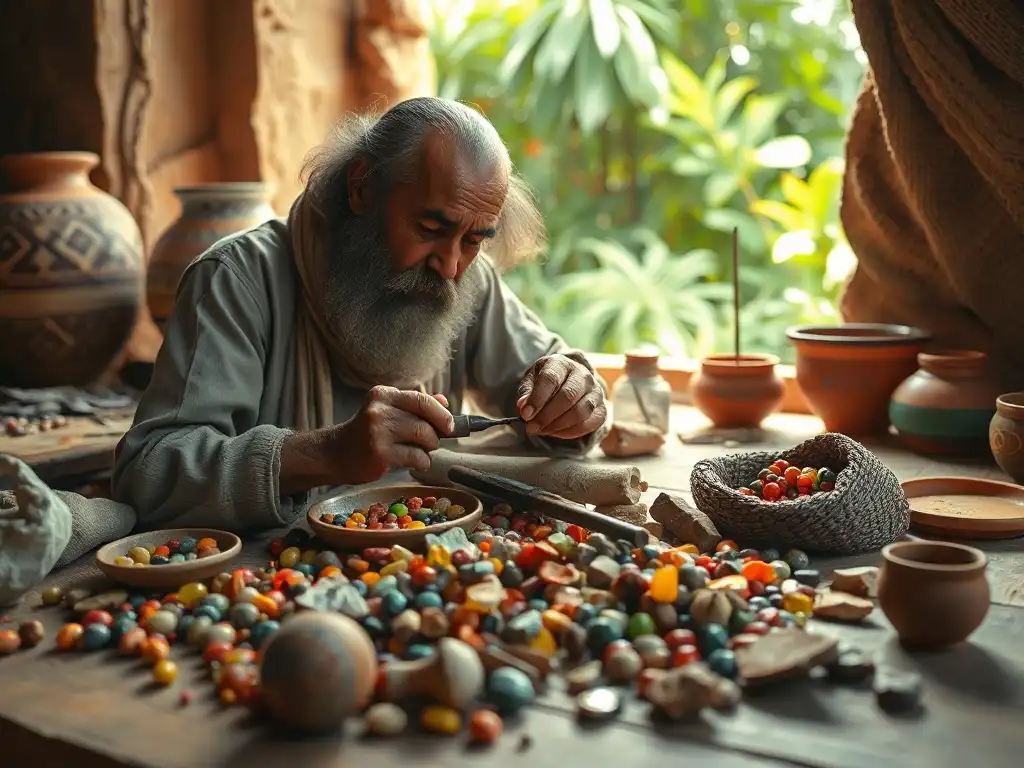
The craftsmanship of the Indus Valley Civilization, particularly in bead making and pottery, represents a significant artistic and cultural legacy that has continued to influence artisanship throughout history. The techniques developed by these ancient artisans were not merely functional; they were imbued with aesthetic value and cultural significance. The intricate designs and superior quality of Indus Valley beads and pottery reveal a deep understanding of materials and artistry, showcasing the skill and creativity of these early craftsmen.
The enduring impact of their craftsmanship is evident in the way it laid the groundwork for subsequent artistic traditions in the Indian subcontinent. The meticulous attention to detail and the use of diverse materials, such as semi-precious stones, terracotta, and fine clay, illustrate a sophisticated level of production that would inspire generations to come. As we study these artifacts, we gain insights into the social, economic, and cultural dynamics of the time, helping us appreciate the interconnectedness of art and society.
Reflection on the Importance of Craftsmanship in History
Craftsmanship is often viewed as a reflection of a civilization's technological advancements and cultural values. The bead making techniques of the Indus Valley are a prime example of how artisanship can encapsulate the identity and innovation of a society. The beads produced were not only items of personal adornment but also served as trade goods, facilitating economic exchanges that connected the Indus Valley with distant regions.
- Cultural Significance:
- Beads often held symbolic meanings, with specific colors and shapes associated with various beliefs and rituals.
- Pottery styles reflected daily life and cultural practices, providing a window into the customs and traditions of the people.
- Economic Implications:
- The craft of bead making supported trade networks, with beads being exchanged for other commodities, thereby enhancing economic prosperity.
- The presence of standardized bead sizes and designs indicates a sophisticated approach to production and trade.
- Technological Innovations:
- The techniques developed for bead making, such as drilling and polishing, demonstrate advanced technological knowledge that would influence later crafts.
- Pottery manufacturing processes, including the use of kilns and glazing techniques, paved the way for future advancements in ceramics.
By studying the craftsmanship of the Indus Valley, we can better understand the broader historical narratives of human development, trade, and cultural exchange.
Future Research Directions on Indus Valley Craft Techniques
The exploration of Indus Valley bead making techniques and pottery is far from complete. Future research can delve into several promising areas:
- Material Analysis: Investigating the raw materials used in bead making and pottery can reveal trade routes and sources, offering insights into the economic networks of the time.
- Technological Studies: Understanding the specific techniques employed in bead crafting and pottery production will enhance our knowledge of technological advancements in ancient civilizations.
- Artistic Influences: Examining how Indus Valley craftsmanship influenced neighboring cultures and later Indian art forms can shed light on the evolution of artistic practices throughout history.
- Social Context: Researching the roles of artisans within the societal structure of the Indus Valley will provide a more nuanced understanding of their contributions to civilization.
By pursuing these avenues of research, historians and archaeologists can further illuminate the complexities of Indus Valley artisanship and its lasting legacy in the tapestry of human history.
Frequently Asked Questions
What were the primary materials used in Indus Valley bead making techniques?
The Indus Valley civilization utilized materials such as semi-precious stones, shells, and ceramics for bead making, showcasing their expertise in craftsmanship.
How did bead making contribute to the economy of the Indus Valley?
Bead making was a significant part of the trade system in the Indus Valley, as beads were not only used for adornment but also served as trade items, enhancing economic interactions with neighboring regions.
What distinguishes Indus Valley beads from those of other ancient civilizations?
Indus Valley beads are notable for their intricate designs and variety of materials, reflecting a high level of artistic skill and cultural significance that sets them apart from beads produced in other ancient cultures.
Were there specific techniques used in Indus Valley pottery?
Yes, pottery techniques in the Indus Valley included methods such as wheel-throwing and hand-building, often featuring decorative elements that demonstrated both functionality and artistic expression.
How has the study of Indus Valley craftsmanship influenced modern artisans?
The study of Indus Valley craftsmanship has inspired modern artisans to explore traditional techniques, leading to a resurgence of interest in ancient methods and the revival of skills that celebrate the region's rich cultural heritage.
Final Reflection: The Enduring Legacy of Indus Valley Craftsmanship
The artistry of bead making and pottery from the Indus Valley Civilization continues to resonate in today's world, showcasing the profound connection between ancient techniques and modern creativity. As we explore the intricate craftsmanship of the past, we uncover not only the skills and methods employed by artisans but also the cultural significance that these practices hold in our contemporary society. The legacy of the Indus Valley bead making techniques serves as a reminder of the timeless nature of human creativity and the importance of preserving traditional arts.
Craftsmanship is not merely a skill; it is a bridge connecting us to our history and identity. The techniques employed by the artisans of the Indus Valley have influenced countless generations, inspiring artists and craftspeople around the globe. As we delve into the rich tapestry of their work, we recognize that these ancient practices are not lost to time but rather continue to shape our cultural landscape. Art is the most beautiful of all lies.
This quote encapsulates the essence of craftsmanship, reminding us that through art, we can express our truths and connect with one another across time and space.
As you reflect on the artistry of the Indus Valley, I invite you to consider how you can incorporate the lessons of craftsmanship into your own life. Whether through creating, appreciating, or preserving traditional arts, each of us has the power to honor the legacy of those who came before us. Embrace the spirit of creativity and craftsmanship, and let it inspire you to explore your own artistic journey. Together, we can ensure that the art of bead making and pottery continues to thrive, enriching our lives and the lives of future generations.
Embrace the Legacy of Indus Valley Craftsmanship!
Thank you for diving into the fascinating world of bead making and pottery from the Indus Valley! You've uncovered the artistry and techniques that have shaped our understanding of ancient civilizations. Now, it's time to take this journey further by applying what you've learned.
Here are some engaging ways to deepen your connection with this incredible craftsmanship:
- Try your hand at creating your own beads or pottery! Gather some basic materials and let your creativity flow as you replicate the styles you've explored.
- Share your newfound knowledge with friends or family. Consider hosting a mini-exhibition at home, showcasing images and information about the Indus Valley to spark engaging discussions!
- Join a local or online craft community that focuses on traditional techniques. Connect with fellow enthusiasts who share your passion for ancient crafts.
What aspect of Indus Valley craftsmanship intrigues you the most, and how do you plan to explore it in your creative journey?