
The Philosophers of the Maurya Empire: Key Thinkers Who Influenced Governance

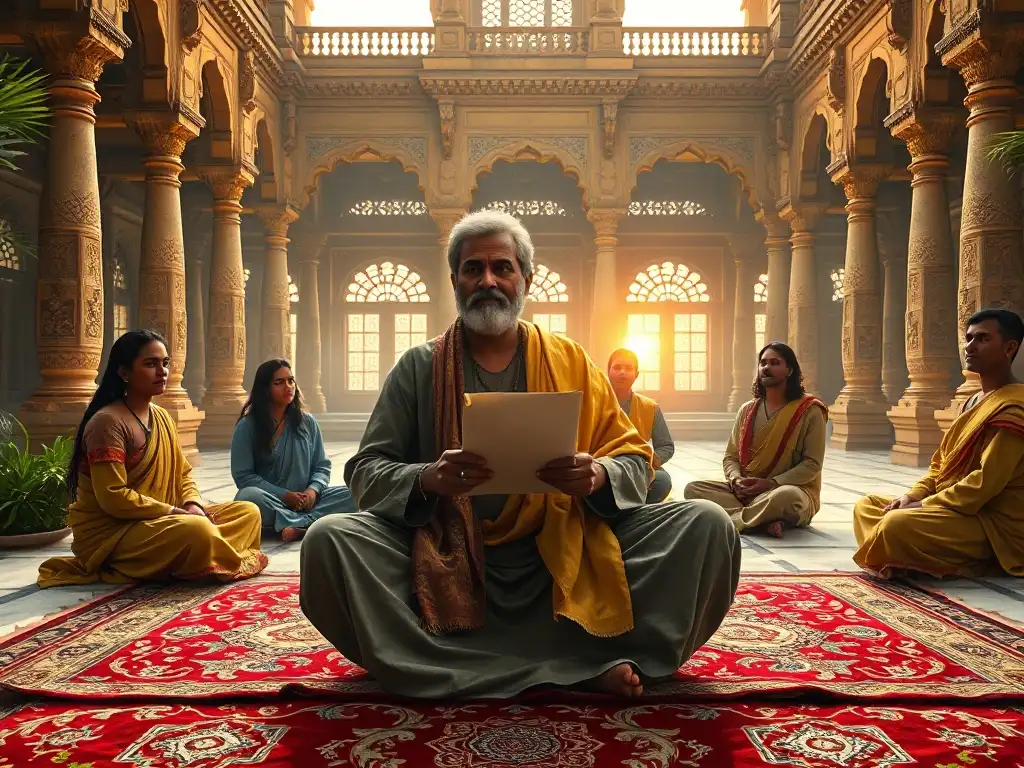
Welcome to Ancient India History, where we embark on a captivating journey through time to uncover the rich tapestry of ancient Indian civilizations. In our featured article, "The Philosophers of the Maurya Empire: Key Thinkers Who Influenced Governance," we delve into the profound insights and governance philosophies that shaped one of history's most remarkable empires.
Prepare to be intrigued as we explore the minds that not only influenced the political landscape of their time but also left a lasting legacy on thought and leadership. Join us as we unravel the wisdom of the Maurya Empire and discover how these philosophers continue to inspire modern governance.
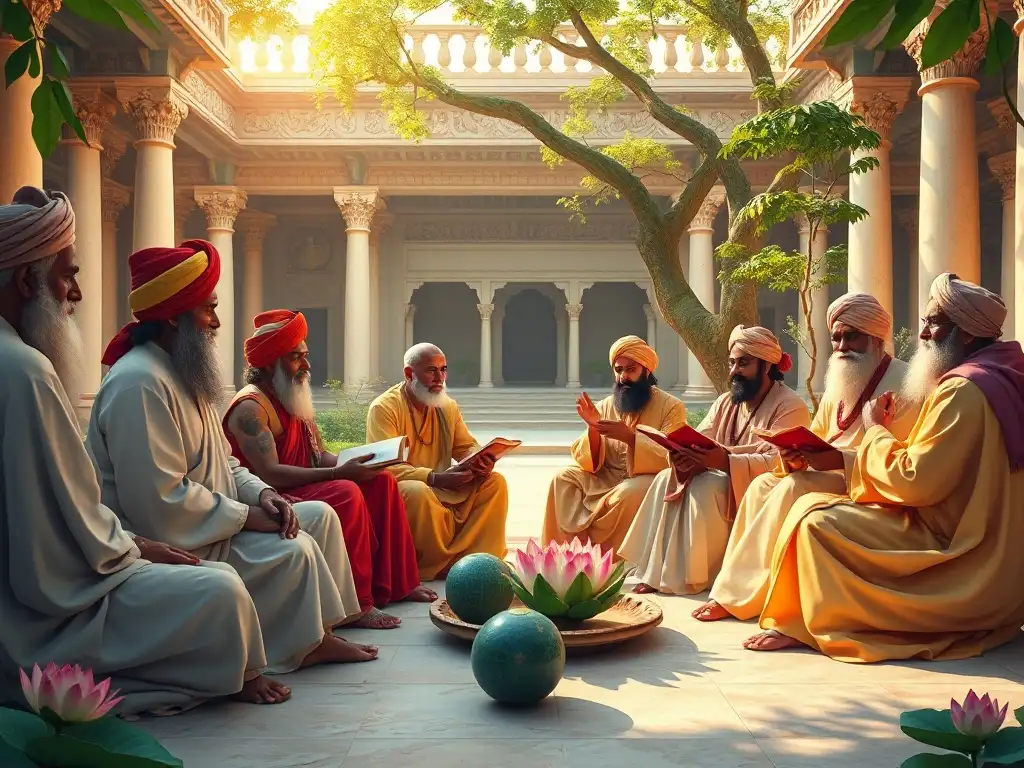
Introduction to the Maurya Empire and Its Philosophers
The Maurya Empire, which thrived from 322 to 185 BCE, represents a pivotal chapter in ancient Indian history, marked by remarkable advancements in governance, philosophy, and culture. At its zenith, the empire spanned large parts of the Indian subcontinent, laying the foundations for a centralized administrative system that significantly influenced subsequent Indian states.
The period is notably characterized by its profound philosophical contributions, with thinkers who shaped the principles of governance and ethical leadership. This exploration delves into the key philosophers of the Maurya Empire, examining their ideas and how they molded the political landscape of their time, thereby defining the essence of governance in ancient India.
Overview of the Maurya Empire and Its Significance
The Maurya Empire was established by Chandragupta Maurya and further expanded under his grandson, Ashoka the Great. It is renowned for several achievements:
- Territorial Expansion: The empire unified a vast region, facilitating trade, cultural exchange, and communication.
- Administrative Innovations: A sophisticated bureaucracy was developed, with a focus on efficient governance and law enforcement.
- Cultural Flourishing: The Mauryan period saw significant advancements in art, architecture, and literature, including the construction of stupas and the promotion of Buddhism.
This era not only transformed the political dynamics of ancient India but also set a precedent for future empires regarding governance and ethical rule.
The Role of Philosophy in Governance during the Maurya Period
Philosophy played a crucial role in shaping the governance of the Maurya Empire. The insights of various philosophers were instrumental in formulating policies that balanced power, ethics, and societal welfare. Key aspects include:
- Pragmatism in Statecraft: Philosophers like Kautilya provided practical strategies for ruling, emphasizing the importance of realpolitik.
- Ethical Governance: The teachings of Buddha and Jain thinkers introduced moral dimensions to leadership, advocating for compassion and non-violence.
- Political Theories: The philosophical discourse of this era emphasized the relationship between rulers and subjects, promoting the idea that governance should be rooted in justice and righteousness.
The synthesis of these philosophical perspectives created a unique framework for governance that sought to address the complexities of ruling a diverse and expansive empire.
Key Philosophers of the Maurya Empire
The Maurya Empire was home to several influential philosophers whose ideas left a lasting impact on governance and societal norms. Below are some of the key figures:
Kautilya (Chanakya): The Architect of Statecraft
Kautilya, also known as Chanakya, is perhaps the most renowned philosopher of the Maurya Empire. As a scholar and strategist, his work, Arthashastra, serves as a foundational text in political science and economics. Key contributions include:
- Realpolitik: Kautilya advocated for a pragmatic approach to governance, emphasizing the importance of power dynamics and strategic alliances.
- Administrative Strategies: He outlined various administrative mechanisms, including taxation, espionage, and military tactics, which were pivotal for maintaining state stability.
- Ethics in Politics: Despite his focus on strategy, Kautilya recognized the need for ethical governance, stressing that a ruler must consider the welfare of the people.
Buddha: Philosophical Influences on Governance
Buddha's teachings, while primarily spiritual, had significant implications for governance during the Maurya period. His ideals promoted:
- Compassionate Leadership: Buddha advocated for rulers to embody compassion and benevolence, fostering a just society.
- Moral Governance: His emphasis on ethical conduct influenced rulers like Ashoka, who adopted policies promoting non-violence and tolerance.
- Social Welfare: The propagation of Buddhist values encouraged the establishment of institutions focused on the welfare of both individuals and communities.
Jain Thinkers: Ethics and Governance
Jain philosophy also played a role in shaping the ethical landscape of governance during the Maurya Empire. Key aspects include:
- Ahimsa (Non-violence): Jain thinkers stressed the importance of non-violence, which influenced policies and practices within the empire.
- Truth and Integrity: Jain principles of truthfulness and integrity were integral to the moral framework expected of rulers.
- Community Focus: The emphasis on communal well-being and environmental stewardship resonated with the governance strategies of the time.
The philosophers of the Maurya Empire provided innovative ideas that profoundly influenced governance, creating a legacy that resonates in contemporary discussions about ethical leadership and statecraft. Their contributions underscore the intricate relationship between philosophy and power in shaping the course of history.
The Interconnection Between Philosophy and Governance in the Maurya Empire
The Maurya Empire, which flourished from 322 to 185 BCE, is often celebrated not only for its political and military achievements but also for its profound philosophical underpinnings. Philosophers during this era played a crucial role in shaping the governance structures and ethical frameworks that guided rulers. The intertwining of philosophy and governance in the Maurya Empire can be understood through the lens of key figures, such as Chanakya, who advocated for a pragmatic approach to rule grounded in ethical considerations.
Philosophers emphasized the importance of dharma, or righteousness, as a guiding principle for governance. This concept served as a moral compass for emperors like Ashoka, who famously embraced non-violence and tolerance after the Kalinga War. The philosophical discourse of the time encouraged rulers to view governance not merely as a means of power but as a responsibility to their subjects, fostering a sense of social contract between the ruler and the ruled.
How Philosophical Ideas Shaped Mauryan Policies
The policies of the Maurya Empire were deeply influenced by prevailing philosophical ideas, particularly those articulated by Chanakya in his seminal work, the Arthashastra. This text is often regarded as one of the earliest treatises on statecraft and governance, detailing strategies for political administration, warfare, and economic management. Chanakya’s emphasis on practicality and realpolitik led to the implementation of policies that prioritized stability and prosperity over idealistic notions.
For instance, Chanakya advocated for a centralized administration that enabled efficient governance. He believed that a strong, strategic ruler should utilize espionage and intelligence to maintain order and prevent dissent. This pragmatic approach to governance helped the Mauryan Empire expand significantly, as it allowed for swift decision-making and resource allocation in response to various challenges.
Moreover, the philosophical tenets of Buddhism, especially under Ashoka’s reign, transformed policies to promote welfare, environmental sustainability, and social justice. Ashoka’s edicts, inscribed on pillars across his empire, reflect a commitment to ethical governance, highlighting the role of philosophical thought in shaping the empire’s policies.
The Relationship Between Ethics and Political Power

In the Maurya Empire, the relationship between ethics and political power was complex and dynamic. Philosophers like Chanakya posited that ethical considerations were essential for legitimate rule. A ruler must embody virtues such as wisdom, justice, and compassion to maintain authority and ensure the loyalty of their subjects. The moral legitimacy of a ruler was directly linked to their ability to enact policies that benefitted the populace.
The Mauryan emphasis on ethical governance can be seen in Ashoka’s transformation after the Kalinga War. His commitment to the principles of non-violence and dharma not only redefined his rule but also sought to establish a moral authority that transcended mere political power. This shift illustrates how philosophical ethics can shape the very nature of governance, creating a legacy that prioritized the well-being of the community over the ambitions of the ruler.
Furthermore, the ethical dilemmas faced by rulers, as discussed by Maurya philosophers, often revolved around balancing personal ambition with the collective good. This interplay between ethics and political power laid the groundwork for future governance models in India, emphasizing the need for rulers to be accountable to their subjects.
The Legacy of Maurya Empire Philosophers on Later Governance
The philosophical contributions of the Maurya Empire have had a lasting impact on the governance of subsequent Indian civilizations. The principles articulated by Mauryan thinkers influenced not only the immediate successors of the empire but also shaped the ideological landscape of India for centuries to come.
Influence on Subsequent Indian Political Thought
The ideas of Maurya philosophers, particularly the concepts of statecraft and ethical governance, served as foundational pillars for later Indian political thought. The Arthashastra, in particular, became a reference point for later rulers and scholars, who drew upon its insights to navigate the complexities of administration and power dynamics.
Moreover, the emphasis on dharma as a guiding principle for rulers resonated throughout Indian history, influencing the governance models of various dynasties, including the Gupta Empire. The ethical dimensions of governance highlighted by Mauryan philosophers underscored the importance of moral authority, which became a significant theme in later Indian political philosophy.
Philosophical Foundations in Medieval and Modern Indian Governance
The philosophical foundations established during the Maurya Empire also found their way into medieval and modern governance frameworks in India. The integration of ethical principles into administrative practices continued to be a hallmark of Indian governance, as seen in the policies of later empires and states.
In modern India, the legacy of Mauryan thought can be traced in the principles of democratic governance and social justice that underpin the Constitution. The emphasis on the welfare of the populace, as championed by rulers like Ashoka, resonates with contemporary governance ideals that prioritize human rights and ethical leadership.
The philosophers of the Maurya Empire not only shaped their immediate political landscape but also left an indelible mark on the evolution of governance in India, bridging ancient wisdom with modern ideals. Their contributions continue to inspire discussions on the ethical responsibilities of leaders in today's world.
Conclusion: The Enduring Impact of Maurya Empire Philosophers
The philosophers of the Maurya Empire played a pivotal role in shaping the governance and administrative philosophies that underpinned one of ancient India's most influential empires. Their contributions not only laid the groundwork for effective governance during their time but also provided a philosophical framework that resonated through subsequent generations. The teachings of these key thinkers, particularly in areas such as ethics, statecraft, and social organization, continue to be relevant even today. Their ideas on the moral responsibilities of rulers and the importance of justice and welfare in governance set a precedent for future leaders and philosophers.
The legacy of Maurya Empire philosophers is evident in various aspects of Indian culture, including literature, political theory, and ethical discourse. By examining their thoughts, we gain insights into how ancient Indian civilizations approached complex issues of power, morality, and the role of the state. This enduring impact highlights the significance of philosophical inquiry in governance, emphasizing that thoughtful leadership is essential for the prosperity and stability of any society.
Summary of Key Contributions to Governance
The philosophers of the Maurya Empire made several key contributions that significantly influenced governance:
- Kautilya (Chanakya): Known for his work, the Arthashastra, Kautilya emphasized the importance of diplomacy, espionage, and strategic warfare. He advocated for a pragmatic approach to governance, prioritizing state stability and economic prosperity. His ideas on administration and resource management have become foundational texts in political science.
- Buddhist Philosophy: Philosophers like Ashoka promoted the ideals of compassion, moral governance, and non-violence. His edicts reflected a commitment to ethical leadership and public welfare, which transformed the approach to governance in his empire.
- Jain Philosophy: The principles of non-attachment and non-violence espoused by Jain philosophers influenced the ethical dimensions of governance. Their emphasis on truth and moral integrity provided a counterbalance to the more pragmatic teachings of Kautilya.
These contributions underscore the diversity of thought during the Maurya Empire and illustrate how philosophical discourse shaped the political landscape.
Reflecting on the Philosophical Heritage of Ancient India
The philosophical heritage of ancient India, particularly during the Maurya Empire, is characterized by a rich interplay of ideas that shaped not only governance but also the moral fabric of society. The insights from various schools of thought, including Buddhism, Jainism, and the more pragmatic approach of Kautilya, created a unique philosophical environment that encouraged critical thinking about power, ethics, and societal responsibilities.
This heritage invites contemporary scholars and leaders to reflect on the relevance of ancient philosophies in addressing modern governance challenges. The discussions around justice, ethics, and the role of the state are as pertinent today as they were centuries ago. By revisiting these philosophical traditions, we can glean valuable insights that inform current governance practices and ethical leadership.
Further Reading on Maurya Empire Philosophers and Governance
For those interested in delving deeper into the philosophies and governance of the Maurya Empire, a variety of resources are available that provide both scholarly and accessible insights into this rich historical period.
Recommended Books and Articles on the Topic
- "The Arthashastra" by Kautilya: This foundational text outlines the principles of statecraft and governance, offering a comprehensive guide to political strategy and administration.
- "Ashoka: The Search for India's Lost Emperor" by Charles Allen: This book explores the life and legacy of Emperor Ashoka, highlighting his contributions to ethical governance and the spread of Buddhism.
- "Ancient Indian Political Thought" by R. K. Sharma: This work provides a broader overview of political philosophy in ancient India, including discussions on various thinkers from the Maurya period.
Online Resources for Exploring Ancient Indian Philosophy and Governance
- Internet Archive: A treasure trove of historical texts, including translations of key works by Maurya philosophers.
- Stanford Encyclopedia of Philosophy: Offers in-depth articles on Indian philosophy, including sections pertinent to the Maurya Empire.
- Digital South Asia Library: Provides access to historical documents and research materials related to ancient Indian civilizations, including governance under the Maurya Empire.
These resources serve as valuable tools for anyone looking to explore the philosophical foundations that shaped governance during the Maurya Empire and their lasting impact on Indian civilization.
- Introduction to the Maurya Empire and Its Philosophers
- Key Philosophers of the Maurya Empire
- The Interconnection Between Philosophy and Governance in the Maurya Empire
- How Philosophical Ideas Shaped Mauryan Policies
- The Relationship Between Ethics and Political Power
- The Legacy of Maurya Empire Philosophers on Later Governance
- Conclusion: The Enduring Impact of Maurya Empire Philosophers
- Further Reading on Maurya Empire Philosophers and Governance
Frequently Asked Questions
What was the significance of philosophers in the Maurya Empire?
Philosophers played a crucial role in shaping the governance and administrative policies of the Maurya Empire, influencing rulers to adopt ethical and just practices.
Who were some key philosophers of the Maurya Empire?
Prominent thinkers such as Chanakya, also known as Kautilya, and Buddhist philosophers contributed significantly to the political and ethical frameworks of the time, particularly in governance.
How did the Maurya Empire influence modern governance?
The administrative strategies and political philosophies developed during the Maurya Empire laid the groundwork for contemporary governance models, emphasizing justice and moral leadership.
What role did religion play in the governance of the Maurya Empire?
The Maurya Empire integrated religious philosophies, particularly Buddhism and Hinduism, into its governance, promoting values such as non-violence and compassion in administration.
How did Chanakya's teachings impact Maurya governance?
Chanakya's writings, especially the Arthashastra, provided a comprehensive guide on political strategy, economics, and statecraft, influencing the governance principles of the Maurya Empire.
Final Reflection: The Enduring Legacy of Maurya Empire Philosophers on Governance
The insights of the philosophers from the Maurya Empire remain profoundly relevant today, as they laid the groundwork for ethical governance and social responsibility. In an era where political integrity is often questioned, the teachings of these ancient thinkers serve as a beacon of hope, reminding us that governance should be rooted in wisdom, justice, and the welfare of the people. Their philosophies challenge us to reflect on our current systems and the values that guide them, urging us to strive for a leadership model that prioritizes the common good.
The influence of Maurya Empire philosophers extends far beyond their time, shaping not only the political landscape of ancient India but also resonating through centuries of thought and practice. Their ideas on governance, ethics, and the role of the ruler continue to inspire modern leaders and thinkers alike. As Mahatma Gandhi once said, "> The best way to find yourself is to lose yourself in the service of others." This sentiment echoes the core principles advocated by the Maurya philosophers, emphasizing the importance of selflessness and duty in leadership, which remains a vital lesson in today's world.
As we reflect on the teachings of these great thinkers, I invite you to consider how their philosophies can be applied in your own life and community. What lessons can you draw from their emphasis on ethical governance? Whether you are a leader, a citizen, or simply someone striving to make a difference, let the wisdom of the Maurya Empire philosophers guide your actions and decisions. Embrace the challenge of fostering a culture of integrity and service, and contribute to a future where governance is not just about power, but about uplifting humanity.
Unleash the Wisdom of Ancient Thinkers!
Thank you for diving deep into the captivating world of the Maurya Empire's philosophers! You've unlocked insights into how their ideas shaped governance in ancient India. Now, it’s time to put that knowledge into action and explore further.
- Reflect on the teachings of a key philosopher you learned about today and write down how their ideas can influence modern governance.
- Share your newfound knowledge! Discuss these philosophical concepts with friends or in a community forum, and consider different perspectives on their relevance today.
- Explore more by reading texts or literature inspired by these thinkers, and perhaps find a local discussion group to connect with others who share your interests.
How can the philosophies of the Maurya Empire inspire contemporary leadership in your community?