
The Cultural Contributions of the Maurya Empire: Key Figures in Art and Literature

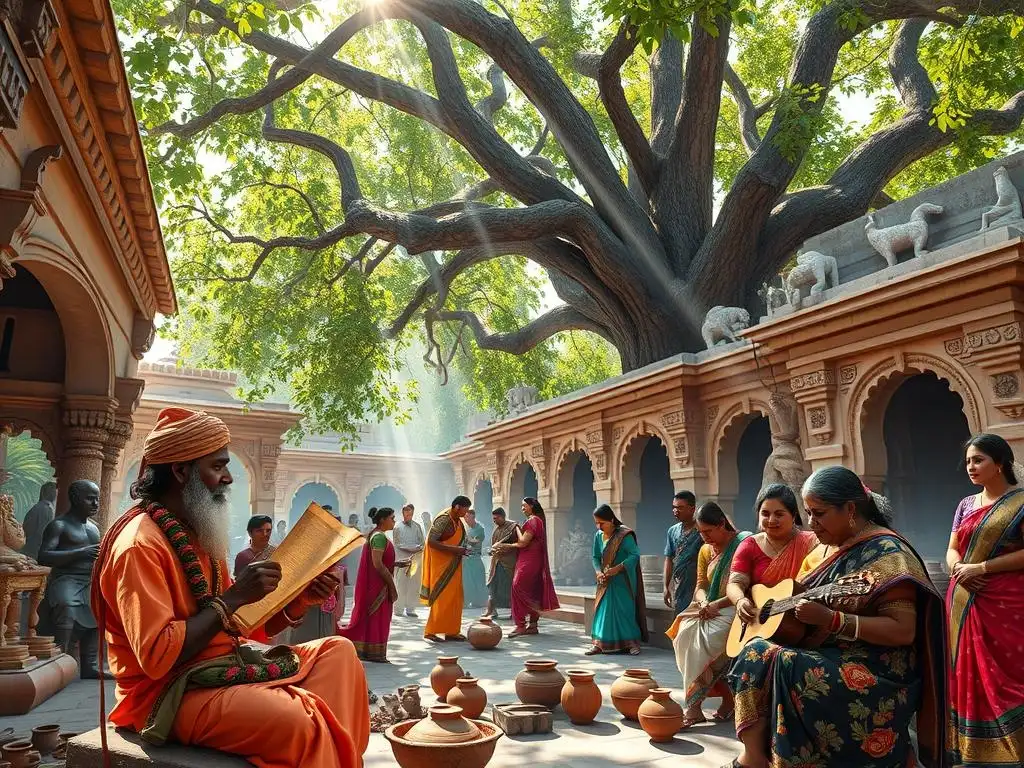
Welcome to Ancient India History, a portal into the rich tapestry of India's past where each thread tells a story of innovation, art, and culture. In this exploration, we delve into the cultural contributions of the Maurya Empire, a remarkable period that birthed key figures in art and literature whose legacies continue to inspire. Prepare to uncover the profound influences of this ancient civilization and discover how its creative brilliance shaped the cultural landscape of India. Join us as we journey through the vibrant history of the Maurya Empire and unlock the secrets of its enduring impact!
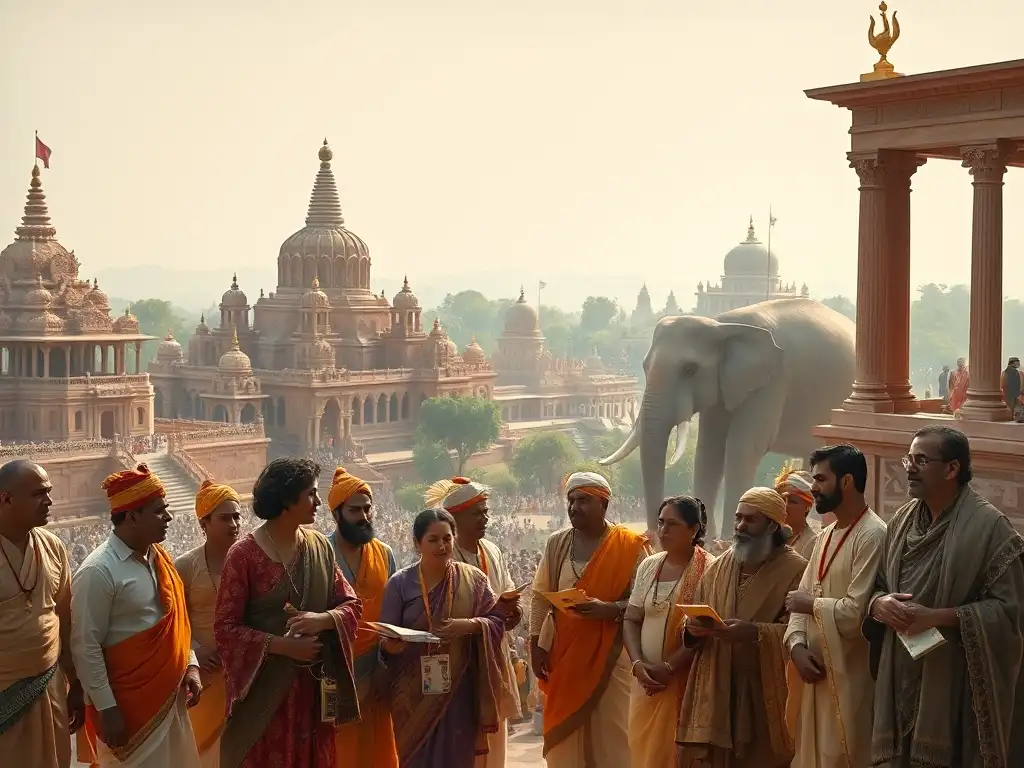
Introduction to the Maurya Empire's Cultural Contributions
The Maurya Empire, which thrived from approximately 322 to 185 BCE, stands as one of the most significant and influential periods in ancient Indian history. This empire not only marked the unification of India but also laid the foundation for rich cultural advancements that would resonate through centuries.
The Mauryan era is particularly noted for its remarkable contributions to art and literature, which reflect the diverse and vibrant society of the time. As we delve into the cultural contributions of the Maurya Empire, we will explore the key figures and their roles in shaping the artistic and literary landscape, revealing how their legacies continue to influence Indian culture today.
Overview of the Maurya Empire's Influence on Indian Culture
The Maurya Empire was characterized by a centralized administration and a flourishing economy, which fostered an environment conducive to cultural development. Under the leadership of notable emperors like Chandragupta Maurya and Ashoka the Great, the empire saw a remarkable synthesis of indigenous traditions and influences from external cultures, particularly through trade routes that connected India to the wider world.
- Cultural Syncretism: The Maurya Empire was a melting pot of various cultures, leading to the blending of artistic styles and literary forms.
- Religious Tolerance: Ashoka's promotion of Buddhism and respect for other religions encouraged a rich dialogue among different faiths, contributing to a pluralistic cultural identity.
This period also witnessed the rise of sophisticated urban centers, which became hubs of artistic expression, philosophy, and literature.
Importance of Art and Literature in Historical Context
Art and literature during the Maurya Empire served not only as forms of expression but also as tools for political and social communication. The edicts of Ashoka, inscribed on rocks and pillars, exemplify how literature was utilized to convey messages of governance and ethics to the populace.
- Art as Propaganda: The intricate carvings and architectural marvels were not merely aesthetic; they were imbued with political significance, reinforcing the power and legitimacy of the Mauryan rulers.
- Literary Developments: The period saw the emergence of notable texts, possibly including early forms of drama and poetry, that reflected the societal values and philosophical inquiries of the time.
Key Figures in Mauryan Art
As we explore the contributions of the Maurya Empire, it is essential to highlight the key figures who played pivotal roles in shaping its artistic legacy.
Ashoka the Great: Patron of Art and Architecture
Ashoka, the third Mauryan emperor, is perhaps the most celebrated figure of this era. His reign is marked by a profound commitment to art and architecture, which he used to promote Buddhism and moral governance.
- Stupas and Pillars: Under Ashoka's patronage, monumental stupas, such as the Sanchi Stupa, were constructed, serving as significant religious sites and symbols of Buddhist faith.
- Innovative Artistry: The Ashoka Pillars, renowned for their polished stone and intricate animal sculptures, exemplify the high level of craftsmanship achieved during this period.
Influence of Mauryan Stupas on Indian Architecture
The architectural advancements of the Maurya Empire, particularly in the construction of stupas, had a lasting impact on Indian architecture.
- Design and Structure: The stupas featured hemispherical domes, symbolizing the universe, and were often adorned with elaborate gateways (toranas) that depicted scenes from Buddhist teachings.
- Cultural Legacy: These architectural forms set the precedent for future Buddhist architecture across Asia, influencing the design of stupas in countries like Sri Lanka and Myanmar.
The Role of Sculptors and Artisans in Maurya Empire
The artistic endeavors of the Maurya Empire were not solely the result of royal patronage but also reflected the skills and creativity of the artisans and sculptors of the time.
- Collaboration and Innovation: Artisans from diverse backgrounds collaborated to create artworks that merged local traditions with new techniques introduced through trade.
- Cultural Transmission: The works produced during this time acted as vehicles for cultural transmission, carrying Mauryan artistic styles to distant lands and shaping the art of neighboring regions.
The cultural contributions of the Maurya Empire—through its key figures in art and literature—remain a testament to a rich historical legacy that continues to inspire and inform contemporary Indian culture. The artistic innovations and literary expressions from this period not only reflect the values and beliefs of ancient society but also serve as a bridge connecting past and present.
Literary Contributions of the Maurya Empire
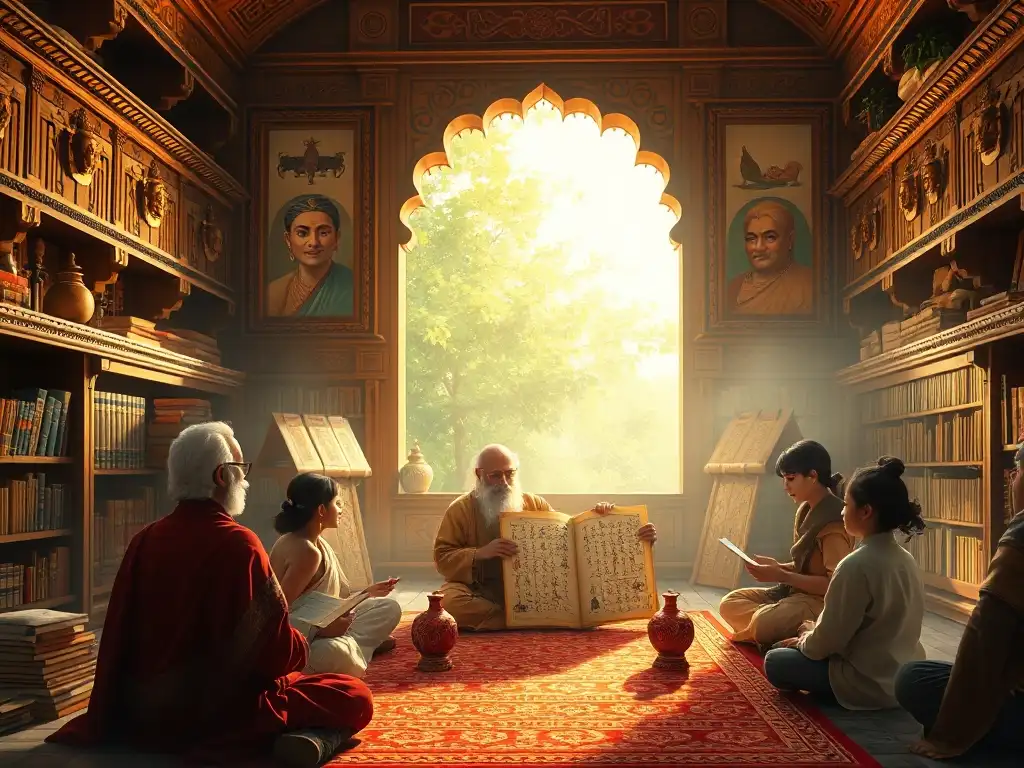
The Maurya Empire, spanning from 322 to 185 BCE, played a pivotal role in laying the foundations of Indian literature and culture. Under the patronage of its prominent rulers, particularly Ashoka, the empire witnessed a flourishing of literary activity that not only enriched the cultural landscape of ancient India but also established a legacy that influenced subsequent generations. This period marked the emergence of significant literary forms, notably in Sanskrit, which became a medium of intellectual expression and cultural discourse.
Emergence of Sanskrit Literature During the Maurya Period
Sanskrit, the classical language of India, began to gain prominence during the Maurya Empire. This era saw the initial development of literary genres that would later flourish in the Gupta period. The use of Sanskrit in inscriptions, such as those by Emperor Ashoka, indicates its rise as a scholarly language. Ashoka's edicts, inscribed on pillars and rocks across his vast empire, reflect not only administrative efficiency but also a commitment to disseminating moral and ethical teachings, thereby enhancing the linguistic and literary richness of the time.
The emergence of Sanskrit literature during the Maurya period is also notable for the incorporation of prose and poetry, which laid the groundwork for later literary masterpieces. The linguistic sophistication and stylistic innovations that appeared during this time helped to elevate Sanskrit as a vehicle for philosophical and artistic expression. Moreover, the influence of oral traditions contributed to the evolution of literary forms, merging storytelling with moral and ethical lessons that resonate through history.
Notable Literary Works and Their Significance
While specific works from the Maurya Empire may not have survived in their entirety, several texts and genres can be traced back to this period. One of the most significant contributions is the Arthashastra, attributed to Kautilya (Chanakya), a key figure in Mauryan administration and strategy. This treatise on statecraft, economics, and military tactics not only serves as a practical guide for governance but also reflects the intellectual depth of the time.
Another significant text is the Brahmanas, which are prose texts explaining the Vedas and rituals, showcasing the philosophical and spiritual inquiries that were prevalent during the Maurya period. These works provide insight into the socio-religious life of the time and illustrate how literature was intertwined with the spiritual and cultural fabric of society.
The literary contributions of the Maurya Empire are significant as they mark the beginning of a rich tradition in Indian literature that would be further developed in subsequent centuries. They highlight the empire's role in fostering an environment where literature was not only a reflection of society but also a tool for governance and moral instruction.
The Interplay of Art and Literature in Maurya Culture
The Maurya Empire is renowned for its artistic achievements, particularly in sculpture and architecture, which significantly influenced literary themes and expressions. The interconnection between art and literature during this period is evident in how both forms served to convey cultural narratives and ethical teachings.
How Artistic Expression Influenced Literary Themes
Artistic expression in the Maurya Empire, as seen in the intricately carved pillars and stupas, often depicted scenes from the Jataka tales—stories of the previous lives of the Buddha. These narratives, filled with moral lessons, found a parallel in the literature of the time, where themes of virtue, governance, and morality were prevalent. The visual arts provided a narrative backdrop that enriched the literary discourse, allowing writers to draw upon these shared cultural symbols to create more profound and resonant works.
Furthermore, the aesthetics of Mauryan art, characterized by its attention to detail and emotive expression, influenced the stylistic elements of literary works. Poets and playwrights began to mirror the beauty and complexity of visual art in their writing, using vivid imagery and metaphor to evoke emotional responses in their audiences. This synergy between art and literature established a rich cultural framework that enhanced the overall intellectual milieu of the Maurya Empire.
The Representation of Mauryan Society in Art and Literature
Art and literature during the Maurya Empire served as powerful mediums for reflecting and shaping the societal values and beliefs of the time. The sculptures and reliefs that adorned the grand structures of the empire, such as the Ashoka Pillars, depicted not only divine figures but also everyday life, portraying the social hierarchy, religious practices, and cultural norms of Mauryan society.
Literary works complemented these artistic representations by exploring similar themes, often delving into the moral dilemmas faced by individuals within society. The interplay of art and literature provided a comprehensive view of the Mauryan world, illustrating how the empire balanced governance, spirituality, and daily life.
In essence, the cultural contributions of the Maurya Empire, through its literary and artistic endeavors, created a lasting legacy that continues to influence Indian culture and literature today. The integration of these forms enriched the narrative of ancient India, offering insights into the complex dynamics of human experience during one of its most influential eras.
Conclusion: Lasting Impact of Maurya Empire's Cultural Contributions
The cultural contributions of the Maurya Empire have left an indelible mark on Indian society, shaping its artistic and literary landscape for centuries. The empire’s emphasis on patronage of the arts, combined with the flourishing of literature, created a vibrant cultural milieu that influenced subsequent generations. The Mauryan period not only saw the establishment of significant architectural achievements, such as the stupas and rock-cut caves, but also the creation of literary texts that have become cornerstones of Indian heritage.
This era's impact can still be felt today, as many principles of art and literature developed during this time continue to resonate in modern expressions. The intricate carvings, sculptures, and literary forms of the Maurya Empire serve as a foundation for understanding the evolution of Indian culture. The lasting legacy of figures such as Ashoka, who advocated for the integration of moral and ethical values into governance and culture, emphasizes a holistic approach to art and literature that persists in contemporary discussions about cultural identity.
Reflection on the Legacy of Mauryan Art and Literature in Modern India
Modern India often reflects back on the legacy of Mauryan art and literature as a source of inspiration and pride. The intricate sculptures from the Mauryan period, particularly those found at sites like Sanchi and Bharhut, continue to influence contemporary artists and sculptors. These works are not merely historical artifacts; they embody the philosophical and spiritual ideas of their time, which resonate with modern values such as tolerance, peace, and unity.
In literature, the fables and moral stories attributed to the era, like those found in the "Panchatantra," remain timeless and are widely taught in schools. They serve as a bridge connecting past wisdom with present-day lessons, showcasing the Mauryan emphasis on ethical storytelling. Furthermore, the teachings of Ashoka and his promotion of Dharma have inspired modern movements advocating for non-violence and social justice, reinforcing the relevance of Mauryan thought in today's sociopolitical landscape.
The Relevance of Mauryan Cultural Contributions in Contemporary Discourse
The cultural contributions of the Maurya Empire are profoundly relevant in contemporary discourse, particularly in discussions surrounding identity, governance, and ethics. The principles laid down by Ashoka, especially those revolving around non-violence and respect for all living beings, are echoed in modern principles of human rights and environmental conservation. This philosophical underpinning continues to guide contemporary leaders and thinkers who strive for a more equitable society.
Moreover, the artistic innovations of the Maurya period serve as a reference point for contemporary artists seeking to draw from historical traditions while creating modern interpretations. The fusion of ancient techniques with contemporary themes showcases the enduring influence of Mauryan aesthetics. Academic discussions and research papers frequently draw upon Mauryan contributions to explore the trajectory of Indian art and literature, highlighting their significance in the broader context of global cultural history.
Additional Resources for Further Exploration
To gain a deeper understanding of the cultural contributions of the Maurya Empire, several resources are available for further exploration. These include books, scholarly articles, and museum collections that showcase the richness of Mauryan art and literature.
Recommended Readings on Maurya Empire Art and Literature
- "The Maurya Empire: A Historical Overview": by R.S. Sharma – This book offers a comprehensive look at the political and cultural landscape of the Maurya Empire, highlighting key figures and their contributions.
- "Art and Architecture of the Maurya Period" by A. K. Sharma – An insightful analysis of the architectural achievements of the Maurya Empire, including detailed discussions on the stupas and sculptures.
- "Literary Traditions of Ancient India" by R. K. Mookerji – This text explores the literary heritage of ancient India, with a focus on the works produced during the Mauryan period.
Online Archives and Museums Showcasing Mauryan Contributions
- The National Museum, New Delhi – This museum houses an extensive collection of artifacts from the Maurya Empire, including sculptures and inscriptions that reflect the artistic prowess of the time.
- The Archaeological Survey of India (ASI) – The ASI offers digital archives and resources documenting various archaeological sites associated with the Maurya Empire.
- Virtual Tours of Sanchi Stupa – Many educational platforms provide virtual tours of the iconic Sanchi Stupa, allowing viewers to explore its architectural grandeur and artistic details from the comfort of their homes.
These resources provide an excellent starting point for anyone interested in delving deeper into the cultural contributions of the Maurya Empire, fostering a greater appreciation for this pivotal period in ancient Indian history.
- Introduction to the Maurya Empire's Cultural Contributions
- Overview of the Maurya Empire's Influence on Indian Culture
- Importance of Art and Literature in Historical Context
- Key Figures in Mauryan Art
- Literary Contributions of the Maurya Empire
- The Interplay of Art and Literature in Maurya Culture
- Conclusion: Lasting Impact of Maurya Empire's Cultural Contributions
- Additional Resources for Further Exploration
- What were the main cultural contributions of the Maurya Empire?
- Who were the key figures in art during the Maurya Empire?
- How did the Maurya Empire impact literature?
- What is the significance of Ashoka's edicts in Mauryan culture?
- How did art and literature during the Maurya Empire reflect its values?
Frequently Asked Questions
What were the main cultural contributions of the Maurya Empire?
The Maurya Empire significantly influenced art and literature, introducing innovative styles in sculpture and architecture, as well as promoting literary works that highlighted its rich cultural heritage.
Who were the key figures in art during the Maurya Empire?
Prominent figures included Ashoka, who commissioned many stupas and pillars, and artists who excelled in creating intricate sculptures reflecting the empire's Buddhist influences.
How did the Maurya Empire impact literature?
The Maurya Empire nurtured literary traditions by supporting works such as the Panchatantra and the Mahabharata, which emphasized moral lessons and storytelling, shaping Indian literature.
What is the significance of Ashoka's edicts in Mauryan culture?
Ashoka's edicts were instrumental in spreading Buddhist philosophy and ethics, showcasing the empire's commitment to non-violence and social welfare, which influenced future generations.
How did art and literature during the Maurya Empire reflect its values?
The art and literature of the Maurya Empire often depicted themes of peace, prosperity, and spirituality, reflecting the empire's values of unity and social harmony within its diverse population.
Final Reflection: The Enduring Legacy of the Maurya Empire's Cultural Contributions
The cultural contributions of the Maurya Empire resonate profoundly in today's world, reminding us of the power of art and literature to shape societies. As we explore the legacies of key figures from this remarkable period, we uncover not only the richness of their creativity but also the timeless relevance of their ideas. The Maurya Empire's artistic and literary achievements serve as a testament to the enduring human spirit, illustrating how cultural expression can transcend time and continue to inspire generations.
The influence of the Maurya Empire on the cultural and social landscape is evident in various forms of contemporary art and literature. These contributions have laid the groundwork for a rich tapestry of cultural identity that many still draw upon today. The profound wisdom encapsulated in texts from this era and the intricate artistry of its sculptures continue to inform and inspire modern creators. Art is the most beautiful of all lies.
This quote encapsulates the essence of how the Mauryan artistic legacy invites us to explore deeper truths about our own existence and society.
As we reflect on the cultural contributions of the Maurya Empire, I invite you to consider how these historical narratives can inform your own creative journey. Embrace the lessons of innovation, resilience, and expression that emerged from this great civilization. Let the stories of the past inspire you to contribute to the cultural dialogue of the present and future, reminding us all that we are part of an ongoing narrative that shapes our world.
Unveil the Legacy of the Maurya Empire!
Thank you for taking the time to explore the rich tapestry of art and literature woven by the Maurya Empire. You've uncovered the remarkable contributions of key figures who shaped a cultural revolution in ancient India. Now, it’s time to put this newfound knowledge into action!
Here are some impactful steps you can take to deepen your engagement with this fascinating history:
- Dive deeper into Maurya art: Visit a local museum or explore virtual tours online to see artifacts and artworks from the Maurya period.
- Join a discussion group: Connect with fellow history enthusiasts or participate in online forums to share insights and perspectives about the cultural impact of the Maurya Empire.
- Create and share: Write an article, blog post, or even a social media post about what inspired you from the contributions of the Maurya Empire. Use the hashtag #MauryaLegacy to join the conversation!
What aspect of Mauryan culture resonates with you the most, and how do you think it influences our modern world today?