
How to Authenticate Vintage Indian Jewelry: Expert Tips and Tricks

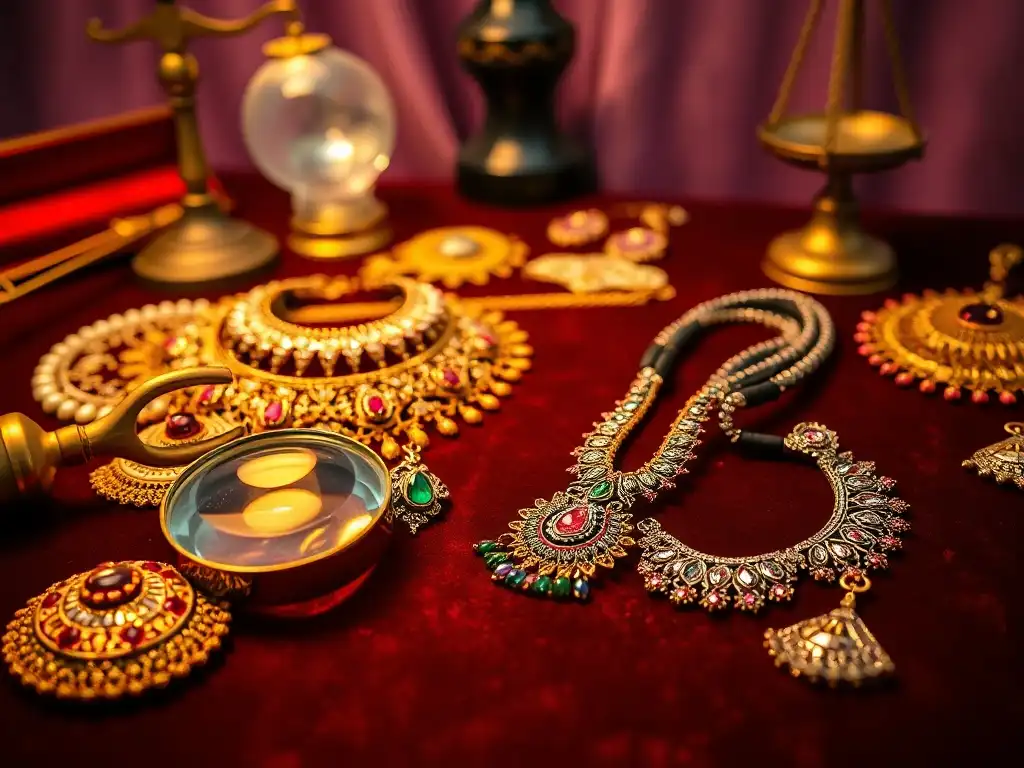
Welcome to Ancient India History, where we embark on a fascinating journey through the rich tapestry of India's past. Today, we dive into the alluring world of vintage Indian jewelry, unraveling the secrets of its authenticity. Have you ever wondered how to distinguish genuine pieces from mere imitations?
Our latest article, "How to Authenticate Vintage Indian Jewelry: Expert Tips and Tricks," promises to equip you with essential knowledge and insights. Join us as we explore the intricate artistry and cultural significance behind these timeless treasures, and prepare to be captivated by the stories they tell. Your adventure into the heart of ancient craftsmanship begins here!
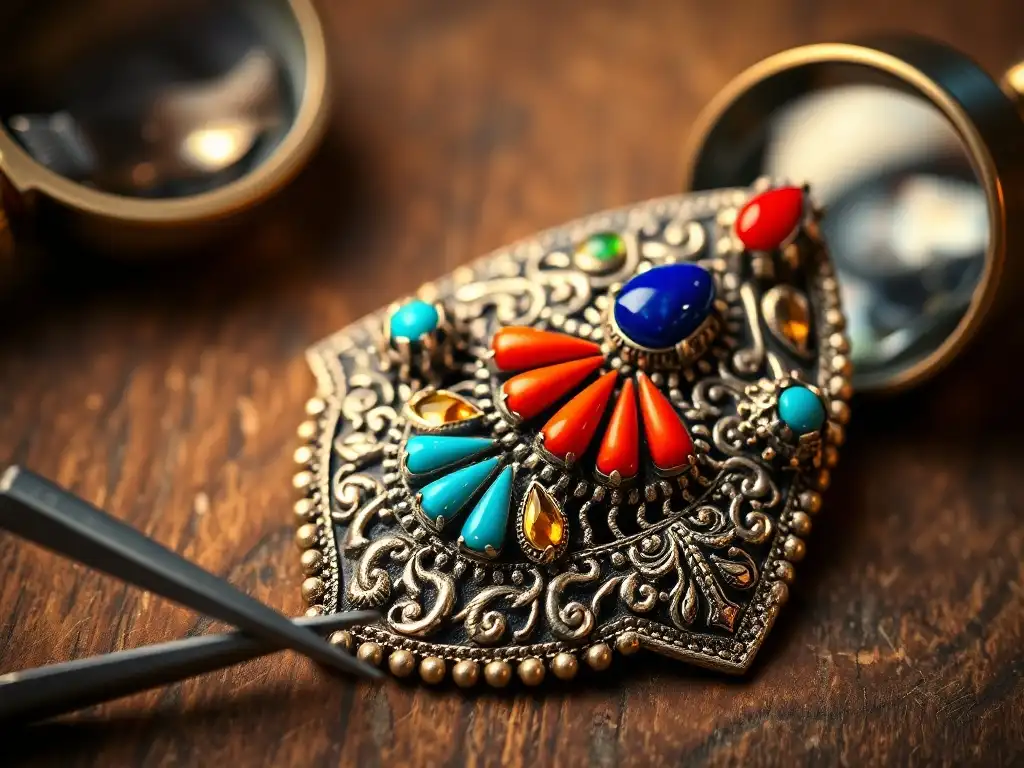
Introduction to Authenticating Vintage Indian Jewelry
Authenticating vintage Indian jewelry is more than just a hobby; it is an art that requires knowledge, experience, and a keen eye for detail. With the increasing popularity of vintage pieces, especially those originating from the rich tapestry of Indian culture, the demand for genuine artifacts has surged significantly.
From the intricate craftsmanship of the Indus Valley civilization to the ornate designs of the Gupta Empire, each era has contributed unique styles and techniques that can be identified. This guide aims to equip you with essential tips and tricks to discern authenticity, ensuring that your collection reflects the true heritage of Indian craftsmanship.
In a world where replicas and imitations abound, understanding the nuances that define authentic vintage Indian jewelry becomes crucial. Whether you're a seasoned collector or a novice enthusiast, knowing how to authenticate these stunning pieces will not only enhance your appreciation of their artistic value but also protect your investment.
Why Authenticity Matters in Vintage Indian Jewelry
The importance of authenticity in vintage Indian jewelry cannot be overstated. Here are several reasons why ensuring authenticity is essential:
- Cultural Significance: Each piece of vintage jewelry tells a story, reflecting the history and traditions of the time it was created. Authentic items preserve the cultural legacy of ancient India, making them valuable not just as adornments but also as historical artifacts.
- Investment Value: Genuine vintage jewelry typically appreciates over time, making it a wise investment. In contrast, replicas or poorly crafted imitations can diminish in value, leaving collectors at a loss.
- Craftsmanship Recognition: Vintage Indian jewelry often showcases unique techniques passed down through generations. By authenticating these pieces, collectors can appreciate the skill and artistry involved, celebrating the rich heritage of Indian craftsmanship.
- Avoiding Scams: The market for vintage jewelry is rife with counterfeit products. Knowing how to authenticate pieces helps buyers avoid potential scams and ensures they acquire items that are truly representative of their claimed origins.
Understanding the significance of authenticity in vintage Indian jewelry enhances not only the collector's experience but also the broader appreciation of India's artistic legacy. As you delve deeper into the world of authenticating vintage pieces, you'll find that this knowledge enriches your connection to the intricate and fascinating history of Indian jewelry.
Key Characteristics of Authentic Vintage Indian Jewelry
Authentic vintage Indian jewelry is a treasure trove of cultural significance and artistic craftsmanship. To authenticate such pieces, one must be aware of their key characteristics, which often include:
- Materials Used: Genuine vintage Indian jewelry is typically made from high-quality materials such as gold, silver, and precious gemstones. The purity of the metal should be assessed, as authentic pieces often use metals with higher purity levels.
- Traditional Designs: Vintage Indian jewelry showcases intricate designs that reflect regional styles and traditions. Common motifs include floral patterns, peacocks, and religious symbols, which vary by region and community.
- Patina and Age: Over time, authentic jewelry develops a natural patina that adds to its charm. This aging process cannot be easily replicated, making it a key indicator of authenticity. Look for signs of wear that indicate genuine use, rather than artificial aging.
- Hallmarks and Stamps: Many authentic vintage pieces carry hallmarks or stamps indicating the metal's purity or the manufacturer's details. Familiarity with these marks can aid in verification.
- Cultural Significance: Many pieces are tied to specific cultural or ceremonial practices, such as wedding jewelry or religious ornaments. Understanding the cultural context can provide clues to authenticity.
Expert Tips for Authenticating Vintage Indian Jewelry
When it comes to authenticating vintage Indian jewelry, employing a systematic approach can significantly enhance your chances of making a genuine purchase. Here are expert tips to guide you through the process:
Step 1: Research and Historical Context
Before purchasing vintage Indian jewelry, conducting thorough research is paramount. Understanding the historical context of the piece can provide crucial insights into its authenticity.
- Study Regional Styles: Different regions in India have unique jewelry styles. Familiarize yourself with these styles to better identify the origins of a piece.
- Learn About Historical Eras: Jewelry from different periods, such as the Mughal era or the Colonial period, features distinct characteristics. Knowing these can help you pinpoint authenticity.
- Read Books and Resources: Utilize books, articles, and online resources focused on Indian jewelry history to gain a deeper understanding of what to look for.
Step 2: Examine the Materials
The materials used in vintage Indian jewelry are significant indicators of authenticity. Here’s how to scrutinize them:
- Identify Metal Composition: Test the metal to ensure it is genuine gold or silver. This can be done through acid testing or magnet tests—real gold and silver are not magnetic.
- Assess Gemstones: Check if the gemstones are genuine or synthetic. Look for natural inclusions that indicate authenticity, as synthetic stones tend to be flawless.
- Weight and Feel: Authentic pieces often have a certain weight and feel due to the quality of materials used. If the jewelry feels too light or flimsy, it may not be genuine.
Step 3: Assess Craftsmanship and Details
The craftsmanship of vintage Indian jewelry is a hallmark of its authenticity. Pay close attention to the following:
- Intricate Workmanship: Authentic pieces often showcase exceptional craftsmanship, with detailed engraving, filigree work, and stone setting that require skilled artisanship.
- Check for Uniformity: Look for inconsistencies in design and craftsmanship. Handcrafted jewelry may have slight variations, while mass-produced pieces tend to be uniform.
- Prongs and Settings: Examine how gemstones are set. Authentic vintage jewelry often uses traditional methods that may differ from modern techniques.
Step 4: Consult with Professionals
If you are still uncertain about the authenticity of a piece, seeking the opinion of professionals can provide invaluable assurance:
- Jewelry Appraisers: Hire a certified appraiser with experience in Indian jewelry. They can provide a professional evaluation and help authenticate the piece.
- Antique Experts: Consult experts who specialize in Indian antiques, as they have the knowledge and experience necessary to assess authenticity accurately.
- Reputable Dealers: Purchase from reputable dealers who provide documentation and provenance. They often have a wealth of knowledge that can aid in your authentication efforts.
By following these expert tips and steps, you can confidently navigate the world of vintage Indian jewelry and make informed purchasing decisions.
Tools and Resources for Authenticating Vintage Indian Jewelry
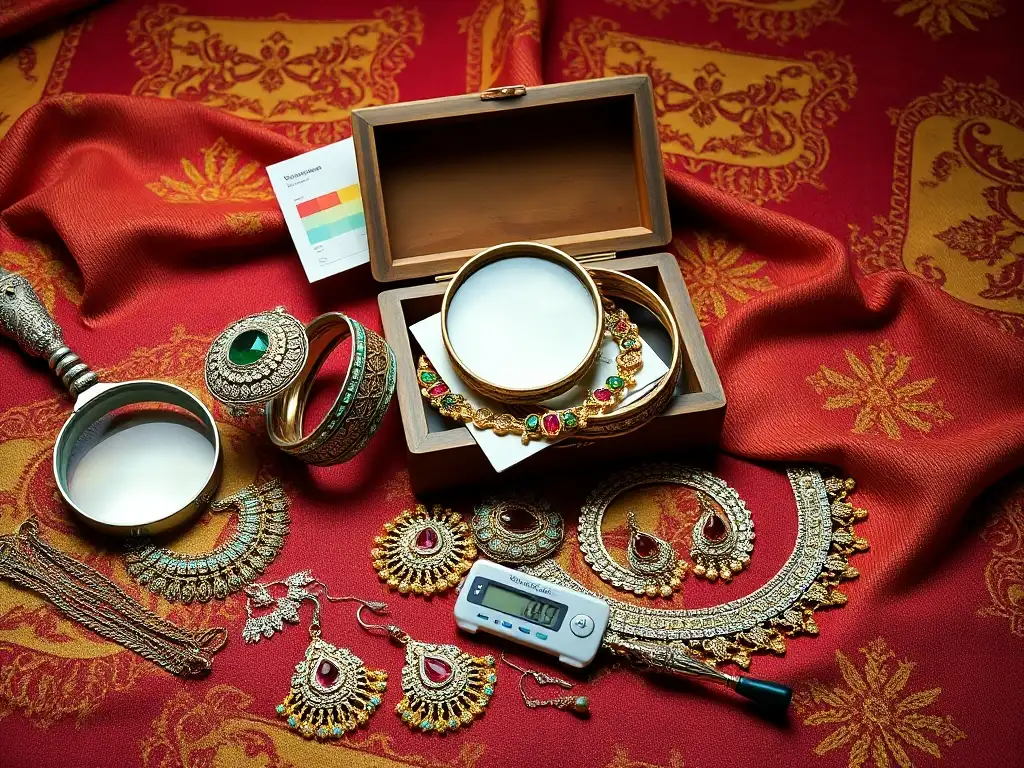
When it comes to authenticating vintage Indian jewelry, having the right tools and resources at your disposal can make a significant difference. Here are some essential tools and resources that collectors and enthusiasts can use:
- Magnifying Glass or Jeweler's Loupe:
- A high-quality magnifying glass or jeweler's loupe (10x magnification) is crucial for examining intricate details, such as hallmarks, craftsmanship, and potential wear. This tool allows you to inspect metal purity stamps and other identifiers that are often not visible to the naked eye.
- Gem Testing Kit:
- These kits typically include tools to test the authenticity of gemstones, such as refractometers and dichroscopes. Understanding the properties of gems used in vintage pieces can help you distinguish between natural and synthetic stones.
- Weight Scale:
- Vintage jewelry often has a specific weight that can help in authentication. A precise digital scale can help you compare the weight of a piece against known standards for similar items.
- Reference Books and Guides:
- Investing in books that focus on Indian jewelry history, styles, and hallmarking can provide invaluable information. Titles such as "Indian Jewelry: A Historical Perspective" can offer insights into design trends and materials used in different eras.
- Online Databases and Forums:
- Websites and forums dedicated to antique and vintage jewelry can be excellent resources. Communities like these often share experiences, pictures, and advice on authenticating specific pieces.
- Professional Appraisers:
- If in doubt, consulting with a certified appraiser who specializes in vintage Indian jewelry can provide expert insights and authentication services. They have the experience and access to resources that can verify authenticity.
Common Myths About Vintage Indian Jewelry Authentication
Authenticating vintage Indian jewelry can be surrounded by various myths and misconceptions. Here are some of the most common myths that can mislead buyers:
- Myth 1: All Antique Jewelry is Valuable:
- Not every piece of vintage jewelry holds significant value. Factors such as craftsmanship, materials, and market demand play crucial roles in determining a piece's worth.
- Myth 2: Hallmarks Guarantee Authenticity:
- While hallmarks can indicate the origin and age of a piece, they are not foolproof. Counterfeit pieces can also carry fake hallmarks. Therefore, it’s essential to consider other aspects of authentication.
- Myth 3: Vintage Jewelry is Always Made from Precious Metals:
- Many vintage pieces may be made from base metals, especially if they were produced for mass markets. Just because a piece is old doesn’t mean it’s made from gold or silver.
- Myth 4: You Can Rely Solely on a Seller's Word:
- Trusting a seller’s claim without verification can lead to costly mistakes. It's crucial to do your research and utilize the tools and resources available for authentication.
- Myth 5: Style is a Definitive Indicator of Authenticity:
- While certain styles can suggest a period or culture, many reproductions mimic these styles. Authenticating a piece requires a comprehensive investigation beyond just aesthetic appeal.
Conclusion: Making Informed Purchases of Vintage Indian Jewelry
Authenticating vintage Indian jewelry is a multifaceted process that requires diligence, knowledge, and the right tools. By familiarizing yourself with the essential tools and resources, understanding common myths, and conducting thorough research, you can make informed purchases that enhance your collection or wardrobe.
Always remember that the charm of vintage Indian jewelry lies not only in its beauty but also in its history and the craftsmanship behind it. By approaching your purchases with caution and a critical eye, you can ensure that you are investing in authentic pieces that reflect the rich heritage of Indian craftsmanship. Happy hunting!
Additional Resources for Collectors
When it comes to authenticating vintage Indian jewelry, having access to the right resources is crucial for collectors. Here are some valuable tools and references that can enhance your understanding and help you make informed decisions:
Books on Indian Jewelry
Several books provide extensive insights into the history, styles, and craftsmanship of Indian jewelry. Notable titles include:
- "Indian Jewelry" by K. S. G. Kumar: This book covers various styles and periods, offering collectors a comprehensive overview of Indian jewelry’s evolution.
- "The Art of Indian Jewelry" by Susan N. H. K. Singh: Focused on design elements and techniques, this book serves as a valuable reference for understanding the intricacies involved in vintage pieces.
Online Forums and Communities
Engaging with fellow collectors and enthusiasts can provide real-time information and expert advice. Consider joining:
- The Vintage Jewelry Forum: A platform where members discuss various aspects of vintage jewelry, including authentication tips.
- Facebook Groups: Groups like "Antique Indian Jewelry" offer a community of passionate collectors who share knowledge and experiences.
Professional Appraisers and Experts
Consulting with professionals can offer insights that are difficult to obtain through other means. Look for:
- Certified Appraisers: Seek out appraisers with experience in vintage Indian jewelry. They can provide authentication services and are often knowledgeable about market trends.
- Jewelry Historians: Experts specializing in Indian jewelry can help validate the authenticity of pieces and provide background on their historical significance.
Museums and Exhibitions
Visiting museums that feature collections of Indian jewelry can be an enriching experience. Notable institutions include:
- The National Museum, New Delhi: This museum houses a vast collection of Indian artifacts, including vintage jewelry, allowing collectors to view authentic pieces up close.
- The Chhatrapati Shivaji Maharaj Vastu Sangrahalaya, Mumbai: This museum offers exhibitions that showcase the evolution of Indian jewelry, providing context and learning opportunities for collectors.
Online Resources and Websites
Utilizing digital platforms can streamline your research process. Recommended online resources include:
- The Indian Jewelry Association: They provide guidelines and resources for collectors, including information on reputable dealers and upcoming exhibitions.
- YouTube Channels: Channels dedicated to vintage jewelry often feature tutorials and insights that can aid in the authentication process.
By tapping into these additional resources, collectors can significantly improve their ability to authenticate vintage Indian jewelry, ensuring they make well-informed purchases.
- Introduction to Authenticating Vintage Indian Jewelry
- Why Authenticity Matters in Vintage Indian Jewelry
- Key Characteristics of Authentic Vintage Indian Jewelry
- Expert Tips for Authenticating Vintage Indian Jewelry
- Tools and Resources for Authenticating Vintage Indian Jewelry
- Common Myths About Vintage Indian Jewelry Authentication
- Conclusion: Making Informed Purchases of Vintage Indian Jewelry
- Additional Resources for Collectors
Frequently Asked Questions
What are the primary characteristics of vintage Indian jewelry?
Vintage Indian jewelry often features intricate designs, traditional motifs, and the use of high-quality materials like gold, silver, and gemstones. Distinct styles such as Kundan, Meenakari, and Jadau are common.
How can I identify genuine vintage Indian jewelry?
To identify genuine pieces, look for hallmarks, craftsmanship quality, and age-related wear. Authentic vintage jewelry typically will show signs of careful handcrafting and unique features.
Are there specific tools needed for authentication?
Yes, tools like a magnifying glass, gem tester, and scale can help examine the details of the jewelry. These tools assist in assessing the quality and authenticity of materials used.
What role does provenance play in authentication?
Provenance, or the history of ownership, is crucial for authentication. Documented history can provide context and value, confirming whether the piece is genuinely vintage.
Where can I seek expert help for authentication?
Consulting with antique dealers, gemologists, or specialized appraisers is advisable. They have the expertise to evaluate and provide insights into the authenticity of vintage Indian jewelry.
Final Reflection: The Timeless Value of Authenticating Vintage Indian Jewelry
In a world increasingly driven by fast fashion and mass production, the art of authenticating vintage Indian jewelry remains a vital practice that connects us to our cultural heritage. The intricate craftsmanship and rich history embedded in each piece tell stories that transcend generations, making the pursuit of authenticity not just a hobby, but a meaningful endeavor. As we navigate the complexities of modern consumerism, understanding how to authenticate vintage Indian jewelry empowers us to appreciate and preserve the artistry of the past.
The influence of vintage Indian jewelry on contemporary fashion and cultural identity is profound and enduring. Each piece serves as a bridge between the past and present, reminding us of the traditions and skills that have shaped our aesthetic sensibilities. As we embrace these treasures, we also engage in a dialogue about sustainability and ethical consumption. Jewelry is like a biography; a story that tells the history of those who have worn it.
This quote encapsulates the essence of why we must cherish and authenticate these pieces, as they are not merely accessories but narratives of our shared human experience.
As you reflect on the insights shared in this article, I invite you to take action in your own life. Consider exploring the world of vintage Indian jewelry with a discerning eye and an open heart. Whether you are a collector, a casual admirer, or someone looking to invest in meaningful pieces, remember that each item carries with it a legacy worth honoring. Let the lessons of authenticity inspire you to seek out stories, appreciate craftsmanship, and contribute to the preservation of cultural heritage in your own unique way.
Unveil the Beauty of Authentic Vintage Indian Jewelry!
Thank you for diving into the world of vintage Indian jewelry with us! We hope you’ve gained valuable insights on how to authenticate these timeless treasures. Now, let’s take your newfound knowledge to the next level!
Here are some exciting actions you can take right now:
- Join a local vintage jewelry group or an online community to connect with fellow enthusiasts and share tips.
- Practice your authentication skills by examining pieces at a nearby antique market or jewelry shop.
- Share your favorite vintage jewelry finds on social media using the hashtag #AuthenticIndianJewelry to inspire others!
What piece of vintage Indian jewelry would you love to authenticate next, and why? Let’s keep the conversation going in the comments!