
Farm to Fork: Sustainable Culinary Tours in Rural India

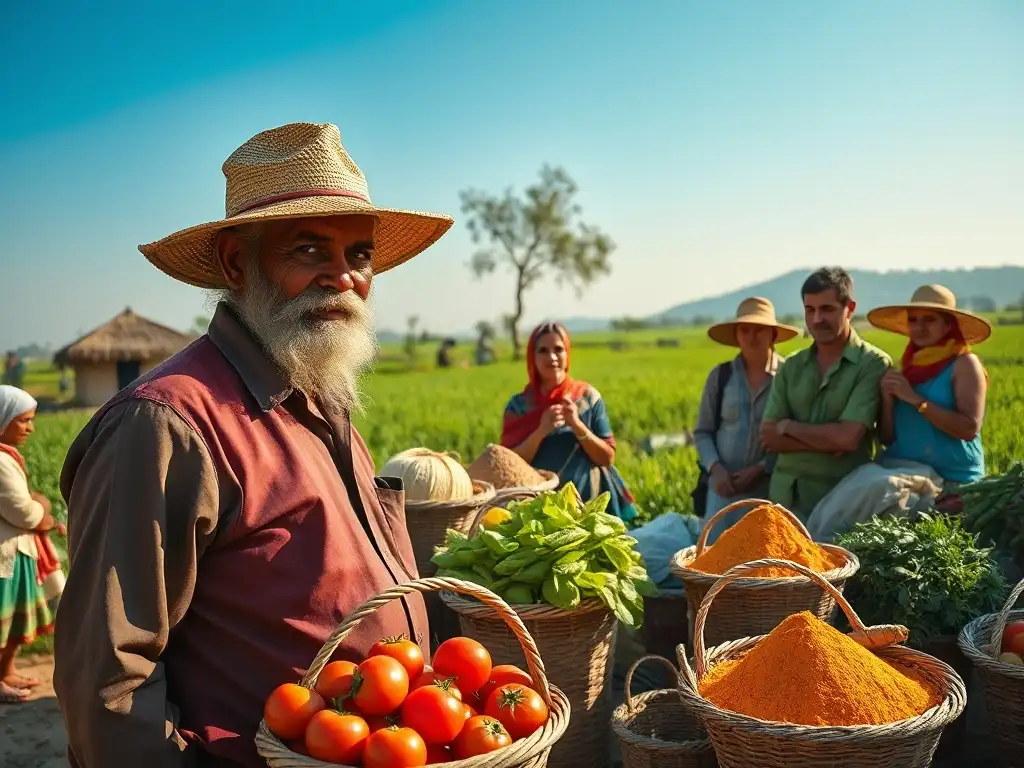
Welcome to Ancient India History, where we invite you to embark on a captivating journey through the rich tapestry of India's past. Our latest article, “Farm to Fork: Sustainable Culinary Tours in Rural India,” explores the unique intersection of culinary traditions and sustainable practices that have flourished in the heart of Indian villages.
Discover how ancient techniques and local ingredients are being harmoniously woven into modern culinary tourism, creating experiences that not only tantalize your taste buds but also honor the heritage of this incredible land. Dive in to uncover the flavors of history and the stories that make Indian cuisine a vibrant part of our cultural legacy!
- Introduction to Sustainable Culinary Tours in India
- The Concept of Farm to Fork in Indian Cuisine
- Overview of Sustainable Culinary Tours in India
- Highlights of Sustainable Culinary Tours
- Recommended Sustainable Culinary Tour Operators in India
- Benefits of Choosing Sustainable Culinary Tours
- Customer Testimonials and Experiences
- Conclusion: Embracing Sustainability in Culinary Tourism
- Call to Action: Book Your Sustainable Culinary Tour Today
- Frequently Asked Questions
- Final Reflection: Embracing Sustainability Through Culinary Journeys
- Experience the Flavor of Sustainability—Join Us on a Culinary Journey!
Introduction to Sustainable Culinary Tours in India
The concept of sustainable culinary tours in India is gaining momentum as travelers seek authentic experiences that not only tantalize their taste buds but also support local communities and promote environmental stewardship. These tours offer an immersive journey through the rural landscapes of India, allowing participants to engage with traditional farming practices, learn about local ingredients, and savor regional cuisines.
From the lush fields of Punjab to the spice-laden markets of Kerala, sustainable culinary tours in India are redefining the way we appreciate food, culture, and the environment. As we explore these enriching experiences, we’ll delve into the principles of sustainable tourism and the unique culinary narratives that abound in rural India.
Understanding Sustainable Tourism in India
Sustainable tourism is an approach that seeks to minimize the negative impacts on the environment, economy, and culture while maximizing the benefits for local communities. In the context of India, this means:
- Preserving Cultural Heritage: Engaging with local artisans and traditional cooks helps preserve age-old culinary practices and promotes cultural continuity.
- Supporting Local Economies: By choosing local guides, markets, and eateries, travelers contribute directly to the livelihoods of rural families.
- Environmental Conservation: Sustainable tours often emphasize organic farming and responsible sourcing, reducing the carbon footprint associated with food production and travel.
Key Principles of Sustainable Tourism:
- Community Engagement: Involving local populations in tourism planning and decision-making.
- Environmental Responsibility: Protecting ecosystems and wildlife through responsible tourism practices.
- Cultural Sensitivity: Respecting and promoting local cultures and traditions.
The Importance of Culinary Experiences in Rural India
Culinary experiences in rural India are not just about the food; they are a gateway to understanding the region's history, agriculture, and lifestyle. These experiences provide:
- Authenticity: Participants enjoy dishes prepared with fresh, locally-sourced ingredients, often straight from the farms.
- Education: Travelers learn about sustainable farming techniques, food preservation methods, and the cultural significance of various dishes.
- Connection: Engaging with local farmers and cooks fosters a deeper appreciation for the labor and love that goes into food production.
Benefits of Culinary Tours:
- Cultural Exchange: Visitors share their own culinary traditions while learning about those of the host community.
- Healthy Eating: Emphasis on organic and seasonal produce promotes healthier eating habits.
- Memorable Experiences: Unique interactions and hands-on cooking classes create lasting memories.
Sustainable culinary tours in rural India offer a rich tapestry of experiences that celebrate local culture, support community development, and promote environmental sustainability, making them an attractive option for conscientious travelers.
The Concept of Farm to Fork in Indian Cuisine
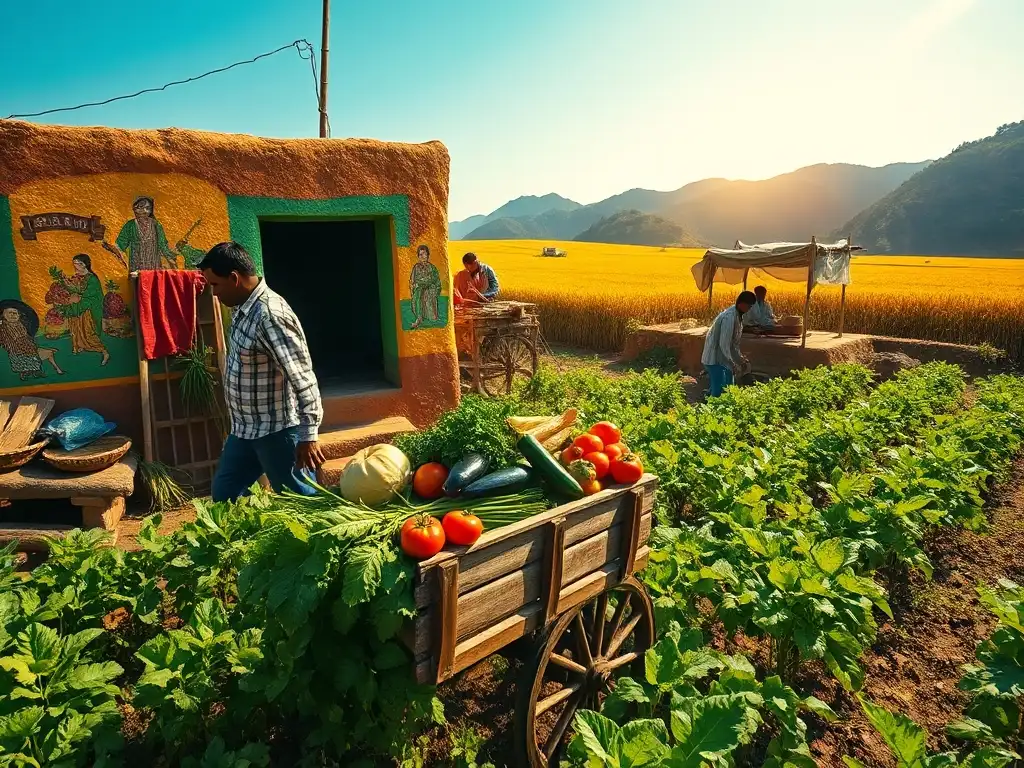
The "Farm to Fork" concept in Indian cuisine emphasizes the journey of food from its source—usually local farms—to the dining table. This approach not only focuses on the quality and freshness of ingredients but also highlights the importance of sustainability in culinary practices. In rural India, this concept takes on a deeper cultural significance, as traditional farming methods and local culinary practices intertwine with the daily lives of communities.
What Does Farm to Fork Mean?
The "Farm to Fork" philosophy is rooted in the idea of transparency in the food supply chain. It encourages consumers to understand where their food comes from and how it is produced. In the context of Indian cuisine, this means sourcing ingredients directly from local farmers and producers, often through direct relationships that benefit both parties.
- Local Sourcing: Ingredients such as vegetables, grains, and spices are sourced from nearby farms, ensuring they are fresh and in season. This practice not only enhances the flavor profile of dishes but also supports local economies.
- Seasonal Eating: Farm to Fork encourages the consumption of seasonal produce, which is crucial in a country like India, where the variety of climates allows for diverse crops throughout the year. This approach reduces reliance on preserved or imported foods and promotes a healthier diet.
- Cultural Heritage: The concept also fosters an appreciation for traditional cooking methods and recipes that have been passed down through generations. Culinary tours that showcase these practices offer tourists a unique insight into the rich tapestry of Indian culture.
This model of dining aligns seamlessly with the growing trend of sustainable culinary tours in rural India, which aim to connect travelers with the land and the people who cultivate it.
The Benefits of Sustainable Culinary Tours in Rural Areas
Sustainable culinary tours in rural India present numerous benefits that extend beyond the dining experience. Here are some key advantages:
- Support for Local Farmers: By participating in these tours, travelers contribute directly to the livelihoods of local farmers, helping to sustain traditional agricultural practices that are often threatened by industrialization.
- Environmental Sustainability: These tours promote eco-friendly practices, such as organic farming and biodiversity conservation. By prioritizing local and sustainable ingredients, they reduce the carbon footprint associated with transportation and mass production.
- Cultural Exchange: Culinary tours provide a platform for cultural exchange, allowing travelers to engage with local communities. This interaction fosters mutual understanding and respect for traditions and customs.
- Health Benefits: Consuming fresh, locally sourced ingredients has undeniable health benefits. Farm to Fork tours often emphasize organic produce, minimizing exposure to harmful chemicals and promoting a balanced diet.
- Unique Culinary Experiences: Participants in sustainable culinary tours have the opportunity to learn traditional cooking techniques, participate in cooking classes, and enjoy meals prepared with ingredients harvested that very day. This immersive experience enriches their understanding of Indian cuisine.
- Preservation of Culinary Heritage: Engaging with local cuisines helps preserve traditional recipes and cooking methods, ensuring that these cultural treasures are not lost to time.
Sustainable culinary tours in rural India not only provide a feast for the senses but also promote a deeper understanding of the interconnectedness of food, culture, and community. Through the "Farm to Fork" approach, travelers can enjoy meaningful experiences while supporting sustainable practices that benefit both the environment and local economies.
Overview of Sustainable Culinary Tours in India
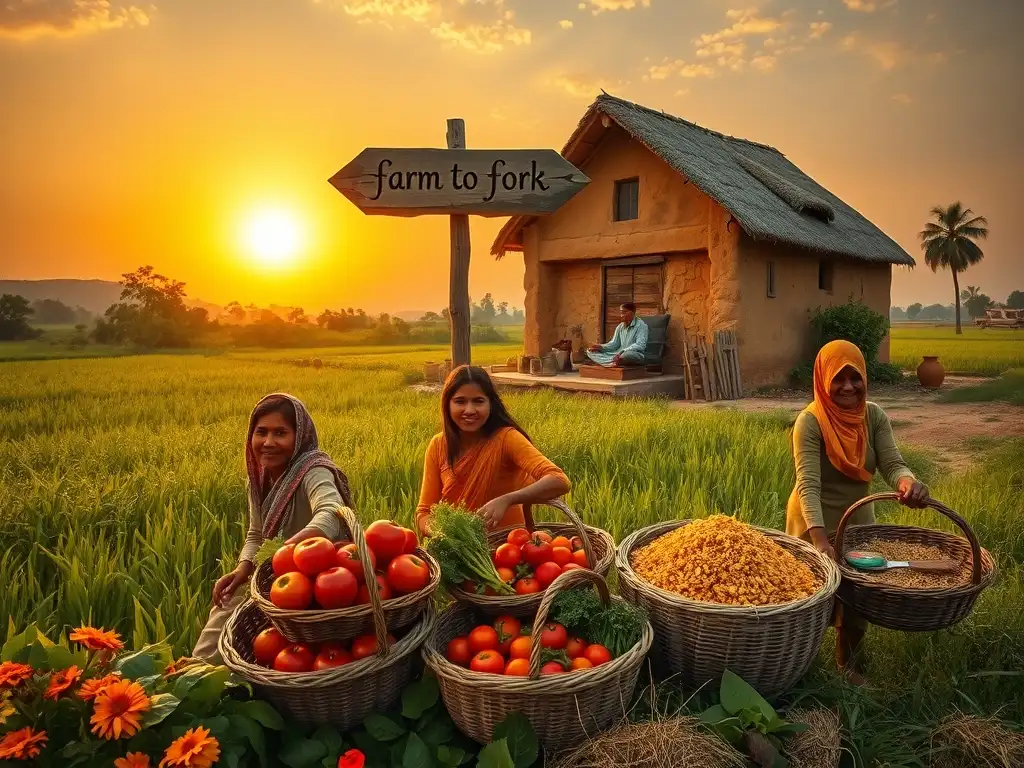
Sustainable culinary tours in India offer a unique opportunity to explore the intersection of culture, cuisine, and sustainability in rural settings. These tours not only allow travelers to indulge in authentic local dishes but also emphasize eco-friendly practices, community involvement, and the use of organic ingredients sourced directly from local farms. This approach helps preserve traditional cooking techniques while supporting local economies and promoting sustainable agricultural practices.
The concept of "farm to fork" is particularly relevant in India, where diverse ecosystems and rich agricultural heritage contribute to a vibrant culinary landscape. By participating in these tours, travelers gain insights into the traditional methods of food production, preparation, and consumption that have been passed down through generations. Additionally, these experiences often include hands-on activities such as cooking classes, farm visits, and foraging, making them both educational and enjoyable.
Top Regions for Culinary Tours in Rural India
Exploring the culinary landscape of India’s rural regions reveals a wealth of flavors and traditions. Each state offers its own unique ingredients and cooking styles, making it a feast for the senses. The following regions are particularly renowned for their sustainable culinary tours:
Rajasthan: A Taste of Tradition and Sustainability
Rajasthan, known for its arid landscapes and vibrant culture, is an excellent destination for culinary tours focused on sustainability. The region is famous for its hearty dishes such as dal baati churma and gatte ki sabzi, which are prepared using traditional methods that often incorporate locally sourced ingredients.
- Sustainable Practices: Many local farms practice organic farming, ensuring that produce is free from harmful chemicals. Tourists can participate in farm stays where they learn about sustainable farming techniques, including rainwater harvesting and crop rotation.
- Culinary Experiences: Visitors can engage in cooking classes held in traditional Rajasthani homes, where they can learn to prepare iconic dishes while understanding the cultural significance behind each ingredient.
Kerala: Exploring Spice Plantations and Local Flavors
Kerala, often referred to as "God's Own Country," is renowned for its lush landscapes and thriving spice plantations. Culinary tours here provide an immersive experience into the world of spices, which are integral to Kerala's cuisine.
- Spice Trails: Tourists can explore plantations producing cardamom, pepper, and cinnamon, gaining insights into their cultivation and harvesting processes. Many of these farms follow organic practices that respect the environment and promote biodiversity.
- Culinary Highlights: Participants can enjoy local dishes such as sadya (a traditional vegetarian feast served on a banana leaf) and learn to make kerala-style fish curry using freshly caught fish and locally sourced spices.
Punjab: From Fields to Forks – A Granary Experience
Punjab, often referred to as the "Granary of India," is characterized by its fertile plains and rich agricultural heritage. Culinary tours in this region focus on farm-to-table experiences that highlight the importance of agriculture in Punjabi culture.
- Farm Visits: Travelers can visit wheat and mustard farms, witnessing the entire process from planting to harvesting. Understanding the significance of these crops in the local diet provides a deeper appreciation for Punjabi cuisine.
- Culinary Exploration: The tour includes traditional cooking classes where participants learn to prepare dishes such as sarson da saag and makki di roti. Locally sourced ingredients are emphasized, showcasing the flavors and nutrition of Punjabi dishes.
These sustainable culinary tours in India not only enrich the travel experience but also foster a connection with local communities and promote the conservation of culinary heritage. By choosing to participate in these tours, travelers contribute to the preservation of traditional practices while enjoying the rich tapestry of Indian cuisine.
Highlights of Sustainable Culinary Tours
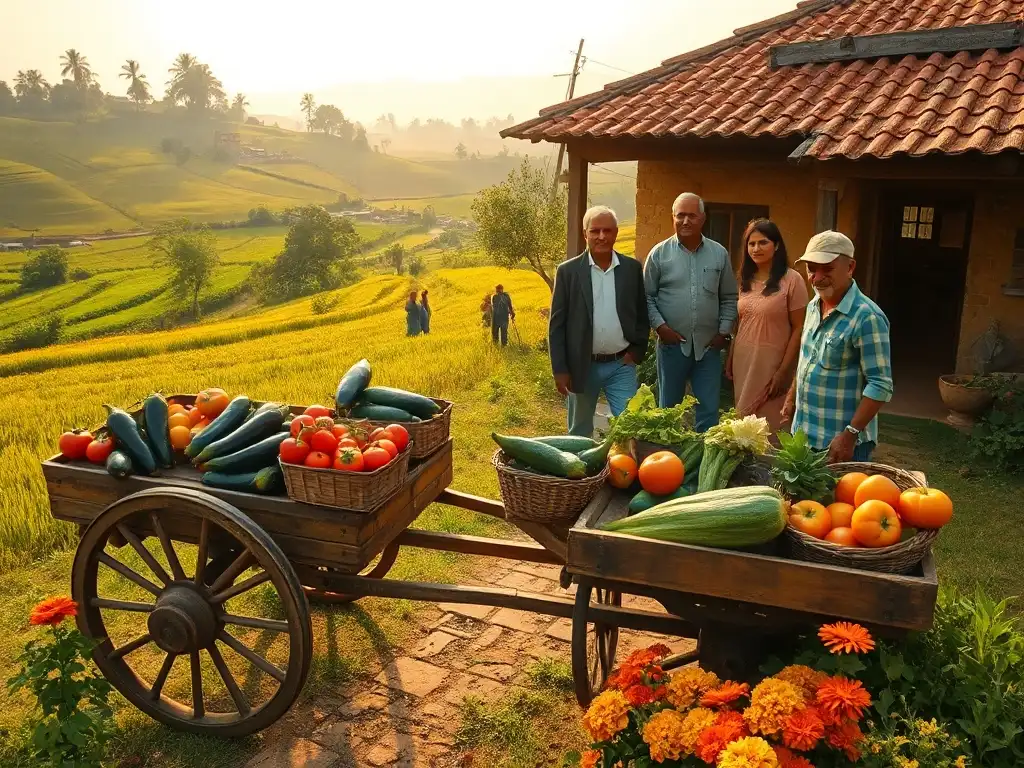
Engaging with Local Farmers and Artisans
Sustainable culinary tours in India offer unparalleled opportunities to engage directly with local farmers and artisans, fostering a deeper appreciation for the rich agricultural heritage of the region. These interactions are not just about tasting fresh produce but are immersive experiences that highlight the stories and techniques behind traditional farming and artisanal practices.
- Direct Engagement: Tour participants often have the chance to visit farms where they can meet farmers, learn about their cultivation methods, and understand the challenges they face in today’s evolving agricultural landscape.
- Cultural Exchange: Engaging with local artisans allows travelers to witness traditional craftsmanship firsthand, from pottery to weaving. This cultural exchange enriches the experience, as participants learn about the significance of these crafts in the local community.
The connection between food, culture, and environment is a cornerstone of sustainable culinary tours, creating a memorable experience that goes beyond mere consumption.
By supporting local economies and encouraging sustainable practices, these tours contribute to preserving the cultural fabric of rural India while promoting ecological balance and biodiversity.
Cooking Classes Featuring Traditional Recipes
A highlight of sustainable culinary tours in India is the opportunity to participate in cooking classes that focus on traditional recipes passed down through generations. These classes are often held in local homes or community centers, providing an authentic experience that connects visitors with the local culture.
- Hands-on Learning: Participants engage in hands-on cooking sessions where they learn to prepare regional dishes using locally sourced ingredients. This approach not only teaches culinary skills but also emphasizes the importance of seasonal and organic produce.
- Culinary Heritage: Instructors often share the history and cultural significance of each dish, offering insights into the regional variations and the stories behind traditional cooking methods.
| Dish Name | Region | Key Ingredients |
|---|---|---|
| Biryani | North India | Basmati rice, spices, meats, or vegetables |
| Dhokla | Gujarat | Chickpea flour, yogurt, spices |
| Appam | Kerala | Rice flour, coconut milk, yeast |
| Pongal | Tamil Nadu | Rice, lentils, black pepper, ghee |
This culinary immersion not only enhances cooking skills but also fosters a deeper connection to the food culture, encouraging participants to appreciate the sustainable practices that make each dish possible.
Farm Visits: Understanding Organic Practices
Farm visits are a cornerstone of sustainable culinary tours in India, allowing participants to gain firsthand knowledge of organic farming practices. These visits showcase the dedication of local farmers to sustainable agriculture and the preservation of biodiversity.
- Learning Organic Techniques: Visitors can observe organic farming methods, such as crop rotation, composting, and intercropping, which promote soil health and reduce the reliance on chemical fertilizers and pesticides.
- Biodiversity in Agriculture: Many tours include visits to farms that cultivate indigenous crops, emphasizing the importance of preserving traditional varieties that are often more resilient to local climatic conditions.
Understanding the principles of organic farming is not only crucial for sustainability but also empowers travelers to make informed choices about the food they consume.
By delving into these practices, participants not only enhance their culinary knowledge but also support the broader movement towards sustainable agriculture in India, contributing to a healthier planet and communities.
Recommended Sustainable Culinary Tour Operators in India
Spice Route Tours: Immersive Culinary Experiences
Features and Unique Offerings
Spice Route Tours is renowned for offering immersive culinary experiences that delve into the heart of India's diverse culinary heritage. Their tours focus on sustainability by promoting local farming practices, traditional cooking methods, and the use of organic ingredients sourced directly from farmers.
- Culinary Workshops: Participants engage in hands-on cooking classes where they learn to prepare regional dishes using fresh, locally sourced ingredients.
- Farm Visits: Tours include visits to organic farms, allowing travelers to interact with local farmers, understand sustainable farming practices, and even participate in harvesting.
- Cultural Immersion: Beyond cooking, the tours encompass cultural interactions, such as visiting local markets, participating in traditional festivals, and learning about the historical significance of various dishes.
Spice Route Tours not only nourishes the body but also enriches the mind,
says culinary expert Anjali Sharma.
Pricing and Tour Packages
Spice Route Tours offers a variety of packages tailored to different interests and budgets.
| Package Name | Duration | Price (per person) | Inclusions |
|---|---|---|---|
| Culinary Explorer | 5 Days | $800 | Cooking classes, farm visits, local meals |
| Gastronomic Odyssey | 10 Days | $1,500 | All meals, workshops, cultural excursions |
| Weekend Getaway | 2 Days | $400 | Short culinary workshops, market tours |
All prices include accommodation, meals, and local transportation. Discounts may apply for group bookings or early reservations.
Eco Culinary Adventures: Sustainable Journeys through Indian Flavors
Features and Unique Offerings
Eco Culinary Adventures focuses on sustainable tourism by highlighting the connection between culinary practices and environmental stewardship. Their tours are designed to educate participants about the importance of sustainability in food production and consumption.
- Farm-to-Table Experiences: Guests enjoy meals prepared from ingredients harvested during their farm visits, emphasizing fresh, seasonal produce.
- Interactive Sessions: The tours feature discussions with chefs and local food activists about sustainable cooking practices and the impact of food choices on the environment.
- Thematic Tours: Options include specific themes such as vegan cooking, ancient grain usage, and traditional preservation techniques, providing a deep dive into various aspects of Indian cuisine.
Eating sustainably is not just a trend; it's a way to honor our planet and our heritage,
shares founder Ravi Mehta.
Pricing and Tour Packages
Eco Culinary Adventures provides flexible pricing structures based on the length of the tour and the experiences included.
| Package Name | Duration | Price (per person) | Inclusions |
|---|---|---|---|
| Taste of Nature | 3 Days | $600 | Guided tours, meals, workshops |
| Sustainable Feast | 7 Days | $1,200 | All meals, hands-on cooking, cultural events |
| Vegan Journey | 5 Days | $850 | Vegan cooking classes, farm visits |
Prices cover accommodations, meals, and additional activities. Special rates are available for educational institutions or non-profit organizations focused on sustainability.
By highlighting these exceptional operators, travelers can enjoy an authentic culinary experience while supporting sustainable practices in rural India. The commitment of these tour operators to preserving the environment and promoting local cultures makes them stand out in the realm of sustainable culinary tours in India.
Farm to Fork Expeditions: Authentic Farm-to-Fork Tours
Farm to Fork Expeditions specializes in immersive culinary experiences that connect travelers directly with the land and its producers in rural India. These tours highlight the journey of food from its source to the table, encouraging participants to engage with local farmers, learn about traditional farming practices, and understand the significance of sustainable agriculture. The tours typically include hands-on cooking classes, guided visits to organic farms, and opportunities to harvest seasonal produce. This holistic approach not only enhances participants' culinary skills but also deepens their appreciation for the origins of their food.
The ethos of Farm to Fork Expeditions revolves around sustainability and cultural preservation. By partnering with local communities, they ensure that the benefits of tourism directly impact the farmers and artisans involved. This creates a cycle of economic empowerment while promoting environmentally friendly practices. Participants can expect to experience the rich tapestry of regional cuisines, incorporating organic ingredients harvested from the farms they visit, all while supporting the local economy and sustainable practices.
Features and Unique Offerings
Farm to Fork Expeditions offers a range of unique features that set them apart from traditional culinary tours:
- Hands-On Experiences: Participants engage in activities such as planting, harvesting, and cooking, providing a deeper understanding of the food production process.
- Cultural Immersion: Tours include interactions with local families, allowing travelers to experience traditional cooking methods and regional culinary customs firsthand.
- Sustainable Practices: The focus on organic and sustainable farming methods ensures that all food used during the tours is environmentally friendly and supports biodiversity.
- Customized Itineraries: Tours can be tailored to specific interests, such as vegetarian cooking, spice blending, or exploring specific regional cuisines, ensuring a personalized experience for each traveler.
- Educational Workshops: Participants have the opportunity to attend workshops on topics such as soil health, permaculture, and traditional preservation techniques, enhancing their knowledge of sustainable agriculture.
These offerings not only make the culinary experience richer but also educate participants about the importance of sustainability in food production, encouraging them to make informed choices in their own cooking practices.
Pricing and Tour Packages
Farm to Fork Expeditions offers a variety of pricing options and tour packages designed to cater to different budgets and preferences.
| Tour Package | Duration | Price Range (per person) | Inclusions |
|---|---|---|---|
| Weekend Getaway | 2 Days / 1 Night | $200 - $300 | Farm stay, meals, cooking class |
| Culinary Journey | 5 Days / 4 Nights | $800 - $1,200 | Accommodation, meals, farm visits, workshops |
| Custom Experiences | Flexible Duration | Varies based on itinerary | Tailored activities, meals, and lodging |
Prices may vary based on the season and specific requests from participants. While the Weekend Getaway is perfect for those looking for a brief culinary escape, the Culinary Journey offers a more in-depth exploration of India's rural culinary heritage. Custom experiences allow for flexibility, ensuring that each traveler's unique interests are met.
In addition, early bookings and group discounts may be available, making these sustainable culinary tours accessible to a broader audience. Overall, Farm to Fork Expeditions provides an enriching and sustainable way to explore the diverse culinary landscape of India, making it a top choice for those interested in food tourism.
Benefits of Choosing Sustainable Culinary Tours
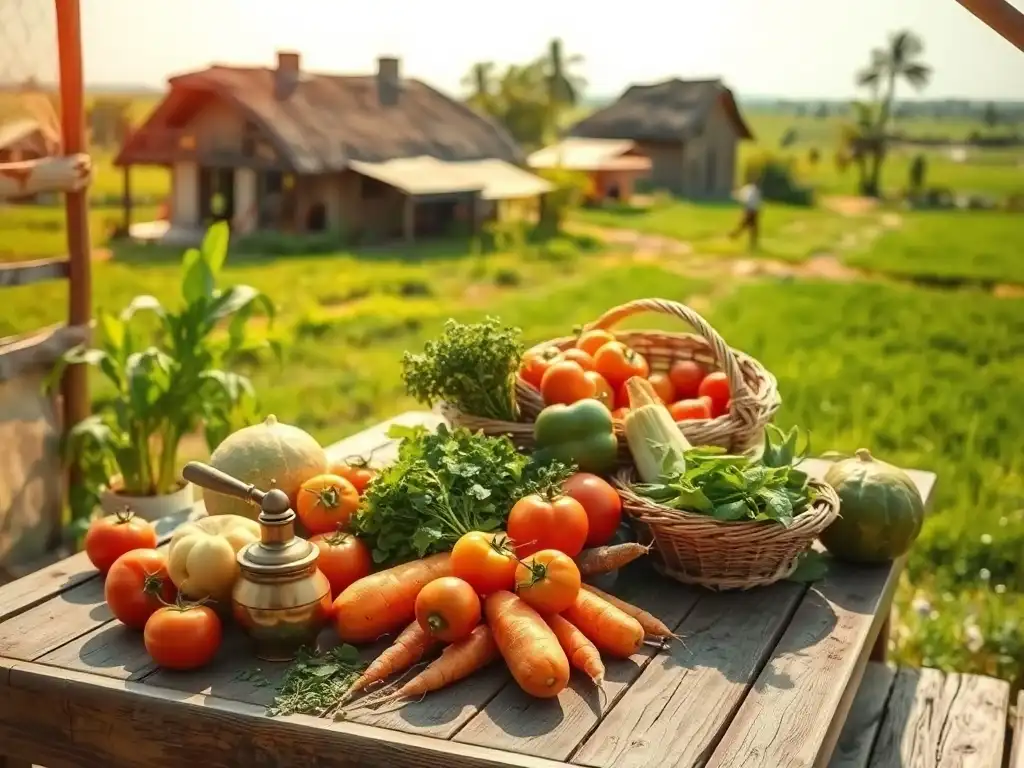
Sustainable culinary tours in India offer a plethora of benefits that extend beyond mere gastronomic experiences. These tours are designed not only to indulge in the rich flavors and culinary techniques of ancient Indian civilizations but also to promote responsible tourism practices that are beneficial to both local communities and the environment. Here are some of the key advantages of choosing sustainable culinary tours in India:
Supporting Local Economies and Communities
One of the most significant benefits of sustainable culinary tours is their ability to directly support local economies. By participating in these tours, travelers contribute to the livelihoods of local farmers, artisans, and small-scale producers.
- Direct Economic Impact:
- Tourists often purchase ingredients directly from farmers, ensuring that a higher percentage of their spending remains within the community.
- Local businesses, such as family-run restaurants and cooking schools, thrive from the influx of culinary tourists.
- Cultural Exchange:
- Engaging with local communities fosters a deeper understanding of their culture and traditions.
- Travelers often participate in cooking classes or workshops led by local chefs, enhancing their culinary skills while gaining insights into the region's heritage.
- Job Creation:
- Sustainable tourism generates employment opportunities in various sectors, including agriculture, hospitality, and crafts.
Quote: "Sustainable culinary tourism is not just about food; it's about enriching lives and preserving cultures."
Promoting Environmental Sustainability in Food Production
Sustainable culinary tours also play a pivotal role in promoting environmentally friendly practices in food production. These tours often emphasize the importance of organic farming, biodiversity, and sustainable resource management.
- Organic Farming Practices:
- Many tours include visits to organic farms, where travelers can learn about sustainable agricultural methods that reduce the use of harmful chemicals and pesticides.
- Participants may even have the opportunity to engage in farm activities, gaining hands-on experience in eco-friendly practices.
- Biodiversity Conservation:
- By highlighting the use of indigenous ingredients and traditional farming techniques, these tours help preserve local biodiversity.
- Supporting heirloom varieties of crops ensures that unique flavors and culinary traditions are passed down through generations.
- Waste Reduction Initiatives:
- Many culinary tours incorporate lessons on minimizing food waste, teaching travelers how to utilize every part of an ingredient and compost organic materials.
Preserving Traditional Culinary Practices
Sustainable culinary tours in India also focus on preserving traditional culinary practices that have been passed down through generations. These practices not only reflect the rich cultural heritage of the region but also contribute to a more sustainable food system.
- Culinary Heritage:
- Participants often learn ancient cooking techniques and recipes that utilize seasonal and local ingredients.
- Tours may include visits to heritage kitchens or family-run establishments where traditional methods are still in practice.
- Community Involvement:
- Engaging with local chefs and home cooks allows travelers to experience authentic regional cuisine while also understanding its cultural significance.
- Storytelling and food sharing during meals foster a sense of community and belonging.
- Reviving Lost Recipes:
- Some tours work towards reviving forgotten culinary traditions by documenting and promoting recipes that are at risk of being lost.
Quote: "Food is a reflection of culture and history; preserving it is preserving our identity."
By choosing sustainable culinary tours in India, travelers not only enjoy unique culinary experiences but also contribute to a positive impact on the environment and local communities. This holistic approach to tourism enriches the journey and leaves a lasting legacy for future generations.
Customer Testimonials and Experiences
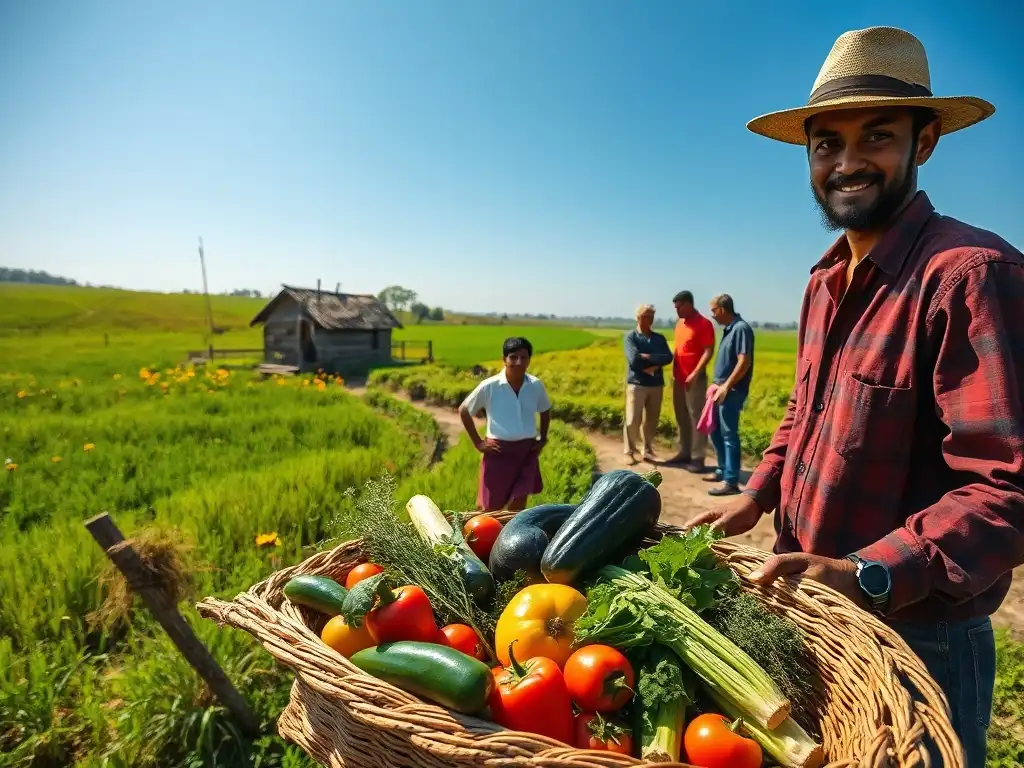
Real Stories from Participants of Sustainable Culinary Tours
Sustainable culinary tours in India have garnered attention for their unique approach to connecting participants with local cultures, traditions, and cuisines. Here are some firsthand accounts from travelers who embarked on these enriching experiences:
-
Anjali R. - A Journey Through Spice Markets
"My culinary tour took me through the vibrant spice markets of Kerala. The tour guide was incredibly knowledgeable, sharing the history and uses of various spices. I felt like I was walking through a living museum! The best part was participating in a cooking class where we prepared traditional dishes using fresh ingredients from local farms."
-
Mark T. - Farm-to-Table Experience in Punjab
"I was amazed by the authenticity of the farm-to-table experience in Punjab. We visited a local farm and learned about organic farming techniques. The highlight was harvesting vegetables and then cooking them in a rustic kitchen. Eating the meal we prepared while sitting under the stars was unforgettable."
-
Sara L. - Cultural Immersion in Rajasthan
"The culinary tour in Rajasthan was more than just food; it was a deep dive into the culture. We participated in a family feast where we learned about the significance of each dish. The warmth and hospitality of the locals made me feel like part of their family."
-
Vinay S. - Sustainable Practices in Uttarakhand
"The focus on sustainability during our tour in Uttarakhand really impressed me. We visited eco-friendly farms and learned how they preserve heritage crops. It was eye-opening to see how food can be grown responsibly while respecting the environment."
Highlighting Transformative Experiences in Rural India
The testimonials reflect not only the culinary delights of these tours but also the transformative experiences that participants undergo. The opportunity to engage directly with local communities fosters a deeper understanding of rural life and sustainable practices. Here are some key aspects that participants highlight:
- Connection to the Land: Many travelers express a newfound appreciation for where their food comes from. By visiting farms and participating in harvesting, they gain insights into sustainable agriculture and traditional farming methods.
- Culinary Skills Development: Participants often leave these tours with new culinary skills, having learned to prepare regional dishes from experts. This hands-on experience allows them to recreate authentic flavors at home, continuing the journey of culinary exploration.
- Cultural Exchange: The tours facilitate meaningful interactions with locals, offering participants a chance to immerse themselves in the culture. This exchange often leads to lasting friendships and a greater appreciation for Indian traditions.
- Mindful Eating: Engaging with the principles of sustainability encourages participants to think critically about their food choices. Many leave with a commitment to support local and sustainable food systems in their own communities.
Sustainable culinary tours in India not only offer a unique gastronomic experience but also foster personal growth and cultural appreciation. The stories shared by participants serve as a testament to the profound impact these tours can have on one's perspective of food and community.
Conclusion: Embracing Sustainability in Culinary Tourism
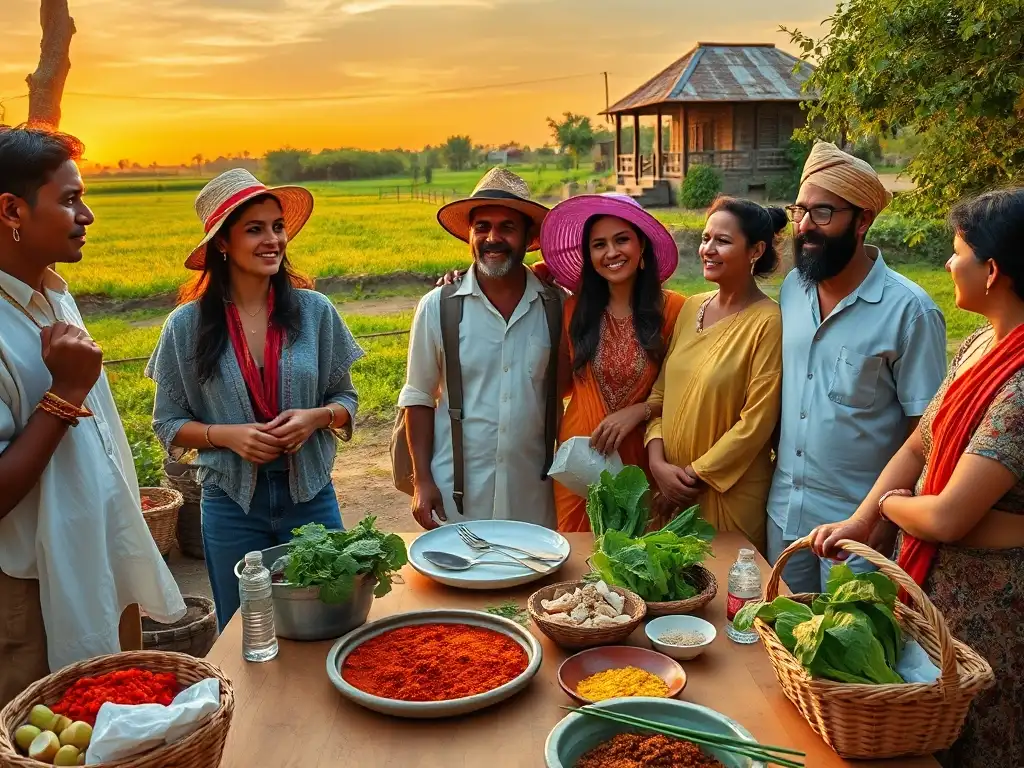
The concept of sustainable culinary tours in India encapsulates a deep respect for the environment, local communities, and traditional practices. As culinary tourism continues to evolve, it becomes increasingly important to prioritize sustainability, ensuring that both travelers and local economies benefit. By integrating sustainable practices into culinary experiences, tour operators can help preserve India’s rich culinary heritage while also fostering a sense of responsibility toward the environment.
The emphasis on organic farming, local sourcing, and traditional cooking methods highlights the importance of sustainability in the culinary landscape. Travelers are not just passive observers; they become active participants in the local culture, learning about the methods and ingredients that define regional cuisines. This immersive experience not only enriches their knowledge but also empowers local communities, allowing them to thrive through tourism.
The Future of Sustainable Culinary Tours in India
The future of sustainable culinary tours in India looks promising as awareness and demand for eco-friendly travel experiences grow. Here are some key trends shaping this future:
- Increased Demand for Authentic Experiences: Travelers are increasingly seeking genuine interactions with local communities. Sustainable culinary tours that focus on authentic experiences—like farm visits and traditional cooking classes—will likely see a surge in popularity.
- Focus on Health and Nutrition: As health consciousness rises, more tourists are interested in understanding the nutritional aspects of their food. Tours that emphasize organic and locally sourced ingredients will resonate well with health-focused travelers.
- Technological Innovations: The integration of technology in culinary tourism, such as apps that connect tourists with local farmers or platforms for virtual cooking classes, can enhance the experience and broaden accessibility.
- Support for Local Economies: Sustainable culinary tours often work directly with local farmers and artisans, ensuring that the economic benefits of tourism reach those who contribute to the culinary landscape. This model fosters community development and encourages the preservation of traditional practices.
| Trend | Description |
|---|---|
| Increased Demand for Authenticity | Travelers seek genuine interactions with locals. |
| Health and Nutrition Focus | Growing interest in organic and healthy eating. |
| Technological Innovations | Use of apps and online platforms for enhanced experiences. |
| Support for Local Economies | Direct benefits to local farmers and artisans. |
Encouragement to Explore and Experience
We encourage you to embark on a journey through India’s diverse culinary landscape by participating in sustainable culinary tours. These tours not only allow you to savor the rich flavors of Indian cuisine but also provide an opportunity to engage with local cultures and communities.
- Discover Local Ingredients: Learn about the unique spices, herbs, and grains that define each region’s cuisine, and understand their significance in local culture.
- Participate in Cooking Workshops: Join hands-on cooking classes with local chefs, where you can discover traditional cooking techniques and recipes passed down through generations.
- Visit Organic Farms: Experience the beauty of rural India by visiting organic farms, where you can witness sustainable farming practices firsthand and even participate in harvesting.
- Support Local Artisans: Engage with local artisans and producers, supporting their crafts and ensuring that the rich culinary heritage of India is preserved for future generations.
By choosing to explore sustainable culinary tours in India, you contribute to a movement that values cultural integrity, environmental responsibility, and community empowerment. Let your culinary journey be one of discovery, connection, and sustainability!
Call to Action: Book Your Sustainable Culinary Tour Today
Embarking on a sustainable culinary tour in India is more than just a trip; it's an immersive experience that connects you with the land, its people, and their time-honored culinary practices. If you're passionate about food and culture, now is the perfect time to explore the rich tapestry of flavors that rural India has to offer.
By booking a sustainable culinary tour, you not only indulge your palate but also support local farmers, artisans, and communities. These tours are designed to highlight the importance of sustainable farming practices, promote local produce, and preserve traditional cooking methods.
Links to Recommended Tours and Operators
Here are some highly recommended sustainable culinary tours and operators that focus on offering authentic experiences while prioritizing ecological and social responsibility:
-
Farm-to-Table Tours
Discover local farms and learn about organic farming practices while enjoying freshly prepared meals made from farm-sourced ingredients.
-
Operator 1: Green Plate Tours
Known for their immersive experiences in rural settings, they offer guided tours that blend cooking classes with farm visits.
-
Operator 2: Eco-Culinary Trails
Specializing in sustainable culinary experiences, they provide insights into the agricultural practices unique to each region.
-
-
Culinary Workshops
Participate in hands-on workshops where you can learn traditional cooking techniques and recipes from local chefs.
-
Operator 3: Heritage Culinary Experiences
This operator focuses on preserving ancient recipes and techniques, providing a deep dive into the culture and history of Indian cuisine.
-
Operator 4: Culinary Roots India
Their workshops are designed to educate participants on the significance of regional ingredients and sustainable practices in Indian cooking.
-
-
Cultural Immersion Tours
Explore not just the food but also the rich cultural heritage of the regions you visit.
-
Operator 5: Taste of Tradition
They offer tours that include cultural performances, visits to local communities, and opportunities to engage in traditional festivals.
-
Operator 6: Sustainable Flavors
This operator emphasizes eco-friendly travel and cultural interactions, ensuring a holistic approach to culinary tourism.
-
By choosing one of these sustainable culinary tours in India, you're contributing to a more sustainable future while experiencing the profound heritage of Indian gastronomy. Don't miss out on this unique opportunity to taste, learn, and connect. Book your tour today and savor the flavors of rural India!
Frequently Asked Questions
What are sustainable culinary tours in India?
Sustainable culinary tours in India focus on local, organic ingredients and traditional cooking practices. These tours aim to promote eco-friendly tourism while supporting local farmers and communities.
How do sustainable culinary tours benefit local communities?
These tours provide economic support to local farmers and artisans by promoting their products. They also encourage the preservation of cultural heritage and traditional farming practices.
What can participants expect during a culinary tour?
Participants can enjoy hands-on experiences such as cooking classes, farm visits, and tastings of authentic local dishes. The focus is on understanding the connection between food, culture, and sustainability.
Are there specific regions in India known for these tours?
Yes, regions like Kerala, Punjab, and Rajasthan are particularly known for their rich culinary traditions and sustainable practices, offering unique insights into local cuisines and farming methods.
How can I book a sustainable culinary tour in India?
You can book these tours through specialized travel agencies or local tour operators that focus on sustainable practices. It's recommended to research and choose those that emphasize community engagement and environmental responsibility.
Final Reflection: Embracing Sustainability Through Culinary Journeys
In an era where sustainable practices are no longer optional but essential, the concept of farm-to-fork culinary tours in rural India stands as a beacon of hope and innovation. These tours not only celebrate the rich agricultural heritage of the region but also emphasize the importance of sustainability in our food systems. As we navigate the complexities of climate change and food insecurity, the lessons learned from these immersive experiences resonate deeply, reminding us that our choices today shape the world of tomorrow.
The influence of sustainable culinary tourism extends far beyond the plate; it weaves itself into the very fabric of our cultural and social landscapes. By connecting travelers with local farmers and traditional cooking methods, these tours foster a sense of community and respect for the environment.
This growing movement encourages a shift in consumer behavior, promoting awareness of where our food comes from and the impact of our consumption. As Mahatma Gandhi once said, “The Earth provides enough to satisfy every man's needs, but not every man's greed.” > This quote encapsulates the essence of sustainable culinary tours, urging us to appreciate and protect our planet's resources.
As you reflect on the insights shared in this article, I invite you to consider how you can incorporate the principles of sustainability into your own culinary experiences. Whether it's choosing local ingredients, supporting sustainable farms, or participating in culinary tours that prioritize eco-friendly practices, every small action contributes to a larger movement. Let us embrace the journey from farm to fork, not just as a culinary adventure, but as a commitment to nurturing our planet and its people for generations to come.
Experience the Flavor of Sustainability—Join Us on a Culinary Journey!
Thank you for diving into the delicious world of sustainable culinary tours in rural India. Your interest not only highlights the importance of farm-to-fork practices but also empowers local communities to thrive. Now, let’s put this newfound knowledge into action!
Here are a few ways you can engage and make a difference today:
- Book a culinary tour to explore authentic flavors and support sustainable farming practices directly.
- Share your culinary journey on social media to inspire others and raise awareness about the benefits of sustainability in food.
- Join a local cooking class focused on using sustainable ingredients, and learn how to incorporate these practices into your everyday meals.
What unique ingredients or dishes have sparked your interest in sustainable cooking? Share your thoughts, and let’s celebrate the journey from farm to fork together!