
The Culinary Heritage of Ancient India: Recipes Passed Down Through Generations

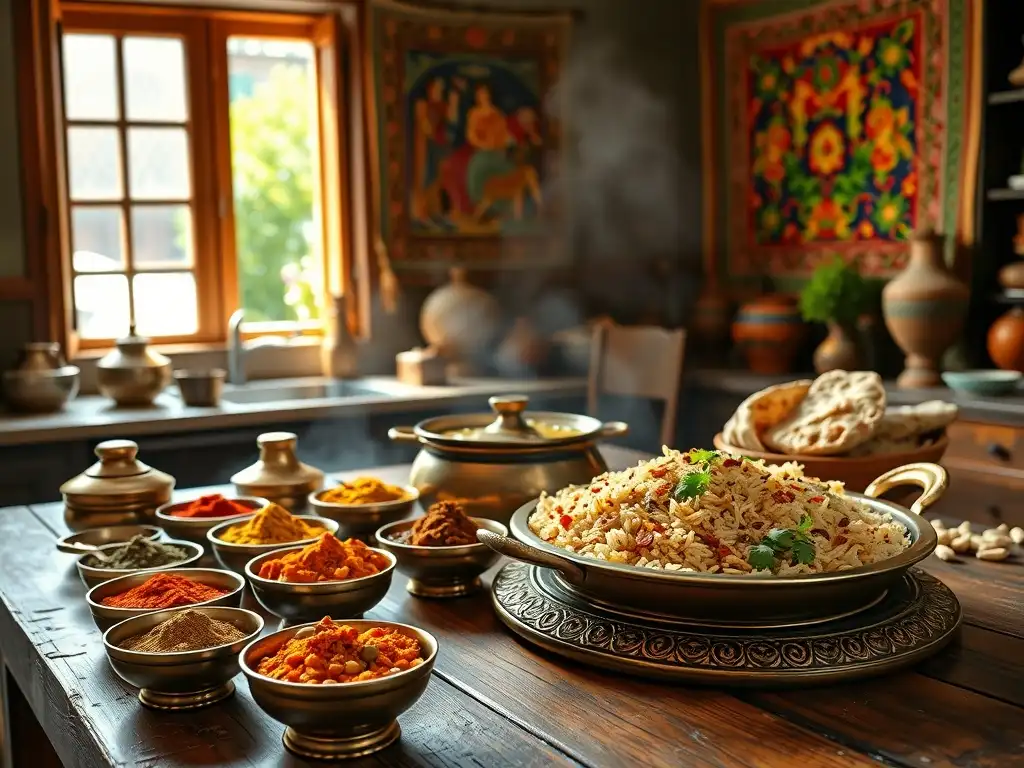
Welcome to Ancient India History, where we embark on a fascinating journey through the rich tapestry of ancient Indian civilizations. Here, we delve into the culinary heritage of Ancient India, exploring the delectable recipes and time-honored traditions that have been lovingly passed down through generations. Discover how the flavors of the past continue to influence modern Indian cuisine, igniting your curiosity and tantalizing your taste buds. Ready to savor the stories behind these ancient culinary traditions? Dive in and uncover the secrets that await!
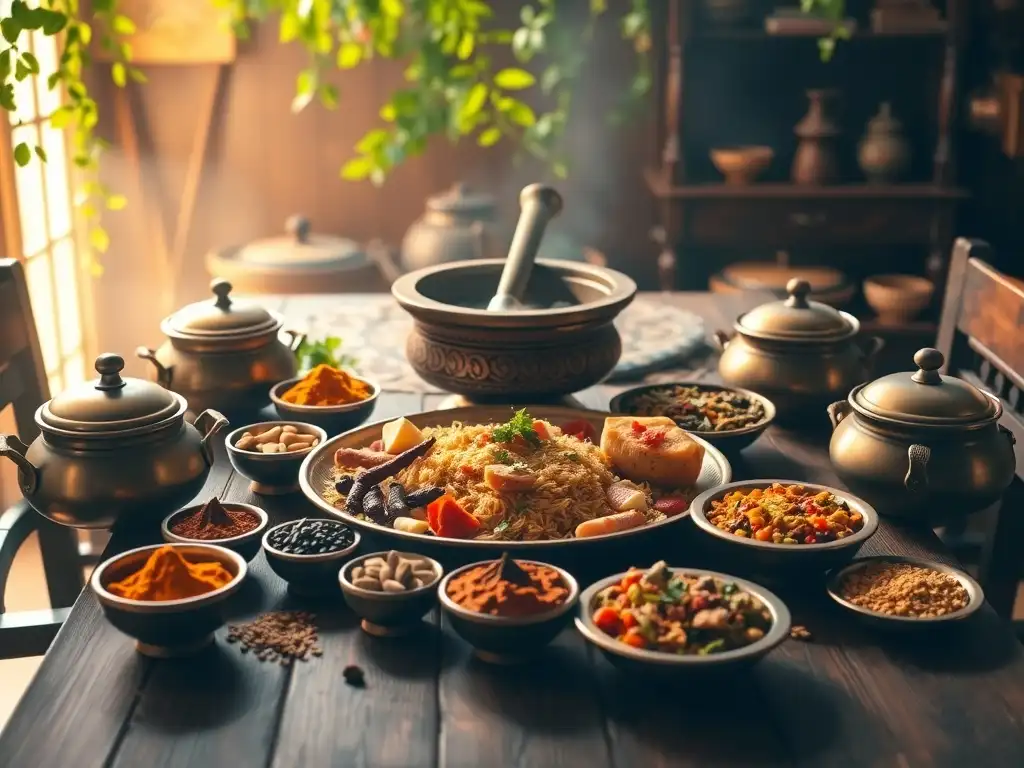
The culinary heritage of Ancient India is a vibrant tapestry woven from the threads of geography, culture, and history. From the fertile plains of the Indus Valley to the majestic heights of the Himalayas, each region has contributed unique flavors, cooking techniques, and ingredients that have enriched Indian cuisine over thousands of years. As we delve into the ancient Indian culinary traditions, we uncover not only the recipes that have been meticulously preserved through generations but also the stories behind them.
These traditions reflect the agricultural practices, trade relationships, and sociopolitical dynamics that defined ancient Indian civilizations, making them an essential part of the country’s cultural identity. By exploring these culinary legacies, we gain insight into the daily lives of our ancestors and the profound impact their food practices have on contemporary Indian cuisine.
Introduction to Ancient Indian Culinary Traditions
Ancient Indian culinary traditions are characterized by their remarkable diversity and depth, influenced by a myriad of factors including climate, geography, and cultural exchanges. The foundation of these traditions can be traced back to the Indus Valley Civilization, where early inhabitants cultivated various grains and spices. Over the centuries, the influx of new ingredients and culinary techniques from trade with neighboring regions and empires, such as Persia and the Mediterranean, further enriched these traditions.
The ancient texts, such as the Manusmriti and the Mahabharata, provide insights into the dietary practices and the significance of food in social and religious contexts. Food was not merely sustenance; it was a ritualistic experience that symbolized hospitality, community, and spirituality. The importance of vegetarianism in many ancient Indian traditions also reflects the philosophical beliefs of non-violence and respect for life, influencing culinary choices that persist to this day.
Historical Influences on Ancient Indian Cuisine
The evolution of ancient Indian cuisine cannot be discussed without acknowledging the various historical influences that shaped it:
- Indus Valley Civilization (c. 3300–1300 BCE): The earliest evidence of agriculture, including wheat and barley, set the stage for the development of staple foods.
- Aryan Migration (c. 1500 BCE): The arrival of the Aryans introduced new dietary habits, including the consumption of dairy products and the incorporation of herbs and spices into cooking.
- Maurya and Gupta Empires (c. 322–550 CE): This era saw significant advancements in agriculture and trade, leading to the introduction of exotic spices and cooking techniques from the Mediterranean and Southeast Asia.
- Regional Variations: Geography played a crucial role in determining the types of ingredients used in different regions, leading to the distinct flavors and preparations that characterize North Indian, South Indian, East Indian, and West Indian cuisines.
Each of these historical phases contributed to a rich culinary tradition, with recipes often passed down orally or through family cookbooks, preserving the essence of ancient cooking while adapting to modern tastes.
Key Ingredients in Ancient Indian Recipes
At the heart of ancient Indian culinary traditions are the ingredients that not only define the dishes but also reflect the agricultural practices of the time. Some of the key ingredients include:
- Grains: Wheat, barley, rice, and millet served as staples across various regions.
- Legumes: Lentils and chickpeas were essential sources of protein, often featured in meals.
- Spices: Turmeric, cumin, coriander, and black pepper were integral to flavoring dishes and also held medicinal properties.
- Vegetables and Fruits: Seasonal vegetables and fruits such as eggplants, gourds, and mangoes were commonly used, showcasing the agrarian lifestyle.
- Dairy Products: Ghee (clarified butter), yogurt, and paneer (fresh cheese) played vital roles in cooking, enriching flavors and textures.
Understanding these ingredients offers a glimpse into the culinary practices of ancient civilizations, highlighting their resourcefulness and deep connection to their environment. As we continue to explore ancient recipes, we recognize the enduring legacy of these traditions in today's Indian kitchens, where age-old techniques and flavors are celebrated and preserved.
Traditional Cooking Techniques from Ancient India
Ancient Indian culinary traditions are deeply rooted in the region's diverse cultural and geographical landscape. The cooking techniques from this era not only reflect the use of local ingredients but also illustrate the ingenuity of the people.
- Clay Cooking: One of the oldest methods employed in ancient Indian kitchens was the use of clay pots. Clay cookware, known for its heat retention and even cooking, was ideal for slow-cooked dishes. This technique is still prevalent in rural areas, where food is often cooked over an open flame.
- Tandoor Cooking: The tandoor, a traditional clay oven, has its origins in ancient India. This cylindrical oven is used for baking bread, roasting meats, and cooking various dishes at high temperatures. The unique smoky flavor imparted by the tandoor has made it a staple in Indian cuisine, particularly for dishes like naan and kebabs.
- Steaming: Steaming has been a common cooking method, especially in regions like the northeastern states. This technique not only preserves the nutrients in vegetables and grains but also enhances their flavors. Dishes like idli and dhokla exemplify the use of steaming in ancient Indian cooking.
- Fermentation: Ancient Indian culinary practices also included fermentation, which was used to enhance flavors and preserve foods. This technique is evident in the preparation of items such as dosa (fermented rice and lentil batter) and kanji (fermented vegetable drink). The health benefits of fermented foods have led to their resurgence in modern diets.
- Spice Blending: The art of blending spices is another hallmark of traditional Indian cooking. The use of a mortar and pestle to grind spices fresh has been a practice that enhances the flavor profile of dishes. Spice blends like garam masala have been passed down through generations, showcasing the intricate knowledge of herbs and spices that ancient cooks possessed.
Classic Recipes from Ancient Indian Culinary Traditions
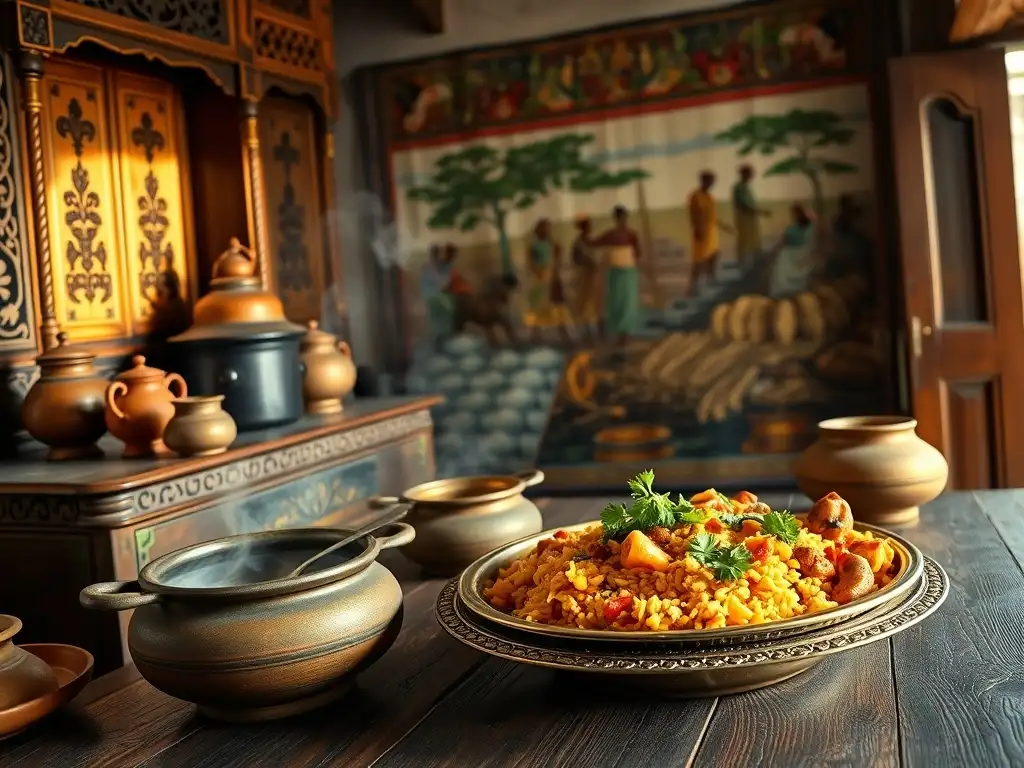
Several classic recipes have stood the test of time, showcasing the richness of ancient Indian culinary traditions. These dishes not only represent the flavors of the past but also highlight the cultural significance of food in ancient Indian society.
- Khichdi: A simple yet nourishing dish made from rice and lentils, khichdi is often regarded as the comfort food of India. Traditionally cooked with spices like cumin and turmeric, it has been a staple in Indian households for centuries. Khichdi symbolizes the fusion of flavors and nutrition, making it a favored dish during festivals and fasting.
- Puran Poli: This sweet flatbread filled with a mixture of jaggery and split yellow gram is a traditional dish that dates back to ancient times. Puran poli is often made during festivals like Holi and is celebrated for its rich flavor and texture. The technique of making the dough and filling is a cherished skill passed down through generations.
- Biryani: The origins of biryani can be traced back to the Mughal era, but its roots lie in ancient Indian rice cooking traditions. This layered rice dish, often made with marinated meat and fragrant spices, showcases the culinary sophistication of ancient kitchens. Each region in India has its unique version, reflecting local ingredients and flavors.
- Rasam: A spiced lentil soup, rasam has ancient origins and is known for its tangy flavor, typically derived from tamarind or tomatoes. It is often served as a side dish with rice and embodies the use of spices and herbs that are characteristic of ancient Indian cuisine.
- Dhokla: Originating from the western state of Gujarat, dhokla is a fermented steamed cake made from chickpea flour. This dish is a testament to the ancient cooking techniques of fermentation and steaming, and it continues to be a popular snack in contemporary Indian cuisine.
Preserving Ancient Indian Culinary Traditions Today
In today's fast-paced world, the preservation of ancient Indian culinary traditions is more important than ever. Several initiatives and practices are helping to keep these rich culinary heritages alive.
- Culinary Schools and Workshops: Many culinary schools in India now offer specialized courses focused on traditional cooking techniques and recipes. Workshops conducted by chefs who specialize in ancient Indian cuisine help bridge the gap between generations, encouraging younger cooks to embrace their culinary heritage.
- Farmers' Markets and Organic Farming: The resurgence of interest in organic farming has sparked a revival of ancient grains and traditional farming practices. Farmers' markets promote the sale of indigenous ingredients, encouraging home cooks to utilize local produce and traditional recipes.
- Cookbooks and Blogs: The rise of food bloggers and authors dedicated to ancient Indian culinary traditions has created a platform for sharing recipes and techniques. Cookbooks that focus on traditional dishes not only document these recipes but also educate readers about their historical and cultural significance.
- Cultural Festivals: Various cultural festivals across India celebrate traditional foods and cooking methods. These festivals serve as a reminder of the importance of culinary heritage, bringing together families and communities to share and enjoy ancient recipes.
- Social Media: Platforms like Instagram and YouTube have made it easier for home cooks and chefs to showcase traditional recipes. By sharing their cooking experiences and techniques online, they inspire a new generation to explore and appreciate ancient Indian culinary traditions.
The culinary heritage of ancient India is a treasure trove of flavors, techniques, and cultural significance. By understanding and preserving these traditions, we can ensure that the rich tapestry of ancient Indian cuisine continues to thrive for future generations.
Modern Interpretations of Ancient Indian Dishes
The culinary heritage of ancient India is not merely a relic of the past; it continues to inspire modern chefs and home cooks alike. Today, ancient Indian dishes are being reimagined, with contemporary twists that respect traditional flavors while incorporating modern cooking techniques and ingredients. This fusion not only preserves the essence of ancient recipes but also makes them accessible and appealing to a diverse audience.
One notable example is the reinterpretation of traditional khichdi, a staple dish made from rice and lentils. While ancient versions often included only basic spices and ghee, modern chefs are enhancing khichdi with gourmet ingredients like quinoa, organic vegetables, and exotic spices. This evolution reflects a growing trend toward health-conscious eating while honoring the dish's historical roots.
Another fascinating adaptation can be seen in the revival of dum cooking, a traditional slow-cooking method. Chefs today are employing sous-vide techniques and pressure cookers to achieve the same tender results in less time, making it easier for contemporary cooks to replicate age-old recipes like dum biryani. The use of locally sourced ingredients in modern interpretations also emphasizes sustainability, a value increasingly embraced by today's culinary landscape.
Furthermore, ancient Indian sweets like peda and barfi are also being innovated. Modern variations may include fusion flavors such as chocolate or matcha, appealing to younger generations while retaining the original essence of these beloved treats. The adaptation of these ancient dishes demonstrates not only a respect for culinary traditions but also a creative exploration that keeps the flavors of ancient India alive in today’s dining experiences.
Conclusion: The Legacy of Ancient Indian Culinary Traditions
The legacy of ancient Indian culinary traditions is profound and multifaceted, encompassing not only the recipes and techniques but also the cultural significance behind them. These traditions have been passed down through generations, shaped by regional ingredients, religious practices, and the influences of various dynasties that have ruled the Indian subcontinent. As a result, ancient Indian cuisine is a rich tapestry of flavors, aromas, and techniques, each telling a story of its own.
Today, the resurgence of interest in traditional cooking methods and ingredients underscores a collective desire to reconnect with the past. By embracing ancient recipes, modern cooks are not only preserving a vital part of cultural heritage but are also fostering a deeper appreciation for the history and evolution of Indian cuisine. This connection to heritage encourages a sense of identity and pride, allowing new generations to discover and celebrate their roots through food.
Moreover, as global culinary trends lean toward authenticity and sustainability, ancient Indian culinary traditions are positioned to thrive. By adapting these time-honored recipes for contemporary palates while respecting their origins, we ensure that the culinary heritage of ancient India continues to be enjoyed and celebrated. The journey of these recipes from the past to the present serves as a reminder of the enduring power of food as a cultural connector, bridging gaps between generations and fostering a sense of community through shared meals.
- Introduction to Ancient Indian Culinary Traditions
- Historical Influences on Ancient Indian Cuisine
- Key Ingredients in Ancient Indian Recipes
- Traditional Cooking Techniques from Ancient India
- Classic Recipes from Ancient Indian Culinary Traditions
- Preserving Ancient Indian Culinary Traditions Today
- Modern Interpretations of Ancient Indian Dishes
- Conclusion: The Legacy of Ancient Indian Culinary Traditions
Frequently Asked Questions
What are ancient Indian culinary traditions?
Ancient Indian culinary traditions refer to the cooking practices, ingredients, and recipes that have been developed and passed down through generations in India, reflecting its rich cultural heritage.
How did the Indus Valley Civilization influence Indian cuisine?
The Indus Valley Civilization laid the foundation for agriculture and farming techniques, introducing staple crops like wheat and barley, which significantly shaped early Indian culinary practices.
What role did spices play in ancient Indian cooking?
Spices were not only used for flavoring but also for preserving food and offering medicinal benefits, making them pivotal in the development of ancient Indian culinary traditions.
Can you name a few famous dishes from ancient India?
Some famous dishes include dal, roti, and kheer, which have their roots in ancient recipes and continue to be popular in modern Indian cuisine.
How have ancient recipes influenced contemporary cooking in India?
Many ancient recipes have been adapted over time, preserving traditional methods while also incorporating new ingredients, thus keeping the essence of ancient Indian culinary traditions alive.
Final Reflection: Embracing the Legacy of Ancient Indian Culinary Traditions
The culinary heritage of ancient India is not just a collection of recipes; it is a vibrant tapestry woven from the threads of history, culture, and tradition. Today, as we navigate a fast-paced world dominated by convenience and globalization, the importance of preserving these ancient culinary traditions becomes even more pronounced. The flavors, techniques, and stories embedded in these recipes serve as a reminder of our roots and the rich cultural diversity that shapes our identity.
The influence of ancient Indian culinary traditions extends far beyond the kitchen; it permeates our social fabric and cultural celebrations. These time-honored practices foster a sense of community, bringing families and friends together to share meals that are steeped in history. As we continue to explore and embrace these culinary treasures, we are reminded of the words of renowned chef and food activist Alice Waters: Food is a common ground, a universal experience.
This sentiment echoes the essence of ancient Indian cuisine, where every dish tells a story and every meal is an opportunity to connect with our heritage.
As we reflect on the significance of these culinary traditions, I invite you to take a moment to explore your own culinary heritage. Consider the recipes that have been passed down in your family and the stories that accompany them. Let us honor the wisdom of our ancestors by not only savoring these dishes but also sharing them with future generations. In doing so, we can ensure that the legacy of ancient Indian culinary traditions continues to thrive, enriching our lives and the lives of those who come after us.
Embrace the Flavors of Ancient India!
Thank you for diving into the rich culinary heritage of ancient India. You’ve uncovered not just recipes, but stories and traditions that have stood the test of time! Now, let's bring this vibrant history into your kitchen.
Here’s how you can take action and explore these amazing flavors further:
- Try Your Hand at a Traditional Recipe: Choose a recipe that resonates with you and cook it today. Experience the flavors that have been cherished for generations!
- Create a Modern Twist: After preparing the traditional dish, consider how you can add your own unique ingredients or cooking style. Share your creation on social media to inspire others!
- Join a Community Group: Look for local cooking classes or online forums that focus on ancient Indian cuisine. It’s a wonderful opportunity to connect with fellow enthusiasts and share your culinary journey.
What recipe will you explore first, and how do you plan to make it your own?