
The Symbolism of Food in Ancient Indian Festivals: Celebrations Through Cuisine

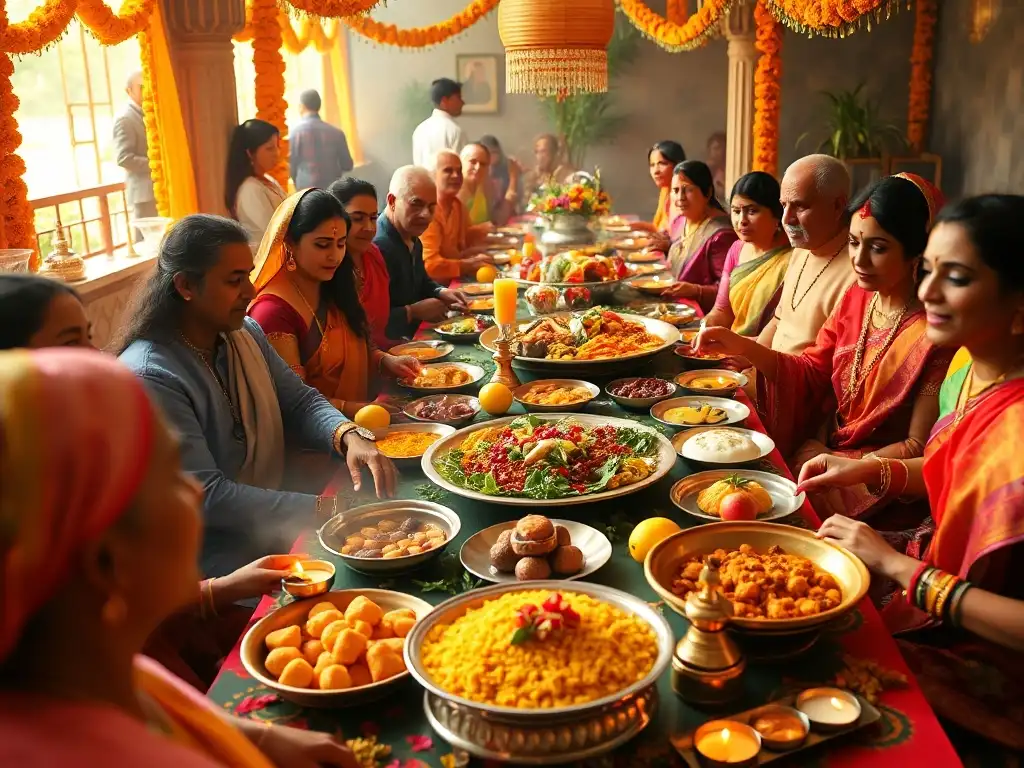
Welcome to Ancient India History, where we embark on a fascinating journey through the vibrant tapestry of India's past! Here, we delve into the intricate stories of ancient civilizations, from the enigmatic Indus Valley to the illustrious Gupta Empire. In our featured article, "The Symbolism of Food in Ancient Indian Festivals: Celebrations Through Cuisine," we unravel the profound significance of culinary traditions that have shaped cultural identities and festive rituals throughout the ages.
Prepare to discover how food not only nourished bodies but also conveyed rich symbolism and deep connections to spirituality and community. Join us as we explore the flavors, meanings, and celebrations that continue to resonate in Indian cuisine today!
Introduction to Food Symbolism in Ancient India
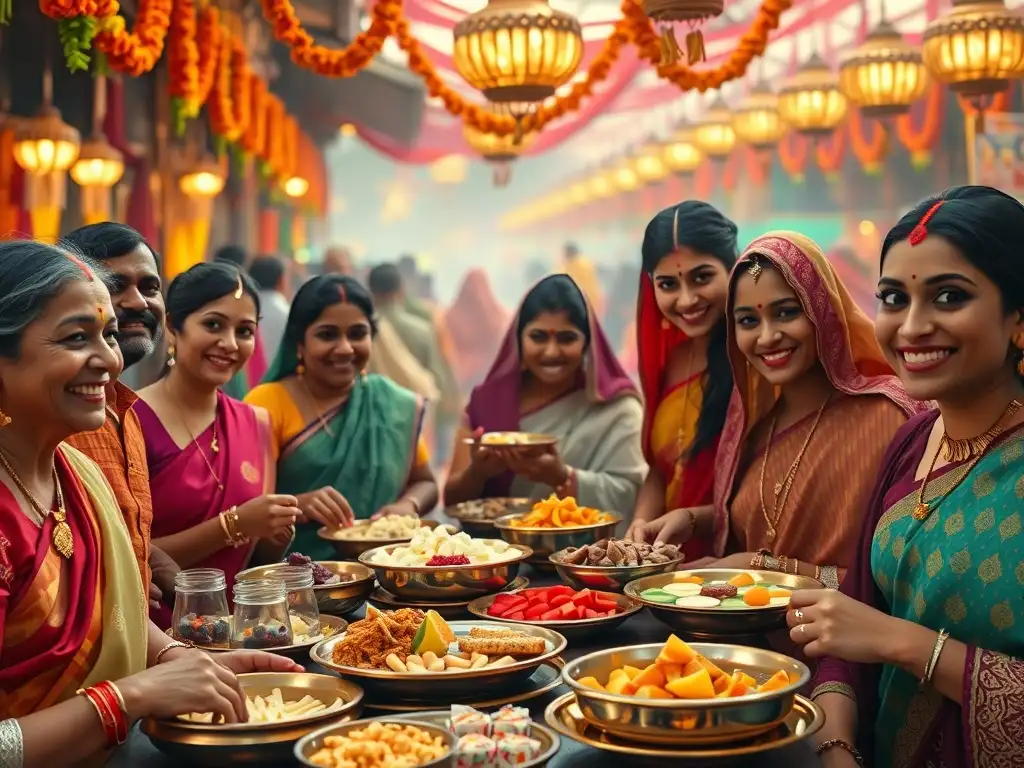
Food has always held a profound significance in ancient Indian culture, serving not only as sustenance but as a vital component of social customs and religious practices. The symbolism of food in ancient India extends far beyond mere nourishment; it embodies spiritual beliefs, cultural values, and communal bonds.
Festivals, which are integral to the Indian way of life, showcase this symbolism brilliantly, intertwining culinary traditions with the rich tapestry of mythology and history. As we explore the diverse festivals celebrated across the subcontinent, we uncover how various foods are imbued with meaning, reflecting the philosophies and rituals of ancient civilizations.
Historical Context of Food in Ancient Indian Festivals
Understanding the historical context of food symbolism in ancient Indian festivals requires an examination of the various civilizations that flourished in the region. From the advanced urban centers of the Indus Valley Civilization to the culturally rich Gupta Empire, food has always played a significant role in the expressions of identity and cultural heritage.
The Role of Food in Ancient Indian Society
In ancient India, food was more than just a means of survival; it was a representation of status, community, and spirituality. Different classes and castes had distinct dietary practices, and food often reflected one’s social standing. Rituals surrounding food preparation and consumption were deeply embedded in the cultural fabric, with many dishes being associated with specific deities or cosmic events.
- Sacred Offerings: Foods such as rice, ghee, and fruits were often used as offerings to deities, symbolizing purity and devotion.
- Communal Meals: Sharing food during festivals reinforced social ties and marked communal identity, transcending individual differences.
Major Festivals Celebrated in Ancient India
Ancient India was a land of vibrant festivals, each uniquely characterized by its culinary traditions. These celebrations often revolved around seasonal changes, agricultural cycles, and religious observances, with specific foods symbolizing different themes and beliefs.
- Diwali: The festival of lights is celebrated with sweets like ladoo and barfi, symbolizing prosperity and the triumph of good over evil.
- Holi: The festival of colors features festive foods like gujiya, representing the abundance of spring and the joy of renewal.
- Pongal: This harvest festival is marked by the preparation of Pongal rice, which signifies gratitude towards nature and the farmers' hard work.
Through these festivals, food not only nourishes the body but also nourishes the spirit, creating a sense of belonging and continuity in the ever-evolving narrative of ancient Indian civilization.
Key Elements of Food Symbolism in Ancient Indian Festivals
Food symbolism in ancient Indian festivals is deeply rooted in cultural practices, religious beliefs, and regional traditions. The significance of food extends beyond mere sustenance; it acts as a medium for expressing devotion, celebrating abundance, and fostering community bonds. Several key elements contribute to the rich tapestry of food symbolism during these celebrations:
- Cultural Heritage: Each festival carries its own historical narrative, influencing the types of food prepared. For example, during Diwali, sweets like laddus and barfis symbolize prosperity and the joy of victory over darkness.
- Religious Significance: Many foods are associated with specific deities and rituals. Offerings of fruits, grains, and sweets are often made to seek blessings. For instance, the panchamrit, a mixture of five sacred ingredients (milk, yogurt, ghee, honey, and sugar), is offered during various Hindu rituals to symbolize purity and divine nourishment.
- Seasonal Ingredients: The use of seasonal produce reflects the connection to nature and the agricultural calendar. Festivals like Makar Sankranti celebrate the harvest season with dishes made from fresh sugarcane and sesame seeds, symbolizing the bounty of the earth.
Colors and Flavors: The Aesthetic of Festive Cuisine
In ancient Indian festivals, colors and flavors play a vital role in enhancing the sensory experience of food. Each hue is imbued with meaning, contributing to the overall symbolism of the dishes prepared.
- Vibrant Colors: Many festival foods are characterized by their bright colors, which symbolize different aspects of life. For example, yellow represents joy and prosperity and is commonly seen in dishes like haldi (turmeric) rice during celebrations. Red, often associated with love and fertility, can be found in sweets colored with kesar (saffron).
- Diverse Flavors: The balance of sweet, sour, bitter, and spicy flavors mirrors the diversity of human emotions and experiences. For instance, the sweet and sour taste of imli (tamarind) chutney served during Holi reflects the duality of life, celebrating both joy and sorrow.
- Presentation: The aesthetic appeal of food is enhanced through traditional serving techniques. Food is often arranged in elaborate patterns, embodying the artistic essence of Indian culture. This visual presentation elevates the food beyond the culinary realm, making it a feast for the eyes as well.
Rituals and Offerings: Food as a Sacred Element
Food in ancient Indian festivals often transcends its role as nourishment, taking on a sacred significance through rituals and offerings. These practices connect the material and spiritual realms, highlighting the reverence associated with food.
- Prasad: After being offered to deities during rituals, food becomes prasad, a blessed offering shared among devotees. This practice reinforces the idea of food as a conduit for divine grace, fostering a sense of community and shared spirituality.
- Ritualistic Preparations: The preparation of festive foods often involves specific rituals, such as chanting mantras or performing puja (worship). For instance, during Navaratri, devotees prepare sundal (a spiced chickpea dish) while offering prayers to the goddess Durga, making the food preparation itself a sacred act.
- Symbolic Foods: Certain foods are believed to possess specific qualities that align with the intentions of the festival. For example, coconut is often used in rituals for its association with purity and the removal of obstacles, making it a common offering during many festivals.
Regional Variations in Food Symbolism During Festivals
Food symbolism during festivals varies significantly across different regions of India, reflecting local customs, agricultural practices, and cultural influences. Each region contributes its unique flavors and meanings to the festive culinary landscape.
North Indian Festivals and Their Culinary Significance
In North India, festivals are marked by rich and diverse culinary traditions that symbolize abundance and community. Festivals like Diwali and Holi showcase an array of sweets and snacks, each carrying specific meanings.
- Diwali: The festival of lights is celebrated with an assortment of sweets like gulab jamun and jalebi, symbolizing the sweetness of life and the triumph of light over darkness. Savory snacks like samosas and kachoris are prepared to share with family and friends, emphasizing communal harmony.
- Holi: This festival of colors highlights the playful aspect of food with items like gujiya, a sweet dumpling filled with dried fruits and nuts, symbolizing joy and celebration. The use of colorful powders and water during the festivities reflects the vibrant spirit of the season.
South Indian Festivals and Festive Foods
South Indian festivals are often characterized by their elaborate meals and unique culinary practices, deeply intertwined with religious rituals and local traditions.
- Pongal: Celebrated as a harvest festival, Pongal features a dish of the same name, made from newly harvested rice boiled with milk and jaggery. This dish symbolizes gratitude for the harvest and the blessings of nature. The festival also includes the preparation of ven pongal, a savory rice dish, representing a balance of flavors.
- Onam: The Onam festival is celebrated with a grand feast known as Onam Sadhya, consisting of numerous vegetarian dishes served on a banana leaf. Each dish, such as avial and payasam, carries its own symbolism, reflecting the abundance of the harvest and the spirit of sharing.
East and West Indian Festival Foods
In East and West India, festivals are celebrated with distinct culinary traditions that highlight local ingredients and cultural influences.
- Bengali Festivals: In Bengal, festivals like Durga Puja feature a variety of traditional dishes, such as macher jhol (fish curry) and mishti doi (sweet yogurt). The integration of fish symbolizes prosperity and the blessings of the river goddess, while sweets celebrate the joy of the occasion.
- Gujarat and Maharashtra: In Gujarat, festivals such as Navratri showcase a plethora of fasting foods, emphasizing simplicity and devotion. Sabudana khichdi (tapioca pearls stir-fried with peanuts) symbolizes purity and adherence to dietary restrictions during the festival. In Maharashtra, Ganesh Chaturthi is celebrated with modaks, which are believed to be Lord Ganesha's favorite, symbolizing devotion and offering.
Through this exploration of food symbolism in ancient Indian festivals, it becomes clear that cuisine is not just a means of sustenance but a vibrant expression of cultural identity, spiritual beliefs, and communal harmony. Each dish tells a story, enriching the experience of celebration and fostering connections among people.
Case Studies: Iconic Dishes and Their Symbolic Meanings
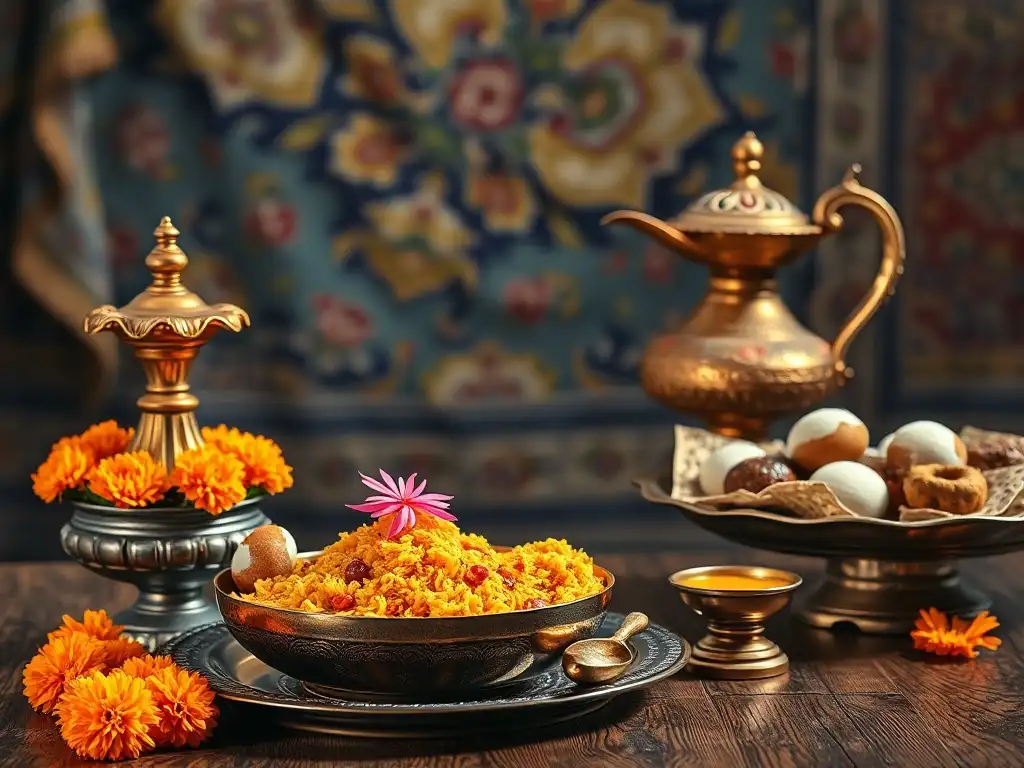
Food plays a pivotal role in shaping the cultural and spiritual landscape of ancient India, especially during festivals. Each dish carries profound symbolism, reflecting the beliefs, traditions, and values of the time. Here, we explore notable dishes and their significant meanings during various Indian festivals.
The Sweetness of Modaks during Ganesh Chaturthi
Modaks are delectable rice dumplings filled with coconut and jaggery, traditionally offered to Lord Ganesha during the festival of Ganesh Chaturthi. The sweet taste of modaks symbolizes the sweetness of life and the promise of prosperity. The round shape of modaks is often interpreted as representing the universe, while the filling signifies the knowledge and wisdom that Ganesha bestows upon his devotees. This dish not only serves as a festive treat but also emphasizes the importance of devotion, gratitude, and the pursuit of knowledge in the Indian culture.
The Significance of Puran Poli on Holi
Puran Poli, a sweet flatbread stuffed with a mixture of jaggery and split yellow gram (chana dal), is a staple during the festival of Holi, known for its vibrant colors and joyous celebrations. The preparation of Puran Poli symbolizes unity and sharing among families and friends. During Holi, the act of preparing and consuming this dish fosters community bonding and reflects the culture of togetherness. The bright colors associated with Holi are mirrored in the golden hue of Puran Poli, representing the arrival of spring and the renewal of life, making it a fitting dish for this exuberant festival.
The Role of Sweets in Diwali Celebrations
Diwali, the festival of lights, is marked by an array of sweets that hold deep symbolic significance. Sweets such as ladoos, barfis, and jalebis play a crucial role in the festivities as offerings to deities and as gifts exchanged among families and friends. The act of sharing sweets during Diwali symbolizes goodwill, joy, and the triumph of light over darkness.
Additionally, these sweets represent the sweetness of life and the importance of prosperity and abundance in the coming year. The ritual of preparing and distributing sweets strengthens social ties and reflects the communal harmony that is central to Indian culture.
Modern Interpretations of Ancient Food Symbolism
As ancient traditions evolve, the symbolism associated with food in festivals continues to resonate in contemporary cuisine. This section delves into how these age-old practices inform modern culinary expressions and experiences.
How Ancient Traditions Influence Contemporary Indian Cuisine
Modern Indian cuisine often draws inspiration from ancient food symbolism, adapting traditional dishes to contemporary tastes while preserving their cultural significance. Chefs and home cooks alike are increasingly aware of the stories behind the ingredients and the rituals associated with their preparation. For instance, dishes like modaks and Puran Poli are still made during festivals, but they may be reimagined with innovative flavors or presentation styles. This fusion of tradition and modernity not only honors ancient customs but also keeps them relevant in today's culinary landscape, allowing younger generations to appreciate their heritage.
Culinary Tourism: Experiencing Food Symbolism Today
Culinary tourism has emerged as a vibrant avenue for exploring the rich tapestry of food symbolism in ancient Indian festivals. Tourists can immerse themselves in local traditions through food-centric experiences, such as cooking classes, food festivals, and guided culinary tours. These experiences provide insight into the cultural significance of various dishes and the rituals surrounding them.
By participating in the preparation and consumption of traditional foods, visitors gain a deeper understanding of their symbolic meanings and the role they play in the social fabric of Indian society. This intersection of food and culture fosters appreciation for the rich heritage of ancient India, enabling a global audience to celebrate its culinary legacy.
Conclusion: The Lasting Legacy of Food Symbolism in Ancient Indian Festivals
The rich tapestry of food symbolism in ancient Indian festivals continues to resonate in contemporary celebrations, reflecting the enduring legacy of cultural practices that have evolved over millennia. Food serves not merely as sustenance but as a medium through which communities express their values, beliefs, and identities. Each dish prepared during festivals carries with it historical significance, often linked to mythological narratives or agricultural cycles.
For instance, during Diwali, the act of preparing sweets symbolizes the victory of light over darkness, while the sharing of these delicacies fosters community bonds and reinforces social ties. Similarly, the harvest festival of Makar Sankranti celebrates abundance and gratitude, with specific foods like til (sesame) and jaggery representing prosperity and health. The careful selection of ingredients and the rituals surrounding food preparation are imbued with cultural meaning, making them vital components of the festivities.
Moreover, the symbolism of food transcends regional boundaries in India, with variations in recipes and traditions illustrating the diversity of the country's cultural landscape. This diversity enriches the experience of festivals, allowing for a broader understanding of India's culinary heritage. As modern society grapples with globalization and changing food habits, the essence of these traditional practices remains a cornerstone of cultural identity.
Food symbolism in ancient Indian festivals not only celebrates historical and mythological narratives but also fosters community, identity, and continuity. The culinary traditions rooted in these festivals serve as a reminder of the intricate ways in which food intertwines with life, spirituality, and culture, ensuring that the legacy of these practices endures for generations to come.
References and Further Reading
- Bhattacharya, S. (2010). Culinary Traditions of India: A Historical Perspective. New Delhi: Oxford University Press.
- Gupta, R. (2015). Festivals of India: A Comprehensive Guide to Cultural Celebrations. New Delhi: Prentice Hall.
- Nayar, P. (2018). Food and Culture in Ancient India: A Historical Overview. Chennai: Academic Publications.
- Sharma, A. (2019). The Role of Food in Indian Festivals: Significance and Symbolism. Mumbai: Cultural Studies Press.
- Singh, R. (2021). Festivals and Their Foods: A Study of Indian Culinary Traditions. Kolkata: Heritage Press.
- Introduction to Food Symbolism in Ancient India
- Historical Context of Food in Ancient Indian Festivals
- Key Elements of Food Symbolism in Ancient Indian Festivals
- Regional Variations in Food Symbolism During Festivals
- Case Studies: Iconic Dishes and Their Symbolic Meanings
- Modern Interpretations of Ancient Food Symbolism
- Conclusion: The Lasting Legacy of Food Symbolism in Ancient Indian Festivals
- References and Further Reading
- What role did food play in ancient Indian festivals?
- How was food used to symbolize abundance in ancient India?
- What are some common foods associated with ancient Indian celebrations?
- How did food symbolism reflect social values in ancient India?
- Are there specific festivals where food symbolism is particularly prominent?
Frequently Asked Questions
What role did food play in ancient Indian festivals?
Food served as a symbolic representation of various cultural beliefs and traditions, often embodying themes of prosperity, gratitude, and community.
How was food used to symbolize abundance in ancient India?
In many festivals, offerings of food were made to deities, symbolizing abundance and the harvest. The use of specific ingredients reflected the seasonality and fertility of the land.
What are some common foods associated with ancient Indian celebrations?
Common foods included rice, ghee, and sweets, each representing different aspects of life and spirituality. For instance, sweets often symbolize joy and celebration.
Food symbolism highlighted important social values such as hospitality and sharing. Festivals encouraged communities to come together, fostering unity and camaraderie through shared meals.
Are there specific festivals where food symbolism is particularly prominent?
Yes, festivals like Diwali and Pongal prominently feature food symbolism, with dishes prepared to convey gratitude, celebrate harvest, and honor deities through special recipes.
Final Reflection: The Enduring Legacy of Food Symbolism in Ancient India
In exploring the symbolism of food in ancient Indian festivals, we uncover a rich tapestry of cultural significance that resonates profoundly in today's society. The way food was intertwined with rituals and celebrations in ancient India not only reflects the values and beliefs of that time but also serves as a reminder of how culinary practices can forge community bonds and celebrate life's milestones. The essence of these traditions continues to thrive, reminding us that food is not merely sustenance but a powerful medium of expression and connection.
The influence of food symbolism in ancient India extends far beyond the kitchen; it permeates our cultural and social landscapes, shaping our identities and traditions. As we gather around tables during festivals, we partake in a legacy that transcends generations, fostering a sense of belonging and continuity. The wisdom of our ancestors echoes in the way we celebrate, as they understood that food is a language of love and unity. Food is our common ground, a universal experience.
— James Beard. This quote encapsulates the idea that the rituals surrounding food during festivals are not just about nourishment but about nurturing relationships and honoring our heritage.
As we reflect on the lessons embedded in the symbolism of food, I invite you to consider how you can incorporate these values into your own life. Take a moment to celebrate your heritage through the meals you prepare and share, recognizing the stories and traditions that each dish carries.
Whether it's recreating a family recipe or exploring the culinary customs of your community, let the act of cooking and sharing food become a celebration of connection, memory, and love. Embrace the transformative power of food, and allow it to inspire your own celebrations and relationships in the present and future.
Celebrate Culture: Embrace the Flavors of Ancient India!
Thank you for diving into the world of Ancient Indian festivals through the lens of cuisine! You've uncovered the rich symbolism and traditions that food brings to these vibrant celebrations. Now, it’s time to take that knowledge and put it into action!
Here are a few ways you can connect with the essence of these culinary traditions:
- Recreate a festival dish from your favorite ancient Indian celebration and share it with family and friends.
- Explore local Indian markets to discover ingredients that will bring authentic flavors into your kitchen.
- Join or start a community potluck where everyone brings a dish inspired by traditional festivals; it's a great way to bond over culture and cuisine!
How will you integrate the spirit of these ancient celebrations into your everyday life?