
The Role of Storytelling and Oral Tradition in Preserving Indus Valley Culture

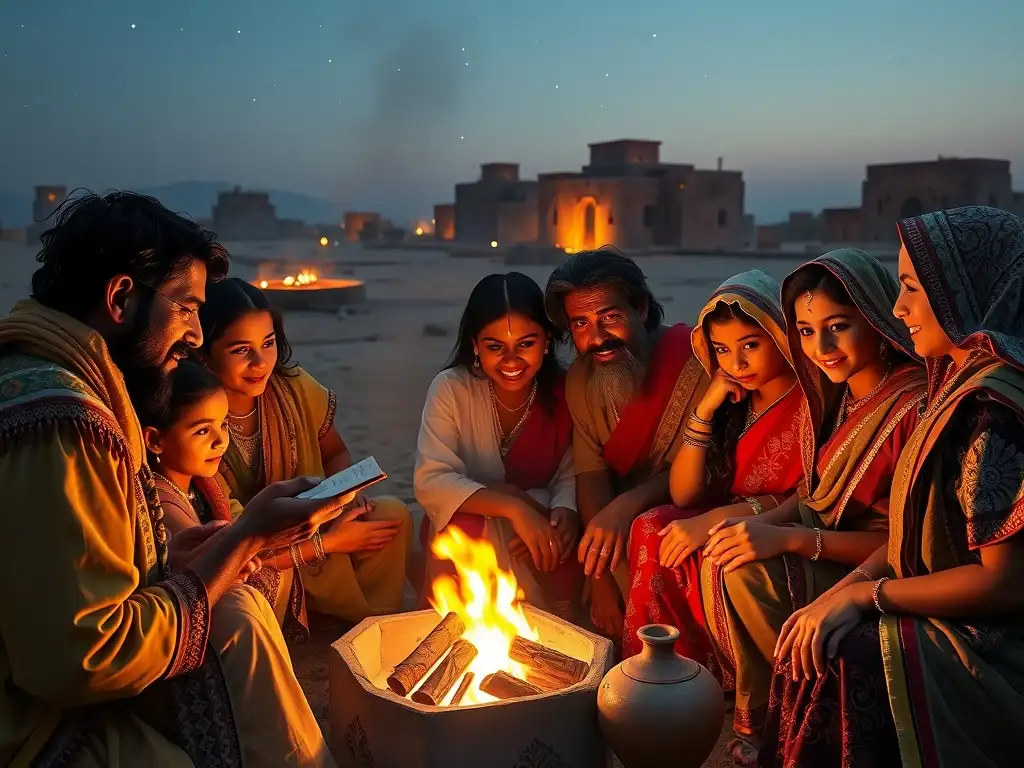
Welcome to Ancient India History, where we embark on a fascinating journey through the rich tapestry of ancient Indian civilizations. Have you ever wondered how the echoes of past stories shape our understanding of history? In our featured article, we delve into the Indus Valley storytelling traditions, uncovering the vital role of oral traditions in preserving the culture and legacy of this remarkable civilization. Join us as we explore the captivating narratives that have survived the sands of time and continue to inspire us today—your adventure into the depths of ancient Indian culture begins here!
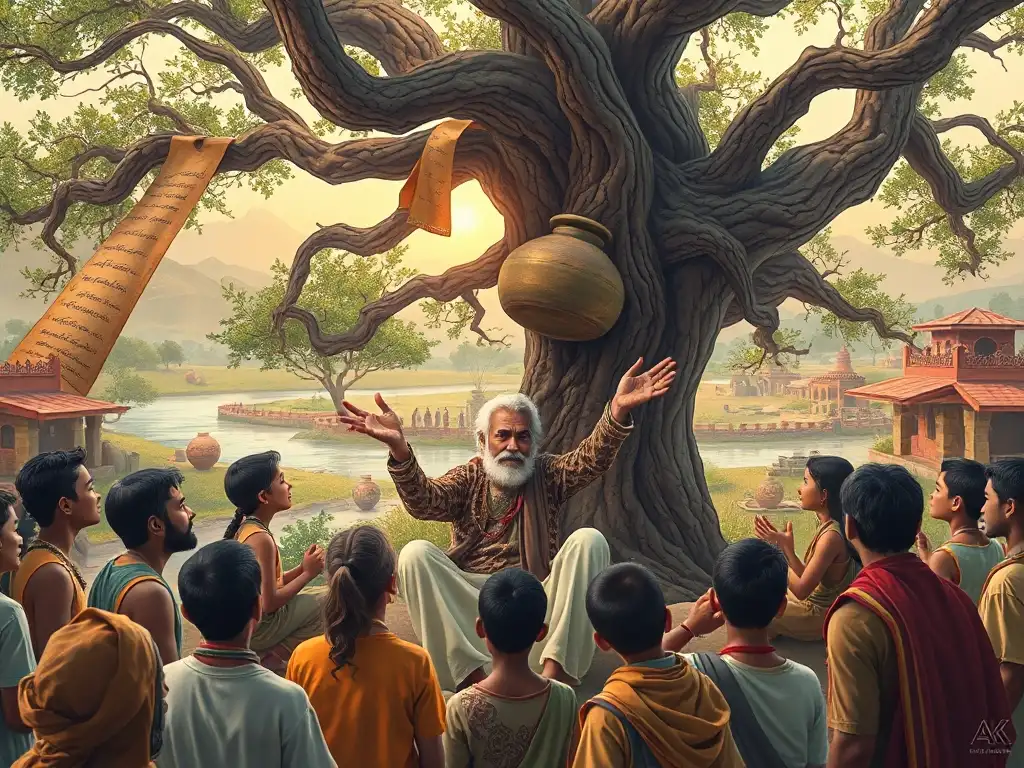
Introduction to Indus Valley Storytelling Traditions
The Indus Valley Civilization (IVC), one of the world's earliest urban cultures, thrived between 3300 and 1300 BCE in what is now Pakistan and northwest India. While much of its written script remains undeciphered, the richness of its culture and daily life can be gleaned through the lens of storytelling and oral traditions.
These forms of communication not only preserved the community’s history, values, and beliefs but also played a crucial role in shaping their identity and social cohesion. This article delves into the significance of Indus Valley storytelling traditions, exploring how they functioned as vital instruments in the preservation of their culture amidst the evolving landscape of ancient India.
Overview of Indus Valley Civilization
The Indus Valley Civilization was marked by remarkable urban planning, advanced metallurgy, and sophisticated trade networks. Major cities like Mohenjo-Daro and Harappa showcased impressive architecture and complex societal structures. The civilization was characterized by:
- Urban Planning: Grid-patterned layouts, drainage systems, and public baths.
- Art and Craftsmanship: Pottery, bead-making, and terracotta figurines.
- Trade: Extensive trade with neighboring regions, including Mesopotamia.
Despite these advancements, the absence of deciphered written records poses challenges in understanding their storytelling traditions. However, archaeological findings suggest that oral traditions were pivotal in conveying knowledge and cultural narratives.
Importance of Oral Tradition in Ancient Cultures
Oral tradition served as the primary means of communication in ancient societies, particularly before the advent of writing systems. It encompasses a range of expressions, including myths, legends, songs, and proverbs. The significance of oral tradition can be summed up as follows:
- Cultural Preservation: Enables the transmission of values, customs, and historical narratives across generations.
- Community Identity: Fosters a sense of belonging and unity within communities through shared stories and experiences.
- Education and Morality: Serves as a tool for educating the younger generation about ethical conduct and societal norms.
In the context of the Indus Valley Civilization, storytelling likely played a vital role in maintaining social order and cultural continuity.
Historical Context of Indus Valley Storytelling
Origins of Storytelling in the Indus Valley
The origins of storytelling in the Indus Valley can be traced back to the early societal structures that emerged with the formation of cities. As communities gathered, the need for shared narratives became apparent. Evidence suggests that storytelling may have evolved alongside the development of art and ritual practices, allowing individuals to express their experiences and beliefs through narratives that were both reflective and instructive.
Influences of Geography and Society on Storytelling Traditions
The geographical landscape of the Indus Valley, characterized by the fertile plains of the Indus River, influenced the daily lives and storytelling traditions of its inhabitants. The river provided resources and sustenance, fostering agricultural practices that shaped narratives centered around themes of fertility, abundance, and the connection between humans and nature. Additionally, the diverse social fabric, composed of various occupations and crafts, contributed to a rich tapestry of stories that reflected the complexity of their society. Themes such as trade, relationships, and spirituality likely permeated their oral traditions, providing insights into the values and beliefs of the time.
The storytelling traditions of the Indus Valley Civilization were not merely entertainment; they were integral to the cultural fabric, ensuring the continuity of their rich heritage in a world that was constantly changing.
Key Themes in Indus Valley Storytelling
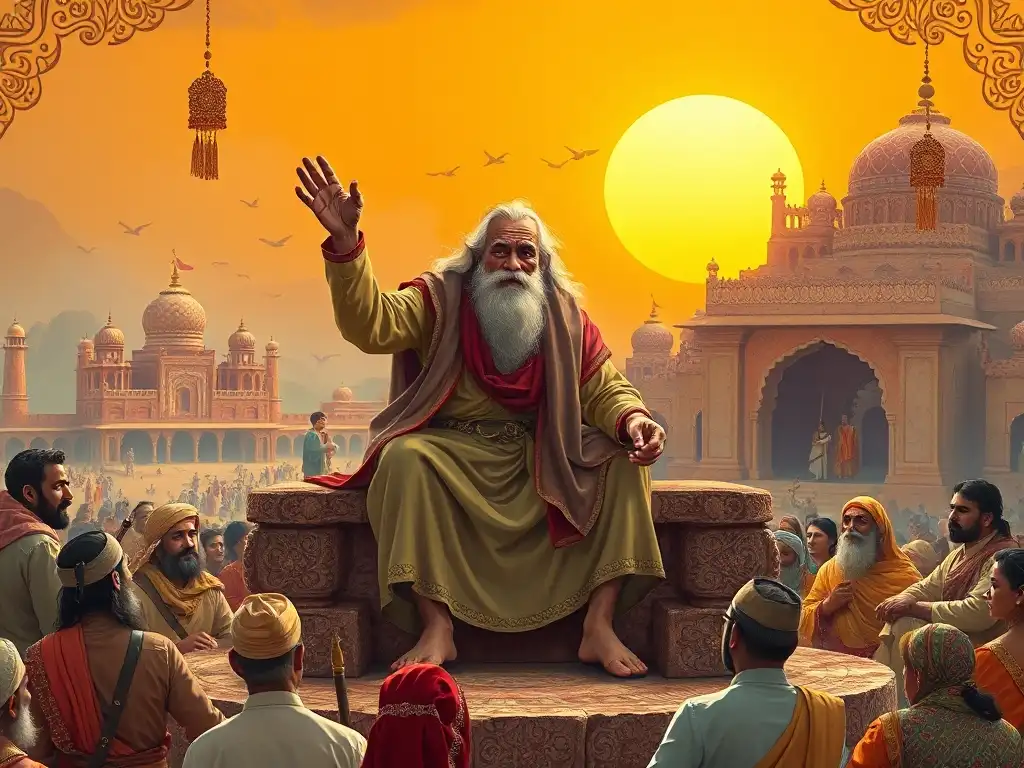
The storytelling traditions of the Indus Valley Civilization were rich and diverse, encapsulating a wide array of themes that reflect the complex social and cultural fabric of the society. Central themes often included creation myths, tales of heroism, moral lessons, and natural phenomena. These narratives served not only as entertainment but as vehicles for imparting wisdom and preserving the collective memory of the people.
- Creation and Cosmology: Many stories explored the origins of the world and humanity, providing explanations for natural occurrences and human experiences. These narratives often featured deities or supernatural beings who played pivotal roles in shaping the universe.
- Heroism and Valor: Stories of heroic figures, often depicted as warriors or protectors of the community, highlighted the values of bravery, loyalty, and sacrifice. Such narratives not only celebrated individual courage but also reinforced the importance of communal identity and resilience.
- Moral Lessons: A significant aspect of Indus Valley storytelling was its ability to convey moral and ethical lessons. Folktales frequently featured characters who faced moral dilemmas, guiding listeners toward understanding concepts of right and wrong.
Myths and Legends of the Indus Valley People
The myths and legends of the Indus Valley people were steeped in their environment and daily lives. These narratives often included tales of gods and goddesses that represented natural elements, such as rivers or mountains, reflecting the reverence the people held for nature.
One such myth might revolve around the Indus River itself, personified as a nurturing mother figure who provided sustenance to the people. Legends may also recount the adventures of mythical heroes who overcame monstrous adversaries, symbolizing the struggle against chaos and the importance of harmony within the community.
These stories were likely passed down through generations, evolving with each retelling while maintaining core elements that resonated with the cultural identity of the Indus Valley civilization.
Cultural Values Reflected in Folklore and Narratives
The cultural values of the Indus Valley civilization were intricately woven into their folklore and narratives. Key values such as community, respect for nature, and the significance of family were frequently highlighted in these stories.
- Community: Many tales emphasized the importance of collective effort and unity in overcoming challenges. This reflects the communal lifestyle of the Indus Valley people, who relied on each other for survival and prosperity.
- Respect for Nature: Narratives often portrayed nature as a powerful force deserving of respect and reverence. This connection to the environment is indicative of how the Indus Valley people interacted with their surroundings, acknowledging the balance between human needs and ecological sustainability.
- Family and Ancestry: Themes surrounding familial bonds and ancestral respect were prominent in storytelling. These narratives served to instill a sense of belonging and continuity, linking individuals to their heritage and cultural roots.
Connection between Storytelling and Daily Life in the Indus Valley
Storytelling was deeply intertwined with the daily lives of the Indus Valley people, serving both functional and social purposes. Stories were often shared during communal gatherings, festivals, and rituals, reinforcing social bonds and cultural identity.
- Education and Socialization: Through storytelling, younger generations learned about their cultural heritage, moral values, and social norms. This oral tradition was essential in passing knowledge and customs from elders to children, ensuring the continuity of the civilization's cultural practices.
- Entertainment and Leisure: In addition to educational purposes, storytelling provided entertainment. It was a means of leisure, allowing people to gather and share experiences, which fostered community cohesion and camaraderie.
- Rituals and Ceremonies: Stories were frequently incorporated into rituals and ceremonies, enhancing their significance. These narratives often accompanied performances, dances, or other artistic expressions, further embedding storytelling into the fabric of daily life.
Methods of Oral Tradition in the Indus Valley
The methods of oral tradition in the Indus Valley were vital in preserving and transmitting cultural narratives. Various techniques and communal practices enhanced the storytelling experience, ensuring that the stories remained vibrant and relevant.
Techniques Used by Storytellers
Storytellers in the Indus Valley utilized a variety of techniques to engage their audiences and convey their narratives effectively.
- Repetition and Rhythm: Repetition of key phrases and rhythmic storytelling helped to embed the stories in the listeners' memories. This technique made it easier for audiences to recall important details and themes.
- Characterization and Dialogue: By using distinct characters and engaging dialogue, storytellers brought their narratives to life. This not only captivated the audience but also enabled listeners to connect emotionally with the characters and their journeys.
- Use of Symbolism: Symbolism played a crucial role in storytelling, allowing storytellers to convey deeper meanings and cultural insights. Objects, animals, or natural elements often represented broader concepts, enriching the narrative layers.
Role of Community Gatherings in Sharing Stories
Community gatherings served as essential platforms for sharing stories in the Indus Valley. These events provided opportunities for people to come together, fostering a sense of belonging and shared identity.
- Festivals and Celebrations: During festivals, storytelling sessions would often take place, where the community would gather to listen to tales that celebrated their cultural heritage. This practice reinforced communal ties and allowed for collective reflection on shared values.
- Rituals and Ceremonies: Storytelling was also an integral part of various rituals and ceremonies, enhancing the spiritual significance of these events. They helped to convey the beliefs and traditions of the Indus Valley people, ensuring that cultural practices were honored and remembered.
- Informal Settings: Beyond formal gatherings, storytelling occurred in everyday life, in homes or marketplaces, where individuals could share tales with friends and family, further embedding storytelling into the community's social fabric.
Use of Visual Aids and Art in Storytelling
Visual aids and art played a significant role in enhancing the storytelling experience in the Indus Valley.
- Artistic Representations: Storytellers often employed artistic representations, such as pottery, sculptures, and paintings, to illustrate their narratives. These visual elements not only captivated audiences but also provided context and depth to the stories being told.
- Symbols and Imagery: The use of symbols and imagery helped convey complex ideas and themes within narratives. For instance, motifs representing fertility, prosperity, or protection might be visually depicted alongside the stories to reinforce their meanings.
- Cave and Wall Paintings: Evidence suggests that storytelling might have been complemented by cave and wall paintings that visually chronicled myths and legends, serving as both a narrative device and a means of preserving cultural history.
The storytelling traditions of the Indus Valley Civilization were complex and multifaceted, deeply interwoven into the cultural and social fabric of the society. Through oral traditions, the people preserved their history, values, and identity, ensuring that their rich heritage endured across generations.
Preservation of Culture through Storytelling
Storytelling played a pivotal role in the preservation of Indus Valley culture, serving as a vehicle for transmitting values, beliefs, and historical narratives across generations. This oral tradition allowed for the encoding of complex social norms and ethical teachings that were essential to the community's identity. By recounting tales of deities, heroes, and everyday life, the storytellers not only entertained but also educated their listeners, fostering a sense of belonging and continuity within the community.
The emphasis on storytelling also facilitated the preservation of cultural practices and rituals associated with agriculture, trade, and domestic life. Myths and legends associated with the river systems that sustained the Indus Valley civilization underscored the significance of natural resources and the environment in daily life. This reinforced a communal understanding of their relationship with nature, which was vital for survival.
Moreover, storytelling often involved the use of visual aids, such as pottery and seals adorned with symbols and motifs, which helped in illustrating the narratives. This interplay between oral traditions and tangible artifacts contributed to a richer understanding of the Indus Valley civilization and its cultural legacy.
How Oral Tradition Contributed to Cultural Identity
The oral traditions of the Indus Valley civilization were integral to the formation and reinforcement of cultural identity. Through storytelling, communities could convey their shared history and collective experiences, which fostered unity and a sense of belonging. By narrating the exploits of ancestors or the origins of their settlement, individuals were reminded of their roots and the values that shaped their society.
Oral tradition also provided a framework for moral instruction, as stories often contained lessons about honor, courage, and community responsibility. This moral dimension of storytelling helped establish societal norms and expectations, guiding behavior and reinforcing cultural identity across generations.
Additionally, storytelling allowed for the adaptation of cultural narratives, as they could evolve to reflect contemporary concerns while remaining rooted in historical contexts. This adaptability ensured that cultural identity was not static but dynamic, allowing communities to navigate changes while maintaining a connection to their heritage.
Impact of Storytelling on Generational Knowledge Transfer
The process of storytelling in the Indus Valley civilization was crucial for knowledge transfer across generations. Elders often served as custodians of this knowledge, sharing stories that encompassed agricultural techniques, medicinal practices, and social customs. This transmission of knowledge ensured that vital skills and cultural practices were not lost but instead passed down, enriching the community’s collective wisdom.
Moreover, storytelling fostered critical thinking and engagement among younger generations. As children listened to stories, they were encouraged to ask questions and draw connections to their own lives. This interactive aspect of storytelling promoted not only retention of information but also the development of analytical skills essential for navigating their environment.
The communal aspect of storytelling also contributed to a collective memory, where shared experiences and lessons were embedded within the community's consciousness. This reinforced social cohesion and a sense of purpose, as individuals understood their place within the broader narrative of their civilization.
Storytelling as a Means of Preserving Language and Dialects
The storytelling traditions of the Indus Valley civilization served as a vital mechanism for preserving language and dialects. Given that oral cultures rely heavily on spoken word, storytelling helped maintain linguistic diversity and richness. Through the constant retelling of tales, local dialects and linguistic nuances were preserved, allowing for the continuation of unique forms of expression.
Additionally, storytelling provided a framework for the evolution of language. As stories were passed down, they often adapted to the influences of neighboring cultures and languages, leading to a rich tapestry of linguistic variation. This adaptability ensured that the language remained relevant and resonant with the community's experiences and realities.
Furthermore, the act of storytelling itself would often involve rhythmic patterns, repetition, and mnemonic devices, which aided in the retention and transmission of language. These techniques not only made stories more engaging but also enhanced the ability of listeners to remember and utilize the language in their daily lives.
Comparisons with Other Ancient Civilizations
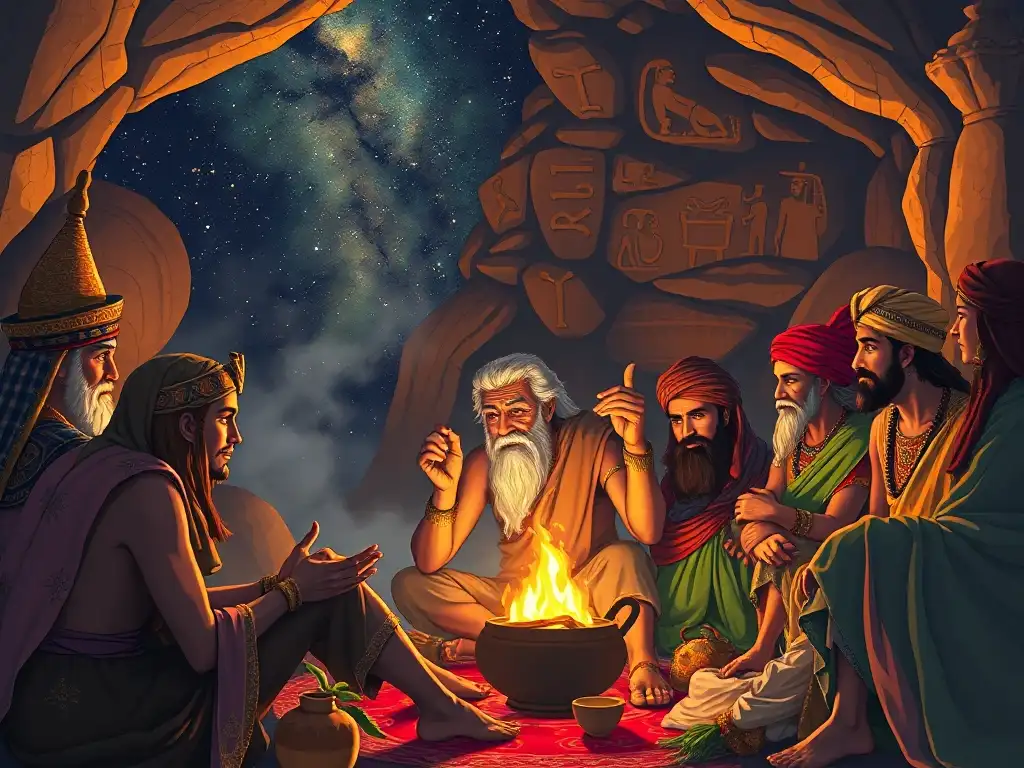
The storytelling traditions of the Indus Valley civilization share similarities and differences with those of other ancient civilizations, such as Mesopotamia and Egypt. While all these cultures utilized storytelling as a means of preserving history and cultural identity, the themes and methods varied significantly based on their unique societal contexts.
In Mesopotamia, for instance, storytelling often revolved around epic narratives, such as the Epic of Gilgamesh, which emphasized the heroic journeys and divine interactions of its characters. These stories were often inscribed on clay tablets, indicating a shift towards written records alongside oral traditions. In contrast, the Indus Valley's reliance on oral tradition suggests a different approach to knowledge preservation, one that prioritized communal engagement over written documentation.
Storytelling Traditions in Contemporary Civilizations
In contemporary civilizations, storytelling remains a powerful tool for cultural expression and identity. Many societies continue to uphold oral traditions, using them to convey their history, values, and social norms. Indigenous cultures, for example, often rely on oral narratives to pass down knowledge about the land, spirituality, and community practices, echoing the significance of storytelling found in the Indus Valley.
Moreover, modern storytelling has expanded into various forms, including literature, film, and digital media, allowing for a broader reach and impact. This evolution demonstrates the enduring power of storytelling as a means of connecting people to their heritage while adapting to contemporary contexts.
The core principles of storytelling—engagement, education, and cultural expression—remain vital in fostering a sense of identity and community among people today, just as they did in ancient civilizations.
Similarities and Differences with Mesopotamian and Egyptian Narratives
Storytelling traditions in the Indus Valley civilization exhibit both similarities and differences when compared to Mesopotamian and Egyptian narratives. All three civilizations utilized storytelling as a means of preserving cultural heritage and imparting moral lessons; however, the content and structure of their narratives varied significantly.
Mesopotamian narratives often focused on epic tales of gods and heroes, reflecting the civilization's polytheistic beliefs and societal hierarchy. Conversely, Egyptian storytelling frequently revolved around themes of death and the afterlife, as seen in texts like the Book of the Dead, emphasizing the importance of the afterlife in their culture.
In contrast, the storytelling traditions of the Indus Valley were likely more communal and focused on everyday life, agricultural practices, and moral teachings relevant to their specific environment. This difference illustrates how storytelling not only serves as a means of cultural preservation but also as a reflection of each civilization's unique values and experiences.
The interplay of these storytelling traditions highlights the diverse ways in which cultures have harnessed the power of narrative to forge identity, impart knowledge, and navigate the complexities of human existence.
Challenges Faced by Indus Valley Storytelling Traditions
The storytelling traditions of the Indus Valley Civilization faced numerous challenges that ultimately impacted their preservation and continuity. These challenges stemmed from both internal dynamics within the society and external pressures that emerged over time.
Decline of Oral Traditions Over Time
As societies evolve, oral traditions can experience a decline due to various factors. In the case of the Indus Valley Civilization, the transition from oral storytelling to written records is one significant aspect that contributed to this decline. As urban centers developed and the need for record-keeping increased, the reliance on oral transmission of stories diminished. Written scripts, such as the Brahmi and Kharosthi, began to take precedence, leading to a gradual loss of the rich oral narratives that were once central to cultural identity.
Additionally, the fragmentation of the Indus Valley Civilization, attributed to environmental changes and socio-political shifts, resulted in the dispersal of communities. This fragmentation disrupted the continuity of storytelling traditions, with localized variations emerging that differed from the original narratives. Consequently, many of the stories that once connected people across the civilization began to fade, leading to a loss of shared cultural heritage.
External Influences and Cultural Assimilation
The Indus Valley Civilization was not an isolated entity; it was subject to influences from neighboring cultures and civilizations. The arrival of new groups, such as the Indo-Aryans, brought with them their own storytelling traditions, which began to permeate the cultural fabric of the region. This cultural assimilation often resulted in the overshadowing of indigenous storytelling practices as new narratives, myths, and religious beliefs took precedence.
Moreover, as trade and interaction with other civilizations increased, the exchange of ideas led to the incorporation of foreign elements into local storytelling. While this could have enriched the narratives, it also diluted the authenticity of the original stories, making it difficult to trace the lineage of traditional Indus Valley tales. As a result, many unique aspects of Indus Valley storytelling were lost or transformed, contributing to the challenges faced by these traditions.
Conclusion: The Enduring Legacy of Indus Valley Storytelling
Despite the challenges encountered, the storytelling traditions of the Indus Valley Civilization leave behind a profound legacy that continues to resonate in contemporary culture. These narratives, which once served as vessels of knowledge, moral lessons, and cultural identity, have shaped the collective consciousness of the region.
Reflection on the Importance of Oral Traditions
Oral traditions are vital for the preservation of cultural heritage, as they encapsulate the values, beliefs, and histories of a community. In the context of the Indus Valley, storytelling was not merely entertainment; it was a means of passing down wisdom and fostering a sense of belonging among community members. The decline of these traditions highlights the need to recognize and revive oral storytelling practices, ensuring that they remain integral to cultural identity.
Future of Storytelling in Preserving Cultural Heritage
Looking ahead, the future of storytelling in preserving cultural heritage appears promising. With a renewed interest in folk narratives and oral histories, initiatives aimed at documenting and revitalizing traditional storytelling practices are emerging. Community-driven efforts to share and celebrate these stories can help bridge the gap between past and present, allowing new generations to connect with their heritage.
Furthermore, the integration of technology in storytelling offers innovative platforms for sharing these narratives. Digital storytelling, podcasts, and social media can amplify the reach of oral traditions, fostering a global appreciation for the rich tapestry of Indus Valley culture. By embracing both traditional and contemporary methods, we can ensure that the storytelling traditions of the Indus Valley Civilization continue to thrive and inspire future generations.
Call to Action: Engaging with Indus Valley Storytelling
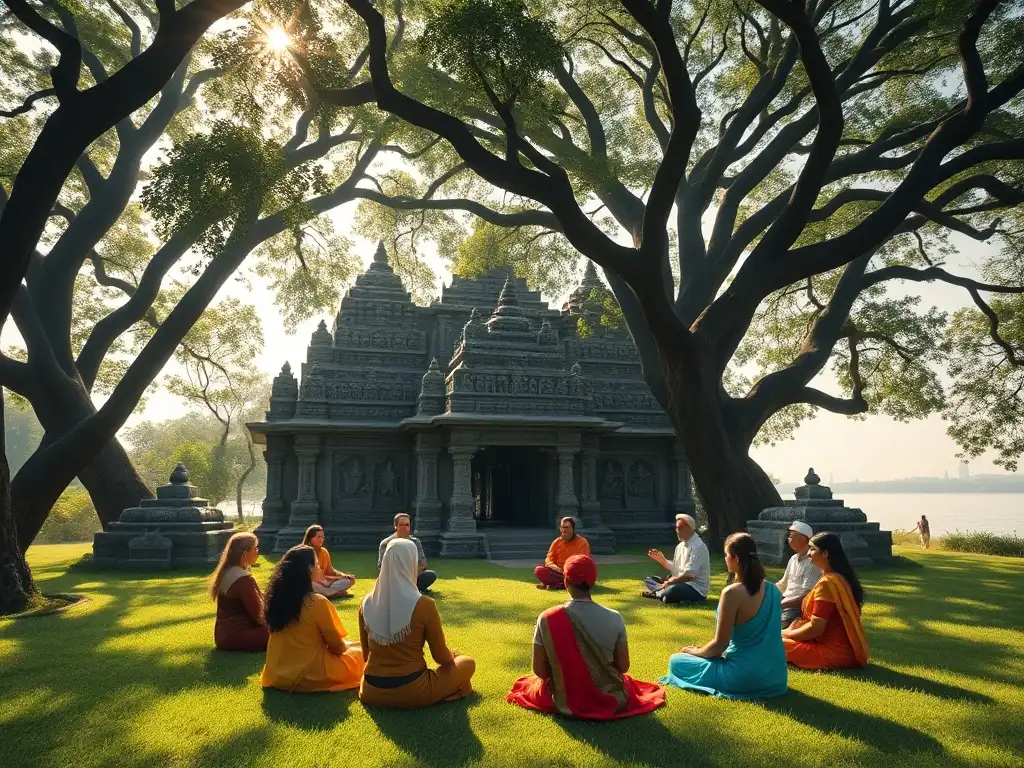
Engaging with the storytelling traditions of the Indus Valley offers a unique opportunity to connect with the rich cultural fabric of one of the world's earliest civilizations. These narratives not only impart wisdom and morals but also serve as a vessel for historical knowledge, allowing us to glimpse the lives, beliefs, and values of the people who thrived along the banks of the Indus River. By exploring these stories, readers can participate in the preservation of this ancient heritage and contribute to a broader understanding of how oral traditions shape cultural identity.
We encourage readers to delve into the vast repository of Indus Valley storytelling traditions. Whether through academic research, community storytelling events, or digital platforms, there are numerous ways to engage with these narratives. Here are some actionable steps readers can take:
- Participate in Storytelling Workshops: Look for local or online workshops focusing on ancient storytelling techniques and narratives from the Indus Valley.
- Share Personal Interpretations: Readers can create their own versions of Indus Valley stories, adapting them for modern audiences and sharing these retellings within their communities.
- Connect with Scholars and Enthusiasts: Joining forums or social media groups dedicated to ancient Indian history can foster discussions around Indus Valley storytelling, providing a platform for sharing insights and interpretations.
By actively exploring and sharing these stories, individuals can ensure that the legacy of the Indus Valley continues to thrive in contemporary culture.
Resources for Learning More about Indus Valley Culture
To further enhance understanding of the Indus Valley culture and its storytelling traditions, several valuable resources are available:
- Books and Academic Journals:
- The Indus Valley Civilization: A Contemporary Perspective by Jane McIntosh provides an in-depth analysis of the civilization's societal structures and cultural practices.
- Oral Traditions of the Indus Valley by Rani Mukherjee explores the specific storytelling practices that have been passed down through generations.
- Online Courses and Lectures: Websites like Coursera and edX offer courses on ancient Indian civilizations, including modules dedicated to the Indus Valley.
- Documentaries and Films: Visual storytelling can also be a powerful way to engage with history. Documentaries focused on the Indus Valley, like The Lost Civilization, provide compelling narratives and visuals that bring the culture to life.
- Museums and Cultural Centers: Visiting museums with exhibits on the Indus Valley Civilization can provide tangible insights into daily life, art, and storytelling practices.
By utilizing these resources, individuals can deepen their knowledge of the Indus Valley culture and appreciate the importance of storytelling in preserving its legacy.
- Introduction to Indus Valley Storytelling Traditions
- Overview of Indus Valley Civilization
- Importance of Oral Tradition in Ancient Cultures
- Historical Context of Indus Valley Storytelling
- Key Themes in Indus Valley Storytelling
- Methods of Oral Tradition in the Indus Valley
- Preservation of Culture through Storytelling
- Comparisons with Other Ancient Civilizations
- Challenges Faced by Indus Valley Storytelling Traditions
- Conclusion: The Enduring Legacy of Indus Valley Storytelling
- Call to Action: Engaging with Indus Valley Storytelling
- Encouraging Readers to Explore and Share Stories
- Resources for Learning More about Indus Valley Culture
- What are the Indus Valley storytelling traditions?
- How did storytelling contribute to the preservation of culture in ancient India?
- What role did oral tradition play in the Indus Valley civilization?
- How has modern research enhanced our understanding of Indus Valley storytelling?
- Why is storytelling considered a vital aspect of ancient Indian civilizations?
Frequently Asked Questions
What are the Indus Valley storytelling traditions?
The Indus Valley storytelling traditions refer to the oral narratives and legends that were passed down through generations, preserving the cultural values and beliefs of the Indus Valley civilization.
How did storytelling contribute to the preservation of culture in ancient India?
Storytelling served as a means to transmit knowledge, values, and traditions, ensuring that the rich cultural heritage of civilizations like the Indus Valley was maintained over time.
What role did oral tradition play in the Indus Valley civilization?
Oral tradition played a crucial role by enabling communities to share historical accounts, myths, and social norms, fostering a sense of identity and continuity among the people of the Indus Valley.
How has modern research enhanced our understanding of Indus Valley storytelling?
Modern research, including archaeological findings and comparative studies, has provided insights into the narrative forms and themes prevalent in Indus Valley storytelling, deepening our appreciation of their cultural significance.
Why is storytelling considered a vital aspect of ancient Indian civilizations?
Storytelling is vital as it not only preserves historical narratives but also reinforces community bonds, educates younger generations, and reflects the values and beliefs of ancient societies, including those of the Indus Valley.
Final Reflection: The Enduring Power of Indus Valley Storytelling Traditions
The significance of storytelling and oral tradition in preserving the rich tapestry of Indus Valley culture is more relevant today than ever. In a world increasingly dominated by digital narratives and fleeting trends, the timeless art of storytelling serves as a vital link to our past and a beacon for our future. The ability to convey history, values, and identity through stories is not just a relic of ancient civilizations; it is a powerful tool that shapes our understanding of who we are and where we come from.
The influence of Indus Valley storytelling traditions resonates deeply within our contemporary cultural landscape. These narratives not only enrich our appreciation of history but also foster a sense of community and belonging. As we navigate the complexities of modern life, the lessons embedded in these ancient tales remind us of our shared humanity. Stories are the communal currency of humanity.
— Tahir Shah. This quote encapsulates the essence of storytelling as a means of connection, bridging generations and cultures, and highlighting the importance of preserving these traditions for future generations.
As we reflect on the role of storytelling in our lives, I invite you to embrace the lessons of the Indus Valley storytelling traditions. Consider how you can incorporate storytelling into your own life, whether by sharing your family's history, engaging with your community, or simply taking the time to listen to the stories of others.
By doing so, you not only honor the legacy of the Indus Valley but also contribute to a richer, more interconnected world. Let us carry forward the torch of storytelling, ensuring that the voices of the past continue to inspire and guide us into the future.
Unveil the Power of Storytelling!
Thank you for taking the time to explore the rich and vibrant traditions of the Indus Valley culture through storytelling and oral traditions. You’ve gained valuable insights into how these narratives shape not just history, but also identity and community bonds.
To keep the momentum going, consider these actionable steps:
- Dive deeper into storytelling: Find and read a local folk tale or historical narrative from the Indus Valley. Reflect on its lessons and share your thoughts with friends or family.
- Join a community discussion: Engage with others who are interested in ancient cultures on forums or social media platforms to exchange ideas and stories.
- Create your own story: Craft a short story inspired by the themes explored in this article. Your unique perspective can help keep this rich tradition alive!
As you reflect on these actions, consider what story from your own life or culture has the power to connect generations. We invite you to share your thoughts below!