
Ancient Indian Festivals and Their Economic Implications

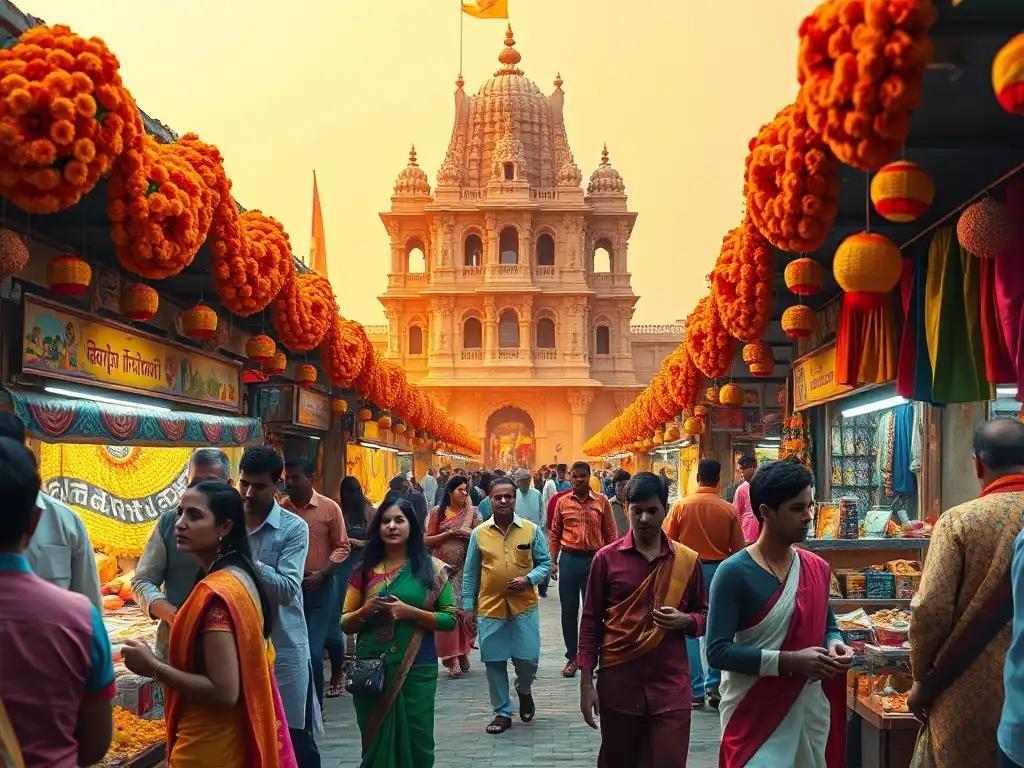
Welcome to Ancient India History, where we embark on a fascinating journey through the rich tapestry of ancient Indian civilizations! Dive into the vibrant world of Ancient Indian festivals and their economic implications, a topic that not only uncovers the cultural significance of these festivities but also reveals how they shaped trade and economic practices in their time. As you explore our in-depth article, prepare to uncover the connections between joy, tradition, and commerce that thrived in the heart of ancient India. Your adventure into the past begins here—let's unravel the mysteries together!
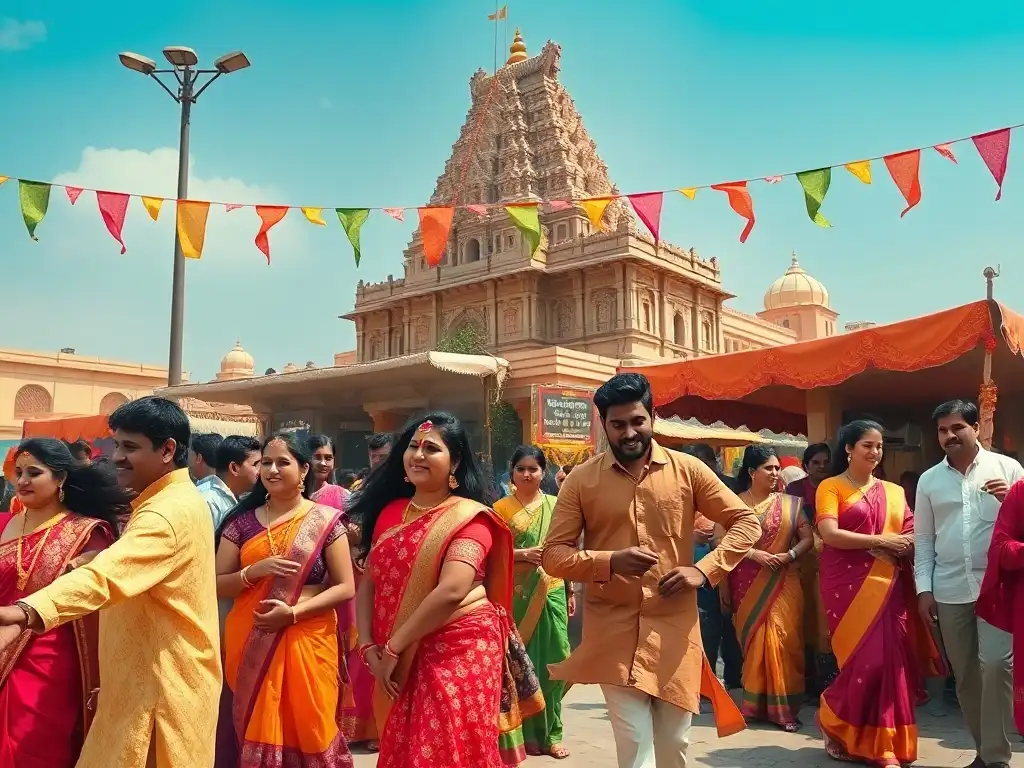
Introduction to Ancient Indian Festivals
Ancient Indian festivals are a vibrant tapestry woven with threads of tradition, spirituality, and community engagement. These celebrations not only mark significant cultural and religious events but also play a crucial role in shaping the economic landscape of ancient civilizations. Spanning from the Indus Valley to the Gupta Empire, festivals in ancient India were occasions that brought people together, fostering social cohesion while simultaneously driving economic activity.
As we delve into the significance of ancient Indian festivals, we will explore their cultural importance, their role in religious practices, and the economic implications that arose from these grand celebrations. Understanding the economic aspects of these festivals not only highlights their multifaceted nature but also sheds light on how ancient societies thrived through trade, commerce, and community participation during these times of celebration.
Overview of Ancient Indian Festivals
Ancient Indian festivals were numerous and diverse, each reflecting the unique traditions and beliefs of different regions and communities. Some of the most notable festivals included:
- Diwali: Celebrated as the festival of lights, symbolizing the victory of light over darkness and good over evil.
- Holi: Known as the festival of colors, it marks the arrival of spring and celebrates love and the triumph of good over evil.
- Navaratri: A festival dedicated to the worship of the goddess Durga, celebrated with dance, music, and fasting.
- Makar Sankranti: A harvest festival that marks the transition of the sun into the zodiac sign of Capricorn, celebrated with kite flying and feasting.
Each festival carried its own set of rituals, customs, and significance, reflecting the rich cultural heritage of ancient India.
Importance of Festivals in Ancient Indian Culture
Festivals held a central place in the cultural fabric of ancient Indian society. They served as a means of:
- Cultural Expression: Festivals allowed communities to express their unique cultural identities through music, dance, and art.
- Transmission of Traditions: They acted as a medium for passing down folklore, history, and values from one generation to the next.
- Celebration of Life: Festivals were times of joy and celebration, providing a break from the daily grind of life and a chance to honor deities and nature.
The importance of these festivals extended beyond mere celebration; they were integral to the social and cultural identity of communities.
Economic Aspects of Celebrating Festivals
The economic dimensions of ancient Indian festivals are profound and multifaceted. These celebrations often stimulated local economies through:
- Trade and Commerce: Festivals attracted traders and merchants who set up stalls to sell goods, leading to increased economic activity in towns and cities.
- Craftsmanship: Artisans and craftsmen capitalized on the demand for decorations, clothing, and ritual items, fostering local industries.
- Agricultural Impact: Festivals often coincided with harvest seasons, promoting the sale of agricultural products and contributing to food security.
The interplay between culture and economy during these festivals showcases how ancient Indian societies utilized these occasions for economic growth while preserving their rich traditions.
The Significance of Ancient Indian Festivals
Cultural Significance of Festivals in Ancient India
The cultural significance of ancient Indian festivals goes beyond mere celebration. They were pivotal in:
- Unity in Diversity: Festivals brought together people from different backgrounds, fostering a sense of unity and belonging among diverse communities.
- Rituals and Customs: Each festival was steeped in rituals that reinforced cultural values and societal norms, ensuring the continuity of traditions.
- Art and Literature: Festivals inspired a wealth of artistic expression, from classical dance forms to poetry, enriching the cultural heritage of India.
The cultural significance of these festivals underscores their role as a cornerstone of ancient Indian identity.
Religious Importance and Spiritual Practices
Religious beliefs were intricately woven into the fabric of ancient Indian festivals. They served as:
- Acts of Worship: Festivals provided a structured opportunity for devotees to engage in prayers, rituals, and offerings to deities.
- Spiritual Reflection: Many festivals encouraged introspection and spiritual growth, promoting virtues such as compassion, forgiveness, and gratitude.
- Pilgrimage and Gathering: Major festivals often attracted pilgrims to sacred sites, fostering a spiritual connection that transcended geographical boundaries.
This religious significance not only reinforced faith but also promoted a sense of collective spirituality within communities.
Social Cohesion and Community Bonding
Ancient Indian festivals were instrumental in fostering social cohesion and strengthening community bonds. They:
- Promoted Collaboration: Communities worked together to prepare for festivals, fostering teamwork and collaboration.
- Encouraged Generosity: Festivals were times of giving and sharing, with people donating food and resources to those in need, promoting social welfare.
- Strengthened Relationships: Celebrations provided opportunities for families and friends to come together, reinforcing social ties and fostering a sense of belonging.
Through these dynamics, ancient Indian festivals played a vital role in nurturing social harmony and community solidarity.
Economic Implications of Ancient Indian Festivals
Ancient Indian festivals held significant economic implications that extended far beyond mere celebrations. These festivals served as vital catalysts for trade, commerce, and agricultural productivity, intertwining cultural practices with economic activities. The collective participation in festivals fostered community bonding, which in turn stimulated local economies by encouraging the circulation of goods, services, and resources.
During these festivals, markets thrived as traders showcased their products, ranging from textiles to agricultural produce. The influx of visitors from neighboring regions created a bustling environment, leading to a temporary but substantial economic boost. Additionally, festivals often coincided with agricultural cycles, affecting labor distribution, resource allocation, and consumption patterns. This dual role of festivals as both cultural celebrations and economic drivers highlights their multifaceted significance in ancient Indian society.
Impact on Trade and Local Economies
The impact of ancient Indian festivals on trade and local economies was profound and expansive. Each festival typically featured vibrant markets where artisans and merchants displayed their crafts, food, and agricultural products. This surge in activity not only provided a platform for local entrepreneurs but also attracted traders from distant regions, thereby enhancing inter-regional trade.
- Market Dynamics:
- Festivals created a unique demand for specific goods, leading to increased production and sales in the lead-up to events.
- Artisans often crafted special items tailored for the festival, which contributed to a flourishing economy within their communities.
- Employment Opportunities:
- Seasonal jobs emerged to support the increased demand for goods and services, including temporary positions in food stalls and craft shops.
- Skilled artisans benefited from the extra demand for their products, thereby enhancing their economic standing.
- Cultural Exchange:
- Festivals facilitated cultural exchanges, leading to the introduction of new goods and practices, which enriched local economies.
- This exchange fostered relationships between different regions, promoting trade networks that were essential for economic growth.
Agricultural Influence of Festivals
Agricultural cycles were intricately linked with ancient Indian festivals, influencing both the timing and nature of celebrations. Many festivals marked seasonal changes and agricultural milestones, such as planting and harvest times. This connection underscored the significance of agriculture in the economic landscape of ancient India.
- Seasonal Markers:
- Festivals like Makar Sankranti celebrated the harvest season, leading to communal feasting and the sharing of agricultural surplus.
- These celebrations not only honored the agricultural bounty but also encouraged farmers to engage in cooperative practices, fostering community resilience.
- Resource Allocation:
- Festivals prompted communities to allocate resources effectively, ensuring that food and goods were readily available for communal celebrations.
- The reliance on seasonal produce during festivals reinforced the importance of agriculture in sustaining local economies.
- Investment in Agriculture:
- The economic implications of festivals encouraged investments in agricultural technology and practices, as communities sought to enhance their yield for celebratory purposes.
- This investment in agriculture contributed to long-term economic stability and growth within these communities.
Major Ancient Indian Festivals and Their Economic Impact
The rich tapestry of ancient Indian festivals is woven into the economic fabric of society, with each festival carrying distinct implications for trade and agriculture. Here are some of the major festivals and their economic impacts:
Diwali: The Festival of Lights
Diwali, celebrated across India, symbolizes the victory of light over darkness and knowledge over ignorance. Economically, Diwali has been a significant event, stimulating various sectors:
- Retail Surge:
- The festival sees a spike in consumer spending, with families purchasing new clothes, gifts, and decorative items.
- Markets become vibrant hubs of activity as vendors sell sweets, fireworks, and festive decorations.
- Employment Opportunities:
- Temporary jobs in retail and artisan sectors increase as demand for goods rises during the festive season.
- Local craftsmen benefit from the increased demand for traditional handicrafts and decorations.
- Investment in Infrastructure:
- The need for enhanced infrastructure, such as temporary markets and lighting, supports local economies and encourages urban development.
Holi: The Festival of Colors
Holi, known for its exuberant celebrations with colors, also has significant economic implications:
- Boost to Local Economies:
- The sale of colors, water balloons, and festive foods sees a substantial increase, benefiting local merchants.
- Travel and tourism flourish as people visit friends and family, leading to heightened economic activity in hospitality and transportation sectors.
- Cultural Products:
- Artisans specializing in traditional Holi items, such as eco-friendly colors and sweets, experience a surge in demand, bolstering their economic status.
- Community Engagement:
- Holi fosters community participation, which enhances social bonds and encourages local investments in communal facilities.
Makar Sankranti: Celebrating Harvest
Makar Sankranti marks the transition of the sun into the zodiac sign of Capricorn, coinciding with harvest time in many regions:
- Agricultural Celebration:
- The festival celebrates the harvest, leading to communal feasting and the sharing of agricultural produce.
- Farmers engage in rituals to thank the deities for a good harvest, which reinforces agricultural practices and community ties.
- Trade Opportunities:
- Local markets thrive as farmers sell their surplus produce, thereby stimulating the agricultural economy.
- Craftsmen and traders also set up stalls during the festival, enhancing trade and commerce.
- Cultural Exchange:
- The festival encourages the exchange of agricultural knowledge and practices among different communities, promoting agricultural innovation and sustainability.
Ancient Indian festivals served as pivotal events that not only celebrated cultural heritage but also significantly impacted trade, local economies, and agricultural practices. Their multifaceted significance continues to resonate in contemporary society, emphasizing the enduring legacy of these celebrations.
The Role of Festivals in Economic Systems
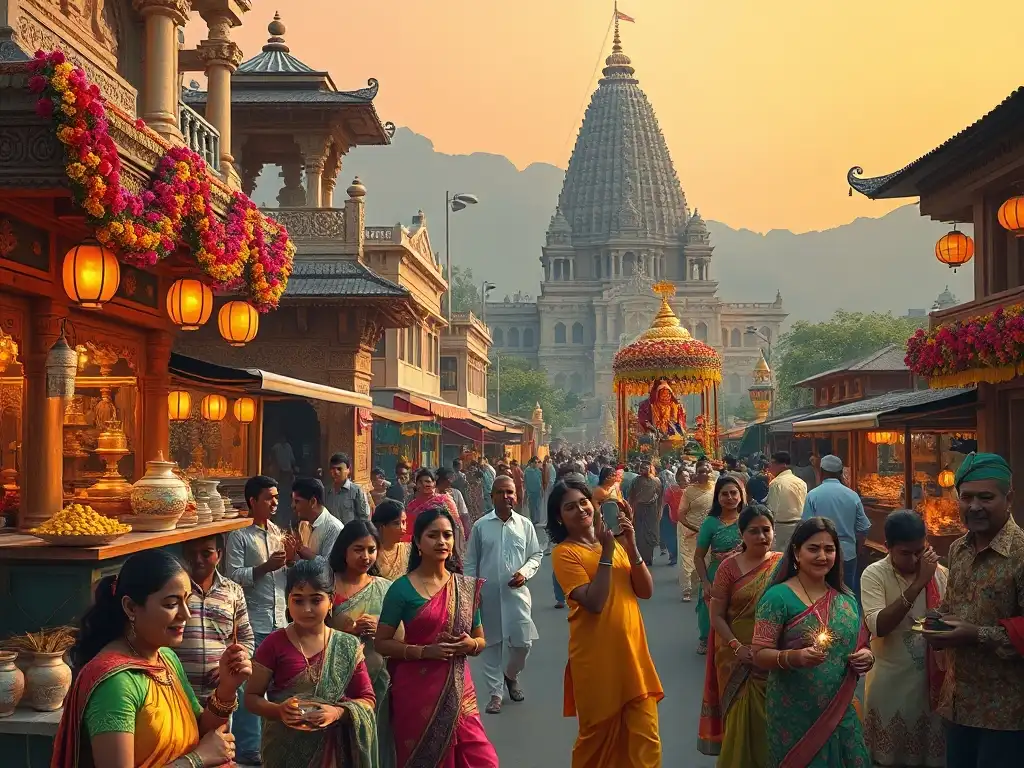
Festivals in ancient India were not merely occasions for celebration; they played a crucial role in the economic systems of the time. These events served as pivotal points in the annual calendar, fostering community spirit and driving economic activities. The significance of ancient Indian festivals extended beyond their religious or cultural aspects, intertwining deeply with trade, agriculture, and local economies.
The organization of festivals often required substantial resources, including food, textiles, and various goods, which stimulated local markets. Communities would prepare extensively for these occasions, leading to increased production and demand for items such as decorations, offerings, and clothing. Consequently, festivals became a catalyst for economic interaction among various stakeholders, including artisans, merchants, and farmers, thereby reinforcing the interconnectedness of ancient Indian economies.
Festivals as Catalysts for Economic Growth
Ancient Indian festivals acted as catalysts for economic growth by creating spikes in demand for goods and services. For instance, during major festivals, markets would see a surge in visitors, both local and from surrounding regions, which encouraged trade and commerce. Vendors would set up stalls to sell festival-specific items, such as sweets during Diwali or colorful powders during Holi, leading to increased sales and revenue.
Moreover, the preparation for festivals often included the hiring of labor, which provided temporary employment opportunities, especially in agriculture and craft sectors. This influx of labor not only boosted individual incomes but also encouraged the circulation of money within local economies, contributing to overall economic vitality during festival seasons.
Influence on Urban and Rural Economic Practices
The economic implications of festivals were felt distinctly in both urban and rural settings. In urban areas, festivals led to the establishment of vibrant markets that became hubs of trade. Merchants from various regions would converge, creating a melting pot of cultural and economic exchanges. These gatherings facilitated the introduction of diverse goods, thus expanding the local economy.
In rural settings, festivals often coincided with harvest times, allowing farmers to showcase their produce. This not only provided a platform for selling surplus crops but also fostered relationships between producers and consumers, enhancing local trade networks. Festivals often reinforced agricultural cycles, with rituals and celebrations acknowledging the changing seasons and the importance of agricultural prosperity.
Long-term Economic Benefits of Festivals
The long-term economic benefits of festivals can be observed in their ability to create sustainable practices and community cohesiveness. By fostering a sense of identity and belonging, festivals encouraged the continuation of traditional crafts and trades. Artisans and craftsmen often thrived during festival seasons, leading to the preservation of skills and techniques that would be passed down through generations.
Additionally, festivals promoted tourism in ancient times, drawing visitors from distant regions. This not only boosted local economies but also contributed to cultural exchange and the spread of ideas. The continued relevance of certain festivals in modern India showcases their enduring legacy and economic implications, as they still contribute significantly to local economies through tourism and trade.
Case Studies of Festival Impact on Ancient Economies
Case Study 1: Diwali and Market Flourishing
Diwali, celebrated as the festival of lights, had profound implications for ancient Indian economies. This festival marked a peak in consumer spending, as families would purchase new clothes, sweets, and decorative items. The market dynamics during Diwali illustrated a seasonal boom, with merchants reporting higher sales and increased foot traffic in bazaars. This surge in economic activity not only benefited urban merchants but also supported farmers and artisans who supplied goods for the festivities.
Case Study 2: Holi's Influence on Local Trade Systems
Holi, the festival of colors, significantly impacted local trade systems by driving demand for specific goods such as colored powders, water balloons, and festive snacks. The vibrant celebrations led to the establishment of temporary markets, where local traders could sell their wares. This festival also fostered the spirit of community, leading to the exchange of goods and services among neighboring villages, thereby strengthening local economies and trade relationships.
Case Study 3: Makar Sankranti and Agricultural Development
Makar Sankranti, celebrated as a harvest festival, had substantial implications for agricultural development in ancient India. This festival marked the end of winter solstice and the beginning of the harvest season, encouraging farmers to market their produce. The celebration involved communal feasting and sharing of agricultural yields, which not only promoted food security but also stimulated local economies as farmers traded their excess crops. The emphasis on agricultural prosperity during Makar Sankranti reinforced sustainable farming practices and community support systems, contributing to long-term economic stability.
Conclusion
The exploration of ancient Indian festivals reveals a profound interconnection between cultural practices and economic systems. These festivals were not merely occasions for communal celebration but served as significant economic events that stimulated trade, agriculture, and craftsmanship. The intricate ties between religious observances and economic activities underscore how ancient Indian societies utilized festivals to foster community bonds while also enhancing their economic prosperity.
Summary of Ancient Indian Festivals Significance
Ancient Indian festivals were rich in cultural significance and played crucial roles in societal cohesion. They were often linked to agricultural cycles, marking important times for sowing and harvesting. For instance, festivals like Makar Sankranti celebrated the harvest season, encouraging agricultural productivity. These occasions also served as platforms for trade, where artisans, farmers, and merchants would gather to exchange goods, thus enhancing local economies. The significance of these festivals extended beyond spirituality; they were integral to the rhythm of life in ancient India, influencing everything from social structures to economic strategies.
Lasting Economic Implications of Festivals in Ancient India
The economic implications of ancient Indian festivals were multifaceted. They facilitated the exchange of goods and services, contributing to regional economies. Markets would thrive during festival times, attracting merchants from various regions, increasing trade volume and variety.
Additionally, the demand for specific goods, such as textiles, food items, and decorative artifacts, surged during these periods, resulting in enhanced production and innovation among local craftsmen. Moreover, festivals played a role in the distribution of wealth, as they often involved donations and offerings, redistributing resources within communities. This cycle of production, trade, and consumption created a dynamic economic environment that sustained ancient Indian societies.
Reflection on the Cultural and Economic Legacy
The legacy of ancient Indian festivals is still visible today, both culturally and economically. The traditions and customs established centuries ago continue to influence contemporary practices, demonstrating the enduring nature of cultural heritage. Economically, the model of festival-based commerce has evolved but remains relevant; modern Indian festivals still see spikes in trade and consumption, reflecting the historical significance of these events.
The interplay of culture and economy found in ancient Indian festivals offers valuable insights into how societies can harness cultural practices for economic benefit, a lesson that continues to resonate in today's global market. By understanding this legacy, we appreciate not only the historical significance of these festivals but also their potential as catalysts for economic growth in modern contexts.
- Introduction to Ancient Indian Festivals
- The Significance of Ancient Indian Festivals
- Economic Implications of Ancient Indian Festivals
- Major Ancient Indian Festivals and Their Economic Impact
- The Role of Festivals in Economic Systems
- Case Studies of Festival Impact on Ancient Economies
- Conclusion
- What are the major ancient Indian festivals discussed in the article?
- How did ancient Indian festivals impact the economy?
- What is the significance of festivals in ancient Indian culture?
- Were there any specific economic activities associated with ancient festivals?
- How do ancient Indian festivals influence modern celebrations?
Frequently Asked Questions
What are the major ancient Indian festivals discussed in the article?
The article highlights several significant festivals, including Diwali, Holi, and Makar Sankranti, each reflecting the rich cultural heritage of ancient India.
How did ancient Indian festivals impact the economy?
The festivals played a crucial role in the economic activities, boosting trade and commerce, and facilitating social gatherings that enhanced local economies.
What is the significance of festivals in ancient Indian culture?
Festivals served as a means to celebrate religious beliefs, promote community bonding, and reflect the diverse traditions of various regions within ancient India.
Were there any specific economic activities associated with ancient festivals?
Yes, festivals often led to increased market activities, with fairs and trade events that provided opportunities for local artisans and merchants to thrive.
How do ancient Indian festivals influence modern celebrations?
Many modern festivals trace their roots to ancient traditions, showcasing the continuity of cultural practices and their ongoing economic significance in contemporary society.
Final Reflection: The Enduring Significance of Ancient Indian Festivals
The exploration of ancient Indian festivals reveals their profound significance in today's world, intertwining cultural heritage with economic vitality. As we navigate an increasingly globalized society, these festivals serve as a reminder of our roots, showcasing how traditions can stimulate local economies while fostering community spirit. The vibrant celebrations, rich in history and meaning, not only preserve cultural identity but also contribute to sustainable economic growth, making them more relevant than ever.
The impact of these festivals extends beyond mere celebration; they shape our social fabric and influence our economic landscape. From local artisans benefiting from increased demand for traditional crafts to the tourism industry thriving on the influx of visitors, ancient Indian festivals are a testament to the power of culture in driving economic prosperity. As Mahatma Gandhi once said, "> A nation's greatness is measured by how it treats its weakest members." This sentiment resonates deeply, as these festivals often uplift marginalized communities, ensuring that the benefits of celebration are shared widely.
As you reflect on the significance of ancient Indian festivals, consider how you can engage with and support these traditions in your own life. Embrace the opportunity to participate in local celebrations, promote artisans, and educate others about the rich heritage that these festivals embody. By doing so, you not only honor the past but also contribute to a vibrant future where culture and economy thrive hand in hand. Let us celebrate our traditions, recognizing their power to unite and uplift, and take action to ensure their continued relevance in our modern world.
Embrace the Spirit of Ancient Festivals!
Thank you for exploring the fascinating connections between ancient Indian festivals and their economic implications! Your curiosity not only enriches your understanding but also highlights the vibrant culture that shaped societies. Now, let’s transform that knowledge into action.
Dive deeper into this cultural heritage and its modern significance with these steps:
- Participate in a local festival: Immerse yourself in the celebrations to experience firsthand the economic vibrancy these festivals bring to communities.
- Share your insights: Discuss your discoveries with friends or on social media to spark interest in ancient traditions.
- Explore related topics: Delve into additional articles on ancient Indian customs and their impact on today’s economy to broaden your understanding.
Which ancient festival resonates with you the most, and how do you believe its economic implications are relevant in today's context?