
Chandragupta Maurya and the Birth of a New Political Order in Ancient India

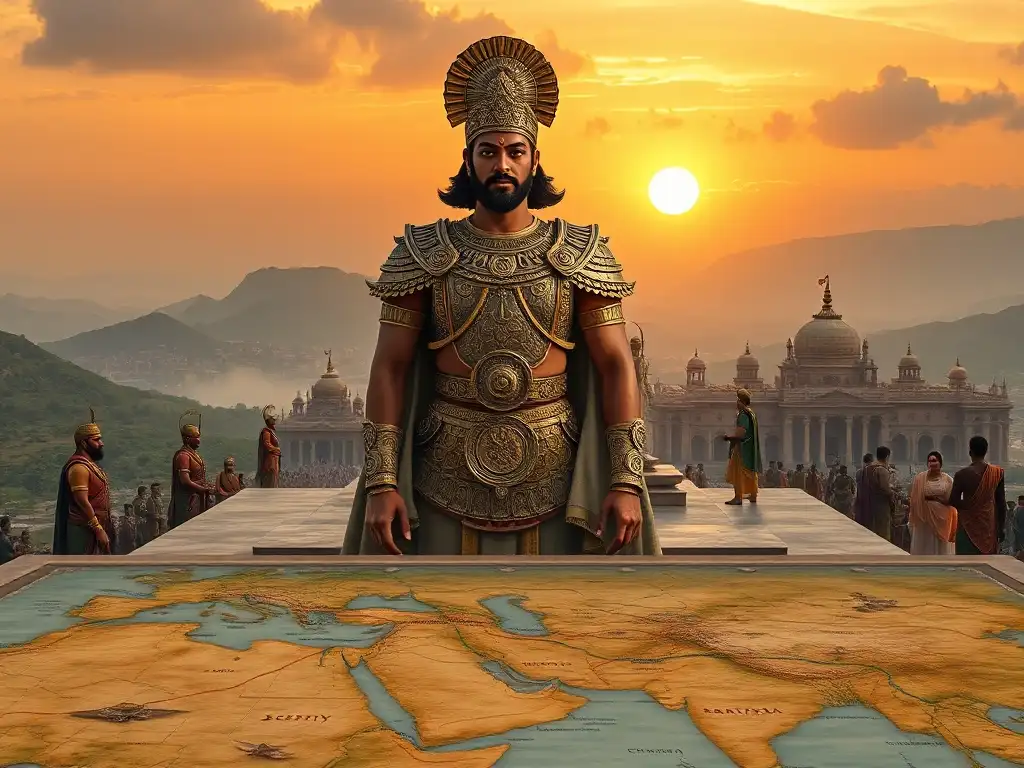
Welcome to Ancient India History, where we embark on an enlightening journey through the rich and diverse tapestry of ancient Indian civilizations. In our feature article, we delve into the political legacy of Chandragupta Maurya, a pivotal figure who laid the foundations of a new political order that would shape India's future. Prepare to uncover the fascinating nuances of his reign and the sweeping changes that followed, as we unravel how this remarkable leader transformed the landscape of governance in ancient India. Dive in and discover the echoes of history that continue to resonate today!
- Introduction to Chandragupta Maurya and His Political Legacy
- The Historical Context of Ancient India
- Rise to Power: Chandragupta Maurya's Early Life
- Establishment of the Maurya Empire
- Chandragupta Maurya's Political Innovations
- The Role of Chanakya in Shaping Chandragupta's Political Legacy
- Chandragupta Maurya's Contributions to Political Thought
- The Impact of Chandragupta Maurya on Future Indian Dynasties
- Conclusion: The Enduring Legacy of Chandragupta Maurya
- References and Further Reading on Chandragupta Maurya's Political Legacy
-
Frequently Asked Questions
- What was the significance of Chandragupta Maurya in ancient Indian history?
- How did Chandragupta Maurya's rule impact trade and economy?
- What role did Chanakya play in Chandragupta Maurya's rise to power?
- How did Chandragupta Maurya's political legacy influence future Indian rulers?
- What were the key features of the political system established by Chandragupta Maurya?
- Final Reflection: The Enduring Legacy of Chandragupta Maurya's Political Vision
- Embrace the Legacy of Chandragupta Maurya!
Introduction to Chandragupta Maurya and His Political Legacy
Chandragupta Maurya, a pivotal figure in ancient Indian history, is often recognized as the founder of the Maurya Empire, which laid the groundwork for a new political order in the Indian subcontinent. His reign marked the transition from fragmented kingdoms to a centralized state, establishing a governance model that would influence subsequent empires and dynasties. Understanding Chandragupta Maurya's political legacy offers invaluable insights into the evolution of governance, administration, and statecraft in ancient India. This article delves into his life, the significance of his contributions, and how his political strategies shaped the trajectory of Indian history.
Overview of Chandragupta Maurya's Life
Chandragupta Maurya was born around 340 BCE, into a humble background in the region that is now modern-day Bihar. His ascent to power is attributed to his keen strategic mind and the guidance of his mentor, Chanakya (also known as Kautilya), a brilliant scholar and political strategist. Together, they orchestrated the overthrow of the Nanda dynasty, which had ruled over much of northern India.
- Key Events in His Life:
- Formation of Alliances: Chandragupta effectively forged alliances with local rulers and used guerrilla warfare tactics to expand his influence.
- Establishment of the Maurya Empire: Following the defeat of the Nandas, he declared himself the emperor, marking the beginning of the Maurya Empire around 321 BCE.
- Encounter with Alexander the Great: Chandragupta's rise coincided with Alexander's invasion of India, and he successfully resisted Greek incursions, solidifying his position as a formidable leader.
Chandragupta's reign lasted until 297 BCE, when he abdicated in favor of his son, Bindusara, and chose to embrace Jainism, ultimately retiring to Karnataka. His life and accomplishments remain a testimony to his visionary leadership and lasting impact on Indian civilization.
Importance of Studying His Political Legacy
Studying the political legacy of Chandragupta Maurya is crucial for several reasons:
- Foundation of Governance: He established a centralized administrative system that influenced future governance structures in India. His methods of taxation, justice, and public welfare set benchmarks for later rulers.
- Cultural Synthesis: Chandragupta's reign was marked by the synthesis of various cultural and political ideologies, promoting unity in diversity across his vast empire.
- Military Strategies: His military tactics and diplomatic maneuvers are studied in military academies today, highlighting his innovative approach to warfare and statecraft.
Understanding Chandragupta Maurya's political legacy not only enriches our comprehension of ancient Indian history but also offers lessons that resonate in contemporary governance and leadership practices. His life exemplifies the profound impact that a single leader can have on the course of history, making him a figure worthy of exploration and admiration.
The Historical Context of Ancient India
Political Landscape Prior to Chandragupta Maurya
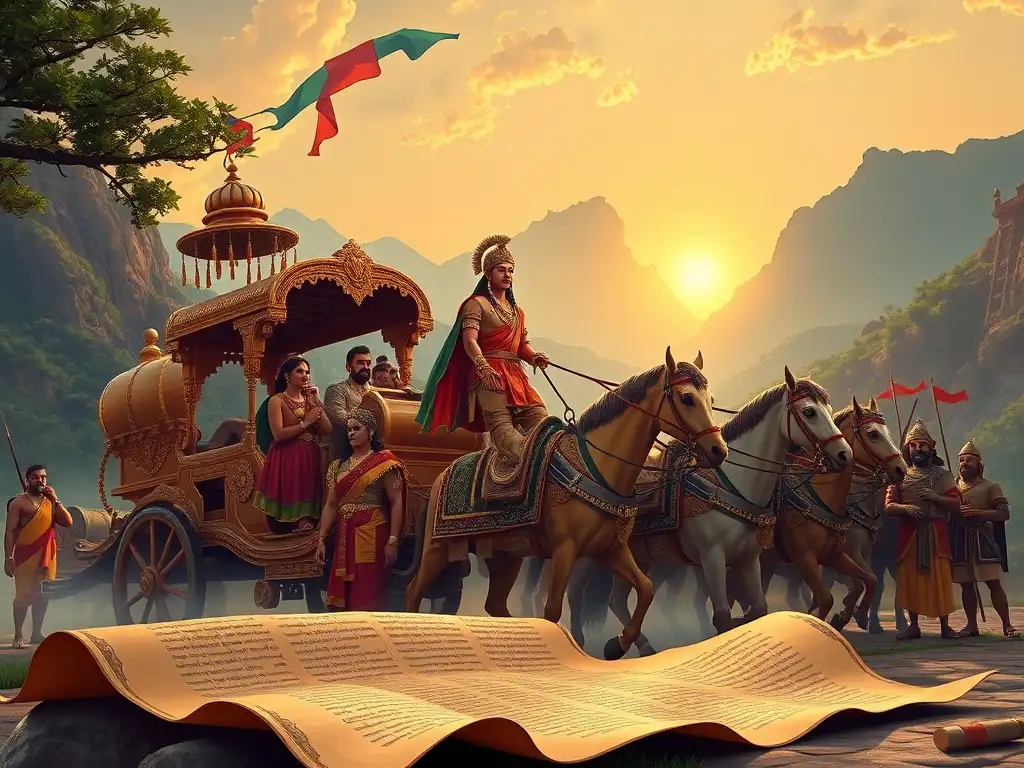
Before the rise of Chandragupta Maurya, ancient India was characterized by a fragmented political landscape. The subcontinent was divided into numerous small kingdoms and republics, each vying for power and influence. This period saw a multitude of dynasties, such as the Nandas in Magadha, the Koshala in the north, and various Janapadas across the region, each maintaining its own governance and military structures.
The Nanda Dynasty, which ruled Magadha, was particularly notable for its wealth and military might. The Nandas had established a strong centralized state, but their oppressive rule led to widespread discontent among the populace. This atmosphere of unrest created a fertile ground for a new leader to emerge.
Key Features of the Political Landscape:
- Fragmentation: Multiple kingdoms with varying degrees of strength and influence.
- Military Tactics: Frequent warfare among states leading to shifting alliances and rivalries.
- Social Stratification: The rigid caste system influenced political dynamics, often leading to instability in governance.
The political landscape was not only marked by internal strife but also by external threats. As various rulers fought for supremacy, the weakened states became vulnerable to invasions and incursions.
The Influence of Alexander the Great on Indian Politics
The incursion of Alexander the Great in the 4th century BCE had profound implications for the political dynamics of ancient India. His campaigns, although primarily focused on Persia and beyond, brought a shift in the power structures within the Indian subcontinent.
Key Impacts of Alexander's Campaigns:
- Military Strategies: Alexander introduced advanced military tactics that influenced Indian rulers and their methods of warfare. His use of phalanx formations and cavalry maneuvers were adopted by Indian armies in subsequent conflicts.
- Cultural Exchange: The brief period of Greek presence in India facilitated a cultural exchange that introduced Hellenistic ideas into Indian society. This exchange had lasting effects on art, architecture, and philosophy.
- Political Vacuum: After Alexander's departure, the regions he had conquered were left in turmoil. This vacuum allowed ambitious leaders like Chandragupta Maurya to capitalize on the weakened states and unify them under a single banner.
Chandragupta's rise to power can be seen as a direct response to the chaos left in the wake of Alexander's campaigns. His ability to unify the fragmented territories of northern India laid the foundation for a new political order, significantly altering the course of Indian history.
The historical context of ancient India prior to Chandragupta Maurya was marked by fragmentation and turmoil, but also ripe with opportunities for a visionary leader. The influence of Alexander the Great further catalyzed the need for a new political legacy that Chandragupta would establish, paving the way for the Maurya Empire.
Rise to Power: Chandragupta Maurya's Early Life
Early Influences and Background
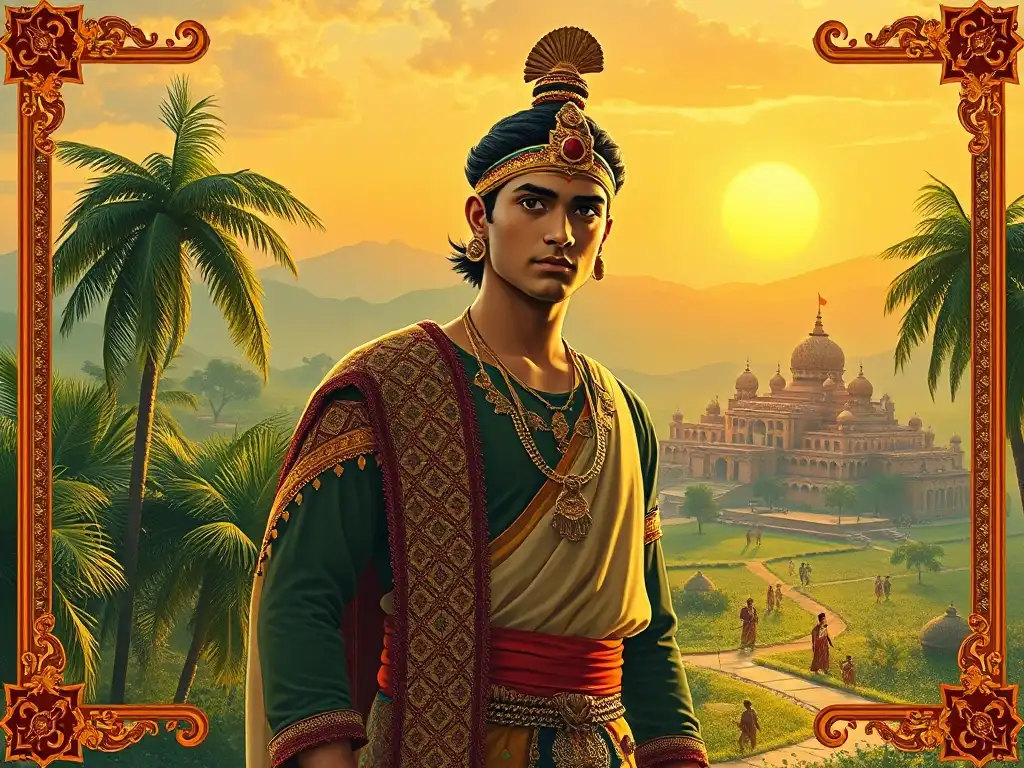
Chandragupta Maurya, the founder of the Maurya Empire, emerged from humble beginnings that were pivotal in shaping his future as a formidable leader. Born around 340 BCE in a region now known as Bihar, India, Chandragupta's early life was marked by the socio-political turmoil of the time. The decline of the Nanda Dynasty created a power vacuum that Chandragupta would ultimately exploit.
His upbringing was influenced by the prevailing caste system, where he belonged to the Kshatriya varna, traditionally associated with warfare and leadership. However, historical accounts suggest that Chandragupta faced challenges due to his family's financial constraints. This adversity instilled in him a strong sense of ambition and resilience.
Chandragupta's exposure to various cultures and traditions during his formative years in a multi-ethnic society equipped him with the skills necessary for governance and military strategy. The cultural melting pot of ancient India, coupled with his natural leadership qualities, laid the groundwork for his future endeavors in unifying fragmented kingdoms.
The Role of Chanakya in Chandragupta's Ascendancy
One of the most significant relationships in Chandragupta Maurya's rise to power was with Chanakya, also known as Kautilya, a revered scholar and strategist. After being insulted by the Nanda king, Dhanananda, Chanakya vowed to dethrone him, which led him to seek a worthy contender to aid in his quest. He found that contender in the young Chandragupta.
Chanakya took Chandragupta under his wing, providing not only military training but also imparting wisdom on statecraft, economics, and diplomacy. This mentorship was crucial, as Chanakya's strategic mind and experience helped formulate a plan to gather support from local rulers and discontented factions within the Nanda Empire.
The alliance between Chandragupta and Chanakya was marked by several key strategies:
- Guerrilla Warfare: Utilizing unconventional tactics, they launched surprise attacks on Nanda strongholds, gradually weakening the Nanda's grip on power.
- Building Alliances: Chanakya facilitated alliances with other regional leaders, which bolstered Chandragupta's forces and provided essential resources.
- Political Intrigue: Chanakya was adept in the art of espionage and used intelligence-gathering techniques to anticipate and counter Nanda strategies.
This collaboration culminated in the successful overthrow of King Dhanananda around 322 BCE, leading to the establishment of the Maurya Empire. Chandragupta's political legacy was thus rooted in not only his military conquests but also in the intellectual and strategic framework laid down by Chanakya, emphasizing the importance of wise counsel in governance.
Chandragupta Maurya's rise to power was significantly shaped by his early life experiences and the mentorship of Chanakya, making their partnership a defining moment in the political landscape of ancient India.
Establishment of the Maurya Empire
The establishment of the Maurya Empire marks a pivotal moment in ancient Indian history, representing the transition from fragmented kingdoms to a centralized political structure. This transformation was largely driven by Chandragupta Maurya, whose vision and strategic acumen laid the foundation for one of India’s greatest empires.
Chandragupta, born into a humble family, was inspired by the teachings of Alexander the Great and the political instability that characterized India during his time. He saw an opportunity to unite the region under a single authority. The Maurya Empire officially began around 322 BCE after Chandragupta successfully overthrew the Nanda Dynasty, which had ruled much of northern India.
The Conquest of the Nanda Dynasty
The conquest of the Nanda Dynasty was a significant milestone in Chandragupta Maurya's rise to power. The Nandas, known for their wealth and military might, had established a formidable rule. Chandragupta's campaign against them was characterized by guerrilla tactics, alliances, and calculated military strategies.
- Alliances: Chandragupta forged alliances with local rulers discontented with Nanda rule. These alliances not only bolstered his military strength but also provided crucial local support during his campaigns.
- Guerrilla Warfare: Utilizing the element of surprise, Chandragupta employed guerrilla tactics to engage the Nanda forces effectively. This approach allowed him to disrupt supply lines and create confusion within Nanda ranks.
- Strategic Siege: One of the turning points in his conquest was the siege of Pataliputra, the Nanda capital. Through prolonged warfare and strategic encirclement, Chandragupta managed to weaken the Nanda defenses, ultimately leading to their downfall.
The fall of the Nanda Dynasty in 322 BCE marked not only the beginning of the Maurya Empire but also a significant shift in the political landscape of ancient India. Chandragupta's victory was celebrated, and he was crowned as the first emperor of the Maurya Empire, establishing a new political order.
Key Strategies Employed by Chandragupta Maurya
Chandragupta Maurya's political legacy is characterized by several key strategies that contributed to the establishment and expansion of the Maurya Empire:
- Centralized Administration: Chandragupta implemented a centralized bureaucratic system to effectively govern the vast territories under his control. This included establishing a network of officials and local governors who reported directly to him.
- Legal Reforms: Influenced by his advisor, Chanakya, Chandragupta introduced legal reforms that emphasized justice and order. This helped in maintaining stability and reducing corruption within the administration.
- Military Organization: He built a formidable military force, incorporating infantry, cavalry, and war elephants, which allowed him to engage in successful military campaigns against rival kingdoms.
- Diplomacy: Chandragupta recognized the value of diplomacy and often engaged in negotiations with other rulers to achieve peaceful resolutions, thereby avoiding unnecessary bloodshed.
- Economic Control: The establishment of trade routes and control over significant trade centers enhanced the economic strength of the Maurya Empire. This economic stability was crucial for funding military expeditions and administrative functions.
Through these strategies, Chandragupta Maurya not only established a powerful empire but also created a lasting political legacy that influenced subsequent rulers and shaped the course of Indian history. His ability to unify diverse regions and cultures under a single banner remains one of his most significant achievements.
Chandragupta Maurya's Political Innovations
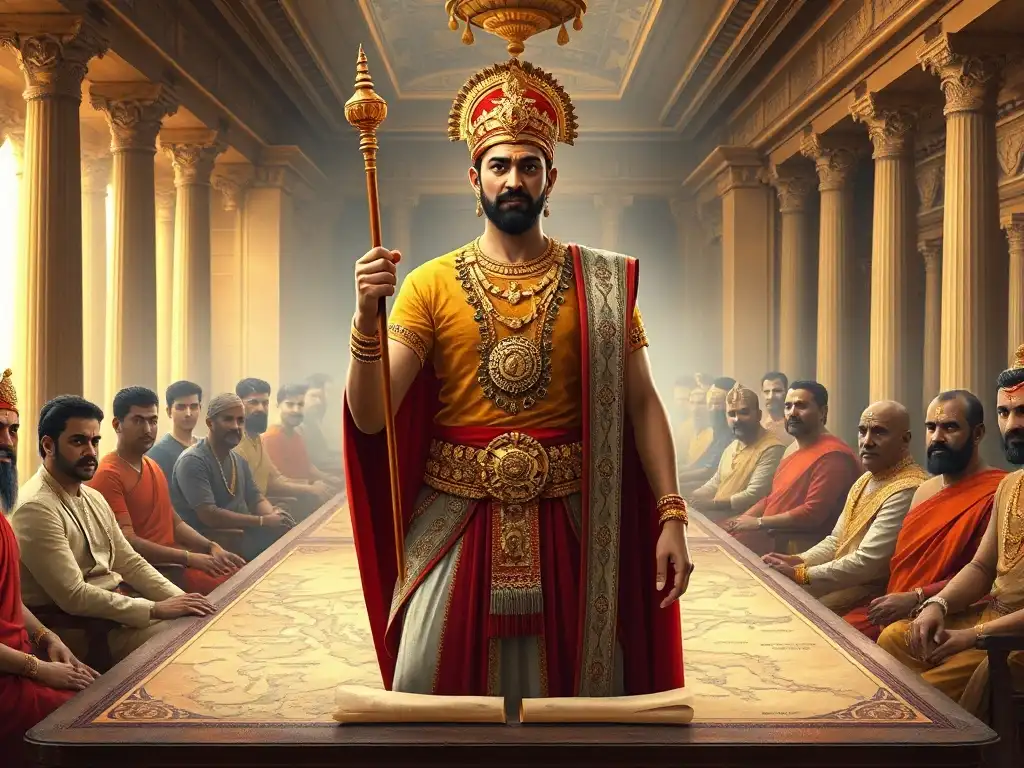
Chandragupta Maurya's reign marked a significant turning point in the political landscape of ancient India. His innovative approaches to governance and military strategy laid the groundwork for a united subcontinent, creating a legacy that would influence subsequent rulers for centuries. This section delves into the key political innovations introduced by Chandragupta Maurya.
Administrative Reforms and Governance
Chandragupta Maurya's administrative reforms were pivotal in establishing a centralized and efficient governance system. Drawing inspiration from the teachings of Chanakya (Kautilya), his chief advisor, he implemented several key reforms that transformed the political structure of his empire.
-
Centralized Bureaucracy:
Chandragupta established a well-organized bureaucratic system that allowed for effective governance. He divided his empire into provinces, each governed by appointed officials known as Mahamatras. This hierarchy ensured that local administrations operated smoothly while adhering to central directives.
-
Legal Framework:
The Mauryan legal system was sophisticated, with laws codified to maintain order and justice. Chandragupta emphasized the importance of ethics in governance, as highlighted in Arthashastra, where Chanakya outlined principles of statecraft and law. This legal framework provided a foundation for future rulers and contributed to the stability of the empire.
-
Taxation System:
To sustain the empire, a structured taxation system was established. Taxes were levied on agriculture, trade, and commerce, ensuring a steady flow of revenue. This system not only funded the administration but also supported public welfare initiatives, reinforcing the state's role in the lives of its citizens.
-
Infrastructure Development:
Recognizing the importance of infrastructure, Chandragupta invested in roads, irrigation systems, and trade routes. This not only facilitated trade across the empire but also enhanced communication and mobility among different regions, further integrating the diverse cultures within his realm.
-
Diplomacy and Alliances:
Chandragupta was adept at diplomacy, forging alliances with local rulers and tribes. This approach not only minimized conflict but also expanded his influence, helping to create a more cohesive political entity. His diplomatic strategies laid the groundwork for a unified India under a single political authority.
Military Strategies and Expansion of the Empire
Chandragupta Maurya's military strategies were instrumental in the expansion of his empire, marking a new era in Indian history. His approach combined traditional warfare techniques with innovative tactics that allowed him to overcome formidable opponents.
-
Formation of a Standing Army:
One of Chandragupta's most significant contributions was the establishment of a permanent standing army. This professional military force was well-trained and equipped, allowing for rapid mobilization in times of conflict. The creation of a disciplined army set a precedent for future Indian empires.
-
Guerrilla Warfare Tactics:
Chandragupta employed guerrilla warfare tactics effectively, utilizing the terrain to his advantage. This approach was particularly useful in ambushing larger enemy forces and conducting surprise raids, which played a crucial role in his campaigns against the Nanda Empire and regional adversaries.
-
Siege Warfare:
His military campaigns often involved siege tactics, which were meticulously planned. Chandragupta's forces besieged key cities and fortresses, utilizing strategies that included cutting off supplies and employing psychological warfare to weaken enemy morale. This method contributed significantly to his victories.
-
Integration of Diverse Forces:
Chandragupta was skilled in integrating various regional forces into his army. By recruiting soldiers from different backgrounds and regions, he created a diverse military that was adaptable and resilient. This strategy not only enhanced his military strength but also fostered loyalty among the newly integrated troops.
-
Consolidation of Power:
Following his victories, Chandragupta focused on consolidating power rather than merely expanding territory. He established a network of loyal governors and administrators in newly acquired regions, ensuring stability and allegiance to the Mauryan Empire. This approach allowed him to maintain control over a vast and diverse territory.
Chandragupta Maurya's political legacy is defined by his innovative administrative reforms and effective military strategies, which collectively transformed the political landscape of ancient India. His contributions laid the foundation for a powerful empire that would influence the subcontinent for centuries to come.
The Role of Chanakya in Shaping Chandragupta's Political Legacy
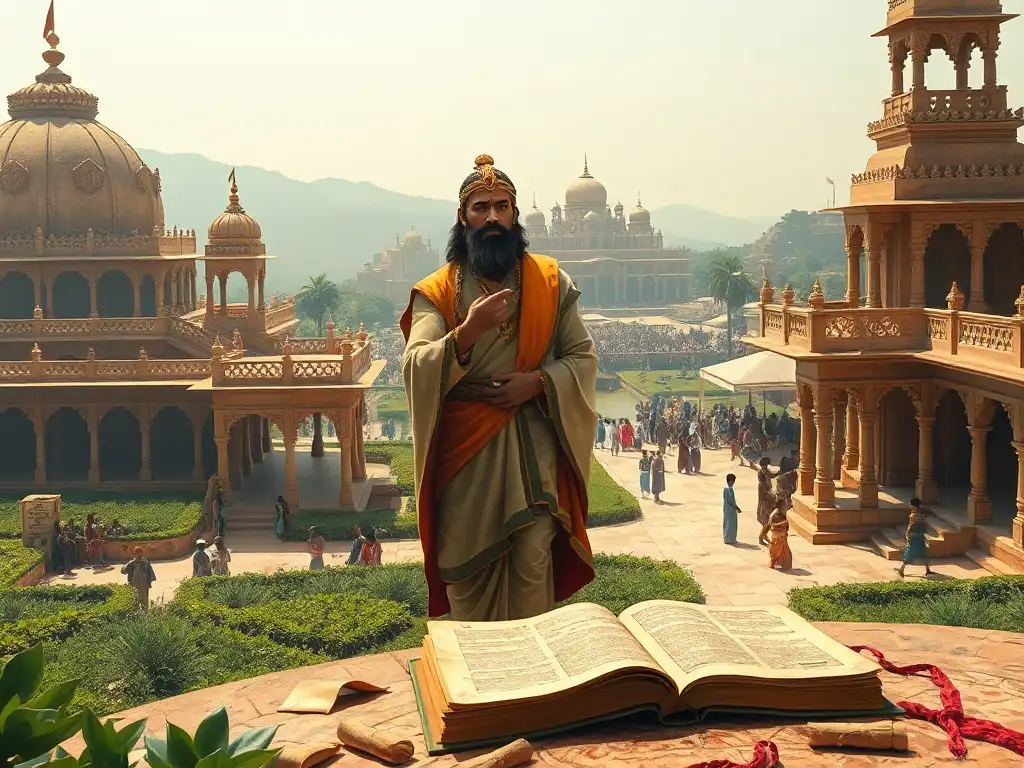
Chanakya's Philosophy and Its Impact on Governance
Chanakya, also known as Kautilya, was not only a mentor to Chandragupta Maurya but also a pivotal architect of his political legacy. His profound understanding of statecraft and governance laid the foundation for the Mauryan Empire. Chanakya's approach was deeply rooted in pragmatism, often prioritizing the stability and prosperity of the state over ethical considerations. This perspective allowed Chandragupta to navigate the tumultuous political landscape of ancient India effectively.
- Realpolitik: Chanakya advocated for a form of governance that emphasized realpolitik—making decisions based on practical rather than moral considerations. This philosophy helped Chandragupta consolidate power by employing shrewd strategies to outmaneuver adversaries, including the Nandas, who previously ruled Magadha.
- Centralization of Power: Chanakya believed in a strong centralized government. Under his guidance, Chandragupta implemented policies that centralized authority, reducing the influence of local chieftains and ensuring that the emperor's command was absolute. This centralization was crucial for maintaining order and facilitating efficient administration in a vast empire.
- Intelligence and Espionage: Chanakya was a proponent of intelligence gathering as a means of governance. He famously established a network of spies to keep tabs on both enemies and allies. This practice not only informed Chandragupta’s decisions but also instilled a culture of vigilance that deterred dissent and rebellion.
- Diplomatic Strategies: Chanakya's diplomatic acumen was instrumental in forging alliances that bolstered Chandragupta’s position. He understood the importance of diplomacy in statecraft, often advocating for strategic marriages and alliances that would enhance the Mauryan Empire's strength.
Key Texts: Arthashastra and Its Relevance
The Arthashastra, attributed to Chanakya, is a seminal text that outlines various aspects of governance, economics, and military strategy. Its relevance extends beyond its historical context to contemporary political thought and practice.
- Comprehensive Governance Framework: The Arthashastra serves as a manual for rulers, detailing everything from administration and law to warfare and diplomacy. For Chandragupta, it provided a blueprint for establishing a robust bureaucratic system that could manage the complexities of an expanding empire.
- Economic Strategies: Chanakya emphasized the importance of economic stability as a pillar of political power. He advocated for state control over resources and trade, which Chandragupta implemented to ensure that the empire was self-sufficient and prosperous. This focus on economic governance laid the groundwork for the Mauryan Empire's wealth.
- Ethics in Leadership: While the Arthashastra is often viewed through a pragmatic lens, it also contains discussions on ethics and moral responsibilities of rulers. Chanakya believed that a ruler should be just and fair, as a means to legitimize their authority. Chandragupta’s rule, therefore, was characterized by a balance of ruthlessness and benevolence, shaping a legacy that would influence future Indian rulers.
- Military Doctrine: The text also elaborates on military strategies, emphasizing the significance of preparedness and strategy in warfare. Chandragupta’s military campaigns against the Nandas and later against foreign invaders were informed by the principles laid out in the Arthashastra, showcasing its lasting impact on his military legacy.
Chanakya’s philosophy and the Arthashastra were instrumental in shaping Chandragupta Maurya's political legacy, providing the tools and strategies necessary for the establishment of a powerful and enduring empire in ancient India.
Chandragupta Maurya's Contributions to Political Thought
Chandragupta Maurya, the founder of the Maurya Empire, is a pivotal figure in ancient Indian history whose contributions to political thought have left a lasting impact on governance and statecraft. His reign marked a significant transformation in the political landscape of India, transitioning from fragmented kingdoms to a unified empire. This shift not only helped in consolidating power but also set the foundation for a political legacy that would influence subsequent generations.
The Concept of Statecraft in Ancient India
The concept of statecraft during Chandragupta's time was heavily influenced by earlier philosophical traditions, notably the Arthashastra, attributed to Kautilya (Chanakya), who was a significant advisor and strategist to Chandragupta. Kautilya's work outlined various aspects of governance, including:
- Political Philosophy: Kautilya emphasized the importance of pragmatism in governance, advocating for a ruler who is both wise and cunning. He proposed that the ideal king should prioritize the state's welfare above all.
- Realpolitik: Emphasizing realpolitik, Kautilya believed in the necessity of manipulation and strategy, including espionage and alliances, to maintain power and expand territory.
- Administrative Organization: Chandragupta Maurya implemented a structured administrative system that divided the empire into provinces, each administered by appointed officials. This organization facilitated efficient governance and tax collection.
- Legal Framework: The Mauryan administration was marked by a codified legal system that sought to maintain order and justice. This legal framework was essential for establishing rule of law, which contributed to the stability of the empire.
The confluence of these ideas under Chandragupta's rule established a sophisticated approach to governance, one that recognized the complexities of human nature and the necessity of strategic thinking in political affairs. This framework of statecraft not only enhanced the authority of the emperor but also laid down principles that would resonate in the political discourse of India for centuries.
Legacy of Political Unity and Stability
Chandragupta Maurya's political legacy is most notably characterized by the unification of diverse tribes and regions under a centralized authority. This unification had profound implications for the Indian subcontinent:
- Reduction of Fragmentation: Before his reign, India was characterized by numerous small kingdoms, often engaged in conflict. Chandragupta's conquests effectively reduced this fragmentation, creating a sense of collective identity among the people.
- Promotion of Trade and Economy: The establishment of a stable political environment under Chandragupta led to the flourishing of trade routes, both overland and maritime. This economic stability was vital for the prosperity of the empire and facilitated cultural exchanges.
- Cultural Integration: The Maurya Empire became a melting pot of cultures, with Chandragupta promoting the integration of various ethnic groups. This cultural synthesis not only enriched the empire but also fostered a sense of belonging among its subjects.
- Influence on Future Dynasties: The governance model set by Chandragupta influenced subsequent dynasties, including the Gupta Empire, which inherited and adapted many aspects of Mauryan administration. His emphasis on a strong central authority became a reference point for later rulers.
Chandragupta Maurya's political legacy is marked by his innovative approaches to statecraft and governance, which not only unified a fractured landscape but also created a stable environment that allowed for cultural and economic growth. His influence on political thought and practice continues to be recognized as a cornerstone of ancient Indian civilization, shaping the trajectory of its history for generations to come.
The Impact of Chandragupta Maurya on Future Indian Dynasties
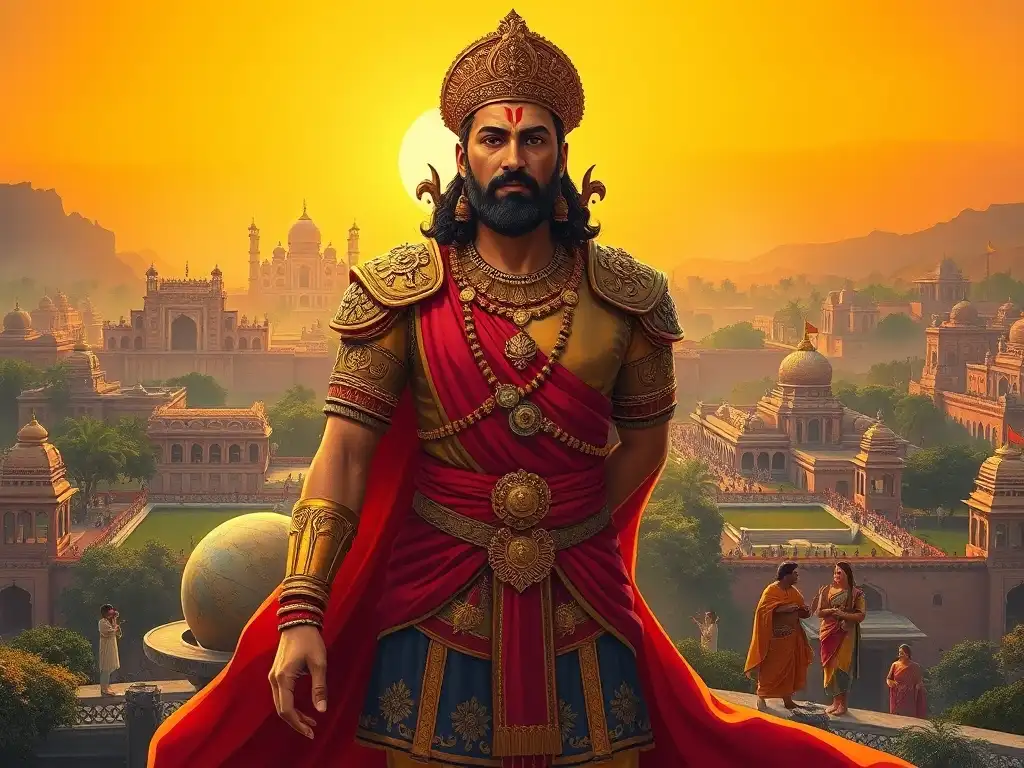
Chandragupta Maurya, the founder of the Maurya Empire, established a political framework that resonated through the corridors of Indian history for centuries. His effective governance and military strategies not only consolidated his power but also laid the groundwork for subsequent rulers. The political legacy of Chandragupta Maurya can be traced through the achievements of his successors, particularly his son Bindusara and grandson Ashoka, as well as the enduring effects on the Indian political structure.
Influence on Successors: Bindusara and Ashoka
Chandragupta's influence is vividly reflected in the reigns of his successors, Bindusara and Ashoka.
- Bindusara's Consolidation of Power: Bindusara, who ascended the throne after Chandragupta, inherited a vast empire. His leadership strategies, influenced by his father, emphasized diplomacy and military prowess. Bindusara expanded the empire further, notably into southern India, showcasing the administrative frameworks established by Chandragupta. He maintained alliances with local kingdoms, a political tactic that reinforced the Mauryan hold over diverse regions.
- Ashoka's Transformative Leadership: Ashoka, Bindusara's son, took the Maurya legacy to unprecedented heights. Initially a fierce warrior, Ashoka's conversion to Buddhism after the Kalinga War marked a significant shift from conquest to governance based on moral and ethical principles. His policies of Dhamma (righteousness) reflected a departure from traditional military-driven governance and established a new paradigm centered on welfare and non-violence. The administrative structures and communication networks set up by Chandragupta facilitated Ashoka's outreach, allowing him to implement policies that promoted trade, agriculture, and public health across the empire.
Both Bindusara and Ashoka utilized the bureaucratic and administrative systems established by Chandragupta, ensuring the continuity and stability of the Mauryan Empire.
Lasting Effects on Indian Political Structure
Chandragupta Maurya's political legacy profoundly influenced the structure of governance in India, setting a precedent that would shape future dynasties.
- Centralized Administration: Chandragupta established a centralized form of governance that integrated various regions under a unified authority. This model allowed for efficient administration and resource management, which became a hallmark of subsequent empires, including the Gupta Empire.
- Legal Framework: The legal codes and administrative practices initiated by Chandragupta laid the groundwork for the codification of laws in ancient India. His emphasis on justice and governance influenced later rulers, who sought to enhance legal structures that emphasized both authority and public welfare.
- Military Organization: The military strategies developed by Chandragupta, including the establishment of a standing army and a network of spies, informed the military practices of later Indian kingdoms. This organization allowed for effective defense and expansion, ensuring the stability and security of the empire.
- Cultural Integration: Chandragupta's reign fostered a sense of cultural unity in a diverse landscape. His successors continued to promote this integration, which facilitated the exchange of ideas, trade, and culture across different regions of India.
The political legacy of Chandragupta Maurya is evident in the successful reigns of his successors and the enduring impact on the Indian political landscape. His innovative governance strategies and administrative frameworks not only solidified the Maurya Empire but also set a standard for future dynasties in India, ensuring that his influence would be felt for centuries to come.
Conclusion: The Enduring Legacy of Chandragupta Maurya
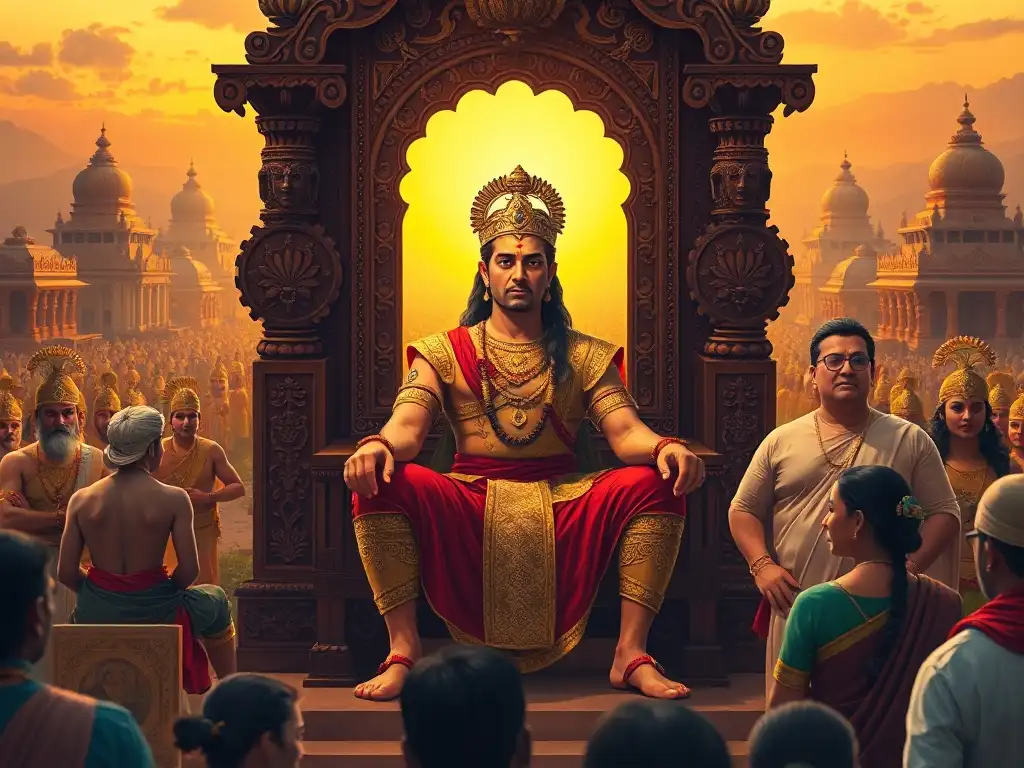
Chandragupta Maurya's reign marked a significant turning point in the political landscape of ancient India. His establishment of the Maurya Empire not only unified a fragmented subcontinent but also laid the groundwork for a centralized administration that would influence subsequent dynasties. His political legacy is characterized by strategic alliances, military conquests, and a keen understanding of governance that prioritized stability and order.
Reflection on His Political Achievements
Chandragupta Maurya's political achievements are numerous and profound. Firstly, he successfully overthrew the Nanda Dynasty, which exemplified his military prowess and strategic acumen. With the guidance of his mentor Chanakya, he developed a strong army and employed innovative tactics that included guerrilla warfare, which was instrumental in his victories.
- Unification of India: One of Chandragupta’s most notable achievements was the unification of various smaller kingdoms into a cohesive empire. This not only facilitated trade and cultural exchange but also fostered a sense of identity among the diverse peoples of India.
- Centralized Administration: Chandragupta established a centralized form of governance that emphasized bureaucratic efficiency. He implemented a system of provincial administration, wherein governors were appointed to oversee different regions. This model ensured that local issues could be addressed promptly while maintaining control from the center.
- Legal Framework: The Mauryan Empire under Chandragupta also saw the codification of laws and the establishment of a justice system that aimed to protect the rights of citizens. This legal infrastructure laid the foundation for future governance in India.
- Economic Policies: He introduced policies that enhanced trade and agriculture, leading to economic prosperity. The standardization of weights and measures facilitated trade across the empire, contributing to its wealth.
Chandragupta's political legacy is further reflected in his ability to adapt to changing circumstances, showcasing a blend of military strength and diplomatic finesse. His reign set a precedent for future rulers in terms of governance, military strategy, and public administration.
Chandragupta Maurya's Legacy in Contemporary India
The impact of Chandragupta Maurya extends beyond ancient history; his legacy resonates in contemporary India through various facets of governance, culture, and national identity.
- Political Structure: Modern Indian governance still draws inspiration from the centralized administrative frameworks established by Chandragupta. The emphasis on a hierarchical system of governance is reminiscent of his approach, where effective administration was crucial for maintaining order.
- Cultural Identity: Chandragupta's unification of diverse regions helped forge a collective identity that is echoed in contemporary India. The notion of a united India, despite its diversity, can be traced back to the foundations he laid.
- Leadership Principles: The principles of leadership and governance articulated by Chanakya, particularly in the "Arthashastra", continue to influence political thought in India. These ideas about statecraft, diplomacy, and economic management remain relevant for modern political leaders.
- Symbol of Nationalism: Chandragupta Maurya is often portrayed as a symbol of resistance and unity, embodying the spirit of nationalism. His legacy is celebrated in literature, folklore, and educational curricula, reinforcing his role as a cornerstone of Indian history.
The political legacy of Chandragupta Maurya is both profound and enduring. His innovations in governance, military strategy, and economic management have left a lasting impact that continues to shape the political landscape of India today. As we reflect on his contributions, it becomes clear that his vision for a unified and prosperous subcontinent remains relevant in the ongoing discourse about India's identity and governance.
References and Further Reading on Chandragupta Maurya's Political Legacy
Suggested Books and Articles
To delve deeper into the political legacy of Chandragupta Maurya, several books and articles provide comprehensive insights. Here are some highly recommended titles:
-
"The Mauryan Empire" by Romila Thapar
This book offers a detailed analysis of the rise of the Mauryan Empire, focusing on Chandragupta’s strategies and administrative innovations.
-
"Chandragupta Maurya: The Founder of the Mauryan Empire" by R. C. Majumdar
A scholarly examination that discusses the socio-political context of Chandragupta’s reign and his role in shaping ancient Indian politics.
-
"Ancient India: Culture and Civilization" by R. S. Sharma
This text provides an overview of the cultural and political transformations during the Mauryan period, emphasizing Chandragupta’s contributions.
-
"History of India" by Hermann Kulke and Dietmar Rothermund
A comprehensive history that includes discussions on the Mauryan Empire, highlighting the political and economic advancements introduced by Chandragupta.
-
"The Arthashastra" by Kautilya
Although attributed to Chandragupta's advisor, this ancient treatise on statecraft embodies the political philosophies that Chandragupta implemented during his reign.
Historical Documents and Sources on Maurya Empire
Understanding the political legacy of Chandragupta Maurya is greatly enriched by historical documents and primary sources from the Maurya Empire period. These sources provide invaluable insights into the governance and administrative practices of the time:
-
Edicts of Ashoka
Although primarily associated with his grandson, Emperor Ashoka, these inscriptions reflect the political environment established by Chandragupta and the principles of governance that followed.
-
Indica by Megasthenes
Written by the Greek ambassador to Chandragupta's court, this work offers a unique perspective on Mauryan administration, society, and economy, providing evidence of the empire's political structure.
-
Puranas
These ancient texts contain genealogies and accounts of kings, including details about Chandragupta’s rule and the foundations of the Mauryan dynasty.
-
Jain Texts
Jain literature, particularly the Kalpa Sutra, includes narratives about Chandragupta Maurya, showcasing his life and political maneuvers from a religious perspective.
-
Buddhist Texts
Works such as the Dīpavamsa and Mahavamsa provide historical accounts that reflect the Buddhist view of Chandragupta’s reign and his relationship with the religion.
By exploring these resources, readers can gain a more nuanced understanding of Chandragupta Maurya's political legacy and the foundational changes he introduced to ancient Indian governance.
Frequently Asked Questions
What was the significance of Chandragupta Maurya in ancient Indian history?
Chandragupta Maurya is known for establishing the Maurya Empire, which marked a new political order in ancient India, unifying various kingdoms under a centralized authority.
How did Chandragupta Maurya's rule impact trade and economy?
His reign fostered economic growth and trade expansion by creating a network of roads and promoting agriculture, which facilitated commerce across regions.
What role did Chanakya play in Chandragupta Maurya's rise to power?
Chanakya, also known as Kautilya, was a strategic advisor who helped Chandragupta in overthrowing the Nanda dynasty and establishing the Maurya Empire through his political acumen.
How did Chandragupta Maurya's political legacy influence future Indian rulers?
His administrative reforms and centralized governance set a precedent for future rulers, emphasizing the importance of a strong state and effective leadership.
What were the key features of the political system established by Chandragupta Maurya?
Chandragupta's political system included a well-defined bureaucracy, a focus on law and order, and the promotion of justice and welfare, which laid the foundation for governance in subsequent empires.
Final Reflection: The Enduring Legacy of Chandragupta Maurya's Political Vision
Chandragupta Maurya's political legacy remains profoundly relevant today, as it exemplifies the transformative power of leadership and governance. In a world where political structures are continually evolving, the principles established by Chandragupta serve as a reminder of how visionary leadership can shape the course of history. His ability to unify diverse factions under a single banner laid the groundwork for a centralized political order that resonates with contemporary discussions about governance and statecraft.
The influence of Chandragupta's reign extends far beyond the historical narrative; it has woven itself into the fabric of modern political thought. His strategies for statecraft and administration have inspired countless leaders throughout history, illustrating the timeless nature of effective governance. As Mahatma Gandhi once said, "> The future depends on what you do today." This sentiment echoes the importance of learning from the past, as Chandragupta's legacy continues to inform our understanding of political unity and strength in diversity.
As you reflect on the lessons from Chandragupta Maurya's life and reign, consider how these principles can be applied in your own context. What does effective leadership mean to you, and how can you embody these ideals in your daily life? Embrace the opportunity to contribute to a cohesive and just society, drawing inspiration from the remarkable legacy of Chandragupta Maurya. Let his story motivate you to become an agent of change, fostering unity and progress in your community and beyond.
Embrace the Legacy of Chandragupta Maurya!
Thank you for diving into the fascinating world of Chandragupta Maurya and the transformation he brought to ancient India. Your interest in this pivotal figure unlocks a deeper understanding of our past and inspires a vision for our future. Now, it’s time to take that knowledge and turn it into action!
Here are a few steps for you to consider:
- Join a Discussion: Engage with fellow history enthusiasts on forums or social media platforms to share insights and perspectives about Chandragupta Maurya's impact.
- Explore Further: Visit your local library or an online archive to uncover more about ancient Indian politics and its influential leaders.
- Reflect and Share: Write a blog post or create a video exploring how Chandragupta's strategies can inspire modern leadership— unexpected insights can spark meaningful conversations!
What aspect of Chandragupta's leadership do you feel holds the most relevance in today's political landscape? Let's ignite a conversation!