
Unraveling the Mysteries of Chandragupta Maurya’s Early Life

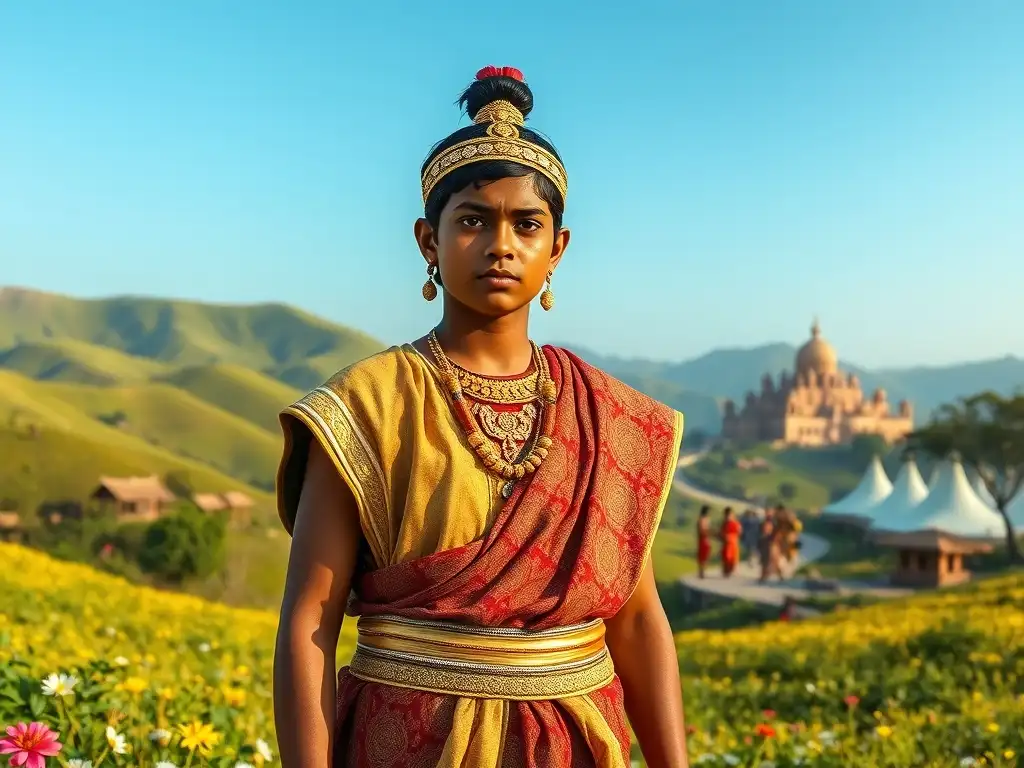
Welcome to Ancient India History, where we embark on an exhilarating journey through the intricate tapestry of India’s past! Our exploration delves into the rich and diverse history of ancient civilizations, celebrating their remarkable achievements and cultural legacies. In our featured article, “Unraveling the Mysteries of Chandragupta Maurya’s Early Life,” we invite you to discover the fascinating beginnings of one of India’s most pivotal figures.
What shaped the early years of Chandragupta Maurya, and how did his experiences lay the groundwork for a powerful empire? Join us as we uncover the secrets of his formative years and the profound impact they had on the course of Indian history. Dive in and let your curiosity lead the way!
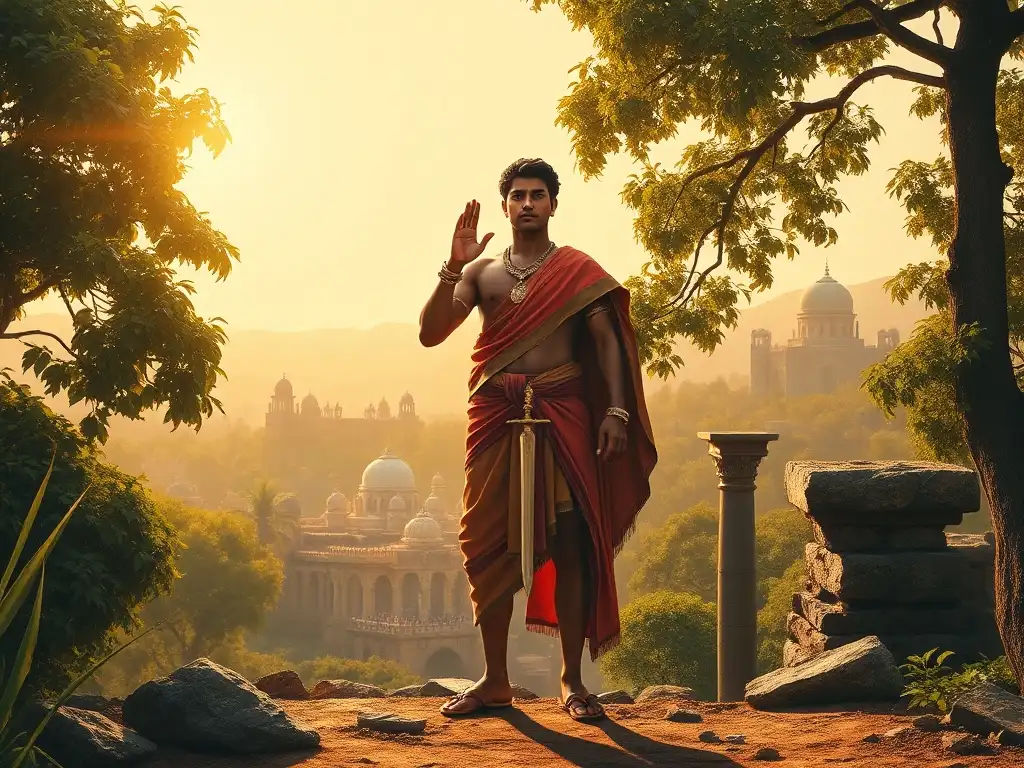
Chandragupta Maurya stands as a monumental figure in ancient Indian history, renowned for founding the Maurya Empire and laying the groundwork for one of the largest empires in the Indian subcontinent. Understanding the intricacies of his early life is crucial to fully grasping the dynamics that shaped his leadership, ambitions, and the eventual rise of his empire.
This exploration dives deep into the formative years of Chandragupta, examining the socio-political environment, cultural influences, and key events that defined his beginnings. By unraveling the mysteries surrounding his early life, we gain insight into how he became a pivotal player in the annals of Indian history, setting the stage for a legacy that would endure for centuries.
Introduction to Chandragupta Maurya
Chandragupta Maurya, born around 340 BCE, is a figure shrouded in both historical fact and legend. He is often celebrated as the first emperor of the Maurya Dynasty, which marked a significant turning point in Indian history. His ascent to power is attributed to his remarkable strategic acumen and the ability to unify diverse regions under one rule. However, the specifics of his childhood, upbringing, and the formative experiences that influenced his character and decision-making remain less documented yet equally fascinating.
The Significance of Chandragupta Maurya in Ancient Indian History
Chandragupta's significance in ancient Indian history cannot be overstated. He is credited with:
- Establishing the Maurya Empire: His unification of northern India transformed the political landscape, leading to a centralized governance structure.
- Overthrowing the Nanda Dynasty: This pivotal act not only changed the ruling class but also paved the way for the proliferation of trade, culture, and political stability in the region.
- Influencing Successors: His legacy continued through his grandson, Ashoka the Great, who further expanded the empire and promoted the spread of Buddhism.
The impact of his reign is felt even today, as it laid the foundations for future Indian empires and established governance norms that influenced subsequent generations.
Overview of the Maurya Empire and Its Impact
The Maurya Empire, flourishing from approximately 321 to 185 BCE, was characterized by:
- Extensive Territory: At its height, the empire stretched from present-day Afghanistan in the northwest to Bengal in the east, showcasing remarkable administrative reach.
- Innovations in Governance: Chandragupta and his advisors implemented a bureaucratic system that emphasized efficiency and control.
- Economic Growth: The empire fostered trade and commerce, which stimulated economic prosperity and cultural exchanges.
The Maurya Empire stands as a testament to the capabilities of ancient Indian civilization and its contributions to governance, culture, and trade.
Historical Context of the Early Life of Chandragupta Maurya
To understand Chandragupta Maurya's early life, it is essential to situate him within the historical context of ancient India. His formative years were influenced by a complex interplay of political upheaval and cultural advancements.
The Political Landscape of Ancient India Prior to Chandragupta
Before Chandragupta's rise, ancient India was marked by:
- Fragmented Kingdoms: The region was characterized by numerous small kingdoms, each vying for power, which often led to instability.
- The Nanda Dynasty's Dominance: The Nandas were a powerful force, known for their wealth and military strength, which posed challenges for aspiring leaders like Chandragupta.
- Emerging Philosophies: The period was also marked by the rise of philosophical schools, including Jainism and Buddhism, influencing societal values and governance.
This tumultuous political landscape provided both challenges and opportunities that Chandragupta would later navigate with cunning and resolve.
Cultural Influences in Early Mauryan India
The cultural milieu during Chandragupta's youth was rich and diverse, characterized by:
- Religious Diversity: The coexistence of various religious traditions, including Hinduism, Jainism, and early Buddhism, shaped the moral and ethical frameworks of society.
- Trade and Interaction: Increasing trade with regions beyond India fostered cultural exchanges that enriched local customs and practices.
- Intellectual Growth: This era saw the proliferation of literature, art, and sciences, laying the groundwork for future advancements.
These cultural influences played a significant role in shaping Chandragupta's worldview and leadership style, ultimately contributing to his effectiveness as a ruler.
The early life of Chandragupta Maurya was marked by a complex interplay of political challenges and cultural richness, setting the stage for his emergence as a key figure in ancient Indian history.
Family Background and Origins of Chandragupta Maurya
Chandragupta Maurya, the founder of the Maurya Empire, emerged from a lineage that would play a pivotal role in Indian history. His origins are somewhat shrouded in mystery, with varying accounts regarding his ancestry and family background. Historians generally agree that he was born into a humble family, possibly belonging to the Kshatriya or warrior caste, which would have prepared him for a future in military and political leadership.
The Lineage of Chandragupta Maurya
Chandragupta's lineage traces back to the ancient Indian kingdom of Magadha, which was a significant power during his time. Some sources suggest that he was the son of a Maurya chief, while others propose that he was born to a family of lower status. This ambiguity adds a layer of intrigue to his early life history. Regardless of his exact lineage, it is widely accepted that his familial connections provided him with the foundation to rise to prominence and eventually overthrow the Nanda dynasty, which ruled Magadha before him.
Socioeconomic Status of Chandragupta's Family
The socioeconomic status of Chandragupta's family is believed to have been relatively modest. Living in a time characterized by feudal systems and regional power struggles, his family likely struggled against the backdrop of political instability. Despite their humble beginnings, his family's position afforded him access to the necessary resources to seek education and training. This environment of relative hardship and resilience would later shape his character and ambition, propelling him toward greatness.
Early Life Experiences of Chandragupta Maurya
Chandragupta's early life experiences were instrumental in shaping who he would become as a leader and strategist. Growing up in ancient India, he faced numerous challenges that honed his skills and ambitions. His formative years were marked by influences that would define his journey toward establishing one of India's greatest empires.
Childhood and Upbringing in the Context of Ancient India
Chandragupta's childhood was spent in an era of great change and upheaval. Growing up in the region of Magadha, he witnessed the intricacies of local politics and the complexities of social hierarchies. His upbringing was likely influenced by the teachings of his community and the values instilled by his family. Stories of valiant heroes and legendary figures would have inspired him, fostering a desire for power and influence. Additionally, the harsh realities of his environment taught him the importance of strategy, alliances, and the need for a strong military, which became central to his later successes.
Education and Mentorship Influences on Chandragupta
Education played a crucial role in the early life of Chandragupta Maurya. It is believed that he received training in various disciplines, including warfare, governance, and philosophy. His most notable mentor was Chanakya, also known as Kautilya, a Brahmin scholar who became instrumental in Chandragupta's rise to power. Chanakya's teachings not only provided Chandragupta with knowledge of statecraft but also instilled in him a deep understanding of political strategy and the art of deception. This mentorship was pivotal, equipping Chandragupta with the tools he needed to challenge the Nanda dynasty and lay the foundations for the Maurya Empire.
Key Events in Chandragupta Maurya’s Formative Years
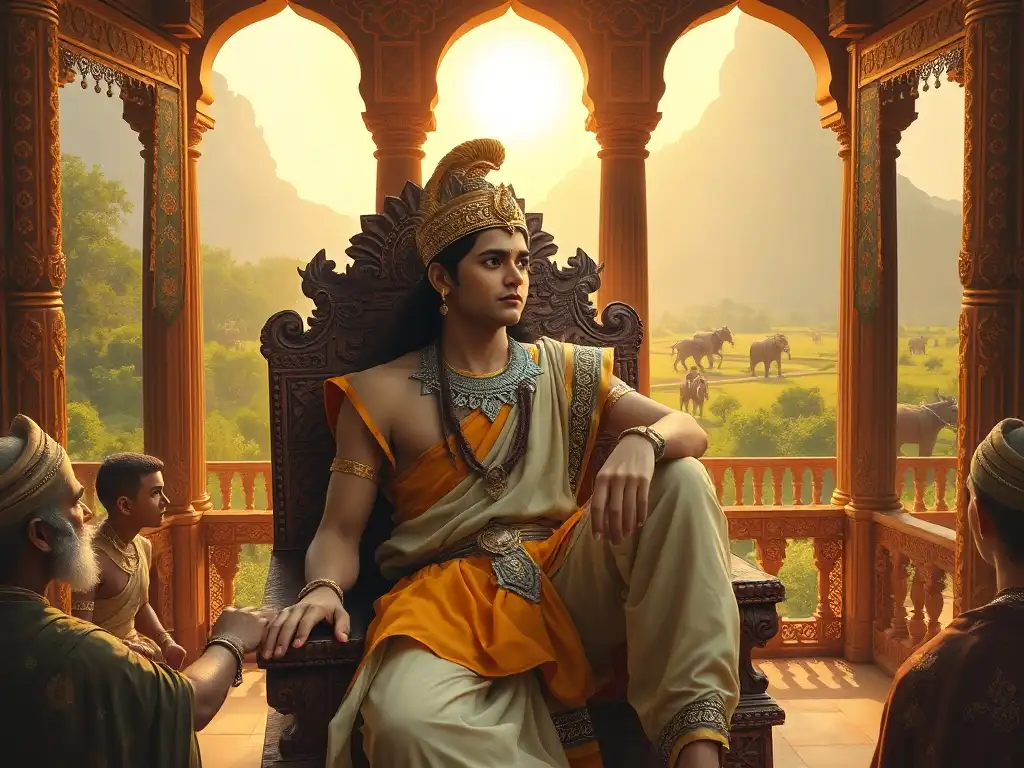
Chandragupta Maurya, the founder of the Maurya Empire, emerged from humble beginnings that significantly shaped his character and ambitions. Born around 340 BCE in Pataliputra (modern-day Patna), his early life was marked by a backdrop of political turmoil and social unrest in the Indian subcontinent. The fragmented nature of local kingdoms and the threat posed by foreign invasions played a critical role in his formative years.
Chandragupta’s early exposure to the conflicts of his time instilled in him a deep-seated desire for unity and power. His lineage, often believed to be connected to the Maurya clan, provided him with a sense of identity that he would later leverage in his quest for sovereignty. The influences of local leaders and the societal dynamics of the Magadha region were pivotal as he navigated his youth, setting the stage for his future endeavors.
Major Events Shaping Chandragupta's Character and Ambitions
Several key events during Chandragupta's youth significantly influenced his character and ambitions. One notable incident was his encounter with a wandering ascetic named Chanakya, who recognized Chandragupta's potential. Chanakya, a learned Brahmin and a former advisor to the Nanda dynasty, became Chandragupta's mentor and instilled in him the principles of leadership and strategy.
Additionally, the constant threat of foreign invasions, particularly from the Macedonian Empire under Alexander the Great, provided a crucial impetus for Chandragupta. Witnessing the instability caused by external pressures fueled his resolve to unify the Indian territories. The socio-political landscape, characterized by rivalry among local rulers and the desire for autonomy, further motivated him to aspire for a significant role in shaping India’s future.
The Role of Alexander the Great's Invasions in Chandragupta's Early Life
The invasions of Alexander the Great in the 4th century BCE had a profound impact on the trajectory of Chandragupta Maurya’s early life. Alexander's campaigns, which reached as far as the northwestern regions of India, disrupted existing power structures and highlighted the vulnerabilities of local kingdoms.
Chandragupta, inspired by the resistance against Alexander, saw an opportunity to assert his ambitions. The chaos generated by the Macedonian conquests served as both a challenge and a catalyst for his rise. As many Indian rulers struggled to fend off the invaders, Chandragupta began to gather support and build an army, aiming to reclaim sovereignty for Indian territories. This period of conflict and upheaval ultimately propelled him toward the path of unification and established his reputation as a formidable leader.
Chandragupta Maurya's Rise to Power
Chandragupta Maurya’s rise to power was marked by strategic maneuvers, strong alliances, and his relentless pursuit of unifying the fragmented Indian states. After establishing a following and gaining military experience, he set his sights on the Nanda dynasty, which dominated the region at the time. His ambitions were not only fueled by personal aspirations but also by a broader vision for a unified India.
Initial Struggles and Challenges Faced by Chandragupta
Chandragupta faced numerous struggles and challenges during his ascent to power. Initially, he had to contend with the might of the Nanda dynasty, which was known for its wealth and military strength. This required meticulous planning and guerrilla tactics, as direct confrontation could have led to devastating losses.
Moreover, securing resources and loyal supporters was essential. Chandragupta had to navigate through a landscape filled with rival factions and local rulers who were unwilling to relinquish their power. His ability to inspire loyalty among his followers, despite these challenges, was a testament to his leadership qualities and strategic acumen.
Key Alliances and Supporters in His Journey
Strategic alliances played a crucial role in Chandragupta Maurya’s rise to power. His partnership with Chanakya was particularly significant; Chanakya's political acumen and knowledge of statecraft were instrumental in devising strategies that would bring down the Nanda dynasty.
In addition to Chanakya, Chandragupta garnered support from local rulers and influential figures who shared his vision of unification. His ability to forge alliances with various factions, including disillusioned Nanda supporters and local chieftains, helped him consolidate power. These alliances not only provided military strength but also legitimacy to his cause, ultimately paving the way for the establishment of the Maurya Empire.
Conclusion: The Foundations of a Future Emperor
Chandragupta Maurya's early life is a tapestry woven with threads of adversity, ambition, and strategic brilliance. Born into a family of modest means, he faced numerous challenges that shaped his character and leadership skills. The formative years spent under the mentorship of figures like Chanakya equipped him with the philosophical and tactical acumen necessary for unifying the fragmented Indian subcontinent. His rise from obscurity to establishing the Maurya Empire marked a significant turning point in Indian history, laying the groundwork for a subsequent era of political stability and cultural flourishing.
Chandragupta's early experiences cultivated not only his military prowess but also his understanding of governance and statecraft. The socio-political conditions of his time, characterized by the decline of the Nanda dynasty and the influence of Alexander the Great, provided him with unique opportunities to seize power and implement reforms that would benefit his subjects. These foundational experiences not only contributed to his personal development but also set the stage for his future conquests and the establishment of a robust administrative framework that would endure for centuries.
Recap of Chandragupta Maurya’s Early Life and Its Historical Significance
Chandragupta Maurya's early life is marked by pivotal events that greatly influenced his future as an emperor. Born around 340 BCE, he grew up in a region that was rife with political turmoil and power struggles. His early exposure to the harsh realities of life as a commoner instilled in him a deep sense of resilience and determination.
One of the most significant aspects of his early life was his alliance with Chanakya, the brilliant strategist and thinker. Following the downfall of Chanakya's patron, the Nanda dynasty, he recognized Chandragupta's potential and took him under his wing. This mentorship was crucial, as Chanakya not only provided Chandragupta with military training but also imbued him with a philosophical approach to leadership. Their collaboration led to the successful overthrow of the Nandas and the establishment of the Maurya Empire, which became a cornerstone of Indian history.
The historical significance of this period cannot be overstated. It was during this time that Chandragupta laid the foundations for a centralized government, which would later be expanded by his grandson, Ashoka. His ability to unify diverse territories and cultures under a single banner marked a new chapter in Indian governance, influencing both political thought and administrative practices in the region for generations to come.
Lasting Legacy of Chandragupta Maurya in Indian History
Chandragupta Maurya’s legacy is a testament to his vision and leadership. His establishment of the Maurya Empire not only paved the way for the unification of India but also introduced significant advancements in administration, economy, and culture. The empire under his rule set a precedent for future rulers, showcasing the importance of strategic alliances, military innovation, and effective governance.
One of the most enduring aspects of his legacy is the Mauryan administrative system. Chandragupta implemented a structured bureaucracy that emphasized efficiency and accountability, principles that are still relevant in modern governance. The empire's economic policies promoted trade and agriculture, contributing to the prosperity of the region.
Moreover, Chandragupta's conversion to Jainism later in life, and his subsequent abdication in favor of his son, exemplified a remarkable shift towards religious tolerance and ethical governance. This transition played a vital role in shaping the spiritual landscape of India, influencing subsequent emperors like Ashoka, who further propagated these ideals.
Chandragupta Maurya's early life and the accomplishments that followed not only shaped his own destiny but also left an indelible mark on Indian history, inspiring future generations and establishing a legacy that continues to be celebrated today.
- Introduction to Chandragupta Maurya
- Historical Context of the Early Life of Chandragupta Maurya
- Family Background and Origins of Chandragupta Maurya
- Early Life Experiences of Chandragupta Maurya
- Key Events in Chandragupta Maurya’s Formative Years
- Chandragupta Maurya's Rise to Power
- Conclusion: The Foundations of a Future Emperor
Frequently Asked Questions
What is the significance of Chandragupta Maurya in ancient India?
Chandragupta Maurya is a pivotal figure in ancient Indian history, known for founding the Maurya Empire and unifying much of India under his rule, marking a significant transition in Indian politics.
What do we know about Chandragupta Maurya's early life?
Chandragupta Maurya's early life is characterized by mystery, with few historical records. He is believed to have been born in a humble background and rose to prominence through his skills and strategic alliances.
How did Chandragupta Maurya establish his empire?
Chandragupta Maurya established his empire by overthrowing the Nanda dynasty, aided by his mentor Chanakya, who provided both political guidance and military strategy, leading to the formation of the Maurya Empire.
What role did Chanakya play in Chandragupta Maurya's life?
Chanakya, also known as Kautilya, was a key mentor and strategist for Chandragupta Maurya, helping him navigate the political landscape and secure his position as a ruler, significantly influencing his early life and decisions.
Why is Chandragupta Maurya considered a visionary leader?
Chandragupta Maurya is regarded as a visionary leader due to his ability to unify various regions of India, implement effective governance, and lay the foundation for a powerful empire, which later thrived under his grandson, Ashoka.
Final Reflection: The Enduring Legacy of Chandragupta Maurya's Early Life
Chandragupta Maurya's early life history is not just a tale of ancient times; it resonates profoundly with our contemporary understanding of leadership, resilience, and the power of strategic thinking. In a world where the complexities of governance and societal structures continue to evolve, the lessons drawn from Chandragupta's formative years remind us that the foundations of great leadership are often laid in the crucible of adversity and ambition. His journey from obscurity to the throne of a vast empire serves as a striking reminder that greatness can emerge from humble beginnings.
Cultural narratives surrounding Chandragupta Maurya have significantly shaped our understanding of leadership and governance throughout history. His story continues to inspire countless individuals, highlighting the importance of vision and determination. As we navigate our own challenges, we can draw parallels to his life, which teaches us that the path to success is often fraught with obstacles. The greatest glory in living lies not in never falling, but in rising every time we fall.
This quote encapsulates the essence of Chandragupta's journey, emphasizing that resilience is key to overcoming life's hurdles.
As you reflect on the insights gained from Chandragupta Maurya's early life, consider how these lessons can be applied in your own journey. Embrace the challenges you face, learn from your experiences, and strive to cultivate the qualities of a great leader.
The legacy of Chandragupta Maurya is not merely a historical account; it is an invitation to each of us to harness our potential, rise above our circumstances, and contribute meaningfully to our communities and the world at large. Let his story inspire you to forge your own path, grounded in the wisdom of the past and the promise of the future.
Discover the Secrets of Chandragupta Maurya’s Rise!
Thank you for diving into the fascinating early life of Chandragupta Maurya with us! We hope you found valuable insights that enrich your understanding of this legendary figure in ancient Indian history.
Now it's time to put that knowledge into action! Here are some exciting steps you can take to further explore and engage with this remarkable era:
- Dive deeper into history by reading additional articles on Chandragupta and his era. Discover other influential figures and events that shaped the Mauryan Empire.
- Share your newfound knowledge with friends or in relevant online communities! Discuss how Chandragupta’s leadership principles can inspire modern leadership styles.
- Join a local history group or online forum to connect with fellow history enthusiasts. You can share insights and explore various perspectives on ancient Indian history together.
What aspect of Chandragupta Maurya’s life resonates with you the most, and how do you think it can influence our understanding of leadership today?