
Exploring Ancient India: Top 7 Historical Sites for an Unforgettable Luxury Experience

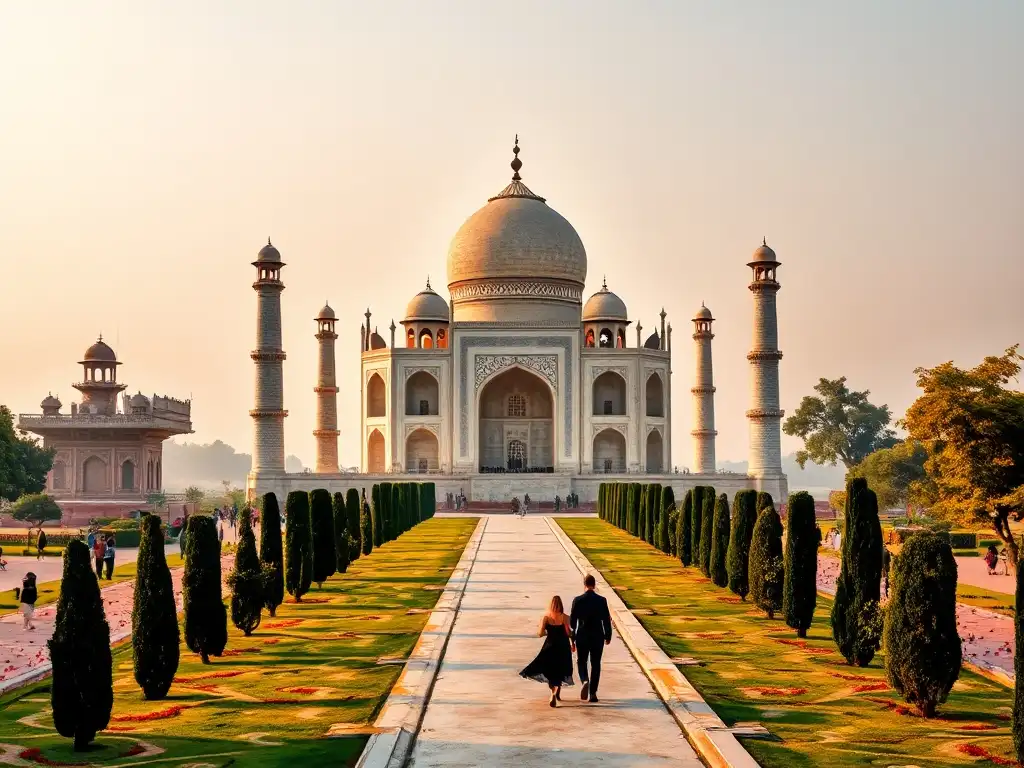
Welcome to Ancient India History, where we embark on a captivating journey through the rich tapestry of India's past. Delve into the opulence of luxury historical sites in India that beckon travelers with tales of grandeur and splendor. From the magnificent forts to the serene palaces, each destination offers a glimpse into the luxurious lifestyles once enjoyed by ancient civilizations.
Are you ready to uncover the top 7 historical sites that promise not just a trip through time but an unforgettable experience? Join us as we explore the extraordinary legacies of the Indus Valley to the Gupta Empire, and let your adventure begin!
- Exploring Ancient India: Top 7 Luxury Historical Sites for an Unforgettable Experience
- 1. The Majestic Taj Mahal: A Symbol of Love and Luxury
- 2. Jaipur’s Amber Fort: A Royal Experience
- 3. Hampi: The Lost City of the Vijayanagara Empire
- 4. The Magnificent Khajuraho Temples: Art and Architecture
- 5. Qutub Minar: A Marvel of Indo-Islamic Architecture
- 6. The Enigmatic Ajanta and Ellora Caves: Ancient Wonders
- 7. The Timeless Fatehpur Sikri: An Abandoned City
- Frequently Asked Questions
- Final Reflection: Embracing the Luxury of India's Rich Heritage
- Embark on Your Luxurious Journey Through Ancient India!
Exploring Ancient India: Top 7 Luxury Historical Sites for an Unforgettable Experience
Introduction to Luxury Historical Sites in India
India's history is a tapestry woven from the threads of various ancient civilizations, each contributing to the rich cultural heritage that the country is renowned for today. From the sophisticated urban planning of the Indus Valley Civilization to the architectural marvels of the Gupta Empire, these historical sites offer not only a glimpse into the past but also a luxurious experience for travelers seeking a deeper understanding of India's legacy.
As you embark on a journey to explore these luxury historical sites in India, prepare to be captivated by their majestic architecture, intricate art, and the stories that echo through time. Whether it’s indulging in opulent accommodations or savoring gourmet dining experiences, these sites provide a unique blend of history and luxury that is sure to leave an indelible mark on your travel memories.
In this article, we will guide you through the top 7 luxury historical sites in India, each offering a distinctive experience that combines the grandeur of ancient civilizations with modern comforts. From palatial hotels set in historic forts to serene retreats near archaeological wonders, let’s delve into the extraordinary offerings that await you in this land of rich history and cultural diversity.
Get ready to embark on a journey where history meets luxury, as we unveil the treasures of ancient India that promise an unforgettable experience!
1. The Majestic Taj Mahal: A Symbol of Love and Luxury
History and Cultural Importance of the Taj Mahal
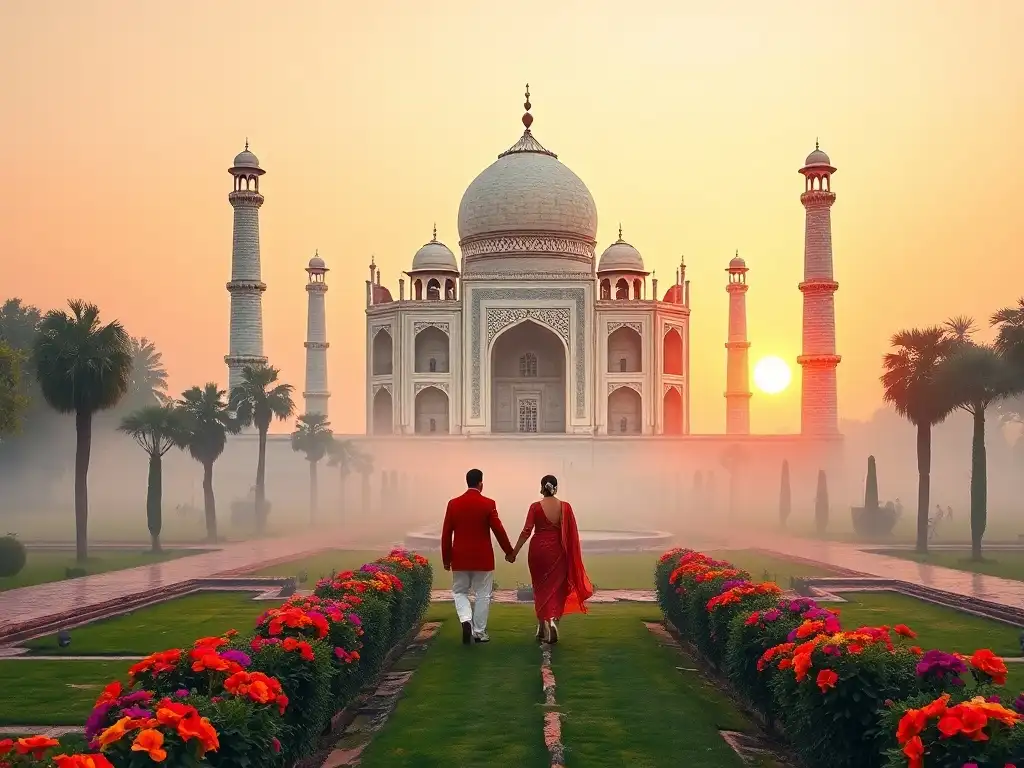
The Taj Mahal, an epitome of beauty and architectural brilliance, was commissioned in 1632 by Mughal Emperor Shah Jahan in memory of his beloved wife, Mumtaz Mahal. This UNESCO World Heritage Site is not only a mausoleum but also a profound symbol of love that has captivated hearts for centuries. Crafted from white marble, the Taj Mahal showcases intricate carvings and inlay work featuring semi-precious stones, reflecting the zenith of Mughal architecture.
The significance of the Taj Mahal extends beyond its aesthetic appeal; it represents the rich cultural fusion of Persian, Islamic, and Indian architectural styles. The grandeur of the structure is complemented by its meticulously landscaped gardens, symbolic water channels, and serene reflecting pools. The site attracts millions of visitors annually, who come to admire its beauty and to learn about the poignant love story that inspired its creation.
The architectural marvel is a reflection of the era's advanced engineering techniques, including the use of an acoustic design that enhances sound quality within the mausoleum. Its construction involved thousands of artisans and craftsmen from various regions, showcasing the collaborative spirit of ancient Indian society.
Luxury Experiences Available
Visiting the Taj Mahal offers an array of luxury experiences that elevate your journey to this historical site, ensuring an unforgettable trip. Here are some options to consider:
-
Private Guided Tours
Experience the Taj Mahal with a personal guide who can provide in-depth knowledge about its history and architecture. These tours often include:
- Skip-the-line access to avoid the crowds.
- Tailored itineraries that may include visits to nearby attractions like Agra Fort.
-
Luxury Accommodations
Stay at opulent hotels that offer stunning views of the Taj Mahal. Some renowned options include:
- The Oberoi Amarvilas: Known for its world-class service and breathtaking views of the monument.
- ITC Mughal: A luxurious resort that combines Mughal architecture with modern amenities.
-
Exclusive Dining Experiences
Indulge in fine dining options with views of the Taj Mahal at sunset. Restaurants often feature:
- Specialty Mughlai cuisine prepared by top chefs.
- Private dining arrangements for a romantic experience.
-
Photography Sessions
Capture the beauty of the Taj Mahal with a professional photographer. Options include:
- Early morning sessions to avoid crowds and enjoy the sunrise.
- Evening shoots that showcase the monument's stunning illumination.
-
Wellness and Spa Packages
Many luxury hotels near the Taj Mahal offer spa services that blend traditional Indian wellness practices with contemporary treatments. Services may include:
- Ayurvedic massages.
- Yoga sessions overlooking the gardens of the Taj Mahal.
By incorporating these luxury experiences into your visit, you not only explore the historical significance of the Taj Mahal but also relish in the opulence and comfort that make for a truly memorable journey.
2. Jaipur’s Amber Fort: A Royal Experience
Exploring the Amber Fort’s Rich History
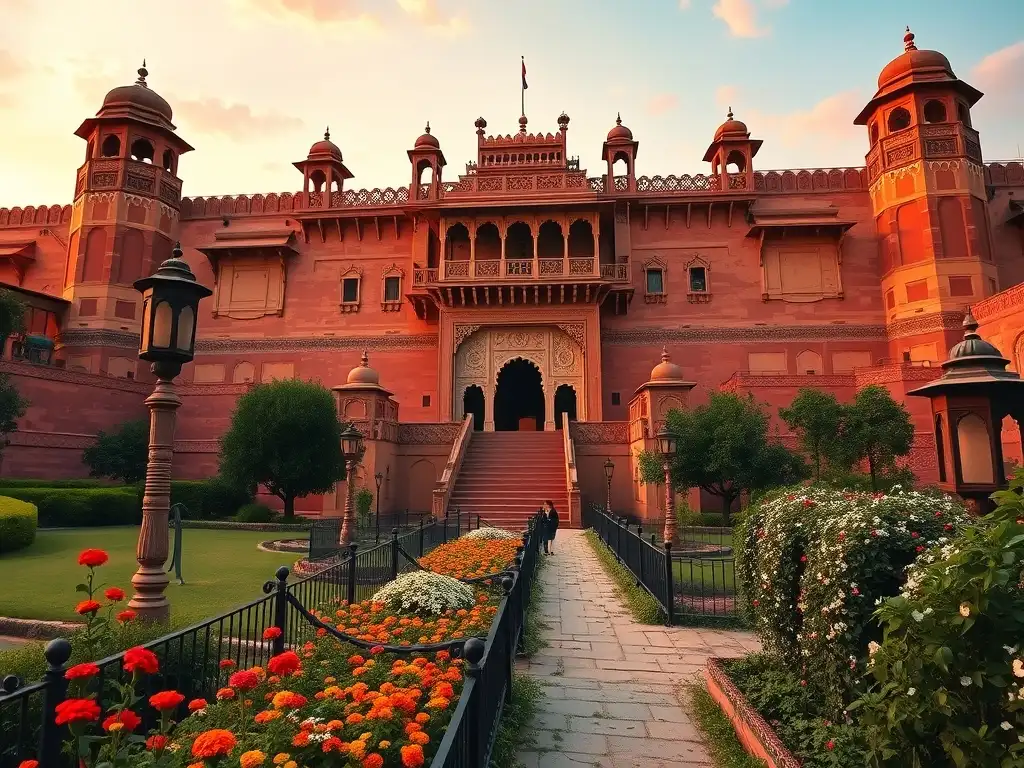
Amber Fort, one of the most magnificent luxury historical sites in India, is a stunning example of Rajput architecture and royal heritage. Constructed in the late 16th century by Raja Man Singh I, the fort is built from red sandstone and marble, embodying the grandeur of the era. The fort's strategic location on a hilltop overlooks Maota Lake, providing breathtaking views that enhance its majestic aura.
The fort's intricate carvings, expansive courtyards, and lush gardens tell the story of a bygone era, where kings and queens resided in opulence. Notably, the fort features several significant structures, including the Diwan-e-Aam (Hall of Public Audience) and the Diwan-e-Khas (Hall of Private Audience), showcasing the architectural ingenuity and artistic brilliance of ancient Indian craftsmen.
One of the fort's highlights is the Sheesh Mahal (Mirror Palace), adorned with countless mirrors that create a mesmerizing reflection of light, symbolizing the lavish lifestyle of the royal family. Visitors can explore the fort’s history through guided tours, which delve into fascinating anecdotes about its rulers, battles, and cultural significance.
Luxury Activities at Amber Fort
Visiting Amber Fort is not just an exploration of history; it offers a plethora of luxury activities that elevate the experience. Here are some of the most indulgent options available:
- Private Guided Tours: Enhance your visit with a personalized guide who can provide in-depth knowledge about the fort's history, architecture, and legends, ensuring a richer understanding of this historical gem.
- Elephant Rides: Experience a regal ascent to the fort on an elephant, an activity that reflects the traditional means of transport used by royals. This unique experience adds a touch of luxury and nostalgia to your visit.
- Candlelight Dinner: For an unforgettable romantic evening, consider booking a candlelight dinner at one of the fort's scenic viewpoints. Surrounded by the fort's grandeur and twinkling lights of Jaipur, this dining experience is truly exceptional.
- Photography Sessions: Capture the beauty of Amber Fort with a professional photography session. The fort’s stunning architecture and panoramic views provide the perfect backdrop for lasting memories.
- Cultural Shows: Attend traditional performances held at the fort, showcasing local music and dance. These shows offer a glimpse into the vibrant culture of Rajasthan, enriching your cultural experience.
- Spa Treatments: For those seeking relaxation, nearby luxury hotels offer spa services that incorporate traditional Indian wellness practices. Enjoy a rejuvenating massage or treatment after a day of exploration.
- Shopping for Artifacts: Explore the local craftsmanship by shopping for exquisite handicrafts, textiles, and jewelry inspired by the fort's rich heritage. Supporting local artisans adds a meaningful touch to your luxury experience.
Amber Fort not only serves as a portal to the past but also integrates luxury seamlessly into the exploration of its historical significance, making it a must-visit destination for those seeking luxury historical sites in India.
3. Hampi: The Lost City of the Vijayanagara Empire
Historical Significance of Hampi
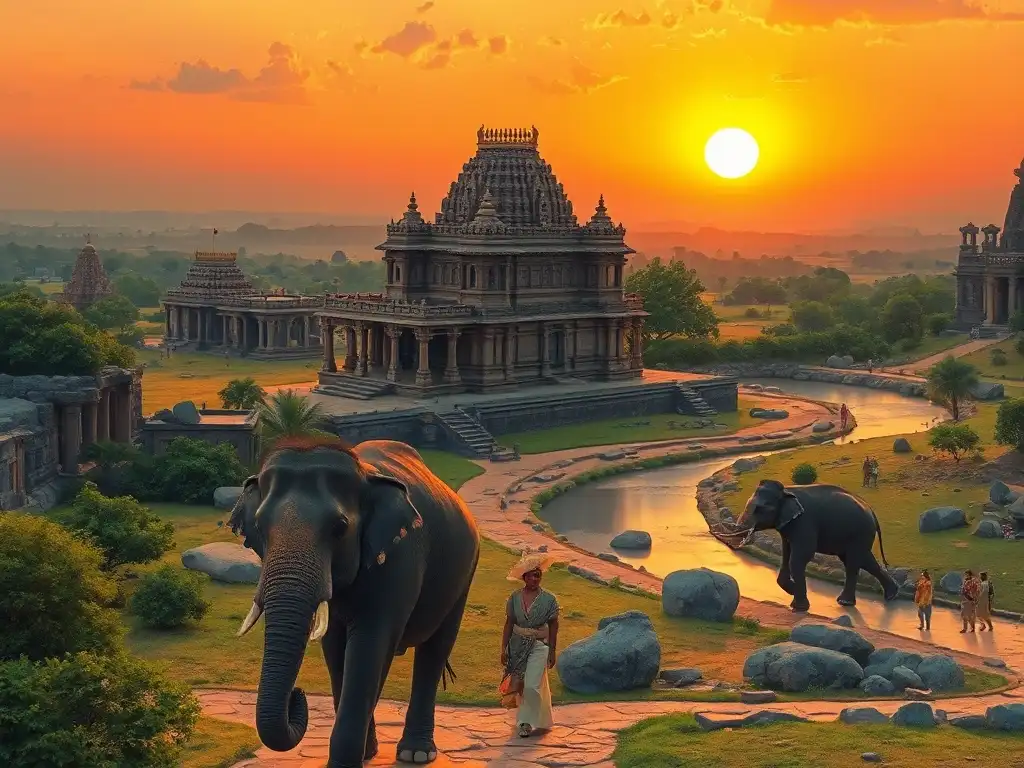
Hampi, once the capital of the Vijayanagara Empire, is a UNESCO World Heritage Site that offers a glimpse into the opulent past of ancient India. Dating back to the 14th century, Hampi was a bustling metropolis renowned for its architectural grandeur, thriving trade, and cultural richness. The city is dotted with over 1,600 remnants of temples, palaces, and market streets, showcasing exquisite Dravidian architecture.
One of the most notable landmarks is the Virupaksha Temple, dedicated to Lord Shiva, which has been an active place of worship for centuries. The intricate carvings and towering gopuram (gateway) are testaments to the artistic prowess of its builders. Additionally, the Vijaya Vittala Temple is famous for its iconic stone chariot and musical pillars, which produce melodic sounds when struck.
Hampi's significance extends beyond architecture; it was a melting pot of cultures, attracting traders from Persia, Portugal, and beyond. The city played a critical role in the spice and textile trade, making it a key player in the economy of the time. The remnants of the Royal Enclosure, with its royal platforms and watchtowers, provide insight into the administrative and ceremonial functions of the empire.
Hampi's landscape, characterized by its unique boulder-strewn hills and lush greenery, adds to its historical charm, making it a captivating destination for travelers seeking to immerse themselves in ancient history while enjoying a luxurious experience.
Luxurious Stay Options in Hampi
Hampi may be steeped in history, but it also offers a range of luxurious accommodations that allow visitors to unwind in style after a day of exploration. Here’s a selection of top luxurious stay options in Hampi:
-
Evolve Back, Hampi
Nestled among the ruins, this resort is designed to reflect the grandeur of the Vijayanagara Empire. Guests can indulge in lavish villas, each featuring private plunge pools and stunning views of the surrounding landscape. The resort offers a range of amenities, including a spa that provides traditional Indian wellness treatments.
-
Kishkinda Heritage Resort
This resort combines luxury with a rustic charm, offering well-appointed cottages that are inspired by local architecture. With its extensive gardens and outdoor pools, guests can relax in tranquility. The resort also provides guided tours of the nearby historical sites, making it a perfect base for exploration.
-
Hampi's Boulders
For a unique experience, Hampi's Boulders offers luxury accommodations amidst nature. This eco-friendly resort features villas and cottages that blend seamlessly with the rocky terrain. Guests can enjoy personalized service, gourmet dining, and activities like rock climbing and nature walks.
-
Heritage Resort Hampi
Located close to the major attractions, this resort offers a blend of luxury and convenience. With spacious rooms and a host of amenities, including a swimming pool and restaurant, it provides a comfortable stay. The resort's staff can assist in organizing day trips to the historical sites, ensuring a seamless experience.
In Hampi, visitors can not only explore the vestiges of a glorious past but also enjoy modern comforts that elevate their historical journey to a luxurious adventure. With stunning accommodations and rich cultural experiences, Hampi stands out as one of the premier luxury historical sites in India.
4. The Magnificent Khajuraho Temples: Art and Architecture
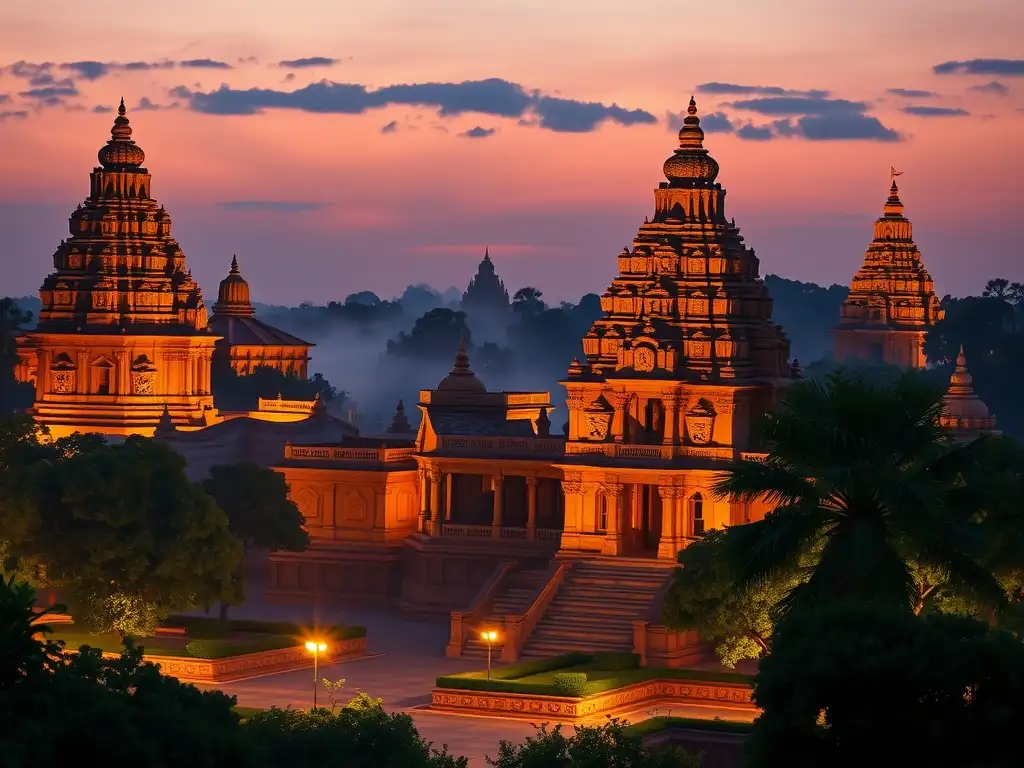
The Khajuraho Temples, a UNESCO World Heritage Site, are a stunning testament to the artistic and architectural brilliance of ancient India. Built between 950 and 1050 AD during the reign of the Chandela dynasty, these temples house intricate sculptures and carvings that depict various themes, including mythology, nature, and eroticism.
Understanding the Temples’ Cultural Legacy
The cultural legacy of the Khajuraho Temples extends far beyond their aesthetic appeal. These temples are not merely places of worship; they encapsulate the spiritual, social, and artistic ethos of their time. The temples are divided into three groups:
- Western Group: The most famous, including the Kandariya Mahadeva Temple, dedicated to Lord Shiva, known for its towering spire and detailed sculptures.
- Eastern Group: Primarily dedicated to Jain Tirthankaras, featuring temples like the Adinath Temple, showcasing the Jain faith's artistic expressions.
- Southern Group: Lesser-known but equally impressive, including the Duladeo Temple, noted for its exquisite carvings.
The sculptures of Khajuraho are renowned for their intricate detail and variety, portraying not only divine beings but also everyday life, music, dance, and more. These artworks reflect the social structure and cultural practices of the time, offering insights into the values and beliefs of ancient Indian society.
As a microcosm of Indian culture, the Khajuraho Temples illustrate the acceptance and celebration of sensuality and spirituality, which were intertwined in the societal norms of that era. The temples stand as a cultural bridge between the past and present, inviting visitors to explore the depth of ancient Indian civilization.
Luxury Experiences in Khajuraho
Visiting the Khajuraho Temples offers a unique opportunity to experience luxury travel intertwined with rich history. Below are some of the luxurious experiences available to travelers:
- Stay at High-End Resorts:
- Properties like the The Lalit Temple View Khajuraho provide opulent accommodations with stunning views of the temples, offering a perfect blend of modern luxury and historical ambiance.
- Guided Private Tours:
- Engage in personalized tours led by knowledgeable guides who can provide deeper insights into the historical context and significance of the temples. These tours often include exclusive access to certain areas, allowing for a more intimate experience.
- Culinary Experiences:
- Enjoy gourmet dining at local high-end restaurants that offer a fusion of traditional Indian cuisine and contemporary flavors, often with views of the temples at sunset, enhancing the dining experience.
- Wellness Retreats:
- Participate in wellness programs and spa treatments that draw on ancient Indian traditions, available at luxury resorts, providing relaxation and rejuvenation amid the historical backdrop.
- Cultural Performances:
- Attend dance performances and cultural shows that celebrate the heritage of Khajuraho, often held in picturesque settings that further enhance the luxury experience.
The Khajuraho Temples not only offer a glimpse into the artistic and cultural legacy of ancient India but also provide a platform for travelers to indulge in luxurious experiences that honor this rich history. Whether it’s through exquisite accommodations, private tours, or culinary delights, the temples of Khajuraho promise an unforgettable journey into the past.
5. Qutub Minar: A Marvel of Indo-Islamic Architecture
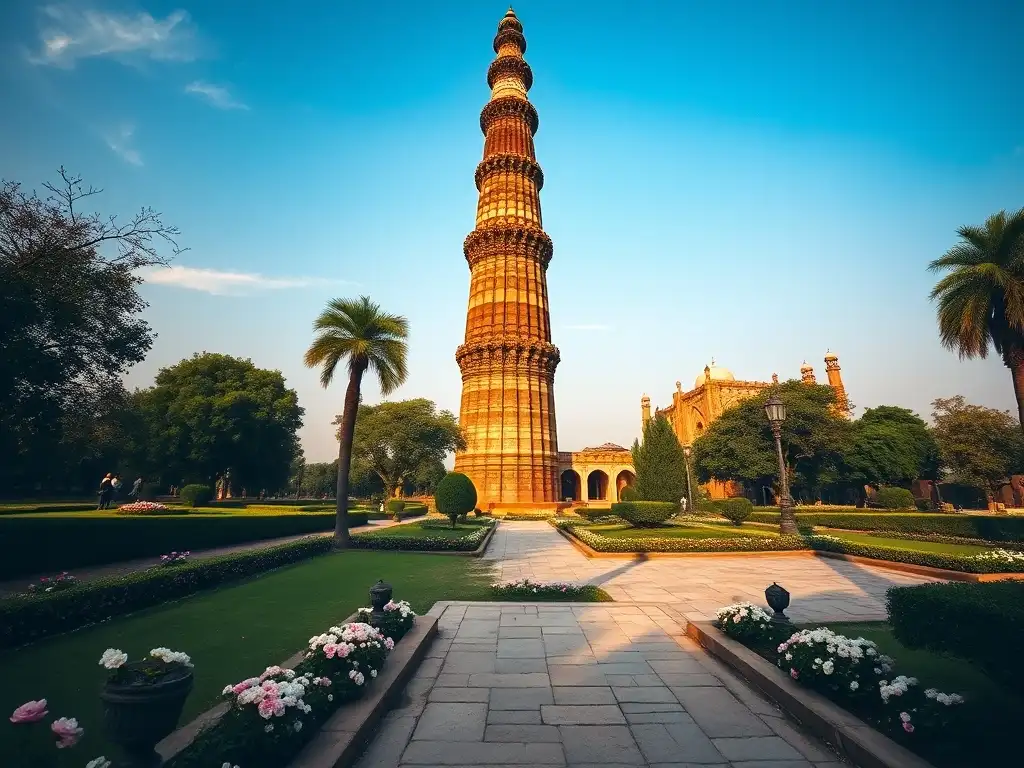
Historical Context of Qutub Minar
Qutub Minar, standing tall at 73 meters, is not just the tallest brick minaret in the world but also a stunning example of Indo-Islamic architecture. Constructed in the 12th century, this UNESCO World Heritage Site in Delhi was commissioned by Qutb al-Din Aibak, the founder of the Delhi Sultanate, as a victory tower to commemorate the Muslim conquests in India. The tower's intricate carvings and inscriptions reflect the rich cultural synthesis of Hindu and Islamic influences prevalent during this period.
The Qutub Minar complex includes several other historically significant structures, such as the Quwwat-ul-Islam Mosque and the Iron Pillar of Delhi, which is renowned for its rust-resistant composition. These architectural marvels provide insight into the technological advancements and artistic achievements of the time, making Qutub Minar an essential destination for history enthusiasts and luxury travelers alike.
Deluxe Tours and Experiences
Visiting Qutub Minar offers a unique opportunity to experience the grandeur of ancient architecture combined with modern luxury. Several premium tour operators provide exclusive packages that cater to discerning travelers, ensuring a memorable visit. Here are some of the deluxe experiences you can indulge in:
- Private Guided Tours: Enjoy personalized attention from knowledgeable guides who can provide in-depth insights into the history and architecture of the site. These tours often include skip-the-line access, allowing you to explore without the crowds.
- Cultural Performances: Some luxury packages offer the chance to witness traditional music and dance performances set against the backdrop of Qutub Minar at sunset, creating a magical atmosphere.
- Luxury Dining: Indulge in gourmet meals at high-end restaurants nearby, where you can savor exquisite Indian cuisine while enjoying stunning views of the minaret.
- Photography Sessions: Capture the beauty of Qutub Minar with professional photography sessions that highlight the intricate details of the monument and its surroundings.
- Wellness Retreats: Combine your historical exploration with relaxation by participating in wellness retreats or spa experiences offered by luxury hotels in the vicinity, allowing you to unwind after a day of sightseeing.
By choosing to explore Qutub Minar, you not only witness an architectural wonder but also immerse yourself in the luxurious experiences that make visiting this historical site truly unforgettable.
6. The Enigmatic Ajanta and Ellora Caves: Ancient Wonders
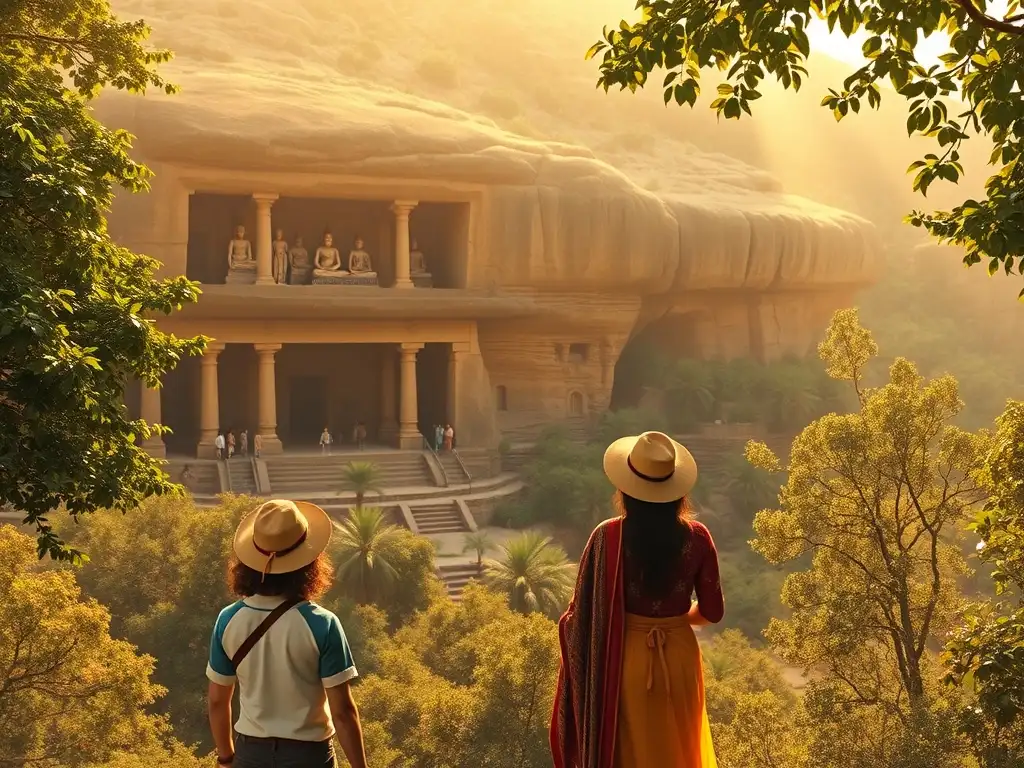
The Ajanta and Ellora Caves, located in the state of Maharashtra, India, are remarkable examples of ancient rock-cut architecture and artistry. These UNESCO World Heritage Sites, famed for their intricate sculptures, frescoes, and significant historical value, attract luxury travelers seeking a blend of opulence and rich cultural experiences. The caves date back to as early as the 2nd century BCE, with Ajanta comprising 30 caves and Ellora showcasing 34, each reflecting the artistic and spiritual evolution of ancient India.
Exploring the History of Ajanta and Ellora
The Ajanta Caves are celebrated for their stunning murals and sculptures that depict the life of Buddha, as well as Jataka tales illustrating his previous incarnations. These caves were excavated in a horseshoe-shaped cliff, and their isolation allowed for the preservation of intricate frescoes that are considered masterpieces of Buddhist art. The earliest caves, notably Cave 1 and Cave 2, showcase the flourishing of Buddhist culture during the Gupta period, demonstrating the era's artistic and architectural prowess.
Conversely, the Ellora Caves are unique for their coexistence of three religious traditions: Buddhism, Hinduism, and Jainism. The most famous of these is the Kailasa Temple (Cave 16), which is an engineering marvel carved from a single rock, showcasing the grandeur of 8th-century Indian craftsmanship. This temple is dedicated to Lord Shiva and features a massive monolithic sculpture of the deity, surrounded by intricate depictions of deities and mythical beings.
Both sites played a significant role in the dissemination of religious thought and artistic expression in ancient India. The caves served as monastic retreats, educational centers, and pilgrimage sites, attracting scholars and devotees alike. Their historical significance is further enhanced by the inscriptions and carvings that provide insights into the socio-economic landscape of ancient India.
Luxury Travel Experiences
Visiting the Ajanta and Ellora Caves offers a plethora of luxury travel experiences that seamlessly integrate comfort with cultural immersion. Here are some highlights:
- Exclusive Guided Tours: Engage in private guided tours led by expert historians who provide in-depth knowledge about the caves’ history, art, and architecture. These tours ensure a personalized experience, allowing travelers to explore the caves at their own pace.
- Luxury Accommodations: Stay at opulent resorts nearby, such as the Amanbagh or Vivanta Aurangabad, which offer lavish amenities, spa treatments, and gourmet dining options. These hotels are designed to provide a serene retreat, complemented by stunning views of the surrounding landscape.
- Cultural Evenings: Participate in curated cultural evenings featuring performances of traditional Indian music and dance, enhancing the overall experience of exploring the caves.
- Helicopter Tours: For a unique perspective, consider booking a helicopter tour that provides a bird's-eye view of the caves and surrounding areas, highlighting the stunning topography and historical significance of the sites.
- Gastronomic Delights: Indulge in fine dining experiences that showcase regional cuisine, often prepared by renowned chefs who emphasize local ingredients and traditional cooking techniques.
By blending rich history with luxury, the Ajanta and Ellora Caves create an unforgettable experience for travelers seeking to connect with India's ancient heritage while enjoying contemporary comforts.
7. The Timeless Fatehpur Sikri: An Abandoned City
Historical Background of Fatehpur Sikri
Fatehpur Sikri, located just 40 kilometers from Agra, is a UNESCO World Heritage Site that stands as a remarkable testament to Mughal architecture and history. Built in the late 16th century by Emperor Akbar, this city was initially intended to serve as the Mughal capital. The construction began in 1571 and was completed in 1573, with the city flourishing for a period of roughly 14 years before it was abandoned.
The layout of Fatehpur Sikri is notable for its extensive use of red sandstone, intricate carvings, and a blend of Islamic, Hindu, and Persian architectural styles. The city was strategically designed to reflect Akbar's vision of a syncretic culture. Key structures include the Buland Darwaza, an imposing gateway symbolizing Akbar's victory over Gujarat, and the Jama Masjid, which showcases exquisite Mughal artistry.
The decline of Fatehpur Sikri was largely due to a shortage of water in the area, leading Akbar to move his court back to Lahore. Despite its abandonment, the site remains one of the best-preserved examples of Mughal urban planning and architecture, providing a glimpse into the grandeur of the era.
Luxury Experiences at Fatehpur Sikri
Visiting Fatehpur Sikri offers more than just a historical excursion; it provides a unique luxury experience that combines culture, comfort, and exclusivity. Here are several ways to indulge in luxury while exploring this magnificent site:
- Private Guided Tours:
- Opt for a personalized tour with a knowledgeable guide who can share in-depth stories and insights about each architectural marvel.
- These tours often include access to areas that are less frequented by regular tourists, allowing for a more intimate experience.
- Luxury Accommodations:
- Stay at nearby luxury hotels that offer opulent amenities and services. For instance, the ITC Mughal, inspired by Mughal architecture, provides lavish rooms and a serene environment.
- Many hotels offer packages that include guided tours to Fatehpur Sikri, ensuring a seamless travel experience.
- Cultural Experiences:
- Engage in exclusive cultural performances that showcase traditional music and dance, often held in the shadow of the majestic structures.
- Participate in workshops that feature Mughal art and craft, providing a hands-on experience of the cultural heritage.
- Gastronomic Delights:
- Savor gourmet meals that blend Mughal-inspired cuisine with modern culinary techniques at upscale restaurants in the area.
- Some establishments offer a dining experience amidst the ruins, allowing guests to relish exquisite dishes while enjoying panoramic views of the historical site.
- Photography Sessions:
- Arrange for a professional photoshoot to capture the beauty of Fatehpur Sikri in a luxurious manner. The stunning backdrops of the red sandstone structures make for breathtaking photographs.
Incorporating these luxury experiences into your visit to Fatehpur Sikri ensures a memorable journey that honors the rich historical significance of the site while indulging in comfort and exclusivity.
Conclusion: Choosing the Right Luxury Historical Site in India
When planning your travels to explore India's rich historical heritage, selecting the right luxury historical site is crucial for an unforgettable experience. Fatehpur Sikri, with its architectural splendor and historical significance, stands out as a premier destination.
Consider the following when choosing your luxury historical site:
- Accessibility: Ensure that the site is easily reachable from major cities and has well-connected transport options.
- Amenities: Look for nearby accommodations that offer luxury services and facilities tailored to your comfort.
- Cultural Richness: Opt for sites that provide opportunities for immersive cultural experiences, allowing you to connect deeply with the history and traditions of the area.
- Unique Offerings: Seek out locations that provide exclusive tours and experiences, enhancing your visit beyond the typical tourist attractions.
Fatehpur Sikri encapsulates all these elements, making it a top choice among luxury historical sites in India. Whether you're a history enthusiast or seeking a lavish getaway, this abandoned city promises a journey through time that combines elegance with rich cultural heritage.
Call to Action: Plan Your Luxury Journey Through Ancient India
Embarking on a journey through the luxurious historical sites of ancient India promises an experience that blends opulence with rich cultural heritage. Whether you're wandering through the majestic palaces of Fatehpur Sikri or exploring the intricate carvings of ancient temples, each step is steeped in history and grandeur.
To ensure that your visit is nothing short of extraordinary, consider the following steps to plan your luxury journey:
- Choose the Right Time to Visit: The best time to explore these ancient sites is during the cooler months, from October to March. This period not only enhances your comfort but also allows you to fully appreciate the beauty of the sites without the sweltering heat.
- Select Luxury Accommodations: Opt for hotels and resorts that offer a blend of modern amenities and traditional charm. Many luxury hotels are located near historical sites, providing easy access while ensuring a comfortable stay. Look for properties that offer guided tours or packages specifically designed for exploring the cultural landmarks.
- Hire Expert Guides: Engaging knowledgeable guides can enrich your experience. They provide insights into the history and significance of the sites, making your visit more informative and engaging. Look for private tours that cater to your interests and offer personalized service.
- Indulge in Local Cuisine: Don’t miss the opportunity to savor authentic Indian cuisine during your travels. Many luxury hotels offer fine dining options where you can explore regional specialties. Consider booking meals at renowned restaurants that focus on traditional recipes to enhance your culinary experience.
- Plan for Cultural Experiences: Incorporate cultural experiences into your itinerary, such as traditional dance performances, art workshops, or local festivals. These activities can provide a deeper understanding of the region’s heritage and enhance your luxury travel experience.
- Capture the Moments: Make sure to document your journey through photographs. The stunning architecture and beautiful landscapes of ancient sites like Fatehpur Sikri provide perfect backdrops for memorable snapshots.
- Travel Responsibly: As you explore these historical treasures, remember to respect the local culture and heritage. Engage with local communities and consider supporting conservation efforts to preserve these sites for future generations.
By following these steps, you can create a luxurious travel experience that combines comfort with the exploration of ancient India's rich history. So, pack your bags, prepare your itinerary, and get ready to immerse yourself in the timeless grandeur of ancient Indian civilization! 🌏✨
Frequently Asked Questions
What are the top luxury historical sites in India?
The top luxury historical sites include the Taj Mahal, Jaipur's City Palace, and Hampi. Each site offers a unique blend of rich history and opulent experiences.
How can I experience luxury at these historical sites?
Visitors can enjoy exclusive guided tours, stay in heritage hotels, and indulge in fine dining that highlights the local cuisine while exploring the historical sites.
Are there any specific luxury accommodations near these sites?
Yes, many sites offer luxury accommodations such as palace hotels and resorts that provide exceptional service and amenities tailored to enhance your historical experience.
What is the best time to visit these luxury historical sites?
The ideal time to visit is during the winter months (October to March) when the weather is pleasant for sightseeing and enjoying outdoor activities at these historical locations.
Do these sites offer guided tours?
Most luxury historical sites offer guided tours led by knowledgeable experts, providing insights into the cultural significance and architectural marvels of each location.
Final Reflection: Embracing the Luxury of India's Rich Heritage
In a world where the past often feels overshadowed by the present, the exploration of luxury historical sites in India serves as a poignant reminder of our cultural roots and the opulence that once defined civilizations. Today, as we seek experiences that transcend mere tourism, these sites offer a unique blend of history, artistry, and luxury, inviting us to immerse ourselves in the grandeur of ancient India. The allure of these destinations is not just in their architectural magnificence but also in the stories they tell—stories that resonate with our contemporary quest for authenticity and connection.
The impact of these historical sites extends far beyond their physical presence; they shape our understanding of identity, heritage, and luxury. As we navigate through the remnants of palaces, forts, and temples, we are reminded of the intricate tapestry of cultures that have flourished in this land. Each visit becomes a personal journey, allowing us to reflect on our own lives in relation to the vast narratives of the past. The past is never dead. It's not even past.
— William Faulkner. This quote encapsulates the essence of our engagement with history, urging us to recognize that the echoes of ancient civilizations continue to influence our modern existence.
As you consider your next travel adventure, I invite you to reflect on the lessons embedded within these luxurious historical sites. Let them inspire you to seek not just beauty and comfort, but also a deeper understanding of the world around you. Embrace the opportunity to connect with the stories of those who walked these paths before us, and allow their legacies to enrich your own journey. In doing so, you not only honor the past but also cultivate a more profound appreciation for the present and the future that lies ahead.
Embark on Your Luxurious Journey Through Ancient India!
Thank you for taking the time to explore the rich tapestry of Ancient India's historical sites with us! We hope you feel inspired by the stories and experiences waiting to unfold in these magnificent places. Now, it's time to turn that inspiration into action!
- Plan your next trip to one of the featured sites and indulge in a luxurious stay that connects you to history.
- Sign up for exclusive guided tours that offer unique insights and behind-the-scenes access to these captivating locations.
- Share your discoveries with friends or on social media, sparking curiosity and encouraging others to appreciate the grandeur of Ancient India.
Which ancient site are you most excited to explore that will make your journey truly unforgettable?