
Exploring the Role of Religion in Indus Valley Art and Architecture

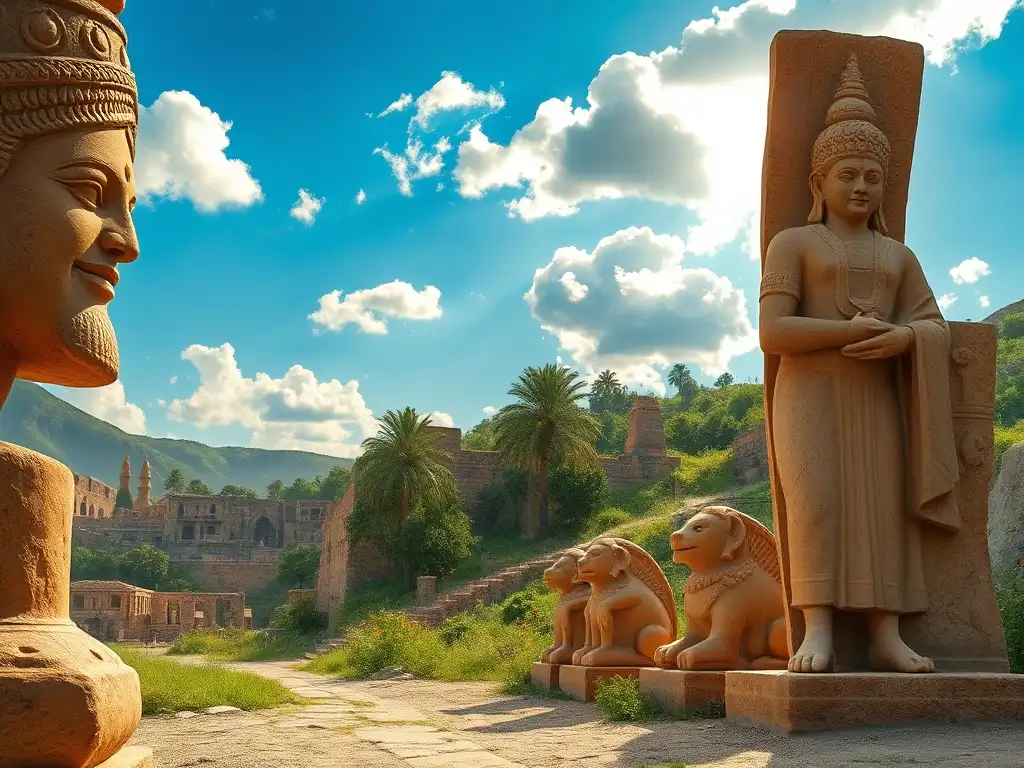
Welcome to Ancient India History, where we embark on a compelling journey through the rich tapestry of ancient Indian civilizations. Here, we delve into the fascinating intersections of culture, art, and spirituality that shaped an era. In our featured article, "Exploring the Role of Religion in Indus Valley Art and Architecture," we uncover the profound influence of religion on the artistic expressions of the Indus Valley civilization.
What secrets do these ancient artworks hold? Join us as we unravel the mysteries that lie within, and prepare to be captivated by the depth and diversity of ancient India's legacy. Your adventure into the past begins now!
Introduction to Religion in Indus Valley Art
The Indus Valley Civilization, one of the world's earliest urban cultures, flourished around 2500 BCE in what is now modern-day Pakistan and northwest India. This remarkable civilization is renowned for its advanced city planning, sophisticated drainage systems, and impressive architectural feats. However, a crucial aspect that often remains underexplored is the role of religion in shaping the art and architecture of the Indus Valley. Religion in Indus Valley art served not only as a reflection of spiritual beliefs but also as a means of social cohesion and cultural identity among its inhabitants.
Archaeological findings, including seals, figurines, and ritualistic structures, provide valuable insights into the religious practices of the time. The imagery found in these artifacts often depicts deities, animals, and symbols that suggest a complex pantheon and rituals that may have been integral to the daily lives of the Indus people.
Furthermore, the architectural elements of the civilization, such as the construction of public baths and granaries, hint at a communal approach to worship and spirituality. Understanding the nuances of how religion influenced art and architecture in the Indus Valley can illuminate the values and beliefs that guided one of the most significant civilizations in ancient history.
Importance of Studying Religion in Ancient Indian Civilizations
The study of religion in ancient Indian civilizations, particularly the Indus Valley, is vital for several reasons. Firstly, it helps us comprehend the socio-political dynamics of the time. Religion often served as a unifying force, fostering a sense of community among the diverse populations of the Indus Valley. By examining religious motifs and practices, we can gain insights into how these shared beliefs influenced social structures and governance.
Secondly, analyzing religious themes in art and architecture provides a window into the cultural exchanges that occurred within the region and beyond. The Indus Valley Civilization was not isolated; it interacted with neighboring cultures, which likely influenced its religious expressions. Understanding these interactions can enhance our knowledge of how ideas and traditions evolved over time.
Moreover, the religious artifacts of the Indus Valley offer a rich tapestry of artistic expression that reflects the aesthetic sensibilities of the civilization. From intricate pottery to detailed seals, the artistry is not merely decorative but carries profound spiritual significance. By studying these artifacts, we can appreciate the sophisticated craftsmanship and the symbolic meanings behind the art forms.
Exploring the role of religion in the art and architecture of the Indus Valley is essential for a comprehensive understanding of ancient Indian civilizations. It enables us to connect the dots between belief systems, social organization, and artistic expression, enriching our overall appreciation of this remarkable period in history.
- Introduction to Religion in Indus Valley Art
- Importance of Studying Religion in Ancient Indian Civilizations
- What is the significance of religion in Indus Valley art?
- How did religious themes influence the architecture of the Indus Valley?
- What materials were commonly used in Indus Valley religious art?
- How does Indus Valley art compare to that of other ancient civilizations in terms of religion?
- What role did seals play in the religion of the Indus Valley?
Understanding the Indus Valley Civilization
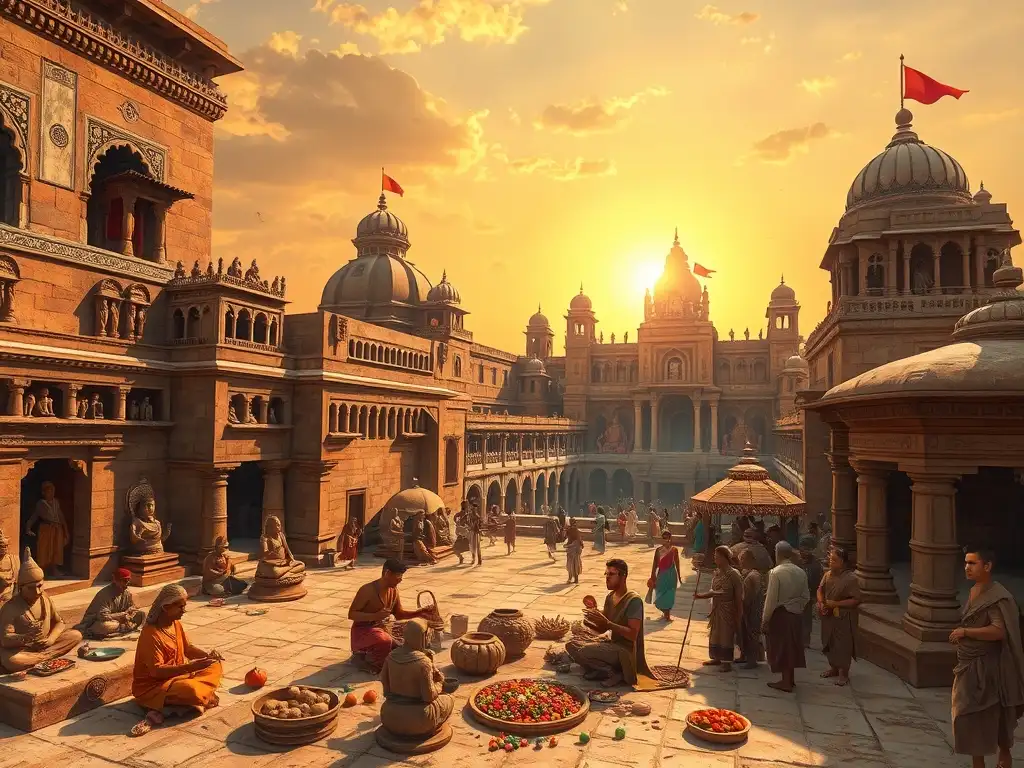
Overview of the Indus Valley Civilization
The Indus Valley Civilization (IVC), also known as the Harappan Civilization, flourished between approximately 2600 BCE and 1900 BCE in what is now modern-day Pakistan and northwest India. It is renowned for its advanced urban planning, sophisticated drainage systems, and remarkable craftsmanship in art and architecture. The civilization encompassed major urban centers such as Harappa, Mohenjo-Daro, and Dholavira, each characterized by a grid-like street layout and the use of standardized fired bricks.
Key Features of the Indus Valley Civilization
- Urban Planning: The cities were meticulously planned, with a strong emphasis on organized layout and infrastructure. Streets intersected at right angles, and some cities featured fortified citadels.
- Architecture: Structures included residential homes, public baths, and granaries, often made from baked bricks. The Great Bath in Mohenjo-Daro is one of the most iconic architectural feats, indicating a possible ritualistic significance.
- Artistic Expression: The art of the IVC included pottery, seals, and figurines, showcasing intricate designs and a variety of themes, including animals and human figures.
This civilization's art and architecture reveal much about its cultural practices, including its religious beliefs, which are intricately woven into the fabric of its artistic expressions.
Historical Context and Timeline of the Indus Valley
The Indus Valley Civilization emerged during the Bronze Age, a period marked by the rise of metallurgy and trade networks. The civilization is believed to have developed from earlier agricultural communities in the region around 7000 BCE. Over the millennia, these communities transitioned into a complex urban society.
Timeline Highlights
- c. 7000 BCE: Earliest agricultural settlements begin to form in the region.
- c. 2600 BCE: The rise of major urban centers such as Harappa and Mohenjo-Daro marks the beginning of the IVC's height.
- c. 2500 BCE: The civilization reaches its zenith, characterized by extensive trade networks, advanced craftsmanship, and the establishment of a writing system that remains undeciphered.
- c. 1900 BCE: Signs of decline emerge, possibly due to climate change, shifts in trade routes, and socio-political factors, leading to the gradual abandonment of urban centers.
Understanding the historical context of the Indus Valley Civilization provides crucial insights into how religion influenced its art and architecture. The interplay between daily life, spirituality, and artistic expression can be observed through various artifacts and structures, revealing a civilization deeply connected to its beliefs and practices.
The Influence of Religion on Indus Valley Art
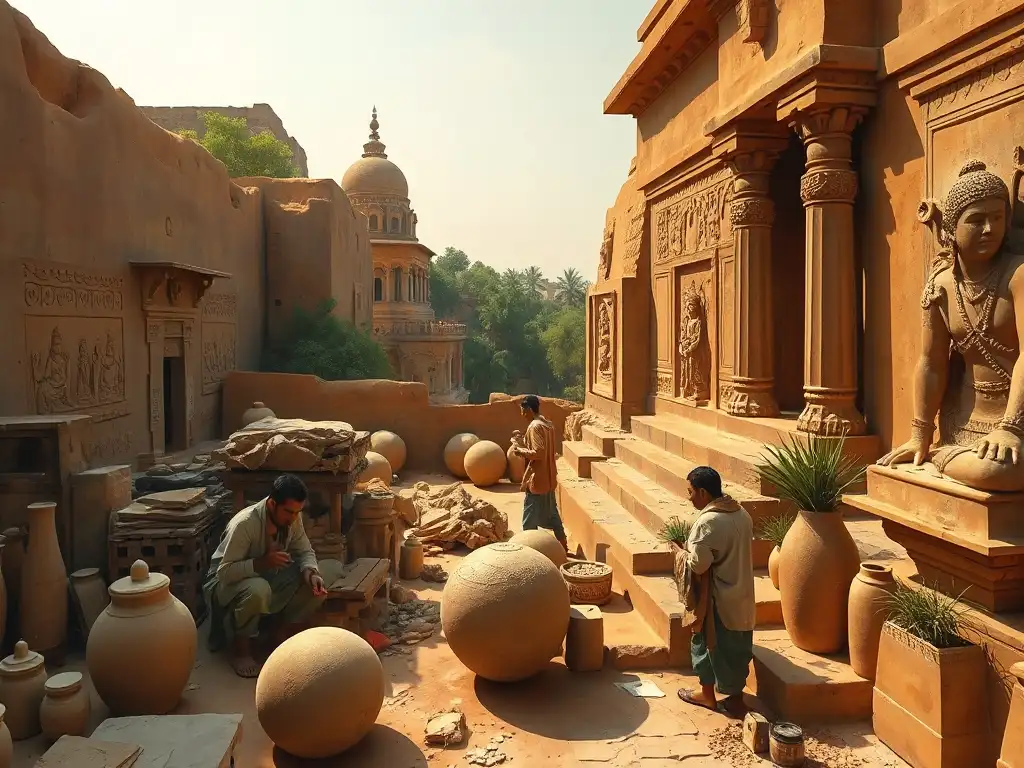
The art and architecture of the Indus Valley Civilization (IVC) reveal a profound connection to the religious beliefs of its people. The spiritual landscape of the IVC was likely shaped by a combination of animistic traditions, fertility cults, and possibly early forms of Hinduism. This religious framework influenced both the aesthetic choices and the functional aspects of their artistic expressions.
The IVC is renowned for its sophisticated urban planning, but it is the religious motifs embedded within their art that truly reflect their cultural values. Temples, sculptures, and pottery are just a few examples of how religion permeated daily life and artistic endeavors. The intricate designs found in seals, for instance, often feature deities or symbolic representations that hint at a complex belief system, suggesting a society that placed significant importance on the divine.
Key Religious Beliefs of the Indus Valley People
The religious framework of the Indus Valley people is not entirely understood due to the lack of written records. However, archaeological evidence provides insights into their beliefs:
- Fertility Worship:
- The prominence of female figurines, often referred to as "Mother Goddess" statues, indicates a strong emphasis on fertility and motherhood. These figures, which are characterized by exaggerated breasts and hips, suggest that fertility was a central theme in their spirituality.
- Sites like Mohenjo-Daro have yielded evidence of fertility symbols, such as the "bearded man" and various animal motifs, indicating that the IVC people may have engaged in fertility cult practices.
- Animal Symbolism:
- Animals played a significant role in the religious beliefs of the Indus Valley civilization. Seals from this period often depict animals such as the unicorn, elephants, and bulls, which may have held symbolic meanings related to power, prosperity, or the divine.
- The presence of sacred animals suggests that the people may have believed in the protective and guiding powers of these creatures, reflecting a deep connection to nature and its spiritual significance.
- Ritual Practices:
- Evidence of large public baths, such as the Great Bath of Mohenjo-Daro, suggests that communal rituals may have been conducted, possibly related to purification or worship.
- The layout of cities, with specific areas potentially designated for religious activities, highlights the integration of religion into urban life, indicating a society that valued collective spiritual experiences.
Symbolism in Indus Valley Art and Architecture
The art and architecture of the Indus Valley Civilization are rich with symbolism, often reflecting the religious and cultural ideologies of the time. Key aspects include:
- Seals and Amulets:
- The seals of the Indus Valley are perhaps the most iconic representations of their art. Many of these seals feature intricate carvings that include animals and deities, serving both as functional items for trade and as amulets believed to offer protection or blessings.
| Seal Type | Features | Possible Symbolism |
|---|---|---|
| Unicorn Seal | Depicts a single-horned animal | May symbolize purity or divinity |
| "Bearded Man" | Human figure with ritualistic attire | Possibly a priest or deity figure |
| Mother Goddess | Figurines with exaggerated features | Represents fertility and motherhood |
- Architecture:
- The architectural layout of cities like Harappa and Mohenjo-Daro indicates a planned religious aesthetic. Structures potentially used for worship, such as large public baths and platforms, are strategically placed, suggesting that religious practices were central to community life.
- Pottery and Decorative Arts:
- Pottery from the Indus Valley often showcases geometric patterns and motifs that may have had religious significance. The use of specific colors and designs might have been intended to invoke particular deities or convey spiritual messages.
The intertwining of religion and art in the Indus Valley Civilization highlights a rich cultural tapestry that offers insights into their beliefs and practices. The symbolic representations found in their art and architecture are not merely aesthetic choices; they reflect the profound spiritual life of the Indus Valley people, underscoring the importance of religion in shaping their civilization.
Major Artistic Elements Reflecting Religion
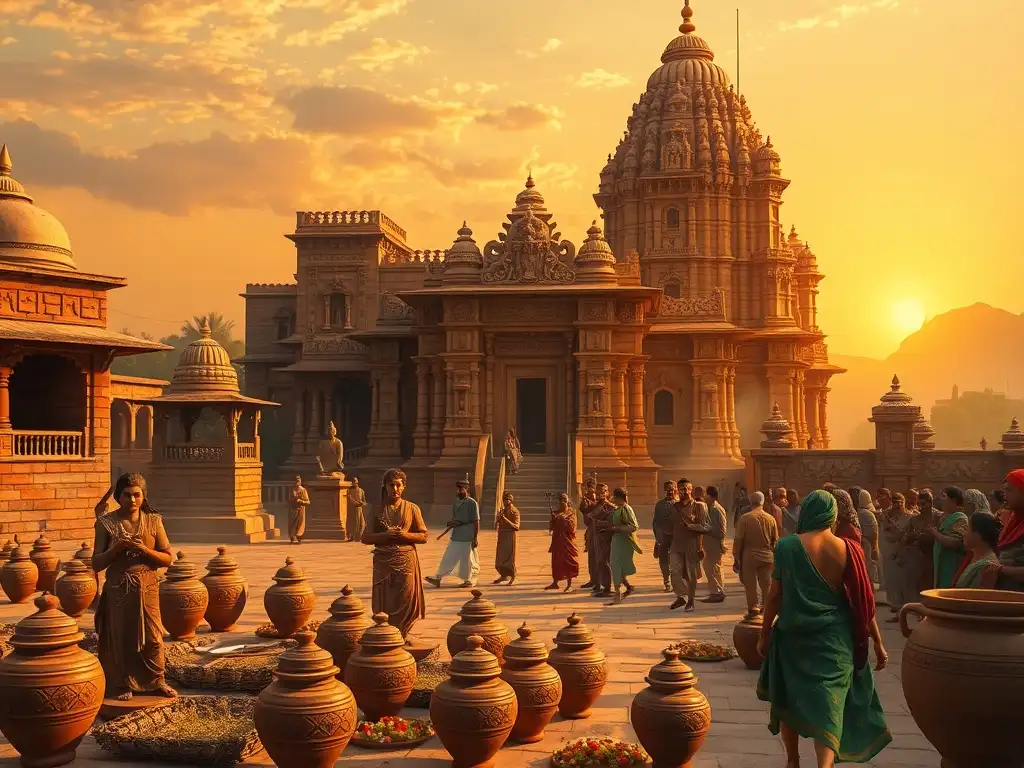
The Indus Valley Civilization (IVC), renowned for its sophisticated urban planning and advanced drainage systems, also exhibited a rich tapestry of artistic expression deeply intertwined with religious beliefs. The artifacts from this ancient civilization showcase a variety of artistic elements that reflect the spiritual and religious ethos of the time. Understanding these elements provides critical insight into the role of religion in shaping the artistic landscape of the Indus Valley.
Statues and Figurines: Religious Iconography
Statues and figurines from the Indus Valley serve as intriguing manifestations of religious iconography, revealing the spiritual beliefs of the civilization. The most notable of these is the famous Dancing Girl statue, crafted from bronze, which exemplifies the artistic prowess of the era.
- Material Diversity: Statues were made from various materials, including:
- Bronze
- Terracotta
- Stone
- Common Themes: These figures often depicted:
- Deities or figures associated with fertility
- Ritualistic dancers
- Animals believed to hold religious significance, such as bulls and elephants
The presence of a variety of female figurines, often characterized by exaggerated features, suggests a possible association with fertility cults. This indicates that women may have played a significant role in religious practices, possibly as priestesses or figures of worship.
"The recurring depictions of certain motifs in figurines hint at a shared belief system that transcended individual city-states within the Indus Valley."
Seals and Their Religious Significance
The seals of the Indus Valley are among the most distinctive artifacts, often inscribed with pictograms and motifs that carry profound religious significance. These small, square artifacts were used for various purposes, including trade, but their iconography suggests a deeper spiritual context.
- Iconography on Seals: Common symbols and motifs include:
- Zodiac Symbols: Indicating possible astrological beliefs
- Mythical Creatures: Such as unicorns and composite animals, possibly representing deities or spiritual beings
- Floral and Faunal Patterns: Suggesting a connection to nature and its divine aspects
- Ceremonial Use: Many seals are believed to have been used in rituals, possibly for:
- Marking possessions
- Signifying ownership of goods in religious offerings
The Pashupati Seal, featuring a figure seated in a yogic posture surrounded by animals, is often interpreted as an early representation of a deity akin to Shiva, highlighting the connection between spirituality and nature in Indus Valley beliefs.
Temples and Sacred Spaces in Indus Valley Architecture
While the Indus Valley Civilization is not characterized by monumental temples like those of later Indian civilizations, there is evidence of sacred spaces that reflect religious practices. The layout of cities like Mohenjo-Daro and Harappa hints at a structured approach to spirituality.
- Public Bathing and Rituals: The Great Bath of Mohenjo-Daro is a prime example of a communal space likely used for:
- Purification rituals
- Ceremonial gatherings
- Residential Structures: The presence of specific residential areas, potentially designated for priestly or ritualistic activities, suggests a stratification based on religious roles.
- Architectural Features: Key features associated with sacred spaces include:
- Raised Platforms: Indicating areas of significance for rituals
- Water Management Systems: Reflecting the importance of water in purification rites
The architectural choices made by the Indus Valley people reveal a society where religion played an integral role in daily life, guiding urban planning and community organization around spiritual activities and beliefs.
The artistic elements of the Indus Valley civilization—ranging from statues and seals to architectural layouts—reveal a complex interplay of religion and art. By studying these artifacts, we gain valuable insights into the spiritual life of one of the world's earliest urban societies.
The Role of Rituals and Ceremonies in Art
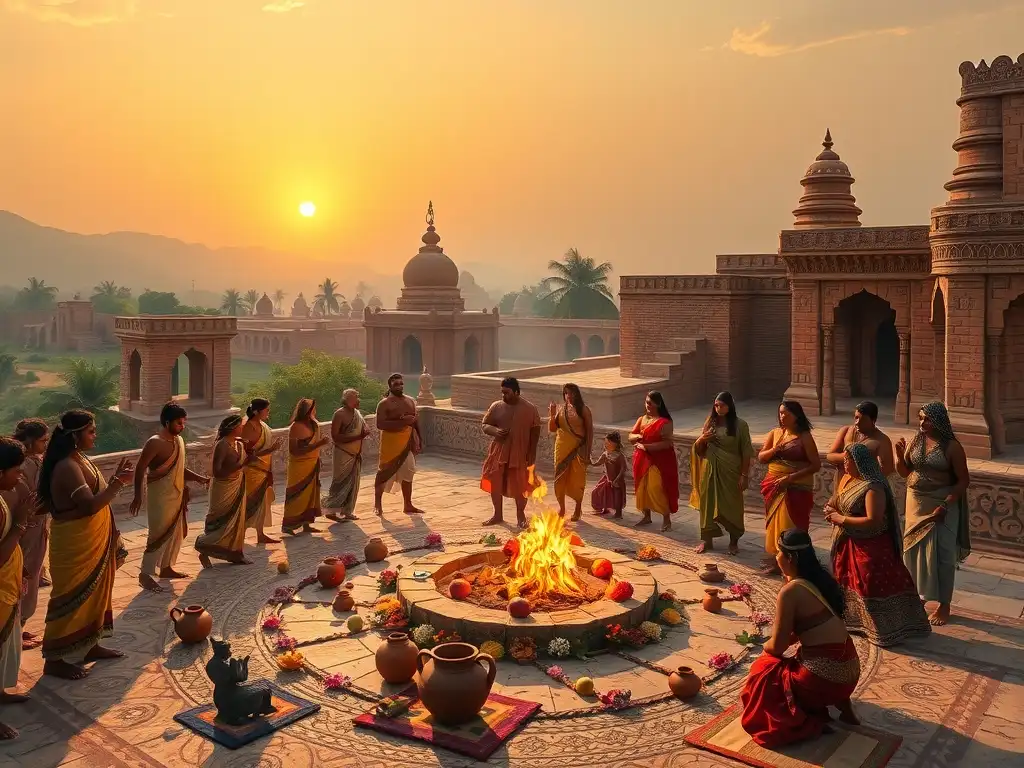
In the context of Religion in Indus Valley Art, rituals and ceremonies played a pivotal role in shaping the artistic expressions of the Indus Valley Civilization (IVC). These practices were not merely cultural activities; they were deeply intertwined with the spiritual beliefs and everyday life of the people. The art and architecture of this civilization reflect a complex understanding of the cosmos, the divine, and the community's place within that framework.
The Indus Valley people engaged in various rituals, which were likely performed to appease deities, ensure fertility, and promote prosperity. The significance of these rituals is evident in the archaeological remains, which include altars, figurines, and seals that depict ceremonial scenes. Such artifacts reveal the intimate connection between their art and their spiritual beliefs, suggesting that every piece of art may have held a ritualistic purpose.
Ritual Practices and Their Representation in Art
Ritual practices in the Indus Valley are often inferred from the artifacts unearthed at sites like Mohenjo-Daro and Harappa. These practices included offerings, possibly to a pantheon of deities, and ceremonies that marked significant life events such as birth, marriage, and death.
Key representations in art include:
- Seals and Figurines: Many seals, made of steatite, depict animals and figures that may represent deities or mythical beings. The presence of a figure seated in a yogic posture, often referred to as the "Proto-Shiva," suggests advanced spiritual practices.
- Terracotta Figurines: Numerous terracotta female figurines, often adorned with jewelry and elaborate hairstyles, are believed to symbolize fertility and motherhood. These figurines may have been used in rituals aimed at invoking fertility and protection.
- Sculptures and Altars: In some areas, stone altars have been discovered, which likely served as platforms for ritual offerings. The carvings on these altars provide insight into the ceremonial practices of the time.
The art of the Indus Valley is not merely decorative; it embodies a spiritual narrative that reflects the civilization's beliefs and practices. Each piece invites the viewer to interpret its meaning within the context of ritual, showcasing the deep-seated connection between religion and artistry.
Ceremonial Objects and Their Importance in Religious Life
Ceremonial objects found in the Indus Valley provide substantial evidence of the religious life and rituals practiced by its inhabitants. These objects served specific purposes within the context of religious ceremonies and were often imbued with symbolic meaning.
Prominent ceremonial objects include:
- Vessels and Utensils: Many pottery vessels, often intricately decorated, were likely used in rituals involving offerings of food or liquids. Their designs may have held symbolic significance, reflecting the beliefs associated with fertility and nourishment.
- Ritualistic Tools: Certain tools, possibly used for making offerings or conducting rituals, have been discovered in various sites. These items underscore the importance of material culture in the practice of religion, as they facilitated the connection between the physical and spiritual worlds.
- Cylindrical Seals: Crafted from materials like agate and carnelian, these seals were not only functional but also carried religious icons and motifs. They served as identifiers for individuals or communities and may have been used in trade as well as in religious contexts.
The importance of these ceremonial objects cannot be overstated; they were an integral part of the cultural fabric of the Indus Valley Civilization. Through their art and architecture, the people of this ancient civilization expressed their reverence for the divine, their understanding of the cosmos, and their communal identity, all of which were deeply influenced by their religious practices.
The exploration of Religion in Indus Valley Art reveals a rich tapestry of beliefs and practices that shaped the art and architecture of this remarkable civilization. The interplay of rituals, ceremonial objects, and artistic expression provides invaluable insights into their profound connection to spirituality and community life.
Comparison of Religion in Indus Valley Art with Other Civilizations
Similarities and Differences with Mesopotamian Art
The Indus Valley Civilization and Mesopotamian civilizations were contemporaneous societies that exhibited remarkable achievements in art and architecture, with religion playing a significant role in both cultures. However, their religious expressions through art reveal both striking similarities and distinct differences.
Similarities
- Symbolism in Art:
- Both civilizations utilized symbolic representations in their artworks. For instance, the Indus seals often depict animals such as unicorns and bulls, which may have held religious significance, akin to Mesopotamian depictions of sacred animals like lions and eagles.
- Use of Ritual Objects:
- In both cultures, art was employed to create ritualistic objects. For example, pottery and figurines served religious purposes, with Indus Valley terracotta figurines possibly representing deities, similar to the Mesopotamian use of votive statues in temples.
- Focus on Fertility:
- Fertility motifs were prevalent in both artistic traditions. The Mother Goddess figurines from the Indus Valley share thematic elements with Mesopotamian fertility deities, reflecting a shared reverence for fertility and agriculture as central aspects of their religions.
Differences
- Theocratic Structures:
- Mesopotamian art often directly reflected the theocratic system where rulers were seen as divine or semi-divine figures. In contrast, Indus Valley art lacks definitive representations of rulers or deities, suggesting a possible egalitarian society.
- Architectural Styles:
- The architectural expressions of religion differ significantly. Mesopotamian ziggurats were monumental structures dedicated to gods and served as the center of worship, while Indus Valley cities featured complex urban designs with no clear religious structures, indicating a different approach to sacred space.
- Religious Iconography:
- Mesopotamian art is rich in detailed iconography associated with their pantheon of gods, whereas Indus Valley art exhibits a more abstract and less defined religious symbolism, indicating a divergence in how spirituality was expressed and understood.
Influence of Contemporary Cultures on Indus Valley Religion and Art
The Indus Valley Civilization was not isolated; it interacted with various contemporary cultures, influencing and being influenced by their religious practices and artistic expressions.
Trade and Cultural Exchange
- The extensive trade networks of the Indus Valley facilitated cultural exchanges with neighboring civilizations, such as Mesopotamia and Persia. Artifacts recovered from archaeological sites indicate a sharing of ideas, materials, and religious iconography. For example, the presence of carnelian beads and copper items in both regions suggests a mutual influence on artistic styles and religious artifacts.
Regional Deities and Practices
- As the Indus Valley civilization interacted with surrounding cultures, it is likely that local deities and religious practices were incorporated into their belief systems. For instance, the worship of trees and animals, which is significant in both the Indus Valley and neighboring regions, may have evolved through these inter-cultural exchanges, resulting in unique representations in their art.
Technological Advancements
- Technological innovations from neighboring cultures also impacted the artistic expressions of the Indus Valley. The introduction of new materials and techniques, such as glazing and mold-making, allowed artisans to create more intricate and sophisticated religious artifacts, reflecting a blend of local and foreign influences in their religious art.
Conclusion
The interplay between religion and art in the Indus Valley Civilization showcases a unique blend of indigenous beliefs and external influences. The comparison with Mesopotamian art highlights both shared themes and distinctive features, while the impact of contemporary cultures illustrates the dynamic nature of religious expression in ancient societies. Understanding these connections enriches our appreciation of the religion in Indus Valley art, shedding light on the complexity and depth of their artistic legacy.
Conclusion: The Lasting Legacy of Religion in Indus Valley Art and Architecture
The Indus Valley Civilization (IVC) presents a profound testament to the intersection of religion and art, showcasing how spiritual beliefs shaped the cultural and architectural landscape of one of the world's earliest urban societies. The intricate seals, sculptures, and urban planning of the IVC reflect a profound reverence for the divine, indicating that religion played a central role in everyday life. This enduring legacy is not just a reflection of the past but has significantly influenced subsequent Indian civilizations, contributing to the rich tapestry of religious and artistic expression in the region.
The Impact of Religious Art on Later Indian Civilizations
The artistic expressions of the Indus Valley are often viewed as foundational elements that shaped later Indian religious art. The motifs and symbols found in IVC artifacts, such as the portrayal of animals and nature, laid the groundwork for the iconography used in subsequent Hindu and Buddhist art forms. For instance:
- Animal Symbolism: The depiction of animals, notably the bull and the elephant, can be traced through history, influencing later artistic representations in temple carvings and sculptures.
- Seals and Script: The seals of the Indus Valley, with their unique symbols, predate many of the religious texts that would later define Indian spirituality, suggesting a continuity of religious symbolism that permeated through ages.
- Urban Planning: The organized layout of IVC cities, which included sacred spaces and public baths, informed the architectural designs of later civilizations, emphasizing the importance of religious and community spaces in urban development.
These examples illustrate how the religious art of the Indus Valley not only served its own society but also provided a template for future generations, allowing for an evolution of artistic expression that remains relevant in contemporary Indian culture.
Reflections on the Spiritual Heritage of the Indus Valley Civilization
The spiritual heritage of the Indus Valley Civilization is characterized by its diversity and complexity, suggesting a rich tapestry of beliefs that may have included animism, ancestor worship, and the veneration of fertility deities. This multifaceted spirituality is reflected in their art and architecture:
- Fertility Figures: Terracotta figurines, often depicting women in exaggerated forms, suggest a focus on fertility and motherhood, indicating the significance of these concepts in their religious practices.
- Sacred Symbols: The presence of symbols such as the swastika in IVC artifacts hints at early forms of Hindu symbolism, reinforcing the notion that these beliefs were already being formed during this ancient period.
- Ritual Spaces: The existence of large public baths and granaries implies that the IVC society may have engaged in communal rituals, emphasizing the social aspect of their spirituality.
These elements illuminate how the spiritual heritage of the Indus Valley Civilization continues to resonate, influencing not only religious practices but also the broader cultural context of the Indian subcontinent.
References and Further Reading on Religion in Indus Valley Art
To deepen your understanding of the role of religion in Indus Valley art and architecture, consider exploring the following resources:
- Books:
- "The Indus Civilization: A Contemporary Perspective" by Gregory L. Possehl
- "The Art of Ancient India: Buddhist, Hindu, Jain" by Susan Huntington
- Research Papers:
- "The Religious Dimensions of the Indus Valley Civilization" by [Author Name Pending]
- "Symbolism in Indus Valley Seals: A Study of Early Indian Iconography" by [Author Name Pending]
- Online Resources:
- Ancient history archives that focus on the IVC
- Online databases of archaeological findings and interpretative articles
These references will provide you with a comprehensive overview of the religious influences on art within the Indus Valley Civilization, allowing for a more nuanced understanding of this ancient culture's legacy.
Frequently Asked Questions
What is the significance of religion in Indus Valley art?
The religion in Indus Valley art reflects the spiritual beliefs and practices of ancient civilizations, showcasing their rituals, deities, and mythologies.
How did religious themes influence the architecture of the Indus Valley?
Religious themes influenced the architecture through the construction of public baths, temples, and symbols that served both spiritual and communal purposes.
What materials were commonly used in Indus Valley religious art?
Artists predominantly used clay, terracotta, and stone to create figurines, seals, and pottery, often depicting deities and ritualistic scenes.
How does Indus Valley art compare to that of other ancient civilizations in terms of religion?
Unlike some contemporaneous cultures, Indus Valley art is noted for its subtlety and lack of grandiosity, focusing more on intricate details and everyday life in religious contexts.
What role did seals play in the religion of the Indus Valley?
Seals served as important artifacts, often inscribed with symbols and deities, indicating trade, ownership, and possibly religious beliefs, and acting as a form of communication.
Final Reflection: The Enduring Legacy of Religion in Indus Valley Art
The intricate relationship between religion and art in the Indus Valley civilization continues to resonate profoundly in today's world. As we explore the remnants of this ancient culture, it becomes clear that the spiritual beliefs and practices of the Indus Valley people were not merely decorative but foundational to their identity and societal structure. The art and architecture we study today serve as a testament to how religion in Indus Valley art shaped their worldview and continues to influence contemporary interpretations of spirituality and creativity.
The impact of religion on the artistic expressions of the Indus Valley civilization is a reflection of how deeply intertwined culture and belief systems can be. This connection is not only historical but also relevant today, as we see how art continues to serve as a medium for spiritual expression across various cultures. The legacy of the Indus Valley reminds us that art is a powerful vehicle for conveying beliefs and values. Art is the most beautiful of all lies.
This quote encapsulates the essence of how art can transcend time, allowing us to glimpse the spiritual lives of those who came before us.
As we conclude our exploration, I invite you to reflect on the role of religion in your own life and how it shapes your understanding of art and culture. Consider how the lessons from the Indus Valley can inspire you to appreciate the deeper meanings behind artistic expressions in your surroundings. Whether through visiting museums, engaging with local art, or creating your own, let the profound connection between spirituality and creativity guide you in your journey of exploration and self-discovery.
Unveil the Spiritual Depths of Indus Valley Art!
Thank you for diving into the fascinating intersection of religion and art in the Indus Valley! You've uncovered invaluable insights that enrich our understanding of ancient civilizations. Now, it’s time to take action and deepen your exploration.
Here are some practical steps you can take:
- Enroll in an online course focused on the art of ancient cultures to expand your knowledge and appreciation.
- Visit a local museum and explore exhibits on ancient civilizations; see if you can spot the connections to the Indus Valley!
- Share your insights with friends or fellow history enthusiasts on social media—start a conversation about what you've learned.
Which elements of Indus Valley art resonate with you the most, and in what ways do you think spirituality influenced its artistic expressions?