
The Jain Community: How Ancient Traditions Shape Modern Identity

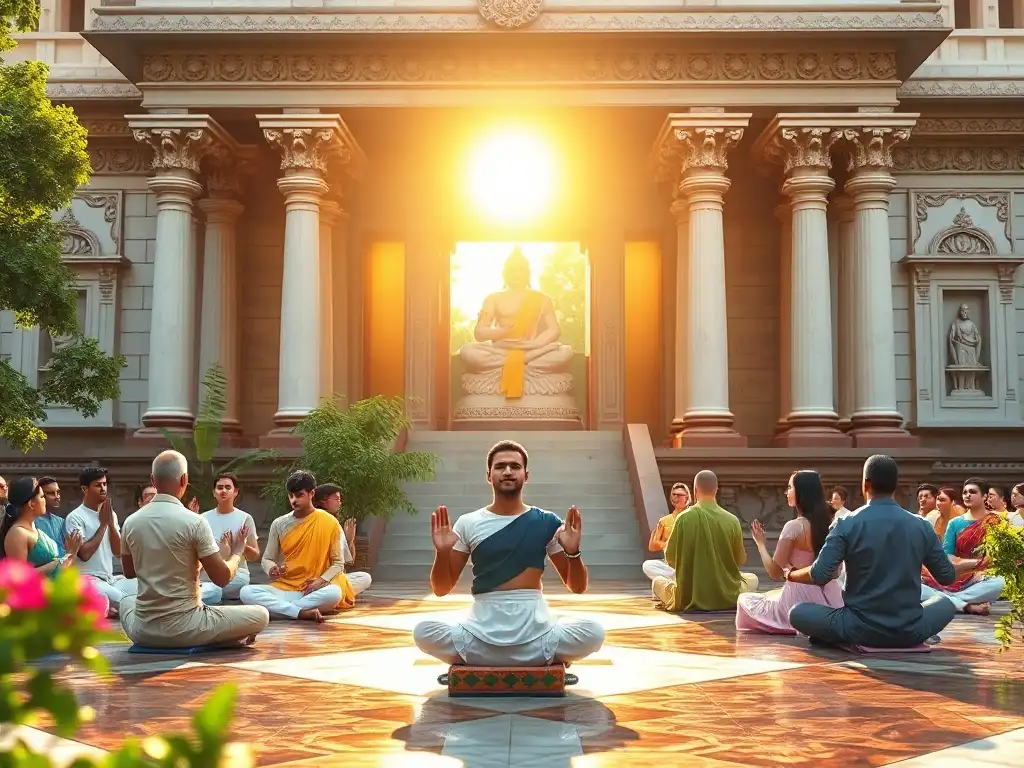
Welcome to Ancient India History, where we embark on a fascinating journey through the rich tapestry of India's past. Today, we delve into the profound influence of Jain traditions and modern identity in our featured article, "The Jain Community: How Ancient Traditions Shape Modern Identity." Discover how the values and practices of ancient Jainism continue to resonate in contemporary society, shaping cultural narratives and individual identities. Join us as we unravel the threads of history that connect the ancient with the modern, sparking your curiosity to explore even deeper into the vibrant legacy of ancient Indian civilizations.
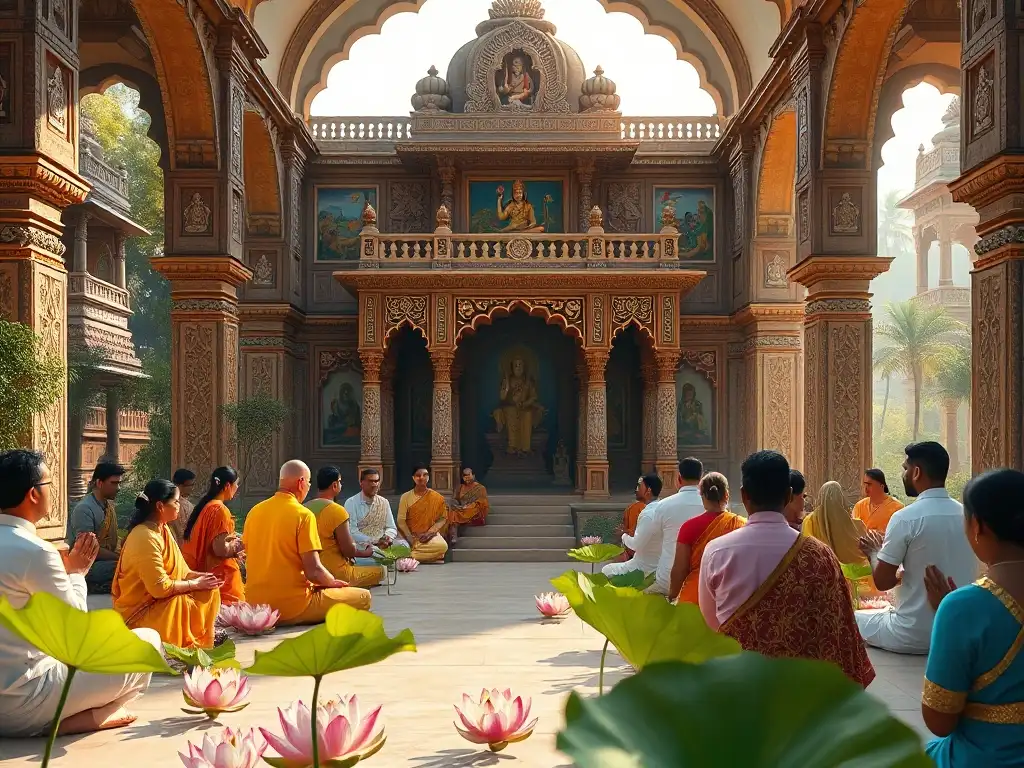
Introduction to Jain Traditions and Modern Identity
The Jain community, with its profound historical roots and rich cultural heritage, serves as a notable example of how ancient traditions can significantly influence modern identity. Jainism, one of the oldest religions in the world, emphasizes principles of non-violence, truth, and asceticism. These core values not only shaped the lives of its followers in ancient India but continue to resonate within contemporary society.
This article explores the intricate tapestry of Jain traditions and how they play a pivotal role in shaping the modern identity of the Jain community. By examining their historical foundations, philosophical principles, and significant texts, we can better understand the enduring impact of these ancient practices on today's world.
The Historical Foundations of Jain Traditions
Origins of Jainism in Ancient India
Jainism originated in ancient India, with its roots tracing back to the 6th century BCE. It is believed to have been founded by Mahavira, the 24th Tirthankara, who propagated the teachings of non-violence (ahimsa) and truth (satya). The religion emerged during a time of great spiritual and philosophical exploration, characterized by the rise of various schools of thought, including Buddhism and Hinduism. The early Jain community was primarily composed of ascetics who renounced worldly possessions, emphasizing the importance of spiritual liberation (moksha) through self-discipline and ethical living.
Key Philosophical Principles of Jainism
At the heart of Jainism are its key philosophical principles, which form the foundation of its ethical framework. These include:
- Ahimsa (Non-violence): The commitment to avoiding harm to all living beings.
- Aparigraha (Non-possessiveness): The practice of detachment from material possessions and desires.
- Satya (Truthfulness): The emphasis on honesty and integrity in thought, word, and deed.
- Brahmacharya (Celibacy): The pursuit of self-control and restraint in physical and emotional relationships.
These principles not only guided the lives of Jains in ancient times but continue to influence their modern practices and societal values.
Major Texts and Scriptures in Jain Tradition
The teachings of Jainism are preserved in a rich array of texts and scriptures, which are foundational to the understanding of Jain philosophy and ethics. Some of the most significant texts include:
- Agamas: The canonical scriptures that contain the teachings of Mahavira and subsequent Tirthankaras.
- Tattvarthasutra: A comprehensive treatise on Jain philosophy written by Umāsvāti, which serves as a key reference for understanding Jain doctrines.
- Samayasara: A work by Acharya Kundakunda that delves into the nature of the soul and the path to liberation.
These texts not only serve as spiritual guides but also reinforce the cultural identity of the Jain community, bridging ancient wisdom with contemporary values.
The Role of Jain Traditions in Modern Identity
Jain traditions play a pivotal role in shaping the modern identity of the Jain community. Rooted in principles such as ahimsa (non-violence), satya (truth), and asteya (non-stealing), these ancient teachings continue to inform the ethical frameworks and lifestyle choices of contemporary Jains. The commitment to non-violence, for example, influences not only dietary preferences—promoting vegetarianism—but also extends to broader ethical considerations in business and personal interactions. As a result, Jains often find themselves advocating for social justice and environmental sustainability, reflecting their deep-seated values in a modern context.
Moreover, the preservation of languages, rituals, and cultural practices further reinforces their identity. The use of Prakrit and Sanskrit in religious ceremonies allows the community to maintain a connection to their ancestral roots while simultaneously adapting to contemporary societal norms. This duality enhances their identity, allowing them to navigate the complexities of modern life without losing sight of their historical and spiritual foundations.
Influence of Jain Principles on Contemporary Practices
The principles of Jainism have significantly influenced various contemporary practices, especially in areas such as business ethics, education, and health. Many Jains engage in ethical business practices, guided by the principle of asteya, which translates into fair trade and corporate social responsibility. This ethical lens has not only fostered trust and integrity within the community but also established a reputation for Jains as conscientious entrepreneurs in the broader business world.
In education, Jain values emphasize the importance of learning and self-improvement. This focus has led to the establishment of numerous educational institutions that promote academic excellence and moral development. Additionally, health practices inspired by Jainism, such as vegetarianism and mindfulness, have gained traction in modern wellness movements, reflecting an increasing awareness of the importance of ethical living and sustainability.
The Interplay Between Tradition and Modernity in Jain Life
The relationship between tradition and modernity in Jain life is characterized by a dynamic interplay that allows for adaptation while preserving core values. Many Jains actively participate in modern society—engaging in politics, business, and technology—while still adhering to traditional practices like daily prayers and rituals. This adaptability is evident in how Jains celebrate festivals and conduct rituals, often incorporating contemporary elements that resonate with younger generations.
For instance, while traditional festivals like Paryushana remain fundamental to Jain spirituality, they are often celebrated with modern twists, such as community service initiatives and social media campaigns that advocate for ahimsa and environmental stewardship. This approach not only helps to keep traditional practices alive but also ensures they remain relevant in today's context.
Case Studies: Modern Jains Upholding Ancient Traditions
Several modern Jains exemplify the successful integration of ancient traditions into contemporary life. One notable case is that of Narayana Murthy, a co-founder of Infosys, who credits his Jain upbringing for instilling a strong sense of ethics and responsibility in his professional endeavors. His commitment to corporate governance and community welfare reflects Jain values in action.
Another example is Shri Jainendra Kumar, an environmental activist who has leveraged Jain principles to promote sustainable practices. His initiatives focus on reducing waste and promoting biodiversity, aligning with the Jain belief in the sanctity of all life forms. These case studies highlight how ancient traditions can effectively shape modern identities and influence societal change.
Celebrations and Rituals: Bridging the Past and Present
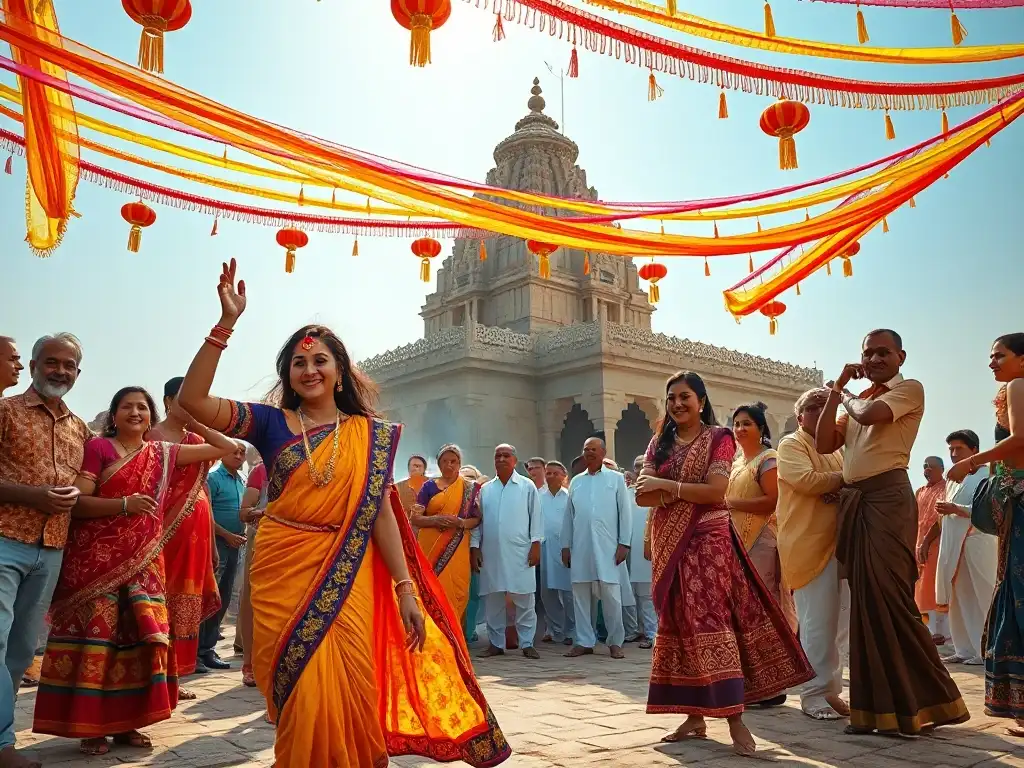
Jain celebrations and rituals serve as vital connections between the past and present, allowing the community to honor their heritage while fostering a sense of belonging in the modern world. These observances not only reinforce shared values but also create opportunities for community cohesion and cultural transmission across generations.
Major Jain Festivals and Their Significance
Among the prominent Jain festivals, Paryushana stands out as a time for reflection, prayer, and community bonding. This festival emphasizes forgiveness, self-discipline, and the importance of ahimsa. Similarly, Diwali is celebrated with a unique Jain perspective, focusing on the liberation of Lord Mahavira's soul, symbolizing the triumph of light over darkness.
Other festivals like Mahavir Jayanti celebrate the birth of Lord Mahavira, and Kartika Purnima marks the end of the monsoon season with rituals that highlight gratitude towards nature. Each festival serves not only as a time for celebration but also as an opportunity to reinforce the teachings of Jainism, ensuring that traditions remain vibrant and relevant in modern life.
Rituals That Reflect Jain Values in Modern Context
Rituals in Jainism, such as puja (worship) and samyak darshan (right perception), continue to be integral to the spiritual lives of modern Jains. These rituals are often adapted to contemporary settings, with many families incorporating technology into their practices, such as virtual pujas and online gatherings.
Additionally, rituals centered around ahimsa, such as animal welfare initiatives and environmental clean-up drives, reflect the community's commitment to preserving Jain values in the modern context. By engaging in these activities, Jains not only uphold their traditions but also contribute to societal welfare, demonstrating the enduring relevance of Jain teachings in today's world.
Challenges Faced by the Jain Community Today
The Jain community, known for its rich traditions and deep-rooted values, faces numerous challenges in the contemporary world. As globalization continues to reshape cultural landscapes, Jains are experiencing pressures that threaten their unique identity and way of life. This section explores some of the key challenges impacting the community today.
Cultural Preservation in a Globalized World
In an increasingly interconnected world, the Jain community grapples with the challenge of preserving its cultural heritage amidst dominant global cultures. Increased migration and urbanization have led to the dilution of traditional practices, as younger generations are exposed to diverse lifestyles and beliefs.
- Cultural Assimilation: Many Jains find themselves assimilating into the broader society, often at the expense of their unique customs and rituals. This can lead to a diminished understanding of Jain philosophies and ethical practices, particularly among the youth.
- Commercialization of Traditions: Jain festivals and rituals, once deeply personal and community-oriented, are sometimes commercialized for economic gain. This shift can undermine the spiritual significance of these practices and reduce their authenticity.
To counteract these trends, the Jain community is increasingly engaging in cultural preservation initiatives, including educational programs and community events aimed at reinforcing traditional values and practices.
Balancing Tradition and Modernity in Daily Life
Jains today are tasked with the delicate balance of adhering to age-old traditions while navigating the demands of modern life. This balancing act is particularly evident in various aspects of daily life, including dietary practices, social interactions, and professional endeavors.
- Dietary Restrictions: Many Jains adhere to strict vegetarianism and non-violence (ahimsa) principles. Balancing these dietary restrictions with the convenience of modern fast food and dining options can pose challenges, particularly for younger Jains.
- Workplace Dynamics: The professional landscape often conflicts with Jain values. Jains may find it challenging to reconcile the competitive nature of modern workplaces with their commitment to ethical conduct and non-violence in business practices.
By creating supportive community networks and educational resources, Jains are finding ways to integrate their traditions into modern contexts, thereby fostering a sense of identity that honors both their heritage and contemporary realities.
Conclusion: The Enduring Legacy of Jain Traditions on Modern Identity
The enduring legacy of Jain traditions significantly shapes the modern identity of the Jain community. Despite facing contemporary challenges, the core principles of Jainism—non-violence, truthfulness, and asceticism—continue to influence the values and lifestyle choices of Jains today.
Reflection on the Future of Jainism
As the Jain community looks to the future, there is a growing awareness of the need to adapt and innovate while staying true to fundamental beliefs. The resilience of Jain traditions in the face of modern challenges may depend on their ability to evolve without losing their essence. Continued dialogue on how to effectively blend tradition with modernity will be crucial for the community's survival and growth.
The Role of Younger Generations in Preserving Jain Traditions
The younger generations play a pivotal role in the preservation of Jain traditions and the shaping of modern identity. Engaging youth in community activities, educational initiatives, and leadership roles can help reinforce their connection to their heritage.
- Technology and Social Media: Younger Jains are leveraging technology and social media to share their cultural practices, connect with others, and advocate for Jain values in broader forums. This innovative approach can help attract interest and participation from peers.
- Intergenerational Learning: Encouraging mentorship between older and younger community members can facilitate the transfer of knowledge and traditions, ensuring that the essence of Jainism is not only preserved but also adapted to resonate with future generations.
While the Jain community faces significant challenges, the commitment to preserving their traditions remains strong. By fostering a sense of identity that honors their past while embracing the future, Jains can continue to thrive as a vibrant community.
- Introduction to Jain Traditions and Modern Identity
- The Historical Foundations of Jain Traditions
- The Role of Jain Traditions in Modern Identity
- Celebrations and Rituals: Bridging the Past and Present
- Challenges Faced by the Jain Community Today
- Conclusion: The Enduring Legacy of Jain Traditions on Modern Identity
Frequently Asked Questions
What are the core principles of Jain traditions?
Jain traditions are centered around non-violence (Ahimsa), truth (Satya), and asceticism. These principles guide the ethical and spiritual practices of the community.
How have ancient Jain practices influenced modern identity?
Ancient Jain practices, such as strict vegetarianism and environmental consciousness, continue to shape the values and lifestyles of modern Jains, promoting a sustainable way of living.
In what ways do Jains contribute to contemporary society?
Jains contribute significantly through philanthropy, education, and business, often emphasizing ethical practices and community service, reflecting their rich traditions.
How do Jain festivals reflect cultural heritage?
Jain festivals, like Paryushana, embody spiritual reflection and community bonding, showcasing the community's cultural heritage and commitment to their ancient traditions.
What challenges do modern Jains face in maintaining their cultural identity?
Modern Jains encounter challenges such as globalization and urbanization, which can dilute traditional practices. However, many strive to balance modernity with their cultural roots.
Final Reflection: Embracing Ancient Traditions in Modern Identity
In a world increasingly defined by rapid change and globalization, the Jain traditions and modern identity serve as a powerful reminder of the enduring relevance of ancient practices. These traditions not only provide a sense of belonging but also offer profound insights into ethical living and sustainability that resonate deeply in today's society. As we navigate the complexities of modern life, it becomes clear that the wisdom of the past can illuminate our paths forward.
The influence of Jain traditions on contemporary culture is both subtle and profound. These practices encourage mindfulness, compassion, and a deep respect for all living beings, shaping not only individual identities but also broader societal values. The ongoing commitment to non-violence and environmental stewardship reflects a growing awareness of our interconnectedness in a globalized world. As Mahatma Gandhi once said, The greatness of a nation and its moral progress can be judged by the way its animals are treated.
This sentiment underscores the importance of integrating these ancient teachings into our modern lives, fostering a culture of empathy and responsibility.
As you reflect on the insights shared in this article, consider how you can incorporate the principles of Jain traditions into your own life. What steps can you take to cultivate compassion, mindfulness, and sustainability in your daily actions? By embracing these values, you not only honor the rich heritage of the Jain community but also contribute to a more harmonious and conscious world. Let us carry forward the wisdom of the ancients, shaping our modern identities with intention and purpose.
Embrace Your Heritage: Take Action Today!
Thank you for exploring the rich tapestry of the Jain community and how their ancient traditions continue to shape modern identities. Your interest is the first step towards a deeper understanding and appreciation of this vibrant culture. Now, let’s turn that curiosity into meaningful action!
- Dive Deeper: Explore literature or documentaries focused on Jain philosophy to enhance your understanding of their beliefs and practices.
- Share and Inspire: Engage in discussions about your findings with friends or on social media—help spread awareness about Jain traditions and their significance in today's world.
- Engage Locally: Visit a nearby Jain temple or attend a community event to experience firsthand the culture and practices of the Jain community.
As you reflect on these steps, consider which aspects of Jain philosophy resonate with you the most and how they can positively influence your own life.