
Jain Rituals and Practices: Connecting the Ancient with the Present


Welcome to Ancient India History, where we embark on a mesmerizing journey through the tapestry of time, revealing the rich and diverse legacies of ancient Indian civilizations. In this exploration, we delve into the fascinating Jain rituals in ancient India, uncovering how these sacred practices not only shaped the spiritual landscape of the past but continue to resonate in contemporary society. Prepare to be intrigued as we connect the dots between ancient wisdom and present-day beliefs.
Join us as we unveil the profound significance of Jain rituals and discover how they intertwine with the broader narrative of Ancient Indian Religions. Your adventure into the depths of history begins now!
- Jain Rituals in Ancient India: An Overview
- Understanding Jain Rituals in Ancient India
- Historical Evolution of Jain Rituals
- Jain Rituals and Their Connection to Jain Philosophy
- Jain Rituals in Contemporary Society
- Conclusion: The Enduring Legacy of Jain Rituals
- Frequently Asked Questions
- Final Reflection: Bridging Ancient Jain Rituals with Modern Life
- Embrace and Share the Wisdom of Jainism!
Jain Rituals in Ancient India: An Overview
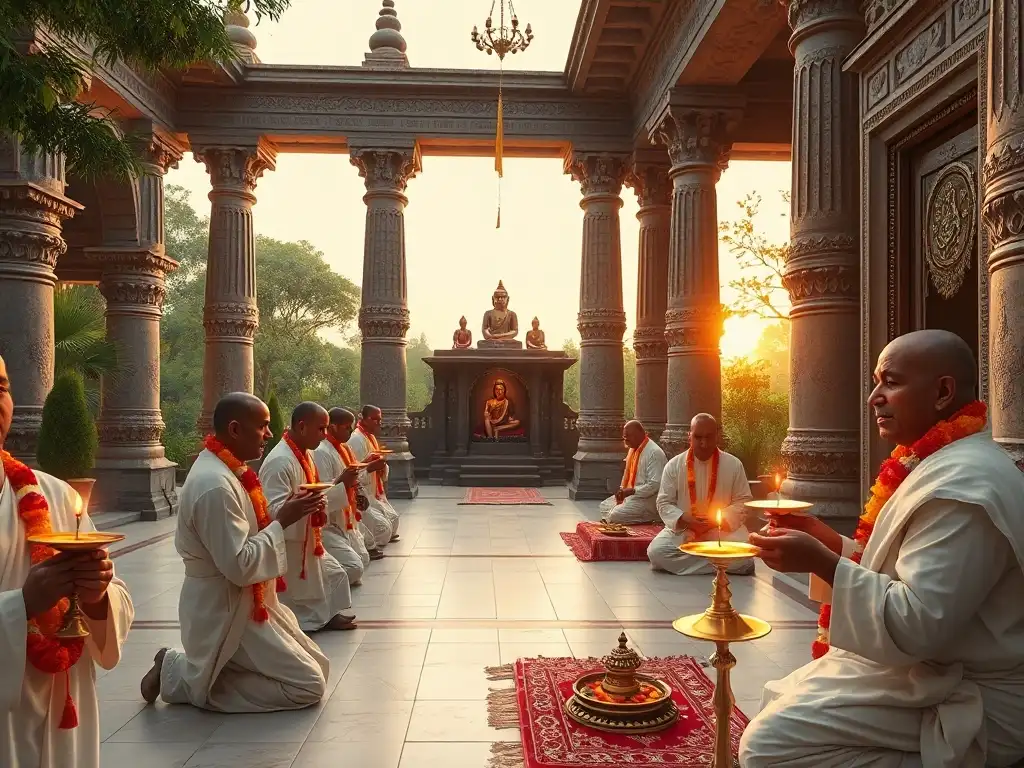
Jainism, one of the oldest religions in the world, has a profound historical and cultural significance in ancient India. Emerging around the 6th century BCE, it offers a unique perspective on spirituality, ethics, and social conduct. The rituals and practices of Jainism are deeply rooted in its philosophical tenets and have evolved over centuries, reflecting the rich tapestry of ancient Indian civilization. This article aims to explore the intricate tapestry of Jain rituals in ancient India, shedding light on their historical context, cultural significance, and enduring legacy that continues to resonate in contemporary practices.
The Significance of Jainism in Ancient India
Jainism's impact on ancient Indian society is multifaceted, influencing various aspects of life, including philosophy, art, and ethics. As a religion that emphasizes non-violence (ahimsa) and truth (satya), Jainism played a crucial role in shaping the moral framework of ancient Indian culture.
- Ethical Framework: Jainism's rigorous ethical principles contributed to the development of a non-violent society, promoting compassion towards all living beings.
- Cultural Contributions: The religion has inspired a wealth of artistic expression, including temple architecture, sculpture, and literature, reflecting its rich heritage and teachings.
Historical Context of Jainism
The origins of Jainism can be traced back to the teachings of Mahavira, the 24th Tirthankara, who is often credited with revitalizing the faith. The historical context of Jainism reveals a complex interplay of spiritual movements in ancient India.
- Pre-Mahavira Era: Jainism is believed to have evolved from earlier traditions, with roots possibly extending to the Indus Valley Civilization. Archaeological findings suggest that early forms of Jain practices may have existed long before Mahavira.
- Interactions with Other Religions: Jainism coexisted with Buddhism and Hinduism, leading to a rich exchange of ideas and practices. This interaction enriched religious traditions in ancient India, contributing to the development of shared cultural motifs.
Key Philosophical Principles of Jainism
At the heart of Jainism are several key philosophical principles that shape the rituals and practices of its followers. Understanding these principles is essential for appreciating the significance of Jain rituals in ancient India.
- Ahimsa (Non-Violence): The cornerstone of Jain philosophy, ahimsa dictates the importance of not harming any living being, influencing both religious practices and daily life.
- Aparigraha (Non-Possessiveness): This principle encourages detachment from material possessions, promoting a lifestyle focused on spiritual growth rather than accumulation.
- Jiva and Ajiva: Jains believe in the distinction between jiva (living souls) and ajiva (non-living matter), which underpins their understanding of the universe and the cycle of birth and rebirth.
Through these philosophical lenses, Jain rituals serve not only as religious observances but also as expressions of deeper ethical commitments, connecting the ancient practices with contemporary values in the pursuit of spiritual enlightenment.
Understanding Jain Rituals in Ancient India
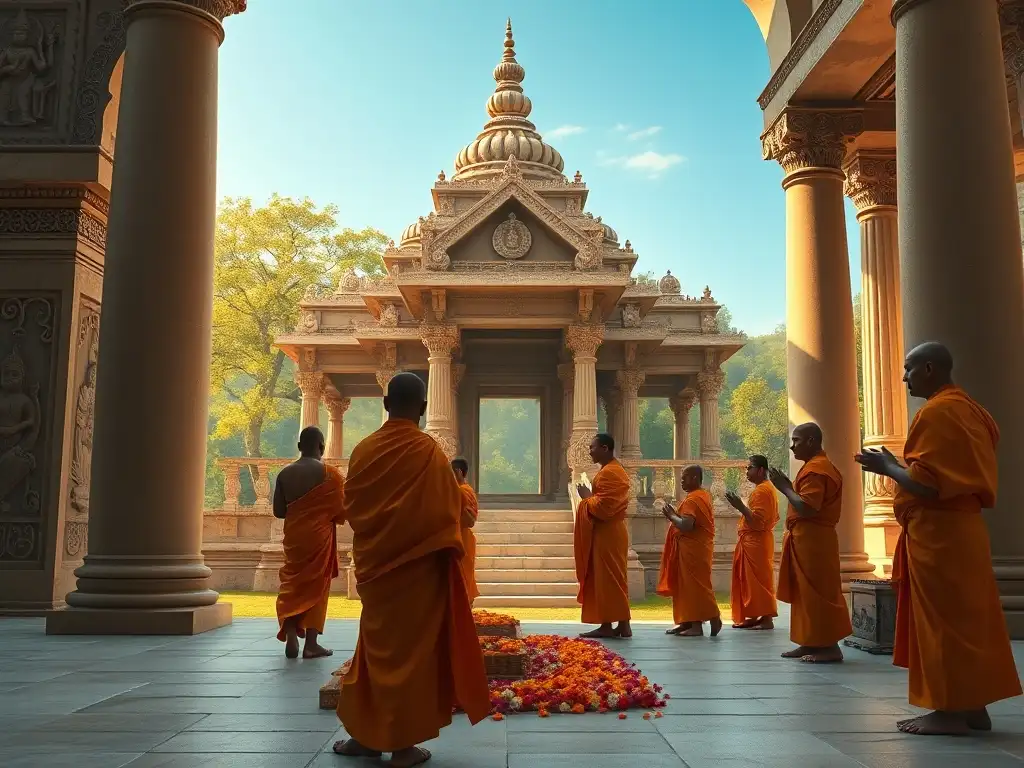
Definition and Purpose of Jain Rituals
Jain rituals in ancient India are deeply rooted in the philosophical tenets of Jainism, emphasizing non-violence (ahimsa), truth (satya), and asceticism. These rituals serve multiple purposes, including spiritual development, community cohesion, and the expression of reverence towards the Tirthankaras—the revered teachers in Jain tradition.
The primary aim of these rituals is to cultivate an inner purity and a connection with the divine. They are designed to help practitioners transcend the physical world and attain a higher level of consciousness. This spiritual journey is marked by various ceremonies that reinforce the core values of Jainism, guiding adherents towards liberation (moksha) from the cycle of birth and death (samsara).
In essence, Jain rituals act as a bridge between the ancient traditions and contemporary practices, allowing followers to express their faith and commitment to the principles of Jainism. They foster a sense of identity and continuity within the community, preserving the rich cultural heritage of ancient India.
Types of Jain Rituals in Ancient India
The rich tapestry of Jain rituals can be categorized into several types, each serving distinct functions and reflecting the diverse aspects of Jain life. Below are the primary categories:
Daily Rituals and Practices
Daily rituals form the backbone of Jain spiritual life, encompassing a variety of practices that devotees engage in to maintain their spiritual discipline. Key elements include:
- Puja (Worship): This involves offering prayers and performing rituals to the Tirthankaras, often accompanied by the recitation of sacred texts.
- Meditation: Regular meditation is encouraged to develop mindfulness and inner peace, helping practitioners to reflect on their actions and thoughts.
- Fasting: Many Jains practice fasting as a means of purification and self-discipline, which may vary from complete abstinence from food to partial fasting on specific days.
- Pratikraman: This is a ritual of repentance performed daily, where individuals reflect on their actions, seek forgiveness for any harm caused, and renew their commitment to non-violence.
These daily practices not only reinforce individual spirituality but also foster a sense of community among practitioners, as many participate in communal rituals.
Seasonal and Festival Rituals
Seasonal rituals and festivals are integral to Jain culture, marking significant events and transitions throughout the year. Notable celebrations include:
- Paryushana: This eight-day festival is one of the most important in Jainism, emphasizing forgiveness, spiritual reflection, and community gatherings. It culminates in the practice of seeking forgiveness from others.
- Diwali: Although widely celebrated in various Indian religions, for Jains, Diwali represents the liberation of Lord Mahavira from the cycle of rebirth. Celebrations include lighting lamps and performing special prayers.
- Ayayana: This is a seasonal observance that signifies periods of increased spiritual activity and self-discipline, often involving communal fasting and prayers.
These festivals not only commemorate historical events but also serve to reinforce the values and teachings of Jainism, creating a vibrant sense of belonging among practitioners.
Life-cycle Rituals (Samskaras)
Life-cycle rituals, known as Samskaras, mark significant milestones in a Jain's life, celebrating transitions and reinforcing community ties. Key Samskaras include:
- Namkaran (Naming Ceremony): This ritual is performed shortly after birth, where the child is formally named and welcomed into the community.
- Upanayana (Initiation Ceremony): This marks the initiation of young Jains into spiritual education and is often accompanied by vows of non-violence and truthfulness.
- Vivaha (Marriage Ceremony): Jain marriages are conducted with specific rituals that emphasize mutual respect, commitment, and the sacredness of the union.
- Antyesthi (Funeral Rites): These rituals honor the deceased, ensuring a respectful farewell and a peaceful transition to the next life.
Each life-cycle ritual is steeped in symbolism and tradition, reflecting the core values of Jainism while fostering a sense of continuity and connection with the community throughout the various stages of life.
Historical Evolution of Jain Rituals

The evolution of Jain rituals in ancient India reflects the dynamic interplay between tradition, culture, and spiritual development. Rooted in the teachings of Mahavira, the 24th Tirthankara, these rituals have undergone significant transformation over the centuries. Understanding this historical progression offers insights into how Jain practices adapted and thrived in various socio-political contexts.
Early Jain Rituals in the Indus Valley Civilization
The origins of Jain rituals can be traced back to the Indus Valley Civilization (c. 3300–1300 BCE), where early practices likely laid the groundwork for later developments. Archaeological findings suggest that the people of this civilization engaged in various spiritual and ritualistic activities, including:
- Worship of Natural Elements: Evidence indicates that early inhabitants may have revered natural forces, which resonates with Jainism's later emphasis on the sanctity of all life forms.
- Sacred Symbols: The presence of seals featuring motifs resembling the swastika and other symbols suggests a nascent form of reverence that aligns with Jain iconography.
- Purification Rituals: Early practices likely included rituals aimed at spiritual purification, foreshadowing the Jain concept of samyak darshana, or right perception.
These practices, while not explicitly Jain, contributed to the cultural milieu from which Jainism later emerged, indicating a continuity of spiritual exploration in ancient India.
Influence of Jainism during the Maurya Empire
The Maurya Empire (c. 322–185 BCE) marked a significant period for Jainism, with its influence extending to the realm of rituals and socio-cultural practices. Under the reign of Emperor Chandragupta Maurya and his grandson Ashoka, Jainism experienced considerable patronage, which facilitated the propagation of its rituals. Key aspects of this period include:
- Royal Patronage: Chandragupta Maurya, influenced by Jain teachings, is said to have adopted Jain practices, including asceticism and non-violence, thus legitimizing them within the imperial framework.
- Integration of Rituals into State Affairs: Jain rituals began to be integrated into state ceremonies, emphasizing the importance of dharma (moral law) in governance. This integration reflected the growing acceptance and recognition of Jain values in society.
- Promotion of Ahimsa: The principle of ahimsa (non-violence) became a cornerstone of both Jain and Mauryan governance, leading to the establishment of rituals that emphasized peaceful coexistence and respect for all life.
The Maurya Empire thus served as a fertile ground for the expansion and institutionalization of Jain rituals, enabling them to gain greater visibility and acceptance among the populace.
The Gupta Period and the Flourishing of Jain Practices
The Gupta Period (c. 320–550 CE) is often regarded as a golden age for Indian culture, and Jainism flourished particularly during this time. The rituals developed a more structured and elaborate form, reflecting the intricate relationship between religion and art. Notable developments during this period include:
- Temples and Iconography: The construction of Jain temples, adorned with intricate carvings and iconography, became a hallmark of Gupta architecture. Rituals performed within these sacred spaces were integral to community gatherings and spiritual life.
- Festivals and Celebrations: The period saw the formalization of various Jain festivals, such as Paryushana and Mahavir Jayanti. These celebrations incorporated rituals that fostered community bonding and reinforced religious identity.
- Literary Contributions: Jain texts from the Gupta period, such as the Kalpa Sutra, documented rituals, ethical conduct, and philosophical tenets, providing a comprehensive understanding of Jain practices and their significance in daily life.
The flourishing of Jain rituals during the Gupta Period not only solidified their place within the religious landscape of ancient India but also ensured their transmission to future generations, thereby preserving the rich legacy of Jainism.
Through these historical lenses, we can appreciate how Jain rituals evolved from their early roots to become a vital aspect of ancient Indian culture, shaping both spiritual practices and societal values.
Jain Rituals and Their Connection to Jain Philosophy
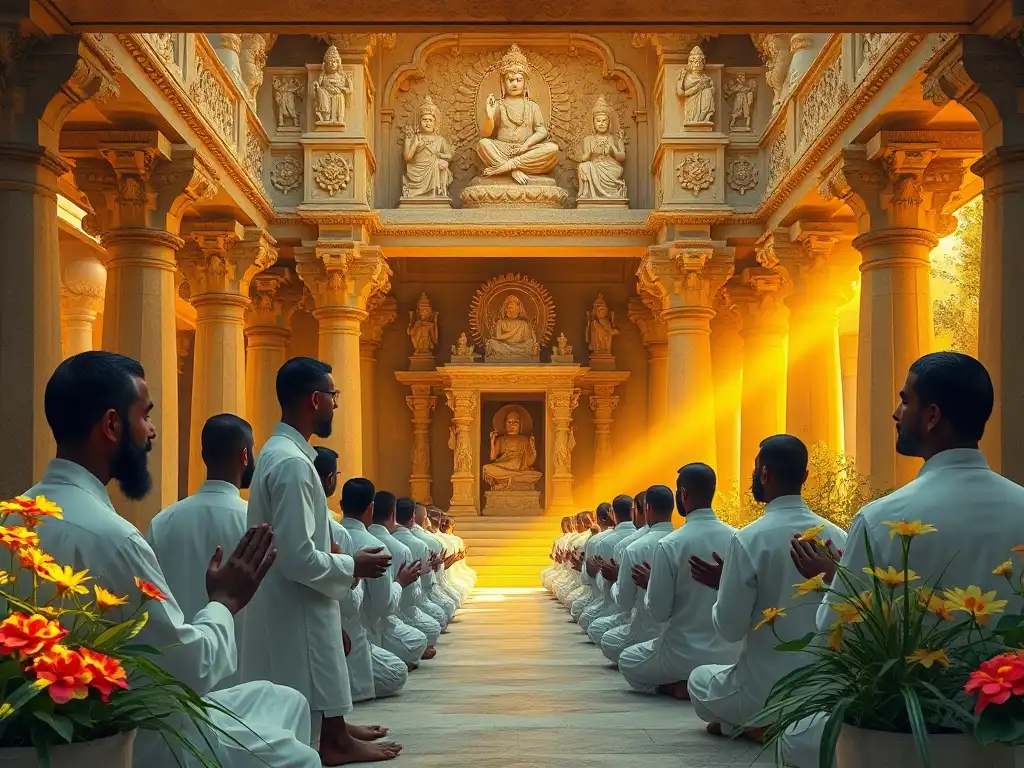
Jain rituals are deeply intertwined with the philosophical tenets of Jainism, reflecting the core principles and beliefs that have shaped the religion since its inception. Central to these rituals is the commitment to ahimsa (non-violence), which informs not only the ethical practices of Jains but also the manner in which they conduct their rituals. The rich tapestry of Jain practices serves as a living embodiment of ancient philosophical ideals, making Jain rituals a fascinating subject for exploration.
Ahimsa (Non-violence) and Its Influence on Rituals
Ahimsa, or non-violence, stands as the cornerstone of Jain philosophy, impacting every aspect of life, including rituals. This principle emphasizes respect for all living beings and underpins the ethical framework of Jainism.
- Non-violent Offerings:
- Jains often abstain from rituals that involve the sacrifice of animals, opting instead for offerings that are plant-based and cruelty-free. This reflects the deep-seated belief in preserving life and minimizing harm.
- Purity in Practices:
- Rituals are performed with a focus on purity, both physically and spiritually. The use of clean materials, such as fresh flowers and fruits, is paramount, as it aligns with the non-violent ethos by ensuring that no harm is done to living entities.
- Communal and Individual Practices:
- Ahimsa manifests in both community rituals and personal prayers. For instance, during Paryushana, a significant festival in Jainism, practitioners engage in fasting and prayer, emphasizing self-control and compassion, not only towards others but also towards themselves.
The influence of ahimsa on Jain rituals illustrates the profound connection between ethical living and spiritual practice, making it a vital aspect of Jain identity.
The Role of Meditation and Ascetic Practices
Meditation and asceticism play a crucial role in Jain rituals, serving as pathways to spiritual enlightenment and self-realization.
- Meditative Practices:
- Jains engage in dhyana (meditation) as a means to attain inner peace and clarity. Regular meditation is believed to purify the mind, allowing practitioners to focus on the principles of Jainism, such as truth and non-attachment.
- Ascetic Traditions:
- Asceticism is a vital component of Jain life, with many practitioners adopting stringent self-discipline through fasting, renunciation, and other austere practices. These rituals are seen as a way to detach from worldly possessions and desires, aligning with the ultimate goal of liberation (moksha).
- Rituals of Reflection:
- Rituals often include moments of reflection and self-assessment. For example, during the festival of Samvatsari, Jains engage in a process of forgiveness, where they seek to reconcile with others and purify their thoughts, fostering a mindset conducive to meditation.
The integration of meditation and ascetic practices into Jain rituals not only reinforces the philosophy of Jainism but also empowers practitioners to pursue a deeper understanding of themselves and their spiritual journey.
Symbolism in Jain Rituals
Symbolism plays a significant role in Jain rituals, enriching their meaning and enhancing the spiritual experience of practitioners.
- The Jain Symbols:
- Key symbols, such as the swastika, represent the cycle of birth and rebirth, while the hand with a wheel symbolizes non-violence and the teachings of Mahavira. These symbols are often incorporated into ritual practices, serving as reminders of the core values of Jainism.
- Use of Sacred Objects:
- Rituals often involve the use of sacred objects, such as puja thalis (offering plates), which contain items like rice, flowers, and fruits. Each of these elements carries specific meanings and represents various aspects of the Jain belief system, such as purity and devotion.
- Rituals of Worship:
- The act of worship (puja) includes the recitation of hymns and prayers, often invoking the Tirthankaras—spiritual teachers who have attained liberation. The symbolism inherent in these rituals serves to connect practitioners with their spiritual heritage and the broader community of Jains.
Through the use of symbolism, Jain rituals not only engage practitioners in a sensory experience but also deepen their understanding of the profound philosophies that underpin their faith.
Jain rituals in ancient India are not merely ceremonial acts; they are profound expressions of Jain philosophy, embodying principles like ahimsa, meditation, asceticism, and rich symbolism. These practices have sustained their relevance over millennia, continuing to connect contemporary Jains with their ancient roots.
Jain Rituals in Contemporary Society
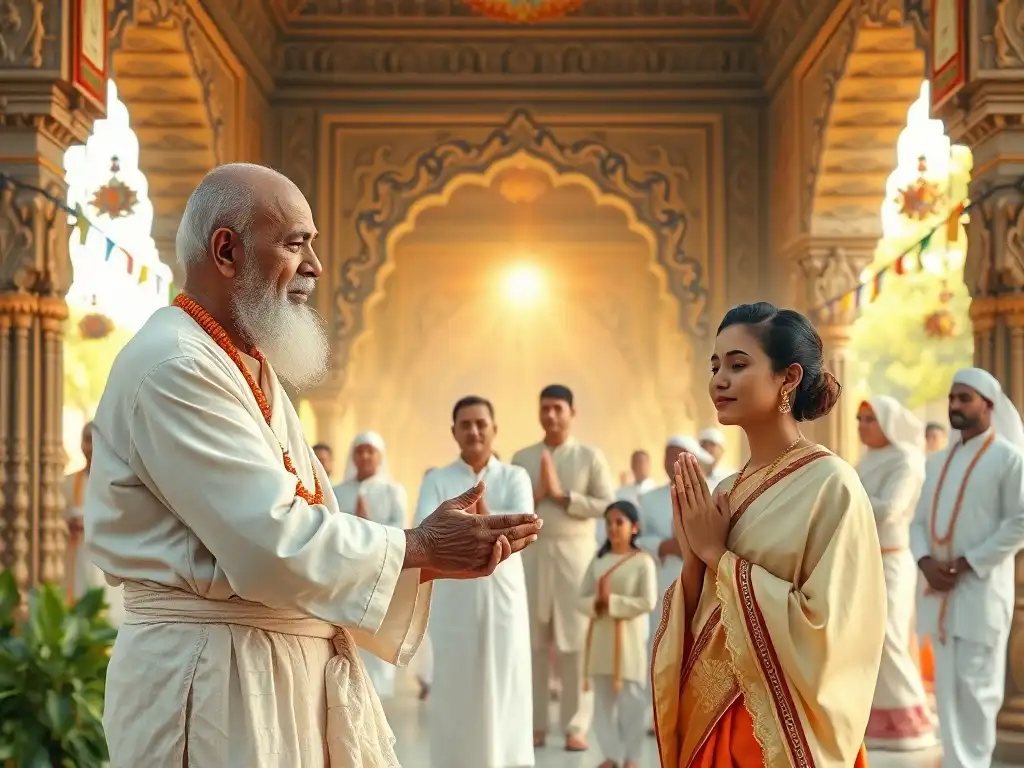
Preservation of Ancient Jain Practices
The preservation of ancient Jain rituals is a crucial aspect of maintaining the cultural and spiritual heritage of Jainism. These rituals, rooted in the teachings of Mahavira, often emphasize non-violence (Ahimsa), truthfulness (Satya), and asceticism. Various practices that were prevalent in ancient times continue to be observed today, reflecting their significance in spiritual discipline and community identity.
- Daily Puja (Worship): The daily rituals include prayers and offerings to Tirthankaras, particularly Mahavira. Traditional practices such as the use of sacred texts, chanting of mantras, and the offering of food, flowers, and water remain integral to daily worship.
- Festivals and Celebrations: Major festivals like Paryushana and Mahavir Jayanti are celebrated with rituals that have been passed down through generations. These festivals involve community gatherings, fasting, and the recitation of scriptures, preserving the spirit of ancient observances.
- Pilgrimages: Pilgrimages to sacred sites such as Palitana and Shikharji serve as a means to connect with ancient traditions. These journeys hold profound spiritual significance and are often accompanied by rituals that echo those practiced by ancient Jains.
- Rituals for Life Events: Important life events such as birth, marriage, and death are marked by specific rituals that reflect ancient customs. For instance, the ritual of 'Namkaran' (naming ceremony) involves blessings and prayers that have historical roots.
The commitment to preserving these practices is evident in the efforts of Jain communities worldwide, where temples and local organizations often organize workshops and seminars to educate younger generations about their heritage.
Adaptations of Rituals in Modern Jain Communities
As societies evolve, so too do the rituals associated with Jainism. Modern Jain communities have shown remarkable adaptability while striving to maintain the essence of ancient practices. This evolution is influenced by various factors, including globalization and interfaith interactions.
- Simplification of Rituals: Many Jain families have adapted rituals to fit contemporary lifestyles. For example, elaborate ceremonies may be simplified to allow for participation in busy schedules without compromising spiritual significance.
- Integration of Technology: The use of digital platforms for conducting rituals has become increasingly popular. Virtual pujas and online gatherings, especially during the COVID-19 pandemic, allowed followers to maintain their spiritual practices while adhering to safety measures.
- Interfaith Dialogue: Modern Jain communities often engage in dialogues with other religions, leading to the adoption of certain practices that resonate with broader spiritual themes. This cross-pollination can enrich rituals while respecting their original intent.
- Focus on Environmental Concerns: Reflecting contemporary values, some rituals now emphasize ecological consciousness. For instance, during festivals, the use of biodegradable materials and environmentally friendly practices is encouraged, aligning ancient principles of non-violence with modern environmental ethics.
Through these adaptations, Jain rituals continue to thrive, ensuring that the core values of Jainism remain relevant in today's rapidly changing world.
The Role of Technology in Modern Jain Rituals
Technology plays a significant role in the evolution of Jain rituals, enhancing accessibility and engagement within communities. Its impact can be observed in various aspects of ritual practice.
- Online Worship Platforms: With the advent of the internet, many Jain temples and organizations have developed online platforms for virtual worship. Live-streaming of rituals and events allows Jains from around the world to participate in ceremonies that they may not be able to attend in person.
- Mobile Applications: Several mobile apps are now available that provide resources for Jain prayers, scriptures, and ritual guidelines. These applications serve as convenient tools for individuals seeking to perform rituals at home or enhance their understanding of Jain teachings.
- Social Media Engagement: Social media has become a vital tool for sharing information about rituals, events, and educational content. Communities can connect, share experiences, and promote participation in rituals, thereby fostering a sense of belonging and unity.
- Digital Archives: The preservation of ancient texts and manuscripts has been greatly facilitated by technology. Digital archives allow scholars and practitioners to access historical Jain scriptures and documents, ensuring that ancient wisdom is preserved for future generations.
Technology not only enhances the practice of Jain rituals but also ensures that the teachings and traditions of ancient Jainism remain accessible and relevant in the contemporary world. This fusion of tradition and technology represents a dynamic path forward for Jainism, bridging the ancient with the present.
Conclusion: The Enduring Legacy of Jain Rituals
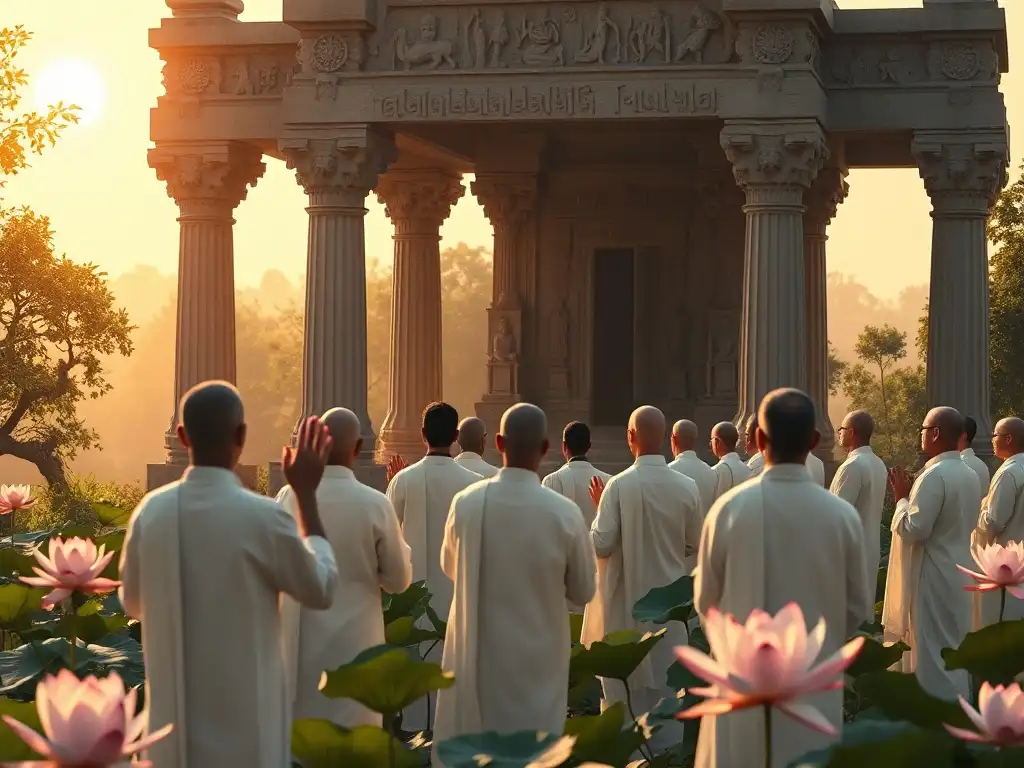
Jain rituals in ancient India hold a significant place in the cultural and religious tapestry of the subcontinent. These rituals, deeply rooted in the principles of non-violence (ahimsa) and truth (satya), not only shaped the spiritual lives of millions but also influenced various aspects of Indian society, including art, architecture, and philosophy.
The enduring legacy of Jain rituals can be seen in their meticulous practices that emphasize purity, discipline, and respect for all life forms. Ancient texts such as the Tattvartha Sutra and the Acharanga Sutra provide essential insights into these rituals, highlighting their role in spiritual advancement and community cohesion.
Moreover, the architecture of ancient Jain temples, with their intricate carvings and elaborate designs, reflects the rituals performed within these sacred spaces. The temples acted as centers for community gatherings, where rituals were performed to celebrate significant life events, fostering a sense of belonging among practitioners.
Reflection on the Importance of Jain Rituals in Ancient and Modern Contexts
Jain rituals in ancient India were not merely ceremonial; they served as vital expressions of faith and community. They provided a framework for moral living and spiritual development, fostering a strong sense of identity among Jains. For instance, rituals like the Panch Kalyanak celebration, which commemorates the five key events in the life of a Tirthankara, emphasized the importance of divine grace and moral rectitude.
In modern contexts, these rituals continue to play a crucial role in maintaining the cultural identity of the Jain community. The observance of traditional practices, such as Paryushana and Das Lakshana, reflects a commitment to ethical living and community service. Additionally, the rituals serve as a means of preserving ancient wisdom and teachings, ensuring that the values of non-violence and compassion remain relevant in today's world.
Moreover, the adaptation of Jain rituals in contemporary settings illustrates their resilience and relevance. For example, during festivals, Jains often engage in community service activities, such as food drives and environmental initiatives, reflecting the integration of ancient principles with modern societal needs.
The Future of Jain Rituals and Practices in a Globalized World
As globalization continues to influence cultures around the world, Jain rituals face both challenges and opportunities. The diaspora communities have begun to reshape traditional practices, incorporating them into diverse cultural contexts while striving to maintain their authenticity.
One significant trend is the increasing use of digital platforms for ritual observance. Virtual ceremonies and online gatherings have emerged as practical solutions, especially during challenging times, such as the COVID-19 pandemic. This adaptation not only allows for the continuation of rituals but also opens avenues for engaging younger generations who may be more inclined towards technology.
Furthermore, the emphasis on sustainability in Jain rituals aligns well with global movements advocating for environmental consciousness. Initiatives that focus on plant-based diets, conservation efforts, and ethical living resonate with a broader audience, promoting the core Jain values of non-violence and respect for all life.
The future of Jain rituals and practices is poised to evolve while remaining rooted in their ancient origins. As Jains navigate the complexities of modern life, the adaptability and enduring significance of these rituals will ensure their continued relevance in a rapidly changing world.
Frequently Asked Questions
What are the key Jain rituals practiced in ancient India?
Jain rituals in ancient India included prayer, fasting, and meditation. These practices were essential for spiritual purification and self-discipline, reflecting the Jain commitment to ahimsa (non-violence).
How did Jainism influence the culture of ancient India?
Jainism significantly influenced ancient Indian culture through its art, architecture, and philosophy. The emphasis on non-violence and truth permeated various aspects, promoting a culture of tolerance and respect for all life forms.
What role did temples play in Jain rituals?
Temples served as spiritual centers for Jain communities, where rituals like puja (worship) and samyak darshana (right perception) were conducted. They were crucial for maintaining community cohesion and passing down traditions.
How do ancient Jain practices connect with modern Jainism?
Many ancient practices have been retained in modern Jainism, such as observances of Paryushana and rituals during festivals. This continuity highlights the timeless nature of Jain principles in today's world.
What is the significance of fasting in Jain rituals?
Fasting in Jain rituals is a means of self-purification and detachment from worldly desires. It embodies the Jain philosophy of control over the body and mind, enhancing spiritual growth and awareness.
Final Reflection: Bridging Ancient Jain Rituals with Modern Life
Jain rituals in ancient India have not only shaped the spiritual landscape of the past but continue to resonate profoundly in our contemporary society. As we explore the intricate tapestry of these practices, we uncover their enduring relevance in promoting peace, non-violence, and respect for all living beings. The essence of Jainism, rooted in ancient wisdom, offers a guiding light in today's fast-paced world, reminding us of the importance of mindfulness and compassion in our daily lives.
The influence of Jain rituals extends beyond mere tradition; they serve as a cultural anchor that fosters community and ethical living. The practices we observe today, whether through meditation, fasting, or communal gatherings, echo the teachings of ancient sages who emphasized harmony with nature and self-discipline.
As Mahatma Gandhi once said, "> The greatness of a nation and its moral progress can be judged by the way its animals are treated." This quote encapsulates the core of Jain philosophy, urging us to reflect on our relationship with the world around us and the impact of our actions on all living beings.
As we conclude our exploration of Jain rituals, I invite you to reflect on how these ancient practices can enrich your own life. Consider integrating elements of Jain philosophy into your daily routine—whether through acts of kindness, mindful consumption, or a deeper appreciation for the interconnectedness of life.
Let the wisdom of the past inspire you to cultivate a more compassionate and harmonious existence, not only for yourself but for the world at large. Embrace the teachings of Jainism as a pathway to personal growth and societal transformation, and carry forward the legacy of these timeless rituals into the future.
Thank you for taking the time to explore the intricate world of Jain rituals and practices with us! You've uncovered not just ancient traditions but powerful teachings that can enrich our modern lives. Now, it’s your turn to take that knowledge a step further.
Here’s how you can connect with and share these profound insights:
- Dive deeper into Jain philosophy by reading sacred texts such as the Tattvartha Sutra or visiting local Jain communities to witness these practices firsthand.
- Share your newfound knowledge with friends or on social media. Encourage them to embrace the values of non-violence and mindfulness in their daily routines!
- Participate in a local Jain festival or event—experience the rituals up close and gain a deeper understanding of their significance in today’s context.
What aspect of Jainism intrigued you the most, and how do you envision incorporating its values into your daily life?