
The Impact of Colonialism on the Interpretation of Vedic Texts


Welcome to Ancient India History, where we delve into the rich tapestry of India’s past, unraveling the intricate narratives that have shaped its civilizations. Today, we invite you to explore a thought-provoking piece on "The Impact of Colonialism on the Interpretation of Vedic Texts." This article sheds light on how colonial influences have altered our understanding of these ancient scriptures, raising questions about authenticity, tradition, and cultural identity.
What secrets lie within the Vedic texts that colonial narratives have obscured? Join us as we embark on a journey through time to uncover the profound connections between colonialism and ancient wisdom, and ignite your curiosity about India’s historical legacy.

Introduction to Colonialism and Vedic Texts
The intersection of colonialism and the interpretation of Vedic texts represents a pivotal chapter in the history of ancient Indian religions, particularly Hinduism. As colonial powers, primarily the British, expanded their reach into India, they not only imposed their political and economic will but also sought to understand and often reshape the cultural narratives that defined the Indian subcontinent.
This intersection is crucial for understanding how Vedic texts, which are foundational to Hindu philosophy and spirituality, were viewed, interpreted, and sometimes misrepresented in the colonial era. The legacy of colonial interpretations continues to influence contemporary discourse on Hindu scriptures, raising questions about authenticity and the motivations behind various interpretations.
Definition of Colonialism in Historical Context
Colonialism, in a historical context, refers to the practice of acquiring full or partial political control over another country, occupying it with settlers, and exploiting it economically. This often involves a significant cultural exchange or imposition, where the colonizers attempt to assert their values, beliefs, and systems over those of the indigenous population.
In India, colonialism began with European traders in the late 15th century but reached its peak with the establishment of British rule in the 19th century. During this period, colonial powers not only sought to control resources but also aimed to reshape cultural identities, including religious beliefs and practices.
Overview of Vedic Texts and Their Significance in Hinduism
The Vedic texts, composed in ancient India, are among the oldest sacred scriptures in the world and are foundational to Hinduism. They consist of four main collections: the Rigveda, Samaveda, Yajurveda, and Atharvaveda. These texts encompass a variety of genres, including hymns, rituals, philosophical discourses, and incantations. They are not just religious scriptures but also serve as a compendium of knowledge covering various aspects of life, philosophy, and cosmology. The Vedas play a crucial role in defining Hindu spirituality, ethics, and societal norms, thus making their interpretation a sensitive and significant issue, especially in the context of colonial influences.
Historical Background of Colonialism in India
Early Encounters: European Traders and Colonizers
The initial interactions between India and European powers began with trade in the late 15th century. Portuguese, Dutch, French, and British traders sought lucrative routes and commodities, such as spices and textiles. These early encounters laid the groundwork for more profound colonial ambitions. As European presence intensified, they began documenting their observations of Indian society, including religious practices and texts. However, these interpretations were often filtered through a Eurocentric lens, leading to misconceptions about the depth and richness of India's cultural heritage.
Establishment of British Rule and Its Influence on Indian Society
The establishment of British rule in India in the 18th century marked a significant turning point in the interpretation of Vedic texts. The British administrators and scholars, influenced by Enlightenment ideals and a desire to rationalize Indian culture, began to study Vedic literature systematically. However, their interpretations often carried biases that reflected colonial attitudes.
This led to a dichotomy where Vedic texts were either romanticized as symbols of ancient wisdom or criticized as archaic and regressive. This complex interplay of colonialism and the interpretation of Vedic texts has had lasting implications for how these scriptures are understood in contemporary times.
Overall, the impact of colonialism on the interpretation of Vedic texts is a multifaceted issue that continues to resonate in modern scholarly and cultural discussions, making it a vital area of exploration for understanding the dynamics of ancient Indian religions and their evolution through time.
The Interpretation of Vedic Texts Before Colonialism
The interpretation of Vedic texts has a rich and nuanced history that predates colonial influence. In ancient India, the Vedas were considered the ultimate authority in spiritual, philosophical, and practical matters. They were revered as divine revelations, embedded in the cultural and religious fabric of society.
Traditional Views on Vedic Scriptures
Traditionally, Vedic scriptures were viewed as eternal truths, embodying the cosmic order (Rta) and guiding humanity towards dharma (righteousness). Scholars in ancient India approached these texts through a holistic lens, where ritualistic practices, philosophical inquiries, and ethical principles were interwoven. The texts were orally transmitted, ensuring that their interpretations remained consistent within the cultural context.
The four Vedas—Rigveda, Samaveda, Yajurveda, and Atharvaveda—were associated with specific rituals and societal functions. Each Veda was further divided into Samhitas (hymns), Brahmanas (ritualistic prose), Aranyakas (meditative texts), and Upanishads (philosophical discussions), showcasing a layered approach to understanding their significance. The Vedic texts were not merely religious; they encompassed knowledge in various fields, including astronomy, mathematics, and medicine.
Scholarly Approaches to Vedic Texts in Pre-Colonial India
Scholarly approaches to Vedic texts in pre-colonial India were marked by a blend of commentary and reinterpretation. Scholars, known as pandits, engaged in deep textual analysis, producing commentaries (bhashyas) that explored grammatical nuances and philosophical implications. The commentaries often reflected the socio-cultural contexts of their times, adapting the teachings of the Vedas to contemporary issues.
The establishment of various philosophical schools, such as Vedanta, Mimamsa, and Nyaya, further enriched the discourse around Vedic texts. Each school offered distinct interpretations, emphasizing different aspects of the texts and contributing to a vibrant intellectual tradition. This period was characterized by a respect for tradition, where Vedic knowledge was seen as a means to attain spiritual liberation (moksha) and societal harmony.
The Shift in Interpretation During Colonialism
The onset of colonialism marked a significant turning point in the interpretation of Vedic texts. Colonial powers, particularly the British, sought to understand and categorize Indian culture through a Western lens. This led to a re-evaluation and often misinterpretation of Vedic literature, driven by the colonizers' own ideological frameworks.
Colonial Scholarship and Its Impact on Vedic Texts
Colonial scholarship brought about a systematic examination of Vedic texts, often devoid of their original context and significance. Western scholars, equipped with philological methods, approached the Vedas as historical documents rather than sacred texts. This academic endeavor frequently resulted in the reduction of Vedic literature to mere artifacts of cultural anthropology, stripping away their spiritual essence.
Moreover, the emphasis on rationalism and empirical evidence in Western thought clashed with the metaphysical aspects of Vedic literature. Consequently, many interpretations highlighted contradictions and inconsistencies, often portraying Vedic society as primitive or backward. This shift not only altered the perception of Vedic texts but also shaped the broader narrative of Indian civilization in colonial discourse.
The Role of Missionaries in Vedic Texts Interpretation
Missionaries played a crucial role in reshaping the interpretation of Vedic texts during colonialism. Motivated by their religious agendas, many Christian missionaries sought to critique and undermine the indigenous belief systems, including Hinduism. They often presented Vedic texts as barbaric or inadequate compared to Christian teachings, fostering a narrative of superiority.
By employing selective excerpts and emphasizing certain interpretations, missionaries aimed to depict Vedic culture as in need of salvation. This manipulation of Vedic texts contributed to a distorted understanding of Hindu philosophy, leading to a backlash that would later fuel the revivalist movements within India itself.
Political and Cultural Motives Behind Colonial Interpretations
The political motives behind colonial interpretations of Vedic texts were closely tied to the broader strategy of control and governance. By framing Indian cultural heritage as inferior or chaotic, colonial authorities justified their rule as a civilizing mission. This narrative served to legitimize colonial dominance while alienating indigenous cultures.
Culturally, the reinterpretation of Vedic texts was utilized to create a divide between the colonizers and the colonized. By presenting Vedic literature through a critical lens, colonial powers sought to create a sense of disconnection from traditional Indian values. This not only affected the perception of Vedic texts but also had lasting impacts on the identity and self-perception of Indian society, leading to a complex interplay of resistance and adaptation in the post-colonial era.
Case Studies: Specific Examples of Colonial Interpretations
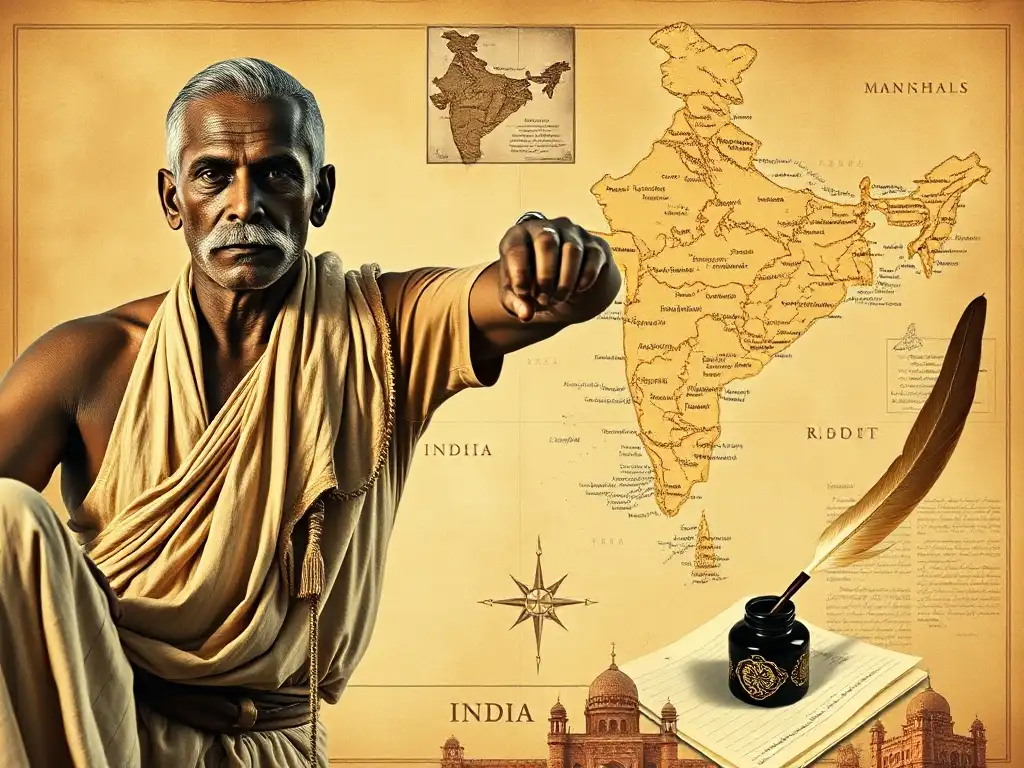
Colonial interpretations of Vedic texts have varied significantly, shaped by the cultural, political, and ideological contexts of the time. Here are some key case studies that highlight the impact of colonialism on the understanding of these ancient scriptures:
- Max Müller and the Sacred Books of the East: Max Müller, a prominent philologist and orientalist, played a crucial role in the translation and interpretation of Vedic texts. He viewed the Vedas as a foundational aspect of Indian culture but often imposed Western philosophical frameworks onto these texts. His translations, while pioneering, were heavily influenced by his personal beliefs and the colonial mindset, leading to interpretations that sometimes distorted the original meanings.
- William Jones and the Concept of Dharma: As one of the earliest scholars to study Sanskrit, William Jones introduced the idea of comparing ancient Indian texts with European literature. His interpretation of the concept of dharma was framed within a colonial perspective, often minimizing its complexity and reducing it to mere law or duty, neglecting its broader spiritual and ethical dimensions.
- R. C. Dutt and the Vedic Age: R. C. Dutt's works, such as "A History of Civilization in Ancient India," reflected a romanticized view of the Vedic period, portraying it as a golden age. However, his interpretations often lacked scholarly rigor and were influenced by the colonial agenda to depict Indian civilization as stagnant before British intervention, further complicating the narrative surrounding Vedic texts.
Analysis of Key Colonial Scholars and Their Works
The analysis of key colonial scholars reveals a spectrum of interpretations that have significantly influenced modern understanding of Vedic texts.
- Max Müller: His extensive work on the Rigveda introduced many Western readers to Vedic literature. However, his approach often extracted texts from their cultural context, leading to interpretations that resonated more with Victorian ideals than with the original intent of the scriptures.
- A. B. Keith: As a prominent indologist, Keith’s translations and analyses often showcased a Eurocentric view of Vedic literature. His works emphasized the historical progression of Indian thought but were criticized for neglecting the complex philosophical underpinnings of the Vedas.
- N. G. Chitkara: While not as widely known, Chitkara's critiques of colonial interpretations shed light on the distortions that arose from viewing Vedic texts through a colonial lens. His efforts brought attention to the need for indigenous perspectives in understanding these scriptures.
Comparative Study of Vedic Texts Translations by Colonial Scholars
Comparative studies of translations by various colonial scholars reveal discrepancies that stem from differing methodologies and underlying agendas.
| Scholar | Texts Translated | Approach/Methodology | Key Interpretations |
|---|---|---|---|
| Max Müller | Rigveda | Philological, Western philosophical | Focus on hymns as reflections of psyche |
| William Jones | Manusmriti | Comparative, legalist | Reduction of dharma to legal principles |
| R. C. Dutt | Mahabharata | Historical, romanticized | Idealization of Vedic civilization |
| A. B. Keith | Upanishads | Historical, analytical | Linear progression of thought |
This table illustrates how different scholars approached the same texts with varying interpretations, often reflecting their cultural biases and the colonial context in which they operated.
Reactions from Indian Scholars and Traditionalists
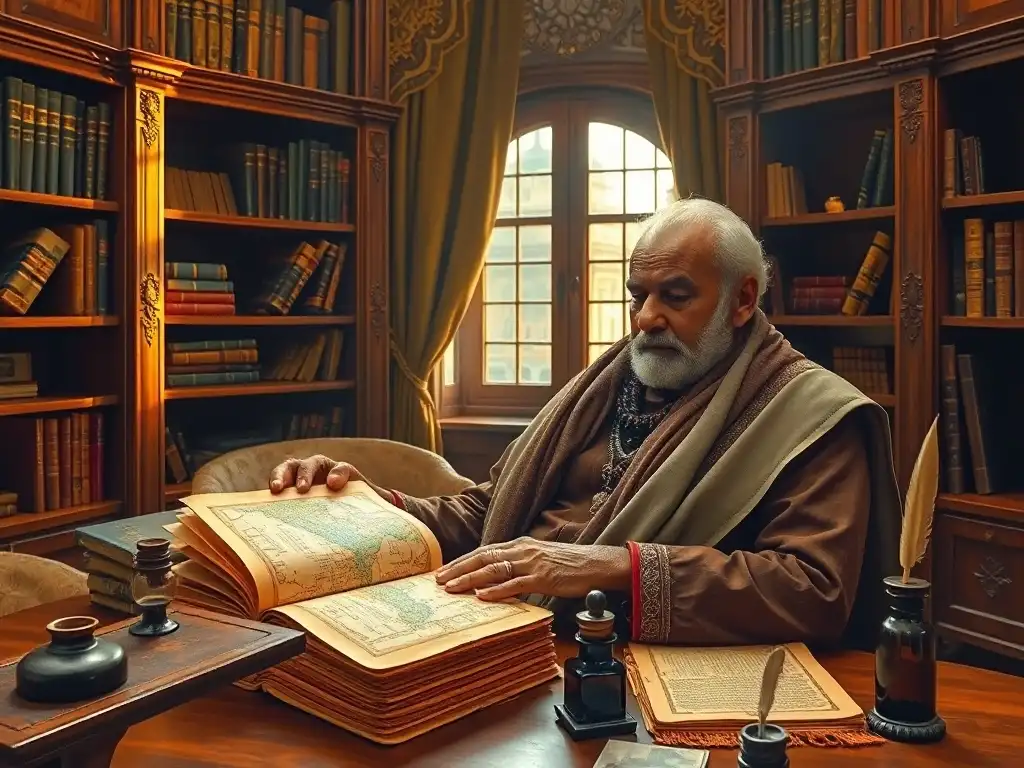
The colonial interpretation of Vedic texts sparked significant reactions from Indian scholars and traditionalists, who aimed to reclaim the narratives that were often misrepresented.
- Response of Traditionalists: Many traditional scholars emphasized the need to approach Vedic texts with respect for their spiritual and philosophical depths. They argued that colonial interpretations often stripped the texts of their cultural significance and spiritual essence.
- Emergence of Indological Schools: In response to colonial scholarship, several Indian scholars established indological schools that aimed to provide authentic interpretations based on indigenous understanding. Figures such as Swami Vivekananda and later, scholars like S. Radhakrishnan, sought to reinterpret Vedic texts in light of their philosophical richness and relevance to contemporary Hinduism.
- Critique of Orientalism: The critique of Orientalism by Indian scholars highlighted the dangers of viewing Vedic texts through a colonial lens, advocating for interpretations that honor the texts' historical and cultural contexts.
The Legacy of Colonial Interpretations on Modern Understanding
The legacy of colonial interpretations continues to influence modern understanding of Vedic texts in various ways, shaping both academic discourse and popular perceptions.
- Fragmented Understanding: The colonial legacy has resulted in fragmented interpretations of Vedic texts, where Western scholarly frameworks often overshadow indigenous perspectives. This has led to a dichotomy between traditional understandings and modern academic interpretations.
- Cultural Appropriation: The selective appropriation of Vedic concepts in modern spirituality and self-help movements often reflects a misunderstanding of the original texts. This phenomenon raises questions about authenticity and the ethical implications of interpreting ancient wisdom outside its cultural context.
Influence on Contemporary Hinduism and Vedic Studies
The influence of colonial interpretations on contemporary Hinduism and Vedic studies is profound, affecting how these texts are perceived and practiced today.
- Reform Movements: Many reform movements within Hinduism have emerged in response to colonial interpretations, seeking to redefine the relevance of Vedic teachings in modern society. Leaders like Mahatma Gandhi often drew upon Vedic principles while challenging distorted narratives.
- Integration of Indigenous Perspectives: There is a growing movement among scholars and practitioners to integrate indigenous perspectives into the study of Vedic texts, aiming to create a more holistic understanding that honors both historical and contemporary contexts.
Ongoing Debates: Colonialism and Vedic Texts in Academic Discourse
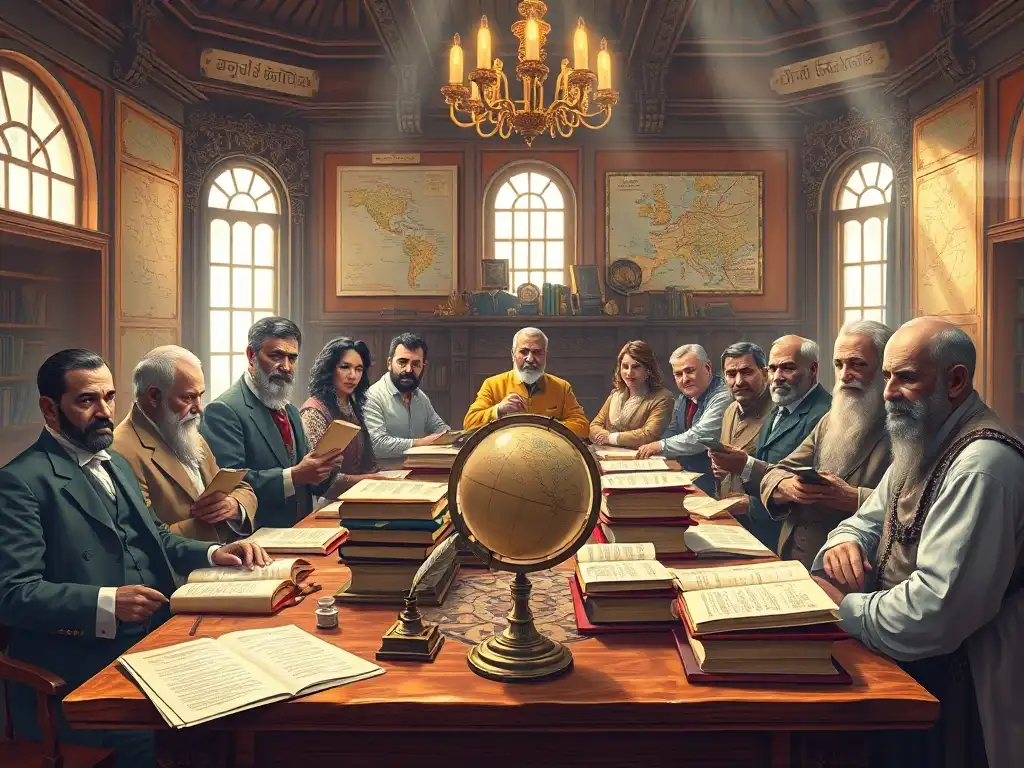
Ongoing debates in academic discourse around colonialism and Vedic texts highlight the complexities of interpreting these ancient scriptures in a post-colonial world.
- Revisiting Historical Narratives: Scholars continue to revisit historical narratives surrounding Vedic texts, questioning the biases inherent in colonial scholarship and advocating for more nuanced interpretations that recognize the texts' multifaceted nature.
- Interdisciplinary Approaches: The intersections of history, philosophy, and cultural studies are increasingly being explored in the context of Vedic texts, allowing for a richer dialogue that incorporates diverse perspectives and methodologies.
- Emergence of New Scholarship: New scholarship is emerging that seeks to challenge established narratives and provide fresh insights into the Vedic texts, reflecting a broader shift towards decolonizing knowledge and embracing indigenous wisdom.
The impact of colonialism on the interpretation of Vedic texts is a complex tapestry woven with historical, cultural, and ideological threads, influencing both past and present understandings of these foundational scriptures.
Conclusion: Reflecting on Colonialism's Impact on Vedic Texts
Colonialism has profoundly influenced the interpretation of Vedic texts, reshaping not only how these ancient scriptures are viewed but also how they are utilized within contemporary discourse. The imposition of colonial narratives often led to a skewed understanding of Vedic literature, reducing its rich philosophical and cultural context to mere artifacts of historical curiosity. This reductionist approach frequently ignored the complexities and nuances inherent in Vedic thought, leading to interpretations that served colonial agendas rather than reflecting the authentic essence of these texts.
Moreover, the legacy of colonialism continues to affect the scholarship surrounding Vedic texts, as Western methodologies and frameworks often dominate the academic landscape. As scholars and practitioners navigate these influences, it is crucial to recognize and challenge the biases that have shaped interpretations over the centuries. Reevaluating Vedic texts through a lens that honors their indigenous context and significance can foster a deeper appreciation for their contributions to philosophy, spirituality, and cultural identity in India.
Summary of Key Points Regarding Colonialism and Vedic Texts
- Historical Context: Colonial scholarship often misrepresented Vedic texts, framing them through a Eurocentric lens that simplified their complexities.
- Cultural Impact: The interpretation of Vedic texts was frequently utilized to justify colonial rule, portraying Indian culture as stagnant or inferior.
- Methodological Limitations: Western academic methodologies often overlooked indigenous perspectives, leading to interpretations that disregarded the rich oral traditions and contextual meanings of Vedic literature.
- Post-Colonial Revisions: In recent years, there has been a resurgence of interest in reexamining Vedic texts, emphasizing their philosophical depth and cultural significance beyond colonial narratives.
The Importance of Reevaluating Vedic Texts in Post-Colonial Context
Reevaluating Vedic texts in a post-colonial context is crucial for several reasons. First, it allows for a more accurate representation of the texts that aligns with their original cultural and philosophical intentions. By engaging with these texts on their own terms, scholars can uncover insights that have been overlooked due to colonial biases.
Second, this reevaluation fosters a sense of ownership and agency among contemporary practitioners of Hinduism and scholars of Indian philosophy. It empowers individuals to reclaim their heritage by understanding Vedic texts as living documents that continue to influence spiritual and philosophical thought today.
Finally, a post-colonial perspective encourages dialogue between ancient wisdom and modern contexts, allowing Vedic texts to contribute meaningfully to contemporary discussions on ethics, spirituality, and identity in a globalized world.
Further Reading and Resources
Recommended Books and Articles on Colonialism and Vedic Texts
- "The Vedas: An Introduction to Hinduism's Sacred Texts" by Arvind Sharma: This book provides a comprehensive overview of the Vedas, discussing their historical context and relevance in modern times.
- "Orientalism" by Edward Said: A foundational text that examines how Western scholarship has historically portrayed Eastern cultures, including the implications for the interpretation of Vedic texts.
- "The Vedic Experience: Man and World in the Vedas" by M. P. Pandit: This work delves into the philosophical and spiritual dimensions of the Vedas, offering insights into their impact beyond colonial interpretations.
Online Resources for Understanding Vedic Texts in Historical Context
- Sacred Texts: Vedas: This online repository offers access to translations and original texts of the Vedas, along with contextual annotations and scholarly commentary.
- The Internet Archive: A treasure trove of historical books and articles on Vedic texts, including colonial interpretations and contemporary analyses.
- YouTube Channels: Channels such as "Hindu Academy" and "The Vedic Scholar" provide lectures and discussions that explore Vedic literature and its historical significance, often challenging colonial narratives.
By tapping into these resources, individuals can gain a richer understanding of Vedic texts, fostering a nuanced approach that respects their historical legacy while embracing their relevance today.
- Introduction to Colonialism and Vedic Texts
- Historical Background of Colonialism in India
- The Interpretation of Vedic Texts Before Colonialism
- The Shift in Interpretation During Colonialism
- Case Studies: Specific Examples of Colonial Interpretations
- Analysis of Key Colonial Scholars and Their Works
- Comparative Study of Vedic Texts Translations by Colonial Scholars
- Reactions from Indian Scholars and Traditionalists
- The Legacy of Colonial Interpretations on Modern Understanding
- Influence on Contemporary Hinduism and Vedic Studies
- Ongoing Debates: Colonialism and Vedic Texts in Academic Discourse
- Conclusion: Reflecting on Colonialism's Impact on Vedic Texts
- Further Reading and Resources
- What is the focus of the article on Colonialism and Vedic Texts?
- How did colonialism affect the perception of Vedic texts?
- What are Vedic texts, and why are they significant?
- Can you explain the term 'interpretation' in the context of Vedic texts?
- What contributions did ancient Indian civilizations make to the world?
Frequently Asked Questions
What is the focus of the article on Colonialism and Vedic Texts?
The article examines the impact of colonialism on how Vedic texts were interpreted, highlighting shifts in understanding due to historical context.
How did colonialism affect the perception of Vedic texts?
Colonialism introduced Western perspectives that often misinterpreted or oversimplified Vedic texts, leading to a distorted understanding of ancient Indian philosophies.
What are Vedic texts, and why are they significant?
Vedic texts are ancient scriptures that form the foundation of Hindu philosophy and spiritual practices, offering insights into the culture and society of ancient India.
Can you explain the term 'interpretation' in the context of Vedic texts?
In this context, interpretation refers to how scholars and practitioners understand and explain the meanings of Vedic texts, often influenced by cultural and political factors.
What contributions did ancient Indian civilizations make to the world?
Ancient Indian civilizations contributed significantly to mathematics, philosophy, and the arts, with Vedic literature playing a crucial role in shaping Indian culture and thought.
Final Reflection: The Enduring Legacy of Colonialism on Vedic Texts
The impact of colonialism on the interpretation of Vedic texts remains profoundly relevant today, as it shapes our understanding of cultural heritage and identity. The colonial lens through which these ancient scriptures were viewed has not only influenced academic discourse but has also left a lasting imprint on how contemporary society perceives its spiritual and philosophical roots. This ongoing dialogue between past and present highlights the necessity of critically examining the narratives we inherit.
Cultural interpretations of Vedic texts continue to evolve, reflecting the complexities of identity and power dynamics in a post-colonial world. The way these texts are understood and taught can either perpetuate colonial biases or pave the way for a more authentic representation of Indian philosophy. As noted by scholar A. K. Ramanujan, “The past is never dead. It’s not even past.” > This quote encapsulates the idea that our historical interpretations are living entities, continuously reshaped by current socio-political contexts.
As we reflect on the lessons drawn from the intersection of colonialism and Vedic texts, I invite you to consider your own relationship with cultural narratives. How can you engage with these texts in a way that honors their original context while also acknowledging the complexities introduced by colonial histories? By fostering a deeper understanding of our shared past, we can contribute to a more nuanced and respectful dialogue about cultural heritage that transcends boundaries and enriches our collective future.
Unveil the Truth: Take Action on Vedic Texts Today!
Thank you for exploring the profound impacts of colonialism on the interpretation of Vedic texts with us. By delving into this rich history, you've gained invaluable insights into how perspectives shape our understanding of ancient wisdom. Now, let’s turn that knowledge into meaningful action!
- Dive deeper into Vedic texts by visiting your local library or accessing reputable online resources to find original translations and insightful commentaries.
- Share your insights with friends and online communities—initiate a discussion on social media about your discoveries and encourage others to explore these texts from new angles.
- Join a workshop or seminar that focuses on the Vedic tradition and its interpretations throughout history, allowing you to connect with fellow enthusiasts and expand your understanding.
What insights have you discovered about the interplay between colonial influences and Vedic traditions that have reshaped your previous views?