
The Impact of Chandragupta Maurya on Ancient Indian Trade and Economy


Welcome to Ancient India History, where we embark on a captivating journey through the rich tapestry of ancient Indian civilizations. Today, we delve into a pivotal chapter that shaped the trade and economy of the subcontinent: the influence of Chandragupta Maurya. Discover how this remarkable leader not only unified a fragmented region but also laid the groundwork for a thriving trade network that transformed society. Are you ready to uncover the intricate connections between Chandragupta's reign and the flourishing economic landscape of ancient India? Join us as we explore the profound impact of his legacy on trade and commerce!
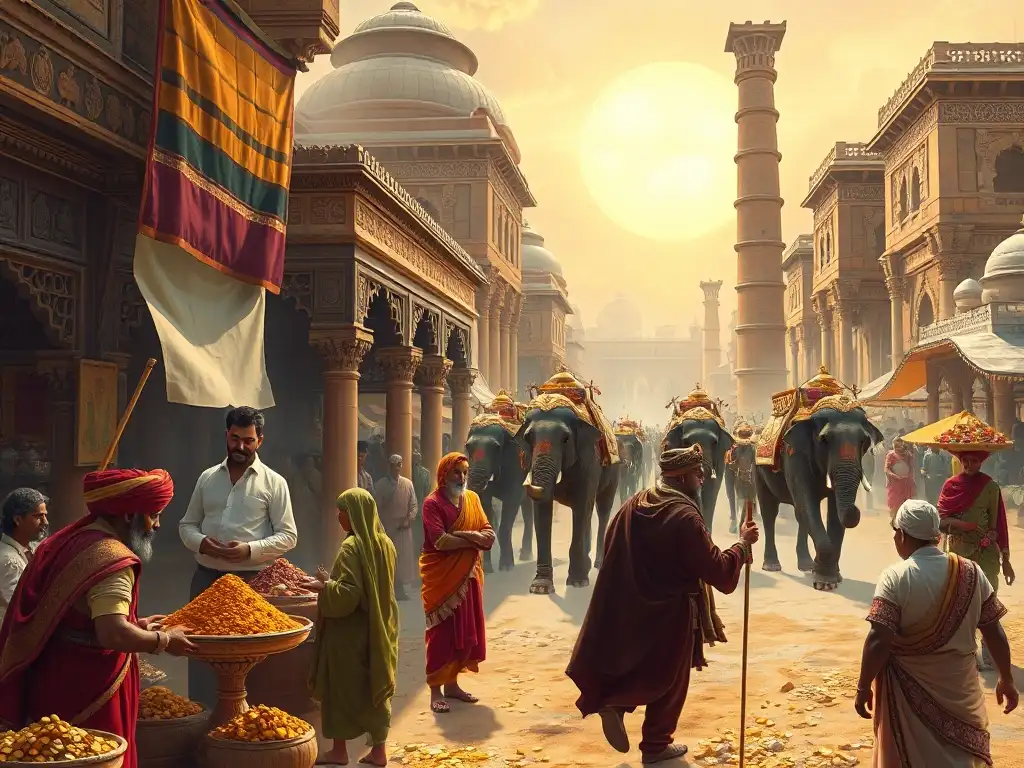
Introduction to Chandragupta Maurya
Chandragupta Maurya stands as a pivotal figure in ancient Indian history, renowned for his transformative role in shaping the political and economic landscape of the subcontinent. By establishing the Maurya Empire in the 4th century BCE, he not only unified a fragmented region but also laid the groundwork for a robust trade network that would enhance economic prosperity across India.
His policies, strategies, and vision significantly impacted trade and economy, making him a central character in the discussions surrounding ancient Indian commerce. Understanding the impact of Chandragupta Maurya on trade and economy involves delving into his life, the socio-political context of his reign, and the economic practices of the time.
Overview of Chandragupta Maurya's Life
Chandragupta Maurya was born into a humble family, yet his ambition and intellect propelled him to power. Under the guidance of his mentor, Chanakya, he built a formidable army and overthrew the Nanda dynasty, establishing the Maurya Empire around 321 BCE. His reign is marked by significant military conquests, including the defeat of Alexander the Great's satraps in northwest India, which expanded his influence and control over vital trade routes. Chandragupta's commitment to governance and administration, alongside his efforts to enhance trade, are notable aspects of his legacy.
Significance of Chandragupta Maurya in Ancient Indian History
Chandragupta Maurya's significance extends beyond military achievements; he is often credited with establishing a centralized administration that facilitated trade and commerce. His reign marked a shift from local economies to a more integrated marketplace, enhancing the economic stability of the region. By implementing policies that promoted agricultural production and trade, he ensured a steady flow of goods, which not only enriched the Maurya Empire but also connected it with distant markets.
The Economic Landscape of Ancient India Before Chandragupta Maurya
Before Chandragupta Maurya's rise to power, ancient India exhibited a diverse economic landscape characterized by various trade practices and networks. Understanding this backdrop is crucial to comprehending the transformative impact of his policies.
Trade Routes and Networks in Pre-Mauryan India
In the centuries leading up to Chandragupta Maurya, India was already a hub of trade, with established routes connecting it to neighboring regions. Major trade routes included:
- The Silk Road: Facilitated trade with Central Asia and beyond.
- Maritime Routes: Connected India to Southeast Asia and the Middle East.
- Overland Trade Routes: Linked various kingdoms within India, allowing for the exchange of goods and ideas.
These networks were critical for the movement of not only commodities like spices, textiles, and precious stones but also cultural exchanges that enriched Indian civilization.
Economic Practices and Trade Goods in Ancient India
The economy of pre-Mauryan India was characterized by a mix of agrarian practices and trade. Key aspects included:
- Agriculture: The backbone of the economy, with staple crops such as rice, wheat, and barley.
- Craftsmanship: Artisans produced textiles, pottery, and metalwork, which were highly sought after in trade.
- Barter System: Trade was primarily conducted through barter, with goods exchanged for other goods rather than currency.
The economic practices of this period set the stage for the innovations that Chandragupta Maurya would later introduce, elevating India's trade and economic stature on the global stage.
Chandragupta Maurya's Reforms and Their Impact on Trade
Chandragupta Maurya, the founder of the Mauryan Empire in the 4th century BCE, implemented a series of significant reforms that profoundly influenced trade and the economy of ancient India. His initiatives not only established a centralized governance system but also promoted economic growth through structured policies that facilitated trade both within the empire and with neighboring regions.
Establishment of the Mauryan Empire
The rise of Chandragupta Maurya marked the beginning of a new era in Indian history. Following the decline of the Nanda Dynasty, he united various smaller kingdoms into a single, powerful empire. This unification was crucial for stabilizing the region, which had previously experienced fragmentation and conflict. By establishing a centralized authority, Chandragupta was able to create a conducive environment for trade, allowing merchants to operate with more security and less fear of local conflicts. The establishment of the Mauryan Empire provided a unified market and a centralized taxation system that facilitated the growth of domestic and international trade.
Economic Policies Implemented by Chandragupta Maurya
Chandragupta Maurya implemented several economic policies aimed at enhancing agricultural productivity and trade efficiency. He focused on:
- Agricultural Reforms: The introduction of systematic land revenue collection improved agricultural output. By ensuring that farmers had access to resources and protection, he stimulated agricultural production, leading to surplus crops that could be traded.
- State Control of Key Industries: The Mauryan government took control of vital industries, such as mining and textiles, ensuring quality and regulation. This state intervention not only standardized products but also increased revenue through taxation on these industries.
- Taxation System: A structured taxation system was established, where taxes were levied on trade, agriculture, and crafts. This revenue was reinvested into infrastructure, which further enhanced trade capabilities.
These policies created a vibrant economy, which in turn encouraged trade across the empire and beyond.
Standardization of Currency and Its Effects on Trade
One of the most revolutionary reforms by Chandragupta Maurya was the standardization of currency. This move facilitated trade by providing a common medium of exchange, which reduced the complexities of barter systems that were prevalent before.
- Coins: The introduction of silver and gold coins, known as "punch-marked coins," allowed merchants to engage in trade with ease. These coins were widely accepted, which enhanced both local and long-distance trade.
- Market Regulation: The standard currency also allowed for better market regulation and price stability, making transactions more reliable for merchants. As a result, trade flourished, contributing to economic growth and the prosperity of cities.
The Role of Chandragupta Maurya in Promoting Trade
Chandragupta Maurya’s reign was characterized by significant efforts to promote trade, both through infrastructure improvements and strategic diplomatic relations. His vision for a prosperous empire included making trade a central pillar of the economy.
Infrastructure Development: Roads and Transport
A critical aspect of Chandragupta’s economic strategy was the development of infrastructure, particularly roads and transport systems.
- Road Networks: The construction of extensive road networks connected major cities and trade routes throughout the empire. These roads facilitated faster and safer transportation of goods and people, which was essential for trade activities.
- Rest Stops and Safety: Rest houses were established along these routes to support travelers and traders, ensuring their safety and comfort. This infrastructure not only supported commerce but also encouraged the movement of ideas and culture across regions.
The improved infrastructure significantly boosted trade activities, allowing merchants to transport goods more efficiently and increasing the volume of trade.
Diplomatic Relations and Trade Agreements
Chandragupta Maurya also understood the importance of diplomacy in enhancing trade relations. He engaged in diplomatic negotiations with neighboring kingdoms and regions, establishing trade agreements that benefited all parties involved.
- Alliances: Through strategic alliances, he secured trade routes and reduced tariffs, which encouraged merchants to engage in cross-border trade. This not only enhanced economic ties but also fostered cultural exchanges.
- Promoting Trade with Foreign Empires: Chandragupta's relations with the Persian Empire and Greek states opened new avenues for trade, allowing Indian goods to reach far-off markets and bringing foreign products into India. This exchange enriched the Mauryan economy and diversified the market options for consumers.
The Influence of Chandragupta Maurya on Maritime Trade
Chandragupta’s influence extended beyond land-based trade; he also played a role in promoting maritime trade.
- Coastal Trade: The Mauryan Empire's extensive coastline allowed for maritime trade with regions such as Southeast Asia and the Arabian Peninsula. Chandragupta’s policies encouraged the development of ports that facilitated the export of Indian goods like spices, textiles, and precious stones.
- Naval Strength: Although historical records are limited on Chandragupta’s naval capabilities, it is believed that he recognized the importance of a strong maritime presence to protect trade routes and enhance commerce.
The promotion of maritime trade during his reign contributed significantly to the overall economic prosperity of the Mauryan Empire, making it a vital player in ancient international trade networks.
The Economic Impact of Chandragupta Maurya's Rule
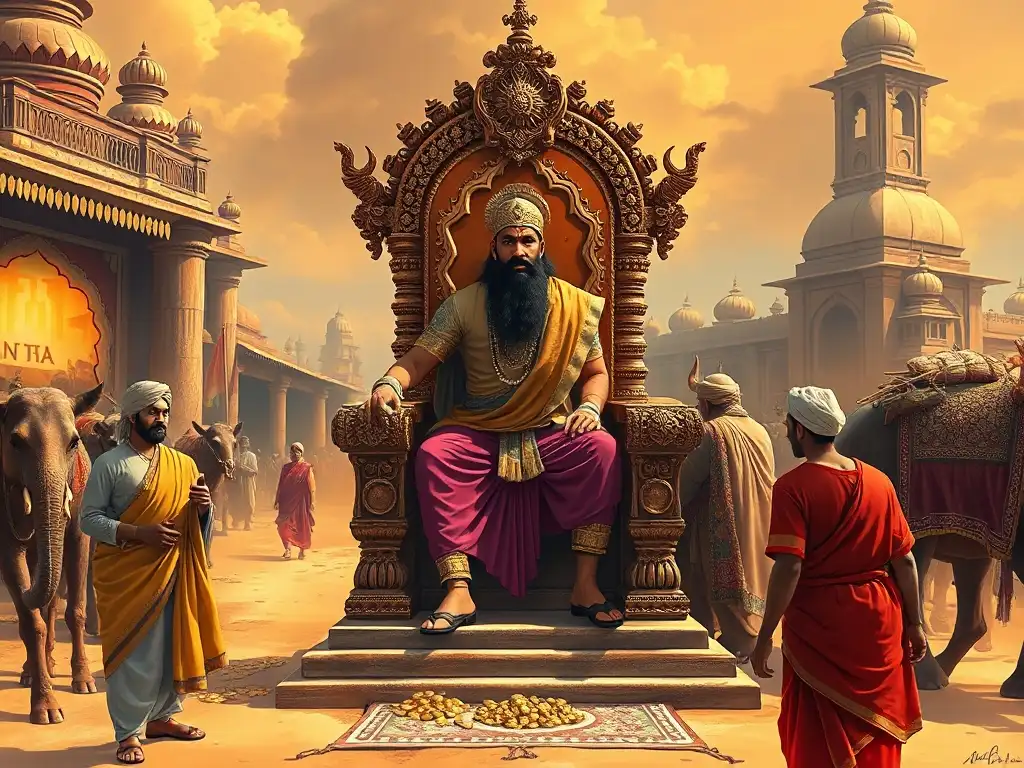
Chandragupta Maurya's reign marked a significant transformation in the economic landscape of ancient India. His establishment of the Mauryan Empire around 322 BCE created a centralized authority that fostered stability and security across the region, which in turn facilitated trade and commerce. Under his rule, there was a concerted effort to standardize weights and measures, introduce a uniform currency, and implement administrative reforms that optimized tax collection. These measures not only enhanced the efficiency of trade but also encouraged the growth of commerce across various regions, contributing to a thriving economy.
Growth of Trade Centers and Urbanization
One of the most notable effects of Chandragupta Maurya's rule was the emergence of trade centers and the acceleration of urbanization. Major cities such as Pataliputra (modern-day Patna) became bustling hubs of economic activity, attracting merchants, artisans, and traders from different parts of India and beyond.
The Mauryan Empire established trade routes that linked the western regions to the eastern parts of India, as well as to the Silk Road, which connected India with Central Asia and the Mediterranean world. This increased connectivity led to the proliferation of urban centers where commerce flourished, fostering cultural exchanges and the dissemination of goods.
The Role of Guilds and Merchants During the Mauryan Period
During the Mauryan period, guilds played an essential role in organizing trade and commerce. These groups of skilled artisans and merchants operated in various sectors, such as textiles, metallurgy, and agriculture. The guilds not only facilitated trade by providing a structured network for merchants but also ensured quality control and fair pricing through established standards. The Mauryan government recognized the importance of these guilds, providing them with certain privileges and protections, which further enhanced their influence in the economy. This symbiotic relationship between the state and commerce significantly contributed to the economic vitality of the Mauryan Empire.
Contributions to Agriculture and Its Economic Effects
Agriculture was the backbone of the Mauryan economy, and Chandragupta Maurya implemented several reforms to boost agricultural productivity. He introduced irrigation systems and improved agricultural techniques, which not only increased crop yields but also expanded arable land. By ensuring food security, the Mauryan Empire could support a growing population and sustain its urban centers. The surplus in agricultural production also allowed for the collection of taxes, which funded public works and military ventures, thereby reinforcing the strength of the empire. This focus on agriculture created a stable economic foundation that had lasting effects on the region.
Legacy of Chandragupta Maurya on Trade and Economy
Chandragupta Maurya's impact on trade and the economy extended far beyond his reign, leaving a profound legacy that influenced subsequent generations.
Long-term Effects on Indian Trade Post-Mauryan Empire
The economic policies and trade networks established during Chandragupta Maurya's reign set a precedent for future empires in India. Following the decline of the Mauryan Empire, many subsequent dynasties, such as the Shungas and the Guptas, inherited and built upon these trade systems. The infrastructure, including roads and trade routes, remained vital for commerce, allowing for the continued exchange of goods and cultural ideas. The long-term effects of these developments can be seen in the flourishing trade that characterized the later periods of Indian history.
Influence on Successive Dynasties and Trade Practices
Chandragupta Maurya's approach to governance and economic management influenced numerous subsequent dynasties. His emphasis on a centralized administration, trade regulation, and the protection of merchants became a model for later rulers. The trade practices established during his time, including the standardization of currency and the integration of various regional markets, were adopted and adapted by successive empires, ensuring that India remained a vital center of commerce in the ancient world.
Modern Reflections on Chandragupta Maurya's Economic Strategies
Today, scholars and economists study Chandragupta Maurya’s economic strategies to draw lessons about governance and trade management. His successful integration of agriculture, trade, and administrative efficiency serves as a case study for modern economic planning and development. The Mauryan model of utilizing state power to facilitate commerce and maintain stability remains relevant in discussions about economic policies in contemporary societies. As such, Chandragupta Maurya’s legacy continues to resonate, illustrating the enduring importance of sound economic governance in the development of civilizations.
Conclusion
The legacy of Chandragupta Maurya is intricately woven into the fabric of ancient Indian trade and economy. His reign not only marked the beginning of the Mauryan Empire but also heralded significant transformations in trade practices, economic policies, and statecraft that would shape the subcontinent for centuries to come. By fostering a centralized governance structure and implementing strategic economic reforms, Chandragupta laid the groundwork for a thriving economy that benefitted from both local and international trade.
Summary of Chandragupta Maurya's Trade and Economic Impact
Chandragupta Maurya's impact on trade and the economy can be summarized through several key aspects:
- Centralized Administration: He established a strong bureaucratic system that streamlined tax collection and trade regulations, ensuring efficient governance and economic stability.
- Infrastructure Development: The construction of roads and trade routes facilitated better connectivity between different regions, enhancing the movement of goods and people. This infrastructure played a crucial role in boosting trade activities.
- Foreign Trade Relations: Chandragupta’s diplomatic strategies, including alliances with regions like the Hellenistic states, fostered international trade relationships, expanding markets for Indian goods such as spices, textiles, and precious stones.
- Agricultural Reforms: By promoting agricultural productivity through improved irrigation and land management practices, Chandragupta ensured a stable food supply, which in turn supported urban growth and trade activities.
- Standardization of Currency: The introduction of a standardized currency system simplified trade transactions, making commerce more accessible and encouraging economic growth.
These elements collectively contributed to a flourishing economy during his reign, positioning the Mauryan Empire as a significant player in the ancient world’s trade networks.
Final Thoughts on His Influence in Ancient Indian Civilization
Chandragupta Maurya's influence extended far beyond trade and economics; he was instrumental in shaping the socio-political landscape of ancient India. His ability to unify various regions under a centralized authority not only facilitated economic growth but also fostered cultural exchange and stability. This stability allowed for the flourishing of arts, science, and philosophy, which would pave the way for subsequent empires, including the illustrious Gupta Empire.
The impact of Chandragupta Maurya on ancient Indian trade and economy is a testament to his visionary leadership. His innovations and policies set a precedent for future rulers and contributed significantly to the development of a robust economic framework that would sustain Indian civilization for generations. Understanding his contributions provides valuable insights into the dynamics of ancient Indian society and its enduring legacy in the world history narrative.
- Introduction to Chandragupta Maurya
- The Economic Landscape of Ancient India Before Chandragupta Maurya
- Chandragupta Maurya's Reforms and Their Impact on Trade
- The Role of Chandragupta Maurya in Promoting Trade
- The Economic Impact of Chandragupta Maurya's Rule
- Legacy of Chandragupta Maurya on Trade and Economy
- Conclusion
- What was the significance of Chandragupta Maurya in ancient Indian trade?
- How did Chandragupta Maurya influence the economy of ancient India?
- What trade routes were developed during Chandragupta Maurya's rule?
- How did Chandragupta Maurya's policies impact merchants and traders?
- What role did foreign trade play during Chandragupta Maurya's time?
Frequently Asked Questions
What was the significance of Chandragupta Maurya in ancient Indian trade?
Chandragupta Maurya established a strong centralized government that improved trade routes and facilitated commerce, leading to a flourishing economy.
How did Chandragupta Maurya influence the economy of ancient India?
His reign saw the introduction of standardized weights and measures, which streamlined trade practices and enhanced economic stability across the region.
What trade routes were developed during Chandragupta Maurya's rule?
Chandragupta Maurya expanded and secured key trade routes, including those connecting the Indus Valley to the Gangetic plains, promoting internal and external trade.
How did Chandragupta Maurya's policies impact merchants and traders?
His administration provided protection and support for merchants, which encouraged trade activities and led to the growth of commercial centers throughout the empire.
What role did foreign trade play during Chandragupta Maurya's time?
Chandragupta Maurya fostered relationships with neighboring regions, enhancing foreign trade and introducing valuable goods and ideas, which significantly influenced the cultural exchange in ancient India.
Final Reflection: The Enduring Legacy of Chandragupta Maurya's Trade and Economic Impact
The influence of Chandragupta Maurya on ancient Indian trade and economy is not merely a relic of history; it is a foundational pillar that continues to shape the economic landscape of India today. His strategic innovations in trade routes and economic policies laid the groundwork for a thriving commerce system that facilitated cultural exchange and prosperity. This historical figure exemplifies how visionary leadership can transform a society, reminding us that the principles of trade and economic management are timeless.
The impact of Chandragupta Maurya resonates deeply within our contemporary cultural and social frameworks. His ability to unify diverse regions under a cohesive economic strategy serves as a powerful reminder of the importance of collaboration and innovation in trade. As we navigate the complexities of a globalized economy, we can draw inspiration from his legacy. The greatest wealth is to live content with little, for there is never want where the mind is satisfied.
This quote encapsulates the essence of sustainable economic practices that prioritize well-being over mere accumulation, a lesson that remains relevant in today's consumer-driven world.
As we reflect on the lessons derived from Chandragupta Maurya's impact on trade and economy, I invite you to consider how these principles can be applied in your own life and community. What steps can you take to foster collaboration and innovation in your economic endeavors? Embrace the spirit of trade as a means of connection and growth, and let the legacy of Chandragupta Maurya inspire you to contribute positively to the economic fabric of your surroundings. Together, we can honor his contributions by building a future that values sustainable practices and equitable growth.
Unveil the Treasures of Ancient Trade Today!
Thank you for exploring the fascinating influence of Chandragupta Maurya on ancient Indian trade and economy. Your journey through history not only enriches your knowledge but also ignites a deeper appreciation for the complexities of our past. Now, let's take what you've learned and turn it into action!
- Dive Deeper: Research the intricate trade routes established during Chandragupta's reign. Consider visiting a local museum or historical site that showcases ancient trade artifacts to gain a tangible connection to this rich history.
- Share the Knowledge: Discuss what intrigued you most about Chandragupta's impact on trade with friends or on social media. Use the hashtag #AncientIndianTrade to connect with fellow history enthusiasts and broaden the conversation!
- Join the Conversation: Engage in online forums or community groups focused on ancient history to explore and share insights about the economic practices of ancient empires. Your voice can contribute significantly to these discussions.
What aspect of Chandragupta Maurya's influence on trade do you find most surprising or relevant to today's economy?