
The Gupta Era's Impact on Sculpture Techniques Across India

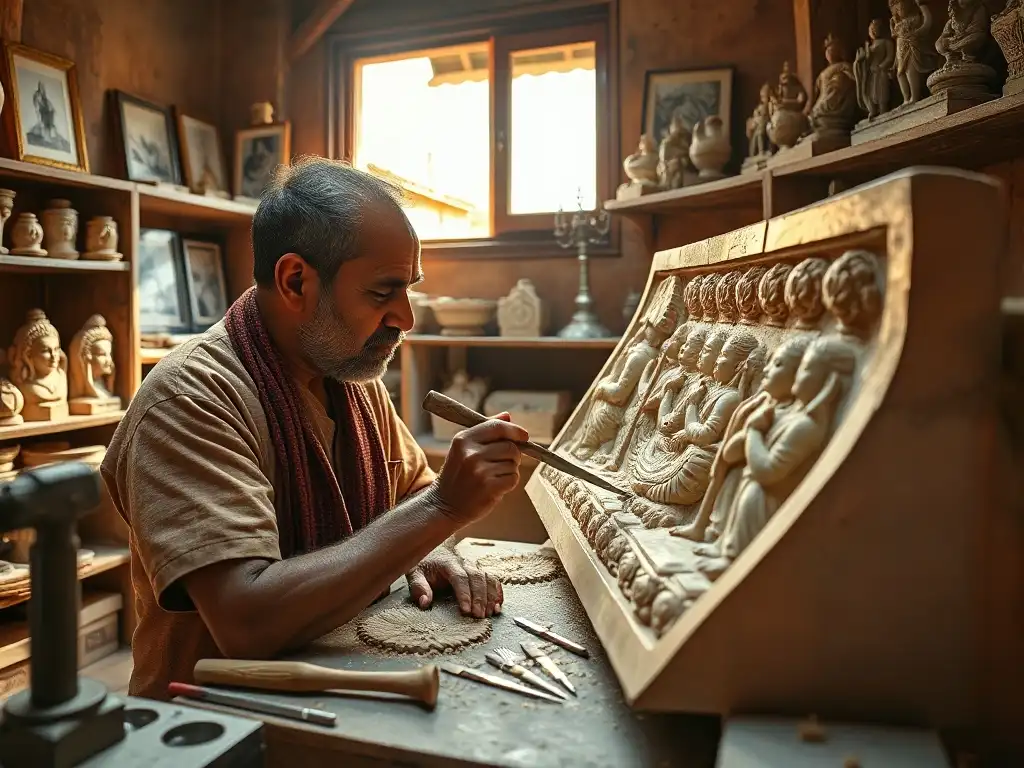
Welcome to Ancient India History! Here, we delve into the rich tapestry of ancient Indian civilizations, uncovering the remarkable contributions that have shaped our world. In this exploration, we shine a spotlight on the Gupta Era and its transformative sculpture techniques that not only defined artistry in ancient India but also continue to influence modern aesthetics. Are you ready to journey through time and discover the intricate methods and cultural significance behind these masterpieces? Dive in to learn how the Gupta Empire sculpted a legacy that resonates through the ages!
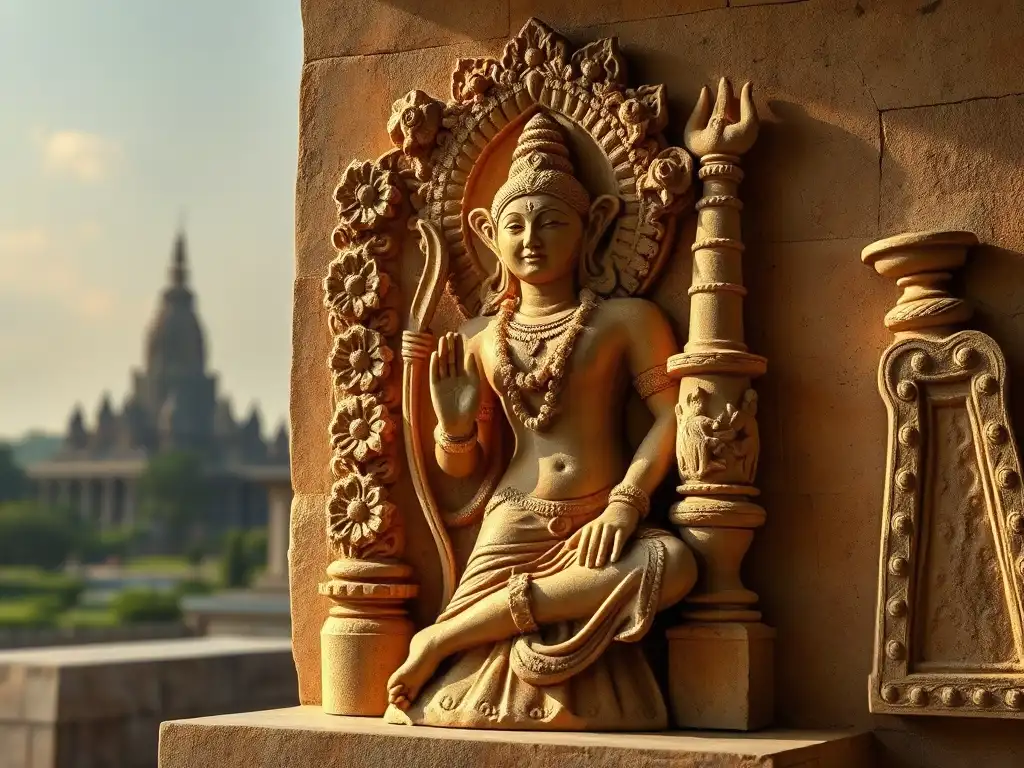
Introduction to the Gupta Era Sculpture Techniques in India
The Gupta Era, often referred to as the Golden Age of India, spanned from approximately 320 to 550 CE and marked a significant period of cultural and artistic flourishing. During this time, sculpture emerged as a pivotal form of expression, reflecting the religious, social, and philosophical milieu of the era. The advancements in sculpture techniques not only showcased the skilled craftsmanship of the period but also laid the groundwork for future artistic endeavors across India. Understanding the Gupta Era's impact on sculpture techniques provides insight into how this civilization contributed to the rich tapestry of ancient Indian art.
Overview of the Gupta Empire and Its Cultural Significance
The Gupta Empire is renowned for its remarkable achievements in various fields, including science, mathematics, literature, and art. Under the reign of influential rulers such as Chandragupta I, Samudragupta, and Chandragupta II, the empire experienced unprecedented stability and prosperity. This environment catalyzed artistic innovation and cultural exchange, making it a hub for artists and scholars.
The cultural significance of the Gupta Empire is highlighted by its patronage of the arts, particularly sculpture. The period saw the emergence of distinct styles that blended traditional techniques with new ideas, influenced by the diverse beliefs of Hinduism, Buddhism, and Jainism. Temples and monuments constructed during this time were adorned with intricate sculptures that depicted deities, mythological narratives, and everyday life, emphasizing the spiritual and aesthetic dimensions of Gupta art.
Importance of Sculpture in Ancient Indian Art
Sculpture holds a central place in ancient Indian art, serving as both a medium of religious expression and a reflection of societal values. Unlike other art forms, sculpture possesses a tangible quality that allows it to engage viewers in a unique way. The Gupta Era saw the evolution of sculpture techniques that elevated the art from mere representation to a profound commentary on the human experience.
The significance of sculpture can be summarized as follows:
- Spiritual Representation: Sculptures often depicted deities and religious figures, serving as objects of devotion and worship.
- Cultural Narratives: Through detailed carvings, sculptures conveyed stories and teachings from various traditions, making art an important vehicle for cultural transmission.
- Artistic Expression: The techniques developed during the Gupta Era showcased the skill and creativity of artists, contributing to the aesthetic richness of Indian art.
Historical Context of Gupta Era Sculpture
To appreciate the Gupta Era's contributions to sculpture techniques, it is essential to explore the historical context that shaped this artistic evolution.
Origin and Evolution of Sculpture Techniques in India
The roots of Indian sculpture can be traced back to the Indus Valley Civilization, where early forms of artistic expression began to take shape. Over centuries, various dynasties contributed to the evolution of sculptural techniques, leading to a rich diversity of styles and methods. By the time of the Gupta Empire, several key techniques had emerged, including:
- High Relief and Low Relief: Sculptors mastered the art of creating both high and low relief sculptures, allowing for dynamic representations of figures and scenes.
- Chisel Techniques: The use of chiseling tools became refined, enabling artists to achieve intricate details and smooth finishes, which were particularly evident in the sculptures of deities.
- Iconography: The Gupta sculptors developed a sophisticated understanding of iconography, ensuring that each figure conveyed specific meanings and attributes.
Influence of Earlier Indian Sculptural Styles on the Gupta Era
The Gupta Era did not emerge in isolation; it was deeply influenced by earlier Indian sculptural styles. Key influences included:
- Mauryan Sculpture: The grandeur and naturalism of Mauryan sculptures set a high standard for artistic expression, providing a foundation that Gupta artists built upon.
- Mathura and Gandhara Schools: These regions were pivotal in shaping the stylistic elements of Gupta sculpture, particularly in the representation of Buddha and other religious figures. The fusion of Hellenistic and Indian influences in Gandhara art, for example, introduced new techniques and perspectives that enriched Gupta sculpture.
The Gupta Era's impact on sculpture techniques in India was profound and multifaceted. By integrating traditional methods with innovative approaches, the sculptors of this period not only enhanced their craft but also contributed significantly to the legacy of ancient Indian art. Understanding this legacy allows us to appreciate the intricate beauty and cultural significance of Gupta sculpture in the broader context of Indian civilization.
Key Characteristics of Gupta Era Sculpture Techniques
The Gupta Era, spanning from approximately 240 to 550 CE, is often regarded as a golden age in Indian history, particularly in the realm of art and culture. The sculpture techniques that emerged during this period are characterized by a blend of artistic finesse, spiritual depth, and technical innovation.
One of the main features of Gupta sculpture is its emphasis on realism and expressiveness. Sculptors sought to depict the human form with greater anatomical accuracy, moving away from the more stylized representations of earlier periods. This realism is evident in the delicate treatment of facial features and the intricate details of clothing and ornaments.
Another defining characteristic is the use of narrative storytelling. Gupta sculptures frequently depict scenes from Hindu mythology, Buddhist teachings, and Jain stories, conveying complex narratives through visual art. This storytelling approach allowed for deeper engagement with the viewer, encouraging reflection on the depicted themes.
Materials and Tools Used in Gupta Sculptures
The Gupta sculptors utilized a variety of materials that significantly contributed to the durability and aesthetic appeal of their works. Stone was the predominant medium, with sandstone and limestone being favored for their workability and availability. The use of schist and granite also emerged, showcasing the artisans' ability to adapt to different materials.
In terms of tools, Gupta sculptors relied on a combination of chisels, hammers, and abrasives. The tools were crafted from harder materials to efficiently carve the intricate details required in the sculptures. The introduction of finer tools allowed for more delicate features, enhancing the overall quality of the sculptures.
Additionally, the use of pigments and natural dyes for the finishing touches on stone sculptures was a notable practice. This added a layer of vibrancy and life to the artworks, making them more visually striking and engaging.
Distinctive Features of Gupta Sculpture Styles
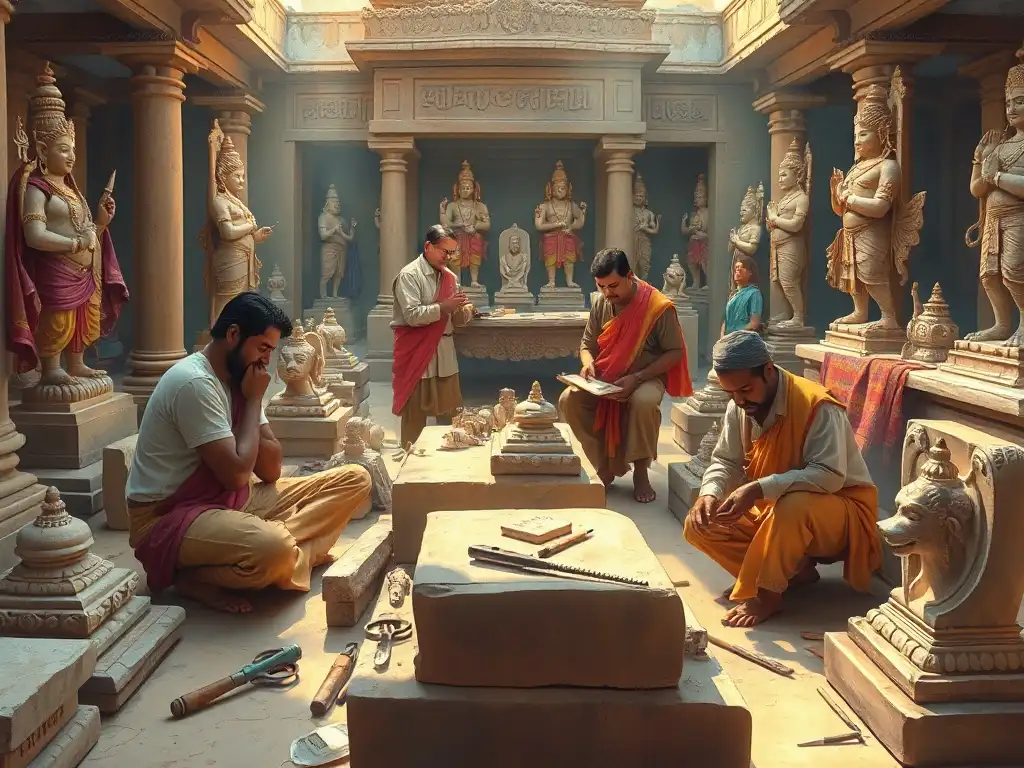
Gupta sculpture is marked by several distinctive stylistic features that set it apart from earlier artistic traditions in India. One of the most notable aspects is the portrayal of deities and figures with serene expressions and graceful postures, reflecting the spiritual ethos of the time. The figures often exhibit a sense of tranquility, embodying the ideals of peace and meditation prevalent in Gupta society.
Another feature is the intricate detailing in garments and ornaments. Gupta artists excelled in representing the textures of fabric and the intricacies of jewelry, showcasing their skills in creating lifelike representations. The drapery of clothing is particularly noteworthy, as it flows naturally and enhances the dynamic quality of the figures.
Moreover, the Gupta style introduced a more standardized iconography for deities, which would influence subsequent artistic traditions. The codification of forms and symbols during this era established a visual language that would persist in Indian art for centuries.
Comparison of Gupta Sculptural Techniques with Preceding Eras
When comparing Gupta sculptural techniques with those of preceding eras, such as the Mauryan and post-Mauryan periods, several key differences emerge. The earlier sculptures primarily exhibited a more rigid and formal style, characterized by less anatomical accuracy and a focus on symbolic representation.
In contrast, Gupta sculptures display a remarkable evolution towards realism. The attention to anatomical proportions, movement, and emotional expression marks a significant departure from the stylized forms of previous periods. This shift reflects a broader cultural and philosophical transformation during the Gupta Era, emphasizing human experience and spirituality.
Moreover, while earlier sculptures often served a primarily decorative purpose, Gupta sculptures were imbued with deeper narrative and spiritual significance. This transition indicates a growing complexity in the themes and messages conveyed through art, aligning with the philosophical advancements of the time.
Major Gupta Sculptors and Their Contributions
The Gupta Era was marked by the emergence of several prolific sculptors who made significant contributions to the art of sculpture in India. These artisans not only created iconic works but also laid the groundwork for future generations of artists.
Notable Sculptors of the Gupta Period
Among the most renowned sculptors of the Gupta period is the artist known as "The Master of the Bodhisattva." His works, particularly the sculptures of Avalokiteshvara, exemplify the refined style of Gupta art and its devotion to Buddhist themes. This masterful representation of compassion and wisdom is characterized by intricate detailing and a serene expression.
Another notable sculptor is the creator of the famous "Dancing Girl" statue, which showcases the Gupta's ability to convey movement and grace. This piece became emblematic of the artistic innovation during the Gupta period, combining technical skill with emotional depth.
Additionally, artisans associated with the Ajanta Caves produced some of the most remarkable sculptures of the era, blending narrative and artistry in their representations of Buddhist themes. These artists played a crucial role in the propagation of Gupta artistic ideals.
Iconic Sculptures and Their Significance in Indian Art
Gupta sculpture is home to several iconic works that hold immense significance in Indian art history. The "Buddha in Meditation," found in the Ajanta Caves, is a prime example, showcasing the serene expression and detailed drapery characteristic of Gupta art. This sculpture symbolizes the spiritual aspirations of the time and has influenced countless representations of the Buddha in subsequent eras.
Another significant work is the "Varaha Avatar" sculpture, which depicts the boar incarnation of Vishnu rescuing the Earth goddess. This piece is notable not only for its artistic quality but also for its narrative depth, representing the theme of divine protection in Hindu mythology.
Lastly, the "Seated Bodhisattva" sculptures are pivotal in illustrating the integration of Buddhist and Hindu iconography during the Gupta period. These works reflect the cultural syncretism of the time and have profoundly influenced the development of religious art in India.
The Gupta Era's impact on sculpture techniques in India is profound, characterized by innovation, realism, and a deep connection to spirituality that continues to resonate throughout Indian art history.
Regional Variations in Gupta Era Sculpture Techniques Across India
The Gupta Era, often regarded as a golden age of Indian art and culture, witnessed a remarkable evolution in sculpture techniques across various regions of India. This period, spanning from approximately 320 to 550 CE, showcased diverse styles that reflected local traditions while also incorporating broader artistic influences. The regional variations in Gupta sculpture techniques highlight the vibrant cultural exchanges and the unique artistic expressions that emerged during this time.
North Indian Sculpture Techniques during the Gupta Period
In North India, sculpture during the Gupta period was characterized by a high degree of refinement and naturalism. Artists employed techniques that emphasized smooth surfaces, intricate detailing, and a sense of movement. The use of sandstone as a primary medium allowed for fine carvings that brought figures to life, notably in the renowned sites of Sarnath and Mathura.
- Key Features:
- Realism and Proportions: Sculptors focused on realistic human proportions, capturing the essence of their subjects with lifelike expressions.
- Buddhist Themes: Many sculptures depicted scenes from the life of Buddha, showcasing the influence of Buddhism as a central theme in North Indian art.
- Divine Figures: Deities such as Vishnu and Shiva were also prominently featured, often depicted with elaborate ornamentation and intricate drapery.
The overall effect was a harmonious blend of spirituality and artistry that reflected the philosophical and religious ethos of the time.
South Indian Influences on Gupta Sculptural Styles
While the Gupta Empire predominantly flourished in North India, its impact extended into South India, where local sculptural traditions began to merge with Gupta techniques. South Indian sculptors adopted and adapted the stylistic elements of Gupta art, leading to a unique synthesis.
- Key Features:
- Chola and Pallava Influence: The influence of the Chola and Pallava dynasties became evident in the intricate details and dynamic poses of sculptures.
- Material Variations: While sandstone was common in the north, South Indian sculptures often utilized granite, resulting in more durable and monumental works.
- Devotional Themes: The emphasis on temple architecture in the South led to sculptures that were integral to temple walls, depicting various deities and mythological narratives.
This cross-pollination of styles enriched South Indian art, creating a distinct yet complementary tradition that resonated with the grandeur of Gupta artistic achievements.
East and West Indian Regional Variations in Sculpture
The East and West regions of India also exhibited their own unique variations in Gupta sculpture techniques, shaped by local cultural and religious practices. In the East, particularly in Bengal and Orissa, sculptures were often more ornate and incorporated local iconography.
- Key Features in East India:
- Ornate Detailing: Sculptures were embellished with floral and geometric patterns, creating a sense of richness and complexity.
- Tantric Influences: The presence of Tantric Buddhism introduced dynamic forms and esoteric symbols, enriching the artistic vocabulary of the region.
In contrast, the sculptures from Western India, particularly from Gujarat and Maharashtra, showcased an interplay of Gupta techniques with indigenous styles.
- Key Features in West India:
- Cave Architecture: The rock-cut caves of Ajanta and Ellora featured sculptures that were not only decorative but also narrative, telling stories through intricate carvings.
- Material Diversity: Local materials such as basalt and limestone were frequently used, resulting in a distinctive aesthetic that deviated from the sandstone of the north.
These regional variations collectively contributed to a rich tapestry of Gupta-era sculpture, reflecting the diverse cultural landscape of ancient India.
Thematic and Iconographic Elements in Gupta Era Sculpture
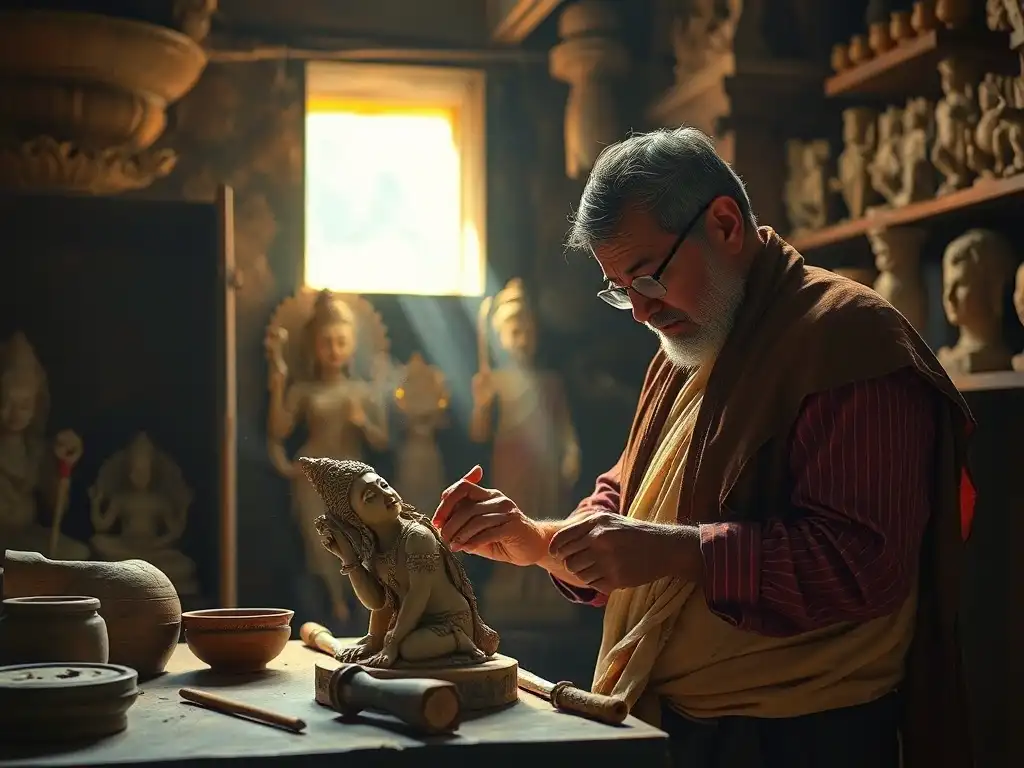
The thematic and iconographic elements of Gupta sculpture played a crucial role in conveying the spiritual and cultural values of the time. Artists employed various motifs and narratives that resonated with the religious beliefs and societal norms, creating artworks that were both visually stunning and deeply meaningful.
Religious Themes in Gupta Sculpture Techniques
Religious themes dominated Gupta sculpture, reflecting the era's profound spiritual milieu. The art of this period served not only as decoration but also as a means of devotion and worship.
- Buddhism and Hinduism: The sculptures often depicted scenes from Buddhist texts such as the Jataka tales, alongside Hindu deities, illustrating the coexistence of these faiths.
- Bodhisattvas and Deities: Figures like Avalokiteshvara and various incarnations of Vishnu were commonly portrayed, emphasizing their divine attributes and benevolence.
- Narrative Reliefs: Many sculptures featured narrative reliefs that illustrated pivotal moments from sacred texts, inviting viewers to engage with the stories and teachings.
These religious themes were essential in shaping the cultural identity of the Gupta period, as they reinforced the significance of spirituality in everyday life.
Symbolism and Iconography in Gupta Artworks
Gupta sculpture is replete with symbolism and iconographic elements that conveyed deeper meanings beyond mere representation. The artists meticulously crafted symbols that were rich in significance, often drawing from religious texts and local mythology.
- Common Symbols:
- Lotus Flower: A prevalent symbol of purity and enlightenment, often associated with divine figures.
- Wheel of Dharma: Representing the teachings of Buddha, this symbol illustrated the path to spiritual awakening.
- Serpent Motifs: Often depicted in the context of protection and power, serpents were commonly associated with deities like Shiva.
The careful integration of these symbols into the sculptures not only enhanced their aesthetic appeal but also provided layers of meaning that engaged viewers on multiple levels. Through these thematic and iconographic elements, Gupta sculptures transcended their physical form, becoming vessels of cultural and spiritual expression.
The Legacy of Gupta Era Sculpture Techniques
The Gupta Era, spanning approximately from 320 to 550 CE, is often heralded as a golden age of Indian art and culture, particularly in the realm of sculpture. The techniques developed during this period not only reflected the religious and cultural milieu of the time but also laid the groundwork for future artistic endeavors.
Gupta sculptors mastered the art of proportion, balance, and intricate detailing, which allowed them to create lifelike representations of deities and humans. These techniques were characterized by a harmonious blend of idealism and realism, which can be observed in the exquisite craftsmanship of sculptures found in ancient temples and monasteries.
One of the defining features of Gupta sculpture is the use of stone as a medium, showcasing the artisans' incredible skills in carving. Notably, the intricate motifs, fluid drapery, and expressive facial features set a high standard for sculpture that transcended the era. The legacy of these techniques can be seen in the detailed figures of gods and goddesses, such as Vishnu and Durga, which not only served religious purposes but also became symbols of cultural identity.
Influence on Subsequent Indian Art Movements
The influence of Gupta Era sculpture techniques on subsequent Indian art movements is profound and far-reaching. Following the Gupta period, various regional styles emerged, each incorporating and adapting the sculptural methods developed during this golden age. For instance, the post-Gupta period saw the emergence of the distinct Pala and Sena styles in Eastern India, which drew heavily on the graceful forms and iconographic richness established during the Gupta Era.
Furthermore, the Chola dynasty in Southern India, which flourished later, incorporated Gupta techniques in their bronze sculptures, resulting in an exquisite synthesis that combined Gupta aesthetics with local traditions. The movement towards more naturalistic forms and dynamic poses during the later periods can be traced back to the foundational work done by Gupta artisans. This blend of influences helped to create a diverse artistic landscape across India, showcasing how Gupta techniques acted as a catalyst for innovation in Indian sculpture.
Preservation of Gupta Sculptural Techniques in Modern India
In modern India, the preservation of Gupta sculptural techniques is evident in various ways. Artisans and sculptors continue to draw inspiration from the Gupta style, particularly in temple architecture and religious sculptures. Contemporary craftsmen often replicate ancient methods, utilizing similar tools and materials, thereby maintaining the essence of Gupta artistry.
Moreover, several art schools and institutions in India emphasize the study of ancient techniques, ensuring that the knowledge and skills associated with Gupta sculpture are passed down through generations. Festivals and exhibitions dedicated to ancient Indian art frequently feature sculptures that pay homage to the Gupta style, allowing modern audiences to engage with this rich heritage. This ongoing reverence for Gupta techniques not only highlights their artistic significance but also reinforces a cultural continuity that is crucial to India's historical narrative.
Conclusion: The Lasting Impact of Gupta Era Sculpture Techniques on Indian Culture
The Gupta Era's impact on sculpture techniques in India has left an indelible mark on the country's artistic landscape. The innovations and styles developed during this period have shaped not just the visual arts but also the broader cultural and spiritual life of India. The emphasis on beauty, proportion, and the divine in Gupta sculptures continues to resonate in various forms of Indian art today.
Summary of Key Contributions to Sculpture Techniques in India
The Gupta Era contributed significantly to the evolution of sculpture techniques in India through:
- Mastery of Stone Carving: Gupta artisans perfected the use of stone, creating intricate and durable sculptures.
- Harmonious Aesthetics: The balance and proportion in Gupta sculptures set new standards for artistic expression.
- Iconography: The period established a rich iconographic tradition that influenced countless generations of artists.
- Cultural Integration: Gupta techniques blended with local styles, leading to diverse regional art forms.
Reflection on the Gupta Era's Role in Shaping Indian Artistic Heritage
Reflecting on the Gupta Era's role in shaping Indian artistic heritage reveals the era's significance beyond mere aesthetics. The techniques developed during this time fostered a sense of identity and continuity in Indian culture, linking past and present. The artistry of the Gupta period serves as a testament to the sophistication of ancient Indian civilization, influencing not only sculpture but also literature, architecture, and philosophy. As such, the Gupta Era stands as a pivotal chapter in the rich tapestry of Indian history, celebrating the profound contributions of its artisans to the world's artistic heritage.
- Introduction to the Gupta Era Sculpture Techniques in India
- Historical Context of Gupta Era Sculpture
- Key Characteristics of Gupta Era Sculpture Techniques
- Materials and Tools Used in Gupta Sculptures
- Distinctive Features of Gupta Sculpture Styles
- Comparison of Gupta Sculptural Techniques with Preceding Eras
- Major Gupta Sculptors and Their Contributions
- Regional Variations in Gupta Era Sculpture Techniques Across India
- Thematic and Iconographic Elements in Gupta Era Sculpture
- The Legacy of Gupta Era Sculpture Techniques
- Conclusion: The Lasting Impact of Gupta Era Sculpture Techniques on Indian Culture
- What are the key characteristics of Gupta Era sculpture techniques in India?
- How did the Gupta Empire influence sculpture in ancient India?
- What materials were commonly used in Gupta Era sculptures?
- How did religion influence sculpture techniques during the Gupta Era?
- What legacy did Gupta sculpture techniques leave on later Indian art?
Frequently Asked Questions
What are the key characteristics of Gupta Era sculpture techniques in India?
The Gupta Era sculpture techniques are marked by realism, intricate detailing, and spiritual themes. Artists focused on representing deities and narratives from Hindu and Buddhist traditions, showcasing a blend of artistry and devotion.
How did the Gupta Empire influence sculpture in ancient India?
The Gupta Empire is often referred to as the golden age of Indian art, where the standardization of techniques and styles led to the creation of iconic sculptures. This period saw the flourishing of craftsmanship and the emergence of distinct stylistic features.
What materials were commonly used in Gupta Era sculptures?
Sculptors during the Gupta period primarily used stone, such as sandstone and marble, alongside metal for smaller figures. The choice of materials contributed to the durability and aesthetic appeal of the sculptures.
How did religion influence sculpture techniques during the Gupta Era?
Religion played a pivotal role in shaping sculpture techniques in the Gupta Era, with a focus on Buddhism and Hinduism. This led to the creation of sculptures that depicted mythological stories, religious figures, and elaborate temple decorations.
What legacy did Gupta sculpture techniques leave on later Indian art?
The Gupta sculpture techniques set a foundation for later art forms, influencing styles during the Medieval period and beyond. The emphasis on naturalism and spiritual representation continued to inspire artists, ensuring the enduring legacy of Gupta artistry.
Final Reflection: The Enduring Legacy of Gupta Era Sculpture Techniques
The Gupta Era's impact on sculpture techniques in India resonates profoundly in today's artistic expressions and cultural heritage. As we explore the intricate craftsmanship and innovative methodologies that emerged during this golden age, we recognize their relevance in contemporary art forms and the preservation of cultural identity. The remarkable achievements of Gupta sculptors not only laid the foundation for future artistic endeavors but also serve as a testament to the timeless nature of creativity and human expression.
The influence of Gupta Era sculpture techniques continues to shape the cultural landscape of India, inspiring artists and artisans alike. This rich artistic tradition fosters a deep connection to our history and heritage, reminding us of the importance of preserving these techniques for future generations. As the renowned art historian Ananda Coomaraswamy once said, Art is the most beautiful of all lies.
This notion encapsulates the essence of Gupta sculpture, where beauty and craftsmanship intertwine to create works that transcend time and speak to the soul of humanity.
As we reflect on the lessons from the Gupta Era, I invite you to consider how these ancient techniques can inspire your own creative journey. Embrace the spirit of innovation and craftsmanship that characterized this remarkable period, and let it guide you in your artistic pursuits or personal endeavors. Whether you are an artist, a historian, or simply someone who appreciates beauty, take a moment to explore how the legacy of Gupta sculpture can enrich your life and contribute to the ongoing dialogue of cultural expression.
Unveil the Beauty of Gupta Sculpture Techniques!
Thank you for delving into the profound impact of the Gupta era on sculpture techniques! You’ve uncovered insights into the artistry that shaped India's cultural heritage. Now, it’s time to take those insights and immerse yourself further in the world of ancient art.
Here are some engaging steps you can take:
- Explore local museums or art galleries showcasing Gupta-era sculptures—experience these magnificent works in person!
- Join an online community dedicated to ancient Indian art to discuss your thoughts and discoveries with fellow enthusiasts.
- Create your own interpretation of a Gupta sculpture using materials you have at home—get creative and share your masterpiece on social media!
What piece of Gupta art resonates with you the most, and why does it inspire you? Let’s spark a conversation!