
The Legend of Bihu: A Deep Dive into Assam’s Ancient Harvest Festival

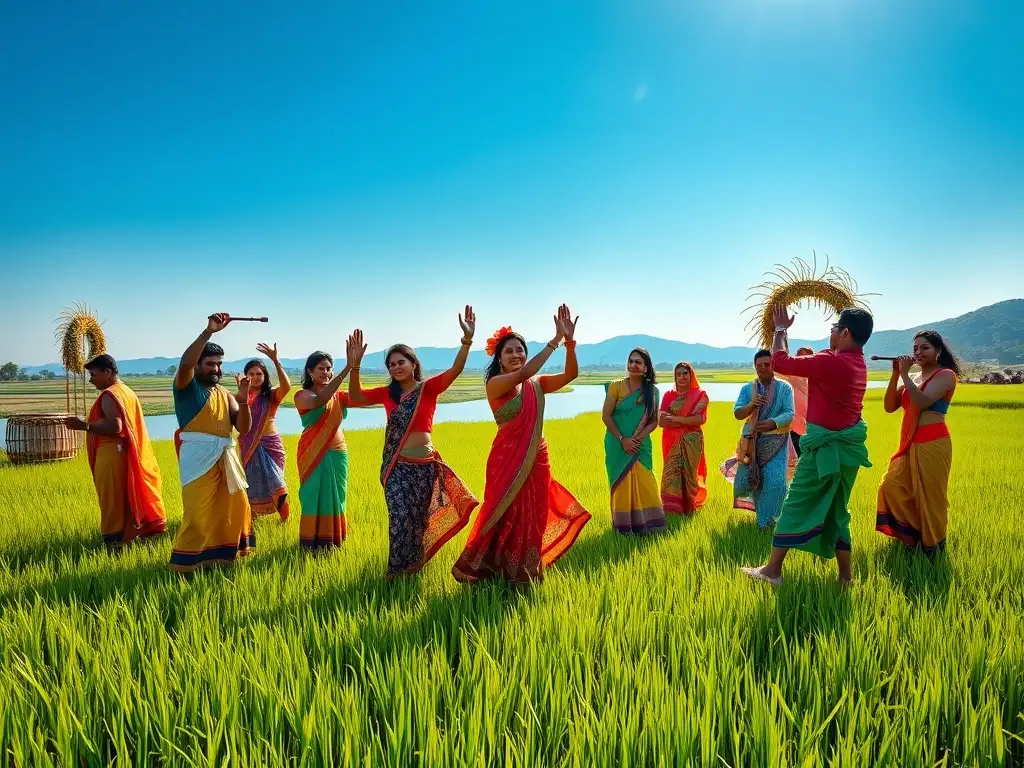
Welcome to Ancient India History! Prepare to embark on a captivating journey through time, as we explore the rich tapestry of civilizations that shaped the Indian subcontinent. In this edition, we shine a spotlight on the unique and vibrant traditions that have persisted through centuries.
Dive into our featured article, “The Legend of Bihu: A Deep Dive into Assam’s Ancient Harvest Festival,” and uncover the stories behind this cherished celebration. What makes Bihu not just a festival, but a cultural cornerstone of Assam? Join us as we unravel the mysteries, rituals, and historical significance of this extraordinary event—your adventure into the heart of ancient Indian heritage starts here!
Introduction to Assam’s Ancient Harvest Festival
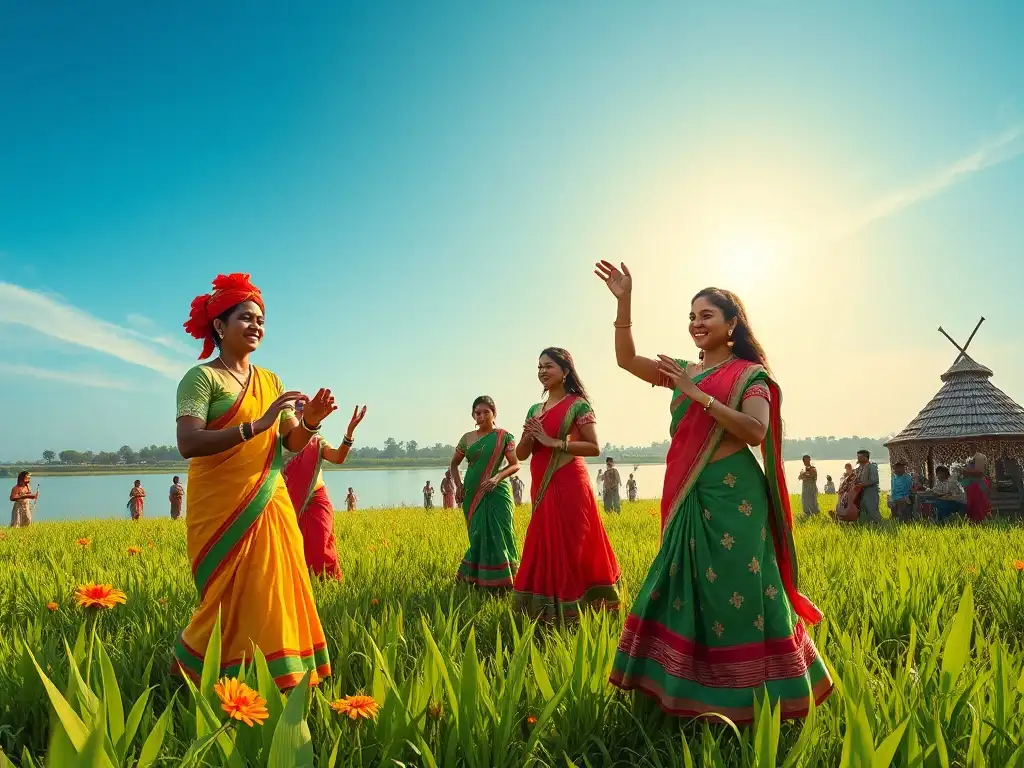
The Bihu Festival stands as a vibrant testament to Assam's rich cultural tapestry and agricultural heritage. Celebrated with fervor and enthusiasm, this ancient harvest festival not only marks the changing seasons but also embodies the collective spirit of the Assamese people. As we delve into the intricacies of Bihu, we uncover its multifaceted significance that intertwines agriculture, music, dance, and community bonding.
This article aims to illuminate the historical roots, cultural practices, and the profound impact of the Bihu festival, while also positioning it within the broader spectrum of Assam's ancient harvest traditions. By understanding the essence of Bihu, we can appreciate how this festival continues to thrive, reflecting the enduring legacy of Assam's ancient harvest festival traditions.
Overview of Bihu and Its Significance
Bihu is celebrated in three distinct phases throughout the year: Bohag Bihu (Rongali Bihu), Kongali Bihu, and Bhaduli Bihu. Each phase corresponds to specific agricultural activities and seasonal changes, symbolizing the agrarian lifestyle of the Assamese people.
- Bohag Bihu, occurring in April, heralds the Assamese New Year and celebrates the arrival of spring. It is marked by joyous festivities, feasting, and traditional dances that reflect the exuberance of new beginnings.
- Kongali Bihu, observed in October, is a more subdued phase that focuses on the harvesting of crops and honoring the hard work of farmers.
- Bhaduli Bihu is celebrated in the month of September, primarily as a ritualistic observance.
The festival serves as a unifying force in Assamese society, promoting communal harmony and cultural identity. The joyous celebrations of Bihu provide a platform for various art forms, including traditional music and dance, thus enriching the cultural landscape of Assam.
Historical Context of Bihu in Assam
The origins of Bihu are deeply rooted in Assam's agrarian history, with its practices tracing back to ancient times. While the exact historical timeline remains ambiguous, it is believed that Bihu has been celebrated for centuries, evolving alongside the agricultural practices of the region.
Timeline of Bihu's Evolution
- Prehistoric Era: Evidence suggests that ancient agricultural communities in Assam celebrated harvest festivals to honor the earth and seek blessings for bountiful yields.
- Medieval Period: Historical texts indicate the formalization of Bihu celebrations, with increasing participation from various ethnic communities within Assam.
- Modern Era: Today, Bihu has transcended its agricultural roots, becoming a significant cultural event that attracts visitors and showcases Assam's rich traditions.
The enduring legacy of Bihu reflects the interplay of nature, culture, and community, highlighting its relevance in both ancient and contemporary Assamese society.
The Cultural Roots of the Bihu Festival
Bihu's cultural significance extends beyond mere agricultural celebrations; it encapsulates the essence of Assamese identity and community spirit. The festival is characterized by its unique customs, traditional attire, and vibrant performances, which together create a rich tapestry of cultural expression.
Ancient Traditions Associated with Bihu
The traditions surrounding Bihu are a blend of ancient rituals and contemporary practices that emphasize community participation. Some of the key traditions include:
- Singing and Dancing: Traditional Bihu songs (Bihu geets) and dances (Bihu naas) are performed during the festival, showcasing the joy and vibrancy of life.
- Feasting: Special dishes are prepared, including rice cakes and various meat and fish delicacies, symbolizing the abundance of the harvest.
- Offerings: Rituals involve making offerings to the deities for blessings on the crops and livestock, reflecting the agrarian roots of the festival.
These traditions not only foster a sense of belonging among the Assamese people but also serve as a medium for passing down cultural values and practices through generations.
Influence of Indigenous Communities on Bihu Celebrations
The Bihu festival has been significantly shaped by the diverse indigenous communities residing in Assam. Each community contributes its unique customs, music, and dance forms, enriching the overall celebration. For instance:
- Mishing Community: Known for their distinct Bihu dance styles that incorporate traditional attire and vibrant movements.
- Bodo Community: Their contributions include unique musical instruments and folk songs that have become integral to Bihu celebrations.
This amalgamation of cultural influences underscores the inclusive nature of Bihu, making it a festival that represents the unity and diversity of Assam’s ancient heritage. Through the lens of Bihu, we gain valuable insights into the profound cultural roots that continue to thrive in Assam today.
The Three Phases of Bihu: Rongali, Kongali, and Bhogali
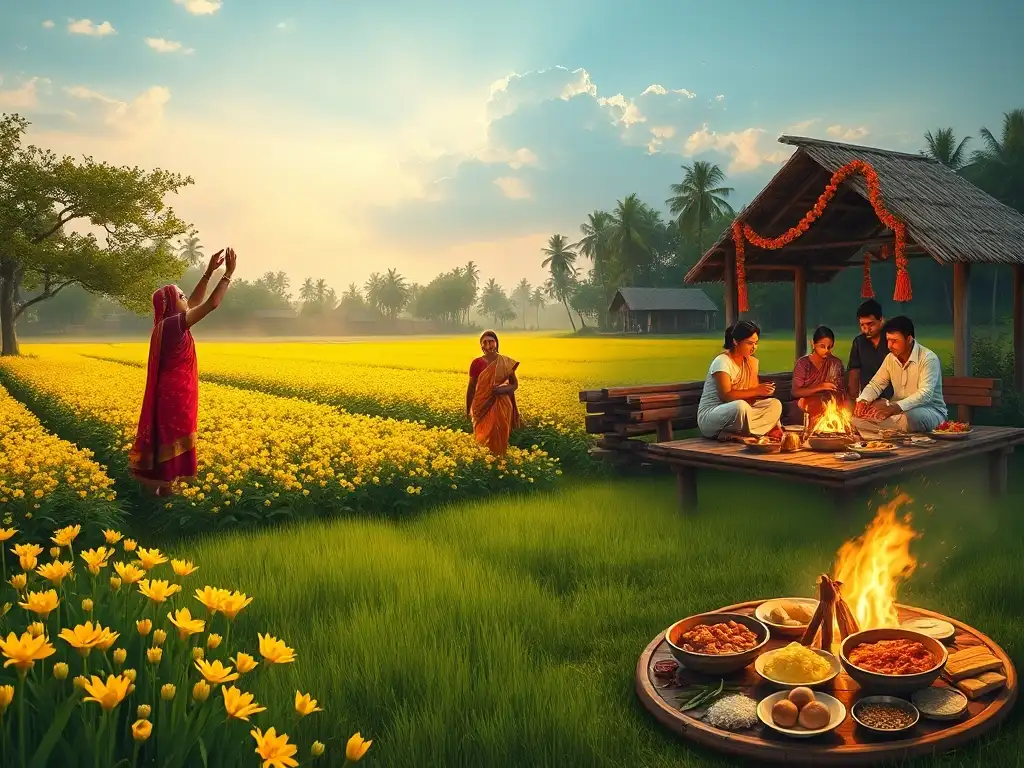
Bihu, the ancient harvest festival of Assam, is celebrated in three distinct phases: Rongali, Kongali, and Bhogali. Each phase signifies different aspects of agricultural life and reflects the changing seasons, offering a glimpse into the agricultural practices and cultural traditions of ancient Assam. Together, these three phases create a vibrant tapestry of celebration, with each bringing its own significance and customary practices.
Rongali Bihu: Welcoming the New Harvest
Rongali Bihu, also known as Bohag Bihu, marks the arrival of the Assamese New Year and the onset of the harvesting season in April. This phase is characterized by joyful celebrations that embody the spirit of new beginnings. It is a time when farmers give thanks for the previous year’s harvest and seek blessings for the new one.
During Rongali Bihu, people engage in various festivities including:
- Traditional Songs and Dances: The folk songs sung during this time reflect themes of love, nature, and the joy of the bountiful harvest. Dances such as Bihu Naas are performed to the rhythm of traditional instruments like the dhol (drum) and pepa (horn).
- Community Gatherings: Families and communities come together to celebrate with feasts, showcasing the rich culinary traditions of Assam.
- Decorations: Homes are adorned with colorful rangolis made from rice flour, and bamboo and banana trees are used to create festive decorations.
Overall, Rongali Bihu represents a time of joy, renewal, and community spirit, setting the tone for the celebrations that follow.
Kongali Bihu: A Time of Reflection and Preparation
Kongali Bihu, or Kati Bihu, occurs in October and serves as a period of reflection and preparation. This phase is marked by the end of the harvest season and leads into the planting of winter crops. Unlike the exuberance of Rongali Bihu, Kongali Bihu is more subdued and introspective.
During Kongali Bihu, certain customs are observed:
- Worship and Offerings: Farmers perform rituals to seek blessings for their crops. They offer prayers to the deities and make offerings at sacred sites, emphasizing the importance of agriculture in their lives.
- Lighting of Lamps: It is customary to light earthen lamps (saki) in fields and homes to ward off evil spirits and ensure the protection of the crops.
- Community Support: Villagers often come together to help one another with agricultural tasks, reinforcing the bond of community and mutual aid.
Kongali Bihu highlights the resilience and dedication of the Assamese people, illustrating the challenges faced between harvests and the significance of careful preparation for the future.
Bhogali Bihu: Celebrating Abundance and Gratitude
Bhogali Bihu, also known as Magh Bihu, is celebrated in January and signals the end of the harvest season. This phase is characterized by feasting and gratitude, celebrating the abundance of the harvest and the bounty of nature. It is a time for merriment and community bonding.
Key features of Bhogali Bihu include:
- Feasting and Community Gatherings: Families prepare elaborate meals using freshly harvested rice, fish, meat, and seasonal vegetables, symbolizing abundance. Community feasts known as 'bihuwan’ are common, where everyone shares food together.
- Bonfires and Makar Sankranti: The festival often involves the lighting of bonfires, symbolizing the end of winter and the warmth of community spirit. It coincides with Makar Sankranti, marking a transition in the solar calendar.
- Games and Competitions: Traditional games, including boat races and tug-of-war, are organized, fostering a spirit of friendly competition and enjoyment among participants.
Bhogali Bihu encapsulates the essence of gratitude, communal harmony, and celebration of nature's gifts, rounding off the cycle of Bihu with a joyful spirit.
Rituals and Customs of the Assam Ancient Harvest Festival
The rituals and customs surrounding the Assam ancient harvest festival of Bihu are deeply rooted in the agricultural lifestyle of the region. They reflect the socio-cultural fabric of Assamese society and highlight the significance of nature in their lives. From elaborate ceremonies to community gatherings, these rituals create a vibrant atmosphere that is both communal and celebratory.
Traditional Music and Dance Forms of Bihu
Music and dance are integral to Bihu celebrations, serving as a medium of expression for joy and thanksgiving. The traditional music associated with Bihu includes:
- Bihu Geet: Folk songs that narrate the stories of life, love, and nature, often performed during gatherings and celebrations.
- Instruments: The use of traditional instruments such as the dhol, pepa, and gogona adds a rhythmic essence to the festivities, encouraging participation from all age groups.
- Dance Forms: Bihu Naas is a prominent dance form characterized by energetic movements and colorful attire, performed in groups to showcase unity and cultural pride.
These musical and dance traditions not only enhance the festive atmosphere but also serve as a means of preserving and passing down cultural heritage through generations.
Symbolic Foods and Offerings During Bihu
Food plays a pivotal role in Bihu celebrations, with various dishes symbolizing prosperity and abundance. Traditional offerings include:
- Pitha: A variety of rice cakes prepared in different styles, often filled with jaggery and coconut, reflecting the agricultural bounty.
- Fish and Meat Dishes: Local delicacies made from freshly caught fish and meats are prepared, symbolizing the richness of Assam’s natural resources.
- Rice and Seasonal Vegetables: The staple food of rice is central to all meals during Bihu, accompanied by seasonal vegetables that highlight the connection to the land.
These symbolic foods not only nourish the body but also serve to strengthen community ties as families and friends gather to share meals together.
Dress and Attire: The Traditional Costumes of Bihu Celebrations
The attire worn during Bihu celebrations is colorful and symbolic, representing the rich cultural heritage of Assam. Traditional costumes include:
- Mekhela Chador for Women: This elegant attire consists of a long piece of cloth wrapped around the lower body and a top piece draped over the shoulder, often adorned with intricate designs and vibrant colors.
- Dhoti and Kurta for Men: Men typically wear a dhoti and kurta, with the addition of a gamocha (a traditional Assamese towel) as a mark of respect and cultural identity.
- Ornaments and Accessories: Both men and women adorn themselves with traditional jewelry, including gold and silver pieces that enhance their festive attire.
The vibrant costumes and accessories during Bihu not only add to the visual appeal of the celebrations but also embody the pride and identity of the Assamese people, making the festival a truly colorful spectacle.
The Role of Bihu in Assamese Society
Bihu is not merely a harvest festival; it serves as a cornerstone of Assamese identity and culture. Celebrated thrice a year—Bohaag Bihu in April, Kati Bihu in October, and Magh Bihu in January—each celebration marks distinct agricultural phases and is deeply intertwined with the rhythms of agrarian life in Assam. The festival embodies the spirit of joy, community, and gratitude, as it coincides with the harvesting of crops and the welcoming of new agricultural cycles.
The vibrant festivities of Bihu involve traditional music, dance, and feasting, fostering a sense of unity among the diverse ethnic groups in Assam. During Bihu, people come together to celebrate, irrespective of their backgrounds, highlighting the festival's role as a social glue that binds the community. This aspect of Bihu is crucial, as it promotes cultural continuity and intergenerational transmission of traditions, ensuring that the rich heritage of Assam is preserved and passed down.
Bihu as a Unifying Force in Assamese Culture
Bihu transcends individual communities and represents a collective Assamese identity. The festival is characterized by its inclusivity, drawing people from various ethnic and cultural backgrounds to participate in the celebrations. Through communal activities such as the Bihu dance, which features rhythmic movements and traditional songs, participants express collective joy, reinforcing social bonds.
Moreover, Bihu is a time for reconciliation and mending relationships. People often visit relatives and friends, extending greetings and sharing festive foods, which strengthens familial ties and community spirit. This ritual of visiting not only fosters goodwill but also enhances mutual understanding among different communities, making Bihu a critical unifying force in Assamese culture.
The Economic Impact of Bihu Celebrations on Local Communities
The economic ramifications of Bihu are significant, as the festival stimulates local economies through increased commercial activity. During the lead-up to Bihu, markets are bustling with vendors selling traditional attire, handicrafts, and agricultural products. This surge in commerce provides livelihoods for many artisans and farmers, thereby contributing to the overall economic health of the region.
Additionally, the festival attracts tourists who come to witness the cultural richness of Bihu firsthand. This influx of visitors boosts local hospitality industries, including hotels, restaurants, and transportation services. Events and fairs organized during Bihu further enhance this economic impact, providing a platform for local businesses to showcase their products and services. Thus, Bihu not only celebrates cultural heritage but also plays a pivotal role in the economic sustainability of Assamese communities.
Myths and Legends Surrounding Bihu
The rich tapestry of Bihu is interwoven with myths and legends that enhance its cultural significance. These stories often reflect the values and beliefs of Assamese society, emphasizing themes of prosperity, harmony, and the intimate relationship between humans and nature.
Folklore and Stories Associated with Bihu
Many folktales surrounding Bihu revolve around the agricultural cycle and the natural forces that influence it. One popular legend tells of a great king who, in his quest for a bountiful harvest, sought the blessings of the gods. In return for his devotion, the gods bestowed upon him the knowledge of agriculture, leading to prosperity in his kingdom. This tale underscores the importance of respecting nature and acknowledging the divine forces that govern agricultural success.
Another story involves the mythical figure of Bihu, who is said to be a guardian spirit of the harvest. According to folklore, Bihu appears during the festival to bless the fields and ensure a good yield. Celebrating Bihu, therefore, becomes a way of paying homage to this spirit and seeking favor for future harvests. These stories, rich in symbolism and moral lessons, form the backbone of the festival's cultural identity.
The Legend of Bihu: A Tale of Agriculture and Prosperity
The legend of Bihu encapsulates the essence of agriculture and prosperity in Assamese culture. It speaks of the cycle of sowing and reaping, where each season brings its own challenges and rewards. The tale often highlights the struggles of farmers, their dependence on seasonal changes, and the collective efforts of the community in overcoming adversities.
In this narrative, Bihu serves as a celebration of resilience and hope. The festival represents the culmination of hard work and dedication, as communities come together to celebrate the fruits of their labor. The allegorical significance of Bihu is profound: it is not merely a celebration of harvest but a recognition of the interconnectedness of life, the environment, and the community's shared destiny. This legend continues to inspire generations, reinforcing the importance of agriculture in sustaining the cultural and economic fabric of Assam.
The Evolution of Bihu Through the Ages
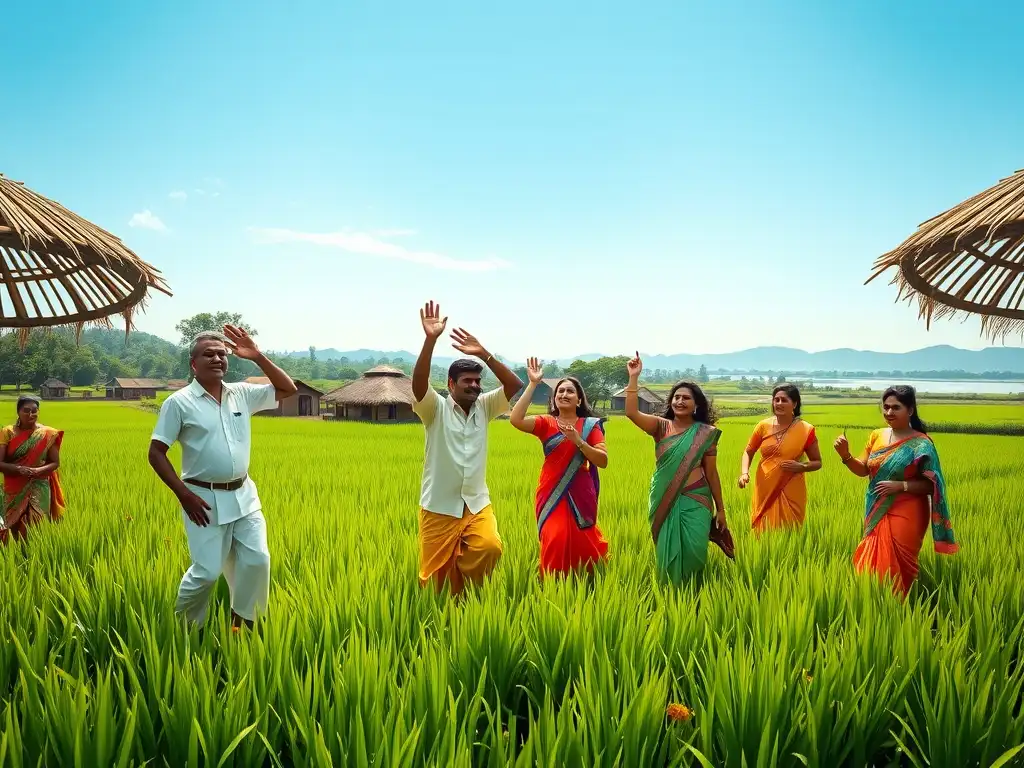
Bihu, the ancient harvest festival of Assam, has undergone remarkable transformations throughout its rich history. Originating from the agrarian practices of the indigenous communities in Assam, Bihu initially celebrated the arrival of spring and the onset of the harvest season. The festival primarily revolves around agricultural cycles, with each of its three forms—Bohaag Bihu, Kati Bihu, and Maagh Bihu—marking distinct phases of the farming calendar.
As Assam's socio-political landscape evolved, influenced by various dynasties and cultural exchanges, the celebrations of Bihu began to incorporate diverse elements. During the Ahom dynasty, which ruled Assam for nearly 600 years, Bihu became more structured, integrating rituals that celebrated not just agriculture but also community bonding and cultural expression. The festival's music, dance, and culinary practices enriched significantly, giving it a more vibrant and communal spirit.
The introduction of print media and increased literacy in the 19th century also played a crucial role in popularizing Bihu. Assamese poets and writers began to reference the festival in their works, embedding it deeper into the cultural fabric of Assamese society. This evolution reflects a broader narrative of how Bihu transformed from a localized harvest celebration to a symbol of Assamese identity recognized across India and beyond.
Changes in Bihu Celebrations Over Time
Throughout the years, Bihu celebrations have experienced several changes, adapting to the influences of modernity while retaining their core essence. Historically, Bihu was an intimate affair, celebrated mainly within rural communities. However, with urbanization and migration, the festival has expanded into urban centers, where large-scale public celebrations dominate.
In traditional settings, Bihu included simple rituals like offering prayers to deities for a good harvest, harvesting rice, and communal meals. Today, the festival has adopted a more elaborate form, featuring grand public events with folk performances, contests, and parades. This shift has allowed for greater participation from diverse communities, including those from different regions of India.
Another notable change is the inclusion of modern technology in the celebrations. Social media platforms have become vital in sharing Bihu festivities, allowing people from all over the world to witness and partake in Assam's cultural heritage. Despite these transformations, the festival continues to emphasize themes of harvest, renewal, and communal harmony, reflecting the resilience of its traditions.
Modern Adaptations of the Assam Ancient Harvest Festival
In the contemporary context, Bihu has seen numerous adaptations that cater to the evolving lifestyles and sensibilities of younger generations. While traditional Bihu music and dance remain integral to the celebrations, there has been a significant infusion of modern genres, such as pop and rock, into the performances. This melding of styles not only attracts a younger audience but also keeps the festival relevant in a rapidly changing cultural landscape.
Additionally, the culinary aspects of Bihu have evolved. While traditional dishes like pitha (rice cakes) and fish curry remain staples, there is now an increasing trend of experimenting with fusion cuisine during the festival. Chefs and home cooks alike are incorporating global flavors and techniques into traditional recipes, creating a unique gastronomic experience during Bihu.
Moreover, the festival has become an opportunity for social activism, with many organizers using the occasion to raise awareness about environmental issues, such as sustainable farming practices and the preservation of Assamese heritage. This modern adaptation signifies a commitment to not only celebrating Bihu but also ensuring its relevance and sustainability for future generations.
Conclusion: The Enduring Legacy of Bihu
Bihu stands as a testament to the enduring legacy of Assamese culture, embodying the spirit of community, agricultural abundance, and cultural identity. Its evolution from an agrarian festival to a multifaceted celebration reflects the dynamism of Assamese society. Bihu's significance transcends mere festivities; it is a cultural landmark that connects generations, preserving the history and traditions of Assam.
The Importance of Preserving Bihu Traditions
Preserving Bihu traditions is crucial for maintaining the cultural identity of Assam amidst globalization and rapid urbanization. The festival serves as a vital link to the past, reminding communities of their agricultural roots and the rituals that have sustained them for centuries. Efforts to document and promote traditional practices, such as folk songs and dances associated with Bihu, are essential for ensuring that future generations understand and appreciate their heritage.
Moreover, the preservation of Bihu traditions fosters community cohesion. Local organizations and cultural groups actively work to keep the spirit of Bihu alive by organizing workshops, performances, and educational programs aimed at younger audiences. These initiatives encourage participation and instill a sense of pride in Assamese culture, ensuring that the festival remains a vibrant part of the community's social fabric.
Bihu's Place in Contemporary Assamese Identity
In contemporary Assam, Bihu has solidified its place as a cornerstone of Assamese identity. The festival transcends regional boundaries, uniting people from various backgrounds under a shared cultural heritage. It serves as a platform for expressing pride in Assamese traditions, language, and folklore, contributing significantly to the state's cultural narrative.
As a symbol of resilience, Bihu embodies the spirit of Assamese people, celebrating their agricultural lifestyle while adapting to modern influences. The festival's continued relevance in contemporary society highlights its role in fostering a sense of belonging and community, ensuring that the legacy of Assam's ancient harvest festival remains strong for generations to come.
Further Reading on Assam’s Ancient Harvest Festival
To truly appreciate the significance of Bihu as Assam's ancient harvest festival, delving into various resources can enhance your understanding of its cultural roots, rituals, and historical context. Here are some recommended readings and materials that provide deeper insights into Bihu, its celebrations, and its connection to Assamese identity.
Recommended Resources for Learning More About Bihu
- Books:
- "The Festivals of Assam" by Pankaj Kumar Dutta: This book explores different festivals celebrated in Assam, including an in-depth look at Bihu, its significance, and how it reflects the agricultural lifestyle of the region.
- "Assamese Folklore: Cultural Reflections" by Anjali Gogoi: A comprehensive collection of Assamese folktales and traditions, providing context to the stories and legends that accompany the Bihu festival.
- Academic Journals:
- Journal of South Asian Studies: Articles discussing the cultural and anthropological aspects of Bihu, detailing its evolution over time and its importance in Assamese society.
- Indian Folklore Research Journal: This journal includes studies on various regional festivals, with several papers focusing on the rituals and community celebrations of Bihu.
- Documentaries:
- Bihu: The Festival of Assam: A documentary that captures the essence of Bihu celebrations, showcasing traditional dances, music, and the vibrant atmosphere during the festival.
- Harvest Festivals of India: This film explores various harvest festivals across India, dedicating a segment to Bihu, detailing its rituals and significance in the agricultural calendar.
- Online Resources:
- Websites dedicated to Assamese culture, such as Assam Tourism and cultural heritage blogs, feature articles and firsthand accounts of Bihu celebrations, offering a visual and narrative insight into the festival.
- Social media platforms often showcase live celebrations, traditional performances, and community gatherings during Bihu, providing a contemporary perspective on this ancient festival.
Related Festivals in Ancient India
Bihu is not an isolated celebration; it shares similarities with other ancient Indian festivals that celebrate harvest and agricultural prosperity. Here are a few related festivals that highlight the rich tapestry of India’s agricultural traditions:
- Pongal (Tamil Nadu): Celebrated in mid-January, Pongal is dedicated to the Sun god and marks the end of the harvest season. It includes cooking a special dish called Pongal, made from newly harvested rice.
- Makar Sankranti (Across India): This festival, celebrated in January, marks the transition of the Sun into the zodiac sign of Capricorn. It is associated with harvest and is celebrated with various regional customs, including kite flying and feasting.
- Onam (Kerala): A ten-day harvest festival celebrated in August-September, Onam commemorates the return of King Mahabali. It features elaborate feasts, traditional dances, and floral decorations, similar to the communal spirit of Bihu.
- Baisakhi (Punjab): Celebrated on April 13 or 14, Baisakhi marks the harvest of the Rabi crops. It is a time of joy, with fairs, music, and dance, paralleling the lively celebrations of Bihu.
These festivals not only demonstrate the agricultural heritage of India but also reflect the diverse cultural practices that enrich the nation's identity, much like the vibrant celebrations of Bihu in Assam.
- Introduction to Assam’s Ancient Harvest Festival
- Overview of Bihu and Its Significance
- Historical Context of Bihu in Assam
- The Cultural Roots of the Bihu Festival
- The Three Phases of Bihu: Rongali, Kongali, and Bhogali
- Rituals and Customs of the Assam Ancient Harvest Festival
- The Role of Bihu in Assamese Society
- Myths and Legends Surrounding Bihu
- The Evolution of Bihu Through the Ages
- Conclusion: The Enduring Legacy of Bihu
- Further Reading on Assam’s Ancient Harvest Festival
Frequently Asked Questions
What is the significance of Bihu in Assam?
Bihu is an ancient harvest festival that celebrates the agricultural cycle, marking the change of seasons and honoring the hard work of farmers.
When is Bihu celebrated?
Bihu is celebrated in three phases throughout the year: Bohag Bihu in April, Kongali Bihu in October, and Magh Bihu in January, each with its own unique traditions.
How does Bihu reflect Assamese culture?
Bihu showcases the rich cultural heritage of Assam through dance, music, and traditional cuisine, emphasizing community bonding and the importance of agriculture.
Are there any specific rituals associated with Bihu?
Yes, rituals during Bihu include offering prayers to deities for a good harvest, performing traditional dances like the Bihu dance, and preparing special dishes to celebrate the festival.
How has Bihu evolved over the years?
Bihu has maintained its cultural significance, but it has also adapted to modern influences, with many younger generations incorporating contemporary performances while honoring traditional practices.
Final Reflection: Embracing the Spirit of Assam's Ancient Harvest Festival
The celebration of Bihu is not just a festival; it is a vibrant tapestry woven with the threads of culture, tradition, and community that resonates deeply in today's world. As we navigate through modernity, the essence of Bihu reminds us of the importance of honoring our roots and the agricultural practices that sustain us. In a time when the fast pace of life often overshadows our connection to nature, the significance of Assam's ancient harvest festival stands as a powerful reminder of the harmony we can achieve with our environment.
The influence of Bihu extends far beyond the borders of Assam, shaping the cultural landscape of India and inspiring a sense of unity among diverse communities. The festival encapsulates the joy of harvest, the beauty of nature, and the spirit of togetherness, fostering a sense of belonging and identity. As the renowned Assamese poet Bhupen Hazarika once said, The river of life flows through the fields of our culture, nourishing the roots of our existence.
This quote encapsulates how Bihu not only celebrates the bounty of the land but also nourishes the soul of the Assamese people, reminding us of the interconnectedness of our lives and the importance of preserving our cultural heritage.
As we reflect on the lessons of Bihu, let us embrace the call to celebrate our traditions and cultivate a deeper appreciation for the cycles of nature in our own lives. Take a moment to consider how you can incorporate the values of gratitude, community, and sustainability into your daily routine.
Whether it's through participating in local harvest celebrations, supporting sustainable agriculture, or simply taking time to appreciate the beauty around you, each small action contributes to a larger movement of honoring our past while nurturing our future. Let the spirit of Bihu inspire you to connect with your roots and celebrate the abundance of life.
Celebrate Bihu: Embrace Tradition and Connect with Nature!
Thank you for immersing yourself in the rich tapestry of Assam’s Bihu festival! Through this exploration, you've uncovered the vibrant history and cultural significance of one of India's most cherished celebrations. Now, let's unlock the full experience of Bihu together!
Here are a few ways you can connect with the spirit of Bihu and celebrate this ancient tradition:
- Join a Local Bihu Celebration: Seek out festivities in your area or plan a visit to Assam during the festival. Experience the music, dance, and joy firsthand!
- Try Your Hand at Traditional Dance: Watch tutorial videos and learn the Bihu dance steps at home — share your moves with friends and family!
- Share the Knowledge: Spread the word about Bihu by discussing it with friends or posting about it on social media. Let’s work together to keep this beautiful culture alive!
What traditions do you cherish in your own culture that could be celebrated alongside Bihu? Let's discuss in the comments below!