
The Mystical Elements of Ancient Indian Festivals: Rituals and Beliefs

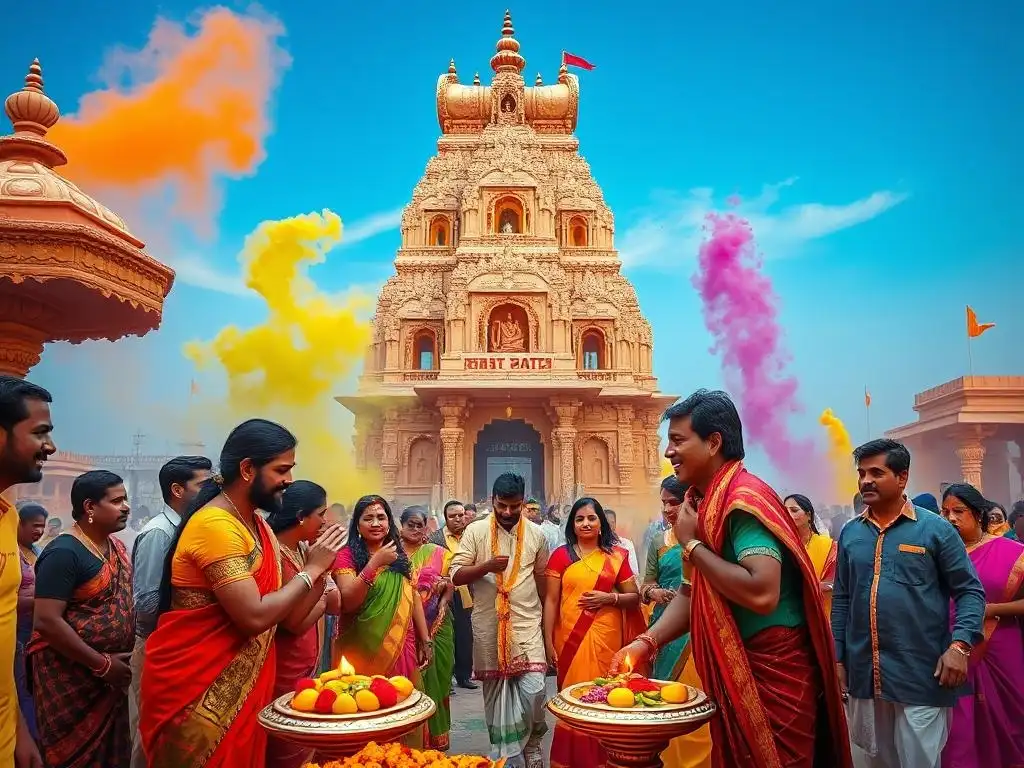
Welcome to Ancient India History, where we dive deep into the rich tapestry of ancient Indian civilizations. Today, we invite you to discover the enchanting world of Ancient Indian festival rituals through our featured article, "The Mystical Elements of Ancient Indian Festivals: Rituals and Beliefs." Uncover the profound beliefs and vibrant ceremonies that have shaped cultural identities across centuries. What secrets do these rituals hold? Join us on this captivating journey and let your curiosity guide you through the fascinating traditions that continue to resonate in our lives today!
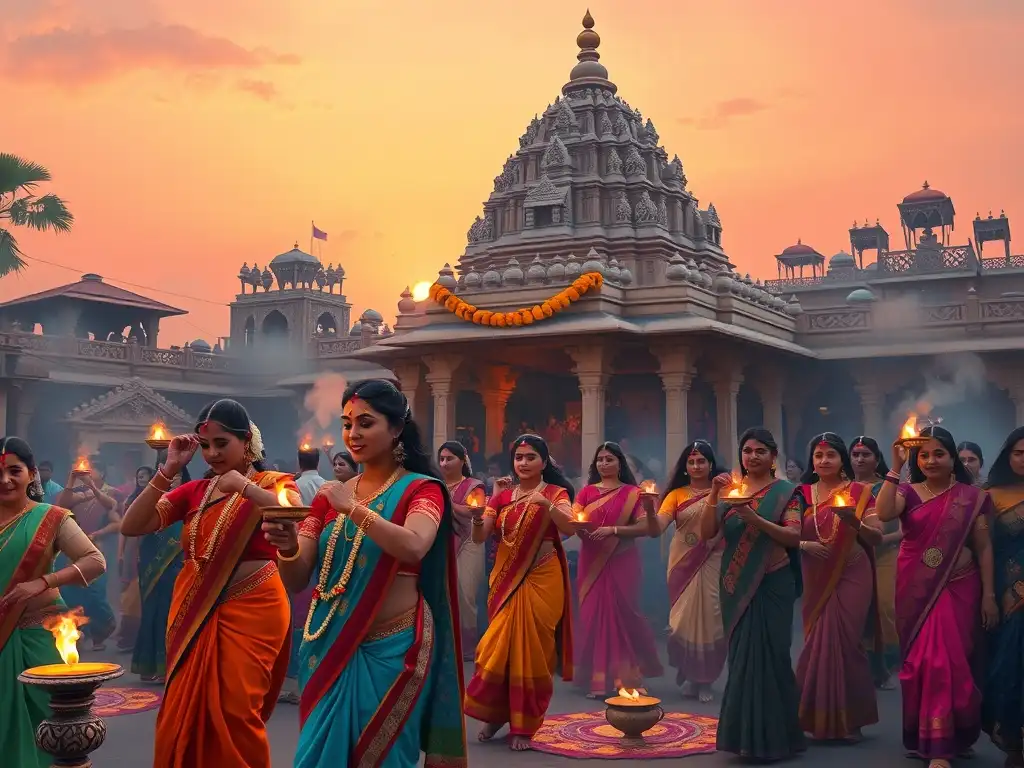
Introduction to Ancient Indian Festival Rituals
Exploring the rich tapestry of ancient Indian festival rituals unveils a profound connection between spirituality, culture, and community. Ancient Indian festivals are not merely occasions for celebration; they embody a deep-rooted significance that reflects the values, beliefs, and traditions of the societies that practiced them.
From the sacred rites of the Indus Valley Civilization to the elaborate celebrations during the Gupta Empire, the rituals associated with these festivals reveal insights into the daily lives and spiritual aspirations of ancient Indians. This article delves into the mystical elements of these rituals, highlighting their cultural importance and the underlying beliefs that shaped them.
Overview of Ancient Indian Festivals
Ancient Indian festivals were characterized by a diverse array of practices and observances, each deeply intertwined with the local customs and religious beliefs. Some of the most prominent festivals included:
- Diwali: Celebrated as the Festival of Lights, symbolizing the victory of light over darkness.
- Holi: Known as the Festival of Colors, marking the arrival of spring and the celebration of love.
- Makar Sankranti: A harvest festival that honors the sun god, Surya, and signifies the transition of the sun into the zodiac sign of Capricorn.
These festivals often featured elaborate rituals, communal gatherings, and a sense of renewal, reinforcing social bonds and cultural identity.
Importance of Rituals in Ancient Indian Culture
Rituals play a crucial role in ancient Indian culture, serving as a means of connecting the material world with the spiritual realm. They provide structure and significance to the cyclical nature of life, marking important transitions and honoring deities. The key aspects of these rituals include:
- Spiritual Connection: Rituals are seen as a way to invoke divine blessings and maintain harmony with the universe.
- Cultural Transmission: Through rituals, traditions are passed down generations, ensuring the continuity of cultural identity.
- Community Engagement: Festivals foster a sense of community, as individuals come together to participate in shared practices.
The intricate nature of these rituals reflects the reverence ancient Indians had for the cosmos and the divine, shaping their worldview and daily existence.
Key Rituals in Ancient Indian Festivals
Delving deeper into the festivals, several key rituals stand out for their unique significance and symbolism. Each ritual not only serves a purpose during the celebration but also carries profound meanings rooted in ancient beliefs.
Fire Rituals (Homa) in Festivals
One of the most sacred practices in ancient Indian festivals is the Homa, or fire ritual. This ritual involves offerings made into a sacred fire, symbolizing purification and the connection between the earthly and heavenly realms. Key elements include:
- Materials Used: Ghee (clarified butter), grains, and herbs are often offered to the fire.
- Mantras: Chanting specific Vedic mantras during the ritual, believed to invoke divine presence.
- Symbolism: Fire represents transformation and the divine, acting as a mediator between humans and gods.
The Homa ritual exemplifies the importance of fire in ancient Indian spirituality, embodying both physical and metaphysical meanings.
Water Rituals and Their Significance
Water rituals also hold a special place in ancient Indian festivals, symbolizing purity and life. These rituals often involve:
- Abhisheka: The ceremonial bathing of deities with holy water, signifying purification.
- Tirtha: Pilgrimages to sacred water bodies, believed to cleanse sins and bestow blessings.
- Ritual Offerings: Water is offered to ancestors and deities, reinforcing the connection between the sacred and the mundane.
Water rituals not only emphasize the significance of nature but also reflect the reverence for life and sustenance in ancient Indian culture.
Offerings and Puja Practices in Festivals
Offerings and puja (worship) practices are integral to ancient Indian festival rituals. These practices involve:
- Altar Preparation: Creating a sacred space adorned with flowers, fruits, and symbols of divinity.
- Ritual Offerings: Devotees present food, flowers, and incense to deities as a gesture of devotion.
- Recitation of Prayers: Chanting prayers and hymns to invoke blessings from the divine.
These offerings symbolize gratitude, respect, and the desire for divine favor, reinforcing the spiritual ethos of ancient Indian festivals.
Through an exploration of these mystical elements of ancient Indian festival rituals, we can gain a deeper appreciation for the intricate cultural practices that have shaped the spiritual landscape of India throughout history. Each ritual offers a glimpse into the beliefs that have guided generations, making ancient Indian festivals a rich field of study for historians and cultural enthusiasts alike.
Beliefs Associated with Ancient Indian Festival Rituals
The ancient Indian festival rituals are deeply rooted in a variety of beliefs that encapsulate the spiritual, cultural, and social fabric of Indian society. These rituals often serve not only as a means of celebration but also as a way to connect individuals with the divine and the cosmos. Many of these beliefs stem from the idea that festivals are a time when the earthly realm intersects with the celestial, allowing devotees to invoke blessings, prosperity, and protection from malevolent forces.
One prevalent belief is that participating in these rituals purifies the mind and soul, creating a sense of community and collective joy. The act of performing rituals such as prayers, offerings, and dances is thought to invoke divine presence, bringing auspiciousness and harmony. This belief underscores the importance of community participation—where shared rituals strengthen social bonds and cultural identity.
Additionally, many ancient Indian festivals are linked to agricultural cycles, reflecting the belief that honoring deities through these rituals ensures a bountiful harvest. The cyclical nature of these festivals resonates with the rhythm of life, emphasizing the interconnectedness of humanity, nature, and the divine.
Spiritual Significance of Festivals
The spiritual significance of ancient Indian festivals extends beyond mere celebration; they are profound expressions of devotion, gratitude, and reverence towards the divine. Each festival is associated with specific deities and cosmic events, believed to enhance spiritual growth and enlightenment.
For instance, during Diwali, the Festival of Lights, devotees worship Goddess Lakshmi, the deity of wealth and prosperity. The rituals performed during this time, such as lighting diyas (oil lamps) and performing pujas (worship ceremonies), are thought to invite her blessings into homes. This ritualistic practice symbolizes the victory of light over darkness and knowledge over ignorance.
Moreover, festivals often provide an opportunity for individuals to engage in introspection and renewal. They encourage participants to cleanse their minds and spirits, affirming their connection with the divine. Spiritual practices such as meditation, chanting, and reciting sacred texts are commonly integrated into festival observances, fostering a deeper spiritual experience.
Mythological Narratives Behind the Rituals
Ancient Indian festivals are steeped in rich mythological narratives that explain their origins and significance. These stories often involve gods, goddesses, and heroes, serving as moral and ethical guides for devotees. They provide context for the rituals performed during the festivals and deepen the understanding of cultural values.
Take, for example, the festival of Holi, which celebrates the triumph of good over evil. The mythological tale of Prahlada and Holika, where Prahlada's unwavering devotion to Lord Vishnu leads to his salvation from Holika's flames, is central to the festivities. The rituals associated with Holi, such as throwing colored powders and water, symbolize the joy of this victory and the arrival of spring.
Similarly, Navaratri, dedicated to the worship of Goddess Durga, is rooted in the narrative of her battle against the buffalo demon Mahishasura. The nine nights of worship and rituals during Navaratri not only celebrate her victory but also represent the triumph of feminine power and strength. Such narratives enrich the rituals, making them more than mere traditions; they become living expressions of faith and cultural identity.
Connection Between Nature and Festival Celebrations
The connection between nature and ancient Indian festival celebrations is both profound and intrinsic. Many festivals are timed with seasonal changes, agricultural cycles, and natural phenomena, reflecting a deep respect for and reliance on nature.
For instance, Makar Sankranti, celebrated in January, marks the transition of the sun into the zodiac sign of Capricorn. This festival is closely associated with the harvest season, and rituals often include flying kites and preparing traditional foods from the new harvest. The celebration underscores the harmonizing relationship between humans and nature, highlighting the importance of gratitude for natural resources.
Moreover, festivals often incorporate elements of nature in their rituals. The use of flowers, fruits, and other natural materials in offerings symbolizes the appreciation of nature's bounty. Additionally, festivals like Baisakhi celebrate the harvest, emphasizing the cycles of sowing, growing, and reaping, which are foundational to agrarian societies.
Major Ancient Indian Festivals and Their Unique Rituals
Ancient Indian festivals are marked by unique rituals that not only celebrate cultural heritage but also reflect the diverse beliefs and practices across the subcontinent. Each festival carries its own distinct flavor, showcasing the rich tapestry of ancient Indian civilization.
Diwali: The Festival of Lights and Its Rituals
Diwali, often referred to as the Festival of Lights, is one of the most significant ancient Indian festivals, celebrated by millions across the country and beyond. The rituals associated with Diwali are multifaceted and deeply symbolic.
The celebration typically spans five days, with each day dedicated to different deities and rituals. The most prominent day involves the worship of Goddess Lakshmi, where homes are adorned with diyas, rangoli (colorful patterns made from powders), and elaborate decorations. Families perform pujas, offer sweets, and exchange gifts, signifying love and goodwill.
In addition, the lighting of lamps represents the triumph of light over darkness, knowledge over ignorance, and good over evil. Fireworks and the bursting of firecrackers are integral, believed to ward off evil spirits and add to the joyous atmosphere.
Holi: The Festival of Colors and Its Traditions
Holi, the vibrant Festival of Colors, celebrates the arrival of spring and the victory of good over evil. The rituals associated with Holi are lively and joyous, encouraging social bonding and the spirit of togetherness.
The festivities commence with Holika Dahan, where bonfires are lit to symbolize the burning of evil. This is followed by the playful throwing of colored powders and water, representing the joy of life and the arrival of spring. People of all ages come together to smear colors on each other, sing, dance, and feast on traditional sweets.
Holi also carries a message of forgiveness and renewal, as it encourages individuals to forget past grievances and start anew. The communal nature of the celebrations fosters unity and strengthens social ties, reinforcing the belief that love transcends boundaries.
Navaratri: Celebrating the Goddess Through Rituals
Navaratri, meaning "nine nights," is a significant festival dedicated to the worship of Goddess Durga. The festival is celebrated with fervor and involves a series of elaborate rituals that honor the different forms of the goddess.
Each day of Navaratri is associated with a specific form of Durga, and devotees engage in fasting, prayers, and special pujas. The rituals often include chanting mantras, reciting the Durga Saptashati, and performing traditional dances like Garba and Dandiya, which are integral to the celebrations.
The culmination of Navaratri is marked by Vijayadashami (Dussehra), symbolizing the victory of good over evil. The rituals during this festival emphasize the power and grace of feminine energy, celebrating the goddess as a protector and nurturer.
The Role of Music and Dance in Ancient Indian Festival Rituals
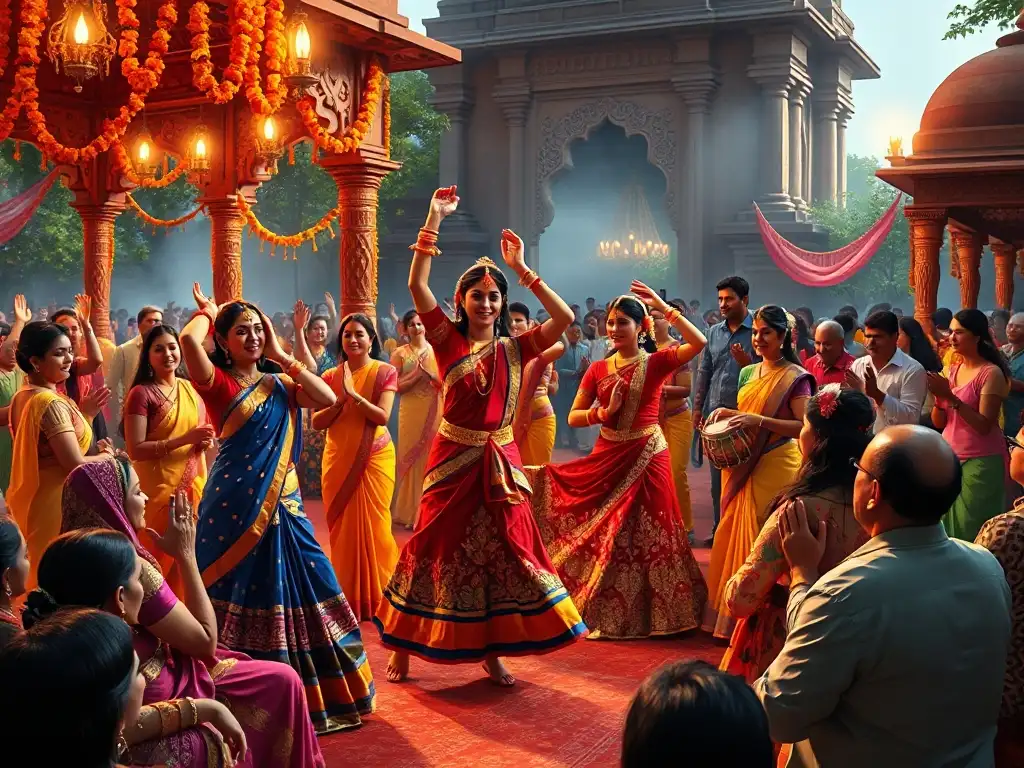
Music and dance have always played a pivotal role in ancient Indian festival rituals, serving as both a means of expression and a method of connecting with the divine. These elements were not merely forms of entertainment; they were integral to the spiritual atmosphere of festivals, believed to invoke blessings and create a harmonious environment. Festivals in ancient India often involved elaborate performances that showcased musical and dance traditions, reflecting the rich tapestry of cultural heritage.
In ancient texts, music is often described as a divine language, capable of transcending the mundane and reaching the spiritual realm. Instruments like the veena, tabla, and flute were commonly used during festivals, each having its own significance and purpose. The rhythmic patterns and melodic structures were meticulously crafted to align with the specific energies of the festival, enhancing the overall experience for participants.
Traditional Music in Festival Celebrations
Traditional music during ancient Indian festivals varied significantly across different regions and communities, each reflecting local customs and beliefs. The use of folk songs, classical ragas, and devotional hymns was prevalent, contributing to the unique atmosphere of each celebration. For instance, during the festival of Diwali, the sounds of dandiya raas—a traditional dance form accompanied by lively music—fill the air, symbolizing joy and community spirit.
Moreover, ancient Indian scriptures, such as the Natya Shastra, elaborate on the importance of sound and rhythm in ritualistic practices. Each festival was accompanied by specific musical compositions that highlighted the themes of the celebration. For instance, during the harvest festival of Makar Sankranti, songs celebrating the bounty of nature are sung, emphasizing gratitude and reverence.
Dance Forms and Their Spiritual Significance
Dance forms in ancient India were not only artistic expressions but also deeply spiritual practices. Classical dance forms like Bharatanatyam, Kathak, and Odissi were often performed during festivals as a means of storytelling, portraying divine narratives and engaging with the audience on a spiritual level. Each movement and gesture (known as mudras) carried profound meanings, allowing dancers to convey complex themes related to mythology and spirituality.
The act of dancing was viewed as a form of worship, where the dancer became a medium to channel divine energy. Festivals like Navaratri featured nine nights of dance, where devotees would perform Garba and Dandiya, celebrating the victory of good over evil. These performances were believed to please the deities and invite blessings into the community.
The Influence of Ancient Indian Festival Rituals on Modern Celebrations
The ancient Indian festival rituals have significantly influenced contemporary celebrations, creating a rich continuum of cultural practices that resonate today. Many of the traditions established centuries ago continue to thrive, albeit with adaptations to modern sensibilities. This continuity reflects the resilience of cultural identity and the enduring nature of these rituals.
Modern festivals often incorporate ancient rituals, albeit with variations in execution. For example, the lighting of diyas (lamps) during Diwali remains a central practice, symbolizing the triumph of light over darkness. However, the scale and manner of celebrations have evolved to include larger gatherings, public events, and the use of technology to enhance the experience.
Continuity of Traditions in Contemporary Festivals
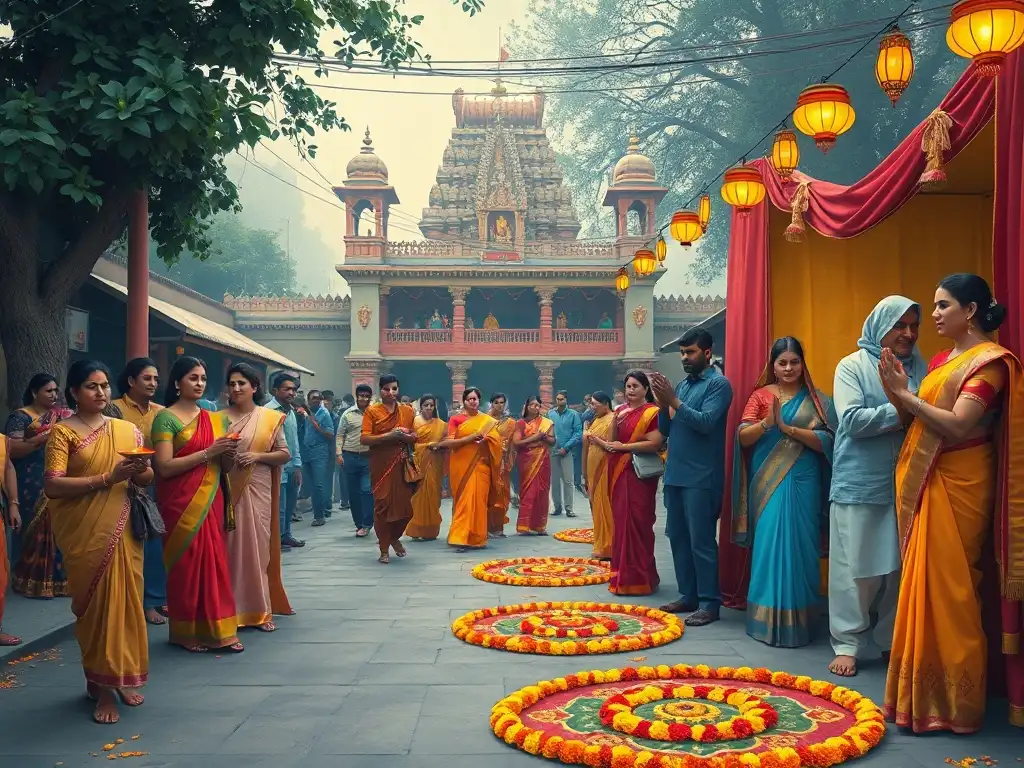
Contemporary festivals in India showcase a blend of ancient rituals and modern interpretations, resulting in vibrant celebrations that honor both heritage and innovation. While certain practices have adapted to contemporary lifestyles, the essence of the rituals remains intact. Community participation is a hallmark of these celebrations, fostering a sense of belonging and continuity among generations.
For example, during Holi, the festival of colors, the ancient custom of throwing colored powders is still prevalent, symbolizing joy and the arrival of spring. Today, however, it has expanded to include large public gatherings with music, dance, and elaborate festivities that unite people from diverse backgrounds, reflecting a spirit of inclusivity.
Evolution of Rituals Over Time
The evolution of ancient Indian festival rituals over time illustrates the dynamic nature of culture and tradition. Various socio-political changes, religious movements, and cultural exchanges have influenced the way these rituals are practiced. While some rituals have remained unchanged, others have been reinterpreted to align with contemporary values and beliefs.
For instance, the introduction of globalization has led to the fusion of traditional and modern elements in festivals, as seen in the incorporation of contemporary music styles and dance forms. Additionally, the emphasis on sustainability and environmental consciousness has prompted many communities to adapt their rituals to minimize ecological impact, showcasing the ability of traditions to evolve while retaining their core significance.
Through this ongoing transformation, ancient Indian festival rituals continue to resonate with new generations, ensuring that the rich heritage of India remains alive and relevant in today's world.
Conclusion: The Enduring Legacy of Ancient Indian Festival Rituals
The ancient Indian festival rituals have left an indelible mark on the cultural landscape of India, shaping not only religious practices but also social customs and community interactions. These rituals, deeply rooted in history, reflect the values, beliefs, and traditions that have been passed down through generations. They serve as a reminder of the rich tapestry of life in ancient India, where spirituality and daily existence were intertwined in a seamless blend of the mystical and the mundane.
The legacy of these rituals is evident in contemporary celebrations, where many ancient practices continue to thrive amid modern influences. Festivals like Diwali and Holi, for example, still embody the spiritual symbolism and communal spirit seen in their ancient counterparts. The rituals associated with these festivals promote a sense of belonging and identity among participants, reinforcing their shared heritage and values. As such, the enduring legacy of ancient Indian festival rituals is not only a testament to their historical significance but also a vital thread in the fabric of India's cultural identity.
The Role of Festivals in Preserving Cultural Identity
Festivals in ancient India played a crucial role in the preservation and transmission of cultural identity. They were not merely occasions for celebration; they served as platforms for the expression of communal values, beliefs, and traditions. Through rituals associated with festivals, communities passed on their collective history and cultural narratives, helping to maintain continuity in a rapidly changing world.
- Community Bonding: Festivals fostered a sense of unity among diverse groups. Participating in shared rituals created strong social ties, binding individuals to their communities. This communal aspect ensured that cultural practices were upheld and celebrated collectively, reinforcing a shared identity.
- Transmission of Knowledge: Ancient Indian festivals often involved storytelling, music, dance, and art—each a vehicle for imparting cultural knowledge and moral lessons. The rituals acted as educational tools, teaching younger generations about their heritage, ethics, and the significance of their traditions.
- Celebration of Diversity: The vast array of festivals across different regions and communities reflects the diversity of ancient Indian society. Each festival, with its unique rituals and customs, celebrates the myriad ways in which people express their spirituality and cultural identity, showcasing the pluralistic nature of Indian civilization.
Future of Ancient Indian Festival Practices
As we move into the future, the practices associated with ancient Indian festivals face both challenges and opportunities. In an increasingly globalized world, there is a risk that these rich traditions could become diluted or overshadowed by modern influences. However, there is also a significant movement aimed at reviving and preserving these ancient rituals.
- Revitalization Efforts: Many communities are actively working to revive and adapt ancient rituals to contemporary contexts. This revitalization can involve reinterpreting traditional practices to resonate with younger generations while maintaining their essence. Workshops, cultural festivals, and educational programs are being organized to educate people about the significance of these rituals.
- Digital Influence: The rise of digital media offers new avenues for promoting ancient festival practices. Social media platforms are increasingly being used to share stories, images, and videos of festivals, making them accessible to a broader audience. This can help to foster interest and engagement in ancient rituals among people who might not have experienced them firsthand.
- Sustainable Practices: There is a growing awareness of the need for sustainability in festival celebrations. Many modern adaptations of ancient rituals focus on eco-friendly practices, aligning with contemporary values of environmental consciousness. This approach not only preserves the rituals but also enhances their relevance in today's world.
While the future of ancient Indian festival practices may be uncertain, the ongoing efforts to preserve and adapt these rich traditions suggest that their legacy will continue to flourish. The resilience and adaptability of these rituals ensure that they remain a vital part of India's cultural heritage.
- Introduction to Ancient Indian Festival Rituals
- Key Rituals in Ancient Indian Festivals
- Beliefs Associated with Ancient Indian Festival Rituals
- Major Ancient Indian Festivals and Their Unique Rituals
- The Role of Music and Dance in Ancient Indian Festival Rituals
- Traditional Music in Festival Celebrations
- Dance Forms and Their Spiritual Significance
- The Influence of Ancient Indian Festival Rituals on Modern Celebrations
- Continuity of Traditions in Contemporary Festivals
- Evolution of Rituals Over Time
- Conclusion: The Enduring Legacy of Ancient Indian Festival Rituals
Frequently Asked Questions
What are ancient Indian festival rituals?
Ancient Indian festival rituals are ceremonial practices and traditions that were performed during various festivals, reflecting the values and beliefs of ancient Indian civilizations.
How did the Indus Valley Civilization influence festival rituals?
The Indus Valley Civilization laid the groundwork for many cultural practices and rituals, which evolved over time and influenced later festivals and their spiritual significance in the region.
What role did religion play in ancient Indian festivals?
Religion played a central role in shaping ancient Indian festivals, with rituals often dedicated to deities, marking the changing seasons, and celebrating agricultural cycles.
Can you name some prominent ancient Indian festivals?
Some prominent ancient Indian festivals include Diwali, Holi, and Makar Sankranti, each with unique rituals and cultural significance that reflect the diversity of ancient Indian traditions.
How do modern festivals relate to ancient rituals?
Modern festivals often retain elements of ancient rituals, adapting them to contemporary contexts while still honoring their historical roots and cultural heritage.
Final Reflection: Embracing the Mystical Heritage of Ancient Indian Festival Rituals
The exploration of ancient Indian festival rituals reveals a profound connection between spirituality and community, emphasizing the importance of tradition in our modern lives. In a world increasingly driven by technology and individualism, these rituals serve as a reminder of our shared humanity and the timeless values that bind us together. The vibrant tapestry of beliefs and practices surrounding these festivals not only enriches our cultural landscape but also invites us to reflect on our own identities and the legacies we wish to uphold.
Cultural rituals have a unique power to shape our social fabric, fostering a sense of belonging and continuity. The ancient Indian festivals, with their intricate ceremonies and deep-rooted beliefs, continue to influence contemporary society, reminding us of the importance of honoring our past. As Mahatma Gandhi once said, "> A nation's greatness is measured by how it treats its weakest members." This sentiment resonates deeply within the context of these festivals, where inclusivity and collective celebration are paramount, encouraging us to uplift one another and cherish our diverse heritage.
As we move forward, I invite you to reflect on the significance of these ancient rituals in your own life. Consider how you can incorporate the values of community, spirituality, and tradition into your daily practices. Whether through celebrating festivals with loved ones or engaging in acts of kindness inspired by these age-old beliefs, let us honor the mystical elements of our heritage and ensure that the wisdom of our ancestors continues to illuminate our paths. Embrace the opportunity to connect with the past while shaping a more inclusive and compassionate future.
Unveil the Magic of Ancient Indian Festivals!
Thank you for diving deep into the enchanting world of ancient Indian festivals with us! We hope you discovered the rich rituals and profound beliefs that make these celebrations truly special. Now, it's time to take that inspiration and turn it into action!
Here are some steps you can take to embrace and explore this vibrant culture further:
- Experience a Festival: Attend a local festival inspired by these ancient traditions. Join in the celebrations and immerse yourself in the delightful atmosphere!
- Share the Knowledge: Discuss what you've learned about these festivals with friends or on social media. Help keep the traditions alive by sharing the marvels of these celebrations!
- Learn a Ritual: Try your hand at a simple ritual from ancient festivals, such as creating a small altar or preparing a traditional dish. Engage with the cultural significance right in your own home!
Which festival or ritual resonates with you the most, and how can you incorporate it into your life today?