
The Role of Dance in Ancient Indian Festivals and Celebrations

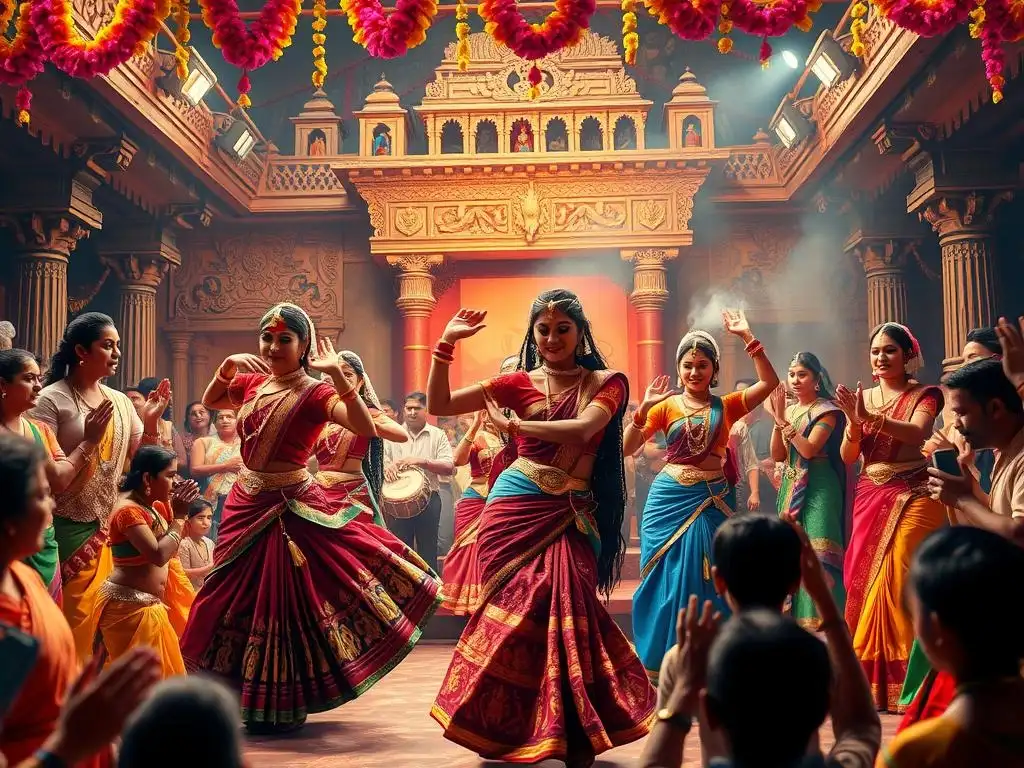
Welcome to Ancient India History, where we embark on a captivating journey through the vibrant tapestry of India's past. In this exploration, we invite you to discover the enchanting world of ancient Indian dance festivals, a mesmerizing blend of art and culture that played a pivotal role in the celebrations of ancient civilizations. From the rhythmic movements that echoed through the streets of the Indus Valley to the grand performances that illuminated the courts of the Gupta Empire, dance was not just an art form; it was a vital expression of spirituality and community.
Join us as we delve deeper into the significance of these festivals and uncover the stories that shaped a rich cultural heritage. Your adventure into the heart of ancient Indian history begins here!
Introduction to Ancient Indian Dance Festivals
Ancient Indian dance festivals played a pivotal role in the cultural and social fabric of Indian civilization, reflecting a rich tapestry of history, spirituality, and artistic expression. These festivals were not merely occasions for celebration; they served as vital platforms for showcasing the intricate and diverse dance forms of the time.
From the rhythmic movements of dancers to the elaborate costumes adorned with vibrant colors, each performance encapsulated the ethos of the society, its beliefs, and its traditions. The essence of these ancient Indian dance festivals lies in their ability to connect communities, celebrate life, and commemorate significant events, thereby preserving the cultural heritage for generations to come.
Overview of Dance as a Cultural Expression
Dance in ancient India was much more than just an art form; it was a profound medium of storytelling and cultural expression. It incorporated various elements such as music, drama, and poetry, creating a holistic experience that resonated with the audience. Dance was often influenced by regional customs and traditions, leading to the emergence of distinct styles that reflected the unique identity of different communities.
The major dance forms, such as Bharatanatyam, Kathak, Odissi, and Manipuri, were not only performed in temples and courts but also during festivals, where they took on heightened significance. These performances were imbued with symbolic meanings, often depicting mythological tales, deities, and moral lessons, thus educating the masses while entertaining them.
Significance of Festivals in Ancient Indian Society
Festivals in ancient India were crucial for social cohesion and cultural continuity. They provided opportunities for communities to come together, reinforcing ties among individuals and families. The vibrant atmosphere of these celebrations was often amplified by dance, which was an integral part of the festivities.
These gatherings also served religious purposes, often coinciding with seasonal changes or agricultural cycles, reflecting the agrarian lifestyle of ancient societies. The interplay between festivals and dance highlights the deep-rooted connections between spirituality, community life, and artistic expression in ancient Indian culture.
Historical Context of Dance in Ancient India
The origins of dance in ancient India can be traced back to the Indus Valley Civilization, where evidence of dance is depicted in seals and pottery. These early representations suggest that dance was an essential aspect of ritualistic practices and communal gatherings. As Indian civilization evolved, so did its dance forms, influenced by various dynasties and cultures that flourished over the centuries.
The transition from simple folk dances to more sophisticated classical forms occurred during the Vedic period, where dance began to be associated with spiritual practices and rituals. The classical texts on dance, such as the Natya Shastra, emerged, providing a theoretical framework for the art form, detailing its techniques, aesthetics, and significance in society.
Influence of Religion and Mythology on Dance
Religion and mythology have profoundly shaped the landscape of ancient Indian dance. Many dance forms were developed as devotional expressions, aimed at pleasing the deities and invoking divine blessings. For instance, Bharatanatyam is known for its portrayal of divine stories and characters from Hindu mythology, while Kathak often narrates tales of love and devotion through intricate footwork and expressive gestures.
Festivals served as prime occasions for these religious dances, reinforcing the sacredness of the performances. The intertwining of dance with mythology not only enhanced the cultural narrative but also solidified the role of dance as a medium for spiritual expression, linking the earthly to the divine in a vibrant celebration of life and faith.
Major Ancient Indian Festivals Featuring Dance
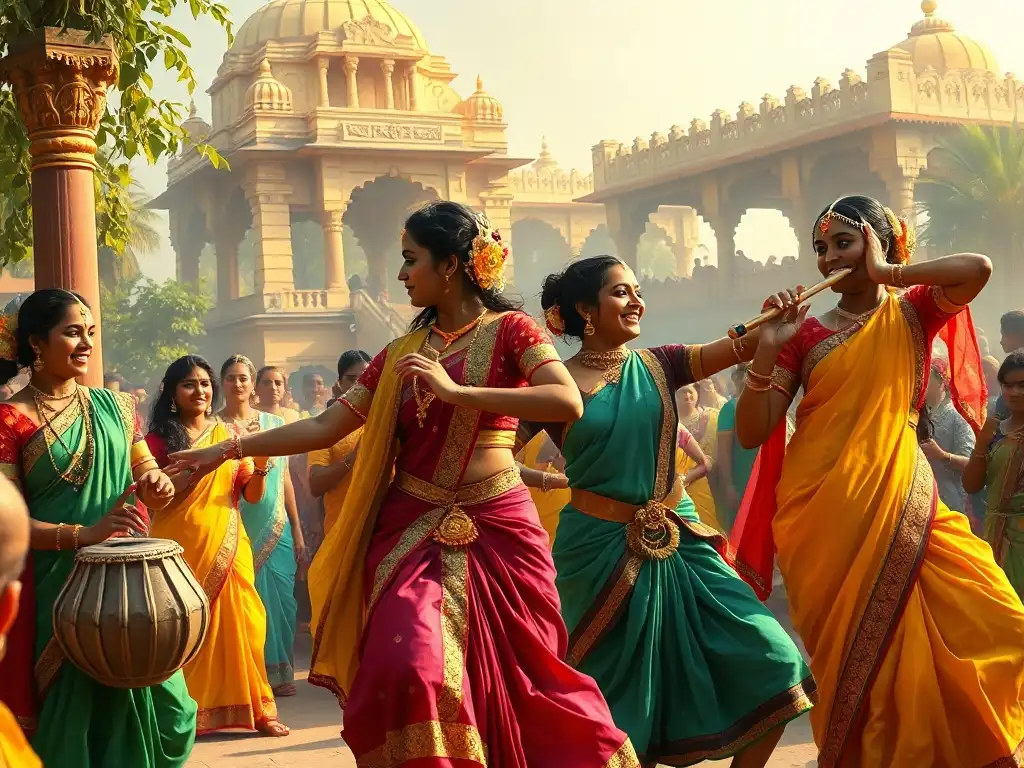
Ancient Indian festivals were vibrant celebrations that often included various forms of dance, which served as a medium for storytelling, cultural expression, and spiritual connection. These festivals not only marked significant agricultural events or religious observances but also brought communities together, fostering a sense of unity and shared heritage. Dance played a crucial role in elevating the festive atmosphere, whether through devotional performances or folk traditions that reflected local customs.
Navaratri, meaning "nine nights," is one of the most significant festivals in Hindu culture, dedicated to the worship of the goddess Durga. Each night is marked by vibrant celebrations that include traditional dance forms such as Garba and Dandiya Raas, which are integral to the festivities. Participants, dressed in colorful attire, gather in circles, celebrating the divine feminine through rhythmic clapping and intricate footwork.
The dances of Navaratri not only serve as a form of worship but also as a community bonding experience. The Garba, which originates from Gujarat, involves circular movements and is often performed around an image of the goddess. Dandiya Raas, characterized by the use of sticks, further enhances the celebratory spirit. This festival exemplifies how dance serves as a vital expression of devotion, joy, and cultural identity in ancient Indian society.
Diwali: The Festival of Lights and Dance
Diwali, known as the Festival of Lights, is celebrated with great enthusiasm across India and among the Indian diaspora worldwide. It symbolizes the victory of light over darkness and good over evil. Dance forms an essential part of the Diwali celebrations, with performances often depicting stories from Hindu mythology, such as the return of Lord Rama to Ayodhya.
During Diwali, various dance programs and cultural events take place, showcasing classical and folk dance forms. Elaborate dance performances are conducted in temples and community spaces, where dancers don traditional costumes, creating an enchanting atmosphere filled with joy. The use of firecrackers and decorative lights complements the dance performances, making Diwali a feast for the senses, where music and movement celebrate the triumph of light.
Makar Sankranti: Harvest Celebrations through Dance
Makar Sankranti marks the transition of the sun into the zodiac sign of Capricorn, signifying the end of winter and the arrival of longer days. This festival is primarily celebrated as a harvest festival across India, and dance plays a significant role in the celebrations. Traditional dances are performed to express gratitude for the harvest and to invoke blessings for future crops.
In states like Punjab, Bhangra and Gidda are performed, showcasing the exuberance of the harvest season. In South India, traditional dances such as Kolattam are performed, where dancers use sticks to create rhythmic sounds that accompany their movements. The celebration of Makar Sankranti through dance not only honors agricultural traditions but also reinforces social bonds within communities, as families and friends come together in joyous gatherings.
Types of Ancient Indian Dance Forms
Ancient Indian dance is a rich tapestry of styles that can be broadly categorized into classical and folk traditions, each with unique characteristics and cultural significance. These dance forms have deep roots in the rituals, celebrations, and storytelling traditions of various regions in India.
Classical Dance Styles: Bharatanatyam, Kathak, Odissi
Classical dance forms in India are characterized by their rigorous techniques, elaborate costumes, and thematic narratives. Bharatanatyam, originating from Tamil Nadu, is one of the oldest classical dance forms, often depicting stories from Hindu mythology through intricate footwork and expressive hand gestures (mudras).
Kathak, with its roots in northern India, combines storytelling with intricate footwork and spins, often accompanied by classical music. This dance form is known for its graceful movements and expressive facial expressions, depicting various emotions and narratives.
Odissi, hailing from Odisha, is noted for its lyrical grace and sculptural poses, often performed in temple premises as an offering to the deities. Each of these classical dance forms has a rich history and is often showcased during festivals as a means of cultural preservation and celebration.
Folk Dance Traditions: Garba, Bhangra, and More
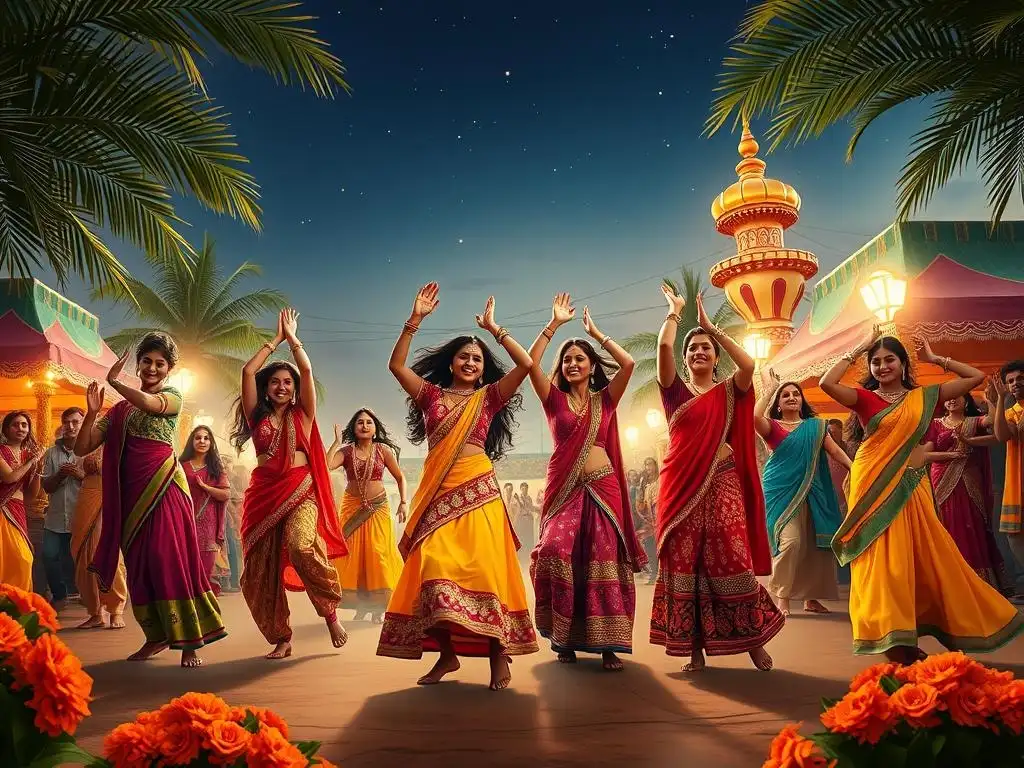
Folk dance traditions in India are diverse and reflect the local culture, customs, and lifestyle of various regions. Garba, a vibrant dance from Gujarat, is performed in a circle, celebrating the feminine energy of the goddess Durga during Navaratri. The dance involves rhythmic clapping and twirling, creating an energetic atmosphere.
Bhangra, originating from Punjab, is characterized by energetic movements and lively music, traditionally performed during harvest celebrations. It symbolizes the joy of the harvest and is often accompanied by dhol drums and vibrant attire.
Other folk dance forms, such as Lavani from Maharashtra and Chhau from Odisha, also play an essential role in community celebrations, conveying stories and social messages through dynamic movements and local music. These folk traditions are crucial for maintaining cultural heritage and fostering community spirit during festivals.
Ancient Indian dance festivals are a vital component of India's cultural tapestry, blending spirituality, community, and artistic expression in ways that continue to resonate today.
The Role of Dance in Rituals and Ceremonies
Dance has held a significant position in ancient Indian culture, particularly in the context of rituals and ceremonies. It was not merely a form of entertainment but a profound medium of expression that connected the physical and spiritual realms. Ancient Indian dance was intricately woven into the fabric of various religious practices, allowing practitioners to convey their devotion and respect for the divine. The movements and rhythms in dance were often believed to invoke blessings, celebrate the cycles of nature, and honor deities during significant events.
In many ancient texts, dance is described as a divine offering, where the dancer becomes a medium through which the sacred energies are channeled. This transformative aspect of dance made it an essential component of numerous rituals, from daily pujas (worship) to grand festivals. Dancers often adorned themselves in elaborate costumes and jewelry, symbolizing their spiritual connection and the reverence of their performances. Through dance, communities maintained their cultural heritage, passing down traditions and stories from generation to generation.
Dance as a Medium of Worship in Temples
In ancient India, temples were not only places of worship but also cultural hubs where dance played a pivotal role. Devotional dances performed in temples were often dedicated to specific deities, with the movements and expressions reflecting the attributes and stories associated with those gods. For instance, the classical dance forms such as Bharatanatyam and Odissi evolved primarily in temple settings as offerings to deities, embodying the essence of devotion.
The temple dancers, known as Devadasis, were trained from a young age in the art of dance, and their performances were considered sacred rituals. These dances often included intricate footwork, expressive hand gestures (mudras), and facial expressions (abhinaya) that conveyed various emotions and stories from Hindu mythology. The interaction between the dancers and the audience in these sacred spaces created a spiritual atmosphere, reinforcing the connection between the divine and the devotees.
Moreover, the architecture of temples often incorporated sculptures depicting dance poses, indicating the rich tradition of performance arts in religious contexts. The integration of dance within temple worship underscored its importance not only as an art form but also as a vital component of spiritual life in ancient India.
Ceremonial Dances During Festivals
Festivals in ancient India were vibrant occasions filled with joy, and dance was one of the central elements of celebration. Each festival had its unique dances that reflected the cultural nuances of the region and the significance of the festivities. For example, during the Durga Puja, traditional dances are performed to honor the goddess Durga, showcasing themes of victory and strength.
These ceremonial dances often involved community participation, with people coming together to celebrate shared beliefs and values. The dances were characterized by rhythmic movements, colorful costumes, and lively music, creating an atmosphere of exuberance and unity.
Additionally, festivals like Diwali and Holi included traditional dance forms that represented the triumph of light over darkness and the arrival of spring, respectively. The choreography of these dances often depicted stories and legends associated with the festivals, enhancing the cultural narrative and deepening the participants' connection to their heritage.
Symbolism and Themes in Dance
The symbolism embedded in ancient Indian dance is profound, with movements often representing deeper meanings that connect the physical act of dancing to spiritual concepts. The themes conveyed through dance articulate the values, beliefs, and stories that form the core of Indian culture. Understanding these symbols enriches the appreciation of dance as an art form that transcends mere entertainment.
Mythological Narratives Depicted through Dance
One of the most captivating aspects of ancient Indian dance is its ability to narrate mythological stories through movement. Dancers often portray characters from epics such as the Mahabharata and the Ramayana, bringing to life tales of valor, love, and morality. The narrative style of dance, known as Natya, integrates storytelling with movement, allowing the audience to engage with the rich tapestry of Indian mythology.
For instance, in Kathak, a popular classical dance form, dancers often depict the playful antics of Lord Krishna, using spins and intricate footwork to express his divine playfulness. Similarly, Bharatanatyam performances may illustrate the tales of goddess Durga slaying the buffalo demon, symbolizing the victory of good over evil. These mythological narratives not only entertain but also impart moral lessons and cultural values, ensuring their relevance across generations.
Cultural Symbols Represented in Dance Movements
Dance movements in ancient Indian traditions are rich with cultural symbols that convey various meanings. Every gesture, known as a mudra, has a specific significance, often linked to nature, spirituality, or social values. For example, the gesture of holding the palms together (Anjali Mudra) symbolizes respect and greeting, while the gesture of pointing to the sky represents the divine.
Additionally, costumes and adornments used in dance performances carry symbolic meanings as well. The colors of the attire often reflect the emotions being portrayed; for instance, red may symbolize passion or love, while white could represent purity. The use of specific ornaments, like peacock feathers in Kathakali, is not just aesthetic but also ties back to cultural stories and beliefs.
Through these symbolic elements, ancient Indian dance serves as a profound medium for cultural expression, connecting performers and audiences to the rich heritage and spiritual essence of their civilization.
Dance has always played a pivotal role in fostering social unity among communities in ancient India. The vibrant expressions of movement during festivals served not only as entertainment but also as a means of reinforcing communal ties. By participating in dance, individuals from various backgrounds came together, erasing social barriers and promoting a sense of belonging. This unity was particularly crucial in a culturally diverse landscape where differences in language, belief systems, and social status could create divisions.
Festivals provided a platform for collective participation in dance, which was often accompanied by traditional music and rituals. This shared experience allowed communities to celebrate their heritage and express their identities through the rhythm of their movements. As a result, dance became an essential thread in the fabric of social life, contributing to a cohesive community identity that transcended individual differences.
Dance as a Community Activity in Festivals
In ancient India, dance was not merely an art form but a communal activity that brought people together during festivals. Celebrations such as Diwali, Holi, and Makar Sankranti were marked by specific dances that had cultural significance. For instance, during Holi, folk dances like Garba and Dandiya Raas were performed, encouraging participation from people of all ages and backgrounds.
These communal dance activities fostered a sense of togetherness, creating shared memories and experiences. They often involved simple steps that everyone could follow, ensuring that no one felt excluded. The joy of dancing together not only enhanced the festive atmosphere but also strengthened interpersonal relationships within the community, further solidifying social cohesion.
The Role of Dance in Strengthening Social Bonds
The act of dancing together during festivals served as a powerful tool for strengthening social bonds. Dance encouraged collaboration and communication among participants, allowing them to express emotions collectively. It acted as a non-verbal language that transcended spoken words, facilitating connections among individuals who might not share the same dialect or background.
Moreover, traditional dances often told stories or conveyed cultural values, reinforcing a shared identity and collective memory. In this context, dance became a medium through which communities could celebrate their history and heritage, fostering pride and unity. As participants engaged in these dances, they not only enjoyed the moment but also contributed to the preservation of their cultural legacy, ensuring that the values and traditions were passed down through generations.
Conclusion: The Enduring Legacy of Ancient Indian Dance Festivals
The legacy of ancient Indian dance festivals continues to resonate in contemporary society, highlighting the profound impact these traditions have had on cultural identity and social cohesion. The dances of ancient times, steeped in meaning and significance, still influence modern celebrations, reflecting the timeless nature of these art forms. As communities come together to honor their heritage through dance, they reinforce the values of unity, celebration, and cultural pride.
Reflection on the Importance of Preserving Dance Traditions
Preserving ancient dance traditions is essential not only for cultural heritage but also for maintaining the social fabric that these dances helped to weave. As globalization threatens the uniqueness of local customs, it becomes increasingly important to safeguard these art forms. By documenting and teaching traditional dances, communities can ensure that future generations understand and appreciate their history and the role dance plays in their identity.
Moreover, preserving these traditions enhances social cohesion by providing a common ground for community engagement. Festivals that include traditional dance can serve as a reminder of shared values, encouraging younger generations to participate and carry forward the legacy.
Future of Ancient Indian Dance in Modern Celebrations
The future of ancient Indian dance in modern celebrations looks promising, as there is a growing interest in reviving traditional practices. Contemporary festivals are beginning to incorporate traditional dance forms, bridging the gap between past and present. This revival not only honors the rich history of dance but also invites new interpretations and innovations that keep these traditions vibrant.
As more people recognize the cultural significance of dance, there is potential for cross-cultural exchanges that enrich the art form. Collaborations between traditional dancers and contemporary artists can result in unique performances that respect heritage while appealing to modern audiences. In this way, ancient Indian dance festivals can continue to thrive, ensuring that the joy of dance remains a central part of communal celebrations for generations to come.
References
The study of ancient Indian dance festivals and their cultural significance is well-documented in various scholarly works, historical texts, and research articles. Below are key references that provide insights into the rich tapestry of dance in ancient Indian celebrations:
- "Dance in Indian Painting" by Dr. Suman Gupta - This book explores the representation of dance in various Indian art forms, providing context for its significance in festivals.
- "The Cultural Heritage of India" (Volume 3) - A comprehensive resource detailing the various cultural practices, including dance, that shaped ancient Indian civilization.
- "The History of Indian Classical Dance" by Ananda Shankar Jayant - This work offers an in-depth look at the evolution of classical dance forms and their role in religious and festive celebrations.
- "Festivals of India" by R. K. Gupta - A detailed account of various Indian festivals and the traditional dances associated with them, highlighting regional variations.
- Articles from the Journal of Dance Studies - Peer-reviewed articles that discuss the cultural and historical aspects of dance in Indian festivals.
Suggested Readings on Ancient Indian Dance and Festivals
For those looking to delve deeper into the vibrant world of ancient Indian dance festivals, the following readings are recommended:
- "Dancing in the Dark: The History of Dance in India" by Aditi Mangaldas: - This book provides an engaging narrative of the evolution of dance in India, focusing on its role in societal and religious contexts.
- "Ritual and Performance in Indian Arts" by S. M. A. Rizvi - This text discusses the interplay between ritualistic practices and dance, illustrating how performance art is intertwined with cultural celebrations.
- "The Navaratri Festival: A Cultural Celebration" by Neeraja Raghavan: - An exploration of the Navaratri festival, detailing its historical origins and the dance forms that are integral to its celebration.
- "Classical Dances of India" by Dr. Sunil Kothari - A detailed examination of various classical dance forms and their historical roots, with a focus on their performance in festival settings.
Further Resources for Exploration of Indian Cultural Heritage
To further explore the rich cultural heritage of India, including its dance festivals, consider the following resources:
- Online Archives and Databases: Websites like the Digital South Asia Library and the National Digital Library of India provide access to historical texts, manuscripts, and research papers on Indian art and culture.
- Documentaries and Films: Documentaries like "India: The Modest Dance" offer visual insights into dance traditions and their role in festivals, showcasing performances across different regions.
- Museums and Cultural Institutions: Visiting institutions such as the National Museum in New Delhi or the Kalakshetra Foundation in Chennai can provide firsthand experience of artifacts and performances related to ancient dance traditions.
- Cultural Exchange Programs: Engaging in programs that promote cultural exchange can provide invaluable experiences in understanding ancient dance forms and their relevance in contemporary celebrations.
Engaging with these resources will enrich your understanding of ancient Indian dance festivals and their continuing legacy in Indian culture.
- Introduction to Ancient Indian Dance Festivals
- Overview of Dance as a Cultural Expression
- Significance of Festivals in Ancient Indian Society
- Historical Context of Dance in Ancient India
- Influence of Religion and Mythology on Dance
- Major Ancient Indian Festivals Featuring Dance
- Navaratri: Celebrating the Divine Feminine
- Diwali: The Festival of Lights and Dance
- Makar Sankranti: Harvest Celebrations through Dance
- Types of Ancient Indian Dance Forms
- Classical Dance Styles: Bharatanatyam, Kathak, Odissi
- Folk Dance Traditions: Garba, Bhangra, and More
- The Role of Dance in Rituals and Ceremonies
- Symbolism and Themes in Dance
- Impact of Dance on Social Cohesion
- Conclusion: The Enduring Legacy of Ancient Indian Dance Festivals
- References
Frequently Asked Questions
What were the main ancient Indian dance festivals?
Ancient Indian dance festivals included classical performances like Bharatanatyam, Kathak, and Odissi, often held during religious and cultural celebrations.
How did dance contribute to ancient Indian culture?
Dance served as a vital form of expression and communication, illustrating myths, religious rituals, and social values within ancient Indian society.
What is the significance of dance in ancient Indian festivals?
Dance played a crucial role in celebrating deities, showcasing artistic talent, and fostering community bonding during festivals, enhancing the spiritual experience.
Were there any specific festivals known for dance in ancient India?
Yes, festivals like Navratri and Pongal were renowned for their vibrant dance performances that celebrated harvest and the victory of good over evil.
How has ancient Indian dance influenced modern celebrations?
The traditions of ancient dance festivals continue to inspire modern celebrations, maintaining their cultural essence while evolving to incorporate contemporary styles and themes.
Final Reflection: Embracing the Rhythm of Ancient Indian Dance Festivals
The exploration of ancient Indian dance festivals reveals a profound connection between culture and celebration that resonates powerfully in today's world. As we navigate a rapidly changing society, the vibrant traditions of dance serve as a reminder of our shared heritage and the importance of preserving these art forms. The rhythms and movements that once echoed through ancient temples and village squares continue to inspire and unite communities, underscoring the timeless nature of these celebrations.
Cultural expressions through dance have shaped our social landscape, fostering a sense of identity and belonging. The legacy of ancient Indian dance festivals is not merely historical; it is a living tradition that influences contemporary art, spirituality, and community gatherings. As noted by renowned dancer and choreographer Astad Deboo, Dance is the hidden language of the soul.
This sentiment captures the essence of how these festivals allow individuals to connect with their roots and express their innermost feelings, transcending language and cultural barriers.
As we reflect on the significance of ancient Indian dance festivals, I invite you to consider how these traditions can enrich your own life. Take a moment to explore the dances of your heritage or participate in local celebrations that honor cultural diversity. By engaging with these art forms, we not only celebrate the past but also contribute to the ongoing narrative of our communities. Let the rhythms of ancient dance inspire you to embrace your own unique expression and foster a deeper appreciation for the rich tapestry of human culture.
Embrace the Rhythm: Celebrate India's Rich Dance Heritage!
Thank you for exploring the captivating world of dance and its profound significance in ancient Indian festivals and celebrations. We hope you gained inspiring insights into how these artistic expressions not only entertained but also enriched cultural bonds. Now, it’s time to take action and immerse yourself in this vibrant heritage!
Here are some wonderful ways you can connect with this legacy:
- Join a local dance class focusing on traditional Indian styles to experience the joy and history firsthand.
- Attend an upcoming festival that celebrates Indian dance and arts, where you can witness these traditions come alive within your community.
- Share your newfound knowledge with friends or on social media; spark conversations about the importance of dance in shaping cultural identity.
How will you integrate the beauty of ancient Indian dance into your life and celebrate its enduring impact today?