
Masterpieces of the Gupta Era: A Deep Dive into Sculptural Excellence

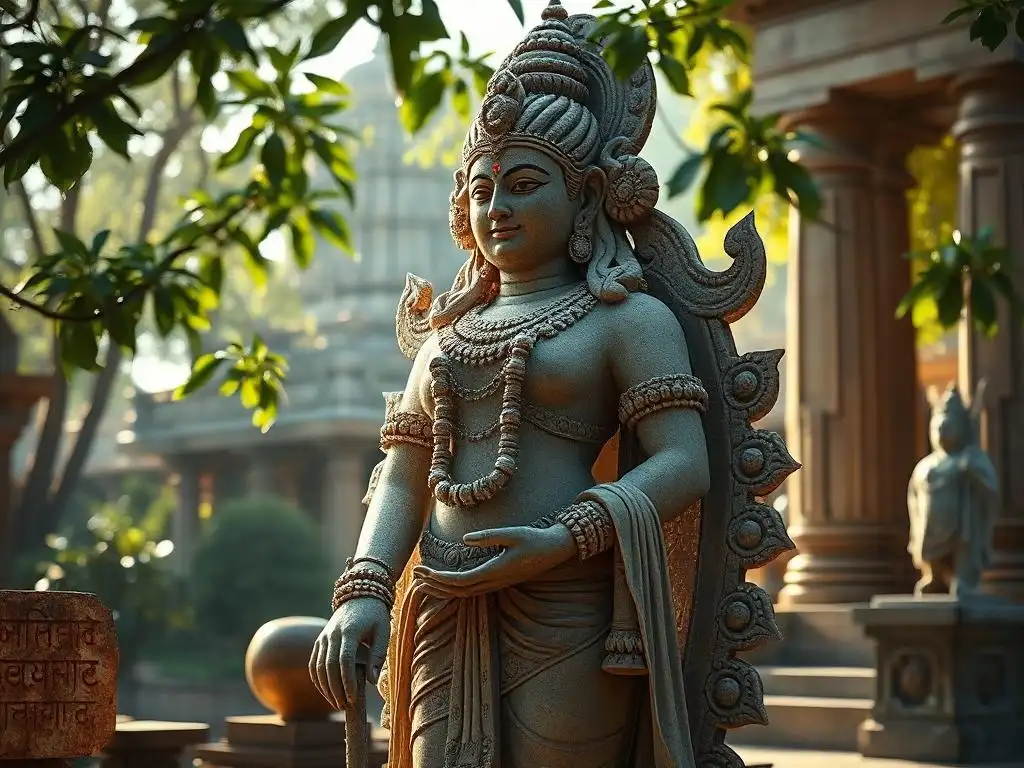
Welcome to Ancient India History, where we embark on a mesmerizing journey through time, uncovering the rich tapestry of cultures and civilizations that shaped the Indian subcontinent. In this exploration, we invite you to delve into the Gupta Empire sculptural masterpieces, a testament to the artistic brilliance and spiritual depth of the era.
What secrets do these exquisite works hold, and how did they influence the art of future generations? Join us as we unravel the intricate details and profound stories behind these sculptural wonders, igniting your curiosity and inspiring a deeper appreciation for the magnificent legacy of ancient India.
- Introduction to Gupta Empire Sculptural Masterpieces
- Characteristics of Gupta Sculptural Masterpieces
- Notable Sculptural Works of the Gupta Empire
- Thematic Elements in Gupta Sculptural Art
- The Legacy of Gupta Sculptural Masterpieces
- Conclusion: The Enduring Impact of Gupta Empire Sculptural Masterpieces
-
Frequently Asked Questions
- What are the key features of Gupta Empire sculptural masterpieces?
- How did the Gupta Empire influence sculpture in ancient India?
- What materials were commonly used in Gupta Empire sculptures?
- Which famous sites can we find Gupta sculptural masterpieces?
- How do Gupta sculptures reflect the culture of the time?
- Final Reflection: Celebrating the Timeless Beauty of Gupta Empire Sculptural Masterpieces
- Unveil the Artistic Legacy of Gupta Sculptures!
Introduction to Gupta Empire Sculptural Masterpieces
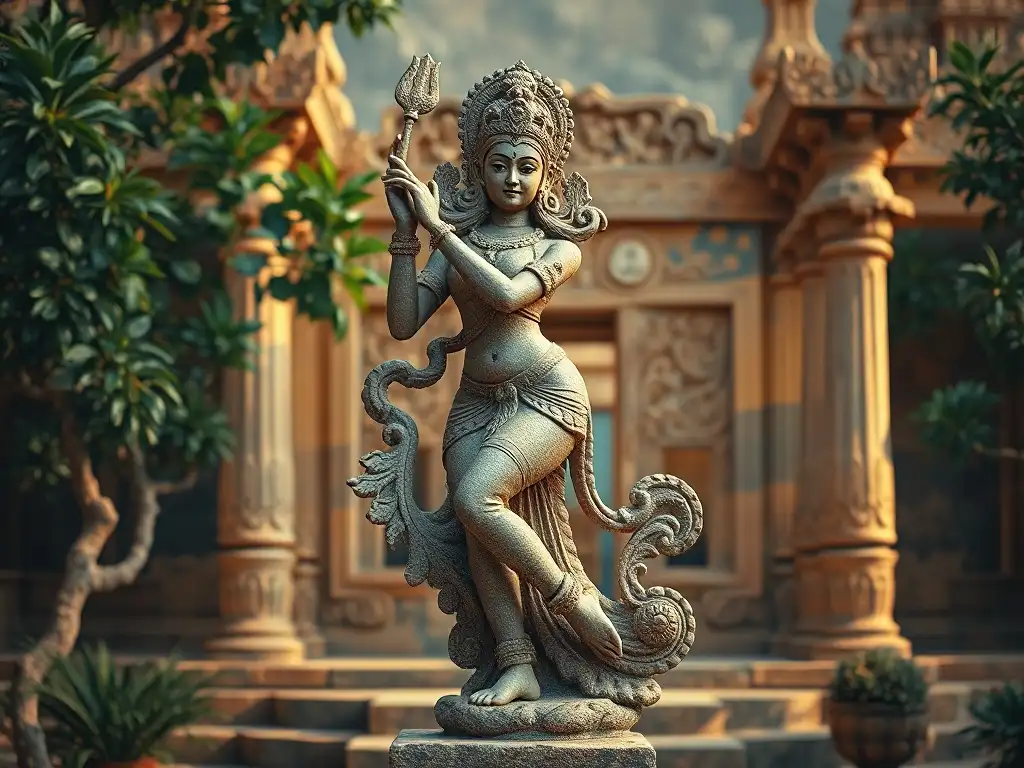
The Gupta Empire, flourishing from approximately 320 to 550 CE, is often regarded as a golden age of Indian history, marked by remarkable advancements in various fields, including science, literature, and art. Among its most profound contributions are the sculptural masterpieces that emerged during this era, reflecting the rich tapestry of cultural and artistic evolution.
This article delves into the intricate world of Gupta sculptural art, exploring its significance, styles, and the enduring legacy it has left on the visual arts. By examining these masterpieces, we can better appreciate how the Gupta Empire not only enriched Indian culture but also influenced artistic traditions across the world.
Overview of the Gupta Era in Indian History
The Gupta Era is characterized by significant political stability and economic prosperity, which fostered an environment conducive to artistic expression. Under the patronage of powerful rulers like Chandragupta I and Samudragupta, art and culture thrived. The period is often marked by:
- Political Unity: The Gupta Empire unified vast territories, facilitating cultural exchange and interaction.
- Economic Prosperity: Trade routes flourished, leading to increased wealth and support for the arts.
- Intellectual Advancements: The era saw contributions from scholars such as Aryabhata and Kalidasa, enhancing the cultural landscape.
The sculptural art of this period is particularly noteworthy for its intricate craftsmanship and spiritual significance, often depicting deities, mythological narratives, and daily life, showcasing a blend of realism and idealism.
Importance of Sculpture in Gupta Art
Sculpture during the Gupta Empire played a crucial role in conveying religious and cultural narratives. It served several important functions:
- Religious Expression: Many sculptures were created for temples and shrines, serving as objects of devotion and worship. They often depicted Hindu deities, reflecting the dominant religious beliefs of the time.
- Cultural Identity: The artwork embodied the ethos of the Gupta period, illustrating the values, beliefs, and social structures of ancient Indian society.
- Artistic Innovation: Gupta sculptors introduced new techniques and styles, such as intricate detailing, graceful forms, and the use of softer stone materials, which allowed for more delicate and lifelike representations.
- Legacy and Influence: The techniques and themes developed during this period influenced later Indian art forms and left a lasting impact on the visual arts across Asia.
The Gupta Empire's sculptural masterpieces not only serve as historical artifacts but also as a testament to the creativity and spirituality of a civilization that continues to inspire awe and admiration today.
Characteristics of Gupta Sculptural Masterpieces
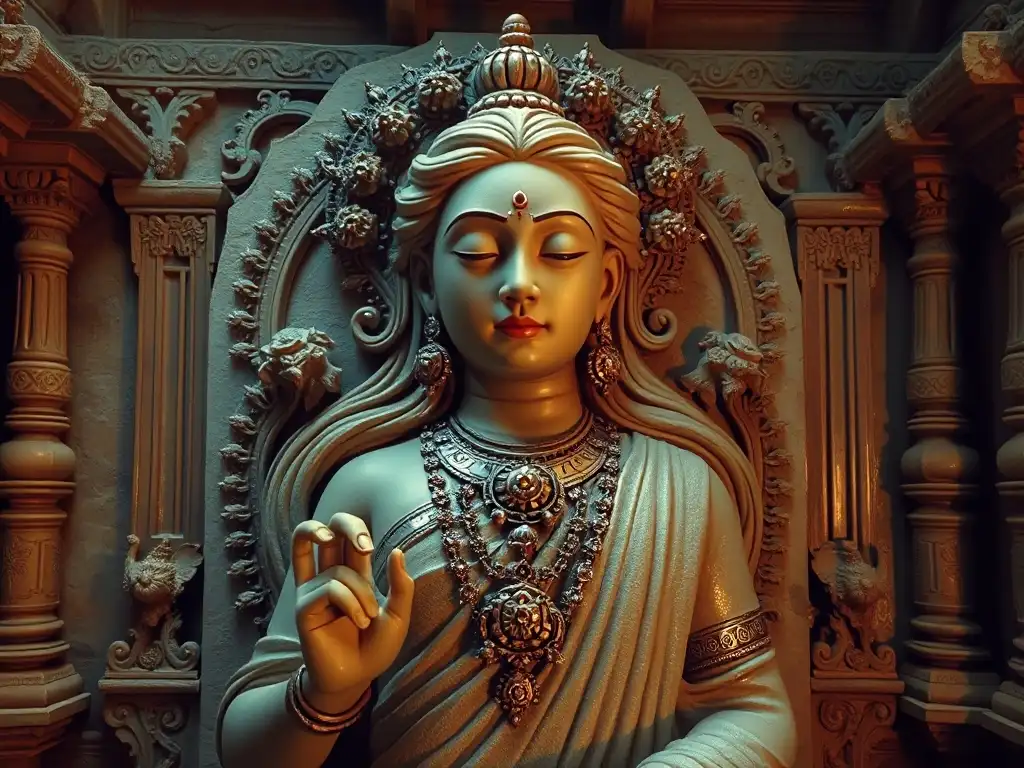
The Gupta Empire, often referred to as the Golden Age of India, is renowned for its remarkable contributions to various fields, particularly in the realm of sculpture. The sculptural masterpieces of this era exemplify a harmonious blend of artistic skill, religious devotion, and cultural richness. Characterized by their intricate detailing, graceful forms, and spiritual resonance, these works not only reflect the aesthetics of the time but also encapsulate the philosophical and artistic thoughts prevalent during the Gupta period.
Stylistic Features of Gupta Sculpture
Gupta sculpture is distinguished by several notable stylistic features that set it apart from preceding and subsequent artistic traditions:
- Naturalism: Unlike earlier Indus Valley figures, Gupta sculptures exhibit a pronounced naturalism, embracing realistic portrayals of the human body. This is evident in the proportionate anatomy and lifelike poses of deities and figures, conveying a sense of movement and vitality.
- Divine Representation: Gupta sculptors skillfully rendered gods and goddesses with idealized features, often incorporating attributes that signify their divine nature. For instance, the serene expressions and elaborate adornments of figures like Vishnu and Shiva highlight their celestial qualities, inviting worshippers to connect with the divine.
- Posture and Gesture: The sculptures frequently showcase dynamic postures (asanas) and mudras (hand gestures), which are significant in Hindu and Buddhist iconography. The art of conveying spiritual meanings through body language is exemplified in pieces such as the Avalokiteshvara statue, where the gesture signifies compassion.
- Ornamentation: Gupta sculptures are rich in decorative elements, including intricate jewelry and clothing details. This emphasis on adornment not only enhances the visual appeal but also serves to communicate the status and attributes of the depicted figures.
- Narrative Elements: Many sculptures encapsulate stories from epics like the Ramayana and Mahabharata, providing a narrative context that enriches the viewer's understanding. The relief panels often depict scenes of divine interactions, making the sculptures a window into the mythological traditions of the time.
Techniques and Materials Used in Gupta Era Sculptures
The Gupta sculptors employed a variety of techniques and materials that contributed to the durability and aesthetic quality of their masterpieces:
- Stone Carving: Primarily, sculptures were carved from durable stones such as sandstone and granite, which allowed for intricate detailing. The fine grain of these stones facilitated delicate work, resulting in smooth surfaces and elaborate patterns.
- Chiseling Techniques: Sculptors employed both direct and indirect chiseling methods, allowing for precision in shaping figures. The use of pointed chisels enabled the creation of detailed features such as facial expressions and intricate drapery.
- Polishing and Finishing: After carving, sculptures underwent polishing to enhance their surface finish, giving them a lustrous appearance. This meticulous process not only added to the visual appeal but also helped in preserving the sculptures over time.
- Use of Color: Some Gupta sculptures were originally painted, with traces of vibrant pigments still visible on certain pieces. These colors would have added a dynamic aspect to the sculptures, further enhancing their religious and artistic significance.
- Relief Sculpture: Gupta artists excelled in creating both freestanding and relief sculptures. The relief sculptures often adorned temple walls, depicting mythological narratives and divine scenes that engaged worshippers and conveyed spiritual messages.
The Gupta Empire sculptural masterpieces are a testament to the artistic ingenuity and spiritual depth of ancient Indian civilization. Their distinctive characteristics, coupled with advanced techniques and materials, resulted in a legacy of art that continues to inspire and captivate audiences today.
Notable Sculptural Works of the Gupta Empire
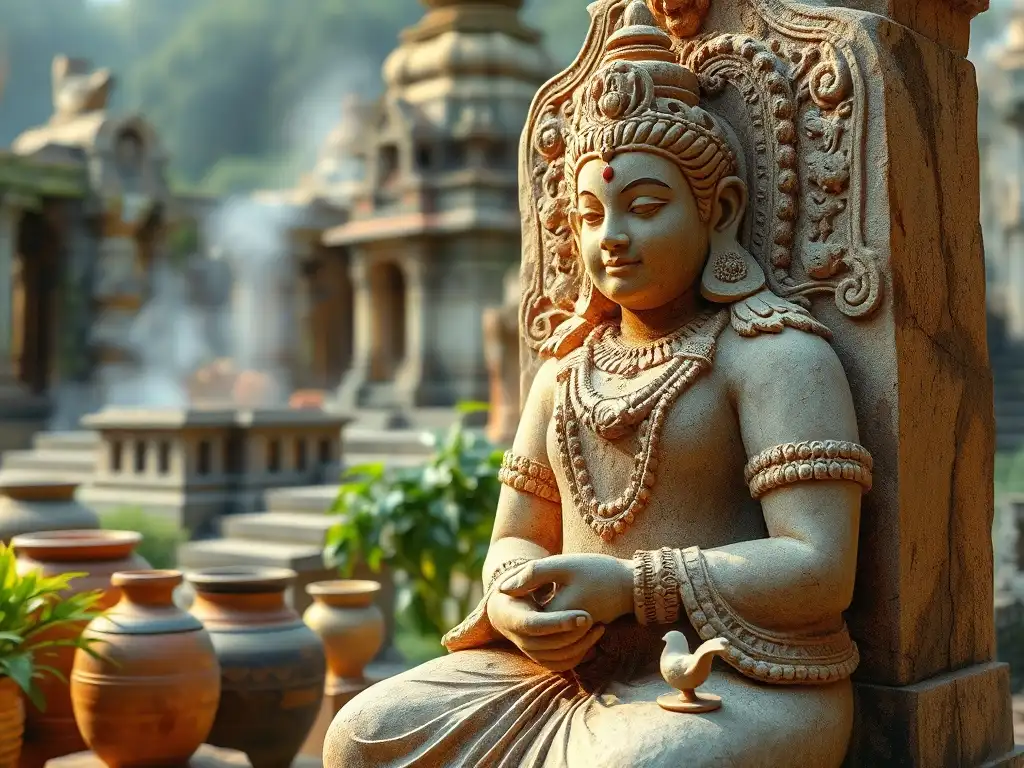
The Gupta Empire, often referred to as the Golden Age of India, was renowned for its remarkable advancements in arts and culture, particularly in the realm of sculpture. During this period, the craftsmanship and thematic depth of sculptural works reached unprecedented heights, showcasing the spiritual beliefs, social customs, and artistic innovations of the time. The Gupta Empire sculptural masterpieces not only reflect the technical skill of the artisans but also serve as a historical record of the era's philosophical and religious ideologies.
Iconic Sculptures from the Gupta Period
The sculptures from the Gupta period are characterized by their exquisite detailing, lifelike representations, and profound symbolism. Two of the most iconic works from this era stand out due to their artistic and cultural significance.
The Standing Buddha: Symbol of Enlightenment
One of the most celebrated masterpieces of the Gupta Empire is the Standing Buddha sculpture, often attributed to the early 5th century. This sculpture exemplifies the serene and meditative qualities associated with Buddhist art. Typically crafted from stone, the Standing Buddha is depicted in a tranquil posture, embodying the principles of peace and enlightenment.
- Features of the Standing Buddha:
- Gesture (Mudra): The Buddha is frequently shown in the abhayamudra, symbolizing protection and fearlessness.
- Attire and Ornamentation: The robes are intricately carved, with folds that create a sense of movement and depth.
- Facial Expression: A gentle smile and half-closed eyes convey a sense of calm and wisdom.
This sculpture serves as an enduring symbol of Buddhism's influence during the Gupta period, reflecting the empire's role as a pivotal center for the religion's propagation.
The Vishnu Sculpture: Divine Representation
Another remarkable example of Gupta sculptural mastery is the Vishnu Sculpture, which represents the Hindu god Vishnu in his various avatars. This sculpture highlights the Gupta artisans' ability to capture divine grace and majesty in their work.
- Attributes of the Vishnu Sculpture:
- Iconography: Vishnu is often depicted with multiple arms, each holding symbolic objects such as the conch, discus, mace, and lotus, representing his divine powers.
- Posture: The dynamic pose often showcases Vishnu in action, signifying his role as the protector and preserver of the universe.
- Symbolism: The intricate detailing reflects the theological significance of Vishnu within Hindu cosmology, emphasizing his role in the cosmic order.
These sculptures not only serve religious purposes but also reflect the socio-political context of the Gupta Empire, where Hinduism was a dominant force.
Regional Variations in Gupta Sculptures
While the Gupta Empire is often viewed as a cohesive cultural entity, there were notable regional variations in the sculptural styles and themes, influenced by local traditions and practices.
North Indian Sculptural Traditions
In North India, Gupta sculptures were characterized by their elegance and intricate detailing. The use of sandstone was prevalent, allowing for fine carvings that depicted not only religious figures but also secular themes.
- Characteristics:
- Realistic Proportions: Sculptures from this region exhibit a keen attention to anatomical accuracy and proportion.
- Narrative Elements: Many sculptures depict scenes from Hindu epics, such as the Ramayana and Mahabharata, reflecting the storytelling tradition of the time.
The craftsmanship in North Indian sculptures laid the groundwork for subsequent artistic developments in the region, influencing later dynasties.
South Indian Influences
The Gupta Empire also felt the influence of South Indian sculptural traditions, which were rich in iconography and decorative elements. While the Gupta style was primarily focused on linearity and grace, Southern influences introduced a more robust and expressive form.
- Distinct Features:
- Vivid Expression: Sculptures from this region often showcase exaggerated facial expressions and dynamic poses, imbued with a sense of drama.
- Cultural Fusion: The incorporation of local deities and motifs evidences a blending of artistic practices, creating a unique sculptural language.
This regional variation underscores the Gupta Empire's role as a melting pot of diverse cultural influences, enriching the overall tapestry of Indian art during this golden age.
Through these masterpieces, the Gupta Empire not only leaves a legacy of artistic excellence but also provides insight into the spiritual and cultural ethos of ancient India, making these sculptural works invaluable to the understanding of its history.
Thematic Elements in Gupta Sculptural Art
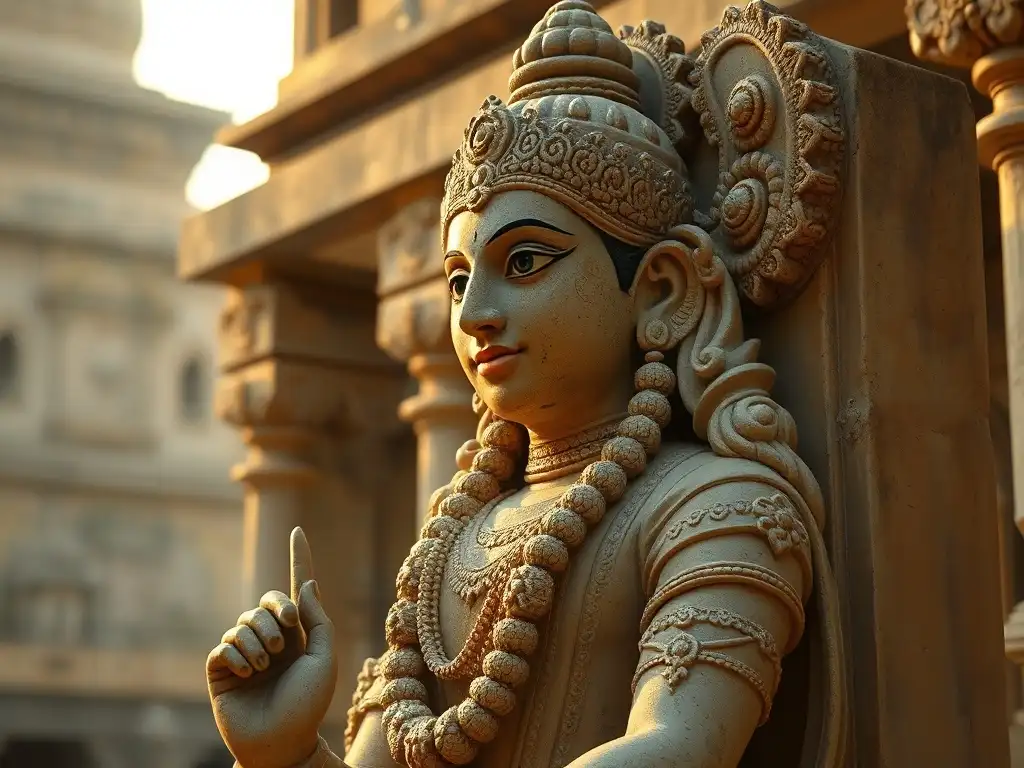
The Gupta Empire, often referred to as the Golden Age of India, is renowned for its exceptional contributions to art and culture, particularly in the realm of sculpture. The thematic elements in Gupta sculptural art are diverse, reflecting both religious and secular traditions that flourished during this period. This art form is characterized by intricate craftsmanship and a profound exploration of themes that encapsulate the spiritual and everyday lives of the people.
Religious Themes in Gupta Sculpture
The religious themes in Gupta sculpture are pivotal in understanding the cultural and spiritual milieu of the time. The Gupta sculptors meticulously crafted images that resonated with the religious sentiments of the society, primarily focusing on Hinduism and Buddhism.
Hindu Deities and Symbolism
Hindu deities, such as Vishnu, Shiva, and Durga, are prominently featured in Gupta sculptures. Each representation is imbued with symbolic meaning:
- Vishnu: Often depicted reclining on the serpent Ananta, this form symbolizes cosmic balance and protection.
- Shiva: Frequently shown in his Nataraja form, dancing the cosmic dance, symbolizing creation and destruction.
- Durga: Portrayed in her fierce form, slaying the buffalo demon Mahishasura, representing the victory of good over evil.
The exquisite detailing in the carvings, including the intricate ornaments and expressive facial features, allows observers to appreciate the divine attributes associated with these deities.
Symbolic Elements
- Lotus: Represents purity and spiritual awakening.
- Conch Shell: Symbolizes the call to righteousness and the cosmic sound.
- Trident: Associated with Shiva, representing the three fundamental aspects of the universe: creation, preservation, and destruction.
The use of these symbols not only enhances the visual appeal of the sculptures but also serves as a medium for conveying deep philosophical concepts intrinsic to Hinduism.
Buddhist Iconography in Gupta Art
Gupta art also displays remarkable Buddhist iconography, which reflects the teachings and stories of Buddhism. The sculptures of the period often depict the life of Buddha and his teachings through various forms:
- Buddha in Meditation: A common theme, showcasing serenity and enlightenment.
- Bodhisattvas: Figures like Avalokiteshvara are depicted with elaborate adornments, illustrating the ideal of compassion and selflessness.
The sculptures often highlight the Mudras, or hand gestures, which convey specific meanings, such as:
- Dhyana Mudra: Symbolizing meditation and focus.
- Bhumisparsha Mudra: Denoting the moment of enlightenment.
The Gupta period saw the emergence of the narrative relief style, where stories from the Jataka tales were carved in intricate detail, demonstrating the moral lessons of Buddhism.
Secular Themes and Daily Life Representations
In addition to religious themes, Gupta sculptures also celebrate the secular aspects of life, portraying scenes of daily activities, courtly life, and nature.
- Daily Life: Sculptures depicting agricultural activities, musicians, and dancers reflect the vibrant social life of the Gupta era. These representations provide insights into the customs, attire, and tools used during this period.
- Courtly Life: Figures of kings and queens, often adorned with elaborate jewelry and garments, highlight the grandeur of the royal court. These sculptures reflect the hierarchical nature of society and the significance of patronage in the arts.
- Nature and Animals: Gupta sculptors frequently incorporated elements of nature, such as flora and fauna, into their works. Animals, often associated with specific deities, symbolize various virtues and attributes.
The attention to detail in these secular themes showcases the aesthetic sensibilities of the Gupta artists, emphasizing their ability to capture the essence of life during this remarkable era.
The Gupta Empire sculptural masterpieces are a testament to the rich thematic diversity present in their art. From religious devotion to the celebration of everyday life, these sculptures not only serve as artistic expressions but also as historical documents reflecting the cultural values of ancient Indian civilization.
The Legacy of Gupta Sculptural Masterpieces
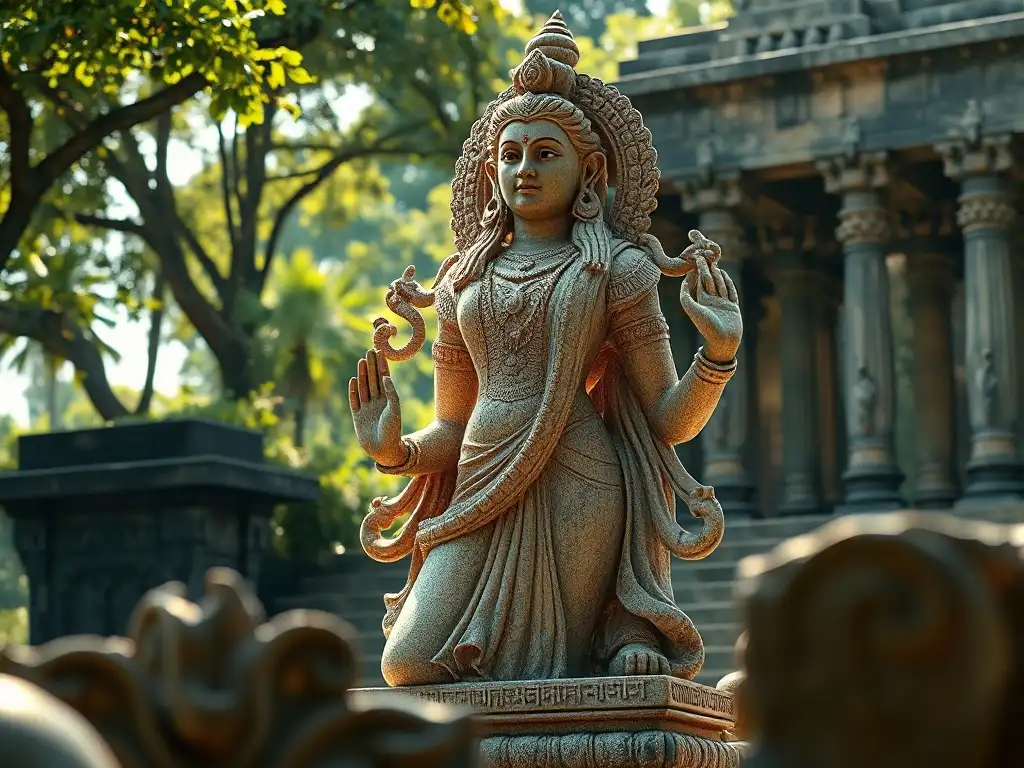
The Gupta Empire, flourishing from approximately 320 to 550 CE, is often regarded as a golden age in the history of Indian art and culture. This era is distinguished by its remarkable achievements in various art forms, particularly in sculpture. The Gupta sculptural masterpieces are not merely artistic expressions; they embody the rich philosophical, religious, and cultural tapestry of ancient India. These sculptures reflect the intricate craftsmanship and aesthetic sensibilities that have influenced subsequent generations of artists.
Influence on Later Indian Art Forms
The sculptural innovations of the Gupta period had a profound impact on the development of later Indian art forms. The techniques and styles established during this era can be traced through various subsequent artistic movements, including the medieval and later periods.
- Religious Iconography: Gupta sculptures, with their emphasis on divine figures, laid the groundwork for the vast array of religious iconography that followed. For instance, the depiction of deities such as Vishnu and Shiva in the Gupta style set standards for their portrayal in later temples and sculptures. The intricate details and serene expressions of these figures became a model for subsequent artisans.
- Naturalism and Realism: The Gupta sculptors advanced the techniques of naturalism and realism in their artwork. By carefully studying human anatomy and expressions, they created lifelike representations that were unprecedented. This focus on realism influenced later art forms, as seen in the exquisite sculptures of the Chola dynasty and beyond.
- Architectural Integration: Gupta sculptures were often integrated into temple architecture, serving both decorative and functional purposes. This integration paved the way for the elaborate temple complexes of South India, characterized by their sculptural embellishments and narrative reliefs. The craftsmanship seen in Gupta-era sculptures set a benchmark for the intricate stonework that became a hallmark of Indian temple architecture.
- Regional Variations: The Gupta influence also led to the emergence of regional variations in sculptural styles. As the Gupta Empire expanded, local artisans adopted and adapted Gupta techniques, resulting in a diverse array of artistic expressions that enriched Indian art.
This legacy of artistic excellence is not confined to historical appreciation; it continues to inspire contemporary artists and artisans, who draw on these ancient techniques and philosophies to create modern interpretations of Gupta sculptural masterpieces.
Preservation and Restoration of Gupta Sculptures
The preservation and restoration of Gupta sculptures are vital for understanding and appreciating the artistic achievements of this remarkable era. Many of these masterpieces have survived the ravages of time, but they require ongoing efforts to maintain their integrity.
- Archaeological Efforts: Numerous archaeological sites, such as Sarnath and Ajanta, have revealed Gupta sculptures in various states of preservation. Ongoing excavations and research aim to uncover additional works while ensuring that those already discovered are carefully documented and protected.
- Conservation Techniques: Modern conservation techniques play a crucial role in maintaining the structural integrity and aesthetic quality of Gupta sculptures. These methods include:
- Cleaning: Removing accumulated dirt and pollutants without damaging the original stone.
- Stabilization: Using supports to prevent further deterioration, especially in cases where sculptures are fragmented or weathered.
- Restoration: Skilled artisans may recreate missing parts based on historical references, while ensuring that the new materials and techniques do not compromise the original work's authenticity.
- Cultural Heritage Initiatives: Various organizations and institutions are dedicated to preserving India's cultural heritage. They engage in public awareness campaigns, educational programs, and funding for conservation projects. These initiatives not only aim to protect Gupta sculptures but also to foster appreciation for India's artistic legacy.
- Digital Preservation: Advancements in technology have enabled the digital documentation of Gupta sculptures. High-resolution 3D scans and photographs serve as invaluable resources for study and analysis, helping to mitigate the impacts of physical deterioration over time.
The commitment to preserving Gupta sculptural masterpieces ensures that these extraordinary works continue to inspire future generations, providing a window into the artistic and cultural achievements of one of India's most illustrious periods.
Conclusion: The Enduring Impact of Gupta Empire Sculptural Masterpieces
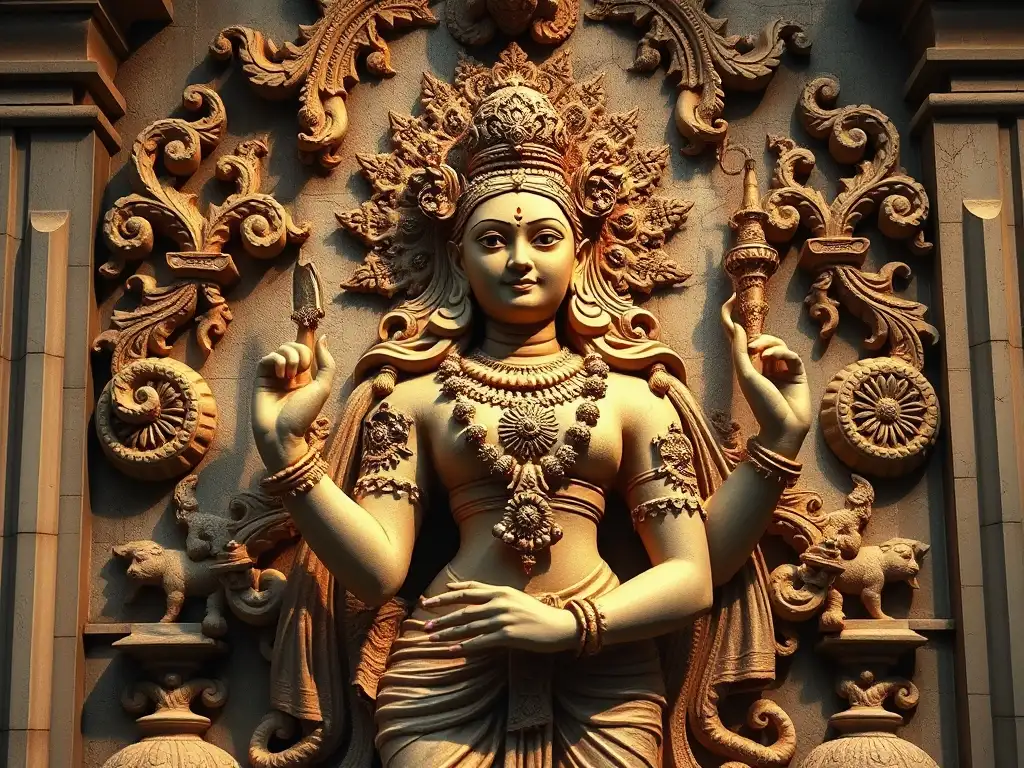
The Gupta Empire, often referred to as the "Golden Age of India," is celebrated not only for its advancements in science, mathematics, and literature but also for its exceptional contributions to the visual arts, particularly sculpture. The masterpieces created during this period reflect the deep spiritual, cultural, and artistic ethos of ancient Indian civilization. As we conclude our exploration of Gupta Empire sculptural masterpieces, it is essential to recognize their enduring impact on both historical scholarship and contemporary artistic practices.
Reflection on the Gupta Era's Artistic Contributions
The Gupta era, spanning from approximately the 4th to the 6th century CE, was marked by a remarkable proliferation of artistic expression. Sculptors of this time were adept at blending naturalistic representation with spiritual themes, resulting in works that resonate with emotion and depth.
- Naturalism and Idealism: The sculptures from this period exhibit a unique balance between naturalism and idealism. Artists achieved a high level of detail in human anatomy, drapery, and expressions, while simultaneously infusing their works with divine attributes that elevated their subjects to a spiritual plane.
- Narrative Art: Many Gupta sculptures tell stories from Hindu mythology and Buddhist teachings. These narrative sculptures serve as vital tools for understanding the religious and philosophical beliefs of the time. For instance, the depiction of scenes from the life of Buddha not only captures the aesthetic quality of art but also educates viewers on the moral and spiritual lessons they embody.
- Regional Variations: The Gupta period also witnessed regional styles emerging, particularly in places like Mathura and Sarnath. These regional variations enrich the understanding of Gupta sculpture, showcasing how local traditions influenced artistic practices. The intricate carvings of deities in Mathura, for example, demonstrate a distinctive stylistic flair that speaks to the cultural diversity within the empire.
Importance of Gupta Sculptures in Understanding Ancient Indian Culture
Gupta sculptures are invaluable for understanding the broader context of ancient Indian culture. They reveal insights into the social, religious, and political dynamics of the time.
- Cultural Syncretism: The intermingling of various cultural and religious influences during the Gupta Empire is evident in its sculptures. The synthesis of Hindu and Buddhist iconography reflects a period of relative harmony and exchange between different belief systems. This cultural syncretism is crucial for understanding how ancient Indian society functioned and evolved.
- Socio-Political Context: The grandeur of the sculptures often correlates with the patronage of powerful rulers and the state’s role in promoting art as a means of legitimizing authority. Many sculptures served as public art, reinforcing the political and social order by depicting divine favor on the rulers, thus intertwining governance with divine sanction.
- Art as a Reflection of Values: The themes and subjects depicted in Gupta sculptures provide insight into the values and priorities of ancient Indian society. The focus on spirituality, morality, and the human condition in these works fosters a deeper understanding of the philosophical questions that preoccupied the Gupta era.
In concluding our journey through the masterpieces of the Gupta Empire, we recognize that these sculptural achievements are not merely artistic expressions but portals into the very heart of ancient Indian civilization. Their legacy continues to inspire and inform, reminding us of a time when art and spirituality were inextricably linked, shaping the cultural landscape of India for centuries to come.
Frequently Asked Questions
What are the key features of Gupta Empire sculptural masterpieces?
Gupta Empire sculptural masterpieces are known for their realistic proportions, intricate details, and expressive poses. These sculptures often depicted mythological figures, showcasing the artistic excellence of the era.
How did the Gupta Empire influence sculpture in ancient India?
The Gupta Empire significantly impacted Indian sculpture by incorporating naturalism and spiritual themes. This era marked a transition towards more refined artistic techniques, influencing later Indian art forms.
What materials were commonly used in Gupta Empire sculptures?
Artists of the Gupta Empire predominantly used stone, particularly sandstone and marble, for their sculptures. These materials allowed for detailed carvings and durability, contributing to the masterpieces we admire today.
Which famous sites can we find Gupta sculptural masterpieces?
Notable sites featuring Gupta sculptures include Ajanta Caves, Ellora Caves, and the Kushinagar region. Each site showcases unique examples of sculptural excellence from the Gupta period.
How do Gupta sculptures reflect the culture of the time?
Gupta sculptures often depict religious themes and mythological narratives, reflecting the cultural values and spiritual beliefs of ancient Indian society. They serve as a window into the societal norms and artistic expressions of the era.
Final Reflection: Celebrating the Timeless Beauty of Gupta Empire Sculptural Masterpieces
The Gupta Empire sculptural masterpieces stand as a testament to the extraordinary artistic achievements of a civilization that flourished over a millennium ago. Today, as we navigate a world increasingly dominated by technology and rapid change, the relevance of these ancient works becomes even more pronounced. They remind us of the enduring power of art to transcend time and connect us to our shared human experience. In a society often preoccupied with the ephemeral, the Gupta sculptures invite us to pause and appreciate the beauty and craftsmanship that have withstood the test of time.
The influence of Gupta sculptural excellence continues to resonate within our cultural and social landscapes, shaping our understanding of beauty, spirituality, and artistic expression. These masterpieces not only reflect the aesthetic values of their time but also serve as a bridge to our past, enriching our present. As we engage with these works, we are reminded of the words of the renowned art historian, "Art is the most beautiful of all lies." > This quote encapsulates the essence of how art can evoke emotions and provoke thought, allowing us to explore deeper truths about ourselves and our world.
As we reflect on the Gupta Empire's sculptural masterpieces, I invite you to consider how these timeless creations can inspire your own journey. Think about the artistry that surrounds you in your daily life and how you can cultivate a deeper appreciation for the beauty in both the past and present. Let the legacy of the Gupta sculptors encourage you to seek out and celebrate the artistry in your own experiences, fostering a connection to history that enriches your understanding of the world today.
Unveil the Artistic Legacy of Gupta Sculptures!
Thank you for exploring the intricate world of Gupta sculptural excellence with us! You've gained valuable insights into this remarkable era, and now it's time to deepen your connection with this rich history.
Here are a few engaging ways to take the next steps:
- Browse our collection of articles that delve into the fascinating aspects of Gupta art and culture.
- Join our community by sharing your thoughts on the influence of Gupta sculptures on contemporary art in our discussion forums.
- Visit a local museum to experience art inspired by the Gupta period firsthand; look for exhibitions featuring ancient Indian masterpieces.
Which piece of Gupta art resonates with you the most, and in what ways do you believe it reflects the culture of its time?