
Exploring the Syncretism in Ancient Indian Jewelry: A Blend of Styles and Techniques

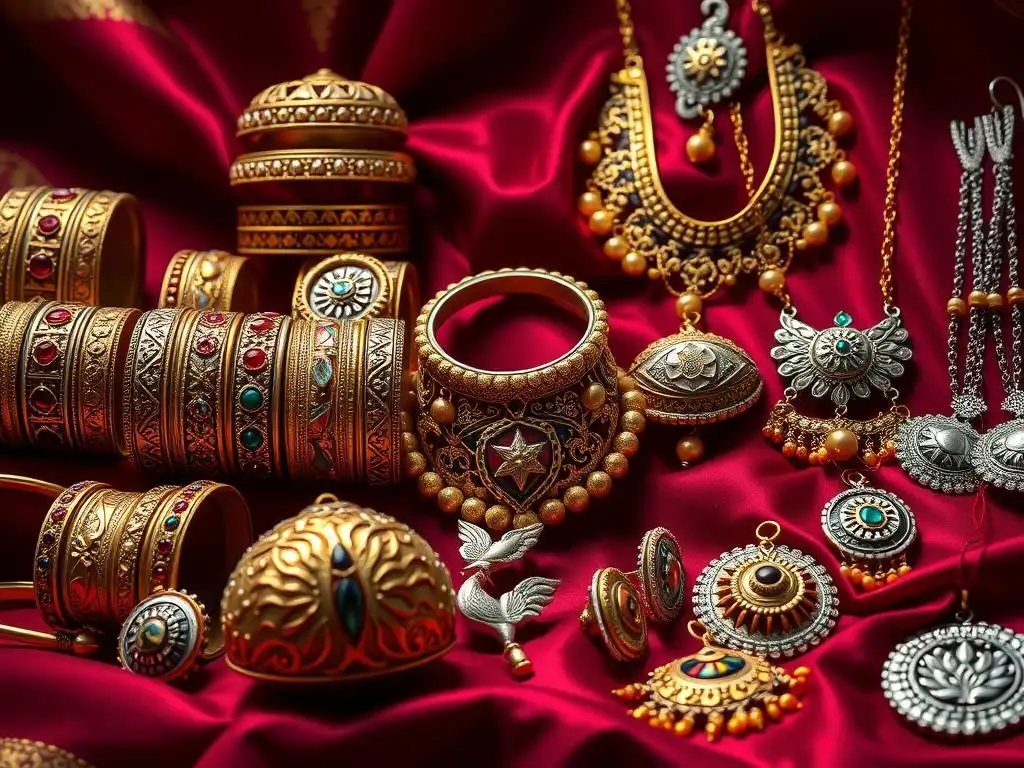
Welcome to Ancient India History, where we embark on a fascinating journey through the rich tapestry of India’s past. In this exploration, we delve into the enchanting world of Ancient Indian jewelry styles, uncovering the intricate craftsmanship and cultural exchanges that defined these adornments. From the opulent designs of the Indus Valley to the artistic innovations of the Gupta Empire, each piece tells a story of syncretism that reflects the diverse influences of its time. Join us as we unravel the captivating blend of styles and techniques that have shaped India’s glorious heritage—your adventure into the past starts here!
Introduction to Ancient Indian Jewelry Styles
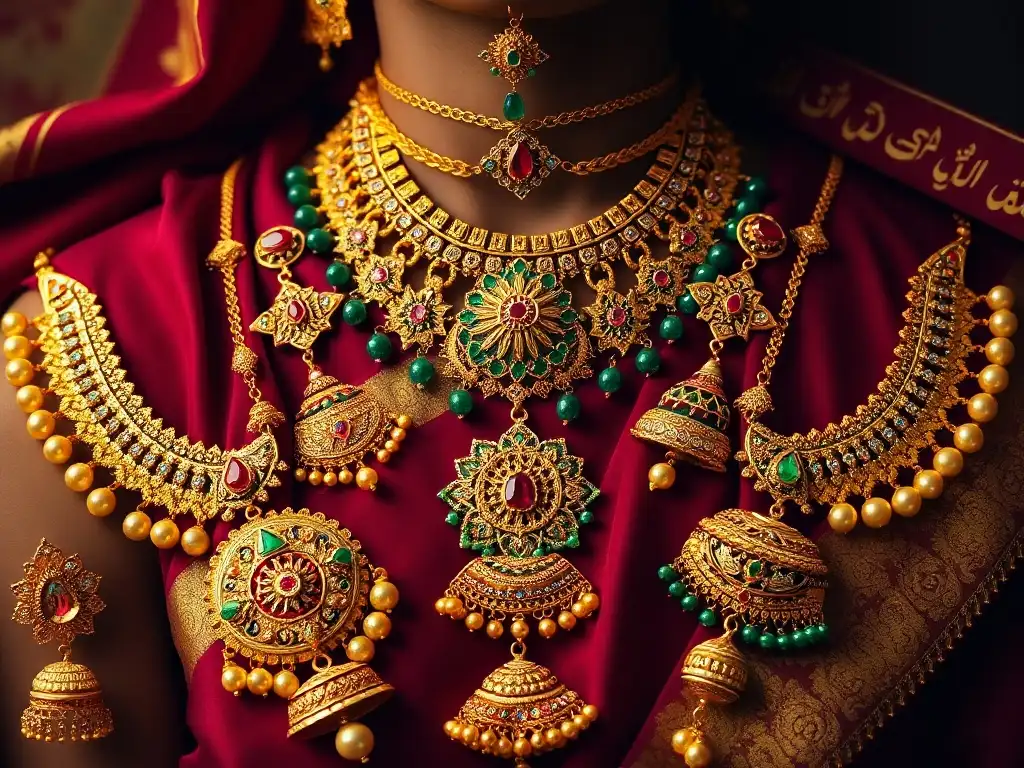
Ancient Indian jewelry is not merely decorative; it embodies a rich tapestry of history, culture, and artistry that reflects the diverse civilizations that flourished in the Indian subcontinent. From the intricate designs of the Indus Valley to the opulent craftsmanship of the Gupta Empire, ancient Indian jewelry styles showcase a remarkable blend of techniques and influences that have evolved over millennia.
This article delves into the syncretism found within these styles, exploring how various cultural exchanges and artistic traditions contributed to the unique characteristics of jewelry in ancient India. Through this exploration, readers will gain a deeper understanding of the significance of jewelry in ancient societies and how it mirrored the complexities of social, religious, and artistic life.
Overview of Ancient Indian Jewelry
Ancient Indian jewelry varied significantly across different regions and time periods, characterized by its use of various materials such as gold, silver, precious stones, and semi-precious stones. The craftsmanship involved in creating these pieces was often sophisticated, with techniques like granulation, filigree, and stone setting being prevalent. Notable jewelry types included:
- Necklaces: Often layered and embellished with intricate designs.
- Earrings: Ranging from simple studs to elaborate chandelier styles.
- Bangles: Worn in multiples, often signifying marital status and wealth.
- Rings: Crafted with unique engravings and settings.
This diversity not only highlights the artistic prowess of ancient jewelers but also reflects the socio-economic status and cultural beliefs of the wearers.
Importance of Jewelry in Ancient Indian Culture
Jewelry in ancient India played a multifaceted role beyond mere adornment. It was deeply embedded in various aspects of life, including:
- Religious Significance: Many pieces were designed for religious ceremonies, often symbolizing divine protection and blessings.
- Cultural Identity: Different regions had distinct styles, allowing individuals to express their cultural heritage.
- Social Status: The type and quantity of jewelry worn often indicated the wearer’s wealth and social standing.
- Ritualistic Use: Jewelry was commonly used in rituals and was believed to bring good fortune and prosperity.
Through these lenses, we can see that jewelry was not just an accessory; it was an integral part of ancient Indian identity and spirituality.
Historical Context of Ancient Indian Jewelry
To appreciate the evolution of ancient Indian jewelry styles, it is essential to consider the historical context in which they developed. This context reveals how various civilizations influenced one another and how these influences are reflected in jewelry design.
The Indus Valley Civilization and Its Jewelry
The Indus Valley Civilization (circa 3300–1300 BCE) is renowned for its sophisticated urban planning and craftsmanship, including jewelry making. Artisans created intricate ornaments using materials like:
- Beads: Crafted from semi-precious stones such as carnelian and lapis lazuli.
- Gold and Silver: Jewelry pieces included necklaces, bangles, and earrings, often adorned with motifs inspired by nature.
- Terracotta: Used for crafting figurines and jewelry molds.
The craftsmanship of this period laid the foundation for future jewelry styles, showcasing a blend of utility and artistry that would influence subsequent civilizations.
The Influence of Vedic and Post-Vedic Eras on Jewelry Styles
Following the Indus Valley, the Vedic and Post-Vedic periods (circa 1500–500 BCE) brought new cultural and religious influences that reshaped jewelry design. The introduction of new materials and techniques, as well as the significance of jewelry in rituals and daily life, marked this era. Key developments included:
- Religious Symbolism: Jewelry began to incorporate symbols associated with Hindu deities, reflecting spiritual beliefs.
- Innovative Techniques: The use of more advanced metalworking techniques led to greater intricacy in designs.
- Cultural Exchange: The spread of trade routes facilitated the exchange of ideas and styles, further enriching the jewelry crafting traditions.
Regional Variations in Ancient Indian Jewelry
Ancient Indian jewelry is characterized by its regional diversity, with distinct styles emerging throughout the subcontinent. Key regions included:
- North India: Known for its elaborate gold jewelry, often featuring intricate designs and precious stones.
- South India: Famous for temple jewelry, which includes pieces crafted specifically for deities.
- Western India: Notable for its use of colorful enamel work and mirror embellishments.
- Eastern India: Recognized for its lightweight silver jewelry and intricate filigree techniques.
This regional diversity not only highlights local artistic expressions but also serves as a testament to the syncretic nature of ancient India, where various cultures and traditions converged through trade, migration, and conquest.
Key Styles of Ancient Indian Jewelry
Ancient Indian jewelry is characterized by its diversity, reflecting the rich cultural heritage and artistic traditions of various regions and communities. Some of the significant styles include:
- Kundal: These are traditional earrings often adorned with intricate designs, showcasing craftsmanship that dates back to ancient times.
- Nath: A distinctive nose ring, nath was commonly worn by brides and symbolizes marital status. It varies in design from simple gold hoops to elaborately decorated pieces with gemstones.
- Bangles: An essential element of Indian jewelry, bangles come in various materials, including glass, metal, and clay. They are often worn in multiples and signify beauty and prosperity.
- Necklaces: From the heavy and ornate "har" to the delicate "mangal sutra," necklaces in ancient India often served not only as adornment but also as symbols of status and wealth.
- Armlets and Anklets: These pieces of jewelry were commonly worn by women and served both decorative and functional purposes, often jingling with the wearer’s movements.
Each style embodies unique techniques and cultural significance, making ancient Indian jewelry a fascinating subject of study.
Traditional Techniques in Ancient Indian Jewelry Making
The craftsmanship of ancient Indian jewelry is rooted in time-honored techniques that have been handed down through generations. Some traditional methods include:
- Lost Wax Casting: A method where a model is made from wax, covered in clay, and then heated to melt away the wax, leaving a mold for casting metal.
- Granulation: This technique involves fusing tiny metal balls or granules to a surface, creating intricate designs that add texture and depth to jewelry pieces.
- Filigree: Fine threads of gold or silver are twisted and woven to create delicate, lace-like patterns that showcase the artisan's skill.
- Enameling: A process that involves fusing powdered glass to metal, creating vibrant colors and designs that are both durable and beautiful.
- Stone Setting: Ancient jewelers perfected various methods to secure gemstones, including bezel, prong, and pavé settings, allowing for elaborate designs that highlight the beauty of the stones.
These techniques not only demonstrate the artistic ingenuity of ancient craftsmen but also reflect cultural practices and beliefs.
Gold and Silver Jewelry of Ancient India
Gold and silver jewelry has always held a significant place in Indian culture, symbolizing wealth, status, and divine favor.
- Gold Jewelry: Often associated with prosperity and auspiciousness, ancient Indian gold jewelry featured intricate designs and craftsmanship. Gold was used to create everything from temple ornaments to daily wear, often embedded with gemstones to enhance its beauty.
- Silver Jewelry: Silver was more accessible than gold and was commonly used by various communities. Silver jewelry often featured oxidized finishes, intricate engravings, and was sometimes embellished with turquoise and coral, reflecting regional styles.
- Cultural Significance: Both gold and silver jewelry were not merely decorative but also served as a form of wealth storage, often passed down through generations. They played a crucial role in rituals and ceremonies, marking important life events such as marriages and births.
The use of these precious metals reflects the economic and cultural dynamics of ancient Indian society.
The Role of Gemstones in Ancient Indian Jewelry
Gemstones have been integral to ancient Indian jewelry, not just for their aesthetic appeal but also for their believed metaphysical properties.
- Types of Gemstones: Ancient Indian artisans utilized a variety of gemstones, including diamonds, emeralds, rubies, sapphires, and pearls. Each stone was chosen for its color, brilliance, and supposed protective qualities.
- Symbolic Meanings: Different gemstones were associated with various deities and astrological beliefs. For instance, emeralds symbolized prosperity and were often used in jewelry for royal families, while rubies represented love and passion.
- Techniques of Setting: Gemstones were meticulously cut and set using traditional techniques that enhanced their natural beauty. The art of stone setting was highly developed, allowing artisans to create elaborate designs that showcased the vibrancy of the stones.
The incorporation of gemstones not only elevated the visual appeal of jewelry but also deepened its cultural significance within society.
Syncretism in Ancient Indian Jewelry
Syncretism in ancient Indian jewelry reflects the blending of different artistic traditions, cultural influences, and techniques across regions. This phenomenon is evident in the diverse styles that emerged due to trade, conquests, and cultural exchanges.
Defining Syncretism in Cultural Context
Syncretism, in a cultural context, refers to the process by which different cultural elements blend to create new forms. In ancient India:
- Cultural Exchange: The subcontinent’s location along major trade routes facilitated the exchange of artistic ideas and techniques between different civilizations, such as the Greeks, Persians, and later, the Mughals.
- Artistic Influence: As various cultures interacted, they influenced one another’s jewelry styles—resulting in a fusion of motifs, techniques, and materials. This syncretism is evident in the use of Persian floral designs in Indian jewelry.
- Religious and Regional Variations: Different regions in India adapted various styles based on local traditions and religious beliefs, leading to a rich tapestry of jewelry forms that reflect syncretism across cultural lines.
This blending enriches the narrative of ancient Indian jewelry, showcasing how influences converged to create unique artistic expressions.
Examples of Syncretic Jewelry Styles in Ancient India
Several styles of ancient Indian jewelry exemplify syncretism, showcasing the intricate interplay of diverse cultural influences:
- Mughal Jewelry: The Mughal Empire brought Persian influences into Indian jewelry, leading to the creation of ornate pieces characterized by intricate floral motifs, elaborate inlays, and the use of gemstones. The famed “jadau” technique, where stones are set in a gold base, became prominent during this era.
- Temple Jewelry: Originating in South India, temple jewelry features elaborate designs that often depict deities and religious symbols. This style reflects influences from both local traditions and the artistic styles introduced by traders and rulers from other regions.
- Kundan and Meenakari: Kundan jewelry, known for its use of gold foil to enhance stones, and meenakari, which involves colorful enamel work, are perfect examples of how Persian techniques merged with Indian artistry to create stunning pieces that are still celebrated today.
These syncretic styles illustrate the dynamic nature of ancient Indian jewelry, highlighting the rich cultural exchanges that shaped its evolution.
Techniques and Materials in Ancient Indian Jewelry
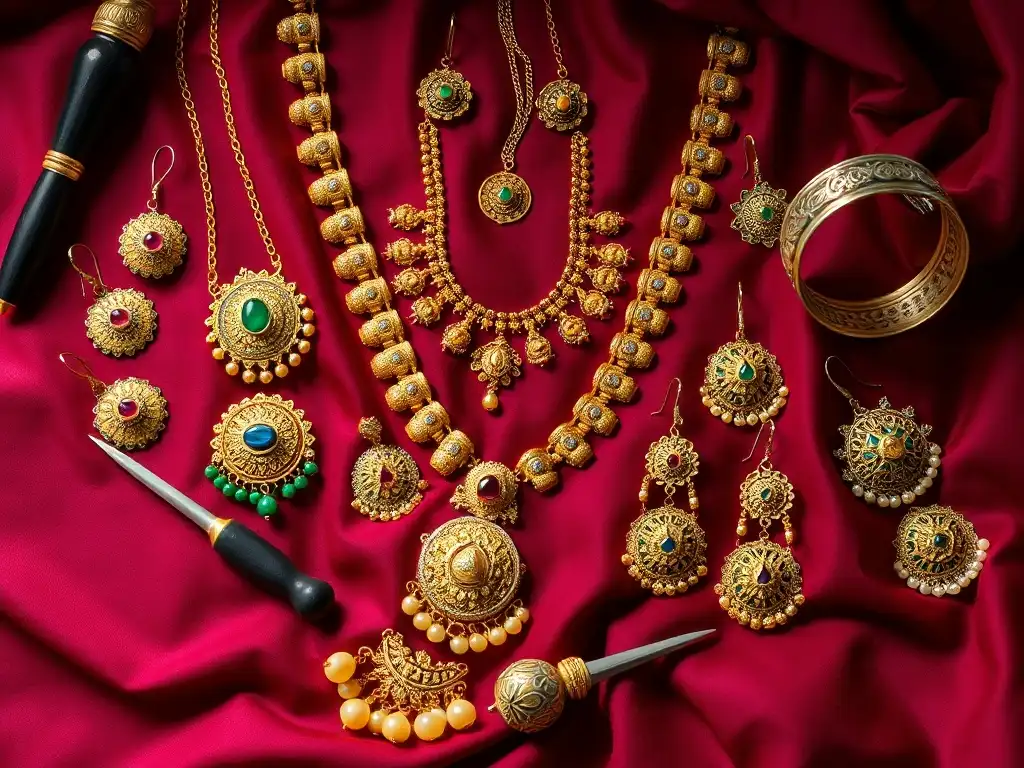
Ancient Indian jewelry is characterized by a rich tapestry of techniques and materials that showcase the artistry and cultural influences of its time. The craftsmanship involved in creating these adornments reflects a deep understanding of both aesthetic beauty and symbolic meaning. Different regions in India contributed their unique styles, resulting in a diverse array of jewelry forms that were not only decorative but also functional and ceremonial.
Craftsmanship and Techniques Used in Ancient Indian Jewelry
The craftsmanship in ancient Indian jewelry involved various intricate techniques that have been passed down through generations. Some of the notable methods include:
- Granulation: This technique involved the creation of tiny granules of gold or silver that were then fused onto a surface to create intricate designs. This was particularly popular in South Indian jewelry styles.
- Filigree: Filigree work, characterized by delicate threads of metal twisted into intricate patterns, was commonly used in earrings and pendants. This technique showcased the skill of artisans and added a lace-like quality to the jewelry.
- Kundan and Meenakari: Kundan involved setting stones in gold or silver, while meenakari referred to the art of enameling. These two techniques were often combined to create stunning pieces that were vibrant and visually striking.
- Casting and Engraving: Lost-wax casting was a prevalent method for creating intricate designs, while engraving allowed artisans to add detailed motifs and patterns to metal surfaces.
Each of these techniques not only demonstrates the high level of craftsmanship but also emphasizes the cultural influences that shaped ancient Indian jewelry.
Sourcing and Use of Materials in Jewelry Making
The materials used in ancient Indian jewelry were as diverse as the techniques employed. Gold, silver, and precious gemstones formed the core of most jewelry pieces, reflecting both wealth and spirituality.
- Gold and Silver: Gold was the most coveted metal, often used in its purest form for its malleability and resistance to tarnish. Silver, while less expensive, was equally valued and widely used for everyday ornaments.
- Gemstones: Ancient artisans sourced a variety of gemstones, including diamonds, emeralds, rubies, and pearls. Each gemstone held specific meanings and was believed to impart certain qualities to the wearer.
- Organic Materials: In addition to metals and gemstones, organic materials such as ivory, wood, and shells were also used in jewelry making. These elements added texture and uniqueness to the pieces.
The sourcing of these materials often involved trade routes that connected India with other cultures, leading to a blending of styles and techniques that enriched the jewelry traditions of ancient India.
The Symbolism Behind Ancient Indian Jewelry Styles
Ancient Indian jewelry was not merely decorative; it was imbued with profound symbolism and cultural significance. Each piece often conveyed messages about status, spirituality, and identity, reflecting the values of the society from which it originated.
Cultural Significance of Jewelry in Different Societies
Jewelry in ancient India served multiple purposes beyond adornment. It was a marker of social status, a form of currency, and a means of expressing one's identity.
- Marriage and Fertility: In many cultures, specific jewelry styles were worn during weddings to signify a woman's marital status. For instance, the mangalsutra and nose rings were symbols of fidelity and fertility.
- Religious Symbolism: Many ornaments were crafted with religious motifs, such as deities or sacred symbols, reflecting the wearer’s devotion and spiritual beliefs. This made jewelry an integral part of religious ceremonies and rituals.
- Cultural Identity: Different regions had distinct jewelry styles that represented cultural identities. For example, the intricate silver jewelry of Rajasthan showcased the region's heritage and craftsmanship.
Jewelry thus played a crucial role in the social fabric of ancient Indian societies, serving to connect individuals to their cultural roots.
Symbolism in Gemstones and Motifs Used in Jewelry
The choice of gemstones and motifs in ancient Indian jewelry carried deep symbolic meanings.
- Gemstones: Each gemstone was believed to possess unique properties. For example, rubies were associated with passion and energy, while emeralds symbolized prosperity and harmony. This belief led to the selection of specific stones for different occasions or personal attributes.
- Motifs: Common motifs included lotus flowers, peacocks, and elephants, each symbolizing various aspects of life and spirituality. The lotus, for instance, represented purity and enlightenment, while the peacock was often associated with beauty and grace.
These elements of symbolism not only enhanced the aesthetic appeal of the jewelry but also reinforced the cultural narratives and spiritual beliefs of ancient Indian civilizations.
Conclusion: The Legacy of Ancient Indian Jewelry Styles
The intricate artistry of ancient Indian jewelry styles represents a remarkable legacy that continues to influence contemporary design and craftsmanship. Spanning millennia, these styles not only reflect the aesthetic preferences of their time but also encapsulate the socio-political dynamics, trade exchanges, and cultural amalgamations that shaped the Indian subcontinent. From the opulent gold ornaments of the Maurya Empire to the delicate silver work of the Gupta period, each era contributed unique elements that have been preserved and adapted over generations.
The legacy of ancient Indian jewelry is not just in its physical form but also in the stories and traditions embedded within. Techniques developed during ancient times have been passed down through generations, ensuring that the skills of goldsmiths and artisans remain alive. This continuity is a testament to the resilience of cultural identity and artistic expression, revealing how ancient practices have laid the foundation for modern interpretations.
Lasting Impact on Modern Indian Jewelry
The influence of ancient Indian jewelry styles on modern designs is profound and multifaceted. Contemporary jewelers often draw inspiration from historical motifs, materials, and techniques, creatively blending them with modern aesthetics. This fusion produces pieces that resonate with both traditional significance and contemporary appeal, allowing wearers to connect with their heritage.
For instance, the use of traditional materials like gold, silver, and gemstones remains prevalent, and their arrangement often echoes ancient patterns. Additionally, styles such as Kundan, Meenakari, and Jadau, which originated in various historical contexts, are now sought after in modern jewelry collections, showcasing a revival of classic craftsmanship. The resurgence of these ancient styles in the luxury jewelry market indicates a growing appreciation for the rich history and artistry of ancient Indian jewelry.
Continued Relevance of Ancient Techniques and Styles
Ancient techniques and styles hold continued relevance in today’s fast-paced world, where consumers increasingly seek authenticity and craftsmanship in their jewelry. The slow fashion movement emphasizes the value of handmade, artisanal pieces, encouraging a return to traditional methods that prioritize quality over quantity.
Artisans today strive to preserve ancient techniques, such as filigree work and stone setting, ensuring that the knowledge is not lost. Workshops and educational programs dedicated to ancient jewelry-making techniques are gaining traction, fostering a renewed interest among younger generations. This revival not only sustains traditional craftsmanship but also enriches the cultural narrative surrounding jewelry in India.
Further Exploration
Suggested Readings on Ancient Indian Jewelry
For those interested in delving deeper into the fascinating world of ancient Indian jewelry, the following readings are highly recommended:
- "Jewels of the Deccan" by D. R. K. Murthy - This book explores the unique jewelry styles of the Deccan region, detailing their historical significance and craftsmanship.
- "The Art of Indian Jewelry" by V. K. Vardhan - A comprehensive overview of the various styles and techniques used in ancient Indian jewelry, illustrating their evolution over time.
- "Ancient Indian Jewelry: A Historical Perspective": by Priya Sharma - This publication provides insights into the socio-cultural context that shaped jewelry designs throughout different Indian civilizations.
Upcoming Exhibitions and Museums Featuring Ancient Indian Jewelry
Exploring ancient Indian jewelry can be experienced first-hand through various exhibitions and museums showcasing these exquisite artifacts. Notable mentions include:
- National Museum, New Delhi: Regularly hosts exhibitions highlighting ancient Indian jewelry, featuring pieces from different dynasties and regions.
- Chhatrapati Shivaji Maharaj Vastu Sangrahalaya, Mumbai: This museum often features collections that include a range of ancient jewelry styles, offering insights into their historical contexts.
- Victoria and Albert Museum, London: Occasionally holds exhibitions focused on South Asian art, including ancient Indian jewelry, showcasing the intricate designs and craftsmanship.
These venues not only serve as repositories of history but also as platforms for cultural exchange, allowing visitors to appreciate the rich artistic traditions of ancient India.
- Introduction to Ancient Indian Jewelry Styles
- Historical Context of Ancient Indian Jewelry
- Key Styles of Ancient Indian Jewelry
- Syncretism in Ancient Indian Jewelry
- Techniques and Materials in Ancient Indian Jewelry
- The Symbolism Behind Ancient Indian Jewelry Styles
- Conclusion: The Legacy of Ancient Indian Jewelry Styles
- Further Exploration
Frequently Asked Questions
What are the main styles of ancient Indian jewelry?
Ancient Indian jewelry features a variety of styles, including gold, silver, and gem-encrusted pieces, reflecting regional diversity and cultural influences.
How did syncretism influence ancient Indian jewelry?
Syncretism in ancient Indian jewelry led to the integration of various cultural elements and techniques, resulting in unique designs that combined local traditions with foreign influences.
What materials were commonly used in ancient Indian jewelry?
Ancient Indian jewelry was often made from precious metals like gold and silver, as well as semi-precious stones such as turquoise and carnelian, showcasing the era's craftsmanship.
What is the significance of jewelry in ancient Indian culture?
Jewelry in ancient India served both aesthetic and symbolic functions, often representing status, wealth, and social identity, as well as being used in rituals and ceremonies.
How can one learn more about ancient Indian jewelry styles?
To explore ancient Indian jewelry styles, one can refer to historical texts, visit museums, or study archaeological findings that reveal the intricacies of this rich cultural heritage.
Final Reflection: The Timeless Elegance of Ancient Indian Jewelry Styles
The intricate beauty of ancient Indian jewelry styles is not merely a relic of the past; it is a vibrant tapestry that continues to resonate in contemporary culture. As we explore the syncretism in these adornments, we uncover a rich narrative that reflects the confluence of diverse influences, techniques, and artistic expressions. This blend not only showcases the craftsmanship of ancient artisans but also serves as a reminder of the cultural dialogues that have shaped our world. The elegance and complexity of these styles are a testament to the enduring legacy of creativity that transcends time.
The influence of ancient Indian jewelry styles is palpable in today's fashion and art, where traditional motifs are reinterpreted and celebrated. This ongoing dialogue between the past and present highlights the significance of preserving cultural heritage while embracing innovation. As we admire the intricate designs and techniques that have survived through centuries, we are reminded of the words of the renowned designer Alexander McQueen: Fashion should be a form of escapism, and not a form of imprisonment.
This sentiment echoes the spirit of ancient Indian jewelry, which invites us to explore our identities and express ourselves through the lens of history.
As we reflect on the lessons embedded in the artistry of ancient Indian jewelry, let us embrace the call to honor our cultural narratives while forging our paths. I invite you to delve deeper into your own heritage and consider how the stories of the past can inspire your present and future.
Whether through the adornments you choose to wear or the artistic expressions you pursue, remember that each piece of jewelry carries with it a legacy of craftsmanship, creativity, and cultural significance. Let us celebrate this timeless elegance and allow it to guide us in our journey of self-discovery and expression.
Unveil the Beauty of Ancient Indian Jewelry!
Thank you for taking the time to explore the fascinating world of syncretism in ancient Indian jewelry with us! We hope you’ve gained insights into the unique blends of styles and techniques that make these artifacts a true testament to cultural richness.
Now, it's time to take your curiosity further! Here are some specific actions you can undertake to deepen your exploration:
- Visit a nearby museum or cultural exhibit that showcases ancient Indian artifacts to see these stunning pieces up close.
- Join a local history group or an online forum dedicated to archaeology, where you can share your thoughts and learn from other enthusiasts.
- Try your hand at creating your own jewelry inspired by ancient techniques—engage in DIY projects that connect you to this beautiful heritage!
What aspect of ancient Indian jewelry captivates you the most, and how do you believe it influences contemporary design? We would love to hear your thoughts!