
The Interplay of Myth and Reality in Sangam Literature: Tales of Gods and Heroes

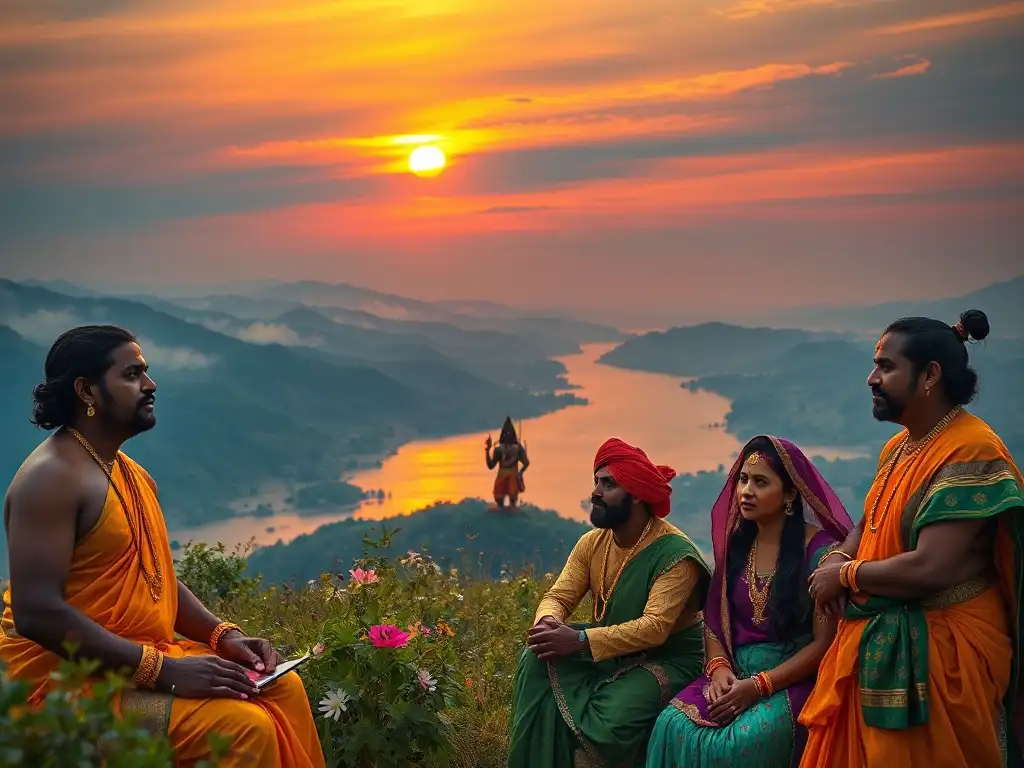
Welcome to Ancient India History, where we embark on a captivating journey through the rich tapestry of India's past. Dive into the intricate world of Sangam literature, where the lines between myth and reality blur, revealing tales of gods and heroes that have shaped the cultural landscape of ancient civilizations.
In our featured article, "The Interplay of Myth and Reality in Sangam Literature: Tales of Gods and Heroes," we invite you to explore the profound narratives that echo through time, inviting you to question and discover the truth behind these legendary accounts. Join us as we unravel the mysteries of a civilization that continues to inspire and intrigue!
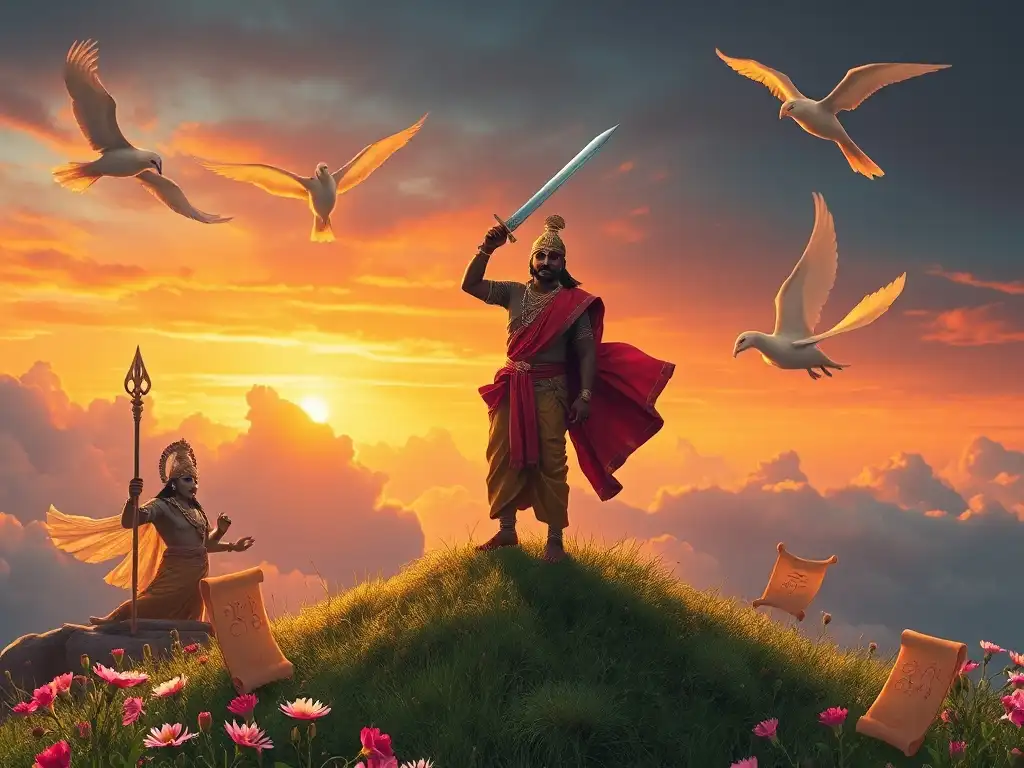
Sangam literature, a remarkable collection of classic Tamil poetry, represents a pivotal era in ancient Indian history, flourishing between 300 BCE and 300 CE in the Tamil-speaking regions of South India. This body of work is not merely a reflection of literary artistry; it serves as a profound exploration of the intertwining of myth and reality, revealing the socio-cultural fabric of its time. The Sangam poets intricately wove tales that celebrate the lives of gods, heroes, and the common folk, presenting a rich tapestry of human experience.
This article delves into the nuanced interplay of myth and reality within Sangam literature, examining how these elements coalesce to shape the narratives that have been passed down through generations. By understanding this interaction, readers can gain insight into the values and beliefs of ancient Tamil society, as well as the enduring legacy of its literary contributions.
Introduction to Sangam Literature
Definition and Historical Context
Sangam literature refers to the poetic works produced during the Sangam period, which is characterized by the assembly or "Sangam" of poets and scholars in ancient Tamil Nadu. This literary corpus is divided into two main categories: Aham (inner) literature, focusing on love and personal relationships, and Puram (outer) literature, addressing themes of valor, ethics, and societal issues. The Tolkāppiyam, an ancient treatise on grammar and poetics, provides essential insights into the linguistic and stylistic features of the era, while the Ettuthokai and Pattupattu collections encompass a wide array of themes, from nature to heroism.
Importance of Myth and Reality in Literature
The significance of myth and reality in literature lies in their ability to serve as vehicles for deeper truths and moral lessons. In the context of Sangam literature, myths often provide a framework for understanding the complexities of human existence and the cultural ethos of the time. By juxtaposing mythical narratives with real-life experiences, poets were able to convey timeless themes such as love, duty, and the quest for identity. This interplay not only enriches the poetic form but also invites readers to reflect on their own lives through the lens of these narratives.
The Mythological Framework in Sangam Literature
Major Deities and Their Roles
Sangam literature is replete with references to various deities, including Murugan (the god of war), Shiva, and Parvati, each embodying different aspects of the human experience. Murugan, for instance, is often depicted as a youthful hero, symbolizing valor and the quest for knowledge. His tales are woven into the fabric of the poems, serving as metaphors for personal and communal struggles. The presence of these deities not only highlights the spiritual beliefs of the time but also reflects the societal values that revered heroism and divine intervention in human affairs.
Symbolism of Myths in Sangam Poetry
The myths present in Sangam poetry function as powerful symbols that transcend mere storytelling. They evoke emotions and convey moral lessons, serving as metaphors for the trials and tribulations faced by individuals and communities. For example, the allegorical representation of love and longing in the context of divine relationships often mirrors the emotional experiences of the poets themselves. Through vivid imagery and intricate symbolism, the myths in Sangam literature not only entertain but also provoke thought, inviting readers to engage with the deeper meanings embedded within the texts.
In exploring these multifaceted dimensions of Sangam literature, one can appreciate how the interplay of myth and reality not only enriches the narrative but also offers a profound understanding of the ancient Tamil worldview.
Realism in Sangam Literature
Sangam literature, composed between 300 BCE and 300 CE in ancient Tamil Nadu, is renowned for its blend of poetic expression and realistic representation of life. Unlike the grand narratives of epics, Sangam texts often delve into the mundane aspects of existence, portraying the intricacies of daily life, societal structures, and human emotions. This realism serves as a foundational element, providing a rich backdrop against which the more mythical themes can unfold.
The poets of the Sangam era employed vivid imagery and detailed descriptions to illustrate the world around them, allowing readers to visualize the landscapes, rituals, and interactions of their time. This approach not only grounded their works in reality but also made the stories and characters relatable. By painting a comprehensive picture of the environment and societal norms, Sangam literature offers a unique lens through which to understand the cultural dynamics of ancient Tamil society.
Depictions of Everyday Life and Society
Sangam literature is characterized by its nuanced portrayal of everyday life and societal norms. The poems often reflect the lives of common people, highlighting their struggles, joys, and relationships. Themes such as love, agriculture, war, and community life are prevalent, revealing the multifaceted nature of existence during this period.
For instance, the Aham poems focus on personal emotions and intimate relationships, while the Puram poems address public themes like valor and honor. This duality showcases how individual experiences intertwine with broader societal narratives. The poets meticulously crafted their verses to mirror the realities of their time, using relatable characters engaged in daily activities—farming, trading, and celebrating festivals—thus making the literature accessible and poignant.
Additionally, the descriptions of landscapes and seasons not only serve to set the scene but also symbolize the emotional states of characters, demonstrating a deep connection between nature and human experience. This realism enriches the narrative, allowing readers to grasp the essence of ancient Tamil culture and its social fabric.
Historical Context and Authenticity
The authenticity of Sangam literature is bolstered by its historical context, as it emerges from a period marked by significant political and social developments in South India. The interplay of various kingdoms, trade routes, and cultural exchanges contributed to the richness of the texts. The Sangam poets were often patrons of royal courts, which provided them the opportunity to document the realities of their time accurately.
Archaeological findings and historical records corroborate many of the references in Sangam literature, lending credibility to the depictions of societal structures and events. For example, the portrayal of the Tamil kingdoms, their rulers, and the warrior ethos reflects the tumultuous yet vibrant atmosphere of the era.
Moreover, the emphasis on real locations, identifiable figures, and specific historical events further enhances the authenticity of the narratives. The poets' ability to weave personal experiences into the broader historical context underscores the significance of Sangam literature as a vital source for understanding ancient Indian history.
The Fusion of Myth and Reality
While Sangam literature is celebrated for its realism, it also seamlessly integrates mythological elements, creating a rich tapestry of narratives that intertwine the divine with the mundane. This fusion allows the poets to explore profound themes such as heroism, morality, and the human condition through the lens of both myth and reality.
The presence of gods, celestial beings, and legendary heroes within the poetry serves not only to elevate the narratives but also to reflect the cultural beliefs and values of the time. The interplay between myth and reality in Sangam literature invites readers to ponder the significance of these stories, revealing deeper truths about human nature and societal ideals.
How Myths Reflect Societal Values
Myths within Sangam literature are not mere embellishments; they serve as vehicles for conveying societal values and ethical principles. The tales of gods and heroes often mirror the virtues esteemed by the ancient Tamil society, such as bravery, loyalty, and righteousness.
For example, the heroic deeds of figures such as Kannagi from the Silappatikaram highlight the importance of justice and fidelity, resonating deeply with the audience's moral compass. Through these mythic narratives, the poets impart lessons about duty, honor, and the consequences of one's actions.
Furthermore, the integration of mythological elements allows the poets to address contemporary issues within a timeless framework. The gods often intervene in human affairs, reflecting the belief in divine justice and the interplay between fate and free will. This connection between myth and societal values underscores the enduring relevance of Sangam literature in exploring the complexities of human existence.
Instances of Heroism in Sangam Poetry
Heroism is a recurring theme in Sangam poetry, often illustrated through the valor of kings and warriors who embody the ideals of courage and sacrifice. The poems frequently celebrate individual and collective acts of bravery, painting a vivid picture of the heroic ethos that characterized ancient Tamil society.
One prominent example is the portrayal of the legendary king Karikala Chola, whose exploits in warfare and governance exemplify the qualities of an ideal ruler. His achievements are not merely tales of personal glory; they reflect the collective pride of the Tamil people and their aspirations for greatness.
Moreover, the poets often depict ordinary individuals who rise to heroism in moments of crisis, illustrating that bravery is not confined to nobility. These narratives serve to inspire and instill a sense of pride within the community, highlighting the belief that heroism is accessible to all, regardless of status.
The instances of heroism in Sangam poetry not only celebrate individual courage but also reinforce the values and aspirations of society as a whole, making them a vital element of the literary tradition that continues to resonate with readers today.
Notable Texts and Their Contributions
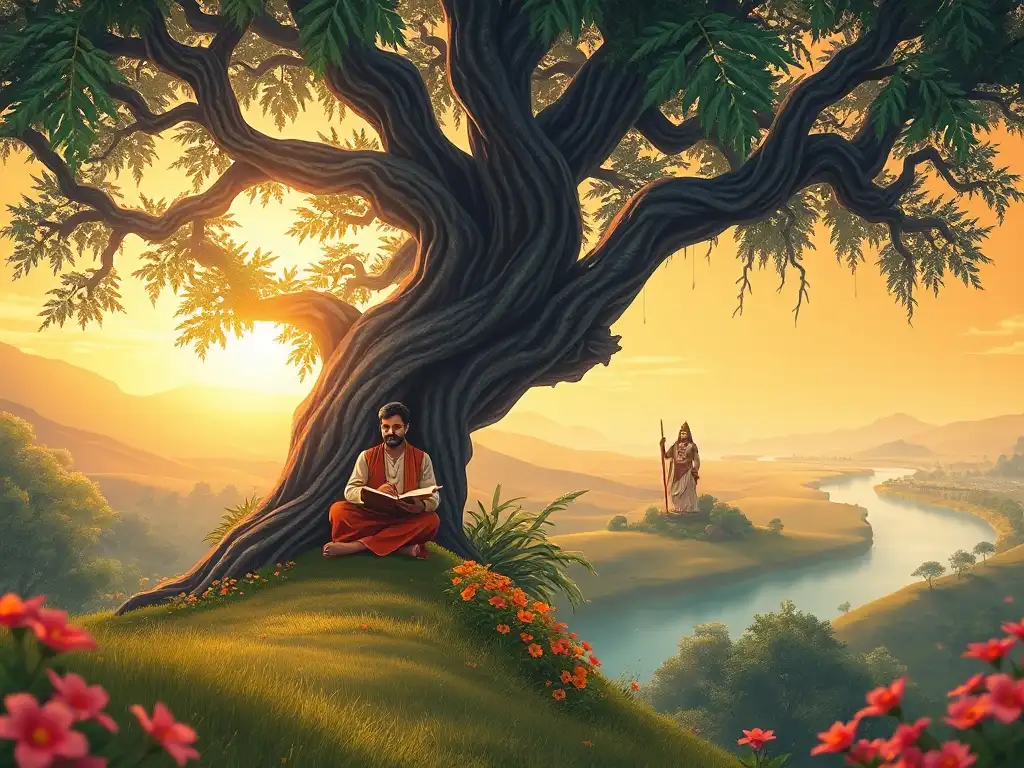
Sangam literature, a remarkable corpus of ancient Tamil texts composed between 300 BCE and 300 CE, serves as a profound testament to the cultural, social, and literary richness of early Tamil civilization. This body of work comprises poems, songs, and epics that weave together myth and reality, providing insights into the ethos of the time. Notable texts such as "Thirukkural," "Silappatikaram," and "Manimekalai" not only reflect the lives of gods and heroes but also illustrate the societal values, struggles, and aspirations of the people.
The contributions of these texts extend beyond literary merit; they are instrumental in shaping the Tamil language and identity. The themes of love, valor, and morality prevalent in these works have influenced subsequent Tamil literature and continue to resonate within Tamil culture today. The intertwining of mythological elements with historical narratives invites readers to explore the complexities of existence and the human experience as understood by the ancient Tamils.
Overview of Key Sangam Works
Key works of Sangam literature are distinguished by their poetic form and thematic diversity. "The Eight Anthologies" (Ettuthokai) and "The Ten Idylls" (Pattupattu) are foundational collections that comprise various poems celebrating love, valor, and nature.
- "Thirukkural": Written by Thiruvalluvar, this text consists of 1,330 couplets that encapsulate ethical and moral teachings, blending philosophical insight with practical wisdom.
- "Silappatikaram": This epic narrative, attributed to Ilango Adigal, recounts the tragic love story of Kannagi and Kovalan, highlighting themes of fidelity, justice, and societal norms while integrating mythological motifs.
- "Manimekalai": A continuation of the narrative from "Silappatikaram," this text explores the life of Manimekalai, emphasizing themes of redemption and spiritual awakening intertwined with mythological references.
These works not only present a literary treasure but also serve as historical documents that encapsulate the thoughts and beliefs of the Tamil people.
Analysis of Myth and Reality in Specific Texts
The exploration of myth and reality in Sangam literature is exemplified in various texts through the nuanced portrayal of divine and heroic figures. In "Silappatikaram," the character of Kannagi is elevated to divine status due to her unwavering loyalty and moral righteousness, blurring the lines between human and divine traits.
In "Manimekalai," the protagonist’s journey towards enlightenment reflects the interplay between earthly desires and spiritual pursuits. The narrative employs mythological elements, such as divine interventions and the presence of gods, to emphasize the transformative power of faith and virtue in navigating life’s challenges.
Additionally, the poems in the "Ettuthokai" often reference local deities and mythical heroes, reinforcing cultural beliefs while grounding them in the social realities of the time. This integration of myth with lived experiences allows for a deeper understanding of the ancient Tamil worldview, where gods and humans coexist and interact within the same narrative framework.
The Cultural Significance of Myths and Realities
The myths and realities captured in Sangam literature have played an essential role in shaping Tamil culture and identity. They provide a rich tapestry of stories that define collective values and moral frameworks, which have transcended time and continue to influence modern Tamil society.
Influence on Tamil Identity and Heritage
Sangam literature serves as a cornerstone of Tamil identity, encapsulating the essence of Tamil culture, language, and ethos. The representations of gods, heroes, and moral dilemmas in these texts are not just literary devices but also cultural touchstones that resonate with the Tamil people.
The emphasis on virtues such as bravery, loyalty, and justice in these narratives has fostered a sense of pride and belonging among Tamils. Myths from Sangam literature are often invoked in contemporary cultural practices, festivals, and artistic expressions, illustrating their enduring relevance in the collective memory of the Tamil community.
The Role of Myths in Shaping Cultural Narratives
Myths in Sangam literature serve as crucial instruments for constructing cultural narratives that convey societal ideals and norms. They provide frameworks through which individuals understand their roles within the community and the universe.
The tales of divine beings and heroic figures present moral lessons that guide ethical behavior, thereby influencing the social fabric of Tamil society. The recurring themes of love, sacrifice, and justice found in these myths resonate with the lived experiences of individuals, reinforcing the idea that human experiences are interwoven with divine narratives.
Ultimately, the interplay of myth and reality in Sangam literature not only enriches the literary landscape but also fosters a deeper connection to cultural heritage, ensuring that the stories of gods and heroes continue to inspire and guide future generations.
Comparative Analysis: Myth vs. Reality in Other Ancient Literatures
The exploration of myth and reality within ancient literatures is not exclusive to Sangam literature; rather, it resonates across various cultures and epochs. Ancient texts often blend mythical narratives with historical accounts, creating a complex tapestry that reflects societal values, beliefs, and aspirations. In studying these texts, we observe both similarities and differences in how myth and reality coexist and interact.
In many ancient literatures, such as the Greek epics, mythological characters often serve as proxies for exploring human experiences and moral dilemmas. In the Iliad and the Odyssey, gods frequently intervene in human affairs, shaping the destinies of both mortals and nations. Similarly, in Sangam literature, divine beings and heroic figures are interwoven into the fabric of human life, presenting a worldview where the sacred and the mundane coexist.
However, a notable difference arises in the treatment of these narratives. While the Greek epics tend to glorify the heroism of individuals against divine forces, Sangam literature often emphasizes community and collective identity, portraying the hero's journey within the broader context of societal values and relationships. This distinction showcases the unique cultural lens through which each civilization interprets the interplay between myth and reality.
Similarities and Differences with Epic Literatures
The similarities between Sangam literature and epic literatures extend beyond thematic elements; they share a narrative structure that combines personal and communal experiences. Both genres often utilize a rich array of symbolism and allegory to convey deeper meanings associated with life, death, and the divine. For instance, the depiction of natural elements in Sangam poetry parallels the use of landscapes in epics, serving as metaphors for emotional states and moral conflicts.
However, the differences lie primarily in their focus and portrayal of the divine. Epic literatures, such as the Mahabharata and Ramayana, often emphasize the hero’s relationship with deities who possess overwhelming power, while Sangam literature presents a more nuanced interaction between humans and gods. The gods in Sangam texts are portrayed in ways that reflect local beliefs and practices, often appearing more as companions or guardians than omnipotent rulers. This local flavor adds depth to the understanding of the socio-religious dynamics of ancient Tamil society.
Broader Implications for Understanding Ancient Civilizations
The interplay of myth and reality in ancient literatures provides invaluable insights into the civilizations that produced them. By analyzing these narratives, scholars can glean information about the social structure, cultural practices, and ideological frameworks of ancient societies. For instance, the heroic ideals depicted in Sangam literature reveal the values of honor, bravery, and loyalty that were pivotal in shaping the Tamil identity.
Moreover, these texts serve as historical documents that reflect the zeitgeist of their times. The preservation of myths alongside historical accounts allows modern scholars to reconstruct the belief systems and worldviews of ancient peoples, shedding light on their interactions with the divine and their understanding of moral and ethical dilemmas. As such, the study of Sangam literature and its counterparts in other cultures enriches our comprehension of human civilization’s evolution across time and geography.
Conclusion
The examination of myth and reality in Sangam literature not only highlights its uniqueness but also positions it within a broader literary context. By drawing parallels and distinctions with other ancient literatures, we can appreciate the intricate ways in which these narratives reflect human experiences and societal values.
Summary of Findings on Sangam Literature Myth and Reality
Sangam literature presents a compelling blend of myth and reality that captures the essence of ancient Tamil culture. The portrayal of gods and heroes within these texts provides a rich narrative that mirrors the complexities of life, offering insights into the human condition and the values held by the society. The coexistence of divine intervention and everyday life challenges the reader to contemplate the nature of existence and the intertwining of the sacred and the secular.
The Lasting Legacy of Sangam Literature in Modern Times
The legacy of Sangam literature continues to resonate in contemporary society, influencing various artistic and cultural expressions. Its themes of love, valor, and the relationship between humans and nature remain relevant, inspiring modern poets, writers, and artists. Moreover, the way Sangam literature encapsulates the interplay of myth and reality invites ongoing discussion and analysis, ensuring its place in the academic and cultural discourse surrounding ancient Indian civilization. As we delve deeper into these texts, we uncover not only the richness of Tamil heritage but also the universal truths that connect us across time and space.
- Introduction to Sangam Literature
- The Mythological Framework in Sangam Literature
- Realism in Sangam Literature
- The Fusion of Myth and Reality
- Notable Texts and Their Contributions
- The Cultural Significance of Myths and Realities
- Comparative Analysis: Myth vs. Reality in Other Ancient Literatures
- Conclusion
Frequently Asked Questions
What is Sangam literature?
Sangam literature refers to a collection of ancient Tamil writings that were composed during the Sangam period (circa 300 BCE to 300 CE). It encompasses poetry that reflects mythological themes, love, valor, and the socio-political landscape of the time.
How does Sangam literature depict myth and reality?
Sangam literature intertwines myth with historical events and real-life experiences, presenting a complex narrative that blends divine intervention with human actions. This interplay highlights how cultural beliefs and historical context shape storytelling.
What are some prominent themes in Sangam poetry?
Key themes in Sangam poetry include heroism, love, nature, and the divine. The works often celebrate the achievements of heroes and the gods, reflecting the cultural values and social norms of ancient Tamil society.
Can you name notable Sangam poets and their contributions?
Notable poets include Auvaiyar, known for her wisdom, and Kapilar, celebrated for his exploration of love and valor. Their contributions exemplify the depth and diversity of Sangam literature.
How does Sangam literature influence modern Tamil culture?
Sangam literature continues to be a significant influence on modern Tamil culture, shaping language, art, and social values. Its mythical narratives and heroic tales serve as cultural touchstones, inspiring contemporary literature and art forms.
Final Reflection: The Enduring Dance of Myth and Reality in Sangam Literature
The exploration of Sangam literature reveals a profound connection between myth and reality that resonates deeply in our contemporary world. The tales of gods and heroes not only serve as captivating narratives but also reflect the complexities of human experience, bridging the gap between the divine and the mundane. In an era where the lines between fact and fiction often blur, understanding this interplay becomes essential for appreciating the cultural heritage that shapes our identities.
Sangam literature continues to influence our cultural and social landscapes, reminding us of the timeless themes of love, valor, and morality that transcend generations. The stories of legendary figures and their divine counterparts invite us to reflect on our own lives and the choices we make. As the poet Kaniyan Poongundranar famously stated, “Yadum Oorey, Yavarum Kelir,” meaning “To each their own, all are kin.” This sentiment underscores the universal truths embedded within these ancient texts, illustrating how they remain relevant in fostering a sense of community and shared humanity.
As we conclude our journey through the rich tapestry of Sangam literature, I invite you to reflect on the myths and realities that shape your own life. Consider how the stories you tell and the values you uphold can inspire not only your personal growth but also the collective narrative of your community. Embrace the lessons of the past, and let them guide you in weaving your own tale—a tale that honors the interplay of myth and reality, and celebrates the enduring legacy of our shared human experience.
Unveil the Riches of Sangam Literature Today!
Thank you for diving into the fascinating world of Sangam literature with us! You’ve discovered the intricate dance between myth and reality that shapes our understanding of ancient Indian culture. Now, it’s time to take your newfound knowledge to the next level!
Here’s how you can deepen your exploration and connection to this vibrant literary heritage:
- Delve Deeper: Choose a Sangam poem that resonates with you and analyze its themes and characters. What insights do they provide about ancient society?
- Join the Conversation: Share your thoughts on this article or your favorite stories from Sangam literature in the comments below. Let’s discuss how these narratives shape our understanding of history.
- Spread the Word: Introduce a friend to the beauty of Sangam literature by sharing this article. You might inspire them to explore their own cultural roots!
Which mythological figure from Sangam literature resonates with you, and what makes their story significant? Let’s spark a conversation!