
The Rise of Jainism and Buddhism During Maurya Rule: Key Influencers


Welcome to Ancient India History, where we embark on a captivating journey through the rich tapestry of ancient Indian civilizations. As we delve into the Rise of Jainism and Buddhism During Maurya Rule, you'll discover how these profound philosophies shaped not only the spiritual landscape of India but also influenced its culture, politics, and society. Who were the key influencers behind this remarkable transformation?
Join us as we unravel the stories that define an era, inviting you to explore the intricate connections between belief and governance in one of history's most fascinating epochs. Your adventure into the depths of ancient wisdom begins here!
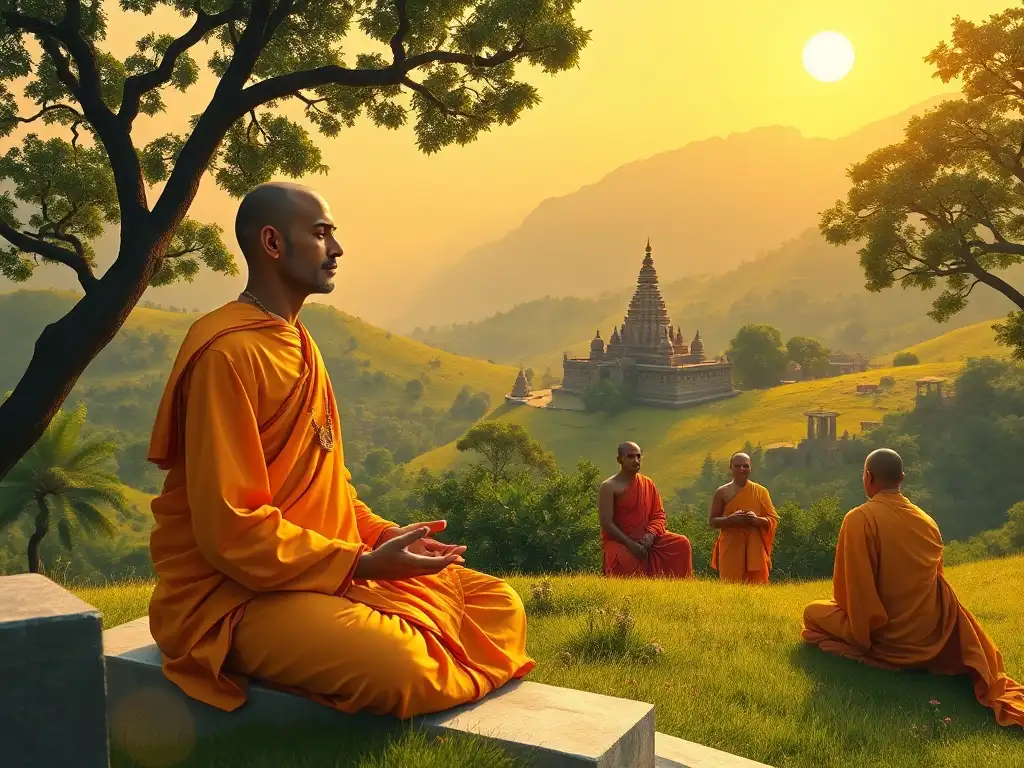
Introduction to Jainism and Buddhism in Maurya
The rise of Jainism and Buddhism during the Maurya Empire marks a significant chapter in the rich tapestry of ancient Indian history. This period, which flourished from approximately 322 BCE to 185 BCE, saw the emergence and consolidation of two influential religious movements that not only shaped the spiritual landscape of India but also had profound implications for its social, political, and cultural dynamics.
Under the patronage of key Mauryan leaders, particularly Emperor Ashoka, both Jainism and Buddhism experienced unprecedented growth and acceptance, leading to their establishment as prominent faiths in the region. This article delves into the key influencers and the contextual backdrop that facilitated the rise of these religions during the Maurya rule.
Overview of Jainism and Buddhism
Jainism and Buddhism share a common origin rooted in the spiritual milieu of ancient India, yet they diverged in their philosophies and practices.
- Jainism emphasizes ahimsa (non-violence) as its core tenet, advocating for the liberation of the soul through strict asceticism and ethical living. Founded by Mahavira in the 6th century BCE, Jainism gained traction among various social classes, particularly in urban centers.
- Buddhism, founded by Siddhartha Gautama (the Buddha) around the same time, presents a path to enlightenment through the Four Noble Truths and the Eightfold Path. It appealed to a broader audience due to its more accessible teachings and focus on compassion and community.
Both religions promoted ideals of peace, non-attachment, and ethical conduct, which resonated deeply with the populace during the Mauryan era.
Importance of Jainism and Buddhism during Maurya Rule
The significance of Jainism and Buddhism during Maurya rule cannot be overstated. Their teachings offered an alternative to the prevailing Vedic traditions, challenging the caste hierarchy and ritualistic practices that dominated society. The Mauryan Empire provided a fertile ground for these religions to flourish, as the state’s endorsement of non-violence and moral governance aligned closely with their doctrines.
Additionally, the spread of these beliefs contributed to the cultural and intellectual development of the empire. The Mauryan support for monasteries and educational institutions fostered a new class of thinkers and reformers, facilitating the exchange of ideas and the establishment of a rich philosophical discourse.
Historical Context of the Maurya Empire
The Formation of the Maurya Empire
The Maurya Empire emerged in the wake of the fragmented political landscape of India following the decline of the Nanda dynasty. Founded by Chandragupta Maurya in 322 BCE, the empire expanded rapidly through a combination of military conquests and strategic alliances.
- Key Factors in Formation:
- Political Unity: The empire brought together diverse regions under a centralized administration.
- Economic Prosperity: Trade routes and agricultural advancements contributed to its wealth and stability.
By the time of Ashoka, the Maurya Empire had reached its zenith, encompassing a vast expanse of territory that included modern-day India, Pakistan, and parts of Afghanistan.
Key Characteristics of Mauryan Rule
Mauryan rule is characterized by a blend of autocratic governance and progressive policies.
- Administrative Innovations:
- A well-organized bureaucracy facilitated effective governance.
- The establishment of a uniform currency and legal system promoted trade and commerce.
- Promotion of Dharma:
- Ashoka’s emphasis on Dharma (moral law) fostered ethical governance, which aligned with the principles of Jainism and Buddhism.
These characteristics not only strengthened the empire's internal cohesion but also created an environment conducive to the flourishing of Jainism and Buddhism.
Influence of Ashoka on Jainism and Buddhism
Emperor Ashoka stands as a pivotal figure in the history of Jainism and Buddhism.
- Conversion to Buddhism: After witnessing the devastating effects of war, Ashoka converted to Buddhism, adopting its principles of non-violence and compassion.
- Patronage of Religions: He actively promoted both Buddhism and Jainism, funding the construction of stupas, monasteries, and educational institutions.
- Edicts of Ashoka: His edicts, inscribed on pillars and rocks throughout the empire, espoused values of tolerance and coexistence, encouraging the practice of Buddhism and respect for other faiths.
Ashoka's reign not only solidified the foundations of Buddhism but also elevated Jainism, making both religions integral to the cultural heritage of ancient India.
Key Influencers of Jainism and Buddhism During Maurya
The Maurya Empire, which flourished from 322 to 185 BCE, played a pivotal role in the rise of Jainism and Buddhism across ancient India. During this period, various key figures emerged as influential proponents of these religions, shaping their philosophies and spreading their teachings. The Mauryan rulers, particularly Chandragupta Maurya and his grandson Ashoka, established political and social environments that fostered religious tolerance and the growth of these faiths. Additionally, prominent Jain leaders contributed significantly to the propagation of Jain principles during this era. Together, these influencers helped embed Jainism and Buddhism into the cultural fabric of Mauryan society.
Chandragupta Maurya and Religious Tolerance
Chandragupta Maurya, the founder of the Maurya Empire, is often credited with establishing a foundation of religious tolerance that allowed various faiths, including Jainism and Buddhism, to flourish. His alliance with Chanakya, a learned Brahmin and strategist, reinforced the idea of governance that respected diverse religious practices.
Although Chandragupta initially embraced a more traditional Vedic approach, his interactions with Jain monks influenced his views. Notably, he later renounced his throne and adopted Jainism, showcasing his commitment to the faith and promoting its values. His reign set a precedent for religious pluralism, allowing Buddhism to gain a foothold, particularly as it aligned with the growing sentiments of the populace seeking spiritual alternatives to Brahmanical orthodoxy.
The Role of Ashoka in Promoting Buddhism
Ashoka, the grandson of Chandragupta Maurya, is perhaps the most significant figure in the promotion of Buddhism during the Maurya period. After the Kalinga War, which left him deeply affected by the suffering of war, Ashoka converted to Buddhism and became a staunch advocate for its teachings.
He implemented policies that reflected Buddhist values, such as Dhamma, emphasizing non-violence, compassion, and moral living. Ashoka's edicts, inscribed on pillars and rocks across his empire, communicated messages of peace and the importance of ethical conduct. He also sponsored the construction of stupas, monasteries, and institutions that facilitated the practice and spread of Buddhism. Furthermore, Ashoka sent missionaries, including his own son Mahinda, to regions beyond India, significantly influencing the spread of Buddhism throughout Asia.
Influential Jain Leaders during Maurya
During the Maurya Empire, several Jain leaders emerged, significantly contributing to the faith's prominence. Notable among these were figures like Bhadrabahu, who played a critical role in consolidating Jain teachings and practices. Bhadrabahu's leadership and his efforts to establish a unified Jaina community helped strengthen the religion's base during a time of political and social changes.
Another influential figure was the monk and philosopher, Kundakunda, whose writings laid the groundwork for later Jain thought and philosophy. His emphasis on spiritual liberation and ethical living resonated with many, promoting Jainism as a viable alternative to both Brahmanism and Buddhism. These leaders not only enhanced Jainism's visibility but also fostered intellectual dialogues with other religious traditions, further enriching the spiritual landscape of the Mauryan period.
The Interaction between Jainism and Buddhism

The rise of Jainism and Buddhism during the Maurya Empire was characterized by both collaboration and competition. These two philosophies, while distinct, shared several foundational concepts that facilitated their interaction and mutual influence.
Similarities between Jainism and Buddhism
Jainism and Buddhism share several core principles that highlight their philosophical affinities. Both religions emphasize:
- Non-violence (Ahimsa): A fundamental tenet in both Jainism and Buddhism, advocating for compassion towards all living beings.
- Karma and Rebirth: Both traditions acknowledge the cycle of birth, death, and rebirth, advocating for ethical living to achieve liberation.
- Meditation and Self-discipline: Both faiths value practices that cultivate mindfulness, self-control, and introspection.
These similarities allowed for a respectful coexistence within the Mauryan context, enabling adherents of both religions to learn from each other while maintaining their unique identities.
Differences between Jainism and Buddhism
Despite their shared principles, Jainism and Buddhism diverge in significant ways:
- The Concept of the Soul: Jainism posits that every living being possesses a soul (jiva) that can attain liberation through individual effort, whereas Buddhism teaches the doctrine of anatta (non-self), denying the existence of a permanent soul.
- Ascetic Practices: Jainism traditionally emphasizes rigorous asceticism, including extreme fasting and renunciation, while Buddhism advocates for the Middle Way, encouraging a balanced approach to ascetic practices.
- The Role of Deities: Jainism incorporates a pantheon of Tirthankaras (spiritual teachers), while Buddhism generally does not focus on deities, emphasizing the individual's journey towards enlightenment.
These differences shaped the followers' paths and practices, contributing to the rich tapestry of spiritual life during the Maurya Empire.
The Role of Jainism and Buddhism in Mauryan Society
Jainism and Buddhism played crucial roles in shaping Mauryan society, influencing its cultural, social, and moral frameworks. Both religions contributed to the proliferation of ethical teachings that emphasized compassion, non-violence, and social responsibility.
- Cultural Influence: The artistic expressions of the time, including sculptures, architecture, and literature, were heavily influenced by Jain and Buddhist themes, leading to a rich cultural heritage.
- Social Structures: Both religions offered alternative social structures, challenging the rigid caste system prevalent in Brahmanism. They provided pathways for social mobility and inclusion, particularly for marginalized groups.
- Philosophical Discourses: The intellectual exchanges between Jain and Buddhist scholars fostered a vibrant environment for philosophical inquiry, contributing to the evolution of Indian metaphysics and ethics.
The legacies of Jainism and Buddhism during the Maurya rule continue to resonate in contemporary Indian society, highlighting their enduring impact on the region's spiritual and cultural landscape.
Legacy of Jainism and Buddhism in Maurya
The Maurya Empire, under the rule of influential figures like Ashoka, played a pivotal role in the propagation and establishment of Jainism and Buddhism as significant religious traditions in ancient India. The legacy of these religions during the Mauryan period is marked by their profound influence on Indian society, culture, and philosophy. Jainism, with its emphasis on non-violence (ahimsa) and asceticism, and Buddhism, focusing on the Four Noble Truths and the Eightfold Path, provided ethical frameworks that resonated with many individuals and communities.
One of the most notable legacies of this period is the promotion of tolerance and coexistence among different religions. Ashoka, in particular, adopted a policy of Dhamma, which encouraged respect for all faiths and emphasized moral conduct. This approach fostered an environment where Jainism and Buddhism could flourish alongside other belief systems, leading to a rich tapestry of philosophical thought and spiritual practice.
Furthermore, the Mauryan period saw the establishment of stupas and monastic complexes, which became centers of learning and pilgrimage for Buddhists and Jains alike. These architectural achievements not only served religious purposes but also contributed to the cultural and artistic development of the region, influencing subsequent architectural styles in India.
Long-term Effects on Indian Culture and Religion
The long-term effects of Jainism and Buddhism during the Maurya rule are evident in various facets of Indian culture and religion. Both religions contributed to the development of ethical philosophies that emphasize non-violence, compassion, and self-discipline. These principles have permeated the broader Indian cultural ethos, influencing art, literature, and social practices.
Additionally, Jainism and Buddhism encouraged the growth of trade and commerce through their monastic institutions, which often acted as hubs for economic activity. This interaction fostered not just economic exchange but also the spread of ideas and cultural practices across regions, leading to a more interconnected ancient Indian society.
The spread of these religions also prompted the establishment of educational institutions, such as Nalanda, which became renowned centers of learning. These institutions attracted scholars from various parts of Asia, contributing to the intellectual heritage of India and shaping the educational landscape for centuries to come.
The Decline of Jainism and Buddhism Post-Maurya
Despite their initial flourishing during the Maurya Empire, both Jainism and Buddhism experienced a decline in the subsequent centuries, particularly after the fall of the Mauryan dynasty. Several factors contributed to this decline. The resurgence of Hinduism, particularly due to the development of various sects and the consolidation of power by regional kings who favored Hindu practices, overshadowed both Jainism and Buddhism.
Moreover, internal divisions within the Buddhist community, such as the schism between Theravada and Mahayana traditions, led to fragmentation and weakened the religion's unified appeal. Jainism also faced challenges as it struggled to maintain its identity amidst the growing popularity of devotional forms of Hinduism, which offered more accessible paths to spirituality for the general populace.
The decline was further exacerbated by socio-political changes, including invasions and the establishment of new dynasties that did not support these religions. As a result, many monasteries were abandoned, and the patronage that once sustained these religious communities dwindled.
Continuing Influence in Modern India
Despite the decline of Jainism and Buddhism in the post-Maurya period, their influence persists in modern India. Both religions continue to have active followers and contribute significantly to India's cultural and spiritual landscape. The principles of non-violence and compassion, which are central to both traditions, have resonated deeply within Indian society and have influenced various social movements, notably the Indian independence movement led by Mahatma Gandhi.
Moreover, Jainism's emphasis on environmental ethics and sustainability has gained renewed attention in contemporary discussions regarding ecological conservation, as its teachings advocate for a harmonious relationship with nature. Similarly, the Buddhist principles of mindfulness and meditation have found a global audience, contributing to wellness practices and spiritual exploration worldwide.
Festivals, rituals, and cultural practices rooted in Jainism and Buddhism remain integral to the social fabric of many communities in India. The architectural legacies of both religions, such as the magnificent Jain temples and Buddhist stupas, continue to attract tourists and spiritual seekers alike, serving as reminders of their historical significance.
Conclusion
Summary of Key Influencers and Their Impact
The rise of Jainism and Buddhism during the Maurya Empire can be attributed to several key influencers, notably Emperor Ashoka, who not only embraced these religions but also actively promoted their teachings throughout his reign. His edicts and policies helped establish a framework of ethical governance that prioritized the welfare of his subjects. Other influential figures included monks and scholars who contributed to the spread of these religions through their teachings and writings.
The impact of these influencers extended beyond their time, shaping the spiritual and cultural landscape of India for generations. Their legacies can be seen in the continued practice of Jain and Buddhist traditions, as well as in the broader ethos of Indian culture that values non-violence and compassion.
The Significance of Jainism and Buddhism in Ancient Indian History
Jainism and Buddhism hold a significant place in ancient Indian history, not only for their religious teachings but also for their contributions to the social, cultural, and philosophical development of the region. The Maurya Empire served as a crucial period for the flourishing of these religions, setting the stage for future developments in Indian thought and spirituality.
The enduring principles of Jainism and Buddhism continue to influence contemporary society, promoting values that resonate with modern challenges. Their rich history and teachings remain essential to understanding the complexities of India's past and its ongoing cultural evolution. The legacy of Jainism and Buddhism is a testament to the resilience of spiritual traditions and their capacity to adapt and thrive across centuries.
- Introduction to Jainism and Buddhism in Maurya
- Historical Context of the Maurya Empire
- Key Influencers of Jainism and Buddhism During Maurya
- The Interaction between Jainism and Buddhism
- Legacy of Jainism and Buddhism in Maurya
- Conclusion
- What was the significance of Jainism and Buddhism during the Maurya Empire?
- Who were the major influencers of Jainism and Buddhism during this period?
- How did Ashoka contribute to the spread of Buddhism?
- What role did trade play in the growth of Jainism and Buddhism?
- How are Jainism and Buddhism viewed in contemporary India?
Frequently Asked Questions
What was the significance of Jainism and Buddhism during the Maurya Empire?
Jainism and Buddhism were key religious movements that flourished under Maurya rule, promoting non-violence, compassion, and ethical living.
Who were the major influencers of Jainism and Buddhism during this period?
Prominent figures included Mahavira, the 24th Tirthankara of Jainism, and Buddha, whose teachings were supported by Maurya rulers like Ashoka, who played a vital role in spreading these philosophies.
How did Ashoka contribute to the spread of Buddhism?
Emperor Ashoka embraced Buddhism after the Kalinga War, promoting its principles through edicts, missions, and by building monasteries across his empire.
What role did trade play in the growth of Jainism and Buddhism?
The expanding trade routes during the Maurya Empire facilitated the spread of Jainism and Buddhism, allowing their doctrines and cultural practices to reach wider audiences.
How are Jainism and Buddhism viewed in contemporary India?
Today, Jainism and Buddhism are regarded as important cultural and spiritual traditions in India, emphasizing peace, tolerance, and diversity in society.
Final Reflection: The Enduring Legacy of Jainism and Buddhism in Maurya
The rise of Jainism and Buddhism during the Maurya rule remains a pivotal chapter in the tapestry of Indian history, illustrating how spiritual movements can shape societal values and governance. Today, as we navigate a world often divided by differing ideologies, the teachings of these ancient religions resonate with a profound call for compassion, non-violence, and mutual respect. The principles established during this era continue to influence contemporary discussions on ethics and coexistence, reminding us that the quest for inner peace and societal harmony is timeless.
Culturally and socially, Jainism and Buddhism have woven themselves into the very fabric of Indian society, fostering a spirit of inquiry and tolerance. Their emphasis on non-violence and the pursuit of truth has inspired countless individuals and movements throughout history. As Mahatma Gandhi once said, "> Non-violence is the greatest force at the disposal of mankind." This sentiment echoes the teachings of both Jainism and Buddhism, highlighting their lasting impact on the moral compass of society and the importance of peaceful coexistence in our increasingly complex world.
As we reflect on the teachings and legacies of Jainism and Buddhism, let us take a moment to consider how we can embody these principles in our daily lives. I invite you to explore the values of compassion and understanding in your interactions with others, fostering a culture of empathy and respect. By embracing the lessons from this rich historical period, we can contribute to a more harmonious future, where the ideals of Jainism and Buddhism continue to illuminate our paths and inspire positive change in our communities.
Embrace the Wisdom of Ancient Philosophies!
Thank you for diving into the rich history of Jainism and Buddhism during the Maurya rule! Your exploration of the key influencers has revealed invaluable insights into these transformative philosophies. Now, let’s take a step further to deepen your understanding and connection with these ancient teachings.
Here are some inspiring actions you can take right now:
- Explore further: Read a classic text from Jainism or Buddhism to witness the timeless wisdom firsthand. Consider starting with the "Dhammapada" for Buddhism or the "Tattvartha Sutra" for Jainism.
- Engage with the community: Join a local discussion group or an online forum to share insights and learn from others who are passionate about these philosophies.
- Share your knowledge: Discuss what you've learned with friends or on social media to inspire others to appreciate the profound impact of Jainism and Buddhism.
Are you ready to uncover how these ancient traditions can influence your modern life? Which aspects of Jainism or Buddhism resonate most with you today?