
Language and Literature: Tracing the Literary Exchanges Between India and China

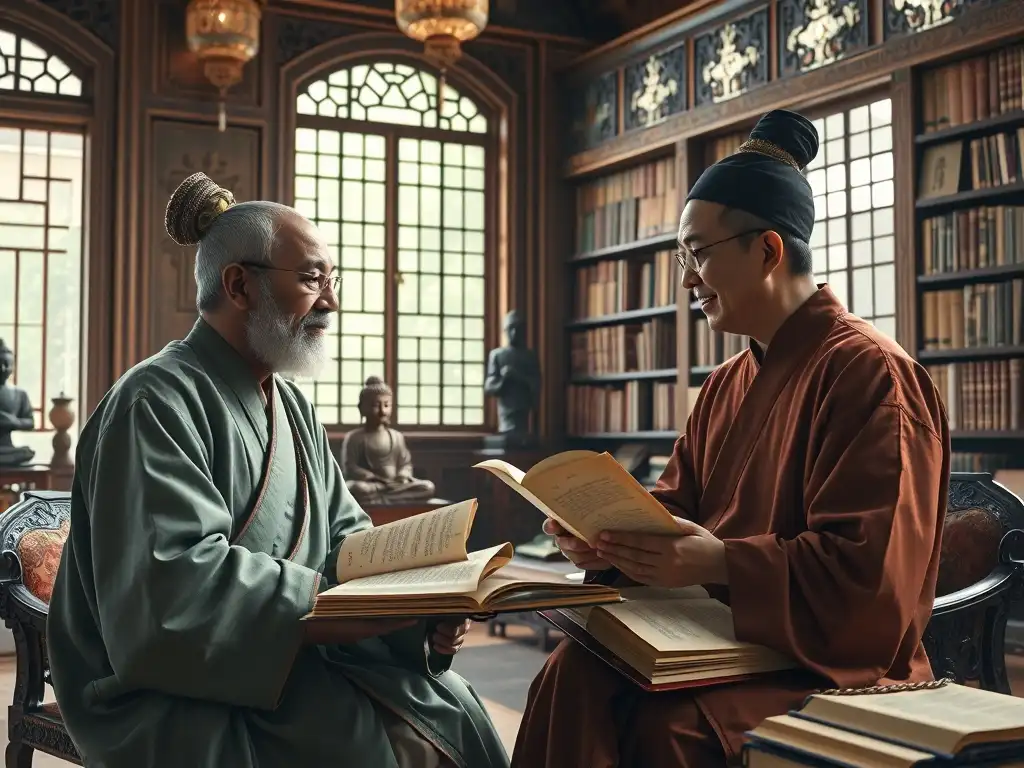
Welcome to Ancient India History, where we journey through the rich tapestry of India's past, unveiling the remarkable contributions of its ancient civilizations. In our featured article, "Language and Literature: Tracing the Literary Exchanges Between India and China," we delve into the profound connections that shaped the literary landscapes of these two great nations. Discover how the exchange of ideas and stories not only influenced cultures but also created a lasting legacy that continues to resonate today.
Get ready to explore the intricate web of India-China literary exchanges, and ignite your curiosity about the interactions that forged historical paths. Dive deeper and unearth the stories waiting to be told!
Introduction to India-China Literary Exchanges
The literary exchanges between India and China represent a fascinating chapter in the annals of cultural history, highlighting the profound interconnections that have shaped both civilizations over centuries. These exchanges are not merely an intersection of languages and texts; they symbolize the rich tapestry of ideas, philosophies, and artistic expressions that have flowed between these two great nations.
From the ancient trade routes that facilitated the movement of goods and scholars to the profound influence of Buddhist texts, the literary interactions between India and China have played a crucial role in molding their respective cultural landscapes. Understanding these exchanges offers invaluable insights into how literature serves as both a reflection of society and a bridge between diverse cultures.
Overview of Literary Interactions
The literary interactions between India and China can be traced back to ancient times, marked by the arrival of Indian scholars and the translation of texts into Chinese. Notable works such as the "Pali Canon" and other Buddhist scriptures were translated, paving the way for mutual influence in philosophy, religion, and storytelling. The Silk Road not only facilitated trade but also acted as a conduit for the exchange of literary ideas and genres.
- Key literary genres exchanged:
- Poetry: The influence of Indian poetic forms on Chinese literature, and vice versa.
- Philosophical texts: The translation and adaptation of Indian philosophical treatises into Chinese thought.
- Fables and epics: The journey of Indian epics like the Mahabharata into Chinese narratives.
Importance of Language in Cultural Exchange
Language serves as the bedrock of cultural exchange, enabling the transmission of ideas, beliefs, and artistic expression. The nuances of Sanskrit and Classical Chinese not only shaped the literature of their respective cultures but also highlighted the philosophical underpinnings that guided their societies. The translation of literary works allowed for the adaptation of concepts such as karma, dharma, and Buddhism, influencing Chinese thought profoundly.
- Language as a tool for exchange:
- Facilitates understanding of complex concepts.
- Encourages adaptation of literary forms and styles.
- Strengthens diplomatic and cultural relations.
Historical Context of Literary Exchanges Between India and China
Understanding the historical context of literary exchanges between India and China is essential to grasp the depth and breadth of their interactions. The intertwining of their histories can be traced through various periods, each marked by significant cultural and literary developments.
Ancient Trade Routes and Their Influence on Literature
The Silk Road was not merely a trade route for goods; it was a vital artery for the exchange of ideas and literary traditions. As merchants traveled between India and China, they carried not only spices and silk but also stories, manuscripts, and philosophical texts. This exchange enriched both cultures, leading to a blending of literary styles and themes.
- Notable trade routes:
- Northern Route: Facilitated the movement of Buddhist texts.
- Southern Route: Brought Indian poetry and drama to Chinese audiences.
Key Periods of Cultural and Literary Interaction
Several key periods mark significant advancements in the literary exchanges between India and China. From the Han Dynasty's embrace of Buddhism to the Tang Dynasty's flourishing of poetry, each era contributed uniquely to the literary landscape.
- Important periods include:
- Han Dynasty (206 BCE - 220 CE): Initial translations of Indian texts.
- Tang Dynasty (618 - 907 CE): A peak of cultural exchange, with influences seen in poetry and philosophy.
- Song Dynasty (960 - 1279 CE): Further development of literary forms influenced by Indian narratives.
Prominent Figures in India-China Literary Exchanges
The contributions of key figures in these exchanges cannot be overstated. Scholars, poets, and translators played pivotal roles in bridging the literary traditions of India and China.
- Influential figures include:
- Xuanzang: The Buddhist monk who traveled to India and brought back numerous texts.
- Bodhidharma: The founder of Zen Buddhism, whose teachings influenced Chinese literary thought.
- Li Bai: A prominent Chinese poet who drew inspiration from Indian literary themes.
These exchanges have left an indelible mark on the literary heritage of both nations, enriching their cultural narratives and fostering a deeper understanding of each other's philosophies and artistic expressions.
Major Themes in Indian and Chinese Literature
The literary traditions of India and China are rich with profound themes that reflect their respective cultures and philosophies. Over centuries, these themes have not only shaped their own literary landscapes but have also influenced each other through various exchanges. Some of the major themes that stand out in both traditions include spirituality, ethics, nature, and social structures.
- Spirituality and Philosophy: Both Indian and Chinese literatures delve deeply into spiritual quests and philosophical inquiries. Texts like the Bhagavad Gita and the Tao Te Ching encapsulate the search for meaning and the nature of existence. They often explore the relationship between the individual and the cosmos, highlighting different paths to enlightenment.
- Nature and Harmony: Nature is a recurring motif in both Indian and Chinese literature, symbolizing beauty, tranquility, and the cyclical nature of life. Chinese poetry, particularly from the Tang dynasty, often reflects a deep appreciation for nature, while Indian literature, such as in the works of Kalidasa, emphasizes the connection between humans and their environment.
- Morality and Ethics: Moral dilemmas and ethical teachings are central to both literary traditions. The Mahabharata and Analects of Confucius provide insights into the complexities of duty, righteousness, and personal conduct, prompting readers to reflect on their own moral compasses.
- Folklore and Mythology: Both traditions are rich in folklore and mythology, with stories that carry moral lessons and cultural values, making them integral to the literary framework in both societies.
Spirituality and Philosophy in Indian and Chinese Texts
Spirituality and philosophy serve as cornerstones in both Indian and Chinese literary traditions, often intertwined with their historical and cultural narratives. Indian texts such as the Upanishads and the Bhagavad Gita emphasize concepts of dharma (duty), karma (action), and moksha (liberation), exploring the individual's relationship with the divine and the universe.
In contrast, Chinese literature, particularly the works of Confucius and Laozi, focus on harmony, balance, and the moral obligations of individuals within society. The Tao Te Ching offers profound insights into living in accordance with the Tao (the Way), advocating for a life of simplicity and humility.
Both traditions encourage introspection and the quest for truth, often utilizing stories, parables, and poetry to convey complex philosophical ideas. This shared emphasis on spirituality has led to a rich exchange of thoughts and interpretations, shaping the philosophical landscapes of both civilizations.
Common Folklore and Mythology
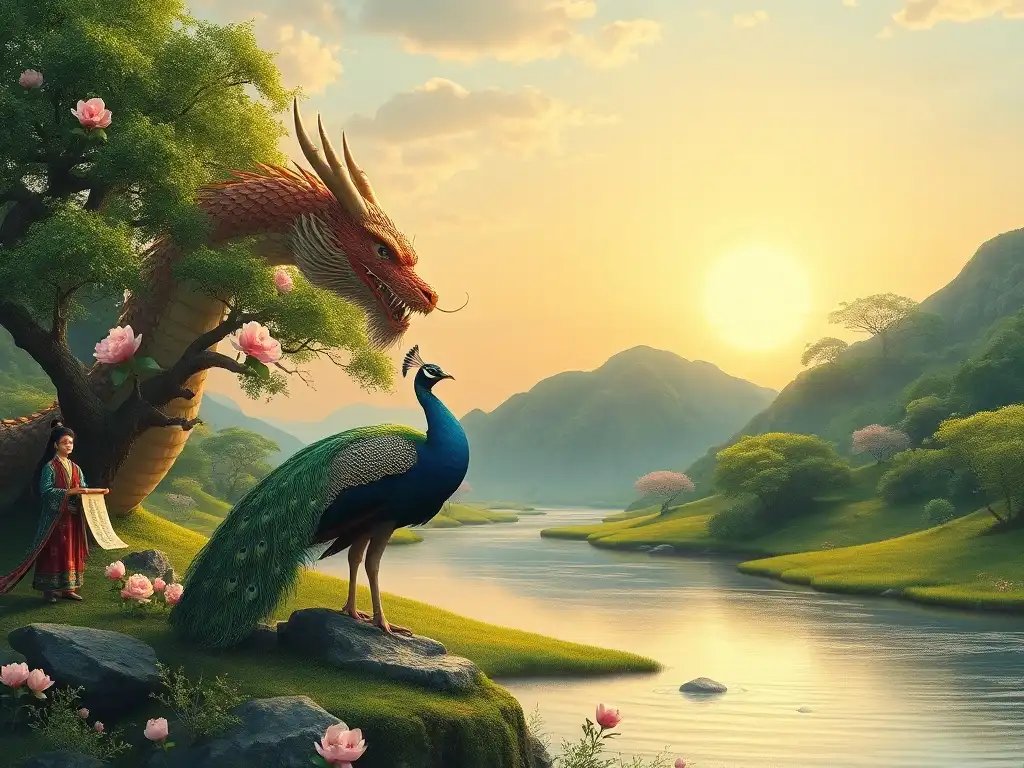
The folklore and mythology of India and China reveal deep cultural narratives that have evolved over centuries. Indian mythology, rich with epic tales such as the Ramayana and Mahabharata, often focuses on the exploits of deities and heroes, conveying moral lessons and cultural values. These epics serve not only as literary masterpieces but also as vehicles for cultural identity and spiritual teachings.
Chinese folklore, on the other hand, is populated with mythical figures such as the Dragon and the Phoenix, symbolizing power and harmony. The Journey to the West, a classic Chinese novel, intertwines adventure with spiritual quests, demonstrating the integration of mythology in literature.
The cross-pollination of these mythological themes has been significant, with Indian stories influencing Chinese narratives and vice versa, creating a rich tapestry of shared folklore. The exchange of tales reflects cultural values and social norms, highlighting the interconnectedness of these ancient civilizations.
Literary Techniques and Styles: A Comparative Analysis
When analyzing the literary techniques and styles prevalent in Indian and Chinese literature, notable similarities and differences emerge.
- Poetic Forms: Indian poetry often employs complex meters and rhyme schemes, as seen in the Sanskrit shlokas. Chinese poetry, particularly during the Tang dynasty, is characterized by its regulated verse forms and tonal patterns, creating a musical quality in the language.
- Narrative Structures: Indian epics typically feature multi-layered narratives with numerous characters and subplots, allowing for extensive exploration of themes and moral dilemmas. In contrast, Chinese literature often utilizes concise storytelling, with a focus on clarity and brevity, as exemplified in the short story form.
- Imagery and Symbolism: Both traditions make extensive use of imagery and symbolism, although the cultural references may differ. Indian literature frequently draws on nature and mythology, while Chinese literature often incorporates elements of nature to convey philosophical ideas and moral lessons.
- Philosophical Underpinnings: The philosophical influences in both literatures are evident, with Indian texts often exploring metaphysical concepts, while Chinese literature tends to focus on practical ethics and social harmony.
These techniques showcase the unique characteristics of each tradition while also revealing how literary exchanges between India and China led to the adoption and adaptation of various styles and forms.
Key Literary Works Influenced by India-China Exchanges
The literary exchanges between India and China have produced a wealth of influential texts that showcase the blending of ideas and styles. These works not only represent the cultural dialogues between the two civilizations but also illustrate how literature served as a medium for philosophical and spiritual exploration.
Indian Texts That Influenced Chinese Literature
Several Indian texts have had a profound impact on Chinese literature, particularly through the introduction of Buddhist philosophy. The Pali Canon, foundational to Theravada Buddhism, was translated into Chinese during the Han Dynasty and influenced various Chinese philosophical discourses.
The Jataka tales, which tell stories of the previous lives of the Buddha, also found their way into Chinese folklore, enriching the narrative styles and moral teachings in Chinese literature. Furthermore, the Mahabharata and Ramayana were known to have inspired Chinese adaptations, demonstrating the far-reaching influence of Indian epics.
Chinese Texts That Influenced Indian Literary Traditions
Conversely, Chinese literature has also influenced Indian literary traditions, especially through the introduction of Confucian and Daoist philosophies. Texts such as the Tao Te Ching have been translated and studied by Indian scholars, leading to a cross-cultural exchange of ideas regarding ethics, governance, and personal conduct.
Moreover, the spread of Buddhist texts from China back to India during the Gupta period marked a significant exchange, with many Indian scholars engaging with Chinese interpretations of Buddhist doctrines, thereby enriching their own literary and philosophical works.
Notable Translations and Adaptations
Translation and adaptation have played pivotal roles in the literary exchanges between India and China. The translation of Indian texts into Chinese, particularly during the Tang Dynasty, facilitated the dissemination of Buddhist teachings and philosophies, altering the course of Chinese literature.
Notable translations include the works of Kumarajiva, who translated various Buddhist scriptures into Chinese, making them accessible to a broader audience. This not only impacted religious thought but also enriched Chinese literary styles and themes.
In addition, adaptations of Indian epics and folklore into Chinese narratives have resulted in unique interpretations that reflect the cultural context of China, such as the incorporation of Buddhist motifs into Chinese poetry and prose.
These literary exchanges underscore the dynamic interplay between Indian and Chinese cultures, showcasing how translations and adaptations have shaped the literary landscapes of both civilizations over time.
Impact of Buddhism on India-China Literary Exchanges
The profound influence of Buddhism on India-China literary exchanges is a cornerstone in understanding the cultural and intellectual ties between these two ancient civilizations. As Buddhism spread from India to China, it brought with it not only religious teachings but also a wealth of literary traditions that shaped the literary landscape of both regions. The translation of Buddhist texts became a vital conduit for cultural transmission, fostering a rich interplay of ideas, philosophies, and artistic expressions.
The Role of Buddhist Texts in Cultural Transmission
Buddhist texts played a crucial role in facilitating cultural exchanges between India and China. The arrival of Buddhist scriptures in China during the Han Dynasty marked the beginning of a literary relationship that would flourish over centuries. Key texts such as the Tripitaka and the Lotus Sutra were translated into Chinese, often accompanied by commentaries that contextualized the teachings within Chinese philosophical frameworks.
The translation movement was not merely a linguistic exercise; it involved a deep engagement with the philosophical and cultural nuances of both traditions. This interaction enriched Chinese literature, introducing new narrative forms and spiritual concepts. The work of translators like Kumarajiva in the 4th century CE not only enhanced the accessibility of Buddhist ideas but also influenced Chinese literary styles, inspiring poets and writers to adopt new themes related to spirituality, morality, and the quest for enlightenment.
Influence of Buddhist Philosophy on Literary Works
Buddhist philosophy significantly impacted literary works in both India and China, shaping their themes, motifs, and narrative structures. In India, texts like the Mahabharata and Ramayana began to incorporate Buddhist ethical teachings, reflecting the interconnectedness of these traditions. The concept of compassion, for instance, became a shared value, influencing the portrayal of characters and moral dilemmas within these epics.
In China, the integration of Buddhist philosophy gave rise to unique literary forms, such as the chan (Zen) poetry, which emphasized spontaneity and the direct experience of reality. Renowned poets like Li Bai and Wang Wei drew on Buddhist themes, using nature as a metaphor for spiritual awakening. The blending of Daoist and Buddhist ideas led to a rich tapestry of literary expression that highlighted the importance of inner peace and the transient nature of life.
The Role of Language in Facilitating Literary Exchanges
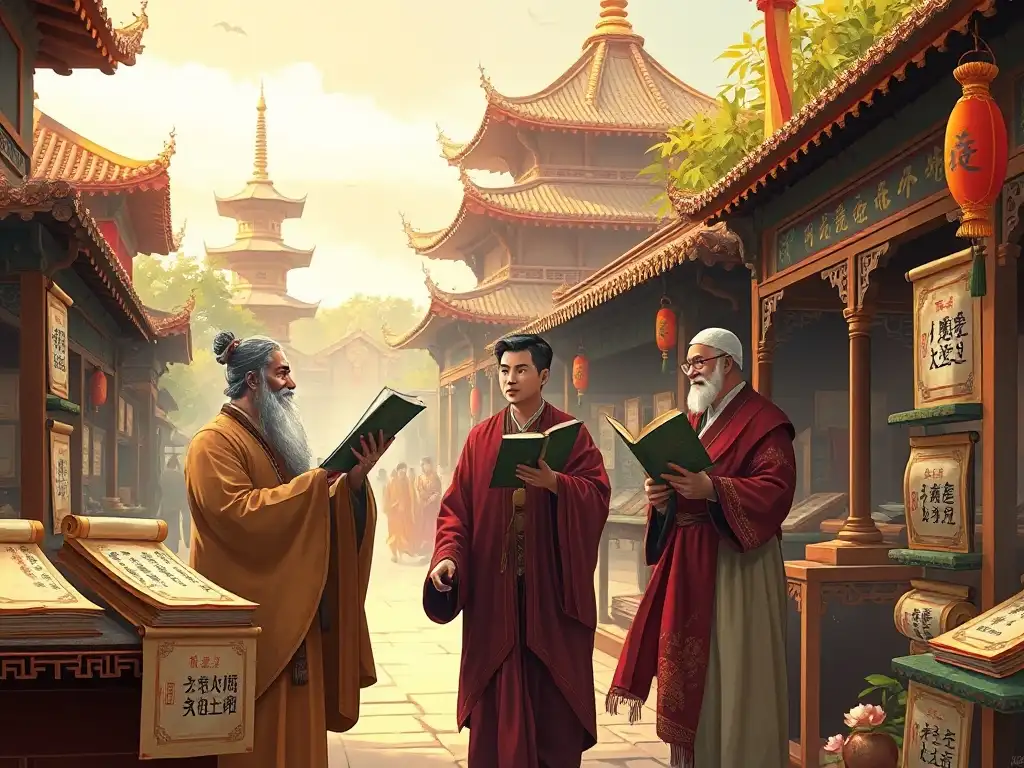
Language served as the bridge that facilitated literary exchanges between India and China, enabling the flow of ideas and artistic expressions. The translation of texts was not just about converting words from one language to another; it involved a nuanced understanding of cultural contexts, idiomatic expressions, and literary styles. This intricate process allowed for the development of a shared literary language that transcended geographical boundaries.
Language Adaptations and Lexical Borrowings
As Buddhist texts were translated into Chinese, numerous adaptations and lexical borrowings occurred, enriching the Chinese language with new vocabulary and concepts. Terms such as “Buddha” (佛) and “Dharma” (法) were incorporated into the Chinese lexicon, signifying the profound impact of Indian thought on Chinese culture. These borrowings were not limited to religious terminology; they also included literary expressions that conveyed complex philosophical ideas.
Furthermore, the exchange was not unidirectional. As Chinese literature began to influence Indian writers, adaptations of stylistic elements such as poetic forms and narrative techniques emerged. This linguistic interplay led to a hybrid literary culture where both traditions could coexist and evolve, ultimately enhancing the richness of their respective literary heritages.
The Evolution of Literary Forms Through Cross-Cultural Interactions
The literary forms in both India and China underwent significant transformations as a result of cross-cultural interactions. The introduction of Buddhist narrative styles, for instance, led to the development of new genres in Chinese literature, such as the buddhism-inspired tales that blended morality with storytelling. This evolution was marked by the emergence of novels and short stories that incorporated Buddhist themes, moral lessons, and character development.
In India, the influence of Chinese literary forms can be seen in the adaptation of narrative techniques and poetic styles. The dialogue between these two literary traditions fostered a creativity that transcended cultural boundaries, resulting in a vibrant literary ecosystem. This ongoing evolution illustrates the dynamic nature of literary exchanges and the enduring legacy of Indian and Chinese civilizations in shaping each other's literary landscapes.
Conclusion: The Legacy of India-China Literary Exchanges
The literary exchanges between India and China have left an indelible mark on the cultural and intellectual landscapes of both nations. These interactions, spanning centuries, facilitated not only the transfer of texts and ideas but also engendered a mutual appreciation for the philosophical and artistic traditions of each civilization. From the translation of Buddhist scriptures to the adaptation of poetic forms, the legacy of these exchanges is evident in the rich tapestry of literary traditions that continue to influence contemporary writers and scholars.
As we reflect on this enduring legacy, it becomes clear that the contributions of India and China to world literature are not merely historical footnotes but are foundational elements that shaped the evolution of literary practices. The dialogue established through these exchanges has fostered a climate of creativity and intellectual curiosity that persists in the modern era, demonstrating the profound interconnectedness of human cultures.
Lasting Cultural Impact on Modern Literature
The cultural impact of India-China literary exchanges can be seen in several aspects of modern literature. The themes of spirituality, nature, and the human condition found in ancient texts continue to resonate, influencing modern writers who seek to explore these universal themes.
- Influence on Poetic Traditions: The adoption of poetic forms such as the Chinese quatrain and Indian ghazal reveals a rich interplay where poets draw inspiration from each other's styles. Contemporary poets often blend these forms, creating unique works that honor both traditions.
- Philosophical Texts: Works such as the Tao Te Ching and Bhagavad Gita have been reinterpreted and referenced in modern philosophical discourse, encouraging cross-cultural dialogue and deepening the understanding of metaphysical concepts.
- Narrative Structures: The narrative techniques originating from these exchanges have permeated modern storytelling, with elements of circular narratives and layered storytelling becoming prevalent in literary works across both cultures.
The enduring influence of these literary exchanges highlights how historical interactions can shape and enrich the literary landscape, providing a foundation for future generations of writers and thinkers.
Future Directions for Research and Understanding
As we look to the future, there are numerous avenues for research and exploration regarding India-China literary exchanges. Scholars are encouraged to delve deeper into the following areas:
- Digital Humanities: The advent of digital tools offers new methodologies for analyzing ancient texts and their translations, allowing for more comprehensive studies of their interconnections.
- Translation Studies: Analyzing the complexities of translation between Sanskrit, Chinese, and other languages can shed light on the nuances of meaning and cultural context, revealing how these factors shaped literary exchanges.
- Comparative Literature: Expanding comparative studies to include a broader range of genres and forms will enhance our understanding of the literary landscape shaped by these interactions, exploring not just poetry and prose but also drama and oral traditions.
- Cultural Narratives: Investigating how cultural narratives from both India and China have influenced each other can provide insights into the socio-political contexts that framed these exchanges.
These future directions not only promise to enrich our understanding of historical interactions but also foster a renewed appreciation for the shared literary heritage of both nations.
References and Further Reading
To deepen your understanding of the literary exchanges between India and China, the following texts and articles are invaluable resources.
Key Texts on India-China Literary Exchanges
-
“The Buddhist Transmission across Asia” by John Strong
This work examines the impact of Buddhism on the literary traditions of both India and China, detailing how texts were propagated and adapted.
-
“Indian Literature in Chinese Translation” by K. R. Srinivasa Iyengar
A seminal text that explores the translations of Indian literature into Chinese, highlighting key works and their influence.
-
“The Silk Road: A New History” by Valerie Hansen
This book provides a broader context for understanding the interactions along the Silk Road, including literary exchanges between India and China.
Scholarly Articles and Journals
-
“Cultural Encounters: India and China in the Age of Globalization”
This journal article discusses the modern implications of ancient literary exchanges, analyzing how these interactions shape contemporary cultural dialogues.
-
“Translating Cultures: Indian and Chinese Literary Traditions”
A scholarly piece that investigates the challenges and methodologies involved in translating literary works between the two cultures, emphasizing the significance of context and interpretation.
-
“The Role of Buddhist Texts in Sino-Indian Literary Exchange”
This article details the specific contributions of Buddhist texts to the literary landscape of both nations, examining their role in fostering cross-cultural communication.
These references provide a solid foundation for exploring the rich and complex literary exchanges between India and China, offering insights into their historical significance and ongoing relevance.
- Introduction to India-China Literary Exchanges
- Historical Context of Literary Exchanges Between India and China
- Major Themes in Indian and Chinese Literature
- Spirituality and Philosophy in Indian and Chinese Texts
- Common Folklore and Mythology
- Literary Techniques and Styles: A Comparative Analysis
- Key Literary Works Influenced by India-China Exchanges
- Impact of Buddhism on India-China Literary Exchanges
- The Role of Language in Facilitating Literary Exchanges
- Conclusion: The Legacy of India-China Literary Exchanges
- References and Further Reading
- What are the main themes of the article on literary exchanges between India and China?
- How did literary exchanges between India and China influence their cultures?
- What role did trade routes play in these literary exchanges?
- Can you give examples of literary works that resulted from India-China exchanges?
- What is the significance of these literary exchanges in today's context?
Frequently Asked Questions
What are the main themes of the article on literary exchanges between India and China?
The article explores the historical connections and cultural influences between India and China, focusing on language, literature, and the impact of these exchanges on both civilizations.
How did literary exchanges between India and China influence their cultures?
These exchanges led to the sharing of ideas, philosophical concepts, and literary forms, significantly enriching the cultural landscapes of both countries and fostering a spirit of intellectual collaboration.
What role did trade routes play in these literary exchanges?
Trade routes, such as the Silk Road, facilitated the movement of scholars and texts, allowing both Indian and Chinese literature to be disseminated, adapted, and transformed across borders.
Can you give examples of literary works that resulted from India-China exchanges?
Notable examples include the translations of Indian Buddhist texts into Chinese, which greatly influenced Chinese Buddhism and led to the creation of new literary genres in both cultures.
What is the significance of these literary exchanges in today's context?
Understanding these exchanges highlights the importance of intercultural dialogues and encourages appreciation for diverse literary traditions, which can foster global understanding in our increasingly interconnected world.
Final Reflection: The Enduring Legacy of India-China Literary Exchanges
The literary exchanges between India and China are not just historical footnotes; they are vibrant threads woven into the fabric of our contemporary cultural landscape. As we navigate an increasingly interconnected world, the stories, philosophies, and artistic expressions that have flowed between these two great civilizations continue to resonate, reminding us of the power of dialogue and shared narratives. The rich tapestry of India-China literary exchanges serves as a testament to the enduring impact of cross-cultural interactions, illuminating paths of understanding and collaboration that are more crucial than ever.
The influence of these literary exchanges transcends mere historical significance; it shapes our cultural identity and fosters a deeper appreciation for diversity. The works that emerged from this dialogue have inspired generations, bridging gaps between philosophies and traditions. As the poet Xu Zhimo once said, The world is a book, and those who do not travel read only one page.
This sentiment encapsulates the essence of literary exchanges, urging us to explore beyond our own narratives and embrace the richness of others. Today, as we face global challenges that require collective wisdom, the lessons from these exchanges remind us of the importance of empathy and understanding in our shared human experience.
As we reflect on the profound connections forged through literature, I invite you to consider how these exchanges can inspire your own journey. What stories are waiting to be told in your life? How can you engage with the literary traditions of others to enrich your understanding of the world? Let us commit to fostering dialogue, celebrating diversity, and sharing our narratives, for in doing so, we honor the legacy of India-China literary exchanges and pave the way for a more harmonious future.
Unveil the Rich Tapestry of Literary Exchange!
Thank you for joining us on this insightful journey through the literary ties between India and China! Your curiosity and engagement help celebrate these magnificent cultures and their shared stories. Now, it's your turn to deepen your understanding and appreciation for this literary exchange.
Here are a few action steps you can take right now:
- Dive Deeper: Explore classic literary works from both cultures. Choose a novel or a poem from India or China that you haven’t read yet. Allow it to inspire your understanding of these rich civilizations.
- Share & Discuss: Connect with friends or fellow book lovers and engage in a conversation about how these literary traditions influence contemporary writing. Utilize social media to express your thoughts and insights!
- Engage with the Community: Join online forums or book clubs that focus on Asian literature. Participate in discussions to learn from diverse perspectives and continue your exploration!
How has the vibrant exchange of literature between India and China ignited your interest in exploring these cultures further? We encourage you to share your thoughts in the comments!