
The Techniques of Ancient Indian Goldsmithing: Art Meets Science

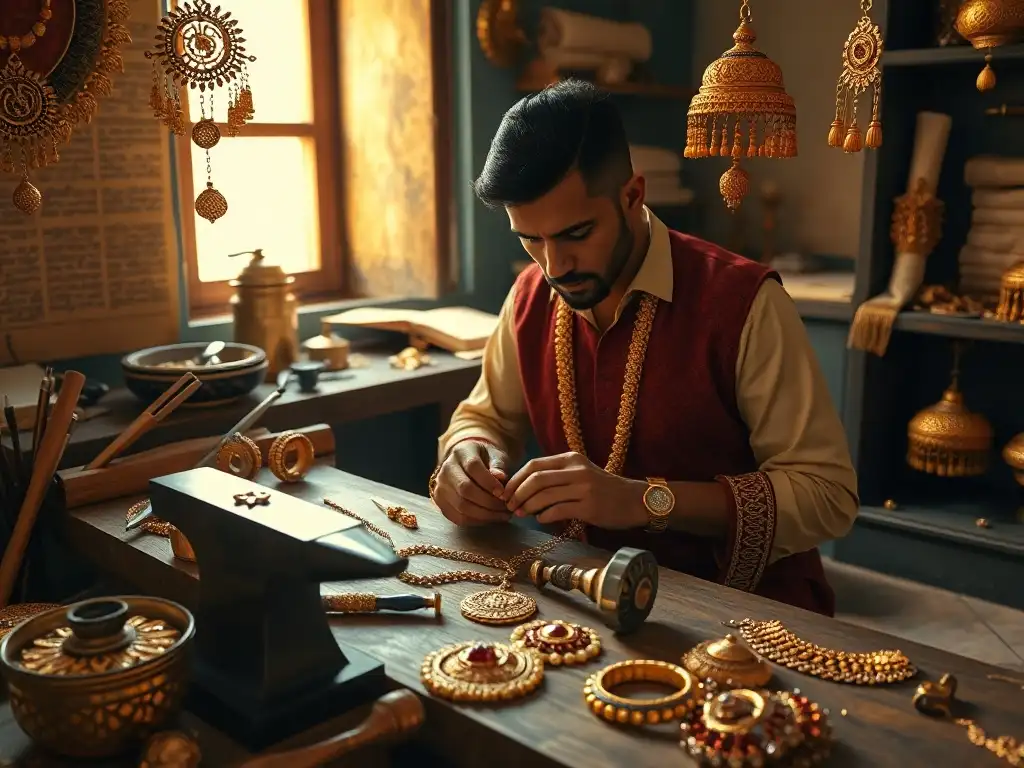
Welcome to Ancient India History, where we embark on a fascinating journey through time to uncover the rich tapestry of India’s ancient civilizations. Discover how the intricate art of goldsmithing not only highlights the craftsmanship of the past but also serves as a remarkable intersection of art and science. In our featured article, “The Techniques of Ancient Indian Goldsmithing: Art Meets Science,” we delve into the innovative methods that defined this exquisite trade and shaped the cultural legacy of the subcontinent.
Prepare to be captivated as we unlock the secrets of these age-old practices and explore their significance in the grand narrative of ancient Indian history. Dive deeper with us and let your curiosity lead the way!
- Introduction to Ancient Indian Goldsmithing Techniques
- Historical Context of Ancient Indian Goldsmithing
- Core Techniques of Ancient Indian Goldsmithing
- Craftsmanship in Ancient Indian Goldsmithing
- Scientific Principles Behind Ancient Indian Goldsmithing Techniques
- Cultural Significance of Goldsmithing in Ancient Indian Society
- Preservation of Ancient Indian Goldsmithing Techniques
- Conclusion: The Legacy of Ancient Indian Goldsmithing Techniques
-
Frequently Asked Questions
- What were the primary techniques used in ancient Indian goldsmithing?
- How did ancient Indian goldsmiths source their materials?
- What role did goldsmiths play in ancient Indian society?
- How did ancient Indian goldsmithing techniques influence modern practices?
- What cultural significance did gold jewelry hold in ancient India?
- Final Reflection: The Enduring Legacy of Ancient Indian Goldsmithing Techniques
- Unveil the Secrets of Ancient Goldsmithing!
Introduction to Ancient Indian Goldsmithing Techniques
Goldsmithing in ancient India represents a fascinating intersection of art and science, showcasing the incredible craftsmanship and innovative techniques that have been passed down through generations. The ancient Indian goldsmiths were not merely artisans; they were pioneers in metallurgy who applied their knowledge to create intricate jewelry, religious artifacts, and decorative items. This article delves into the ancient Indian goldsmithing techniques, illuminating how these methods contributed to the rich cultural tapestry of Indian civilization. From the sophisticated alloying processes to the meticulous methods of ornamentation, we will explore the significance of these techniques in both historical and contemporary contexts.
Overview of Goldsmithing in Ancient India
Goldsmithing in ancient India dates back thousands of years, with evidence of sophisticated techniques emerging as early as the Indus Valley Civilization (around 3300–1300 BCE). Artifacts from this period showcase the advanced skills of metalworkers who created beautiful ornaments and tools.
The evolution of goldsmithing techniques can be categorized into several key phases, including:
- Indus Valley Period: Characterized by the use of gold, silver, and copper, artisans crafted jewelry that often featured intricate designs.
- Mauryan Era: This period saw an increase in trade and cultural exchanges, leading to more refined techniques, such as granulation and filigree.
- Gupta Empire: Goldsmithing reached new heights, with artisans producing not only jewelry but also religious idols and coins, highlighting their skill in both aesthetics and functionality.
Each phase contributed to the development of unique tools and techniques, such as lost-wax casting, which allowed for the creation of complex forms and detailed embellishments.
Importance of Goldsmithing in Ancient Indian Culture
Goldsmithing was not merely a craft but a significant aspect of ancient Indian culture, intertwined with social, religious, and economic facets. The importance of goldsmithing can be summarized as follows:
- Cultural Significance: Jewelry played a vital role in various ceremonies, including weddings and religious rituals, symbolizing prosperity, status, and divine blessings.
- Economic Impact: Goldsmiths were essential to the economy, engaging in trade with other regions, which facilitated cultural exchanges and the spread of techniques.
- Artistic Expression: The intricate designs and craftsmanship displayed in goldsmithing served as a reflection of the artistic sensibilities of the time, with motifs drawn from nature, mythology, and spirituality.
Through the lens of ancient Indian goldsmithing, we gain insights into the technological innovations and cultural values that shaped one of the world’s earliest civilizations. This exploration not only celebrates the aesthetic achievements of goldsmiths but also underscores their role in the development of metallurgy and material science in ancient India.
Historical Context of Ancient Indian Goldsmithing
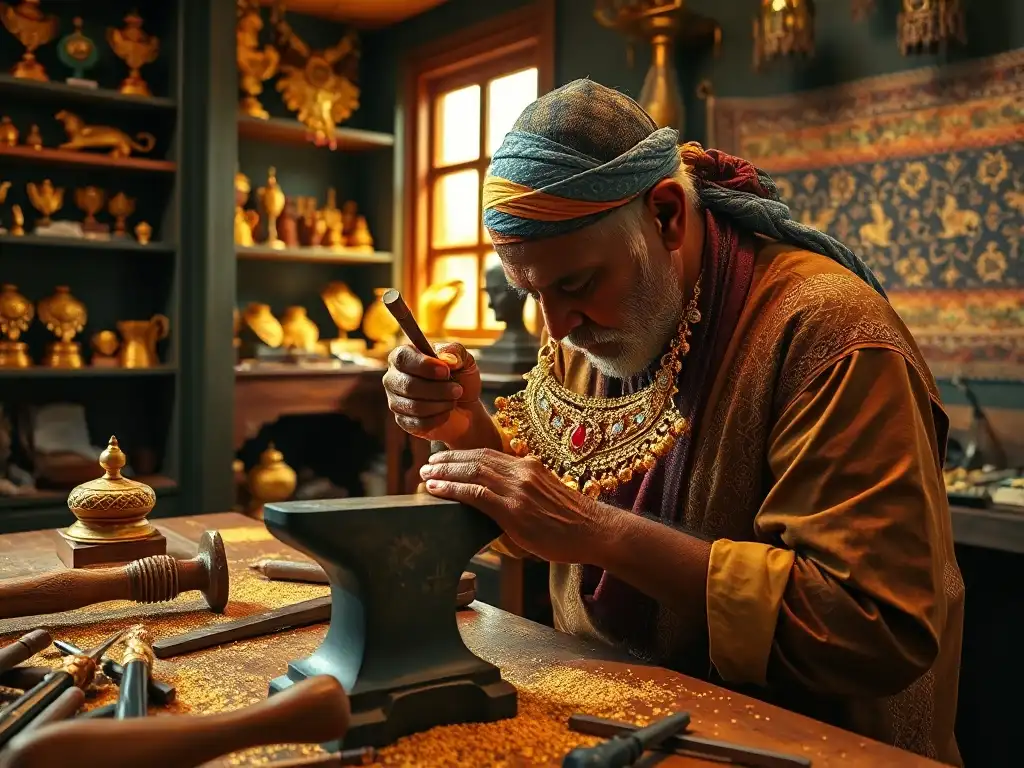
Goldsmithing in ancient India is a fascinating blend of artistry and scientific innovation, reflecting the cultural richness and technological advancements of its time. The art of goldsmithing dates back to the Indus Valley Civilization (circa 3300–1300 BCE), where evidence of sophisticated metalworking techniques has been discovered. Archaeological sites, such as Mohenjo-Daro and Harappa, reveal intricate gold ornaments, suggesting that goldsmiths possessed advanced skills in metallurgy and design.
By the time of the Vedic period (1500–500 BCE), goldsmithing had evolved significantly. Texts like the Rigveda mention gold and its importance in rituals and as currency. The art continued to flourish under various dynasties, including the Maurya and Gupta Empires, which saw a peak in the sophistication of goldsmithing techniques. During this time, goldsmiths developed unique methods for alloying, casting, and ornamentation, contributing to the economy and cultural identity of the regions.
The patronage of royal courts and temples played a crucial role in the advancement of goldsmithing. Artisans were often commissioned to create elaborate jewelry and religious artifacts, which led to the continuous refinement of techniques. As trade routes expanded, exchanges with other cultures introduced new methods and styles, further enriching the craft.
Timeline of Goldsmithing Techniques in Ancient India
| Period | Key Developments |
|---|---|
| Indus Valley Civilization | Earliest evidence of goldsmithing; intricate ornaments and beads. |
| Vedic Period | Mention of gold in religious texts; rise of jewelry as a form of wealth. |
| Maurya Empire (322–185 BCE) | Introduction of new alloys and casting techniques; use of gold coins. |
| Gupta Empire (c. 240–550 CE) | Peak of craftsmanship; development of innovative techniques like granulation and filigree. |
| Medieval Period | Regional styles emerge; influence of Islamic art in goldsmithing. |
The timeline of ancient Indian goldsmithing techniques showcases the evolution of methods and artistry through centuries, reflecting the socio-economic and cultural changes within Indian civilization.
Regional Variations in Goldsmithing Practices
The techniques of ancient Indian goldsmithing varied significantly across different regions, influenced by local resources, cultural practices, and trade connections.
- North India: Characterized by elaborate designs and the use of techniques like Kundal (earrings) and Jhumka (dangling earrings). The use of gold plating over silver was prevalent, showcasing intricate filigree work.
- South India: Notable for its use of temple jewelry, which often featured motifs from mythology and nature. Techniques such as granulation (the process of fusing tiny gold beads to a surface) were widely practiced, creating stunning textures and patterns.
- Western India: Goldsmiths in regions like Gujarat and Maharashtra developed Kundan techniques, where gemstones were set in gold using a special wax process. This intricate method allowed for a seamless integration of jewels within the jewelry.
- Eastern India: Known for its Bengal goldsmithing, which emphasized light and delicate designs. Techniques like Chikan work, involving floral patterns, were popular, showcasing the region's artistic flair.
Each region's distinct style and technique not only reflect the artistic sensibilities of the time but also the socio-economic conditions and cultural influences that shaped the craft of goldsmithing in ancient India.
Core Techniques of Ancient Indian Goldsmithing
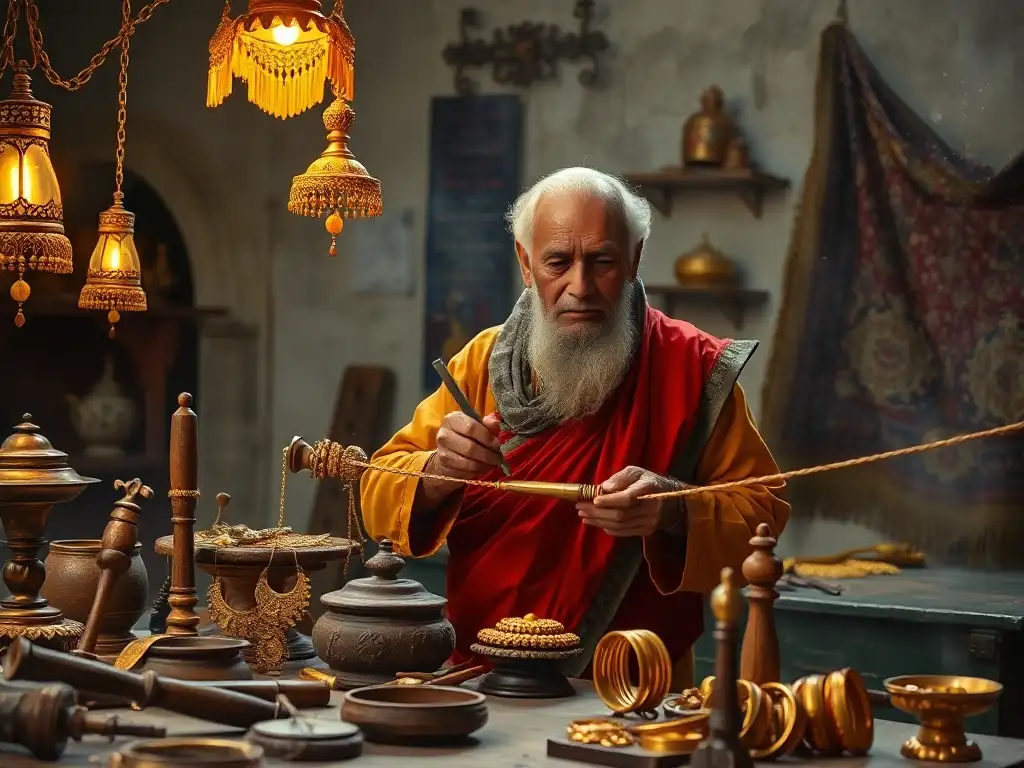
Ancient Indian goldsmithing techniques showcase a remarkable blend of artistry and scientific knowledge, reflecting the high level of craftsmanship achieved by artisans of the time. These techniques not only highlight the aesthetic appeal of gold jewelry but also emphasize the innovative methods employed to extract and refine gold. Understanding these core techniques provides insight into the advanced metallurgical practices prevalent in ancient Indian civilizations.
Traditional Methods of Gold Extraction
Gold extraction in ancient India involved a variety of traditional methods that were both practical and effective. These methods were adapted to the geographical and environmental conditions of the regions where gold was found.
Panning and Sluicing Techniques
Panning and sluicing were among the earliest methods used for gold extraction.
- Panning: This technique involved using a shallow pan filled with river sediments. The artisan would agitate the pan in water, allowing lighter materials to wash away while heavier gold particles settled at the bottom.
- Sluicing: This method utilized a sluice box, a long trough with riffles along the bottom. Water would flow through the box, and as sediment was introduced, gold would be trapped behind the riffles due to its density.
Both techniques required skill and experience, allowing ancient goldsmiths to effectively recover gold from alluvial deposits.
Mining Techniques Used in Ancient India
Mining for gold in ancient India was a more labor-intensive process compared to panning and sluicing. Techniques evolved over centuries to extract gold from underground veins and deposits.
- Open-Pit Mining: This method involved removing overburden to access gold-bearing ore. Workers would dig trenches and pits, often using basic tools made from stone or wood.
- Underground Mining: More sophisticated than open-pit mining, this involved creating tunnels to reach deeper deposits. Miners would use fire-setting techniques, where fire would be applied to rocks to create fractures, making it easier to extract ore.
These mining techniques reflect the ingenuity of ancient Indian civilizations in utilizing available resources to access valuable gold deposits.
Refining Gold: Ancient Techniques
Once gold was extracted, refining it to achieve purity was essential for crafting jewelry. Ancient Indian goldsmithing techniques included various methods for gold refinement.
Cupellation Process
Cupellation is a refining process that was crucial in ancient goldsmithing.
- This method involved heating gold ore in a furnace with lead oxide.
- The lead would absorb impurities and other metals, resulting in a more refined form of gold.
- The process typically occurred in a clay or ceramic cupel, where the molten lead could be easily removed, leaving behind purer gold.
This technique demonstrated the sophisticated understanding of metallurgical processes among ancient Indian artisans.
Use of Mercury in Gold Refining
Mercury was another substance used in ancient gold refining techniques, notably in a process known as amalgamation.
- In this method, gold would be combined with mercury to form an amalgam.
- The amalgam could then be heated, causing the mercury to evaporate and leaving behind pure gold.
While effective, the use of mercury posed significant health risks, which were not fully understood at the time. Nonetheless, it illustrates the complex interplay of art and science in ancient Indian goldsmithing.
These ancient Indian goldsmithing techniques exemplify the rich heritage of metallurgy and material science in the region, highlighting an era where art met science to produce exquisite gold artifacts. The blend of traditional extraction methods and innovative refining processes laid the groundwork for the evolution of goldsmithing and continues to influence modern practices.
Craftsmanship in Ancient Indian Goldsmithing
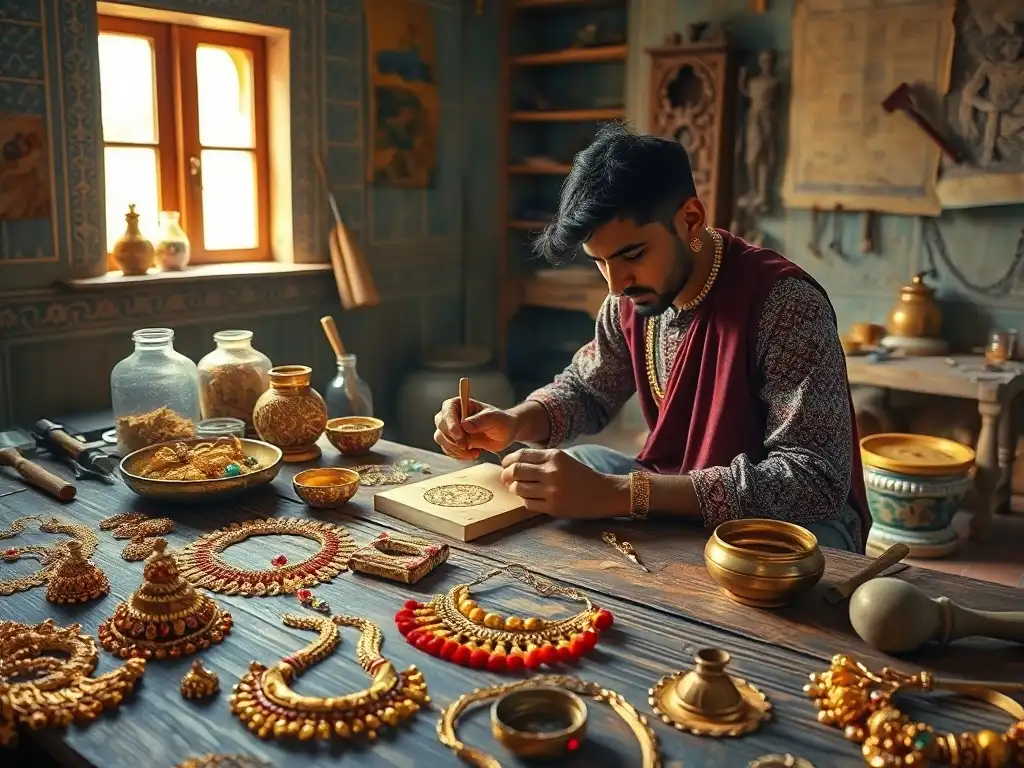
Ancient Indian goldsmithing was a sophisticated craft that blended artistry with advanced metallurgical techniques, reflecting the cultural richness and technological prowess of the civilization. Goldsmiths in ancient India were not merely artisans; they were skilled craftsmen who employed a variety of techniques to create intricate jewelry, ceremonial items, and decorative art pieces. The craftsmanship involved meticulous attention to detail, a deep understanding of materials, and a keen aesthetic sense, all of which contributed to the high status of goldsmiths in society.
The art of goldsmithing was often passed down through generations, with families specializing in specific techniques and styles. This tradition ensured the preservation of knowledge and skills, allowing for innovation while maintaining a connection to ancestral practices. Ancient texts, such as the Manasollasa and Arthashastra, provide insights into the methods and materials used, indicating a well-established system of training and craft specialization.
Tools and Equipment Used by Ancient Goldsmiths
Ancient Indian goldsmiths utilized a range of tools that were essential for their craft. These tools were primarily handmade and designed to suit specific tasks in the goldsmithing process. Some of the key tools included:
- Hammers and Mallets: Used for shaping and forming gold into desired shapes.
- Anvils: Essential for hammering and forging gold pieces.
- Files and Rasps: Employed for smoothing and refining edges and surfaces.
- Tongs: Used to hold hot metal securely during processes like forging.
- Bellow: A device used to increase airflow in furnaces, enhancing the temperature for melting gold.
These tools enabled goldsmiths to perform intricate tasks, from the initial shaping of gold ingots to the final polishing of jewelry. The craftsmanship was not only about the final product but also about the skillful manipulation of tools to achieve precision and beauty.
Techniques of Goldsmithing: From Casting to Forging
The techniques of ancient Indian goldsmithing spanned various methods, each serving unique purposes in the creation of jewelry and artifacts. The primary techniques included casting, forging, and finishing, with several specialized methods enhancing these processes.
Lost-Wax Casting Method
One of the most remarkable techniques used in ancient Indian goldsmithing was the lost-wax casting method, known locally as cire perdue. This method involved creating a model of the desired object in wax, which was then encased in a clay mold. The mold was heated, causing the wax to melt and escape, leaving a cavity in the shape of the original model. Molten gold was then poured into this cavity, creating a solid gold replica of the model.
This technique allowed for intricate designs and fine details, making it ideal for producing detailed jewelry pieces and religious idols. The lost-wax casting method exemplified the intersection of art and technology, showcasing the advanced understanding of materials and heat treatment among ancient Indian goldsmiths.
Sheet Gold Techniques: Raising and Soldering
In addition to casting, ancient goldsmiths employed several techniques involving sheet gold, notably raising and soldering.
- Raising: This process involved hammering and stretching gold sheets to create three-dimensional forms, such as bowls or vessels. Through controlled deformation, goldsmiths could achieve remarkable shapes while maintaining the integrity of the metal.
- Soldering: This technique was essential for joining pieces of gold together. Ancient goldsmiths utilized a method where a lower-melting-point alloy was used to bond gold pieces. This allowed for the creation of complex designs and multi-layered jewelry, contributing to the aesthetic appeal and structural integrity of the final products.
These sheet gold techniques demonstrated not only the technical skills of ancient goldsmiths but also their creativity and innovative spirit in producing exquisite jewelry that remains celebrated to this day.
Scientific Principles Behind Ancient Indian Goldsmithing Techniques
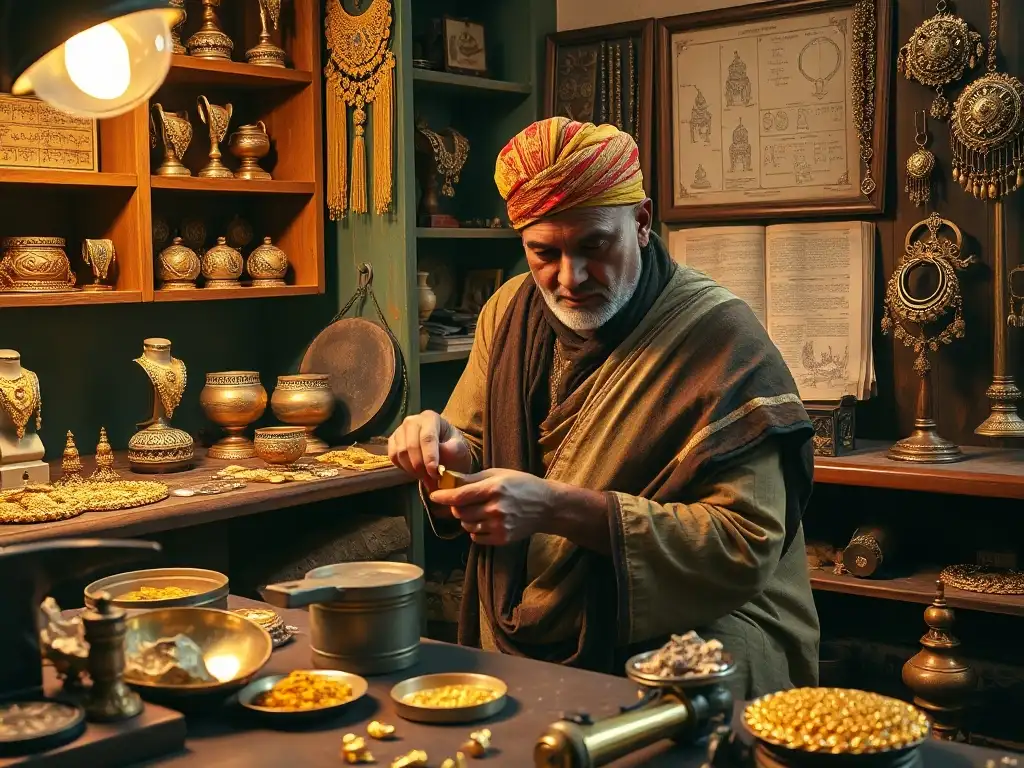
Ancient Indian goldsmithing techniques were not merely artistic expressions but were deeply rooted in scientific principles that guided the work of skilled artisans. The intricate relationship between art and science in this discipline is evident in the methods employed for refining, alloying, and shaping gold.
Goldsmiths in ancient India utilized a variety of metallurgical processes, such as melting, casting, forging, and alloying. These processes were not only essential for crafting exquisite jewelry but also for ensuring the durability and aesthetic appeal of the final products.
Metallurgical Knowledge in Ancient India
The metallurgical knowledge of ancient Indian goldsmiths was sophisticated, showcasing their understanding of the physical and chemical properties of metals. They possessed insights into:
- Melting Points: Goldsmiths accurately determined the melting points of various metals, allowing them to create alloys with desired characteristics.
- Heat Treatment: Techniques such as annealing were employed to relieve internal stresses in metals, making them more workable and less brittle.
- Quenching and Tempering: These processes were used to enhance the hardness and strength of metal, which were crucial for crafting intricate designs.
The advancement in metallurgy is exemplified by the Zinc distillation process in Rajasthan, which allowed for the production of high-quality brass and other alloys, demonstrating the interconnection between goldsmithing and metallurgy.
The Role of Alloys in Goldsmithing
Alloys played a pivotal role in ancient Indian goldsmithing, enabling artisans to enhance the properties of gold and create stunning jewelry pieces. By combining gold with other metals, goldsmiths could achieve specific attributes such as color, durability, and workability.
Common Alloys Used by Ancient Goldsmiths
Ancient goldsmiths often utilized several alloys, each serving a unique purpose:
- Gold-Silver Alloy (Electrum): This naturally occurring alloy was favored for its bright appearance and was often used in coins and ceremonial objects.
- Gold-Copper Alloy: Adding copper to gold increased its hardness and strength, making it more suitable for intricate designs and everyday jewelry.
- Gold-Zinc Alloy: This alloy was particularly valued for its pale yellow color and was common in decorative items and jewelry.
The choice of alloy depended on the desired characteristics of the final product, reflecting the goldsmiths' expertise in material science.
Benefits of Using Alloys in Goldsmithing
The use of alloys in ancient Indian goldsmithing offered several benefits:
- Enhanced Durability: Alloys were less prone to wear and tarnish, ensuring that the jewelry maintained its beauty over time.
- Aesthetic Versatility: The ability to create different colors and finishes allowed goldsmiths to cater to varying tastes and preferences.
- Cost Efficiency: By alloying gold with less expensive metals, artisans could create beautiful pieces at a more affordable cost.
In essence, the scientific principles underlying ancient Indian goldsmithing techniques underscore a remarkable fusion of art and science, showcasing the ingenuity of craftsmen who shaped an enduring legacy in metallurgy and material science.
Cultural Significance of Goldsmithing in Ancient Indian Society
Goldsmiths in Ancient Indian Society: Status and Roles
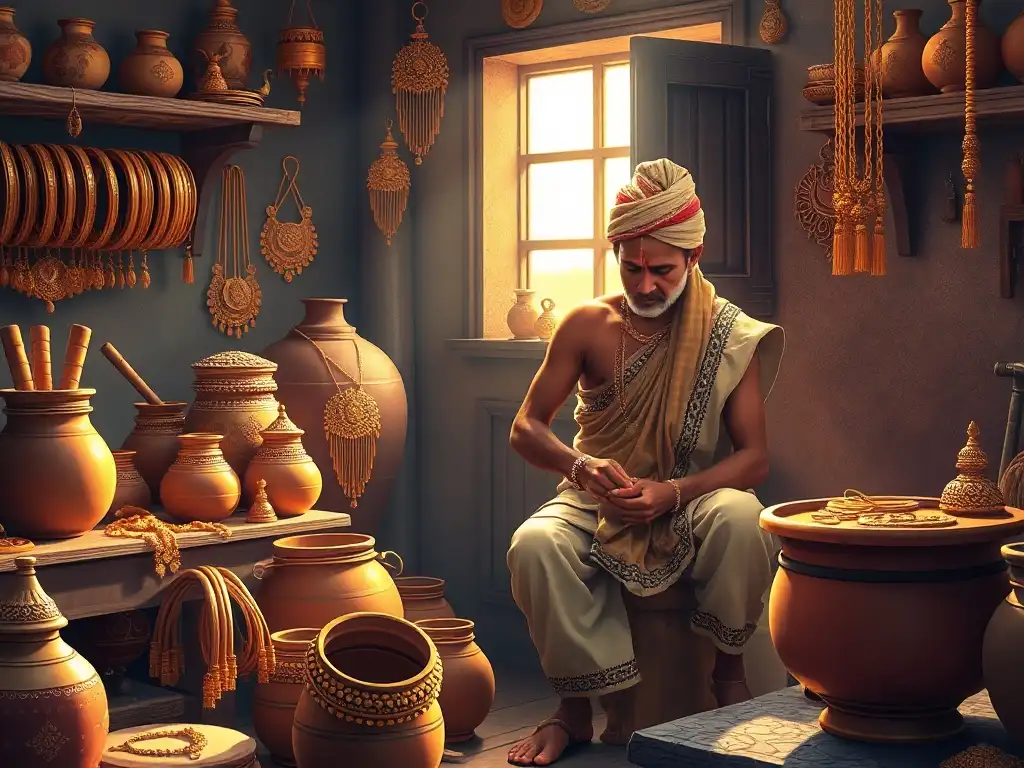
In ancient India, goldsmiths held a prestigious position within society, often regarded as both artisans and custodians of wealth. Their craft was not only a means of livelihood but also a reflection of their skill and artistry. Goldsmiths often belonged to specific guilds, known as "shrenis," which regulated their practices and maintained standards. These guilds provided a framework for training and the exchange of knowledge, ensuring the continuity of ancient Indian goldsmithing techniques.
Goldsmiths played a crucial role in the economy, as gold was a staple form of currency and a symbol of wealth. Their work involved crafting intricate jewelry, ceremonial items, and decorative artifacts, which were highly valued in both domestic and trade contexts. For example, during the Mauryan period, goldsmiths contributed significantly to the economy by producing coins that facilitated trade across vast regions.
Beyond their economic contributions, goldsmiths also occupied a unique social space. They were often consulted in matters related to wealth and status, and their expertise was sought in creating personalized pieces for patrons. This elevated their status, allowing them to engage with the elite members of society, including royalty and nobility. The relationship between goldsmiths and their patrons often resulted in the commissioning of grand works that showcased both the wealth of the patron and the skill of the artisan.
Symbolism of Gold in Religion and Rituals
Gold has always held profound significance in the religious and cultural practices of ancient India. Its association with purity, prosperity, and divinity made it a central element in various rituals and ceremonies. In Hinduism, for instance, gold is often linked to the goddess Lakshmi, who represents wealth and prosperity. As a result, goldsmiths produced a plethora of religious artifacts, including idols, jewelry for deities, and decorative items for temples.
The use of gold in rituals extended beyond mere adornment; it was considered a conduit for divine blessings. Gold ornaments were frequently used in weddings and other auspicious ceremonies, symbolizing not only wealth but also the sanctity of the occasion. For instance, the traditional "mangal sutra," a sacred necklace worn by brides, is often made of gold, signifying marital commitment and prosperity.
In addition to Hindu practices, gold also played a significant role in Buddhism and Jainism. Statues of Buddha and other religious figures were often crafted from gold, reflecting the reverence for these figures and the belief in their spiritual power. Furthermore, gold was used in various offerings and as part of the treasure in stupas and temples, symbolizing the devotees' devotion and the hope for spiritual merit.
The intricate designs and craftsmanship of gold items not only served aesthetic purposes but also conveyed deeper meanings and stories, often depicting mythological scenes or symbolic motifs. This rich tapestry of cultural significance underscores the importance of ancient Indian goldsmithing techniques, which blended artistry with spiritual and social dimensions, creating a legacy that continues to inspire contemporary artisans.
Preservation of Ancient Indian Goldsmithing Techniques
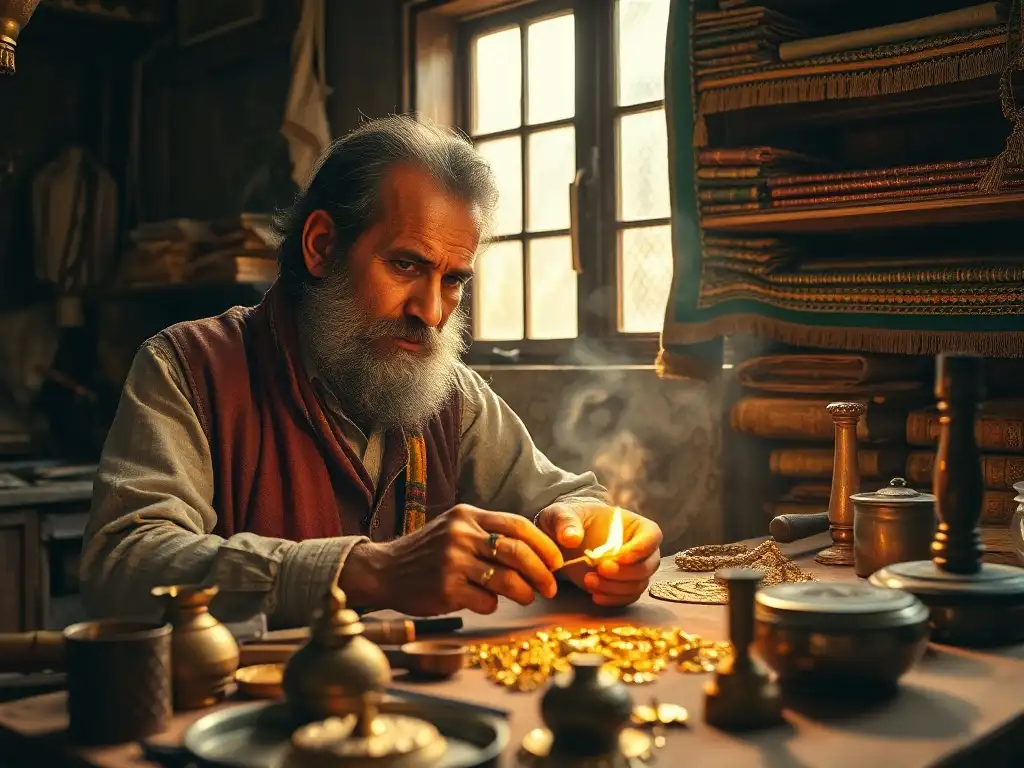
The preservation of ancient Indian goldsmithing techniques is crucial for maintaining the cultural heritage and craftsmanship that have evolved over millennia. These techniques, characterized by their sophistication and intricacy, are not only a reflection of artistic expression but also demonstrate advanced metallurgical knowledge.
Influence on Modern Goldsmithing Practices
The impact of ancient Indian goldsmithing techniques on modern practices is profound. Many contemporary goldsmiths in India still employ methods that can be traced back to ancient times. For instance, the lost-wax casting technique, known as cire perdue, is a hallmark of ancient Indian jewelry making. This method allows artisans to create intricate designs, enabling the production of detailed and unique pieces that are sought after in today's market.
Key ancient techniques influencing modern practices include:
- Granulation: This technique involves fusing tiny gold granules onto a base, creating a textured surface. Modern jewelers often use granulation to enhance the aesthetic appeal of contemporary jewelry.
- Filigree: The art of twisting and weaving thin gold wires into elaborate designs has its roots in ancient practices. Today, filigree remains popular, especially in traditional Indian jewelry.
- Kundan and Meenakari: These techniques involve setting gemstones in gold and using enamel for decorative purposes. They are widely used in modern Indian jewelry, preserving the artistry of ancient craftsmanship.
The blend of ancient methods with modern technology has allowed artisans to innovate while honoring traditional techniques, making them relevant in today’s fashion landscape.
Efforts to Preserve Ancient Techniques in Contemporary India
Preserving ancient Indian goldsmithing techniques is a multifaceted endeavor that involves education, documentation, and community engagement. Various initiatives are underway to ensure these techniques are not lost to modernity.
Key efforts include:
- Training Programs: Organizations and artisans are establishing workshops and training programs aimed at educating the younger generation in ancient goldsmithing techniques. This hands-on training ensures that the intricate skills are passed down effectively.
- Documentation and Research: Scholars and craftsmen are collaborating to document ancient techniques through detailed studies and publications. This documentation serves as a valuable resource for future generations and helps in understanding the scientific principles behind these methods.
- Support for Artisans: Government and non-governmental organizations are providing support to artisans through funding and resources. This helps sustain traditional practices in the face of modernization and economic pressures.
- Cultural Festivals: Events celebrating traditional crafts often feature goldsmithing demonstrations, raising awareness about ancient techniques and their significance. These festivals not only promote cultural heritage but also encourage community involvement.
Through these efforts, the rich legacy of ancient Indian goldsmithing techniques is not only preserved but also celebrated, ensuring that the art meets science in a harmonious blend that continues to inspire future generations.
Conclusion: The Legacy of Ancient Indian Goldsmithing Techniques
Summary of Key Points
Ancient Indian goldsmithing techniques represent a fascinating intersection of art, science, and culture that has left an indelible mark on both Indian society and global craftsmanship. Key points regarding these techniques include:
- Skillful Craftsmanship: Ancient goldsmiths employed a variety of intricate methods, such as lost-wax casting, granulation, and damascening, showcasing their exceptional skills and attention to detail.
- Material Knowledge: A deep understanding of materials was crucial. Goldsmiths utilized not only gold but also silver and other alloys, often enhancing durability and aesthetic appeal through sophisticated combinations.
- Symbolism and Functionality: The products of ancient goldsmithing were not merely decorative. They held significant cultural and religious symbolism, serving as offerings in temples or as tokens of wealth and status.
- Trade and Influence: Ancient Indian goldsmithing techniques influenced regions far beyond the Indian subcontinent, affecting practices in Persia, the Middle East, and Southeast Asia through trade routes.
The Lasting Impact of Ancient Indian Goldsmithing on Modern Craftsmanship
The legacy of ancient Indian goldsmithing techniques continues to resonate in modern craftsmanship, influencing contemporary artisans and jewelers. The intricate methods and rich symbolism have inspired a revival of traditional techniques, blending them with modern aesthetics. Key aspects of this lasting impact include:
- Revival of Techniques: Many artisans today are revisiting ancient practices, such as meena-kari (enameling) and jadau (setting uncut gemstones), which are cherished for their beauty and craftsmanship.
- Cultural Heritage: The techniques imbue modern jewelry with a sense of history and cultural significance, appealing to consumers seeking authenticity and connection to heritage.
- Innovation in Design: Contemporary goldsmiths are merging ancient techniques with modern technology, creating innovative designs that respect tradition while appealing to today's market.
- Sustainable Practices: The focus on traditional methods often aligns with modern values of sustainability and ethical sourcing, as many ancient practices emphasize the use of locally sourced materials and techniques that minimize waste.
In essence, the techniques of ancient Indian goldsmithing not only represent a remarkable artistic and scientific achievement in their time but also continue to shape the landscape of modern jewelry-making, ensuring that this rich legacy endures for future generations.
Frequently Asked Questions
What were the primary techniques used in ancient Indian goldsmithing?
Ancient Indian goldsmithing techniques included lost-wax casting, granulation, and filigree. These methods allowed artisans to create intricate designs and detailed pieces of jewelry.
How did ancient Indian goldsmiths source their materials?
Goldsmiths in ancient India sourced their materials from local mines and trade routes. They often used high-quality gold and imported gems to enhance their creations.
What role did goldsmiths play in ancient Indian society?
Goldsmiths held a significant position in ancient Indian society, as they were not just craftsmen but also contributed to the economy through trade and the creation of valued items like jewelry and religious artifacts.
How did ancient Indian goldsmithing techniques influence modern practices?
The techniques developed by ancient Indian goldsmiths, such as filigree and granulation, continue to influence contemporary jewelry-making, blending traditional craftsmanship with modern aesthetics.
What cultural significance did gold jewelry hold in ancient India?
Gold jewelry was a symbol of wealth, status, and prosperity in ancient India. It played a vital role in religious ceremonies and was often used as offerings or in wedding rituals.
Final Reflection: The Enduring Legacy of Ancient Indian Goldsmithing Techniques
The techniques of ancient Indian goldsmithing are not merely relics of the past; they are a testament to the remarkable intersection of art and science that continues to resonate in today's world. As we explore the intricate craftsmanship and innovative methods employed by ancient artisans, we uncover a rich heritage that informs contemporary practices and inspires modern artisans to blend tradition with innovation. The precision and creativity inherent in these techniques remind us that the past is not a distant memory but a living influence shaping our present.
The cultural and social landscape has been profoundly influenced by the artistry of ancient Indian goldsmiths, whose techniques have transcended time and borders. The intricate designs and methods they perfected have not only contributed to the aesthetic value of jewelry but have also played a significant role in cultural identity and economic exchange.
As we reflect on this legacy, we are reminded of the words of the renowned art historian, "Art is the most beautiful of all lies." > This encapsulates the idea that the beauty of these ancient techniques lies in their ability to tell stories and evoke emotions that connect us to our shared human experience.
As we conclude, I invite you to reflect on the lessons embedded in the art of ancient Indian goldsmithing. Consider how you can incorporate the principles of craftsmanship, creativity, and cultural appreciation into your own life. Whether you are an artist, a historian, or simply someone who values the beauty of handmade creations, let the legacy of these techniques inspire you to explore the depths of your own creativity and to honor the traditions that have shaped our world. Embrace the art that meets science, and allow it to guide you on your journey of discovery and expression.
Unveil the Secrets of Ancient Goldsmithing!
Thank you for diving into the fascinating world of ancient Indian goldsmithing with us! You've explored the intricate blend of artistry and craftsmanship that has shaped this timeless tradition. Now, it’s time to take the next step and truly connect with this awe-inspiring heritage.
Here’s how you can immerse yourself deeper:
- Join a local workshop or class to learn traditional goldsmithing techniques firsthand. Experience the art for yourself!
- Visit a museum that showcases ancient Indian artifacts or hosts goldsmithing exhibitions to appreciate the beauty of this craft up close.
- Share your insights about ancient goldsmithing on social media or with friends—initiate a conversation that raises awareness about this skilled artistry.
As you reflect on the ingenuity of these ancient techniques, consider this question: What aspect of ancient goldsmithing inspires you the most, and how could you incorporate its principles into your own creative endeavors?