
The Impact of Ancient Indian Theater on Modern Performing Arts

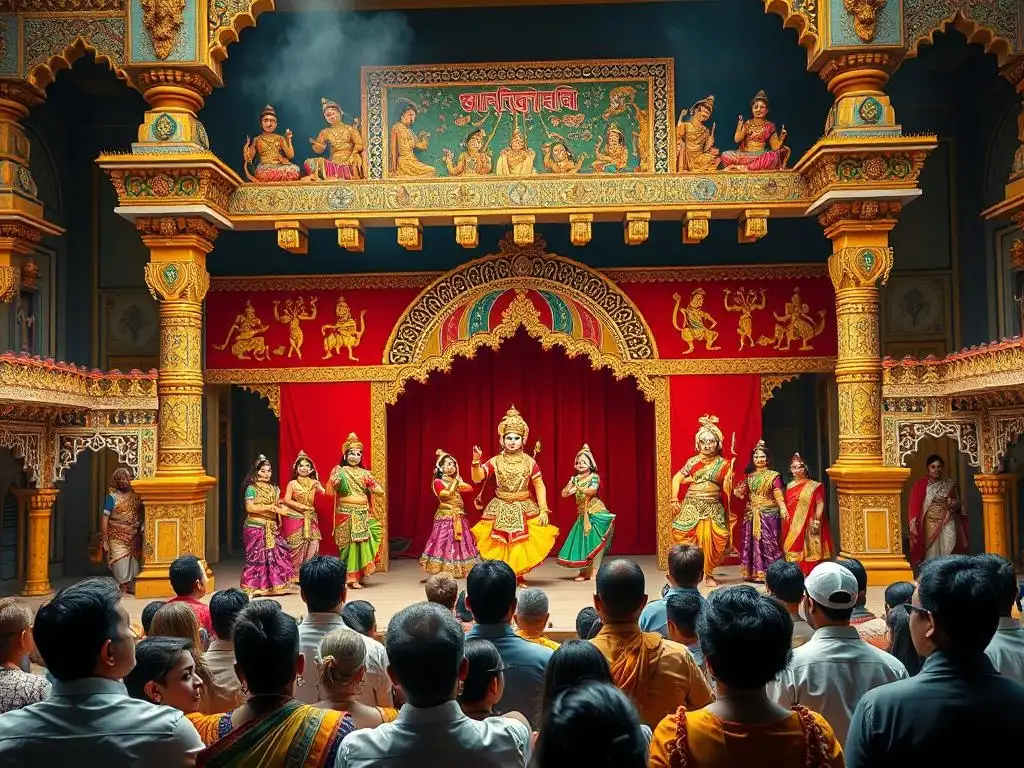
Welcome to Ancient India History, your gateway to uncovering the rich tapestry of ancient Indian civilizations! Here, we delve into the profound influence of Ancient Indian theater, a captivating art form that has shaped modern performing arts in ways you may never have imagined. From the intricate narratives of the Indus Valley to the theatrical innovations of the Gupta Empire, each thread of history reveals a story waiting to be explored.
Join us as we embark on this enlightening journey, and discover how the echoes of ancient performances continue to resonate in today's creative expressions. Ready to be inspired? Let's dive deeper!
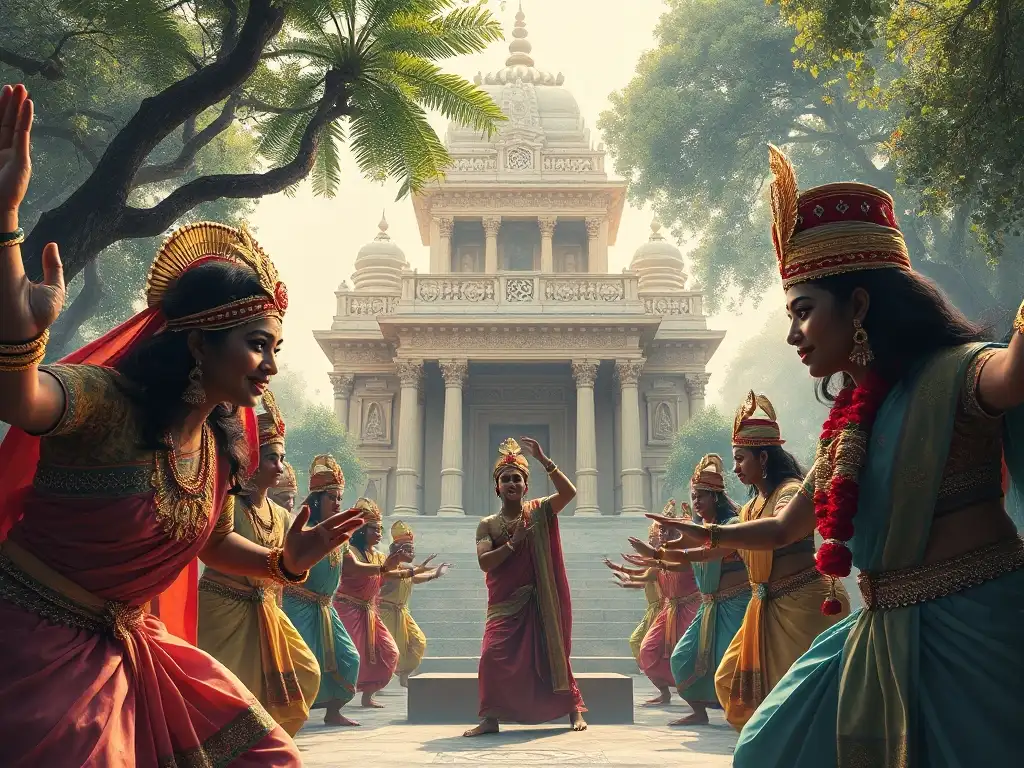
Introduction to Ancient Indian Theater Influence
The influence of ancient Indian theater on modern performing arts is a topic that unveils a rich tapestry of cultural heritage, innovation, and artistic expression. Spanning thousands of years, ancient Indian theater has not only shaped the performing arts landscape in India but has also left an indelible mark on global theatrical traditions.
From the intricate narratives of the Natya Shastra to the dynamic performances of classical dance forms, the legacy of ancient Indian theater continues to resonate in contemporary art forms. This article delves into the profound impact of ancient Indian theater, exploring its definitions, historical significance, key elements, and the thematic richness that has inspired countless artists around the world.
Definition of Ancient Indian Theater
Ancient Indian theater encompasses a variety of performance arts that include drama, dance, and music, deeply rooted in the cultural and religious practices of the time. It is defined not just by the performances themselves but by the philosophical and aesthetic principles that govern them.
Central to this art form is the concept of Rasa, which refers to the emotional essence of a performance, allowing audiences to experience a wide range of feelings from joy to sorrow. Ancient Indian theater is characterized by its unique blend of storytelling, visual art, and music, creating an immersive experience that transcends mere entertainment.
Historical Overview of Theater in Ancient India
The origins of theater in ancient India can be traced back to the Vedic period, where it was closely intertwined with religious rituals and storytelling traditions. The emergence of the Natya Shastra, attributed to the sage Bharata Muni around the 2nd century BCE, marks a pivotal moment in the development of Indian theater. This extensive treatise not only codified the principles of dramatic art but also outlined the various forms, techniques, and aesthetics involved in performance.
As time progressed, different regional styles began to flourish, influenced by local traditions and languages. The classical Sanskrit drama of the Gupta Empire, exemplified by playwrights like Kalidasa, further enriched this art form, blending poetry with performance. Ancient theaters, such as those in Ujjain and Kashi, became cultural hubs where artists showcased their talents, and audiences engaged with the dramatic arts.
Significance of Theater in Ancient Indian Culture
Theater played a vital role in ancient Indian society, serving not only as a form of entertainment but also as a medium for social commentary and cultural preservation. It was instrumental in conveying moral lessons, exploring philosophical themes, and reflecting the socio-political climate of the time.
Moreover, theater was often a communal activity, fostering a sense of unity and shared experience among spectators. It provided a platform for diverse voices, allowing different communities to express their narratives through performance. The interplay of religion, mythology, and folklore in ancient Indian theater further emphasizes its significance as a cultural touchstone, shaping the identity and values of society.
Key Elements of Ancient Indian Theater
Forms of Ancient Indian Theater: Natya, Natyashastra, and More
Ancient Indian theater is characterized by various forms that have evolved over centuries. The Natya Shastra remains a foundational text, detailing the various genres of performance, including Natya (drama), Nritta (pure dance), and Nritya (expressive dance). These forms highlight the multifaceted nature of ancient theater, where drama is interwoven with dance and music.
Other notable forms include Kutiyattam, a traditional Sanskrit theater form from Kerala, and Yakshagana, a folk theater form from Karnataka that combines dance, music, and dialogue. Each of these forms has its own distinct characteristics, yet they all draw from the rich traditions established in ancient India, showcasing the diversity and creativity of Indian performing arts.
The Role of Music and Dance in Ancient Indian Theater
Music and dance are integral components of ancient Indian theater, enhancing the narrative and emotional depth of performances. The use of instruments such as the mridangam, veena, and flute creates a rhythmic backdrop that complements the dialogue and action on stage.
Dance, often characterized by intricate footwork and expressive hand gestures (mudras), serves to convey emotions and narrative elements visually. The fusion of music, dance, and drama not only captivates audiences but also immerses them in a holistic artistic experience that highlights the beauty and complexity of the stories being told.
Themes and Stories Portrayed in Ancient Indian Performances
Ancient Indian theater is rich in themes that reflect the complexities of human experience. Common narratives revolve around mythology, epics, love, dharma (duty), and moral dilemmas, often drawing inspiration from texts like the Mahabharata and the Ramayana.
Performances often explored the dualities of life, such as good versus evil and love versus loss, allowing audiences to connect deeply with the characters and their journeys. This thematic richness ensures that ancient Indian theater remains relevant, as contemporary artists continue to draw inspiration from these timeless stories, adapting them to modern contexts while preserving their essence.
Ancient Indian Theater Influence on Modern Performing Arts
Ancient Indian theater has left an indelible mark on modern performing arts, shaping various aspects of dramatic expression and performance styles. This influence can be traced through historical texts, theatrical forms, and the philosophical underpinnings of performance that originated in ancient times. The rich tapestry of Sanskrit drama, folk traditions, and regional performances has woven itself into the fabric of contemporary theater, offering a diverse range of narratives, techniques, and aesthetics that continue to inspire artists today. Understanding this influence requires an exploration of how ancient practices have been preserved, adapted, and transformed into modern contexts.
Direct Lineage: Traditional Forms in Contemporary Theater
The direct lineage of ancient Indian theater can be observed in the preservation of traditional forms such as Kathakali, Bharatanatyam, and Yakshagana. These art forms are not merely relics of the past; they have evolved and integrated into contemporary theater movements while retaining their core narratives and stylistic features.
- Sanskrit Drama: The foundational texts of ancient Indian drama, particularly those written by playwrights like Kalidasa and Bhasa, laid the groundwork for narrative structures and character development that are still relevant today. Modern playwrights often draw inspiration from these works, adapting plots and themes to reflect contemporary societal issues.
- Folk Traditions: Regional folk theater forms, such as Nautanki and Tamasha, continue to thrive and have influenced modern theater through their vibrant storytelling and music. These forms often address social and political themes, echoing the concerns of today’s audiences while maintaining their traditional roots.
Through this lineage, contemporary theater practitioners have access to a rich reservoir of techniques, motifs, and storytelling methods that enhance the depth and variety of modern performances.
The Integration of Ancient Techniques in Modern Performance
Ancient Indian theater techniques, such as mudras (hand gestures), bhava (emotions), and abhinaya (expression), have been integrated into modern performances, enriching the theatrical experience.
- Physicality and Movement: The emphasis on physical storytelling in ancient performances informs modern choreography and movement-based theater. Contemporary directors often incorporate classical dance elements, allowing for a fusion of dance and drama that captivates audiences.
- Narrative Techniques: The use of non-linear narratives and episodic storytelling found in ancient texts has influenced modern playwrights' approaches to plot structure. This technique encourages audience engagement and reflection, as seen in many contemporary works that challenge conventional storytelling methods.
By blending these ancient techniques with modern sensibilities, today’s theater artists create performances that resonate with both historical significance and contemporary relevance.
Influence on Global Theater Practices
The influence of ancient Indian theater extends beyond national boundaries, impacting global theater practices.
- Cultural Exchange: The Silk Route facilitated the exchange of artistic ideas, including theatrical practices, between India and other cultures, notably in Southeast Asia. This exchange led to the development of unique forms like Wayang Kulit in Indonesia, which reflects the storytelling traditions of ancient Indian theater.
- Modern Adaptations: International theater companies have begun to adapt ancient Indian texts for global audiences, showcasing the universal themes of love, conflict, and morality. Productions inspired by ancient works often utilize traditional Indian music and dance, creating a cross-cultural dialogue that enriches global performing arts.
The global embrace of ancient Indian theater underscores its timeless relevance and the ability to transcend cultural boundaries.
Case Studies of Ancient Indian Theater Influence
Example 1: "The Mahabharata" Adaptations
"The Mahabharata," an ancient Indian epic, has inspired numerous adaptations across the world, both in theater and other performance arts.
- Theatrical Productions: Renowned directors like Peter Brook have created groundbreaking adaptations of "The Mahabharata," combining traditional Indian performance techniques with contemporary staging. Brook’s work emphasizes the epic’s themes of duty and morality, engaging audiences with its philosophical depth.
- Cultural Reinterpretations: Various Indian theater companies have produced their interpretations, incorporating local dialects, music, and dance forms. These adaptations not only preserve the essence of the original text but also make it accessible to modern audiences, demonstrating the continuing relevance of ancient narratives.
Example 2: "Taramati: The Legend of a Courtesan"
"Taramati: The Legend of a Courtesan" is a contemporary musical that draws inspiration from the historical figure of Taramati, a legendary courtesan of the medieval period.
- Fusion of Styles: This production seamlessly blends classical Indian dance forms, such as Odissi and Kathak, with modern theatrical techniques. The narrative highlights Taramati's journey, illustrating themes of love, sacrifice, and empowerment.
- Audience Engagement: By weaving ancient stories into modern performance contexts, "Taramati" captivates contemporary audiences and invites them to explore the cultural heritage of India. This approach exemplifies how ancient influences can be revitalized in modern storytelling, ensuring their continued impact on the performing arts.
Through these case studies, it is evident that ancient Indian theater not only shapes modern performance but also provides a framework for exploring complex human emotions and societal issues, reinforcing its enduring legacy in the world of arts.
Comparisons: Ancient Indian Theater and Other Global Theater Traditions
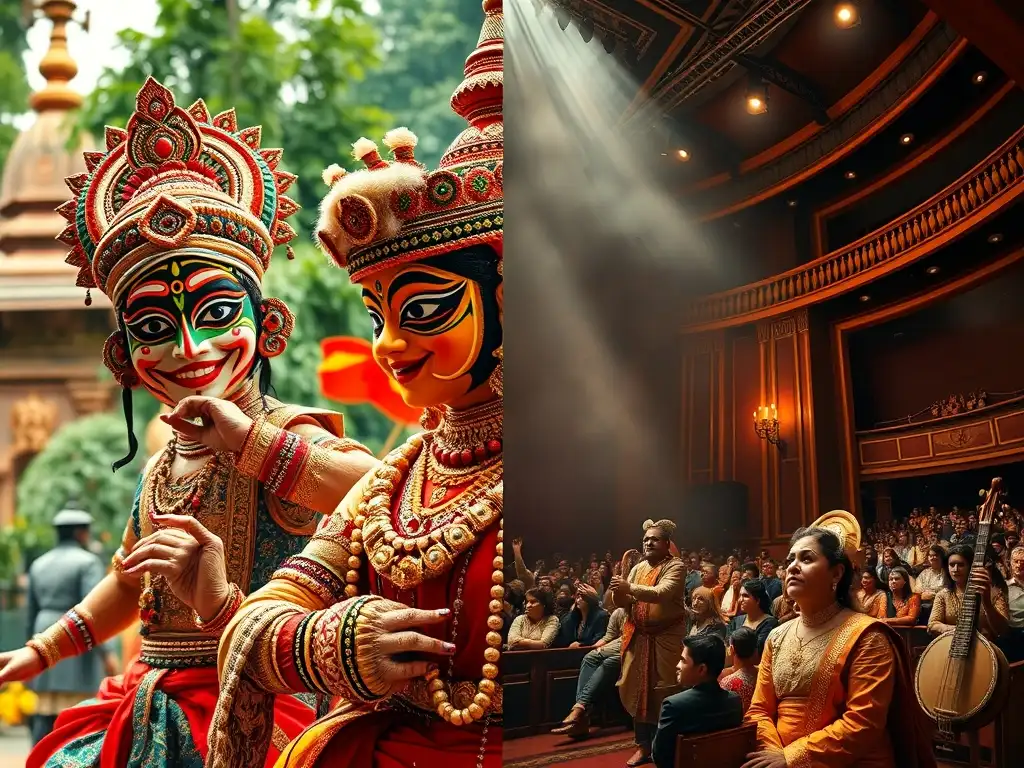
The exploration of ancient Indian theater reveals both unique characteristics and similarities with global theater traditions. As an art form, theater has evolved independently within various cultures, often incorporating local beliefs, practices, and storytelling methods. Understanding these comparisons provides insight into the broader context of performing arts.
Similarities with Greek and Roman Theater
Ancient Indian theater shares notable similarities with Greek and Roman theater, particularly in its use of performance to reflect societal values and convey moral lessons. Both traditions employed elaborate storytelling techniques, integrating poetry, music, and dance into their performances. The use of masks and costumes was prevalent in both cultures to enhance the emotional impact of the narratives.
Additionally, the themes explored in ancient Indian plays, such as love, duty, and morality, resonate with those found in Greek tragedies and comedies. For instance, the concept of dharma (duty) in Indian theater parallels the Greek notion of fate, showcasing how both cultures grappled with ethical dilemmas through dramatic narratives.
Furthermore, the presence of a chorus in ancient Indian theater, akin to the Greek chorus, served as a narrative device to comment on the action and engage the audience, illustrating the interactive nature of both theatrical forms.
Unique Aspects of Ancient Indian Theater
Ancient Indian theater is characterized by its distinct features that set it apart from other global traditions. One of the most prominent aspects is the integration of Natyashastra, the seminal text on performing arts attributed to Bharata Muni, which outlines the principles of drama, dance, and music. This comprehensive framework established the foundations of classical Indian theater, emphasizing the importance of rasa (emotional essence) in performance.
Another unique element is the use of Kathakali and Koodiyattam, which are traditional dance-dramas that combine storytelling with elaborate gestures and facial expressions. These forms prioritize visual storytelling, relying heavily on the physicality of the performers to convey complex narratives without the sole reliance on dialogue.
Moreover, ancient Indian theater often incorporated spiritual and philosophical themes reflective of Hindu, Buddhist, and Jain traditions, promoting the transcendental aspects of existence. This spiritual dimension is less emphasized in Western theater, highlighting a significant cultural divergence in thematic exploration.
Cross-Cultural Influences and Exchanges
Throughout history, ancient Indian theater engaged in dynamic exchanges with other cultures, leading to mutual influence and enrichment. The trade routes connecting India with Persia, Greece, and beyond facilitated the sharing of artistic ideas and practices. For instance, the influence of Persian theater can be observed in the narrative structures and aesthetic elements of Indian performance.
The spread of Buddhism also played a pivotal role in this cross-cultural exchange. As Buddhist monks traveled along the Silk Road, they carried with them not only religious teachings but also performance traditions that merged with local customs in various regions. This amalgamation can be traced in the evolution of folk theater forms across Asia, showcasing the adaptability and resilience of ancient Indian theater.
While ancient Indian theater has significantly influenced neighboring regions, it has also absorbed elements from other traditions, resulting in a rich tapestry of performance art that transcends cultural boundaries.
Challenges and Revivals in Modern Performing Arts
As the performing arts landscape evolves, ancient Indian theater faces numerous challenges that threaten its preservation and practice. However, various initiatives and movements aim to revive and celebrate these ancient traditions, ensuring their relevance in contemporary society.
The Risk of Losing Ancient Traditions
The rapid globalization of culture poses a significant risk to the authenticity of ancient Indian theater. With the proliferation of modern entertainment forms, traditional practices often struggle to attract younger audiences, leading to a decline in interest and participation. This disconnection from cultural roots can result in the gradual erosion of unique theatrical forms, languages, and storytelling techniques.
Moreover, the lack of institutional support and funding for traditional arts exacerbates this issue, making it challenging for practitioners to sustain their craft. As a result, many ancient traditions risk becoming mere relics of history rather than vibrant, living expressions of culture.
Efforts to Revive Ancient Indian Theater Practices
In response to these challenges, various organizations and cultural groups are actively working to revive ancient Indian theater practices. Initiatives include workshops, festivals, and collaborative projects that aim to educate younger generations about the significance of these traditions.
For example, festivals dedicated to classical arts provide platforms for artists to showcase their work, while educational programs in schools introduce students to the richness of Indian theater. Additionally, scholars and practitioners are documenting traditional performances to preserve their essence for future study and appreciation.
Furthermore, the integration of ancient themes and techniques into contemporary narratives has sparked renewed interest in these art forms. By blending traditional practices with modern storytelling, artists are finding innovative ways to keep ancient theater alive and relevant.
Contemporary Artists Embracing Ancient Influences
A growing number of contemporary artists are drawing inspiration from ancient Indian theater, incorporating its aesthetics and themes into their works. These artists often seek to create a dialogue between the past and present, exploring how ancient narratives can address modern issues.
For instance, theater companies are adapting classical texts to reflect contemporary societal challenges, such as gender equality and environmental concerns. This approach not only revitalizes ancient stories but also makes them accessible and relatable to today's audiences.
Moreover, collaborations between traditional artists and modern performers are fostering a cross-pollination of ideas, resulting in unique performances that celebrate the richness of ancient Indian theater. By embracing these influences, contemporary artists are playing a crucial role in ensuring the survival and evolution of this vibrant cultural heritage.
Conclusion: The Lasting Legacy of Ancient Indian Theater
The influence of ancient Indian theater on modern performing arts is profound and multifaceted. From its origins in the Vedic period to the elaborate performances of the classical era, ancient Indian theater has left an indelible mark on various aspects of performance, storytelling, and cultural expression. The principles of Natya Shastra, the foundational text on drama and dance attributed to Bharata Muni, continue to inform the techniques and aesthetics of contemporary theater. Elements such as character development, dramatic structure, and the integration of music and dance serve as a testament to the enduring legacy of this vibrant art form.
As we reflect on this rich heritage, it becomes clear that ancient Indian theater is not merely a relic of the past but a living tradition that continues to inspire artists around the globe. Its themes of love, morality, and the human condition resonate across cultures, bridging gaps between different artistic expressions.
Summary of Ancient Indian Theater Influence
Ancient Indian theater has significantly shaped the landscape of modern performing arts through its innovative approaches to storytelling, character portrayal, and audience engagement. Key influences include:
- Storytelling Techniques: The use of narrative frameworks, particularly through the Ashtavakra Gita and Mahabharata, has inspired modern playwrights to explore complex narratives and multi-dimensional characters.
- Integration of Arts: Ancient theater seamlessly blended dance, music, and acting, setting a precedent for diversity in performance art forms seen in modern adaptations and productions.
- Cultural Symbolism: The themes and moral dilemmas presented in ancient performances continue to find relevance in contemporary works, fostering a connection between the past and present.
The legacy of ancient Indian theater is evident in various modern genres, including musicals, opera, and even film, showcasing its vast influence on global performing arts.
Future of Ancient Influences in Modern Performing Arts
As we look to the future, the integration of ancient Indian theater influences into modern performing arts holds great potential. Artists and directors are increasingly recognizing the value of traditional narratives and performance techniques, reinterpreting them for contemporary audiences. This revival can manifest in several ways:
- Cross-Cultural Collaborations: Increased collaboration between artists from different cultural backgrounds can lead to innovative performances that blend ancient Indian theatrical elements with global styles.
- Digital and Multimedia Performances: The rise of digital platforms presents opportunities to showcase ancient theater in new formats, reaching broader audiences while preserving its core elements.
- Educational Initiatives: Incorporating ancient Indian theater into educational curricula can nurture a new generation of artists and audiences, ensuring the continuation of this rich tradition.
By embracing these avenues, the future of ancient influences in modern performing arts looks promising, allowing for the evolution of this art form while maintaining its historical integrity.
Call to Action: Preserving and Celebrating Ancient Indian Theater
To honor the profound impact of ancient Indian theater, it is essential to actively engage in its preservation and celebration. Here are some ways we can contribute:
- Support Local Productions: Attend and support local theater productions that incorporate ancient Indian elements, helping to sustain this art form.
- Participate in Workshops: Join workshops or classes that teach traditional performance techniques, fostering a deeper understanding and appreciation of ancient theater.
- Advocate for Funding: Encourage funding for arts programs that focus on the preservation of ancient Indian theater, ensuring that future generations have access to these invaluable cultural resources.
By taking these steps, we can help ensure that the legacy of ancient Indian theater remains vibrant and influential in the performing arts landscape.
References and Further Reading
To delve deeper into the rich history and impact of ancient Indian theater, consider exploring the following resources:
Recommended Books on Ancient Indian Theater
- "Natya Shastra" by Bharata Muni: The seminal text on Indian dramaturgy, offering insights into the philosophy and techniques of ancient theater.
- "Indian Theatre: Tradition and Transformation" by M. L. Narasimhan: A comprehensive overview of the evolution of Indian theater, highlighting its historical and cultural significance.
- "The Drama of the Mahabharata" by K. K. Sharma: This book explores the adaptations of the Mahabharata in various theatrical forms, emphasizing its timeless relevance.
Notable Performances and Documentaries
- "The Royal Hunt of the Sun": A theatrical adaptation that reflects the influences of ancient Indian theater in its narrative and performance style.
- "Shakuntala" by the National School of Drama: A contemporary production based on the classical Sanskrit play, showcasing the enduring appeal of ancient texts.
- Documentary: "The Dance of India": This film explores the interconnection between dance and theater in Indian culture, featuring performances rooted in ancient traditions.
Resources for Learning More About Ancient Indian Arts
- Online Courses: Platforms like Coursera and Udemy offer courses on Indian classical arts, including theater, dance, and music.
- Cultural Institutions: Organizations such as the Sangeet Natak Akademi provide resources and workshops focused on traditional Indian performing arts.
- Theater Festivals: Events like the Khajuraho Dance Festival celebrate classical dance and theater, providing opportunities to witness performances that draw from ancient traditions.
By engaging with these resources, readers can deepen their understanding of ancient Indian theater and its ongoing relevance in modern performing arts.
- Introduction to Ancient Indian Theater Influence
- Key Elements of Ancient Indian Theater
- Ancient Indian Theater Influence on Modern Performing Arts
- Case Studies of Ancient Indian Theater Influence
- Comparisons: Ancient Indian Theater and Other Global Theater Traditions
- Challenges and Revivals in Modern Performing Arts
- Conclusion: The Lasting Legacy of Ancient Indian Theater
- References and Further Reading
- What is the significance of ancient Indian theater?
- How did the Indus Valley civilization contribute to theater?
- What are some key features of theatrical traditions in ancient India?
- How did the Gupta Empire influence theater?
- In what ways does ancient Indian theater continue to influence modern performing arts?
Frequently Asked Questions
What is the significance of ancient Indian theater?
Ancient Indian theater is significant for its cultural impact, showcasing storytelling techniques and performance styles that influenced various art forms globally.
How did the Indus Valley civilization contribute to theater?
The Indus Valley civilization laid the groundwork for early theatrical expressions through ritualistic performances and art, which reflected their social and spiritual life.
What are some key features of theatrical traditions in ancient India?
Key features include elaborate costumes, musical accompaniment, and the use of classical dance forms, which together enhance the storytelling aspect of performances.
How did the Gupta Empire influence theater?
The Gupta Empire marked a golden age for arts, promoting drama and literature, which led to the emergence of notable playwrights like Kalidasa, whose works are still celebrated today.
In what ways does ancient Indian theater continue to influence modern performing arts?
Ancient Indian theater influences modern performing arts through its narrative techniques, character archetypes, and integration of dance and music, enriching contemporary productions worldwide.
Final Reflection: The Enduring Influence of Ancient Indian Theater
The legacy of ancient Indian theater continues to resonate in modern performing arts, showcasing its profound impact on storytelling and performance techniques. As we explore the intricate tapestry of cultural expressions that have emerged from this rich tradition, it becomes evident that the principles and aesthetics of ancient Indian theater are not merely historical artifacts but living influences that shape contemporary artistic endeavors. The vibrant narratives, emotive expressions, and spiritual undertones of these ancient performances remind us that art is a timeless bridge connecting past and present.
The influence of ancient Indian theater is woven into the very fabric of our cultural landscape, inspiring artists and audiences alike. From Bollywood musicals to contemporary dance forms, the echoes of classical performances can be felt in the rhythms, movements, and themes that permeate modern art. As noted by renowned theater scholar Richard Schechner, Theater is a mirror of society, reflecting its values, struggles, and aspirations.
This reflection is particularly poignant when we consider how ancient Indian theater has not only preserved cultural heritage but has also fostered a dialogue about identity and expression in today's diverse world.
As we conclude this exploration, I invite you to reflect on the ways in which the lessons of ancient Indian theater can enrich your own artistic journey or personal expression. Consider how the themes of love, conflict, and spirituality that permeate these ancient stories can inspire your own narratives, whether in performance, writing, or daily life. Embrace the call to honor the past while innovating for the future, and let the timeless wisdom of ancient Indian theater guide your creative endeavors.
Unveil the Timeless Legacy of Ancient Indian Theater!
Thank you for diving into the rich tapestry of ancient Indian theater and its vital influence on modern performing arts! We hope you gained valuable insights into how these age-old traditions continue to shape today's artistic expressions. Now, it's your turn to take action and explore this vibrant heritage further.
Here are some ways you can connect with this fascinating topic:
- Dive deeper: Research and watch performances of traditional Indian theater styles like Kathakali or Natyashastra online to experience their breathtaking artistry firsthand.
- Share your knowledge: Engage in discussions with friends or fellow enthusiasts about the connections you’ve observed between ancient practices and modern performance. Engaging in conversations can spark new ideas and appreciation!
- Attend a local performance: Look for theater groups or workshops in your area that incorporate ancient techniques and storytelling. Experience the magic of these forms live and connect with your community!
What aspect of ancient Indian theater do you find most intriguing, and how do you see its influence reflected in contemporary performances? Share your thoughts below!