
The Impact of the Maurya Empire on Indian Cuisine: Culinary Innovators

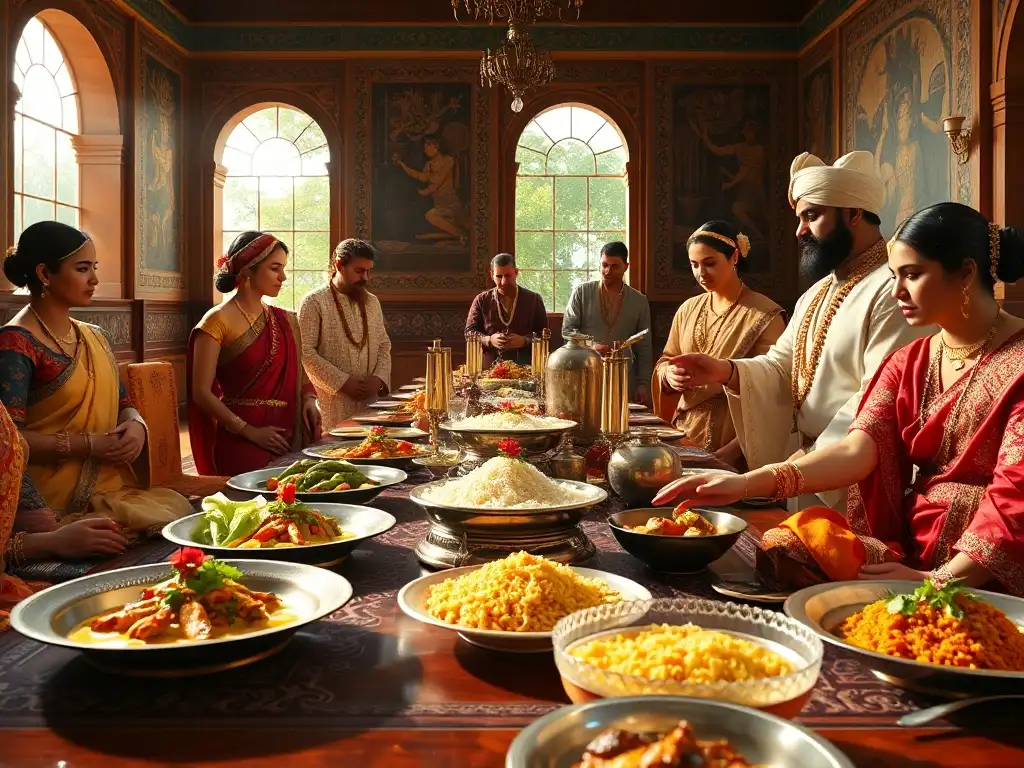
Welcome to Ancient India History, where we embark on a journey through the rich tapestry of India's past. Uncover the fascinating influence of the Maurya Empire on Indian cuisine, a topic that reveals how culinary innovations during this remarkable period have shaped the flavors we cherish today. From royal kitchens to everyday meals, the legacy of the Maurya Empire extends far beyond its political might. Prepare to delve into the delectable details and discover how history tastes—your exploration starts here!
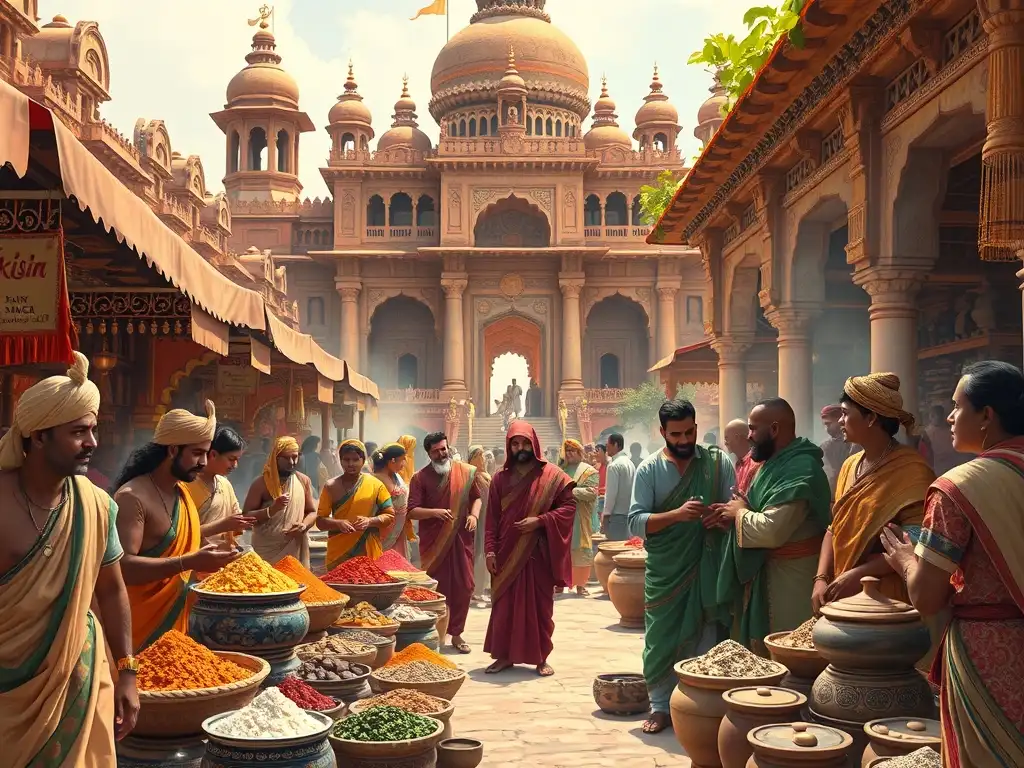
Introduction to the Maurya Empire and Its Culinary Legacy
The Maurya Empire, one of the largest and most powerful empires in ancient India, flourished from approximately 322 to 185 BCE. Founded by Chandragupta Maurya, this vast empire not only contributed significantly to the political and military landscape of the region but also had a profound influence on various cultural aspects, including cuisine.
The Maurya Empire's culinary legacy is a testament to its innovative spirit, which brought together diverse ingredients, cooking techniques, and cultural practices, creating a rich tapestry of flavors that continue to resonate in Indian cuisine today. Understanding the Maurya Empire's influence on cuisine allows us to appreciate the sophisticated culinary traditions that emerged during this period and their lasting impact on the Indian subcontinent.
Overview of the Maurya Empire and Its Historical Context
The Maurya Empire emerged in the wake of the chaotic period following the decline of the Nanda Dynasty. Chandragupta Maurya successfully unified much of northern India, establishing a centralized administration and a vast network of roads and trade routes. Under the guidance of his advisor Chanakya, the empire expanded rapidly, reaching its zenith under the reign of Ashoka the Great, who is well-known for promoting Buddhism and ethical governance.
The empire's strategic location allowed for the exchange of goods, ideas, and culinary practices not only within India but also with neighboring regions, including Persia and the Hellenistic world. This cross-cultural interaction played a crucial role in shaping the culinary landscape of ancient India, as it introduced new ingredients and cooking methods that were integrated into local traditions.
Significance of Cuisine in Ancient Indian Culture
Cuisine in ancient India was not merely a means of sustenance; it was an integral part of social and cultural identity. Food was often linked to religious practices, social gatherings, and celebrations, serving as a medium for expressing hospitality and cultural values. The preparation and sharing of food were deeply rooted in rituals and traditions, reflecting the diverse beliefs and practices of various communities.
Moreover, the Maurya Empire's promotion of trade enhanced the availability of spices, grains, and other foodstuffs, leading to a more varied diet. The importance of food in ancient Indian culture can be seen in the numerous texts and scriptures that address dietary guidelines, cooking methods, and the significance of different ingredients. The empire's culinary innovations not only enriched local diets but also established a foundation for the future of Indian gastronomy.
The Maurya Empire Influence on Cuisine
Introduction to Culinary Innovations During the Maurya Period
During the Maurya period, culinary innovations flourished as a result of increased agricultural productivity and trade. The empire's emphasis on trade led to the introduction of new spices and cooking techniques that transformed traditional Indian cuisine. With urban centers growing and a diverse population, the demand for varied and flavorful dishes prompted chefs to experiment with ingredients and cooking styles.
This era witnessed the emergence of sophisticated cooking practices, as well as the establishment of royal kitchens that catered to the tastes of the elite. The integration of various culinary influences from both within and outside the empire set the stage for the evolution of Indian cuisine, which would continue to develop in subsequent periods.
Key Ingredients That Defined Maurya Cuisine
The Maurya Empire's cuisine was characterized by a wide array of ingredients, many of which were cultivated within its vast territories. Key ingredients included:
- Grains: Rice and wheat were staples, serving as the foundation for many dishes.
- Legumes: Lentils and chickpeas provided essential protein sources for the population.
- Spices: The empire thrived on the trade of spices like cumin, coriander, turmeric, and black pepper, which became integral to flavoring dishes.
- Fruits and Vegetables: Seasonal fruits and vegetables enriched the diet, allowing for diverse culinary preparations.
These ingredients not only enhanced the flavor profiles of dishes but also contributed to a balanced diet that catered to different dietary needs and preferences.
Culinary Techniques Developed in the Maurya Empire
The Maurya Empire is credited with several culinary techniques that laid the groundwork for modern Indian cooking. Significant techniques included:
- Fermentation: This method was used for preparing yogurt and pickles, enhancing flavors and preserving food.
- Spice Blending: The art of blending spices, known as masala, became an essential practice, allowing for the creation of complex flavor profiles in dishes.
- Slow Cooking: Techniques like slow-cooking meats and vegetables in rich gravies became popular, allowing flavors to meld together beautifully.
These culinary practices not only reflected the empire's commitment to gastronomy but also demonstrated an understanding of the nutritional and preservative properties of various ingredients. The innovations from the Maurya Empire ultimately paved the way for the rich culinary heritage that continues to thrive across India today.
Prominent Figures in Maurya Culinary History
The Maurya Empire, renowned for its vast expanse and cultural richness, was also home to several prominent figures who played key roles in shaping the culinary landscape of ancient India. These individuals were not just rulers but also visionaries who understood the importance of food in society, culture, and commerce. Their contributions laid the groundwork for the diverse and sophisticated culinary traditions that emerged during and after the Maurya period.
Ashoka the Great: Patron of Culinary Diversity
Ashoka the Great, the third emperor of the Maurya Empire, is often celebrated for his transformative leadership and commitment to peace following the Kalinga War. However, his influence extended beyond the political realm into the culinary arts. Ashoka recognized the importance of food in promoting social harmony and cultural exchange. He encouraged the use of diverse ingredients and cooking methods, which contributed to a vibrant culinary culture.
Under Ashoka's reign, the concept of vegetarianism gained prominence, influenced by his conversion to Buddhism. His edicts emphasized compassion towards all living beings, leading to a shift in dietary practices across the empire. This patronage of vegetarian cuisine not only diversified the diet of the populace but also integrated various regional delicacies, promoting a sense of unity among the diverse communities of his empire.
Moreover, Ashoka's support for the establishment of monasteries and the spread of Buddhism allowed for the exchange of culinary ideas and techniques across regions, further enriching the imperial cuisine. His legacy is evident in the enduring popularity of vegetarian dishes in Indian cuisine today.
Other Influential Figures and Their Contributions to Cuisine
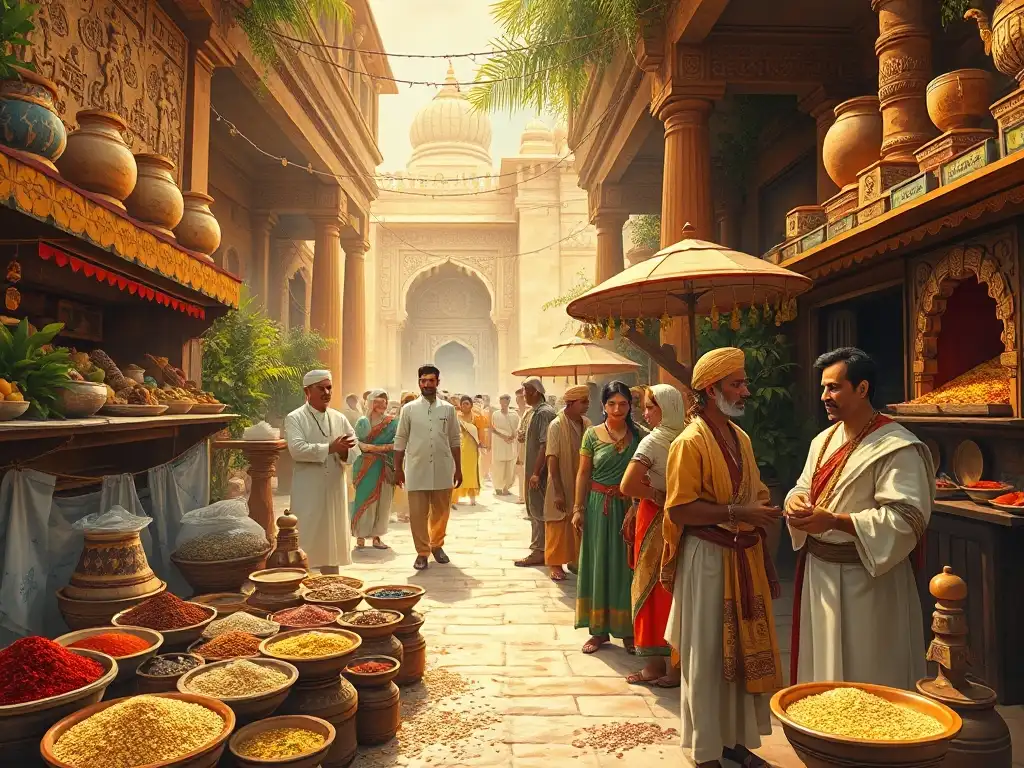
Aside from Ashoka, other influential figures within the Maurya Empire contributed significantly to its culinary heritage. Notably, the Mauryan court was home to a variety of scholars, chefs, and culinary innovators who played vital roles in documenting and advancing cooking techniques.
One such figure was Kautilya, also known as Chanakya, who is often associated with the Arthashastra, a treatise that encompasses various aspects of governance, including culinary practices. His writings highlighted the importance of food regulation, preservation, and the economic aspects of agriculture and trade, which were crucial for sustaining the empire's population.
Additionally, the presence of various regional leaders and local chefs in the empire facilitated the amalgamation of flavors and techniques from different parts of India. This period saw the introduction of spices, herbs, and cooking methods that would later define Indian cuisine, showcasing the Maurya Empire's role as a melting pot of culinary innovation.
The Role of Trade in the Development of Cuisine
Trade played a pivotal role in the evolution of cuisine during the Maurya Empire, influencing both the availability of ingredients and the adoption of new culinary practices. The expansive trade networks established during this period not only enhanced economic prosperity but also facilitated cultural exchanges that significantly impacted food traditions.
Trade Routes Established During the Maurya Empire
The Maurya Empire was characterized by an intricate network of trade routes that connected it to various regions, including Central Asia, Persia, and the Mediterranean. These routes enabled the exchange of not just goods but also culinary ideas and practices.
Key trade routes like the Grand Trunk Road facilitated the movement of spices, grains, and other foodstuffs, making them accessible to different parts of the empire. This increased availability of diverse ingredients fostered innovation in cooking and encouraged the blending of regional cuisines. For example, the introduction of spices such as black pepper and cardamom from southern India transformed the flavor profiles of dishes in northern India, creating a rich tapestry of flavors that became a hallmark of Indian cuisine.
Influence of Foreign Ingredients and Cooking Techniques
As the Maurya Empire engaged in trade with foreign lands, several new ingredients and cooking techniques were introduced. The influence of foreign cultures brought in exotic spices, fruits, and cooking methods that were previously unknown in Indian kitchens.
For instance, the introduction of Persian cooking techniques, including the use of yogurt and saffron, had a lasting impact on Indian culinary practices. The merging of local and foreign ingredients led to the creation of hybrid dishes that showcased the empire's culinary diversity.
This cross-cultural exchange not only enriched the cuisine but also promoted a sense of identity and unity among the diverse populations within the empire. The legacy of these culinary innovations is evident in contemporary Indian cuisine, which continues to celebrate the rich flavors and techniques that were influenced by the Maurya Empire's extensive trade networks.
The Evolution of Cooking Practices in Ancient India
The evolution of cooking practices in ancient India can be traced back to the Harappan civilization, where evidence of sophisticated cooking methods and food storage was found. As society progressed, the Vedic period introduced a variety of grains, vegetables, and dairy products into the Indian diet. The use of fire for cooking was refined, and texts like the Rigveda provided insights into the significance of food in rituals and daily life. By the time of the Maurya Empire, which flourished from 322 to 185 BCE, cooking had become an intricate blend of techniques, ingredients, and cultural significance.
During the Maurya period, trade routes expanded, allowing for the exchange of spices and cooking methods with other civilizations. The influence of different regions led to a diverse culinary palette. The Mauryan court, known for its opulence, greatly valued food, leading to innovations in cooking techniques and the introduction of new ingredients such as various spices, fruits, and vegetables. This era marked a transition towards organized kitchens and the professionalization of cooks, enhancing the complexity of dishes served to royalty and common folk alike.
How Maurya Innovations Shaped Future Indian Cuisine
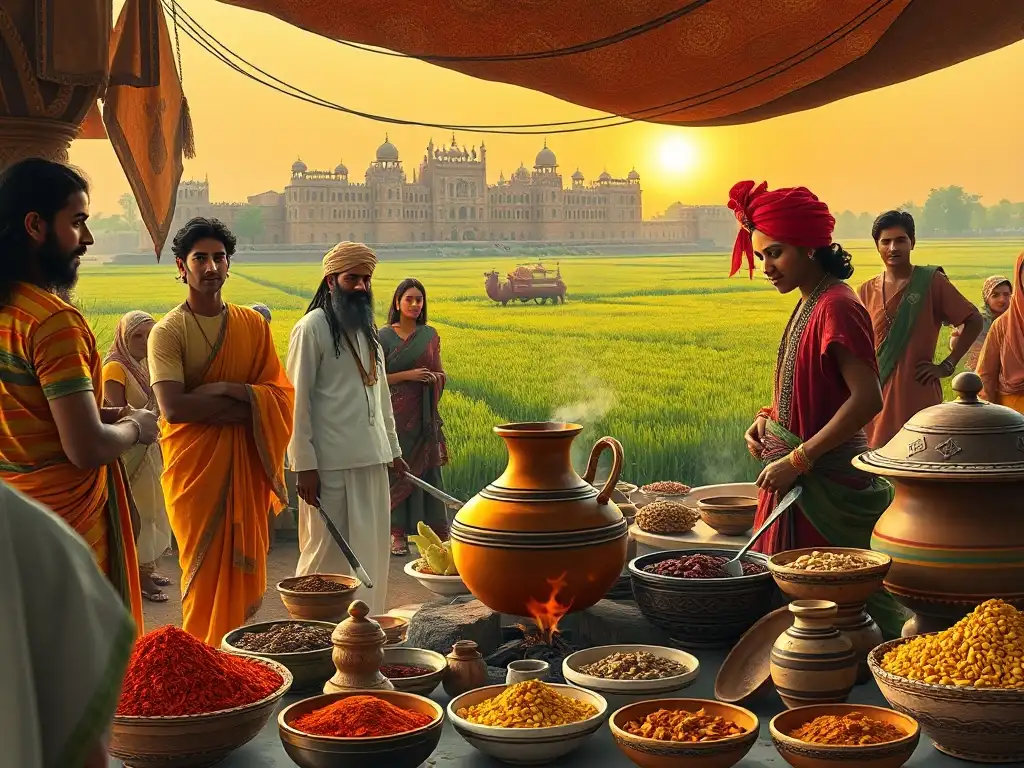
The innovations brought about during the Maurya Empire had a profound impact on Indian cuisine, setting the stage for culinary practices that would endure for centuries. One key innovation was the emphasis on using a variety of spices, which not only enhanced flavor but also contributed to the preservation of food. Spices such as turmeric, coriander, and cumin became staples, influencing regional cuisines across India.
Additionally, the Mauryans introduced methods such as slow cooking and the use of clay pots, which helped to retain the natural flavors of ingredients. The concept of combining sweet, sour, and spicy flavors, which is a hallmark of Indian cuisine today, was likely popularized during this time. Furthermore, the Mauryan emphasis on vegetarianism, influenced by the rise of Jainism and Buddhism, led to the development of diverse vegetarian dishes that remain essential to Indian cuisine.
Continuities and Changes in Culinary Practices Post-Maurya Empire
Following the decline of the Maurya Empire, India witnessed both continuities and changes in culinary practices. The influence of the Mauryan period persisted, particularly in the use of spices and cooking methods. Many of the dishes and techniques established during the Mauryan era continued to be practiced, particularly in the northern regions of India. However, the arrival of new rulers, including the Indo-Greeks and later the Kushans, introduced additional culinary influences.
With the blending of cultures, new ingredients and cooking styles were incorporated into Indian cuisine. For instance, the use of wheat flour for bread-making became more widespread, leading to the development of various types of flatbreads. The increased interaction with foreign cultures during this period also brought about the introduction of new cooking techniques and flavors, further enriching the Indian culinary landscape.
Conclusion: The Lasting Impact of the Maurya Empire on Indian Cuisine
The Maurya Empire played a pivotal role in shaping the course of Indian cuisine, leaving a legacy that continues to influence modern culinary practices. Through their innovations in cooking methods, the introduction of a diverse array of spices, and the establishment of organized culinary traditions, the Mauryans laid the groundwork for a rich and varied food culture.
Summary of Key Contributions and Innovations
The Maurya Empire's contributions to Indian cuisine include:
- Diverse Use of Spices: Establishing spices as key flavoring agents in cooking.
- Innovative Cooking Techniques: Introducing methods such as slow cooking and clay pot usage.
- Vegetarianism: Promoting vegetarian dishes that became integral to Indian food culture.
- Culinary Professionalism: Professionalizing the role of cooks and establishing organized kitchens.
These innovations not only enhanced the culinary experience of the time but also set the stage for future developments in Indian cuisine.
Reflection on the Maurya Empire’s Culinary Legacy in Modern India
Today, the culinary legacy of the Maurya Empire is evident in the diverse and vibrant flavors that characterize Indian cuisine. The use of spices, the significance of vegetarian dishes, and various cooking techniques can be traced back to this influential empire. Indian cuisine remains a tapestry of flavors and traditions, reflecting the historical innovations that began with the Mauryas. As modern chefs continue to explore and innovate, the foundational elements established during this period serve as a reminder of the rich culinary history that has shaped the Indian dining experience.
- Introduction to the Maurya Empire and Its Culinary Legacy
- The Maurya Empire Influence on Cuisine
- Prominent Figures in Maurya Culinary History
- Ashoka the Great: Patron of Culinary Diversity
- Other Influential Figures and Their Contributions to Cuisine
- The Role of Trade in the Development of Cuisine
- The Evolution of Cooking Practices in Ancient India
- How Maurya Innovations Shaped Future Indian Cuisine
- Continuities and Changes in Culinary Practices Post-Maurya Empire
- Conclusion: The Lasting Impact of the Maurya Empire on Indian Cuisine
- What was the Maurya Empire's contribution to Indian cuisine?
- How did trade during the Maurya Empire affect food diversity?
- Were there any specific dishes that originated in the Maurya Empire?
- What role did religion play in Maurya cuisine?
- How has the influence of the Maurya Empire persisted in modern Indian cuisine?
Frequently Asked Questions
What was the Maurya Empire's contribution to Indian cuisine?
The Maurya Empire introduced various culinary techniques and ingredients, significantly influencing the development of Indian cuisine during its reign.
How did trade during the Maurya Empire affect food diversity?
The extensive trade routes established by the Maurya Empire facilitated the exchange of spices and cooking methods, leading to a more diverse culinary landscape in India.
Were there any specific dishes that originated in the Maurya Empire?
Yes, certain dishes that emphasized rich spices and flavors can be traced back to the Maurya period, showcasing their innovative approach to cooking.
What role did religion play in Maurya cuisine?
The Maurya Empire saw a significant influence of Buddhism and Jainism, which promoted vegetarianism, impacting the types of food consumed and prepared at that time.
How has the influence of the Maurya Empire persisted in modern Indian cuisine?
Many of the culinary practices and spice combinations established during the Maurya Empire continue to be integral to modern Indian cuisine, showcasing its lasting legacy.
Final Reflection: The Enduring Legacy of the Maurya Empire on Indian Cuisine
The influence of the Maurya Empire on cuisine is not just a historical footnote; it is a vibrant thread woven into the fabric of modern Indian culinary practices. As we explore the rich tapestry of flavors and techniques that emerged during this era, we recognize that the innovations of the Maurya Empire continue to shape our palates today. The empire's emphasis on diverse ingredients and regional cooking styles has left an indelible mark that resonates in contemporary kitchens across India.
Culinary traditions are often a reflection of cultural evolution, and the Maurya Empire stands as a testament to this dynamic interplay. From the introduction of new spices to the fusion of regional dishes, the empire's contributions have fostered a culinary landscape that celebrates diversity and creativity. As noted by food historian K.T. Achaya, The evolution of Indian cuisine is a continuous journey, where each era adds its unique flavor.
This ongoing influence reminds us that food is not merely sustenance; it is a narrative of our shared history and cultural identity.
As we reflect on the lessons from the Maurya Empire's impact on cuisine, let us embrace the spirit of innovation and exploration in our own culinary endeavors. I invite you to experiment with flavors, honor traditional recipes, and appreciate the stories behind each dish. By doing so, we not only celebrate the rich heritage of Indian cuisine but also contribute to its ongoing evolution, ensuring that the legacy of the Maurya Empire continues to inspire future generations.
Explore the Culinary Legacy of the Maurya Empire!
Thank you for diving into the rich world of the Maurya Empire and its culinary innovations. Your journey through the intricacies of ancient Indian cuisine has likely sparked new ideas and appreciation for the flavors that have shaped our culinary heritage. So, what will you do with this newfound knowledge?
Here are some actionable steps to deepen your exploration of Mauryan cuisine and culture:
- Start your own culinary experiment! Try recreating a dish inspired by Mauryan flavors using locally sourced spices and ingredients.
- Share your insights! Connect with fellow food enthusiasts on social media or in community groups to discuss how ancient practices influence modern cooking.
- Visit a local Indian restaurant or market that highlights traditional dishes and flavors to experience firsthand the influence of ancient cuisines.
As you reflect on your culinary journey, consider this: How can the ancient wisdom of the Maurya Empire inspire your own cooking today?